 MomSkoop

Most people spend months planning the perfect wedding, but very few spend that same energy preparing for the actual marriage. The truth is, many relationships run into serious trouble because of patterns and problems that started way before anyone said “I do.”
Small habits, unspoken expectations, and avoided conversations can quietly grow into big issues over time. Catching these mistakes early can make all the difference between a marriage that thrives and one that struggles.
1. Ignoring Red Flags

That nagging feeling in your stomach is trying to tell you something.
Red flags are warning signs that show up early in a relationship, and brushing them off is one of the most common mistakes people make before marriage.
Maybe your partner gets angry too quickly, puts you down in front of others, or refuses to take responsibility for their actions.
These behaviors rarely disappear after a wedding ceremony.
Choosing to ignore them because you love the person or because you hope things will improve is risky.
Love is important, but a healthy relationship also needs respect, honesty, and emotional safety.
Trust what you observe, not just what you hope for.
2. Expecting Marriage to Change Your Partner

Marrying someone with the secret hope that they will change is like buying shoes that are two sizes too small and expecting them to stretch perfectly over time.
It rarely works out that way.
People can grow and evolve, but real change only happens when someone genuinely wants it for themselves.
No wedding ring, no amount of love, and no amount of patience can force someone to become a different person.
If there are qualities about your partner that you simply cannot accept right now, have an honest conversation before the wedding.
Building a marriage on the fantasy version of someone, rather than the real person in front of you, sets everyone up for disappointment.
3. Avoiding Difficult Conversations
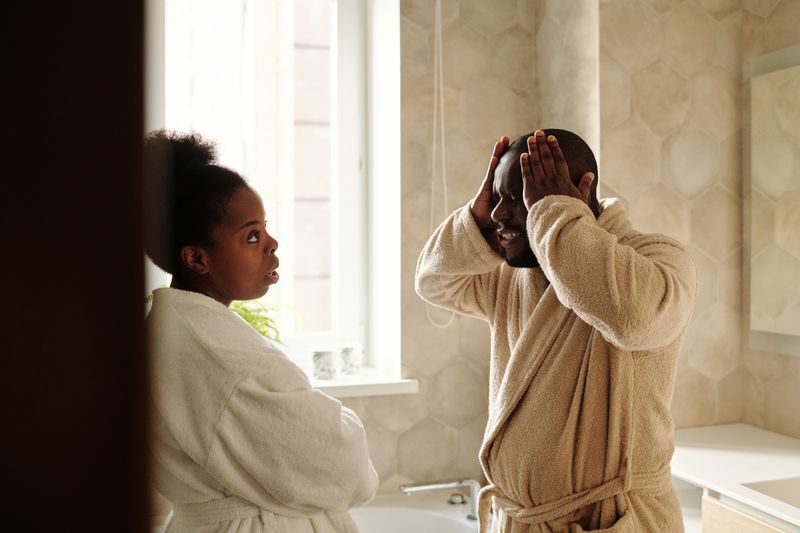
Uncomfortable topics do not disappear just because you refuse to talk about them.
Avoiding hard conversations before marriage is like leaving a small crack in a wall unrepaired.
Over time, that crack spreads.
Topics like past relationships, personal boundaries, mental health, and lifestyle expectations might feel awkward to bring up, but they are exactly the kinds of things that matter most in a long-term partnership.
Couples who practice open communication early build a much stronger foundation.
You learn how to handle conflict, how to listen without shutting down, and how to respect each other even when you disagree.
Getting comfortable with uncomfortable conversations now is one of the smartest things you can do before saying yes.
4. Not Discussing Money, Debt, and Spending Habits

Money fights are one of the leading causes of divorce, and most of them could have been prevented with one honest conversation before the wedding.
Finances are deeply personal, and people bring very different attitudes toward money into a relationship.
One partner might be a careful saver while the other spends freely.
One might carry significant credit card debt while the other has a healthy savings account.
Without knowing these details, you are walking into marriage financially blindfolded.
Talk about income, debt, savings goals, and spending habits openly.
Decide how you will handle shared expenses and financial decisions.
Money conversations might feel awkward at first, but building financial transparency early protects both of you down the road.
5. Assuming You Share the Same Future Goals

Just because two people love each other does not mean they automatically want the same future.
Assuming your partner shares your vision for life without ever actually asking is a mistake that catches many couples completely off guard.
Where do you want to live?
How important is career advancement to each of you?
Do you want to travel extensively or settle down?
What does your ideal daily life look like in ten years?
These questions might seem unnecessary when everything feels good, but life goals shape every major decision a couple will ever make.
Discovering that you have fundamentally different visions for the future after the wedding is far more painful than having the conversation beforehand.
6. Failing to Discuss Children and Parenting

Few topics carry more weight in a marriage than children.
Whether or not to have kids, how many, when, and how to raise them are questions that can become serious sources of conflict if left unaddressed before the wedding.
Parenting styles vary enormously.
One person might believe in strict discipline while the other prefers a relaxed approach.
Religious upbringing, education choices, and extended family involvement are all part of this conversation too.
Assuming your partner will simply agree with your views once you are married is wishful thinking.
Couples who discuss these topics honestly before committing tend to face far fewer surprises later.
It is better to know where you both stand now than to discover a dealbreaker after the vows.
7. Letting Family or Friends Control the Relationship

Outside opinions can be helpful, but when family members or friends start making decisions for your relationship, things get complicated fast.
Every couple needs space to build their own identity without constant outside interference.
Some families are well-meaning but overly involved.
A parent who constantly criticizes your partner, a friend group that pressures you to break up, or in-laws who expect to be included in every decision can quietly erode a relationship over time.
Before marriage, it is worth establishing healthy boundaries with the people around you.
Your relationship belongs to the two of you.
Learning to make decisions together as a team, rather than as an extension of your families, is a skill that will serve your marriage for years to come.
8. Confusing Attraction with Compatibility

Strong chemistry can feel like a sign that you have found the right person, but attraction and compatibility are two very different things.
Physical spark is exciting, but it does not guarantee that two people are actually right for each other long-term.
Compatibility involves shared values, similar communication styles, mutual respect, and the ability to work through problems together.
A couple can be wildly attracted to each other and still want completely different things out of life.
As the early excitement of a new relationship settles, what remains is the everyday reality of building a life with someone.
Before getting engaged, take an honest look beyond the butterflies.
Ask yourself whether you genuinely enjoy this person as a partner, a friend, and a teammate.
9. Rushing Into Marriage Because of Pressure or Fear

Getting married because your family expects it, because your friends are all getting married, or because you are afraid of being alone is a shaky foundation for one of the biggest commitments of your life.
Fear-based decisions tend to lead to regret.
When you rush into marriage without truly being ready, you may find yourself ignoring doubts, skipping important conversations, or choosing a partner who is not actually right for you.
A wedding should be a celebration of a genuine, well-considered commitment, not a solution to social pressure or personal anxiety.
Take the time you need to feel genuinely confident in your choice.
The right relationship will still be there after careful thought and honest reflection.
10. Using Poor Communication During Disagreements

Every couple argues.
That part is completely normal.
What matters far more than whether you fight is how you fight.
Poor communication habits during disagreements, like yelling, shutting down, name-calling, or bringing up old issues, can do lasting damage to a relationship.
These patterns often develop early and become deeply ingrained before a couple even gets married.
By the time they become a serious problem, they can feel nearly impossible to break.
Healthy disagreement looks like staying calm, listening actively, and focusing on the actual issue rather than attacking the person.
Couples who learn to argue constructively build trust and closeness even through conflict.
Working on communication skills before marriage is one of the most valuable investments a couple can make.
11. Keeping Secrets or Being Dishonest

Secrets have a way of surfacing at the worst possible moments.
Whether it is hiding financial problems, concealing past experiences, or being dishonest about your true feelings, keeping secrets from a future spouse creates a relationship built on an unstable foundation.
Honesty in a relationship is not just about avoiding lies.
It also means being open about who you are, what you have been through, and what you truly need.
Vulnerability can feel scary, but it is what allows two people to genuinely know and trust each other.
Marriages built on honesty are far more resilient when challenges arise.
If you are keeping something significant from your partner before the wedding, ask yourself why, and whether this is really the right foundation to build a life on.
12. Becoming Emotionally or Financially Dependent

Relying on your partner for everything, whether it is emotional support, financial stability, or a sense of personal identity, puts enormous pressure on a relationship before it has even fully begun.
Healthy relationships are built between two whole people, not two people who need each other to feel complete.
When one partner becomes the sole source of happiness, security, or income for the other, the relationship becomes unbalanced and fragile.
Building your own emotional resilience, financial independence, and personal interests outside the relationship makes you a stronger partner.
You bring more to the table when you have your own life, goals, and support system.
Dependence can feel like love, but over time it often leads to resentment and burnout for both people involved.
13. Planning the Wedding More Carefully Than the Marriage
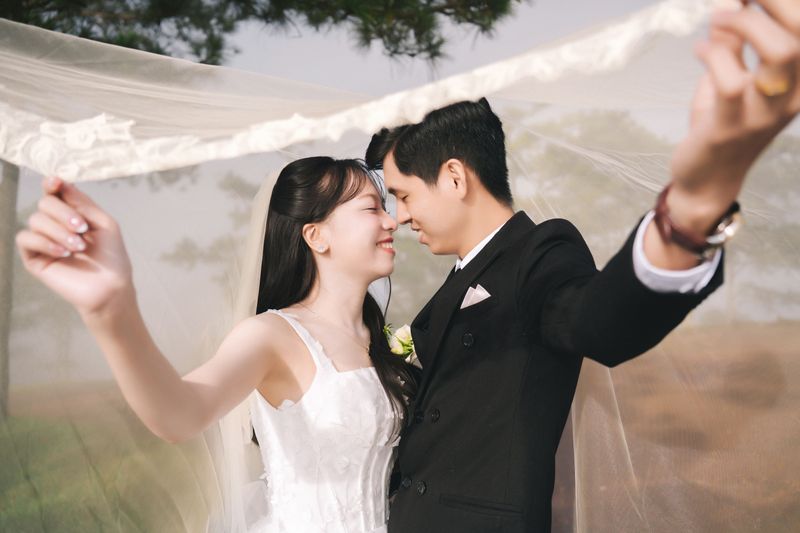
Spending a year obsessing over centerpieces, guest lists, and cake flavors while spending almost no time preparing for the actual marriage is surprisingly common.
The wedding is one day.
The marriage is supposed to last a lifetime.
Many couples invest enormous energy into creating the perfect event but never once sit down to talk about their expectations, goals, or potential challenges as a married couple.
Premarital counseling, relationship workshops, or even just dedicated conversations about the future can be incredibly valuable.
A beautiful wedding does not guarantee a strong marriage.
Shifting some of that planning energy toward understanding each other more deeply, practicing communication, and setting shared intentions gives your relationship a much better chance of lasting well beyond the celebration.