 MomSkoop
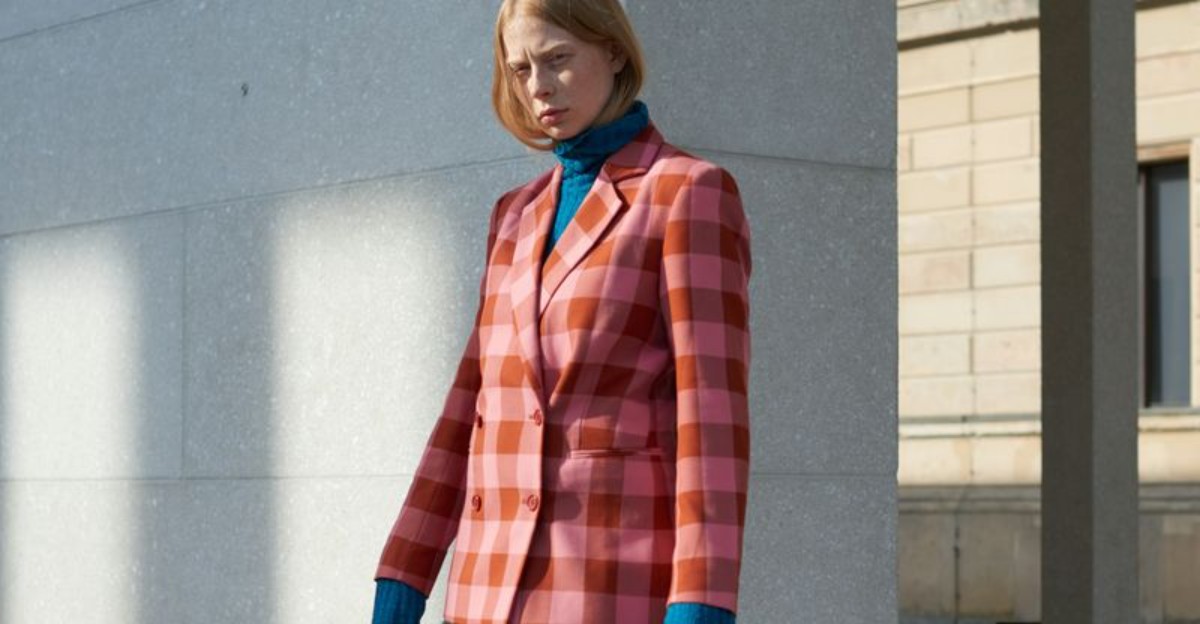
Pinterest Predicts 2026 named bold, expressive aesthetics and maximalist styling as key fashion movements for the year ahead. That caught my eye, because maximalism has long been treated as the loud cousin minimalism politely ignores at family dinners. The style runs on saturated color, layered textures, mixed prints, and oversized accessories.
What interests me most is how the best maximalist outfits still look planned, even when they include sequins, florals, and four necklaces at once. That planning is where balance comes in, and it matters for regular closets too. A bright coat, patterned pants, or a stack of rings can feel wearable once you know how to make the pieces support each other. The ideas below lean bold without turning your outfit into a shouting match.
1. Pick One Anchor Piece First
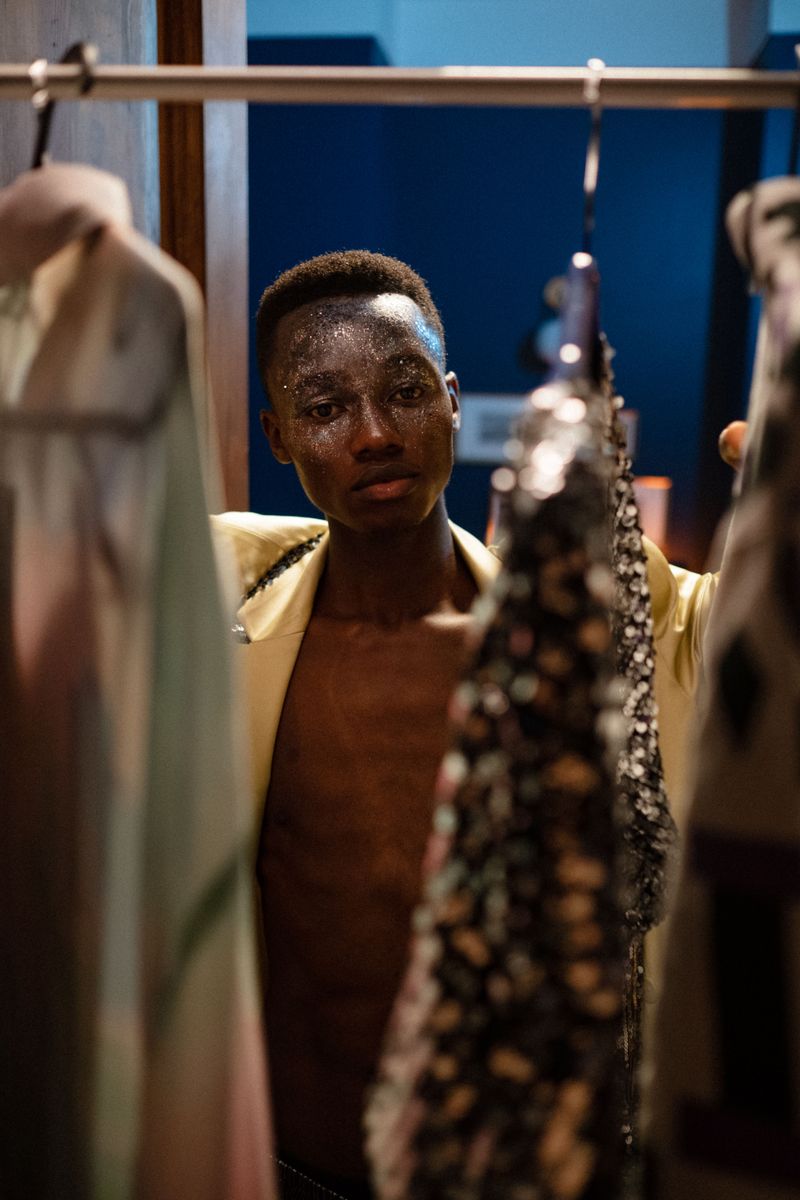
Every great outfit needs a lead singer, and in maximalism, that role belongs to one standout piece.
Think of a sequined blazer, a dress covered in tropical prints, or pants in electric blue.
Choosing that anchor first gives the rest of your outfit a job.
Instead of grabbing random bold items and hoping they get along, you build around a clear focal point.
The supporting pieces can still be bright or patterned, but they follow the anchor’s lead.
Say you pick a fuzzy pink cardigan as the star.
You might pull a soft red from it for your skirt, then add a beaded bag in a shade that echoes both.
Suddenly the look feels connected rather than crowded.
Other strong anchors include a dramatic coat, a sparkly skirt, or a tulle layer over a simple slip dress.
Pick something that makes you smile when you see it on the hanger, because that reaction is useful information.
Here’s a handy check before you head out.
Ask yourself which item someone would notice first from across the room.
If the answer is clear, your outfit has structure, and you’ve got room to play with everything else around it.
2. Mix Patterns That Share a Color
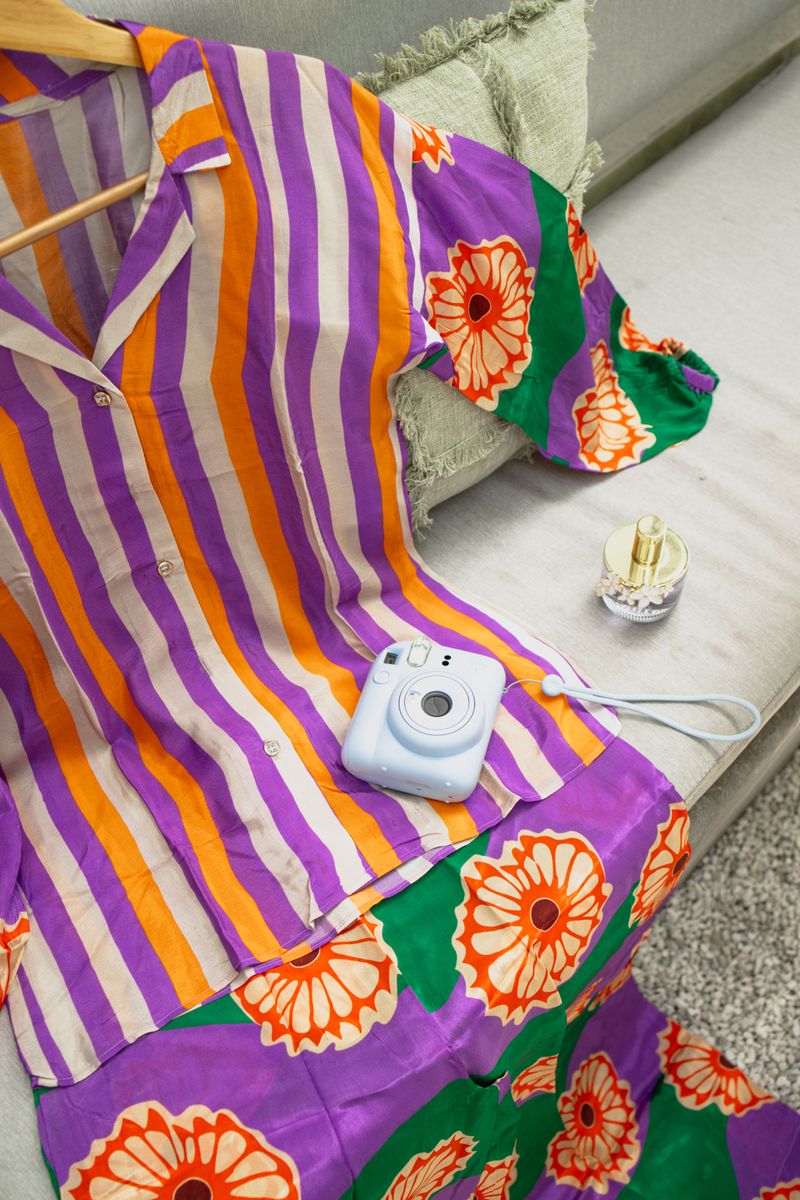
Stripes and florals walk into a party, and somehow they leave as best friends.
The secret handshake is usually a shared color.
Pattern mixing can look random when the prints have nothing in common.
Once they share at least one hue, though, your eye starts connecting them automatically.
A navy striped top with a navy-and-yellow floral skirt reads as a pair, not a coincidence.
Start by laying both pieces flat on your bed.
Look for a color that shows up in each one, even in small amounts.
That repeated shade becomes the thread tying your outfit together.
You can strengthen the link with accessories.
Pick shoes, a bag, or earrings in that same shared color, and the connection gets even clearer.
It’s a little like underlining the important word in a sentence.
Don’t worry about exact matches.
A tomato red and a brick red can still talk to each other nicely.
If you’re unsure, try two prints from the same color family before branching out further.
Classic patterns make friendly starters.
Gingham, polka dots, and stripes pair well with bolder prints because they’re familiar and easy to read.
Once you’re comfortable, you can bring in more abstract designs and see how far your mix can stretch.
3. Use the Color Wheel as a Cheat Sheet
Remember the color wheel from art class?
It turns out that dusty classroom poster is a maximalist’s best friend.
Color is the backbone of this style, which thrives on rich, saturated shades.
The wheel helps you pick combinations that feel bold on purpose instead of by accident.
Three simple setups can guide nearly any outfit.
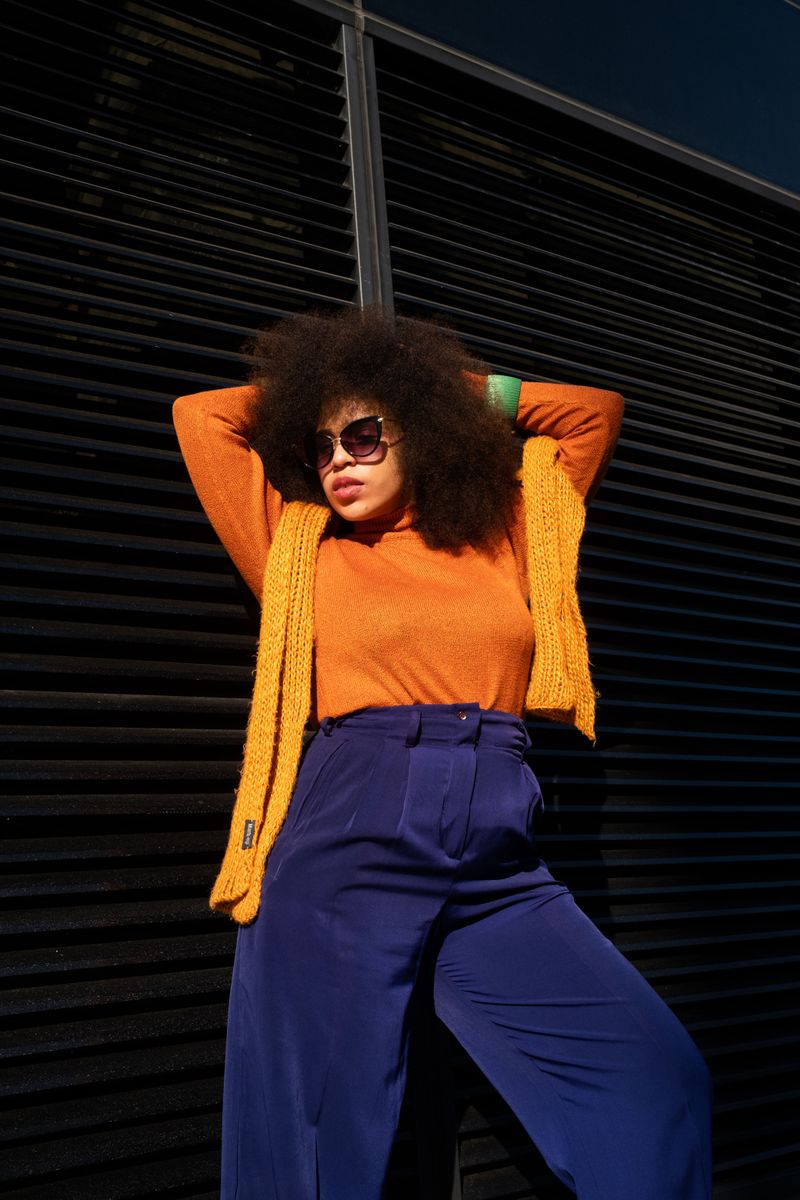
Complementary colors sit opposite each other, like blue and orange or purple and yellow.
Wearing them together creates strong contrast, so a cobalt suit with an orange blouse really pops.
Analogous colors sit side by side, like blue, green, and turquoise, and they blend smoothly for a calmer feel.
Triadic schemes use three colors spaced evenly around the wheel, such as red, yellow, and blue.
That option feels lively but still organized, since the spacing keeps things in balance.
Try one color as the main piece and the other two as smaller touches.
Saving a color wheel image on your phone makes shopping easier too.
You can check a new top against pieces you already own before buying.
That small habit saves money and closet space.
Of course, rules are just starting points.
If a pairing makes you happy and the colors feel connected, trust your eye.
4. Layer Contrasting Textures
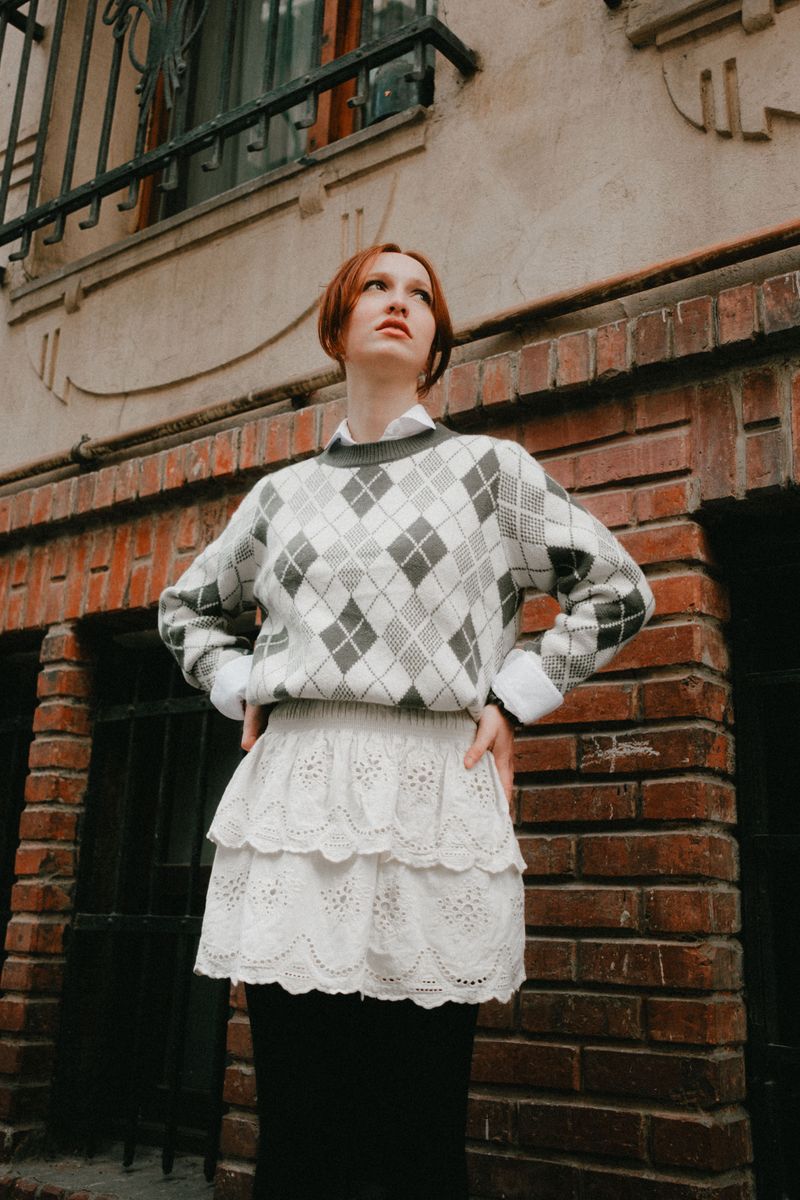
Silk and a chunky knit sound like an odd couple, yet they might be the most interesting duo in your closet.
Texture gives a maximalist outfit depth, even when the colors stay fairly quiet.
Contrast is what makes it work.
Smooth fabrics next to rough ones, or structured ones beside flowing ones, catch the light differently.
Your outfit looks richer because there’s more for the eye to explore.
Some pairings to try: a satin skirt with a thick cable sweater, stiff denim with a floaty chiffon blouse, or a velvet blazer over a lace top.
Leather and faux fur can join the mix too, especially in colder months.
Layering also has a practical side.
Extra pieces add warmth, and you can peel them off as the day changes.
A cardigan over a slip dress handles a chilly morning and a sunny afternoon.
To keep things balanced, try limiting yourself to three main textures per outfit.
That’s usually enough for interest without feeling like a fabric store exploded.
You can also keep the colors in one family, letting texture do the heavy lifting.
Run your hand over your clothes while planning.
Sometimes your fingertips spot a great combo before your eyes do.
5. Balance Big Shapes With Slim Ones
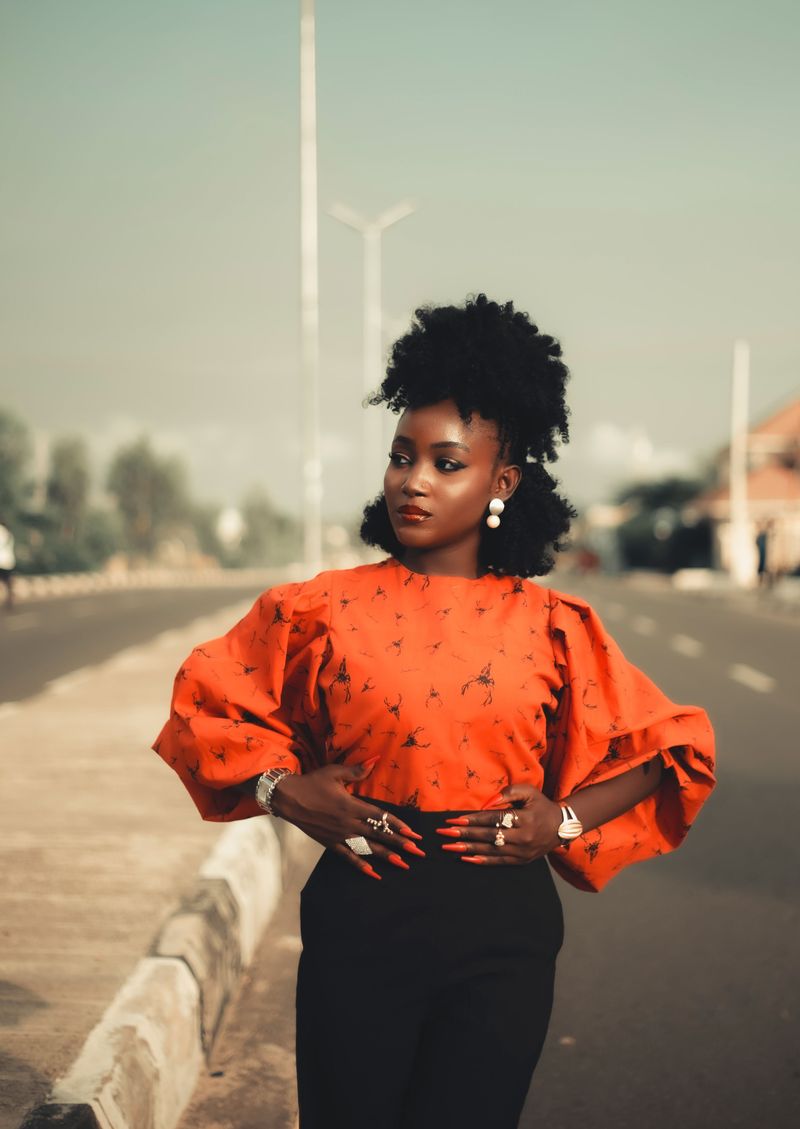
Volume is fun until your whole outfit starts looking like a cloud.
That’s where proportion steps in as the quiet hero.
The basic idea is simple.
If one piece is big and roomy, let another piece be closer to the body.
A puff-sleeve blouse looks sharp with slim trousers, while wide-leg pants pair nicely with a fitted top or bodysuit.
Why does this help?
It gives the outfit a clear shape, so the bold parts stand out instead of competing.
Your statement sleeves get more attention when the bottom half stays streamlined.
Layering works the same way.
An oversized blazer over a slim knit dress feels balanced, and a voluminous coat can sit over straight jeans.
Belts can help too, which comes up a bit later in this list.
Of course, there’s no single correct silhouette.
Some people love head-to-toe volume, and that can look fantastic with confidence and planning.
Think of balance as a tool, not a strict law.
A full-length mirror is your best testing ground here.
Step back a few feet and look at the overall shape before checking details.
If one area feels heavy, swap a single piece and try again until the outline pleases you.
6. Layer Necklaces in Different Lengths
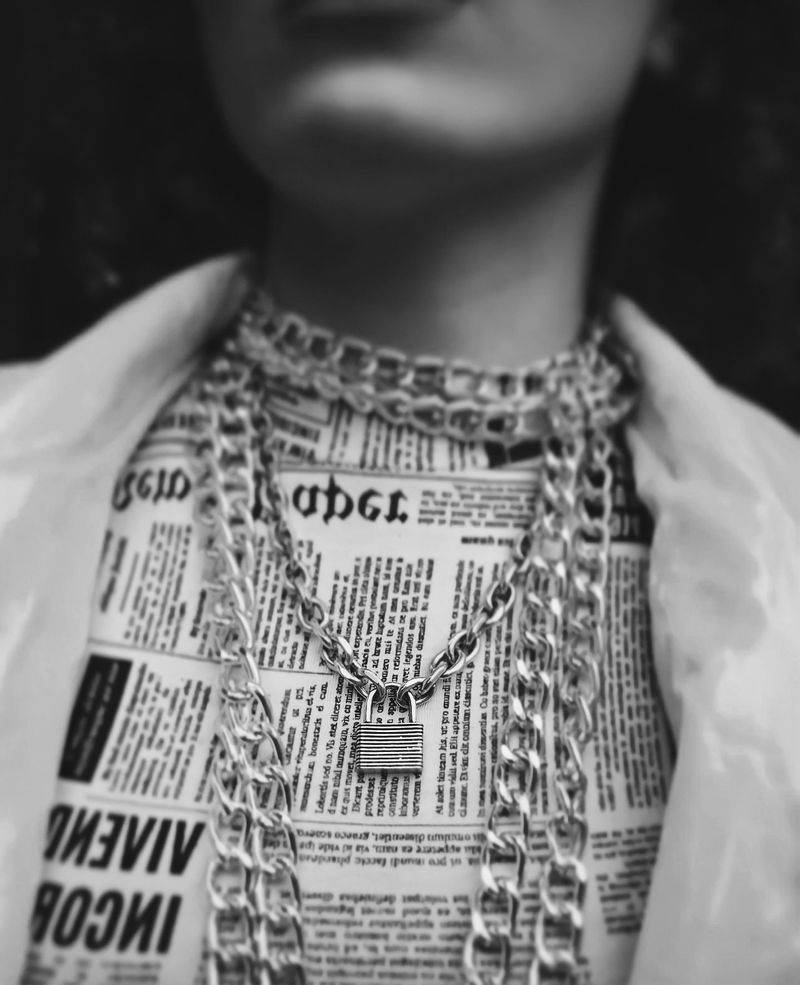
One necklace is nice, but five can tell a story.
In maximalism, the “more is more” approach happily extends to jewelry.
The trick is variety.
Mix short, medium, and long chains so each one has its own space on your neckline.
A choker, a mid-length pendant, and a long beaded strand create a layered look that feels deliberate rather than tangled.
Textures and pendant styles add more interest.
You might combine a smooth chain with a chunky link, then toss in a charm or coin pendant.
Pearls next to metal can look surprisingly fresh.
Mixing metals is welcome too.
Many stylists suggest letting one metal lead, like gold, while silver or rose gold appears as accents.
That keeps the stack cohesive instead of scattered.
Simple tops make the best backdrops here.
A plain crew neck or V-neck gives your necklaces room to shine.
Busy collars can fight with the chains, so save ruffles for another day.
Tangles happen, and that’s honestly part of the deal.
Storing each necklace separately, or laying them flat, saves you from morning knot rescues.
Clasp connectors that join several chains can also help keep everything in its lane while you move.
7. Stack Rings and Bracelets
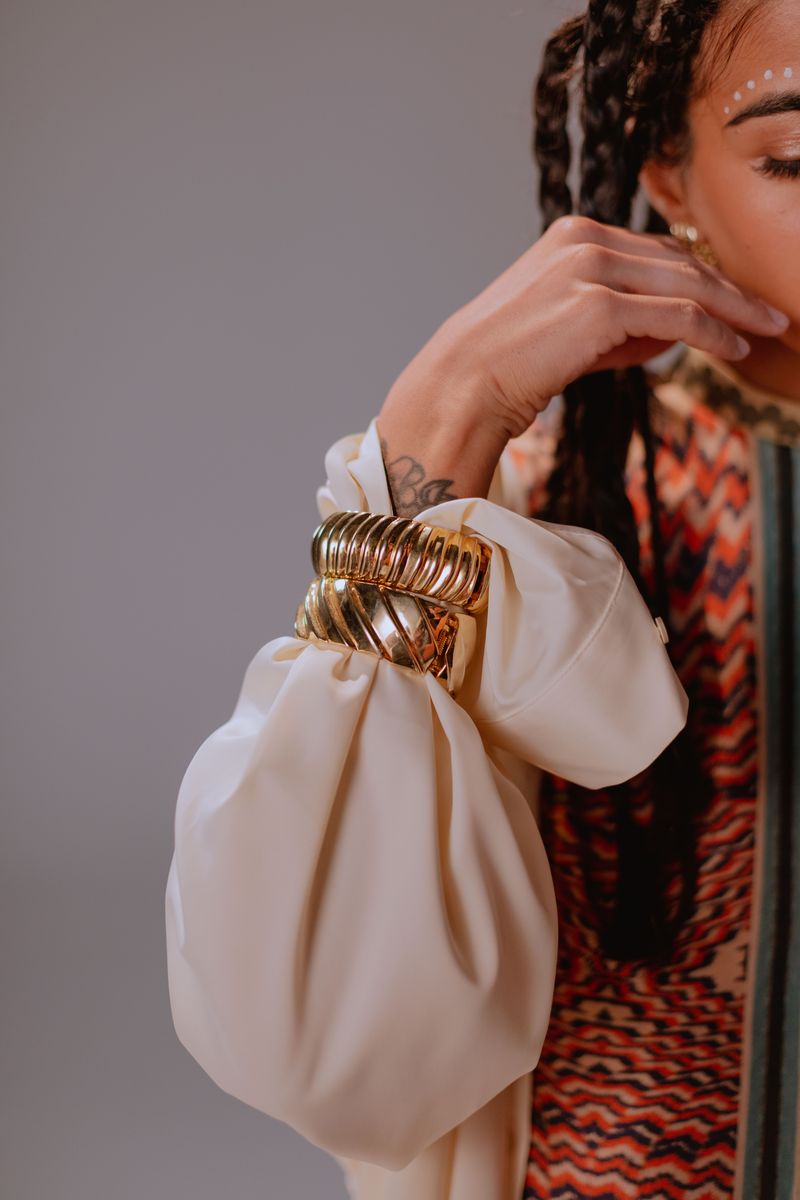
Your hands talk all day, so why not give them something fun to say?
Stacked rings and bracelets add sparkle to gestures you’re already making.
Spread rings across several fingers rather than piling them onto one.
Mix delicate bands with bold geometric shapes for contrast.
A thin filigree ring next to a chunky signet looks intentional and interesting.
Finishes matter more than you might expect.
Vintage pieces with a soft, worn patina can sit beside shiny modern ones.
That blend of old and new gives your stack some personality and history.
On your wrists, combine bangles with chain bracelets or beaded strands.
A watch can join the party too.
Try one arm heavier and the other lighter if a full set on both sides feels like too much.
Thrift stores and family jewelry boxes can be great sources here.
Maximalism rewards pieces with character, and they don’t need to be expensive or matching.
A quick comfort check helps before leaving the house.
Make sure you can still type, open doors, and wash your hands without snagging anything.
Stacks are meant to look joyful, and a ring that keeps catching on sweaters gets old fast, so adjust as needed.
8. Top It Off With Statement Headwear
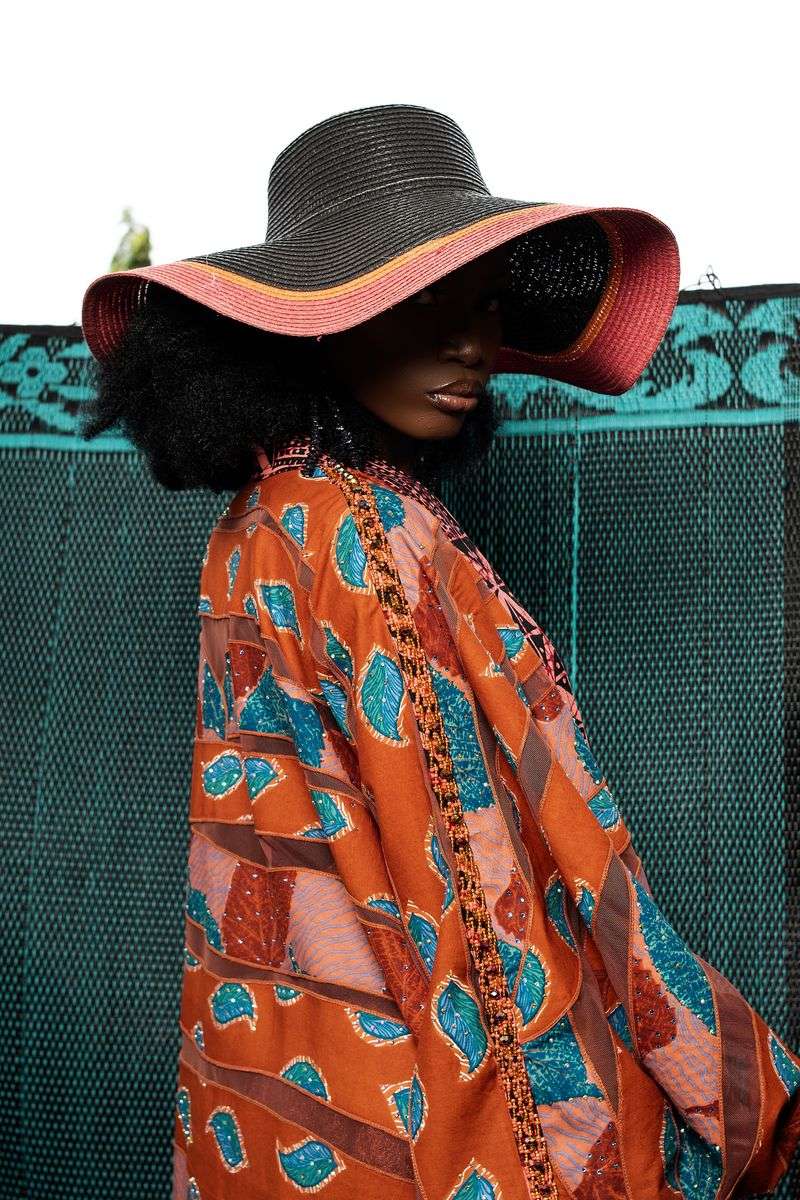
A hat is basically a statement piece that sits closest to your face, which makes it hard to ignore.
For anyone easing into maximalism, headwear is a friendly starting point.
Options are wide.
A broad-brimmed hat in an unexpected color, like emerald or tangerine, instantly changes a plain outfit.
Berets, fedoras, cloche hats, and turbans each bring their own mood.
Smaller pieces count too.
Embellished headbands, oversized bows, and decorative hair clips add drama without a full hat.
A colorful printed scarf tied as a headwrap can also pull different colors from your outfit together.
Balance helps here as well.
If your headwear is loud, consider a calmer neckline so the top of your outfit doesn’t feel crowded.
A big hat plus big earrings plus a ruffled collar might be one layer too many.
Repeating a color helps connect your look.
Match a ribbon on your hat to your shoes, or echo a scarf print in your bag.
That way the headpiece feels part of the plan.
Hats also come with a nice bonus: they handle bad hair days.
Few accessories can claim to add style and hide a stubborn cowlick at the same time.
9. Let Your Shoes Do the Talking
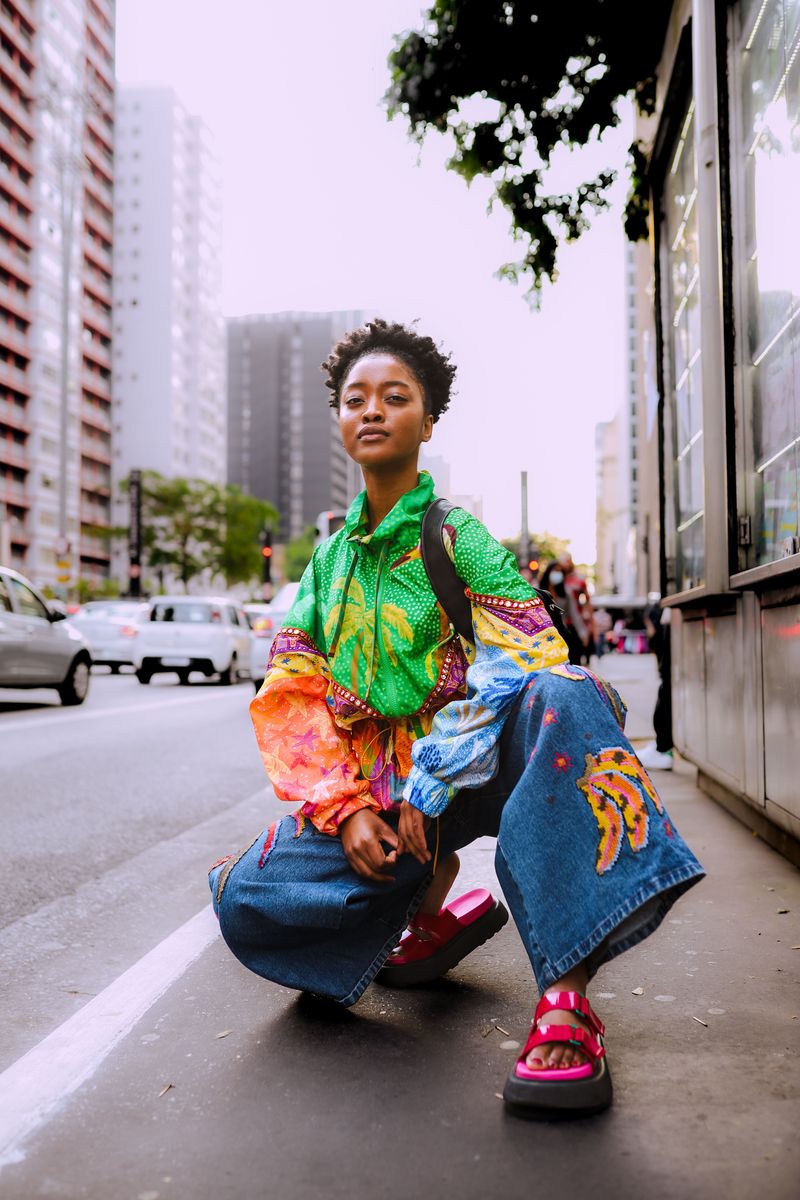
Shoes are often the last thing people choose, yet they can be the first thing someone notices.
Bold footwear offers an easy path into maximalist dressing.
Colorful heels, patterned flats, embellished boots, and metallic sneakers all bring energy from the ground up.
A pair of silver sneakers with jeans turns a basic day outfit into something more playful.
Beaded or jeweled flats can do the same for a simple dress.
When your shoes are loud, think about the rest of the outfit as backup.
Neutral pants or a solid dress give them room to shine.
You can also repeat their color elsewhere, like a matching bag or a scarf.
Socks deserve a mention too.
Bright or patterned socks peeking out from loafers or sneakers add another layer of fun.
Sheer socks with sparkle can pair nicely with heels or Mary Janes.
Practical thinking keeps the joy going.
If you’ll be walking a lot, choose bold sneakers or flats you already know feel fine on your feet.
Saving the sky-high glitter heels for shorter outings is a reasonable choice.
Shoes also tend to last through style changes, so a striking pair can stay in your rotation for years with care.
10. Follow the Rule of Three
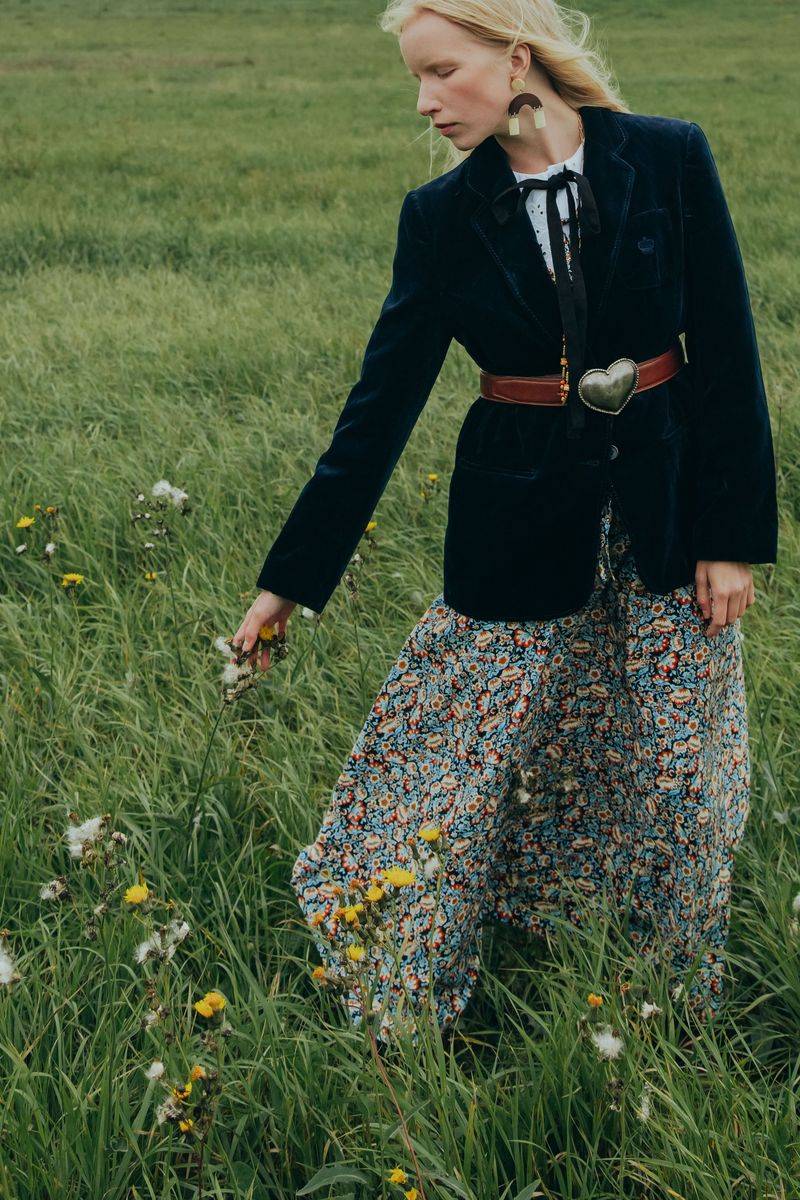
Too many choices can freeze anyone in front of the closet.
A simple guideline called the rule of three gives your outfit a clear focus.
Here’s how it works.
Pick three main elements to highlight, such as color, pattern, and texture.
Then keep the remaining parts of your outfit a bit quieter so those three can stand out.
For example, a red velvet blazer covers color and texture.
Add a leopard print skirt for pattern, and you’ve hit your three.
Plain black boots and simple earrings let those choices take center stage.
You can swap in different elements too.
Maybe your three are shine, volume, and print, like a satin top, a full skirt, and a patterned bag.
The point is choosing on purpose instead of stacking everything at once.
This approach still keeps the bold spirit of maximalism.
Three strong features is plenty to make an outfit memorable.
It just keeps the look from tipping into chaos.
Treat it as a training tool rather than a forever rule.
Once you get comfortable, you might push to four or five elements.
By then, you’ll have a better feel for when a look sings and when it starts to shout.
11. Start With Neutrals and Add Pops
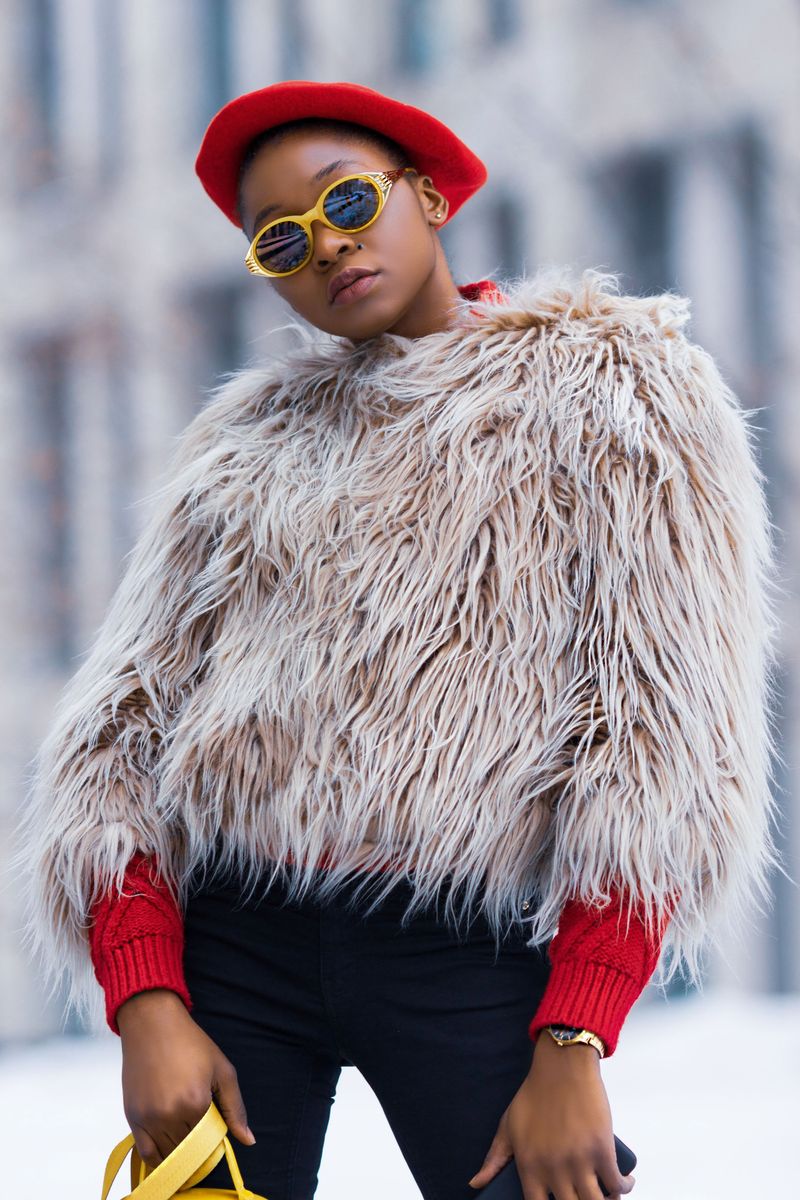
Jeans and a white T-shirt might seem like the opposite of maximalism.
Funny enough, that plain pair makes one of the best blank canvases around.
A neutral base takes pressure off.
You don’t have to coordinate five bold pieces at once.
Instead, you add color and pattern through accessories, building up step by step.
Try a bright bag first, maybe magenta or lime.
Then add chunky earrings, a patterned scarf, or colorful shoes.
Each addition brings more personality, while the jeans and tee keep things grounded.
This approach works well for daily life too.
It’s easy to wear to school, work, or errands, and you can adjust based on your mood.
Feeling bolder?
Add another layer.
Feeling low-key?
Keep just one bright piece.
It’s also budget-friendly.
A few bright accessories can refresh many basic outfits you already own.
You don’t need a whole new wardrobe to try this style.
Neutral bases come in more than white and denim.
Black, gray, camel, and cream all work as calm backdrops.
Choose whichever shade suits your closet, and let your accessories handle the loud parts.
Over time, you’ll learn which pops you reach for most often.
12. Play With Print Scale and Mood
Prints have personalities.
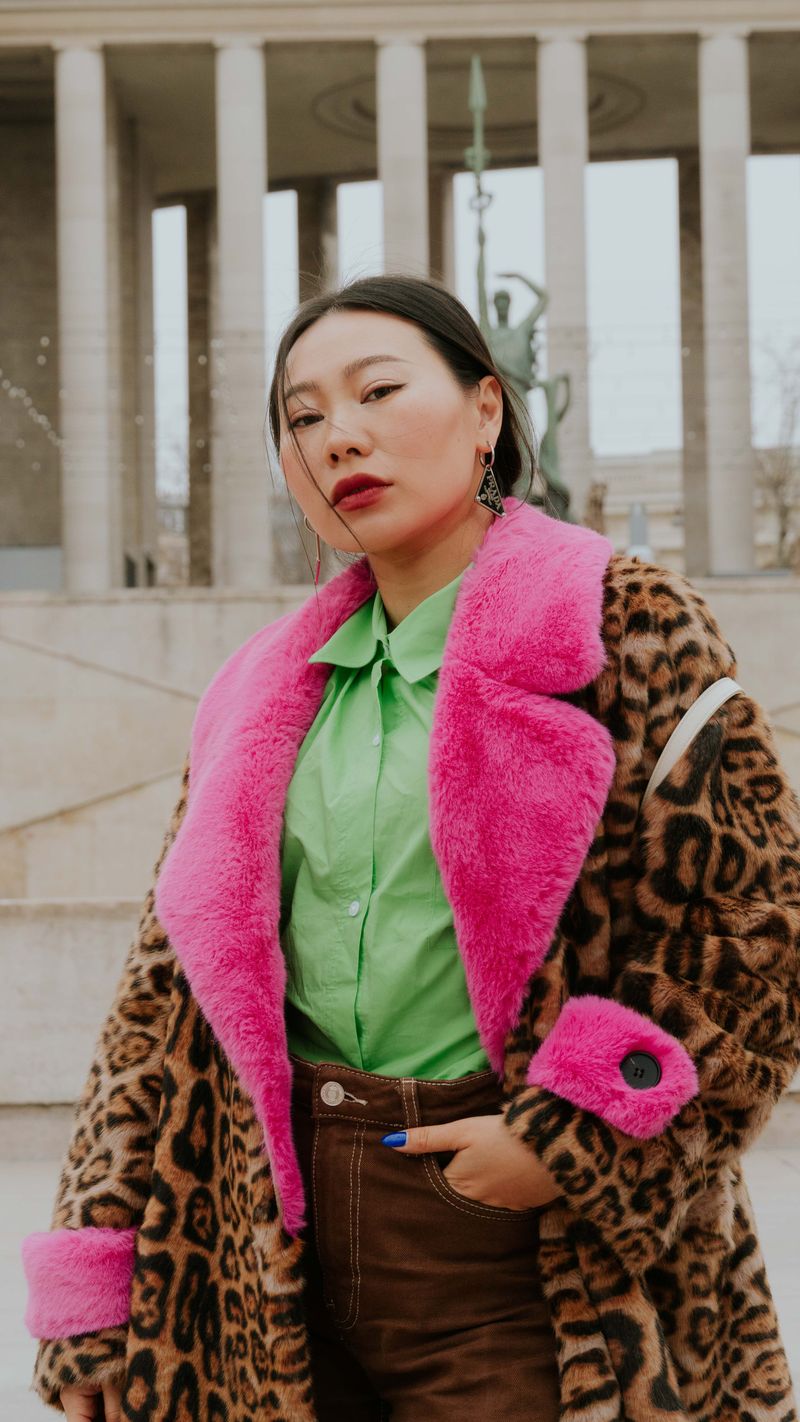
Some are loud and graphic, others are tiny and detailed, and pairing them well is a bit like seating guests at a dinner party.
Scale is your first tool.
Put a big, bold print next to a small, busy one so they don’t compete for the same space.
Large florals with skinny stripes, or tiny polka dots with chunky geometric shapes, give the eye a clear contrast.
Mood is the second tool.
Classic prints like plaid or stripes feel orderly, while abstract designs and animal prints feel wilder.
Mixing a calm print with an energetic one can make an outfit look styled straight out of a magazine.
Some fun combos: leopard with florals, polka dots with plaid, or a paisley shirt with pinstripe trousers.
They sound unlikely on paper, yet they often look planned in person.
When combining very different prints, a solid piece helps.
A plain blazer, belt, or pair of shoes gives your eyes a rest between patterns.
Try three prints only after two feel natural.
It’s easy to rush, but practicing with pairs first teaches you what works.
Snap a photo of each attempt too, since cameras catch clashes mirrors sometimes miss.
13. Cinch It With a Bold Belt
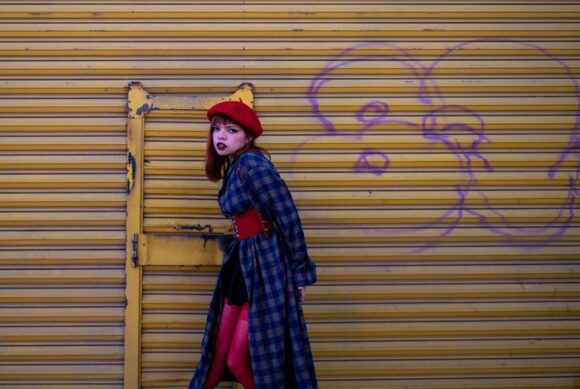
A belt might be the hardest-working accessory you own.
It holds things together, both literally and visually.
Wrapping a belt over a dress or skirt breaks up the silhouette.
That small line at the waist makes a flowing outfit feel more intentional.
It can also tame a busy print by giving it a clear starting and stopping point.
For maximalist styling, look past plain brown leather.
Woven belts, beaded belts, chain belts, and wide corset styles add texture and color.
Some people even layer two thin belts together for extra interest.
Belts can also connect colors across an outfit.
If your dress has a hint of mustard, a mustard belt pulls that shade forward.
Suddenly the whole look feels more coordinated.
Try belting over layers too.
A long cardigan or oversized blazer cinched at the waist gains shape while keeping its cozy volume.
Coats can benefit from this as well on chilly days.
Placement changes the effect.
A belt at your natural waist creates a classic shape, while a lower one feels more relaxed.
Test both in the mirror and keep whichever you like, because the best maximalist outfits always end with your own call.