 MomSkoop
Some movies pull you in completely — great acting, a tight story, and a mood that just works. You’re totally hooked, counting down to what you think will be a satisfying finish.
Then the final ten minutes arrive and everything falls apart. Whether it’s a twist that breaks the rules, a battle that feels out of place, or an ending that just doesn’t earn its emotions, these 13 films came so close to being masterpieces — and then stumbled right at the finish line.
1. Law Abiding Citizen (2009)
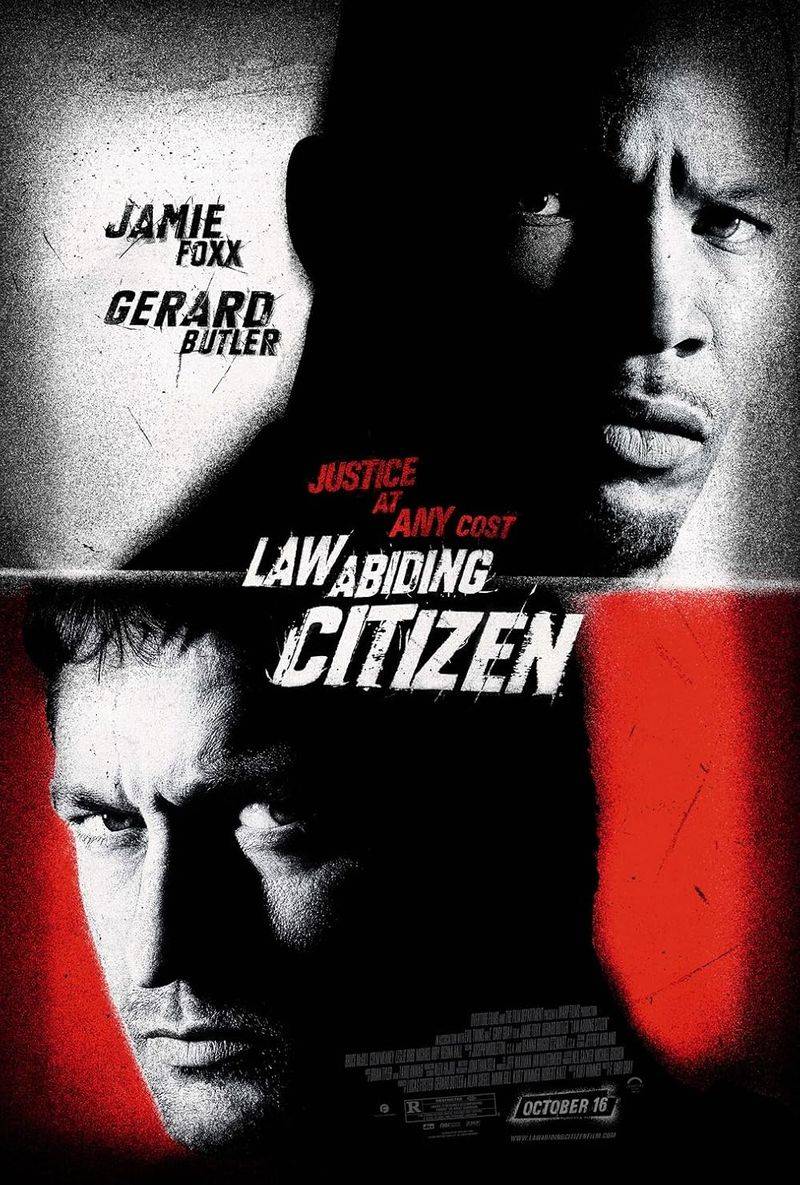
Few thrillers in the 2000s built momentum quite like this one.
Gerard Butler plays Clyde Shelton, a man who watched the justice system fail his family and decided to burn the whole thing down from the inside.
For most of the film, you’re rooting for him — even when you know you probably shouldn’t be.
The movie earns its tension honestly.
Every scene crackles with cold fury and clever strategy.
Clyde seems completely untouchable, and that’s what makes it so exciting to watch.
Then the ending arrives and hands victory to the wrong side with almost no satisfying explanation.
The whole point of Clyde’s crusade gets tossed out like it never mattered.
A sharp, gripping film undermined by a finale that forgot what story it was telling.
2. Sunshine (2007)
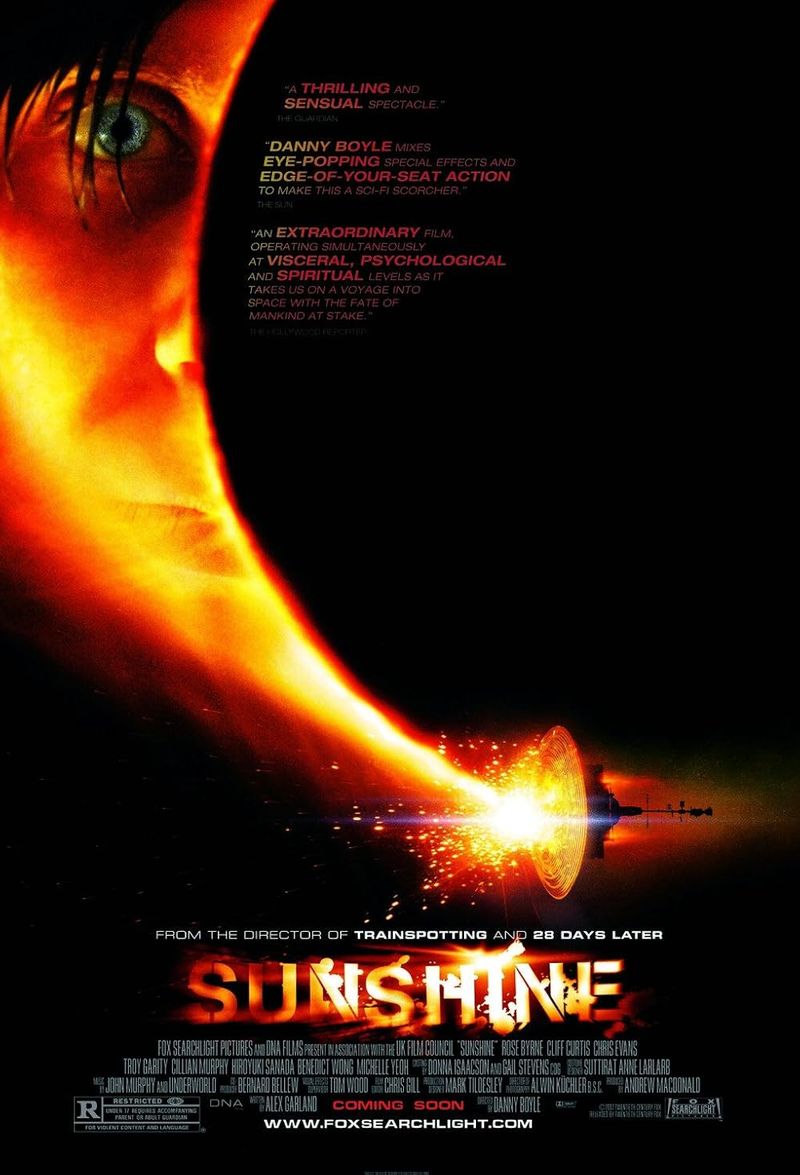
Danny Boyle’s space drama is genuinely breathtaking for most of its runtime.
A crew of astronauts travels toward a dying sun, carrying a massive bomb meant to reignite it.
The science feels real, the stakes feel enormous, and the psychological pressure between characters is riveting stuff.
Boyle captures the terrifying beauty of deep space like almost no other director has.
Every frame looks like a painting.
The cast is committed, the score is haunting, and the philosophical weight of the mission gives the film real depth.
Then, without warning, a burned and deranged villain shows up and the film becomes a slasher movie.
It’s jarring in the worst possible way.
A near-perfect sci-fi experience crashes into a completely different genre with no warning and no recovery.
3. The Village (2004)
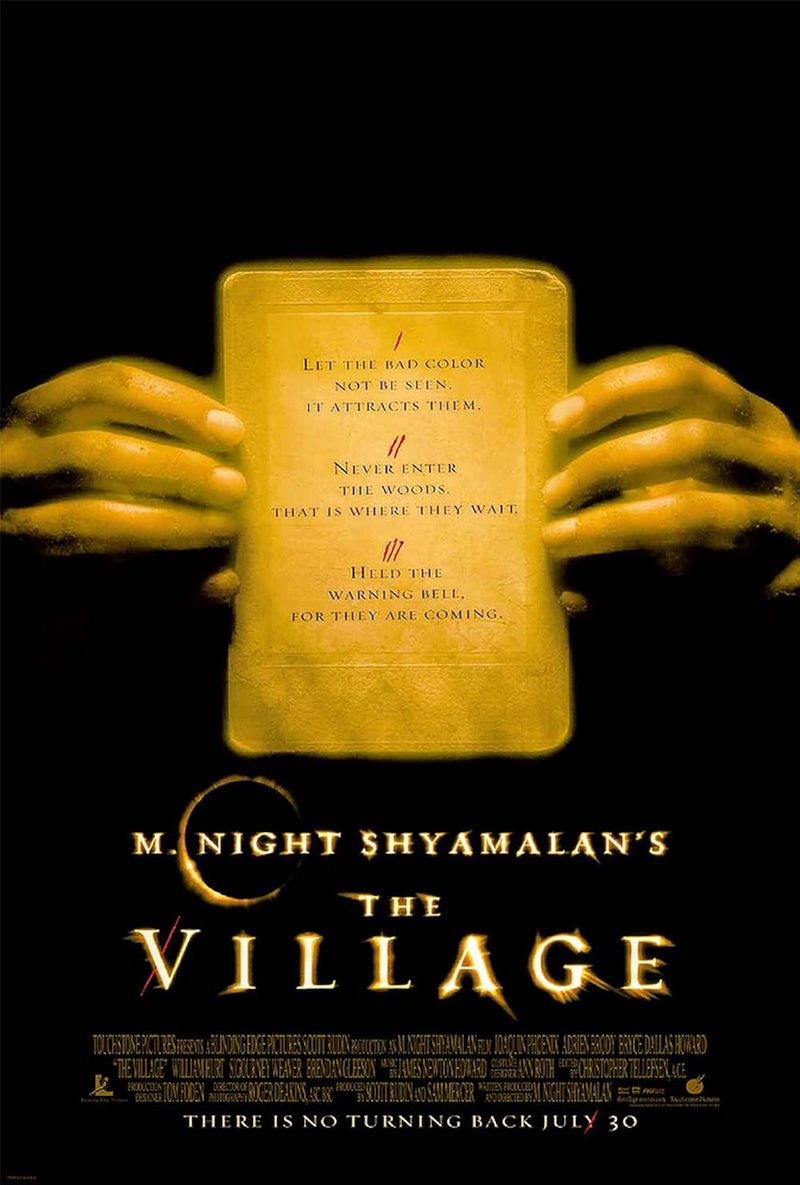
M.
Night Shyamalan built something genuinely atmospheric here.
A remote community lives in fear of mysterious creatures lurking in the woods beyond their village borders.
The tension is old-fashioned in the best sense — slow, creeping, and deeply unsettling without relying on jump scares.
The performances are strong across the board, and the love story at the center of the film gives it real emotional grounding.
You feel the weight of the community’s fear and the courage it takes to challenge it.
But the modern-day twist lands for many viewers like a bucket of cold water.
Suddenly, the careful world-building feels like a con rather than a story.
Some found it clever; many felt cheated.
Either way, the spell breaks completely in those final minutes.
4. 10 Cloverfield Lane (2016)
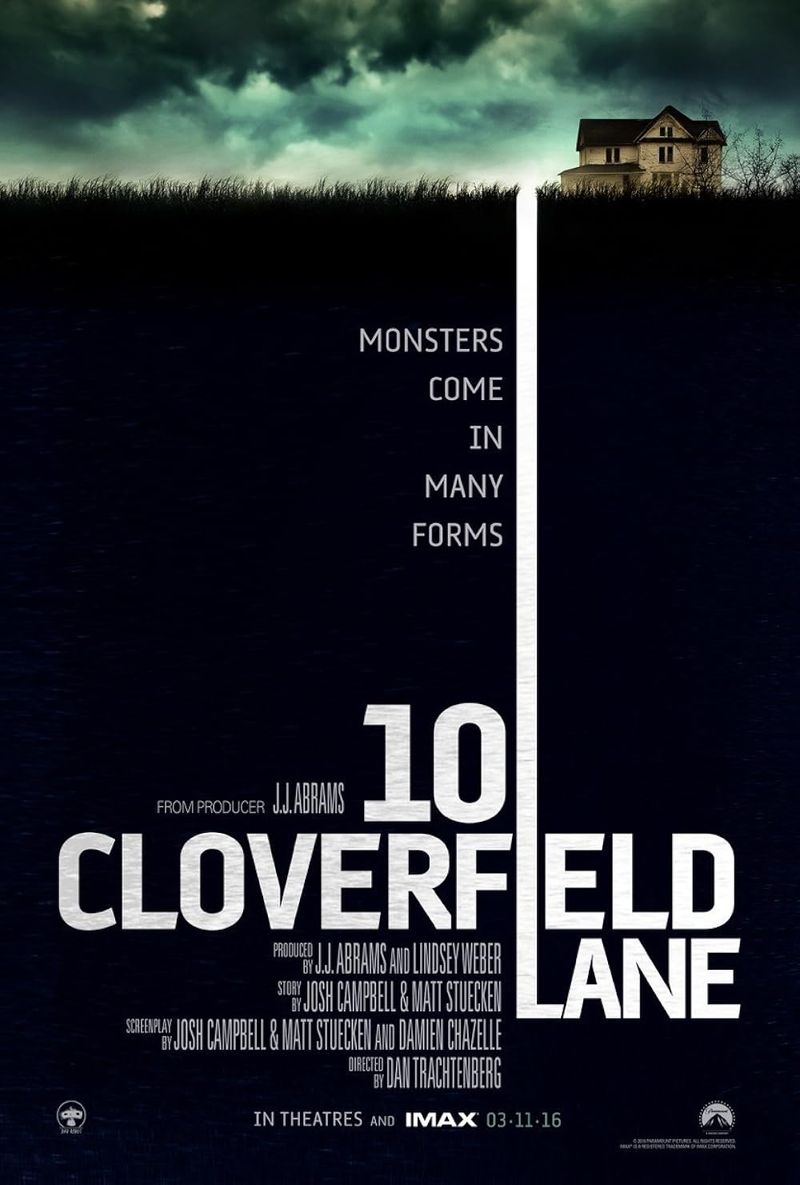
For roughly 90 minutes, this is one of the most tightly wound psychological thrillers in recent memory.
Mary Elizabeth Winstead wakes up in an underground bunker with a man who claims the outside world has been destroyed.
Is he her savior or her captor?
The answer keeps shifting, and that ambiguity is absolutely electric.
John Goodman delivers one of the great underrated performances of the decade.
His Howard is terrifying precisely because he might be right.
The bunker becomes a pressure cooker of paranoia, and the film manages it with real skill.
Then she opens the hatch.
Aliens appear.
Laser beams.
Spaceships.
The film transforms into an entirely different movie in the final ten minutes, and not a better one.
The psychological suspense earns nothing from that action-movie payoff.
5. Now You See Me (2013)
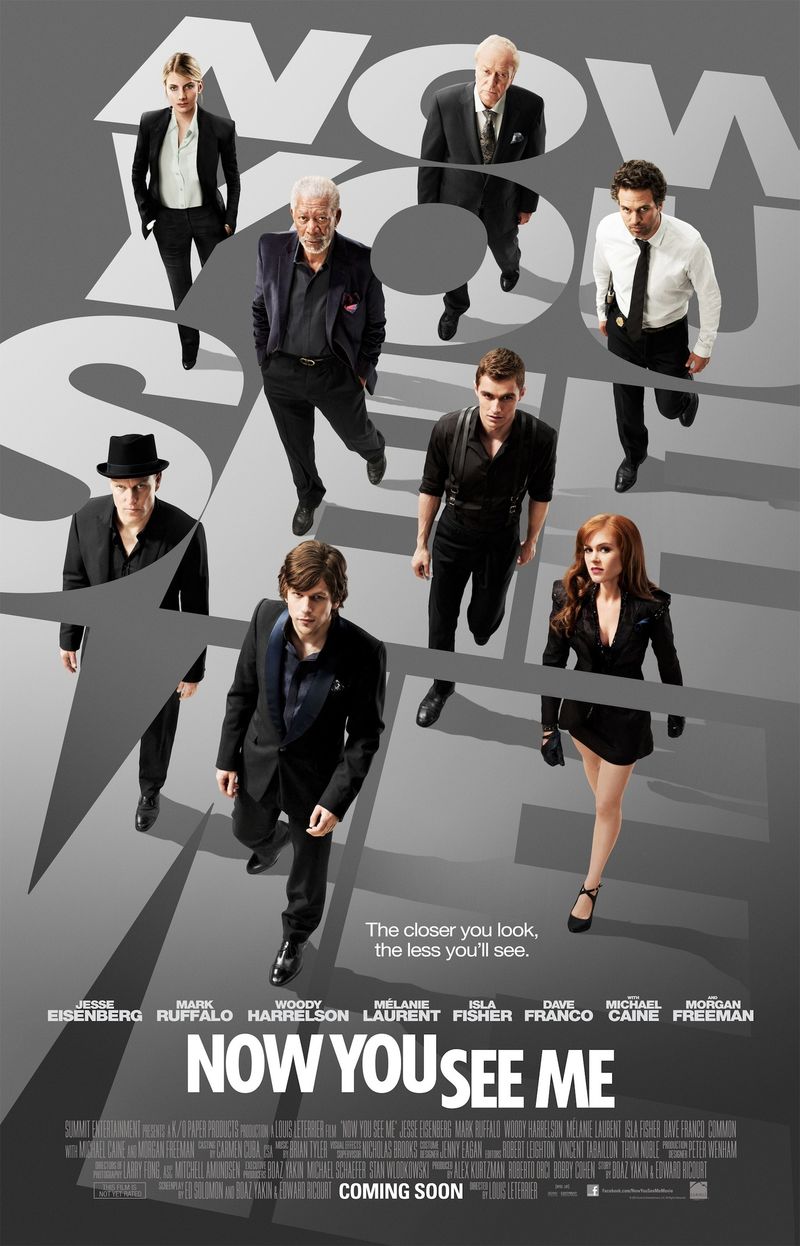
Magic tricks work because the audience doesn’t see the setup.
Heist movies work on the same principle.
Now You See Me understood this perfectly — for most of its runtime, it’s slick, stylish, and genuinely fun.
Four magicians pull off impossible robberies while the FBI scrambles to keep up.
The cast is charismatic, the set pieces are creative, and the movie keeps you guessing in the most enjoyable way.
You feel like you’re watching something clever, something that’s going to stick the landing in spectacular fashion.
Then the mastermind reveal arrives and the logic completely collapses.
The big twist requires the villain to have predicted things no one could possibly predict.
Fun evaporates into confusion.
A movie that sold itself on being smart ends up proving it wasn’t quite smart enough.
6. Hancock (2008)
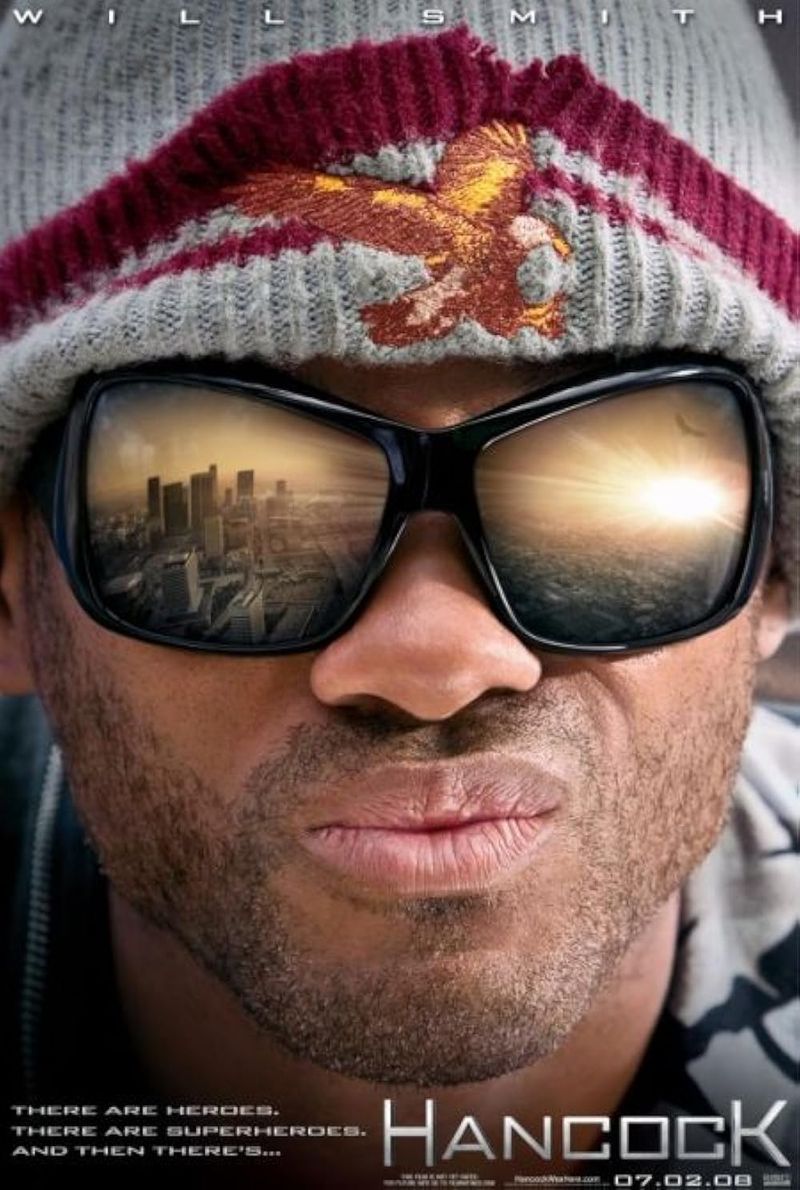
Will Smith playing a drunk, reckless, deeply unpopular superhero?
That premise alone is worth celebrating.
For its first half, Hancock is one of the most refreshing superhero movies ever made.
It’s funny, sharp, and genuinely interested in deconstructing what it would actually mean to have powers and no one who likes you.
The relationship between Hancock and the PR man trying to rehabilitate his image gives the film real heart.
Smith and Jason Bateman have wonderful chemistry, and the satire feels pointed without being mean-spirited.
Then Charlize Theron’s character reveals a secret mythology, and the film completely loses its footing.
Suddenly it’s a love story wrapped in confusing supernatural rules.
The clever premise gets buried under melodrama and messy mythology.
Half a great movie followed by half a forgettable one.
7. High Tension (2003)
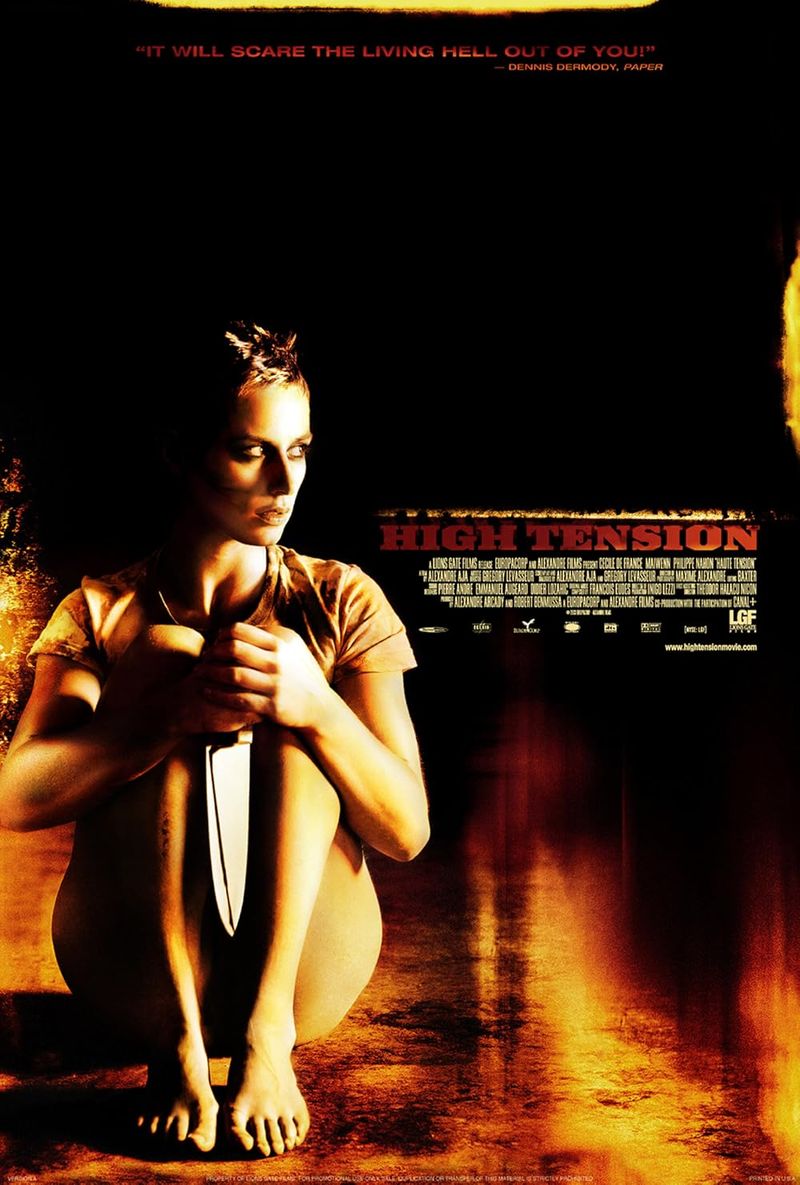
Alexandre Aja’s French horror film is brutally effective for almost its entire runtime.
A young woman fights desperately to protect her friend from a relentless, terrifying killer.
The tension is suffocating, the violence is visceral, and the pacing never lets you breathe.
It’s exactly what a slasher film should be.
High Tension earned serious praise in horror circles for bringing raw, uncompromising energy back to a genre that had gone soft.
The killer is genuinely frightening — a hulking, wordless presence that feels completely unstoppable.
Then the twist arrives.
And it breaks everything.
The reveal requires events to have happened that are physically impossible given what the audience actually watched.
Logic doesn’t bend — it shatters.
A film that earned its scares through craft throws them all away with one inexplicable narrative decision.
8. I Am Legend (2007)
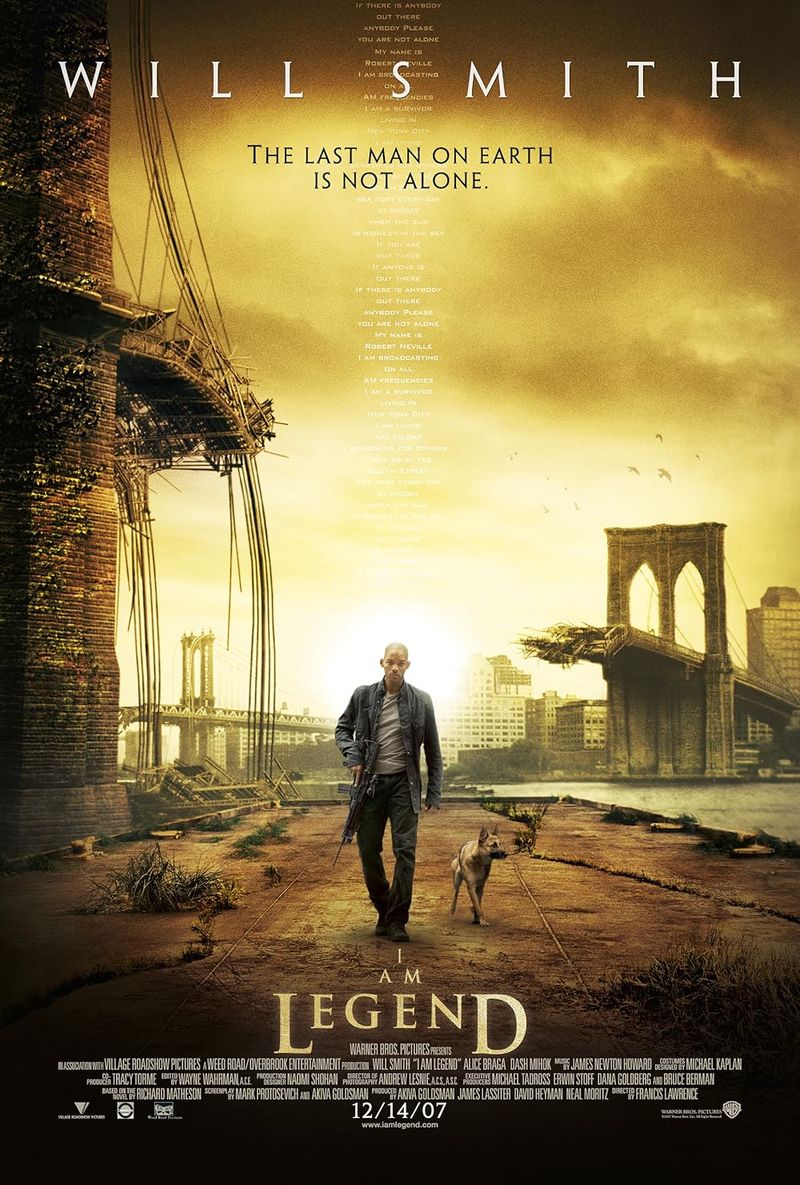
Will Smith gives one of his most committed performances as Robert Neville, the last human survivor in a virus-ravaged New York City.
The film’s early sections are stunning — empty streets, crumbling buildings, and a man slowly losing his grip on sanity while trying to find a cure.
The bond between Neville and his dog Sam is genuinely moving.
It’s a story about loneliness told through action and silence rather than dialogue.
For long stretches, the film feels like something special and surprisingly literary.
The theatrical ending, however, trades the story’s soul for a conventional heroic sacrifice.
The original alternate ending — far closer to Richard Matheson’s novel — reframes the entire film in a devastating and meaningful way.
That version earns its title.
The one most people saw did not.
9. Wonder Woman (2017)
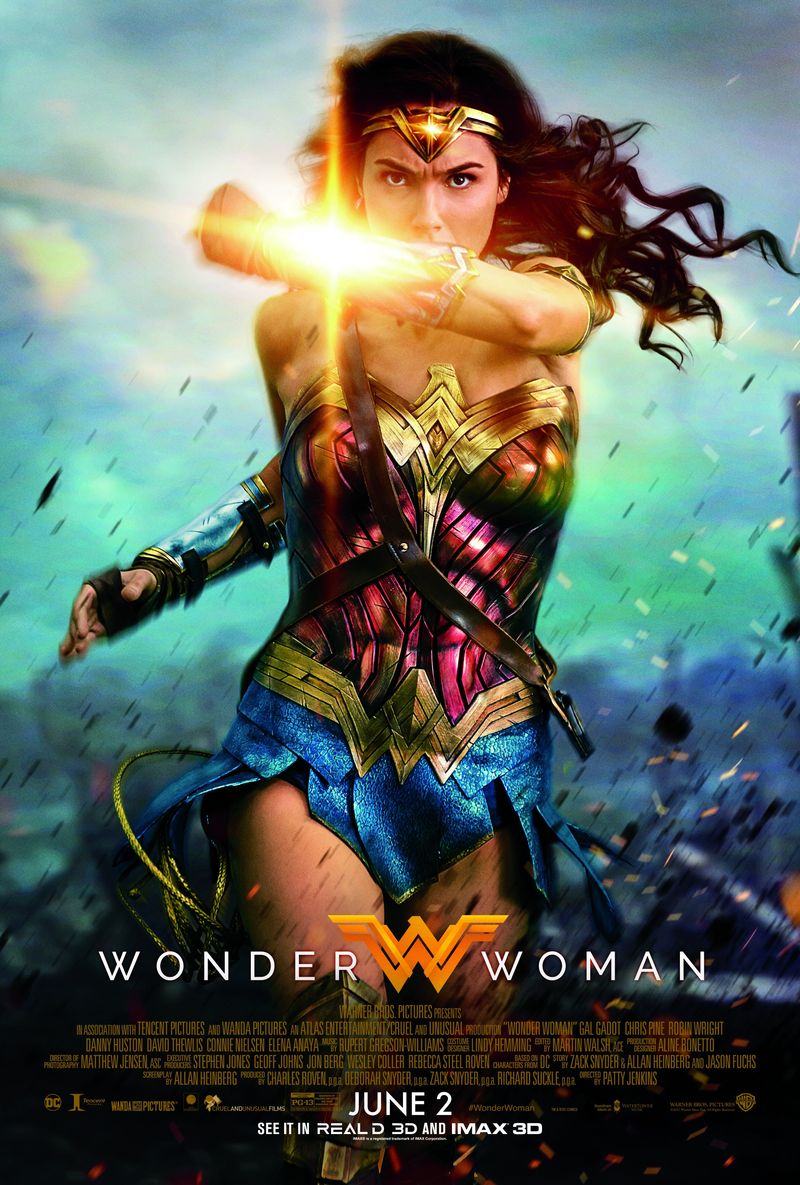
Patty Jenkins’ Wonder Woman arrived at exactly the right moment, and for most of its runtime, it absolutely delivers.
Gal Gadot brings warmth and genuine conviction to Diana Prince, and the No Man’s Land sequence remains one of the most thrilling superhero moments of the entire decade.
The film’s first two acts work beautifully because they trust the character.
Diana’s fish-out-of-water journey through wartime London is charming and funny.
Her belief in people’s fundamental goodness feels earned rather than naive.
Then the final battle arrives, and the film becomes exactly what it had been avoiding — a bloated CGI showdown where two powerful beings throw each other through buildings.
The emotional message about love and choice gets drowned out by explosions.
A film built on humanity ends with spectacle.
10. Signs (2002)
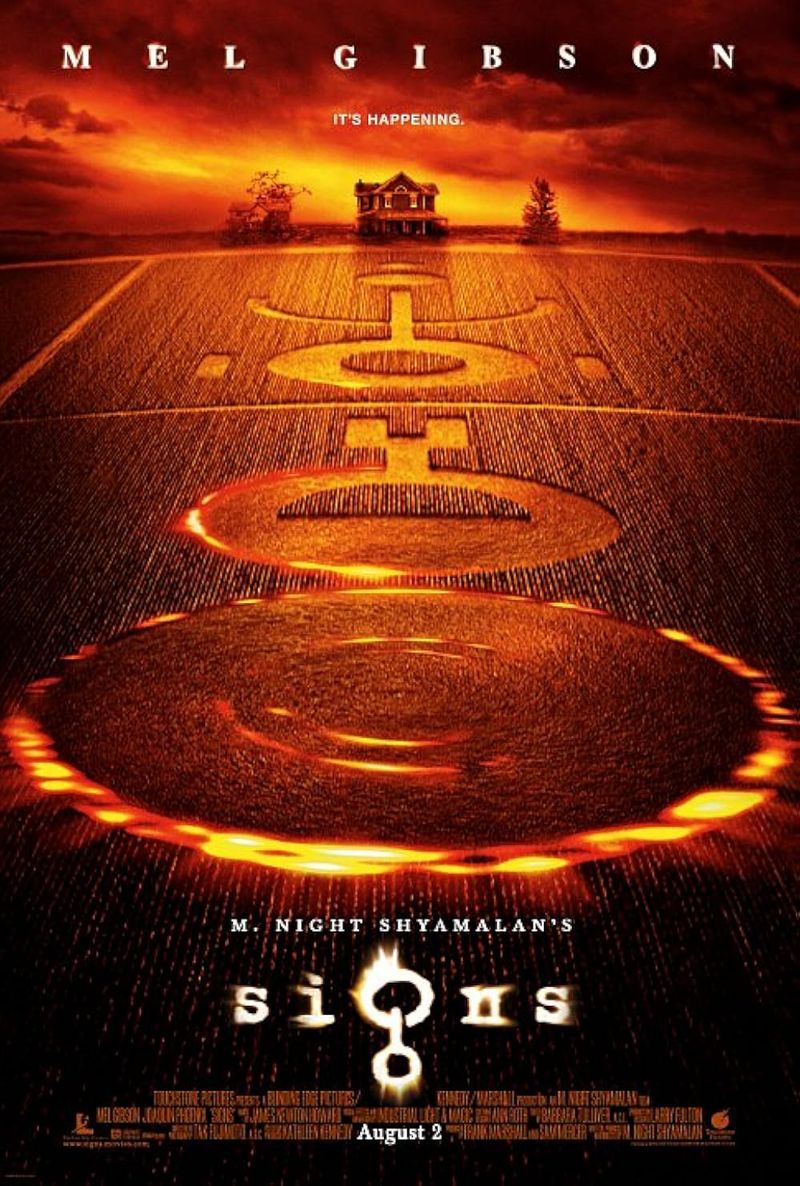
Shyamalan at his most controlled.
Signs builds dread the old-fashioned way — through suggestion, silence, and the creeping feeling that something enormous is happening just out of frame.
Mel Gibson plays a grieving former priest whose faith was shattered, and the alien invasion becomes a backdrop for something much more personal.
The family dynamics feel real.
The fear feels real.
The sequence where they watch news footage of aliens appearing worldwide is masterfully restrained.
Shyamalan understood that imagination is scarier than anything he could show.
But then the aliens — who crossed the galaxy to invade a planet that is 71% their fatal weakness — get defeated by water.
Many viewers found this impossible to accept.
The buildup was extraordinary.
The payoff asked too much of the audience’s willingness to simply go along.
11. Baby Driver (2017)
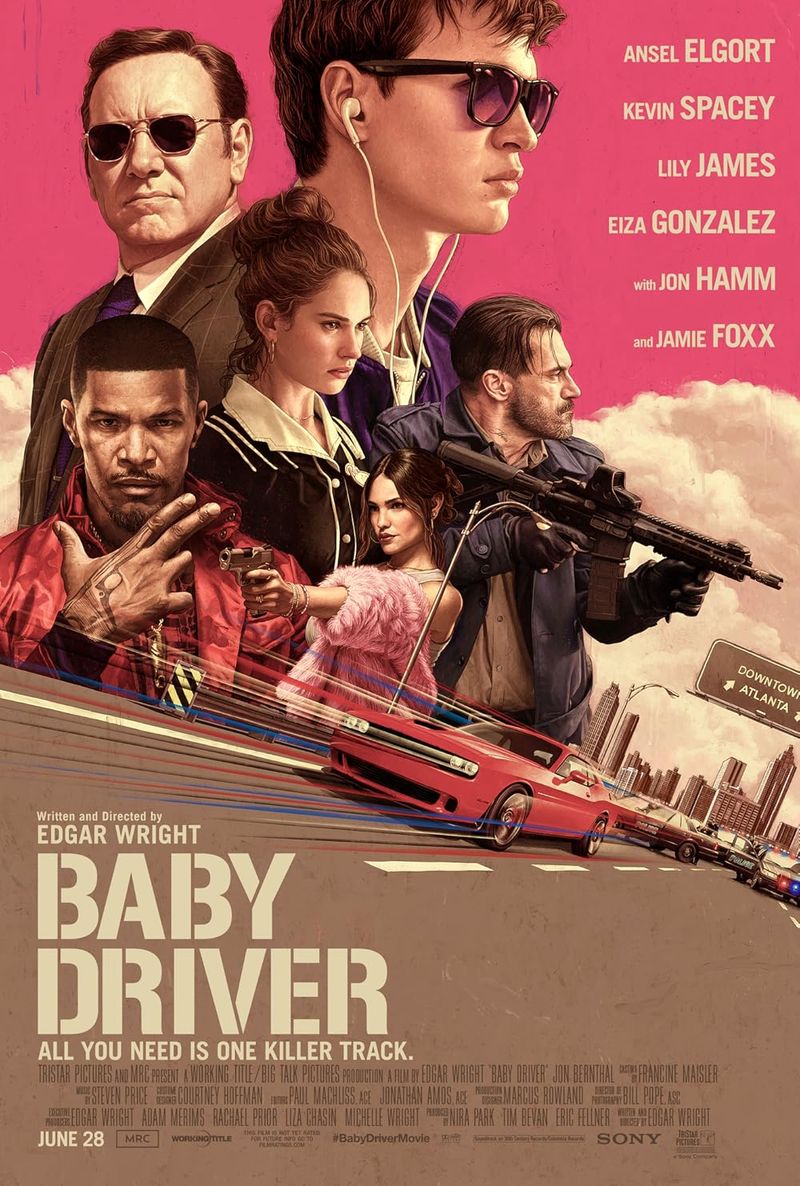
Edgar Wright’s crime musical is one of the most purely cinematic experiences of recent years.
Every edit, every car chase, every gunshot is choreographed to music with obsessive precision.
Ansel Elgort plays Baby, a getaway driver who uses music to drown out a permanent ringing in his ears.
The film moves like nothing else.
It’s genuinely thrilling and deeply stylish without ever feeling hollow.
Baby’s romance with diner waitress Debora gives the movie an emotional center that keeps the flashy surface from feeling empty.
Then the ending arrives with a neat, tidy bow.
Consequences are softened, punishment is reduced, and Baby walks into a brighter future that feels too clean for the story that came before it.
The film earns its darkness and then flinches from it at the final moment.
12. Contact (1997)
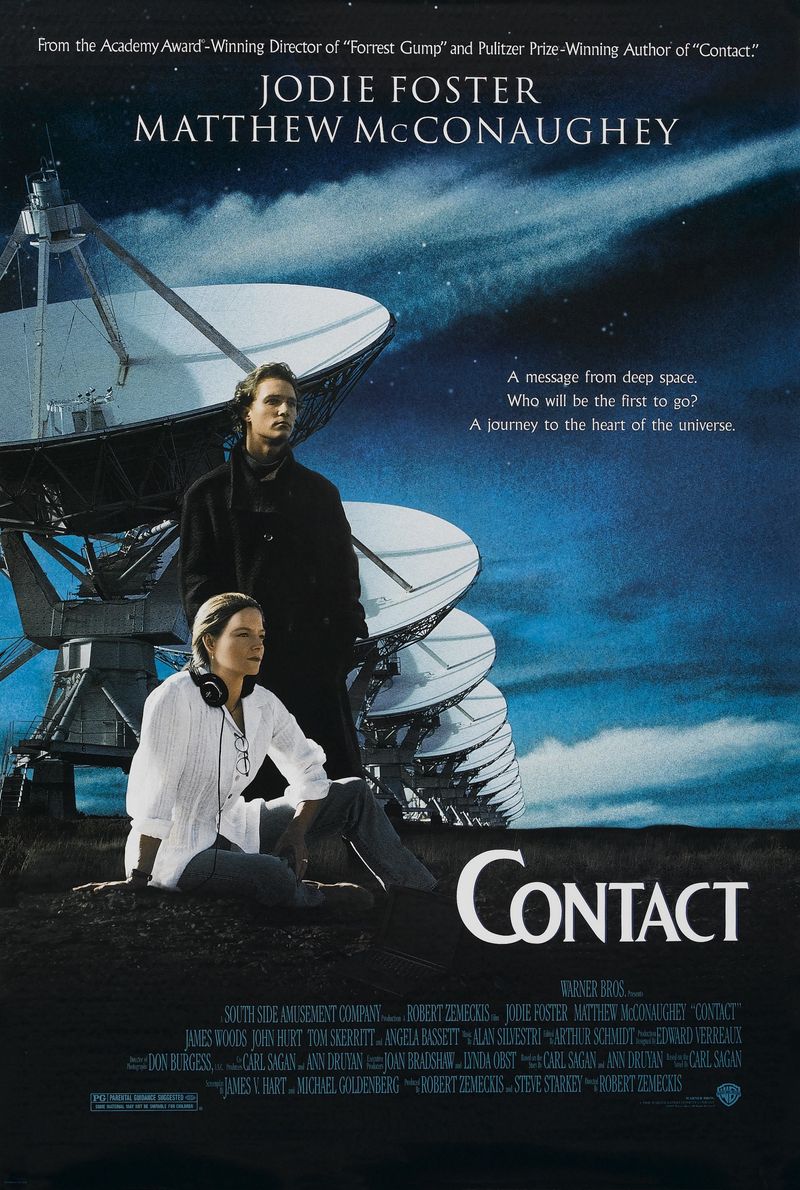
Robert Zemeckis adapted Carl Sagan’s novel with real ambition and genuine philosophical curiosity.
Jodie Foster is remarkable as Dr. Ellie Arroway, a scientist who dedicates her life to searching for extraterrestrial intelligence — and actually finds it.
The film takes science seriously and treats big questions about faith and reason with unusual respect.
The journey to the alien contact point is visually staggering.
Contact earns its wonder through patience and intelligence rather than spectacle.
Foster’s performance carries enormous weight, and the film’s central debate between science and faith feels genuinely balanced.
The ending, though, leaves many viewers stranded.
Ellie returns with no proof, only experience, and the film doesn’t quite know how to resolve that.
It’s philosophically honest but emotionally frustrating — a movie that asks great questions and then quietly shrugs its shoulders.
13. The Mist (2007)
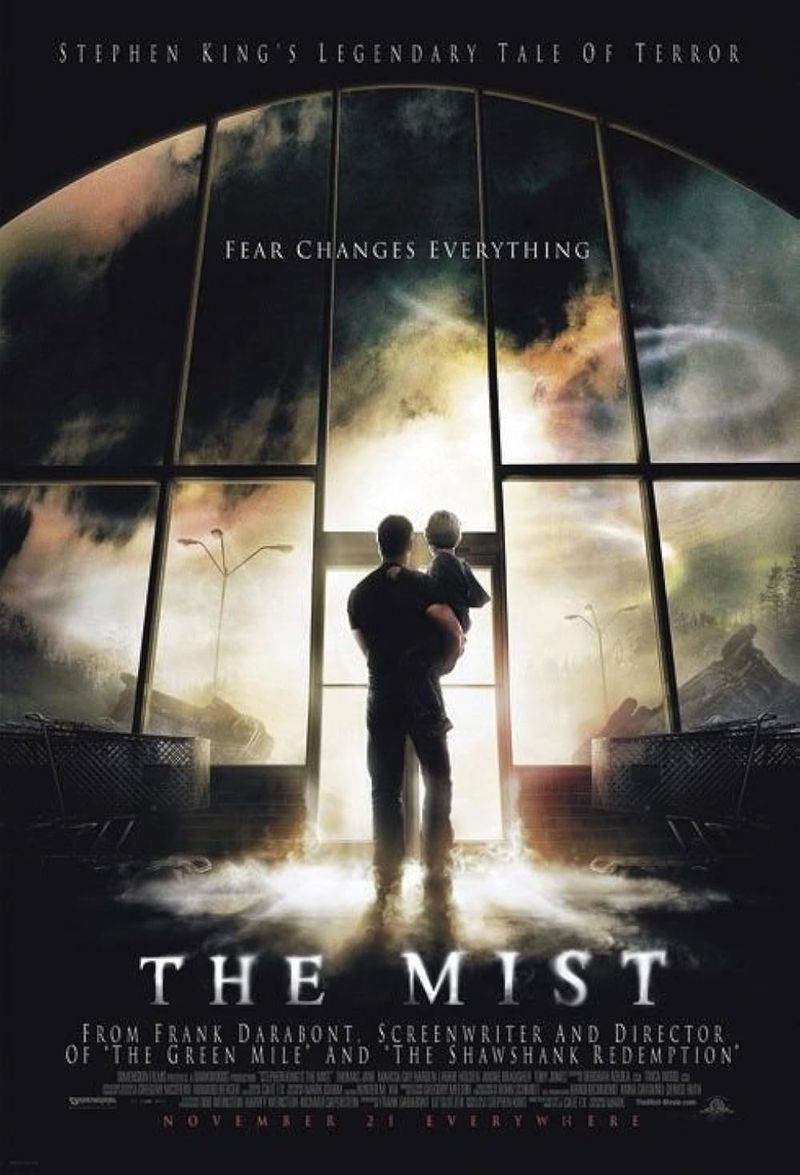
Frank Darabont’s adaptation of Stephen King’s novella is a masterclass in slow-burn horror.
A mysterious mist rolls into a small Maine town, trapping a group of survivors inside a grocery store.
What hides in the mist is terrifying, but what the people do to each other inside is even worse.
The film works as a sharp commentary on fear, mob mentality, and how quickly civilization can collapse.
The creature effects are genuinely unsettling, and the social dynamics inside the store feel horribly plausible.
Then comes the ending — one of the most discussed finales in modern horror.
Some call it devastating and brilliant.
Others feel it’s nihilistic cruelty for its own sake.
Darabont himself prefers it to King’s version.
Whatever your verdict, those final minutes absolutely guarantee you won’t forget this film anytime soon.