 MomSkoop
Music connects people across borders, languages, and generations. Some cities have become legendary for their unique sounds, historic venues, and the artists they’ve inspired.
Whether you love jazz, classical symphonies, electronic beats, or reggae rhythms, certain places around the globe offer unforgettable experiences for anyone who lives and breathes music.
1. London, UK
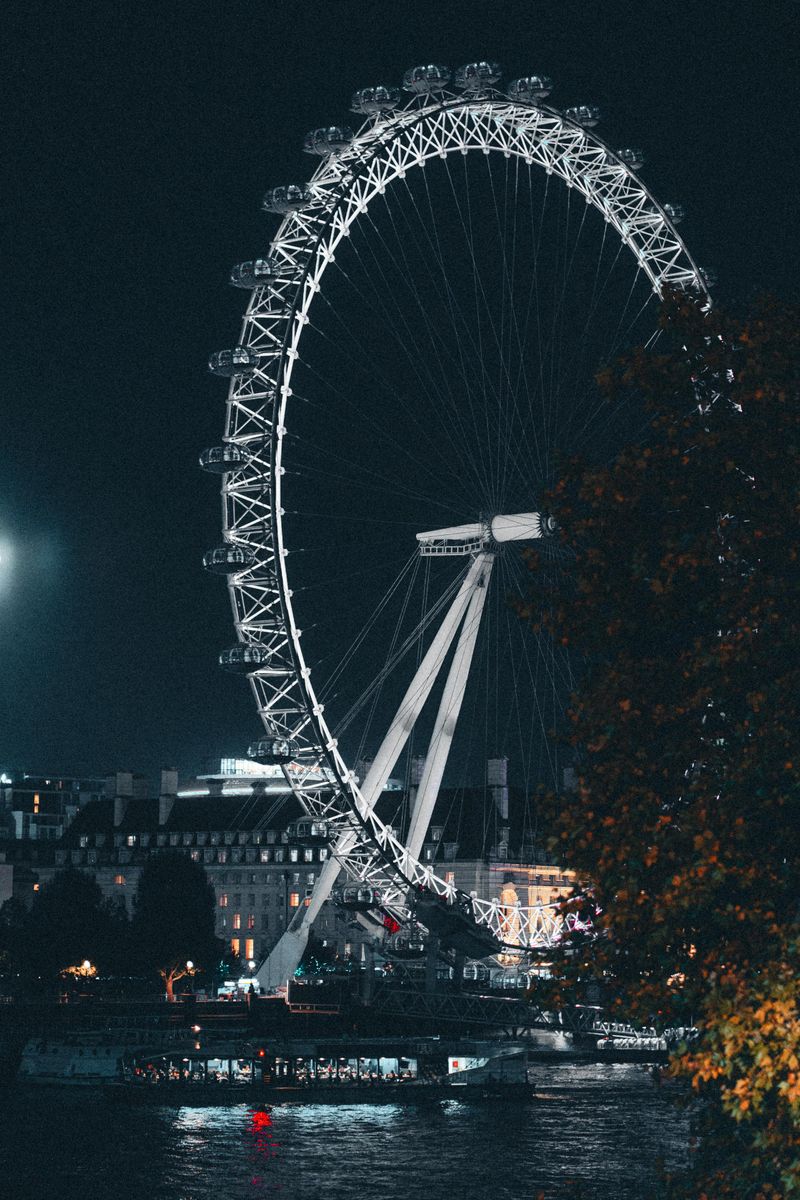
Few cities have influenced modern music as profoundly as London.
From The Beatles to Adele, this metropolis has launched countless careers across rock, pop, punk, grime, and electronic genres.
Walk through neighborhoods like Camden or Shoreditch, and you’ll find historic venues alongside cutting-edge clubs.
Emerging artists share stages with global superstars in spaces that have witnessed decades of musical evolution.
The city’s dense network of performance spaces keeps creativity flowing day and night.
Whether you’re catching an underground gig or a stadium show, London pulses with energy that has shaped generations of sound.
2. Berlin, Germany
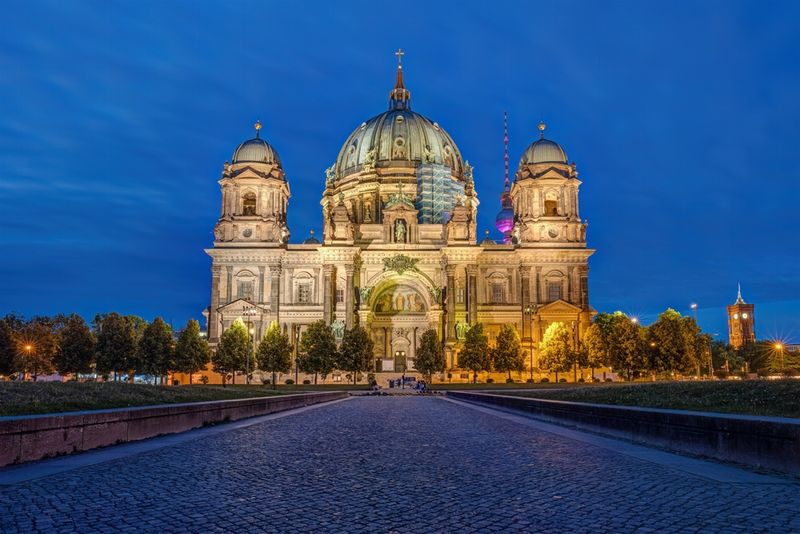
Berlin’s reputation as an electronic music paradise is well-earned.
After the fall of the Berlin Wall, abandoned buildings transformed into legendary clubs where techno and experimental sounds flourished.
Affordable rent and a fiercely independent spirit attracted artists from everywhere, creating a scene unlike anywhere else.
Venues like Berghain have become pilgrimage sites for electronic music fans worldwide.
The city embraces creativity without judgment, letting musicians push boundaries freely.
All-night parties blur into mornings, and the underground ethos remains strong despite growing popularity.
Berlin doesn’t just host electronic music—it lives and breathes it.
3. Paris, France
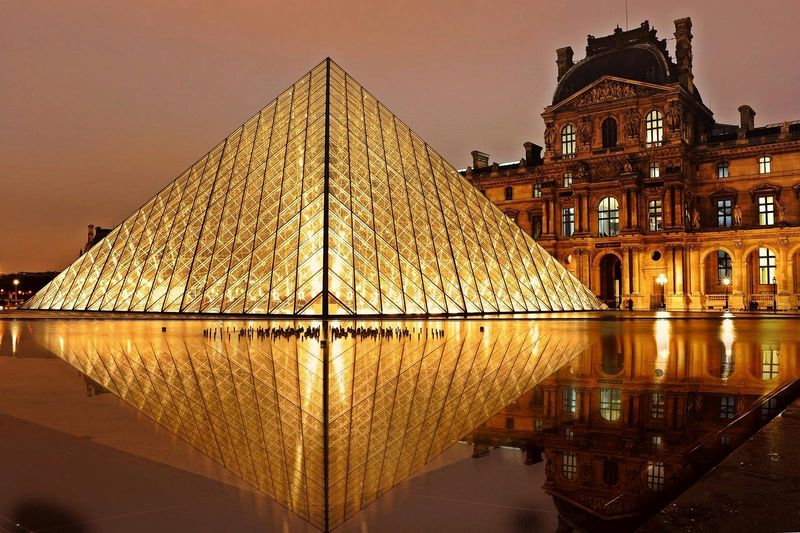
Romance and rhythm intertwine beautifully in Paris.
This city honors its classical concert halls while nurturing vibrant jazz, hip-hop, and indie communities.
Legendary venues like Le Caveau de la Huchette have hosted jazz greats since the 1940s, their basement walls echoing with history.
Meanwhile, modern clubs showcase emerging French rappers and electronic producers redefining contemporary sound.
The city’s artistic heritage encourages experimentation across genres.
Street musicians fill metro stations with melodies, adding spontaneous concerts to daily commutes.
Paris proves that tradition and innovation can harmonize perfectly when given space to breathe.
4. Vienna, Austria
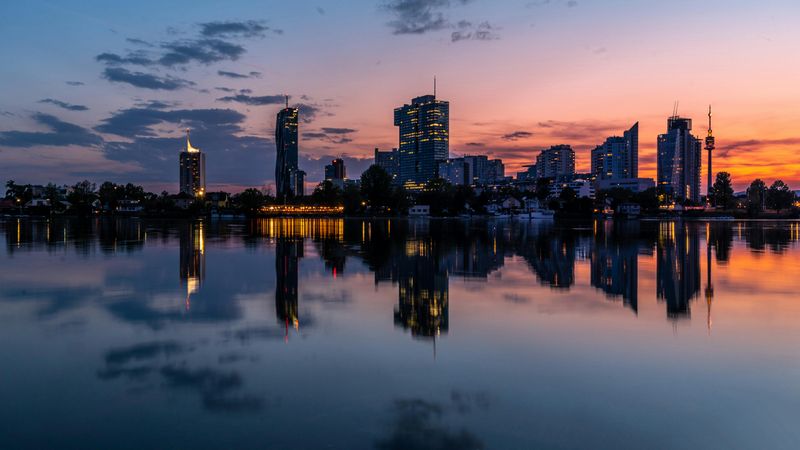
Mozart, Beethoven, and Strauss didn’t just visit Vienna—they made it home.
Classical music runs through this city’s veins like blood, shaping its identity for centuries.
The Vienna State Opera and Musikverein concert hall host world-class performances that draw audiences from across continents.
Even everyday life feels touched by musical heritage, from street performers playing violin to café concerts on Sunday afternoons.
Music education remains deeply valued, with conservatories training the next generation of virtuosos.
Vienna doesn’t simply preserve classical tradition—it keeps it alive and relevant for modern audiences seeking timeless beauty.
5. Barcelona, Spain
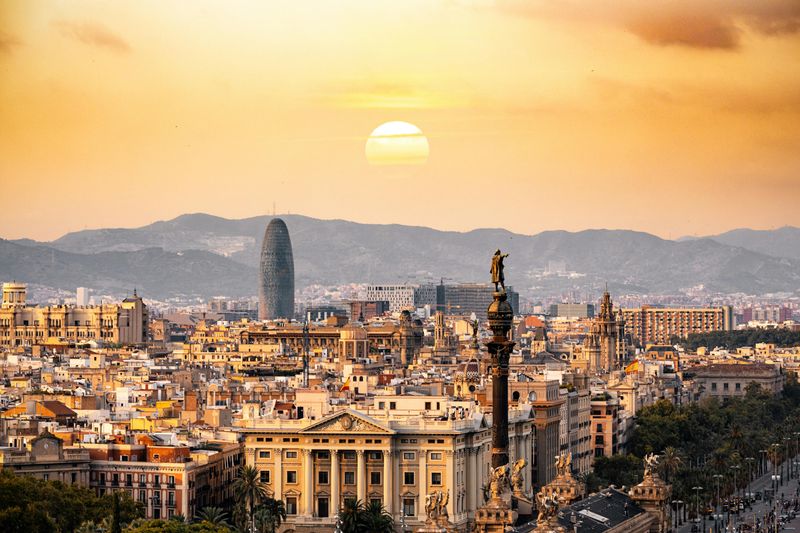
Passion and rhythm define Barcelona’s musical heartbeat.
This coastal city excels at blending traditional flamenco with rock, electronic, and experimental fusion.
Year-round festivals like Primavera Sound attract international headliners and curious music lovers from everywhere.
Smaller venues scattered throughout Gothic Quarter and El Raval neighborhoods offer intimate shows almost every night.
The Mediterranean climate means outdoor concerts happen frequently, adding magical atmosphere to live performances.
Local artists draw inspiration from Catalan culture while embracing global influences.
Barcelona’s creative energy feels contagious, making visitors want to stay longer and explore deeper into its musical landscape.
6. New Orleans, USA
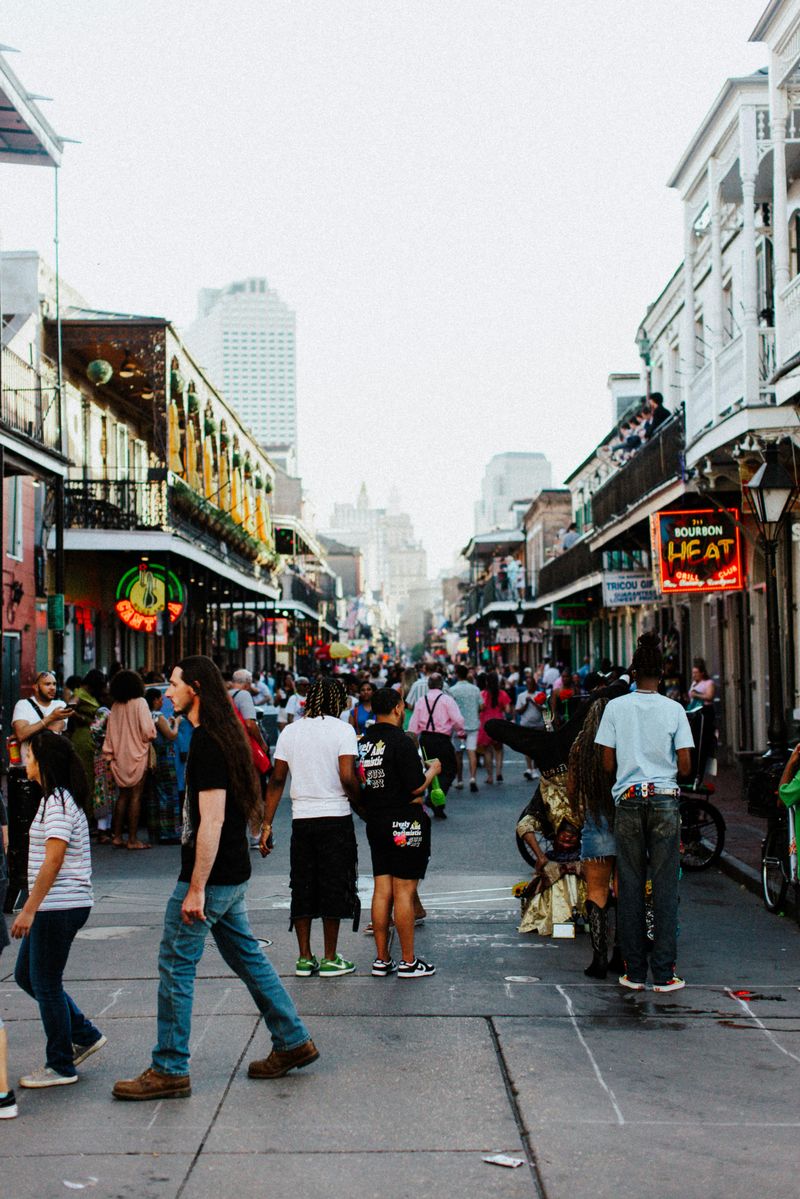
Jazz was born here, and New Orleans has never stopped celebrating.
Music spills from every doorway, street corner, and festival stage throughout the year.
Bourbon Street buzzes with brass bands, while Frenchmen Street offers more intimate club experiences.
Locals treat music as essential to daily life, not just entertainment.
Second-line parades turn funerals into joyful celebrations, showing how deeply rhythm connects to community identity.
The city rebuilt itself after Hurricane Katrina partly through music’s healing power.
Visitors quickly realize that New Orleans doesn’t just have a music scene—music IS the scene here.
7. Nashville, USA
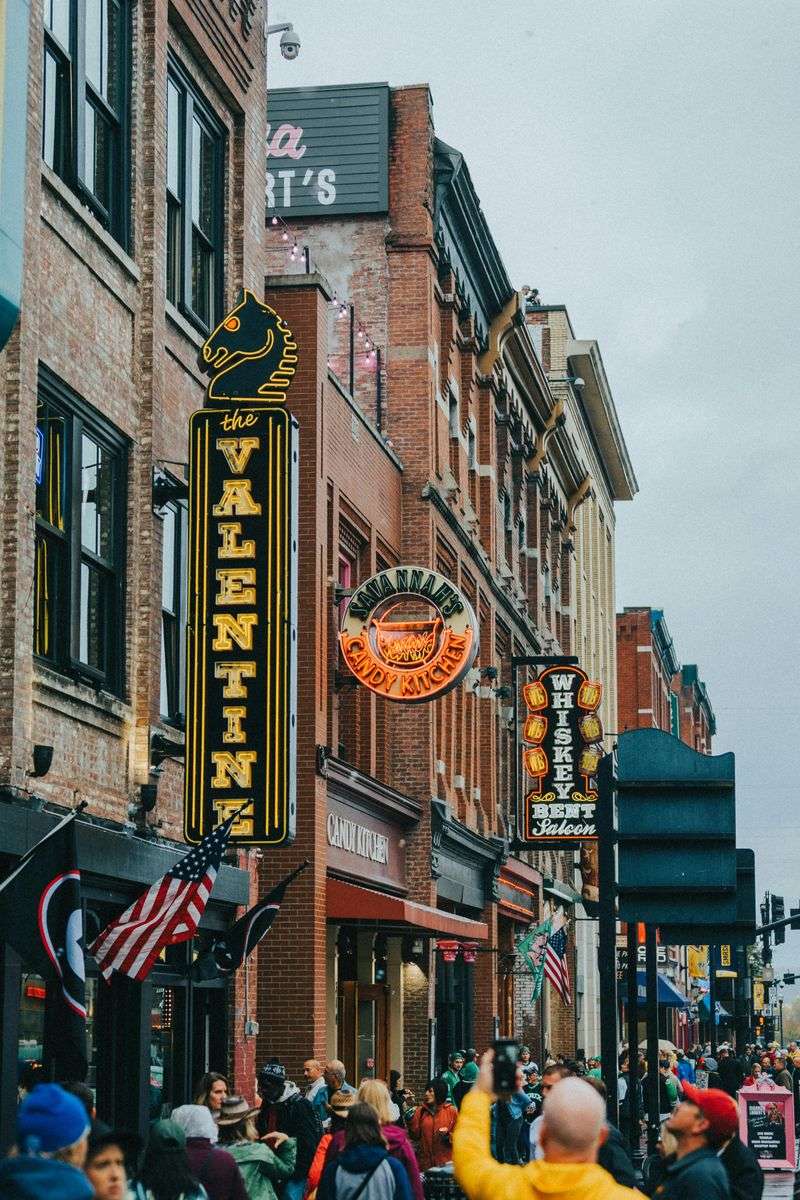
Country music royalty calls Nashville home, but the story goes deeper.
Songwriters from every genre flock here because the city understands craft and collaboration.
Broadway’s honky-tonks offer free live music from morning until late night, showcasing incredible talent without cover charges.
Recording studios line Music Row, where countless hits have been produced across decades.
Beyond country, you’ll find thriving rock, Americana, gospel, and pop communities.
The city respects musical heritage while welcoming fresh voices and new sounds.
Nashville proves that specializing in one genre doesn’t mean limiting creative possibilities—it means perfecting the foundation.
8. New York City, USA
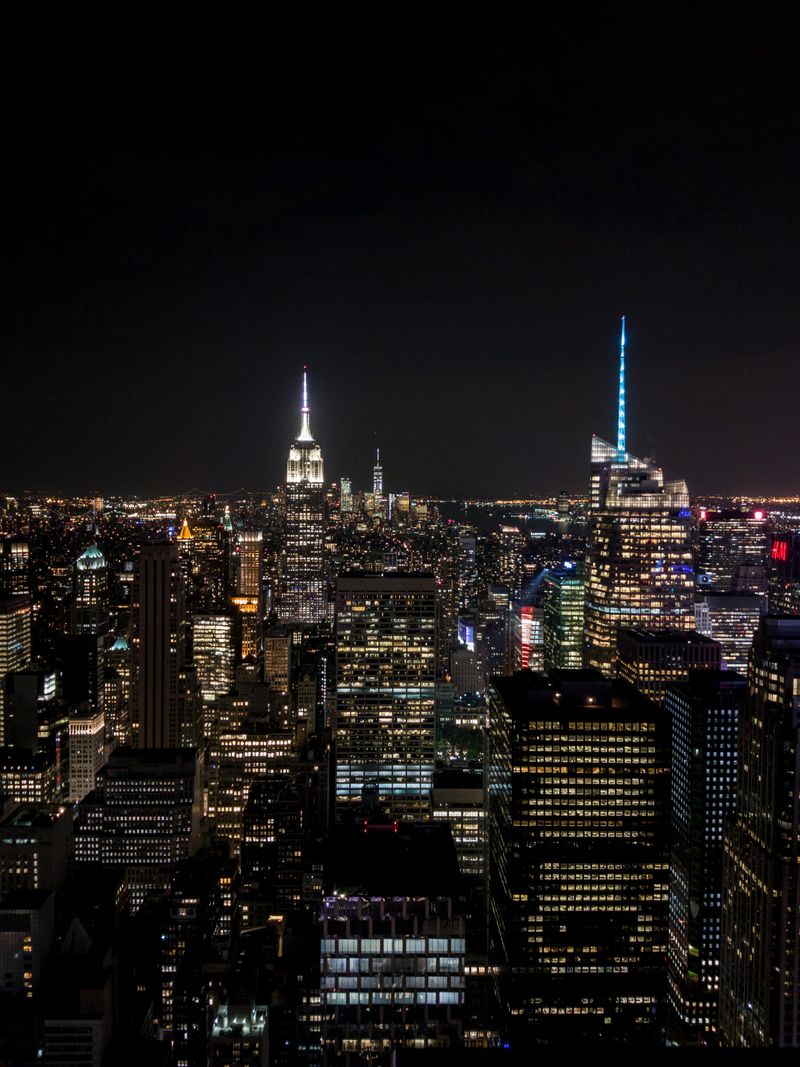
If music has a capital, New York City holds strong claim to the title.
Jazz legends performed in Harlem clubs while hip-hop was born in the Bronx.
Punk rock exploded at CBGB, and salsa rhythms transformed dance floors across all five boroughs.
The city’s incredible diversity fuels constant musical innovation and cross-pollination between genres.
On any given night, hundreds of shows happen simultaneously across Manhattan, Brooklyn, Queens, and beyond.
Subway platforms become impromptu concert halls where talent shines regardless of fame.
New York doesn’t follow musical trends—it creates them.
9. Chicago, USA
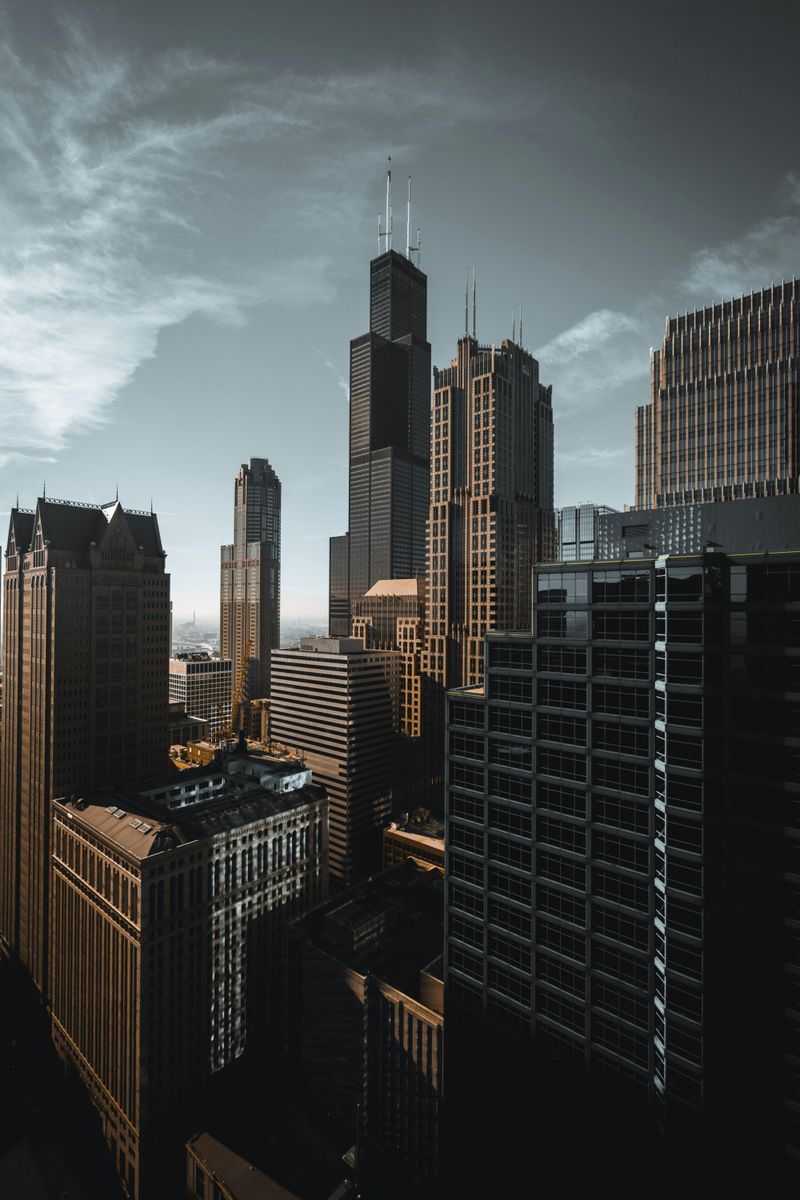
Electric blues transformed music forever, and Chicago made it happen.
Legends like Muddy Waters and Howlin’ Wolf electrified Delta blues traditions, creating sounds that influenced rock and roll worldwide.
Later, house music emerged from the city’s club scene during the 1980s, spreading globally and changing dance music permanently.
Today, blues clubs on the South Side still pack audiences, while DJs continue pushing electronic boundaries.
Chicago’s musical contributions often get overshadowed by coastal cities, but its impact runs incredibly deep.
The city taught the world how to amplify emotion through rhythm and soul.
10. Kingston, Jamaica
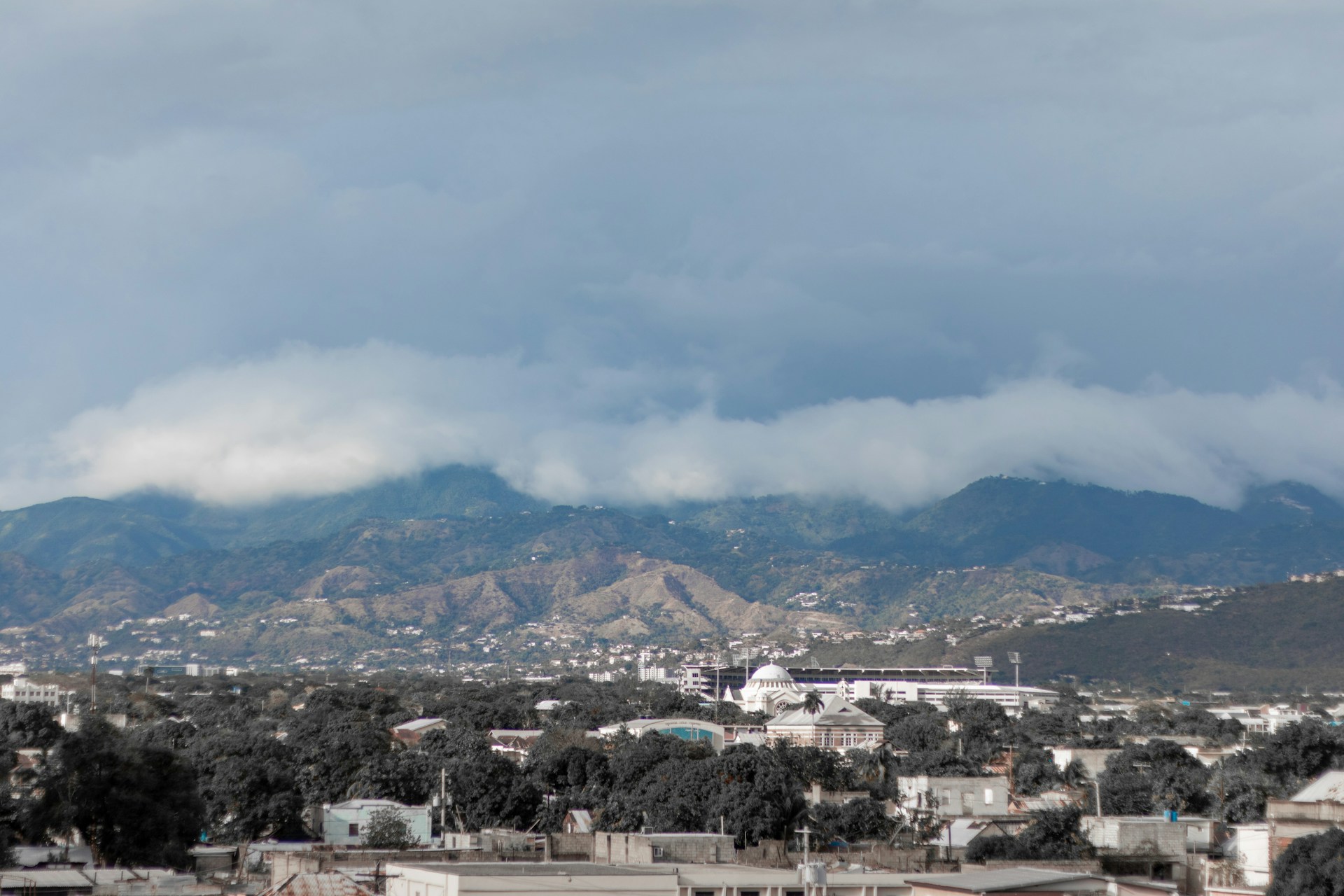
Kingston gave the world reggae, and that gift changed everything.
Bob Marley’s messages of peace and resistance spread from this city to every continent.
Dancehall music later emerged here, influencing hip-hop, pop, and electronic genres globally.
Despite Jamaica’s small size, Kingston’s musical impact feels enormous and enduring.
Recording studios like Tuff Gong continue producing influential sounds that shape contemporary music.
The city’s rhythms carry political weight and cultural pride, making music inseparable from identity.
Kingston proves that a place doesn’t need size to create sounds that move the entire planet.
11. Rio de Janeiro, Brazil
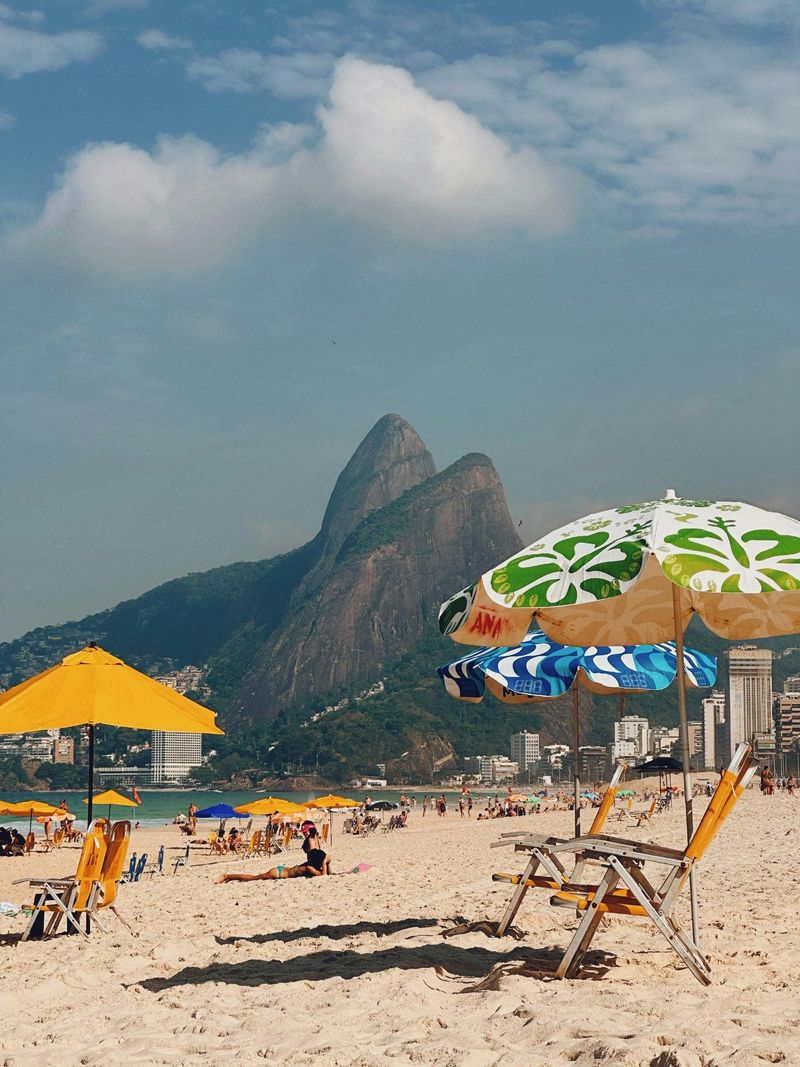
Samba rhythms make Rio’s heart beat faster during Carnival and every day in between.
Bossa nova was born here, blending jazz influences with Brazilian soul to create something timelessly smooth.
More recently, funk carioca has dominated favela parties and mainstream charts alike.
Music in Rio connects tightly to dance, celebration, and community gatherings.
Beach neighborhoods pulse with live performances as musicians set up spontaneously along the coastline.
The city treats music as essential to life, not background noise.
Rio’s sounds capture joy, struggle, and hope in rhythms that make bodies move involuntarily.
12. Tokyo, Japan
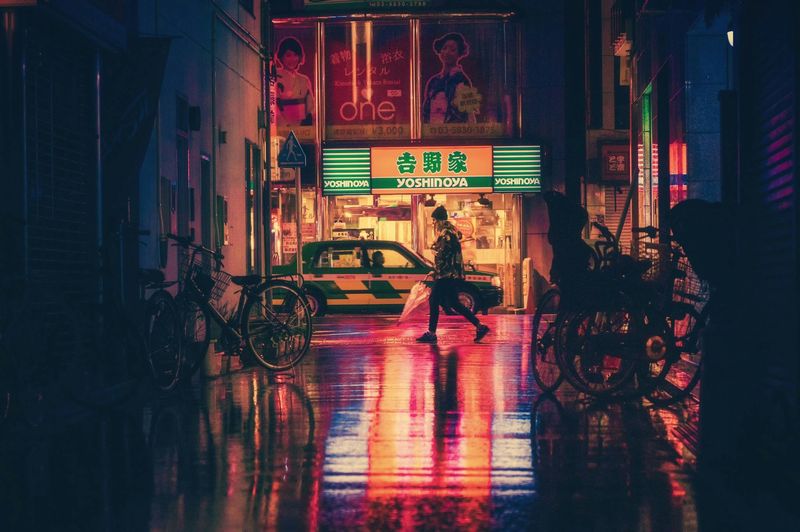
Tokyo’s music scene defies easy description because it includes absolutely everything.
Tiny jazz bars hidden in Shibuya basements offer world-class performances to audiences of twenty people.
Punk venues in Koenji showcase raw energy, while Harajuku hosts avant-garde electronic experiments.
Mainstream J-pop dominates airwaves, but underground communities thrive with fierce independence.
The city’s obsessive attention to detail extends to music, creating incredibly specialized venues for specific genres.
Record stores remain cultural institutions where collectors hunt rare pressings for hours.
Tokyo proves that respecting tradition while embracing innovation creates the richest musical ecosystems imaginable.
13. Los Angeles, USA
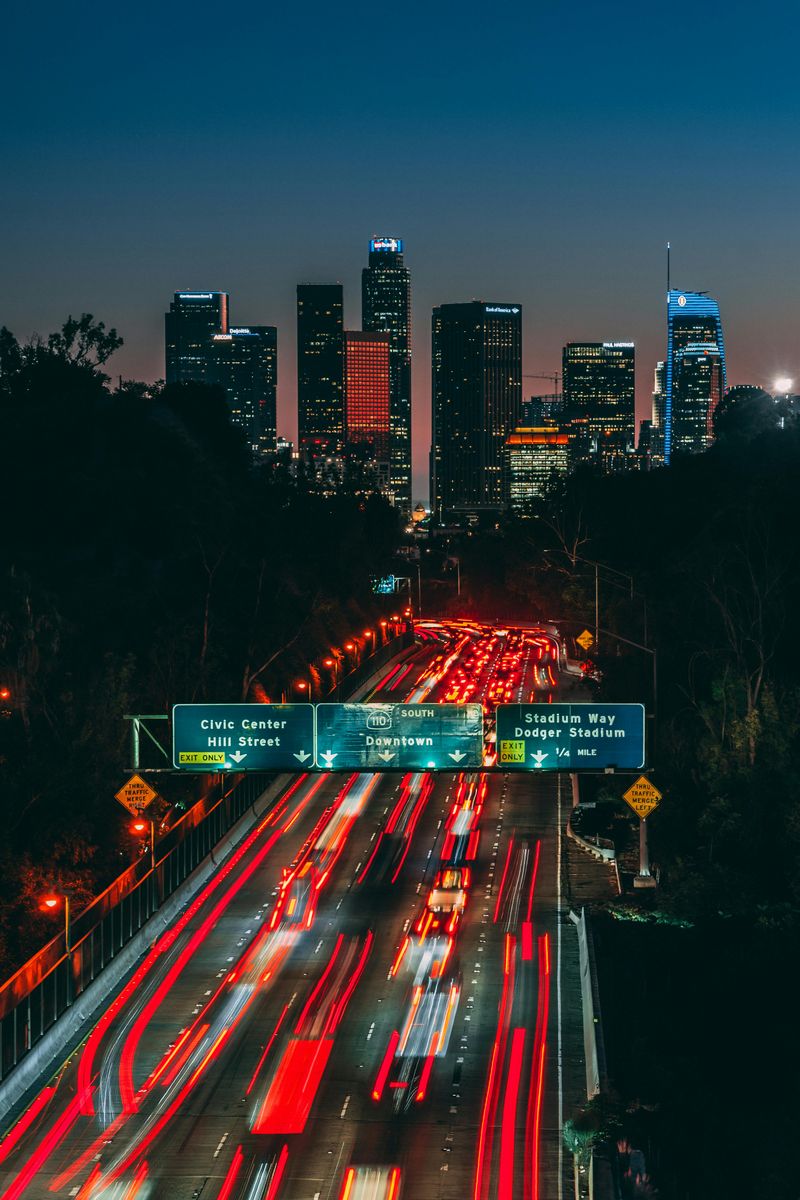
Hollywood glamour meets musical innovation throughout Los Angeles.
As a global entertainment capital, LA shapes trends through its massive production infrastructure and creative talent pool.
Recording studios in neighborhoods from Burbank to Venice Beach have produced countless platinum albums across every imaginable genre.
The city’s size allows different music communities to flourish simultaneously without competing for space.
Latin music thrives alongside indie rock, hip-hop, electronic, and everything between.
Venues range from legendary spots like the Troubadour to massive festival grounds hosting tens of thousands.
Los Angeles doesn’t just reflect musical culture—it manufactures and exports it worldwide.