 MomSkoop
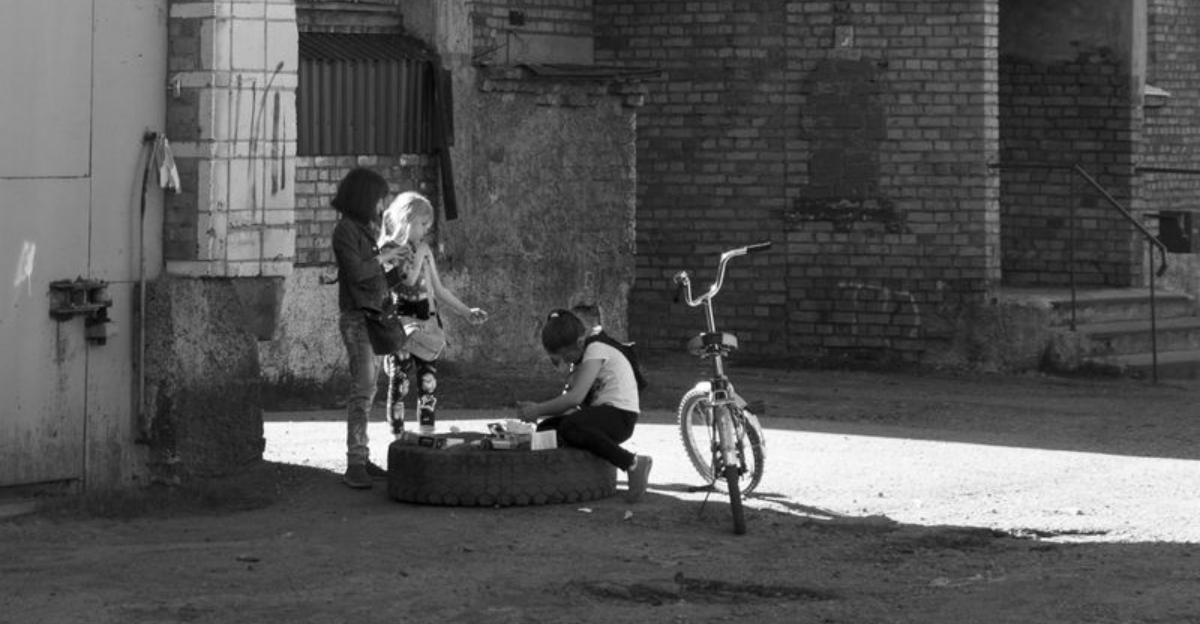
Growing up in the 1960s meant following a strict code of conduct that shaped an entire generation. Parents enforced rules that taught respect, responsibility, and discipline in ways that might seem foreign to modern families.
These household guidelines created structure and instilled values that many people still carry with them today. Here are thirteen rules that every kid from the sixties knew by heart.
1. No Talking Back to Adults

Respect for elders was non-negotiable in 1960s households, and children learned quickly that challenging an adult’s authority led to serious consequences.
Parents expected immediate obedience without argument, explanation, or attitude.
Questioning a decision or offering a different opinion was considered disrespectful and often resulted in punishment.
Kids learned to bite their tongues and accept what adults said as final.
This rule taught self-control but sometimes made children feel unheard.
Modern parenting encourages more dialogue, but back then, silence was golden.
The phrase “because I said so” ended every discussion, leaving no room for debate or negotiation whatsoever.
2. Finish Everything on Your Plate
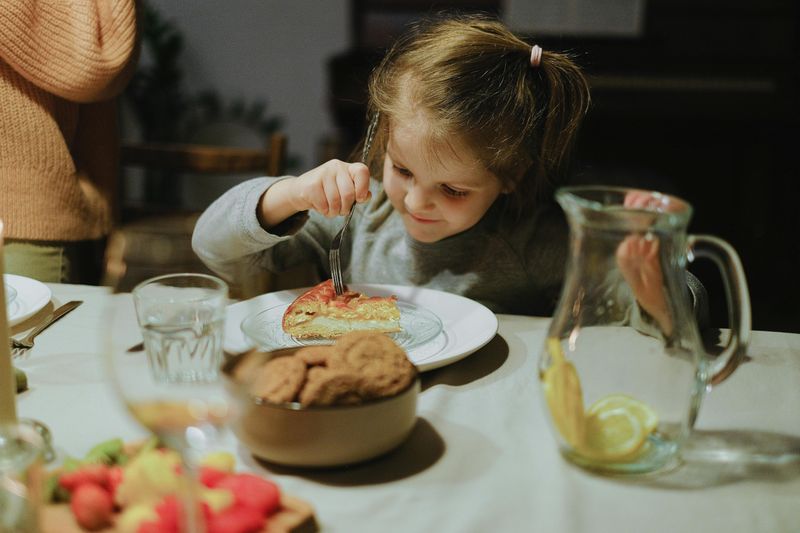
Wasting food was practically a sin in the 1960s, especially for families who remembered the hardships of the Great Depression.
Parents served portions and expected every last bite to disappear before anyone left the dinner table.
Whether you loved it or hated it, the rule remained the same.
Many parents reminded kids about starving children in other countries to reinforce the importance of gratitude.
Sitting for hours staring at cold vegetables became a common childhood memory.
This rule taught appreciation for food but sometimes forced kids to eat beyond fullness.
Picky eaters had no choice but to develop strategies for hiding unwanted items.
3. Be Home Before the Streetlights Come On

Kids in the sixties enjoyed remarkable freedom to roam the neighborhood all day without constant supervision or check-ins.
However, one absolute rule governed this independence: get home when the streetlights flickered on.
Missing this deadline meant trouble, sometimes even a grounding.
Parents didn’t have cell phones to track locations, so the streetlights served as the universal signal.
Children playing baseball, exploring, or riding bikes kept one eye on the sky.
Racing home as dusk approached became a daily adventure.
This rule taught time management and responsibility while allowing kids the freedom to explore their world safely and independently.
4. Stand Up When an Adult Enters the Room
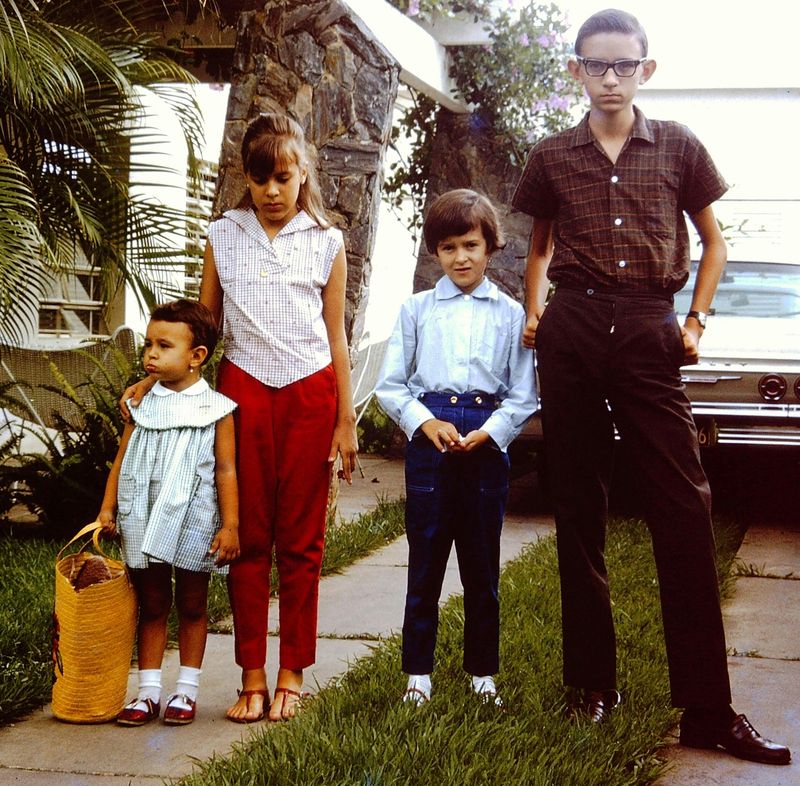
Formal etiquette played a significant role in 1960s households, and standing when adults entered demonstrated proper manners and acknowledgment.
Children rose from their seats when parents, grandparents, teachers, or any adult visitor walked into a room.
This gesture showed respect and attention.
Boys were especially expected to practice this courtesy, though girls followed the same protocol.
Remaining seated was viewed as lazy and disrespectful behavior.
This tradition came from earlier generations and military customs.
While it seems overly formal today, it instilled awareness of others and taught children to recognize authority figures with appropriate deference and politeness.
5. Always Say “Please” and “Thank You”

Politeness wasn’t optional in the sixties—it was drilled into children from their earliest years through constant reminders and corrections.
Parents promptly corrected any request made without “please” or any gift received without “thank you.” These magic words were essential to every interaction.
Forgetting these courtesies could mean not getting what you asked for or facing a stern lecture.
Kids learned quickly that manners opened doors.
This rule extended beyond family to teachers, neighbors, and shopkeepers.
Children who practiced good manners earned praise and were considered well-raised, reflecting positively on their parents and family reputation in the community.
6. Chores Come Before Play
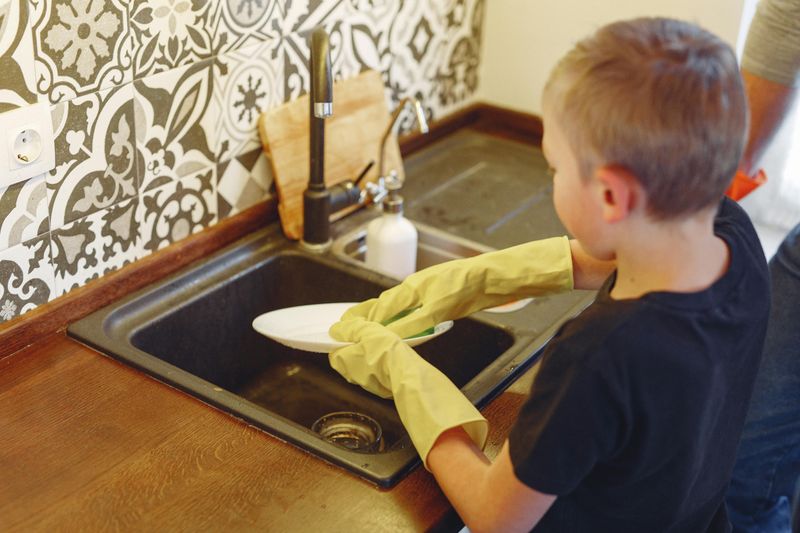
Work before pleasure was a fundamental principle in 1960s households, teaching children responsibility and the value of earning free time.
Kids had assigned chores like washing dishes, taking out trash, or mowing lawns that had to be completed before any fun activities.
No exceptions existed for good weather or friends waiting outside.
Parents inspected work to ensure quality, and sloppy jobs meant doing them over.
This taught thoroughness and accountability.
Children learned that rewards came after responsibilities were fulfilled.
This work ethic prepared them for adult life and instilled discipline that carried into their careers and personal lives decades later.
7. Keep Your Room Clean

Personal space maintenance was mandatory, and children faced regular inspections to ensure their bedrooms met parental standards of cleanliness.
Beds needed to be made every morning with hospital corners, clothes put away properly, and floors clear of clutter.
Messy rooms resulted in lost privileges.
Saturday morning cleaning sessions were common, with parents supervising until rooms passed inspection.
This wasn’t a suggestion but an enforced requirement.
Kids learned organizational skills and took pride in their spaces.
The discipline of maintaining order in their rooms translated to other areas of life, teaching them that taking care of belongings showed maturity and self-respect.
8. No Phone Calls After 8 PM

Telephone etiquette was strict in the sixties, and families shared one landline that hung on the kitchen wall for everyone to hear.
Evening phone calls disrupted family time and were considered rude after a certain hour.
Parents enforced an 8 PM cutoff for both incoming and outgoing calls.
Calling someone’s home late might wake younger siblings or interrupt adult conversations.
Kids learned to plan their social coordination during acceptable hours.
Long conversations tied up the family line, preventing important calls from coming through.
This rule taught consideration for others and time management, skills that helped children understand boundaries and respect for shared resources.
9. Family Dinner Every Night
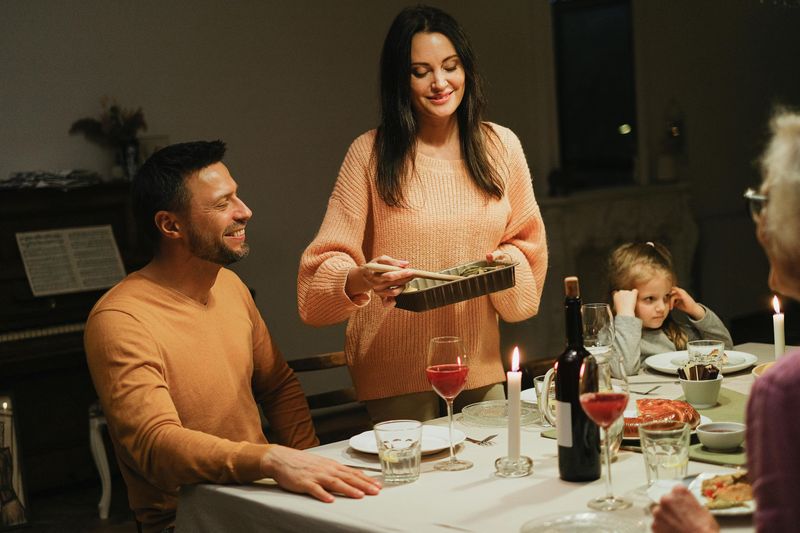
Mealtime brought families together without exception, and everyone was expected at the dinner table at the same time every evening.
Missing dinner for activities, friends, or personal preferences wasn’t acceptable.
Parents prepared meals, and attendance was mandatory for all family members.
Dinner provided time for conversation, connection, and sharing daily experiences.
Parents asked about school, and kids learned table manners and communication skills.
Television stayed off, and everyone remained seated until excused.
This sacred time strengthened family bonds and created lasting memories.
The routine provided stability and ensured parents stayed involved in their children’s lives through daily face-to-face interaction and meaningful conversation.
10. Church on Sundays
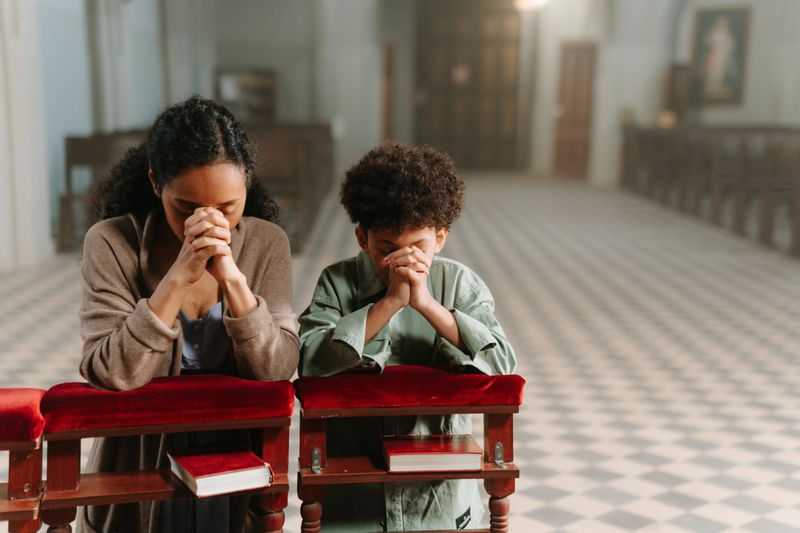
Sunday morning meant church attendance for most 1960s families, regardless of how children felt about waking early or dressing formally.
Kids wore their best clothes, sat quietly during services, and participated in Sunday school.
Complaining or refusing to go wasn’t an option.
Parents viewed religious attendance as essential for moral development and community connection.
Missing church required serious illness, not just tiredness or boredom.
This weekly ritual taught discipline, patience, and respect for traditions.
Children learned to sit still, listen quietly, and engage with their faith community.
These Sunday routines created structure and introduced kids to values their parents considered fundamental to good character.
11. No TV Until Homework Is Done

Television was a prized entertainment source in the sixties, but access came only after academic responsibilities were completely finished.
Parents checked homework before allowing kids to watch their favorite shows.
This rule was firm, even if it meant missing an episode.
Children learned to prioritize education over entertainment, understanding that privileges were earned through completed work.
No shortcuts or excuses were accepted.
This policy taught time management and the importance of education.
Kids rushed through assignments to catch their programs, learning efficiency while maintaining academic standards.
The rule reinforced that success required effort and that fun came after fulfilling obligations and responsibilities.
12. No Shoes in the Living Room

Keeping the living room pristine was a matter of household pride, and shoes were banned to protect carpets and furniture from dirt and damage.
Kids removed their shoes at the door or before entering the formal living space.
This room often showcased the family’s best furniture and decorations.
Parents worked hard to maintain their homes, and muddy footprints or scuff marks were unacceptable.
The living room was for guests and special occasions.
This rule taught respect for property and consideration for the effort parents put into homemaking.
Children learned that certain spaces deserved extra care and that showing respect for the home demonstrated maturity and appreciation.
13. Be Quiet During the News
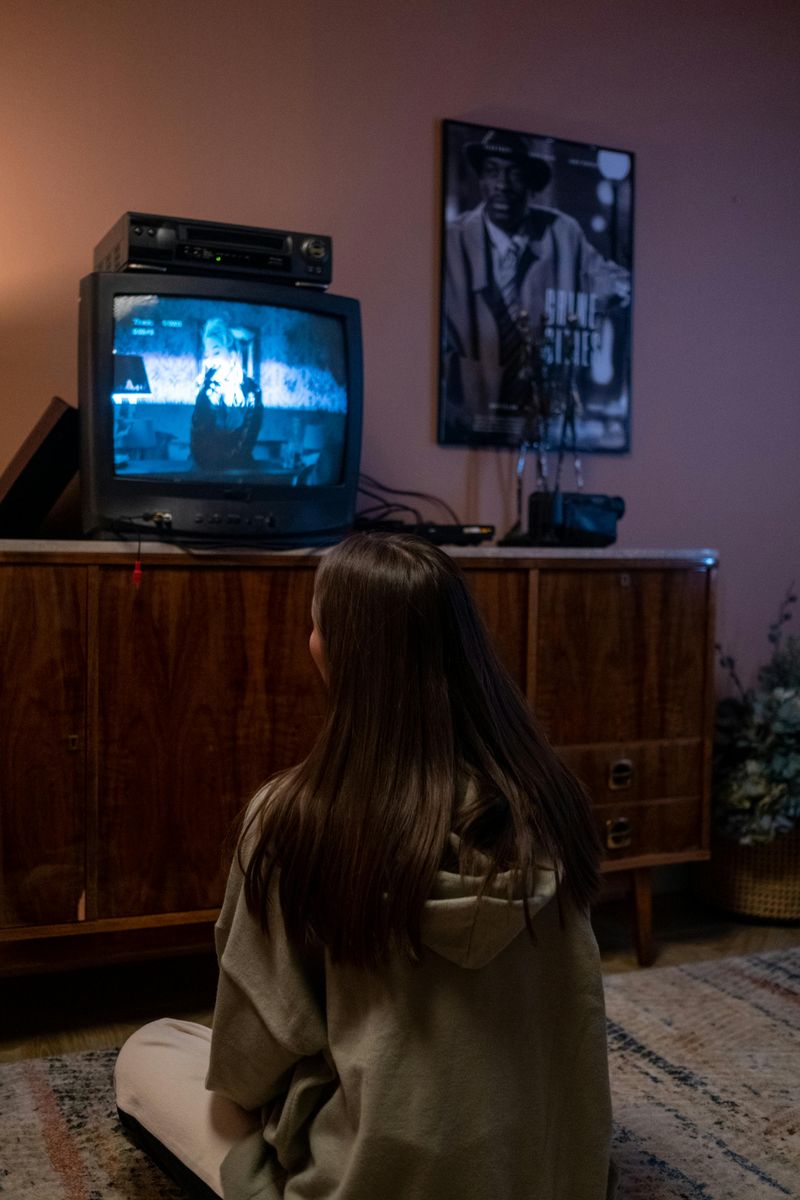
Evening news broadcasts were sacred in 1960s households, and children understood that absolute silence was required during this important program.
Parents needed to hear about world events, politics, and current affairs without interruption.
Talking, playing, or making noise during the news resulted in immediate correction.
Kids learned to occupy themselves quietly or watch along, gaining awareness of the world beyond their neighborhood.
This was how families stayed informed.
The rule taught respect for adult priorities and the importance of staying connected to current events.
Children developed patience and learned that some moments required their consideration, helping them understand civic responsibility and awareness.