 MomSkoop
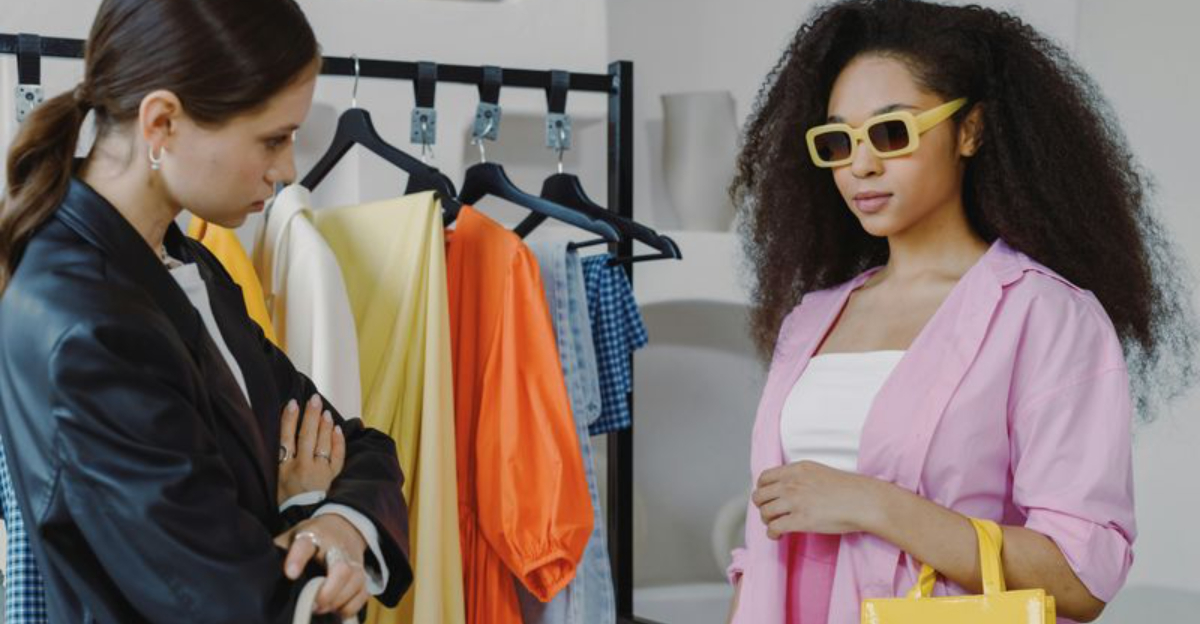
Getting dressed seems simple enough, but a few small missteps can make even an expensive outfit look cheap. The way you put an outfit together sends a message before you even say a word.
Knowing what to avoid can instantly upgrade your style and boost your confidence. These tips will help you look polished, put-together, and ready for anything.
1. Wearing Wrinkled Clothes
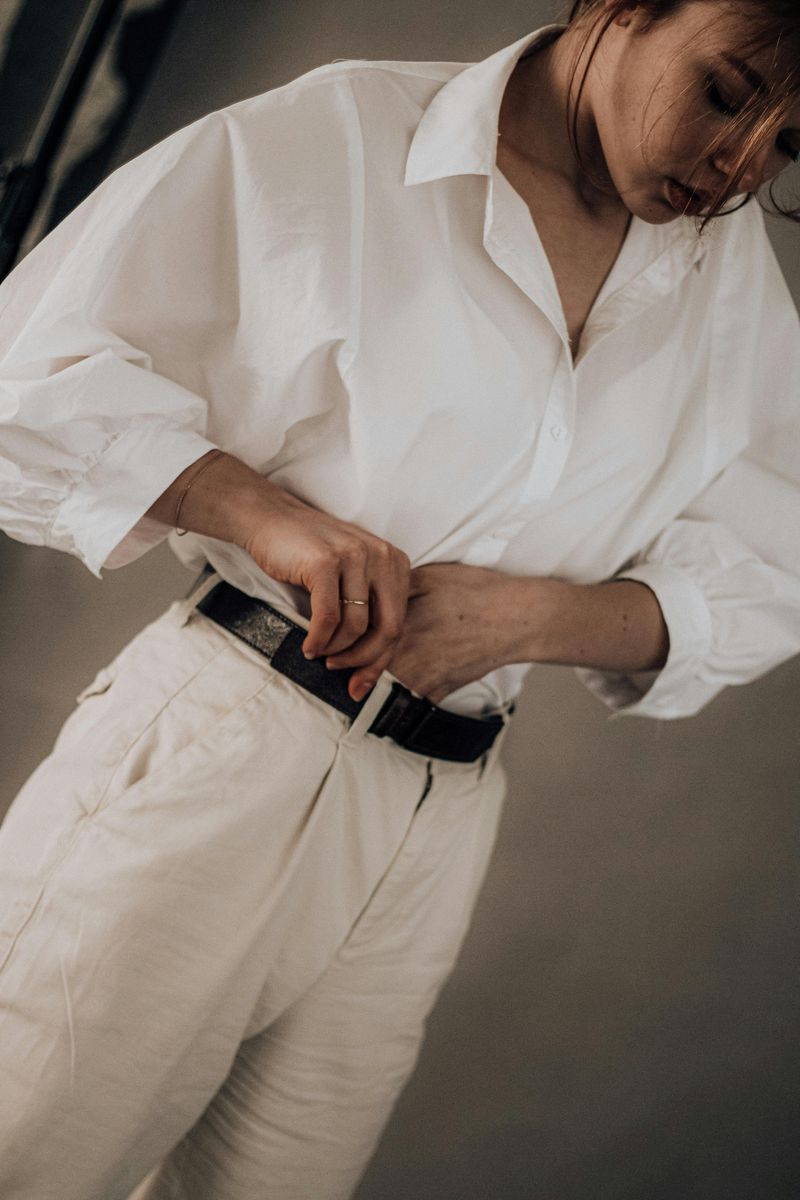
Picture walking into a room wearing a shirt that looks like it spent the night balled up on the floor.
Even if that shirt cost a fortune, the wrinkles make it look like it came from a bargain bin.
First impressions stick, and creased clothing sends the message that you did not put in effort.
The fix is surprisingly simple.
Invest in a good iron or a handheld steamer, and spend just a few minutes before heading out.
Hanging clothes right after washing them also prevents most wrinkles from forming.
A smooth, wrinkle-free outfit signals that you care about your appearance, and that kind of confidence is always noticeable.
2. Poor Fit (Too Tight or Too Baggy)
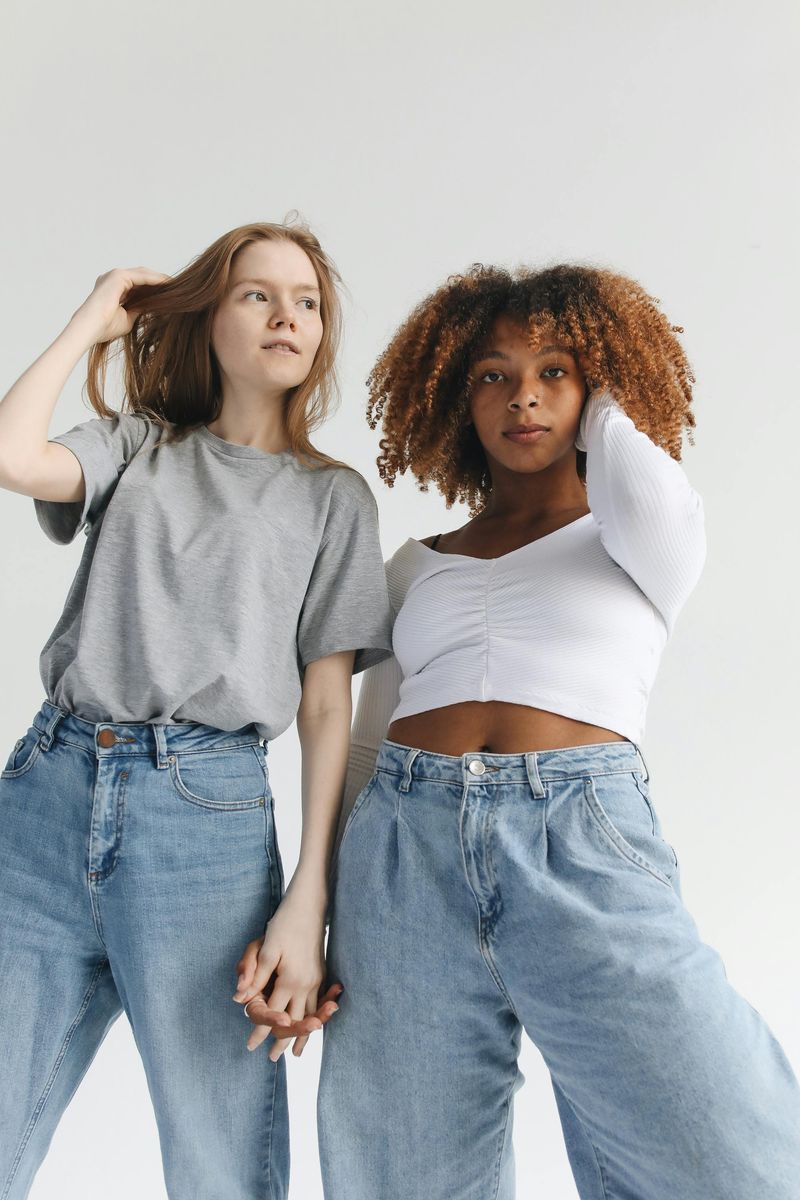
Fit is the single most powerful factor in how clothing looks on your body.
A perfectly tailored outfit in a basic fabric will almost always outshine an expensive designer piece that does not fit correctly.
Clothes that are too tight pull, bunch, and create unflattering lines, while overly baggy clothes hide your shape and look sloppy.
The good news?
You do not need to spend a lot to get a great fit.
Many alterations are affordable, and a tailor can transform an off-the-rack piece into something that looks custom-made.
Always try clothes on before buying, and pay close attention to how they sit on your shoulders, chest, and waist.
3. Overloading on Logos
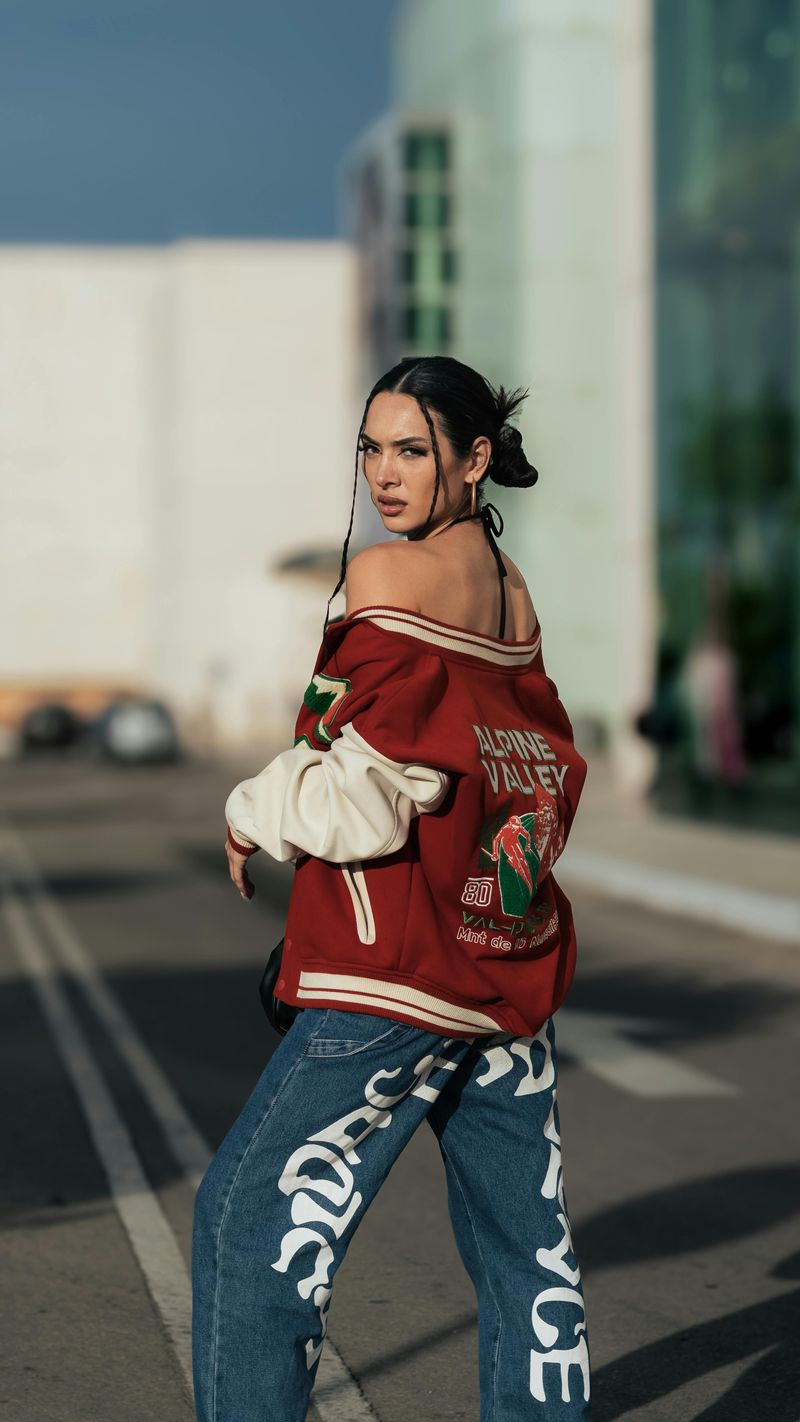
There is a fine line between showing off a brand you love and turning yourself into a walking billboard.
Wearing head-to-toe logos from the same brand, or mixing several loud branded pieces at once, tends to look more tacky than trendy.
Ironically, the most luxurious fashion houses often favor subtle or no visible logos at all.
Letting one branded item stand out while keeping the rest of your outfit simple and clean is a much smarter move.
A logo tee paired with plain trousers and simple shoes reads as intentional and stylish.
Less really is more when it comes to branding.
Understated pieces almost always communicate a more refined and polished sense of taste.
4. Scuffed or Dirty Shoes
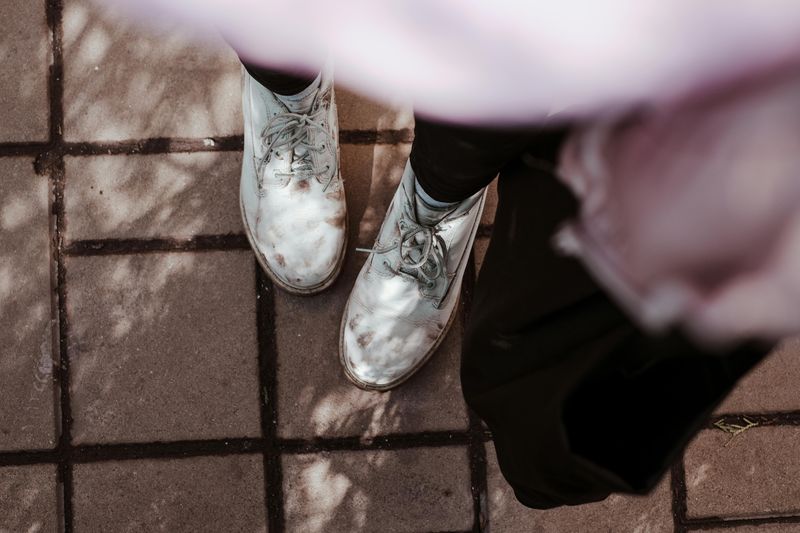
Ask any style expert and they will tell you the same thing: people notice your shoes.
Worn-out, scuffed, or muddy footwear can drag down an entire outfit, no matter how sharp the rest of it looks.
Shoes are often the first or last thing someone notices, and dirty ones leave a lasting negative impression.
Keeping your shoes clean does not require much time or money.
A quick wipe-down with a damp cloth after each wear goes a long way.
For leather shoes, a basic polish kit works wonders.
Sneakers can be refreshed with a soft brush and some soapy water.
Rotating your shoes also helps them last longer and stay in better shape.
5. Cheap, Shiny Fabrics
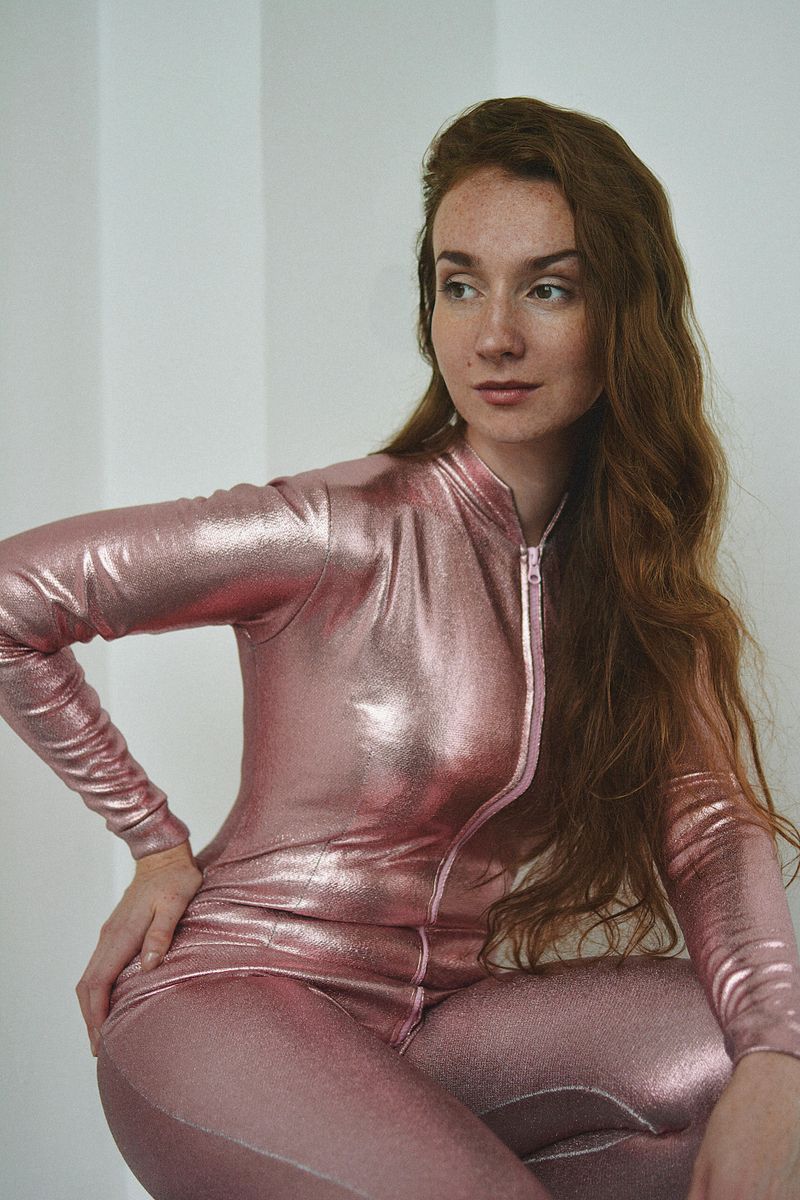
Not all fabrics are created equal, and your eye can usually tell the difference even if your brain cannot name it.
Overly synthetic materials with a plastic-like shine tend to look inexpensive and can even be uncomfortable to wear.
They also wrinkle easily, do not breathe well, and often lose their shape after a few washes.
Look for fabrics like cotton, linen, wool, and structured polyester blends that have a matte or subtle sheen rather than a flashy gloss.
Natural fabrics tend to drape better and photograph more elegantly.
You do not have to spend a lot either.
Many affordable brands now offer well-constructed pieces in quality-looking fabrics that rival much pricier options.
6. Too Many Accessories
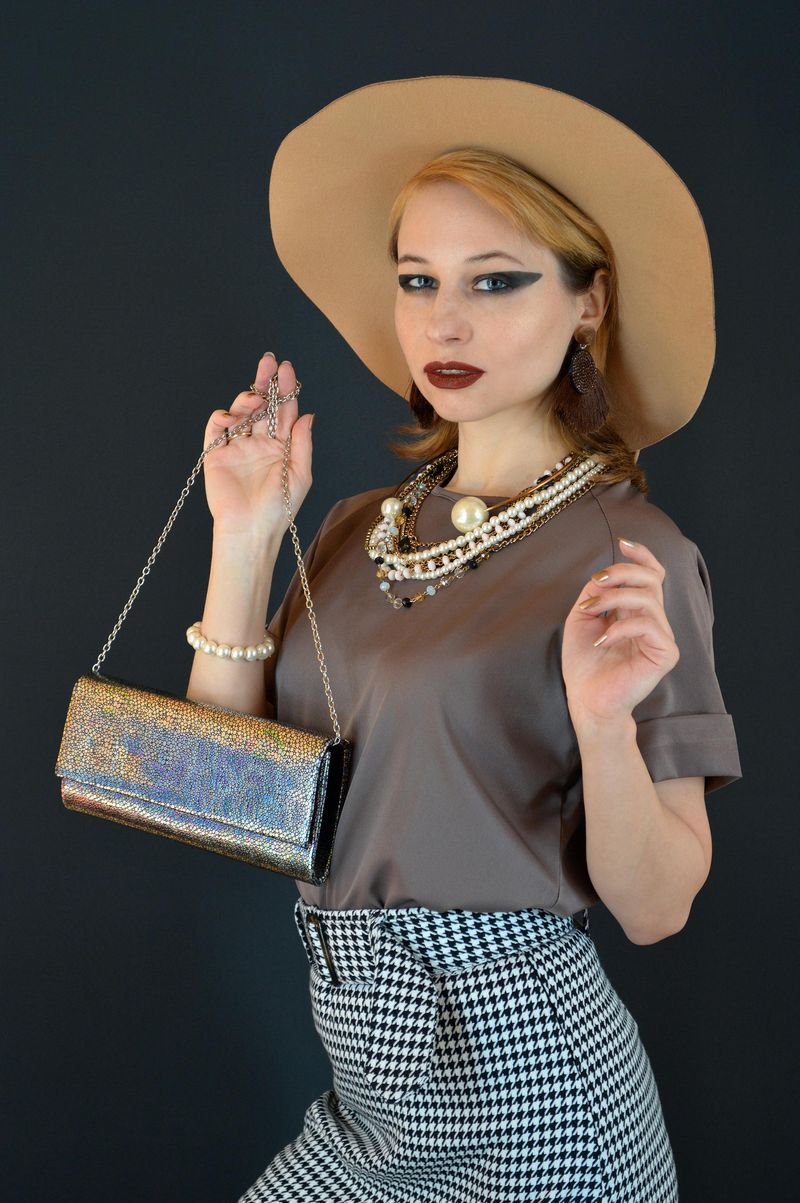
Accessories are meant to enhance an outfit, not compete with it.
When you pile on too many statement pieces at once, the eye does not know where to look, and the overall effect feels chaotic rather than chic.
Think of accessories like seasoning in cooking: a little brings out the flavor, but too much ruins the dish.
A solid rule of thumb is to pick one or two focal accessories and keep everything else minimal.
If you are wearing bold earrings, skip the chunky necklace.
If your bag is a standout piece, let your jewelry stay simple.
Editing your accessories down is one of the easiest ways to make an outfit look more intentional and polished.
7. Visible Undergarments (Unintentionally)

Unintentional undergarment exposure is one of those style slip-ups that is hard to recover from once you are already out the door.
A dark bra under a sheer white top, visible panty lines under fitted trousers, or an undershirt peeking out from a casual collar all interrupt the clean, finished look of an outfit.
A few easy solutions can prevent this entirely.
Seamless or nude-toned underwear works under most light fabrics.
Bra straps can be tucked, converted, or swapped for adhesive options depending on the outfit.
Checking your look in a full-length mirror before leaving, both front and back, takes less than a minute and saves a lot of embarrassment throughout the day.
8. Ignoring Color Coordination
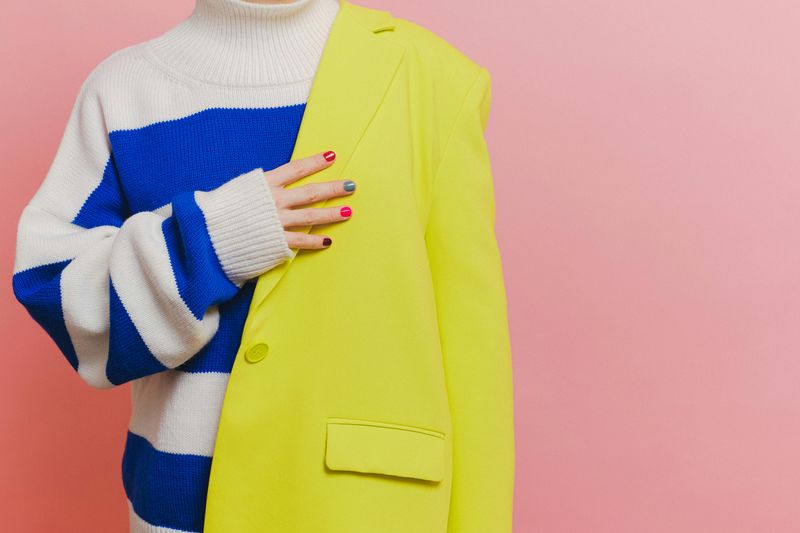
Color has a massive impact on how an outfit is perceived.
Throwing together shades that clash or compete with each other can make even well-fitted, quality clothing look like a mess.
It is not about following strict rules, but about understanding which tones work together and which ones fight each other for attention.
A simple starting point is to build outfits around a neutral base, like navy, black, white, or beige, and add one or two accent colors.
Using a color wheel can also help identify complementary pairings.
Tonal dressing, wearing different shades of the same color family, is another foolproof approach.
Once you get comfortable with a few combinations, putting together a cohesive outfit becomes second nature.
9. Neglecting Grooming
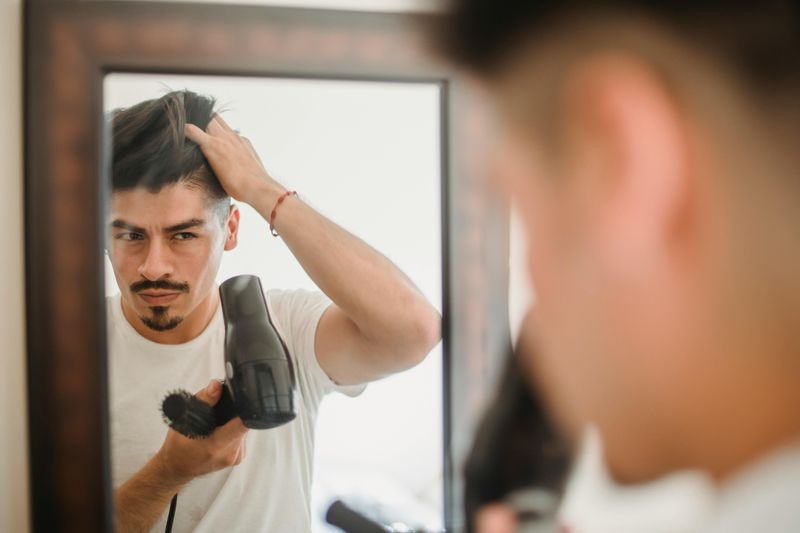
Here is a truth that does not get talked about enough: your outfit is only half the picture.
You could be wearing the most carefully assembled, perfectly fitted look in the world, and it will still fall flat if your hair is disheveled, your nails are chipped, or your collar is crumpled.
Grooming is the frame around the painting.
Basic grooming habits make a significant difference without taking much time.
Keeping hair neat and clean, maintaining trimmed nails, and checking your collar and cuffs before heading out are small habits that add up quickly.
Even a simple skincare routine can boost the overall impression of your look.
Personal care and personal style work together, and neglecting one always undermines the other.
10. Overly Trendy Pieces (All at Once)
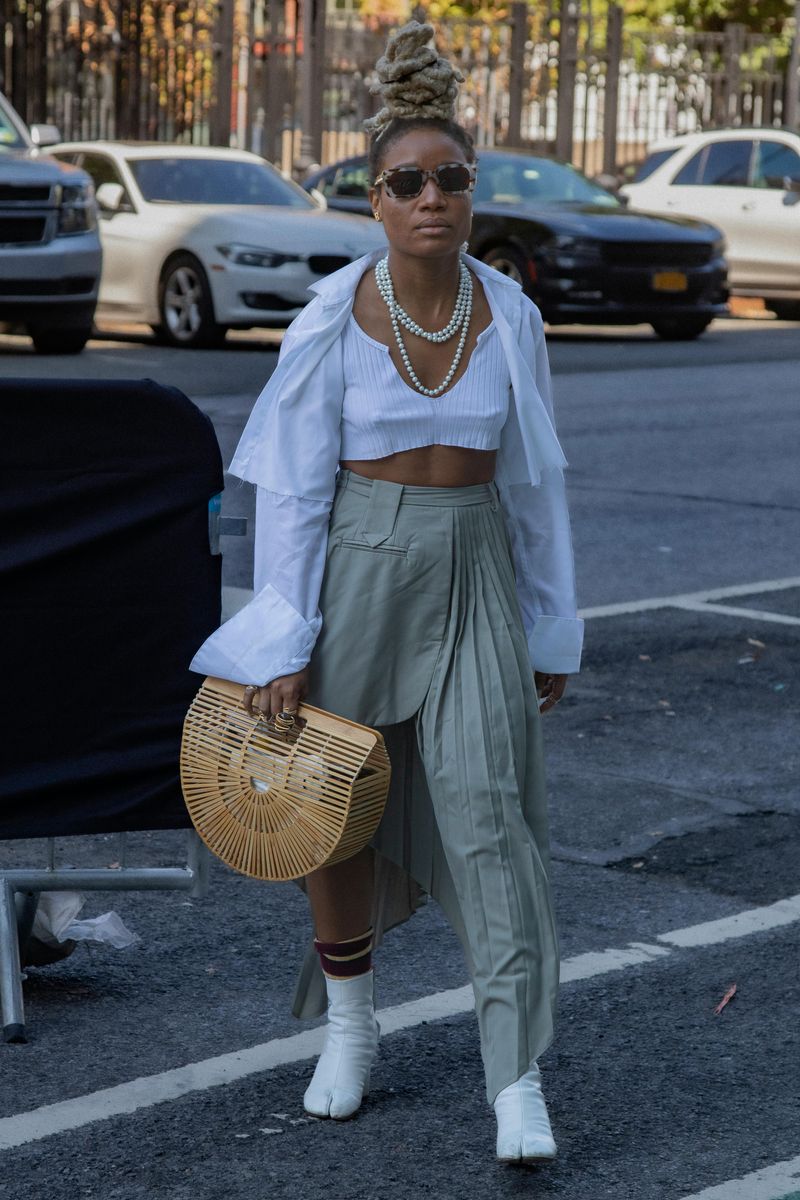
Trends are fun, but chasing every single one at the same time is a recipe for an outfit that looks more costume than cool.
When every piece you are wearing is from the latest micro-trend cycle, nothing stands out and the overall effect feels try-hard rather than effortless.
Style and fashion are not the same thing.
The most stylish people tend to anchor their look with classic, timeless basics and add just one trendy piece to keep things current.
A pair of wide-leg jeans looks modern without being overwhelming when paired with a simple fitted top and clean sneakers.
Treat trends like accessories: use them sparingly to accent a strong foundation rather than build an entire outfit around them.
11. Pilling or Worn Fabric
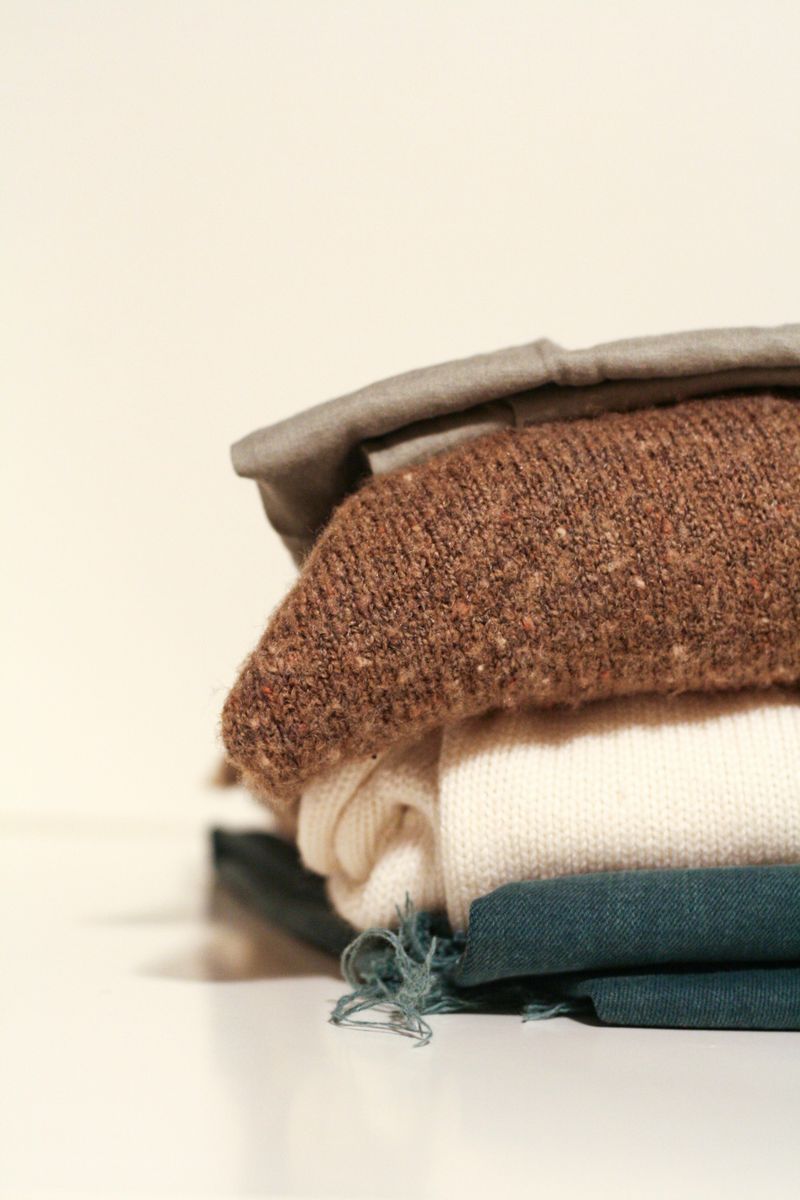
Fabric pilling, those tiny fuzz balls that form on sweaters, leggings, and knit pieces, is one of the most overlooked style killers.
Even a relatively new garment can look years old once pilling sets in, and most people do not realize how much it affects the overall impression of an outfit.
A fabric shaver or lint remover is a cheap and incredibly effective tool that can restore a pilled item to near-new condition in minutes.
Washing clothes inside out on a gentle cycle also slows down the pilling process significantly.
Regularly inspecting your wardrobe for worn or faded pieces and retiring them when needed keeps your overall look fresh and well-maintained without requiring a full wardrobe overhaul.
12. Wrong Lengths (Sleeves, Pants, Skirts)
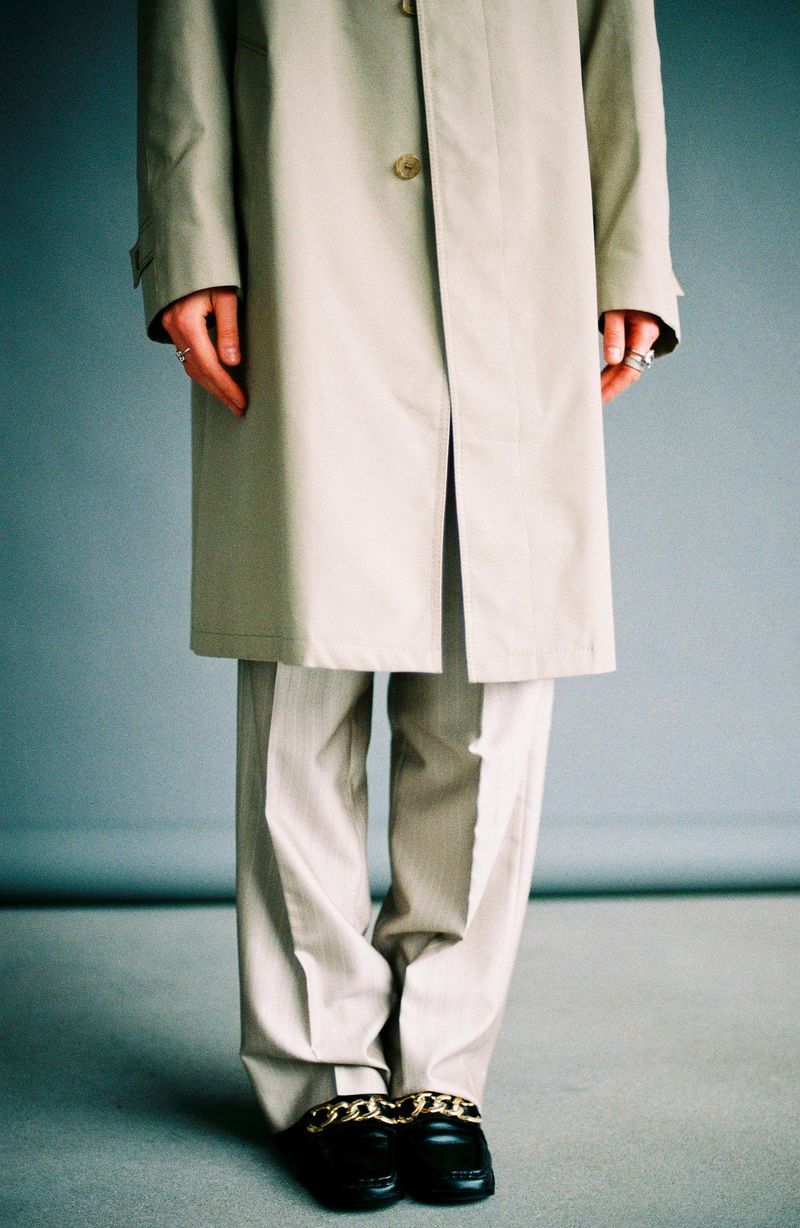
Hemlines matter more than most people realize.
Pants that pool around your ankles, sleeves that swallow your hands, or a skirt that hits at an unflattering mid-calf point can completely throw off an outfit’s proportions.
Even the most expensive clothing looks off when the lengths are wrong for your body.
Getting hems adjusted by a tailor is one of the most affordable alterations available, and the difference it makes is dramatic.
Pants should generally graze the top of your shoe with a slight break, and sleeves should end right at your wrist bone.
For skirts and dresses, try different lengths to see what flatters your specific proportions.
A well-hemmed garment always looks more intentional and put-together.
13. Mismatched Formality
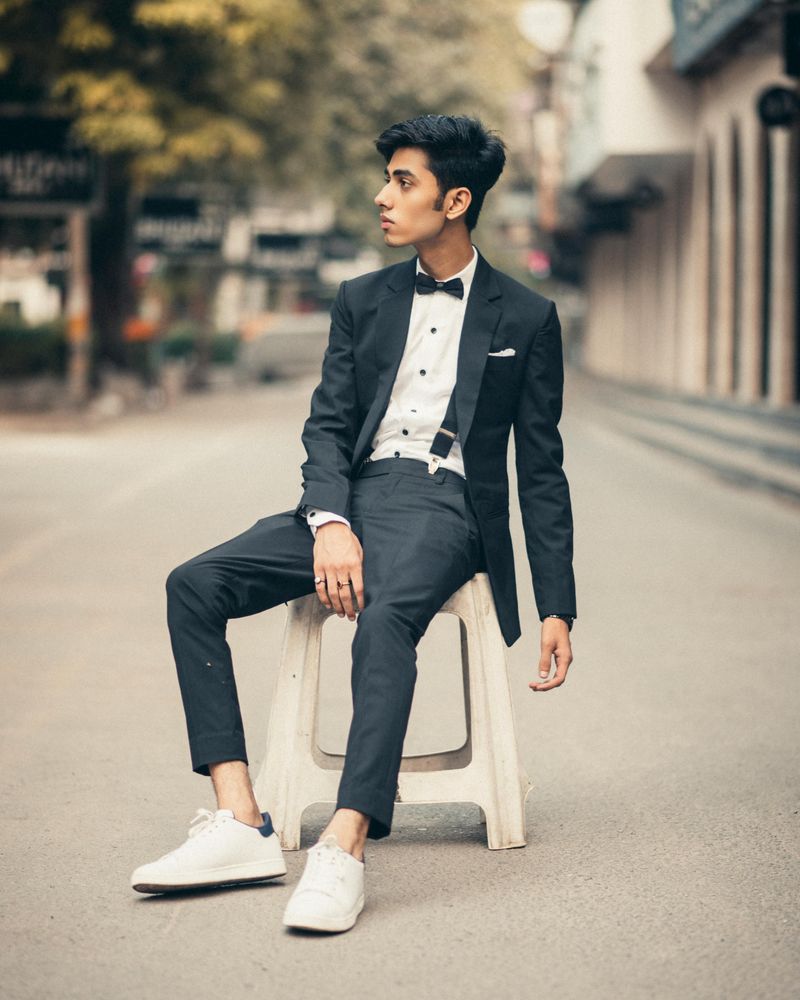
Mixing formality levels can look incredibly stylish when done on purpose, but when it happens accidentally, it just looks like you grabbed whatever was clean.
Wearing gym sneakers with a tailored suit or pairing a ballgown skirt with a hoodie without any clear intention reads as confused rather than creative.
The key is intentionality.
Smart casual dressing works beautifully when you balance one elevated piece with one relaxed one.
A blazer over jeans and a clean white tee is a classic example of deliberate formality mixing.
Before leaving the house, ask yourself whether each piece belongs in the same universe as the others.
When your outfit tells one coherent story, it always looks more polished and confident.