 MomSkoop
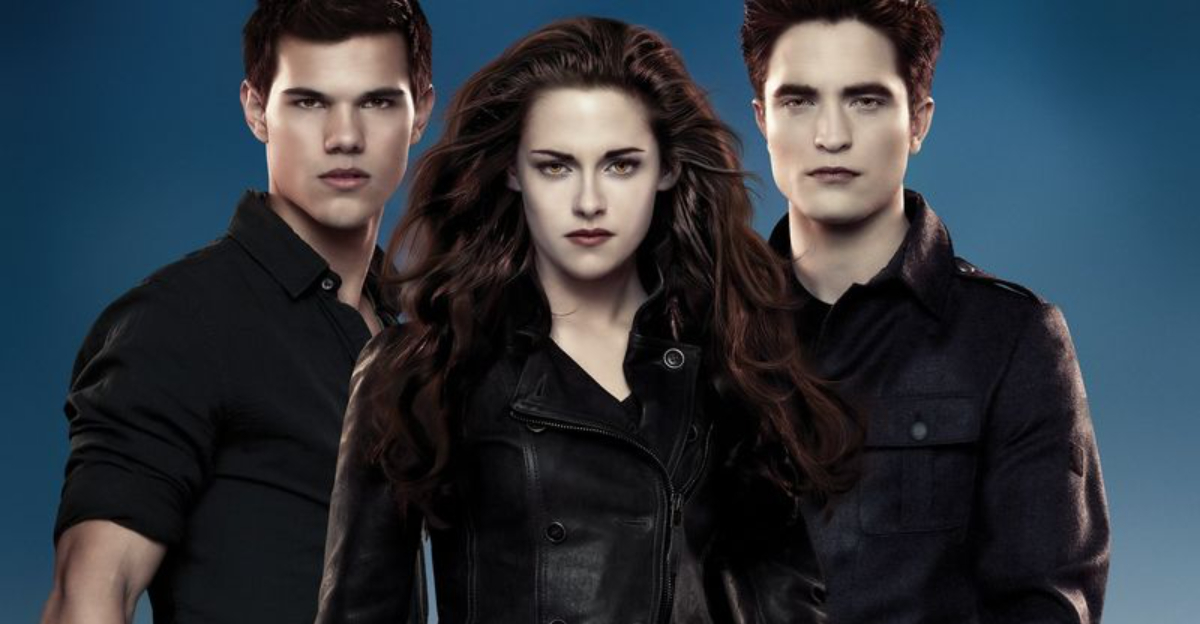
Some movie performances spark instant debates that never quite settle. Actors take bold risks, directors make surprising choices, and audiences react with passion—sometimes loving what they see, sometimes hating it with equal intensity.
These polarizing moments in cinema history prove that art is never one-size-fits-all, and what moves one viewer might frustrate another. Here are performances that split audiences right down the middle from the moment they hit screens.
1. Jared Leto – The Joker (Suicide Squad, 2016)
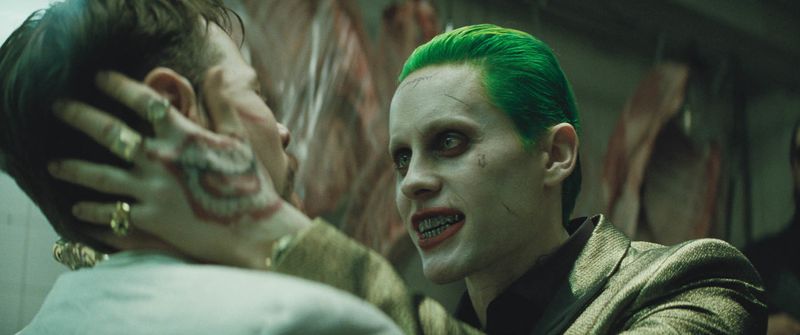
When Warner Bros. revealed the first images of Leto’s tattooed, grill-wearing Joker, the internet exploded with opinions.
His interpretation leaned heavily into gangster aesthetics and unpredictable menace, creating a version nobody had seen before.
Supporters admired his fearless commitment to making the character his own, refusing to copy what came before.
Detractors felt the approach was too flashy, lacking the psychological depth that made previous Jokers so compelling.
Much of his performance ended up on the cutting room floor, which only fueled more debate.
Some argue we never got to see his full vision.
Others believe what we did see was enough to judge.
Either way, this Joker became one of the most talked-about superhero portrayals ever, for better or worse.
2. Kristen Stewart – Bella Swan (The Twilight Saga, 2008–2012)
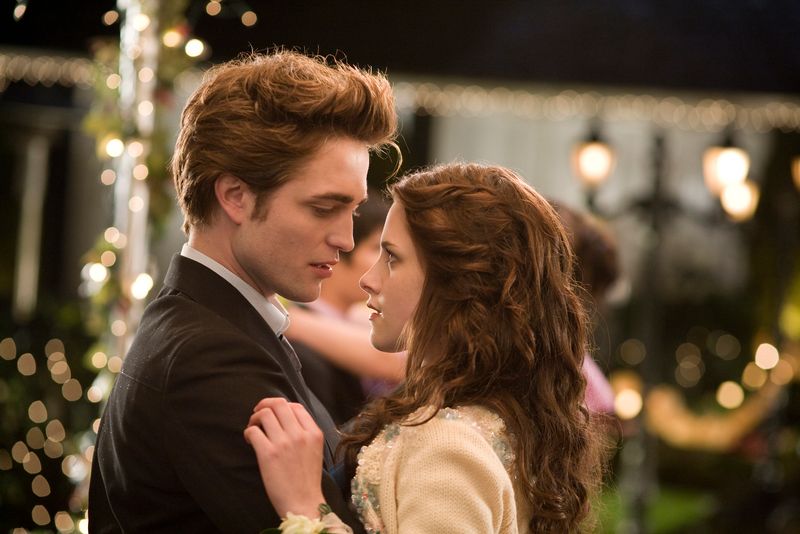
Stewart’s portrayal of Bella became a lightning rod for criticism and defense throughout the franchise’s run.
Her performance emphasized quiet introspection, with minimal facial expressions and soft-spoken delivery that some viewers found refreshingly realistic.
They saw a relatable teenager navigating overwhelming emotions without melodrama.
Critics, however, viewed her acting as wooden and disengaged, lacking the energy they expected from a romantic lead.
The debate intensified with each film, becoming inseparable from discussions about the movies themselves.
Years later, many have reconsidered her work, noting how she captured Bella’s anxiety and uncertainty authentically.
Still, at the time, opinions were sharply divided.
Her performance remains a perfect example of how subjective acting interpretation can be.
3. Heath Ledger – The Joker (The Dark Knight, 2008)
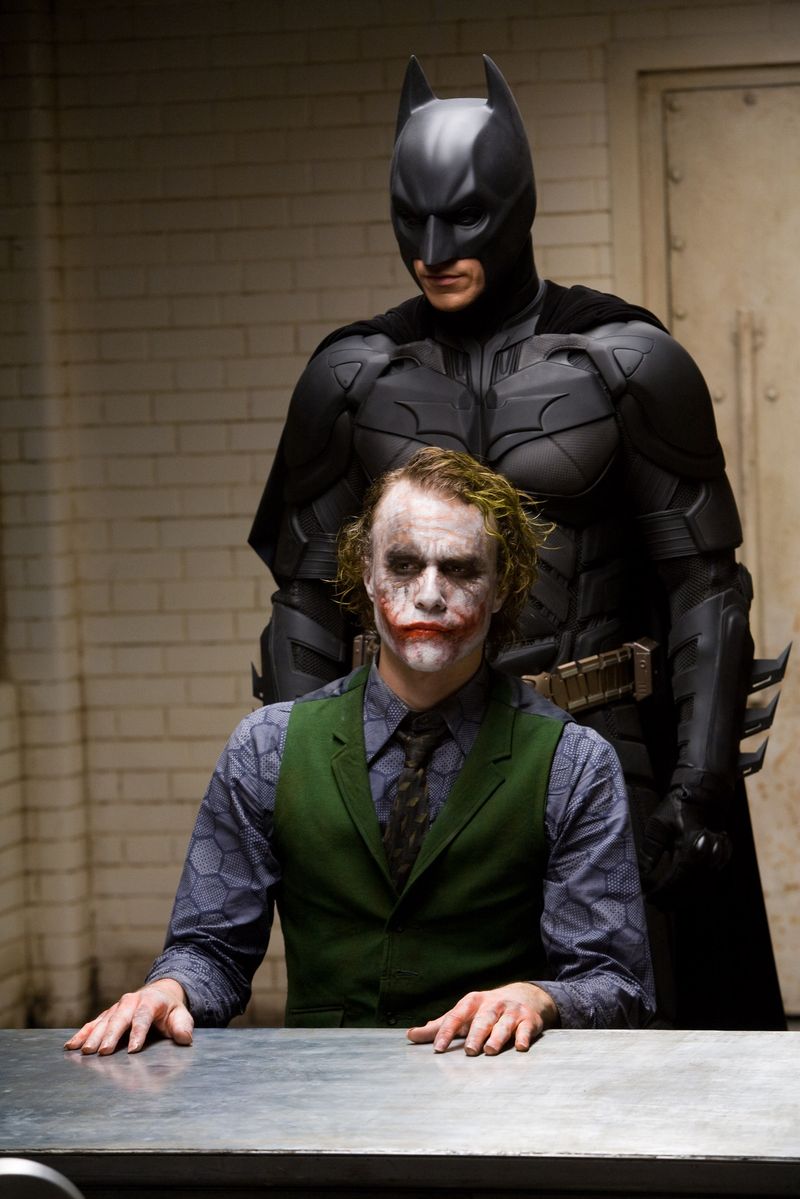
Before anyone saw a single frame, fans revolted against Ledger’s casting.
The actor known for romantic roles seemed completely wrong for Batman’s greatest villain.
Online petitions circulated, and message boards filled with anger and disappointment.
Then the first trailer dropped, and opinions began shifting immediately.
By the film’s release, most critics and audiences were stunned by the dark, anarchic performance that redefined the character entirely.
Yet that pre-release controversy remains fascinating—a reminder that judgment often comes before understanding.
Some fans still remember their initial skepticism with embarrassment.
Others proudly claim they knew he’d be brilliant all along.
Either way, the divisiveness existed, even if it eventually dissolved into near-universal praise.
4. Anne Hathaway – Fantine (Les Misérables, 2012)
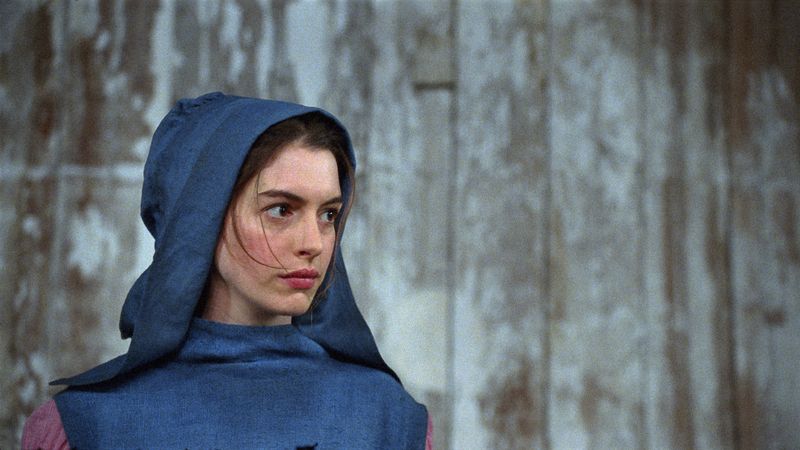
Hathaway’s rendition of ‘I Dreamed a Dream’ became an instant cultural moment, filmed in one unbroken take with raw emotion pouring from every frame.
Many viewers were devastated by her vulnerability, calling it one of the most powerful musical performances ever captured on film.
The Academy agreed, awarding her the Oscar for Best Supporting Actress.
However, critics emerged who felt the performance was too obviously designed to win awards, lacking genuine spontaneity.
They argued her technique was visible, making the emotion feel manufactured rather than discovered.
The debate split even professional critics down the middle.
Some saw fearless commitment; others detected calculation.
Her performance remains a case study in how technical brilliance can itself become controversial.
5. Adam Driver – Kylo Ren (Star Wars Sequel Trilogy, 2015–2019)
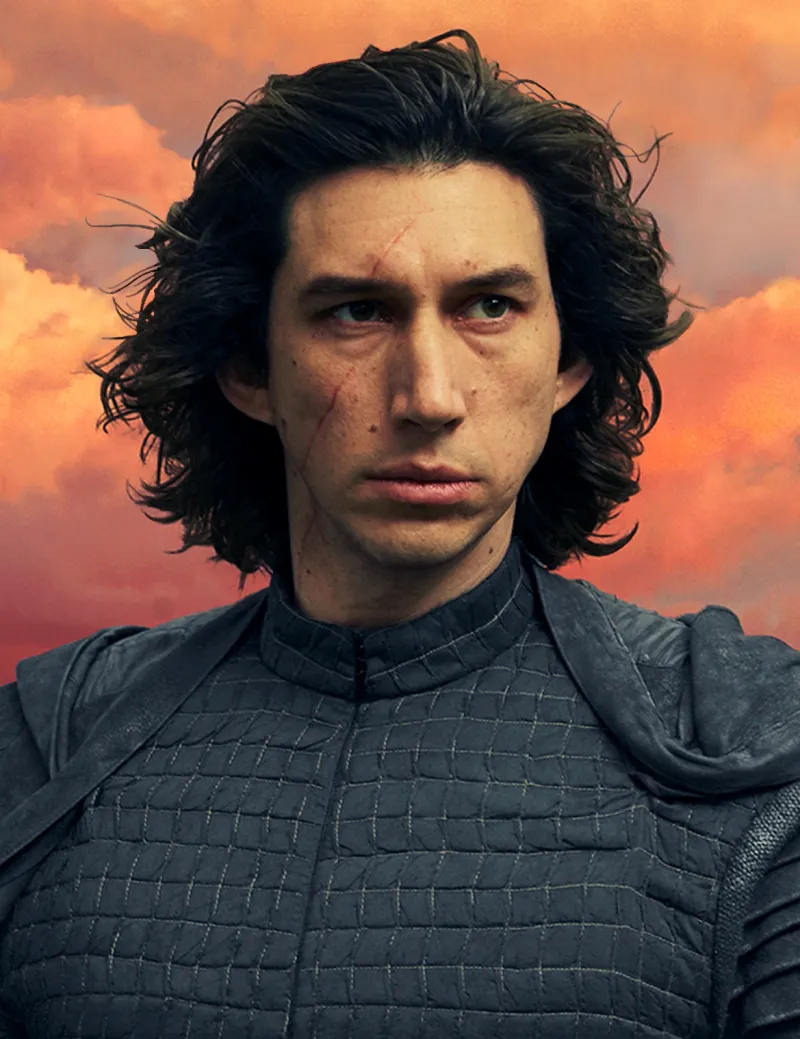
Driver brought psychological complexity to a franchise villain in ways Star Wars had rarely explored before.
His Kylo Ren was conflicted, vulnerable, and emotionally volatile—a far cry from the confident menace of Darth Vader.
Fans who appreciated character-driven storytelling found his performance fascinating and layered, adding depth to the new trilogy.
Traditional Star Wars enthusiasts, however, wanted a more straightforward antagonist, someone powerful and threatening without constant internal struggle.
The character’s emotional outbursts and uncertainty felt weak to them, undermining his credibility as a villain.
Driver’s intense commitment never wavered, but audience reception remained split.
Some saw nuanced brilliance; others saw a whiny, underdeveloped character.
The debate continues years after the trilogy concluded.
6. Lady Gaga – Ally (A Star Is Born, 2018)
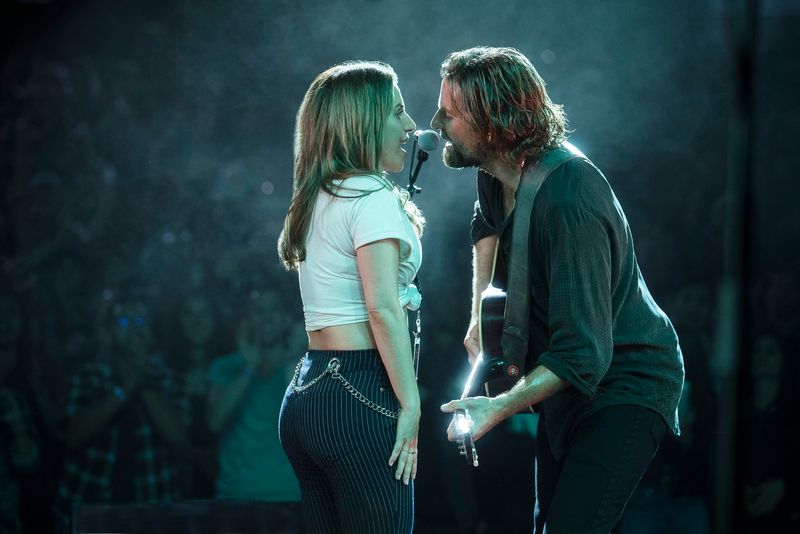
Transitioning from pop superstar to serious actress, Gaga delivered a performance many found surprisingly authentic and grounded.
Her musical scenes felt effortless, and her dramatic moments carried genuine weight, earning her an Oscar nomination.
Supporters praised her natural screen presence and chemistry with Bradley Cooper, seeing a star truly born.
Skeptics, however, felt her acting was uneven, with some scenes feeling overly earnest or trying too hard to prove her dramatic credibility.
They argued her fame overshadowed the character, making it impossible to forget they were watching Lady Gaga.
The performance sparked endless discussions about musicians crossing into acting and whether celebrity status helps or hurts believability.
Some saw raw talent; others saw calculated image management.
The debate highlighted how fame itself can influence perception.
7. Robert Pattinson – Edward Cullen (The Twilight Saga, 2008–2012)
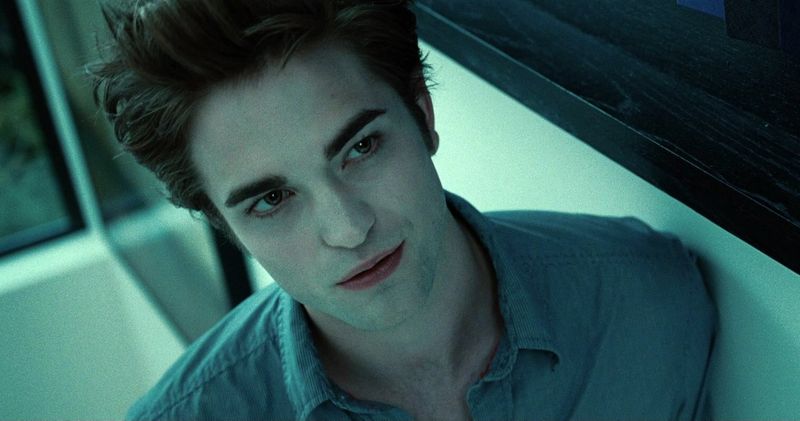
Pattinson’s interpretation of the vampire heartthrob became as controversial as his co-star’s performance.
He played Edward with deliberate restraint and melancholic distance, creating a character that felt genuinely otherworldly and isolated.
Defenders appreciated this choice, arguing it perfectly captured a century-old vampire struggling to connect with humanity.
Critics found him stiff and emotionally unavailable, lacking the romantic spark they expected from the story’s central love interest.
Interestingly, Pattinson himself has expressed ambivalence about the role, which only added fuel to debates.
Years later, his career resurgence in indie films prompted many to reconsider his Twilight work with fresh eyes.
Some now see intentional choices where they once saw limitations.
The conversation continues evolving as his reputation transforms.
8. Scarlett Johansson – Major (Ghost in the Shell, 2017)
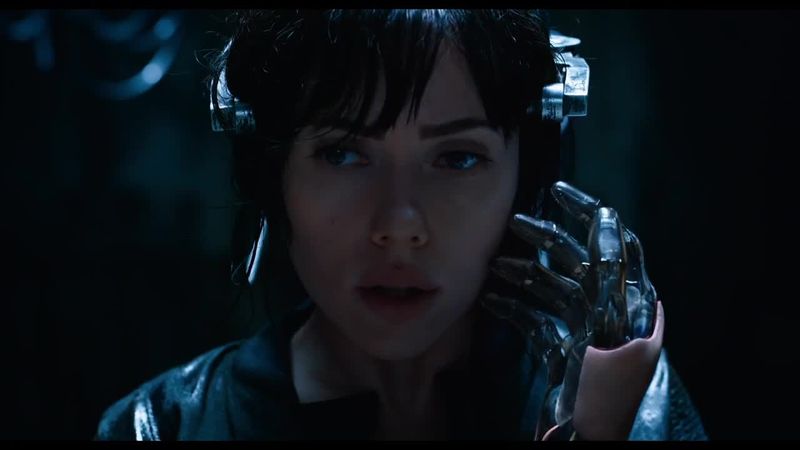
Discussions about Johansson’s performance became impossible to separate from the whitewashing controversy surrounding her casting.
Some viewers tried focusing purely on her acting, praising her physical commitment and ability to convey humanity within a synthetic body.
They felt she captured the character’s existential struggle effectively, delivering a nuanced science fiction performance.
Others couldn’t move past the casting decision, arguing that the choice to hire a white actress for an originally Japanese character overshadowed any artistic merit.
The performance itself became secondary to larger conversations about representation and cultural adaptation.
Critics were divided not just on her acting but on whether discussing her acting separately was even appropriate.
The controversy illustrated how context shapes reception in ways actors cannot control.
Performance and politics became inseparably intertwined.
9. Joaquin Phoenix – Arthur Fleck (Joker, 2019)
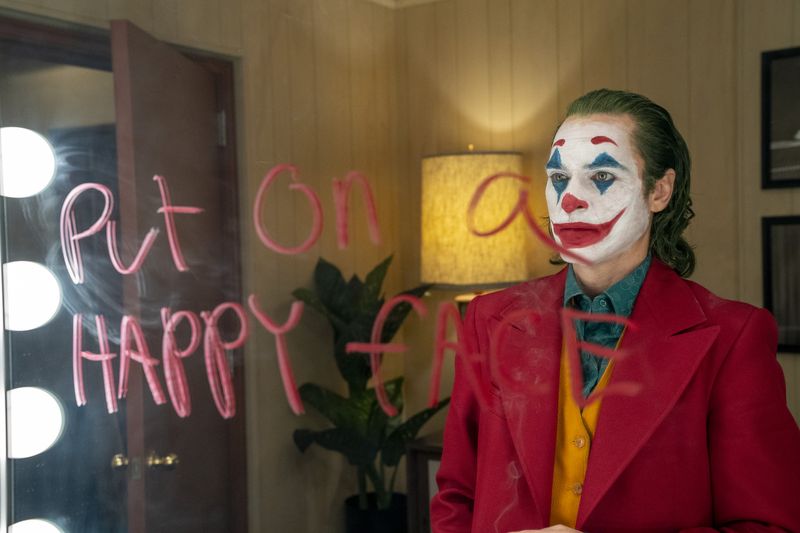
Phoenix’s physically transformative, psychologically intense portrayal earned him an Academy Award and massive box office success.
His commitment was undeniable—he lost significant weight, developed a disturbing laugh, and inhabited the character’s pain with unsettling authenticity.
Admirers saw a masterclass in method acting, a fearless exploration of mental illness and societal failure.
Detractors worried the film glamorized violence and nihilism, potentially inspiring real-world harm by making a villain too sympathetic.
The debate extended beyond performance into ethics and social responsibility.
Some argued art should provoke discomfort; others felt this crossed dangerous lines.
Phoenix himself remained largely silent on the controversy, letting the work speak.
The performance remains both celebrated and criticized, depending on who’s discussing it.
10. Tom Hardy – Bane (The Dark Knight Rises, 2012)
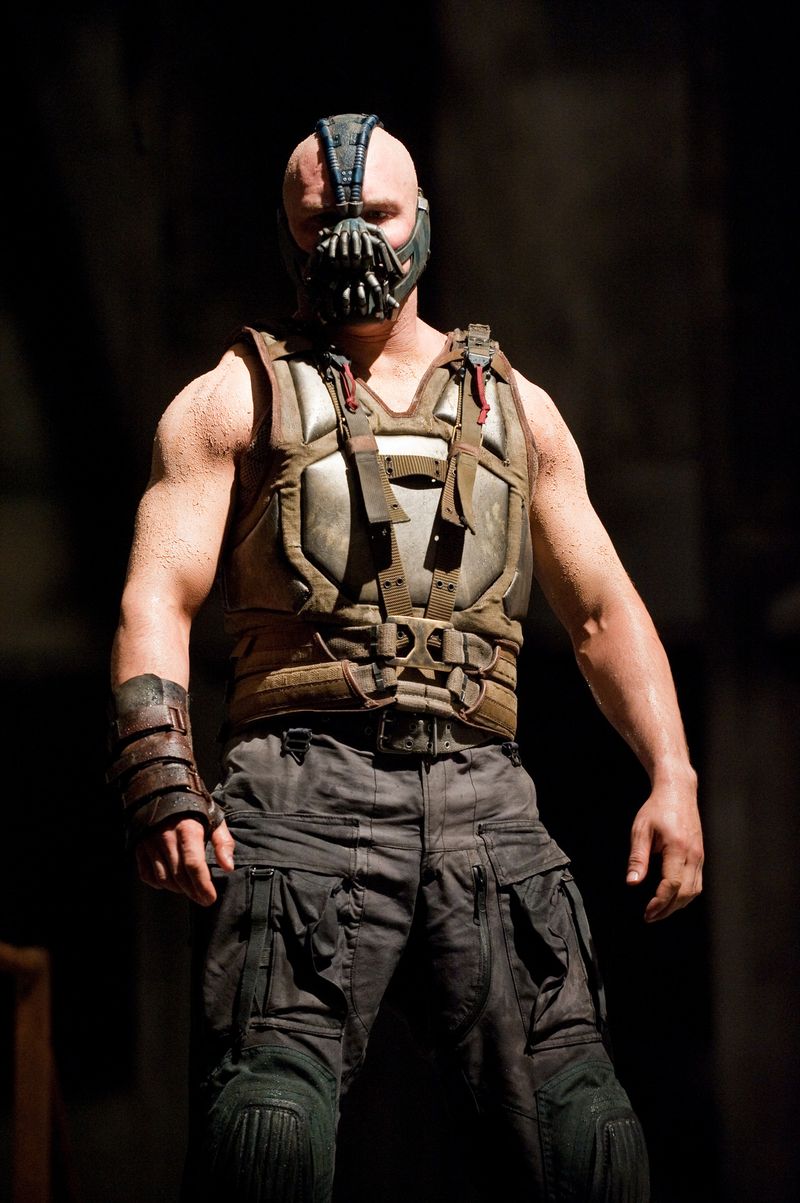
Hardy’s physical presence was undeniably imposing, creating a Bane who felt genuinely threatening and powerful.
Then he opened his mouth, and the internet went wild.
His muffled, vaguely aristocratic accent became an instant meme, parodied endlessly across social media and late-night television.
Some fans found the voice distractingly bizarre, undermining the character’s menace with unintentional comedy.
Others argued it was a bold, memorable choice that made Bane distinctive and strangely sophisticated.
The voice debate overshadowed nearly every other aspect of his performance, becoming the primary thing people remembered.
Hardy defended his choice, explaining the character’s backstory and pain management.
Still, audiences remained split between those who embraced the weirdness and those who couldn’t take him seriously.
11. Natalie Portman – Jackie Kennedy (Jackie, 2016)
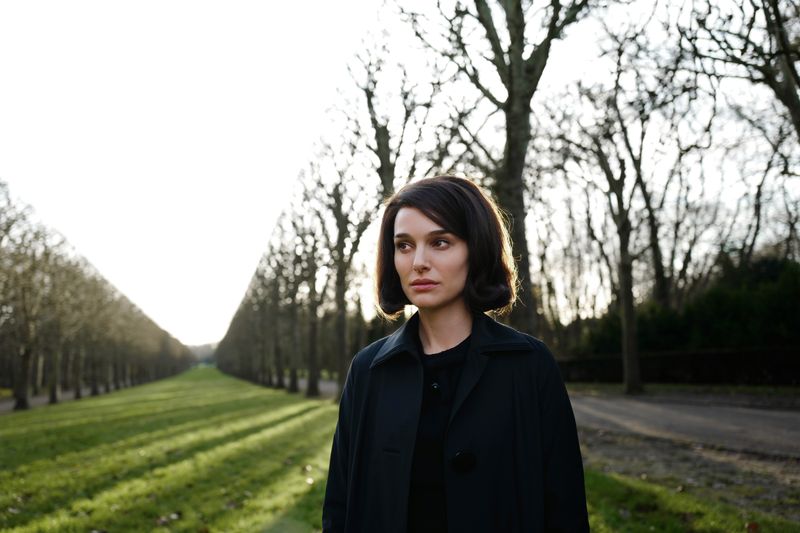
Portman meticulously studied Jackie Kennedy’s voice, mannerisms, and public persona, creating an eerily accurate impersonation.
The technical precision was remarkable, earning her an Oscar nomination and widespread critical attention.
Admirers praised her disciplined approach, seeing a respectful, detailed tribute to an American icon during her darkest hours.
Critics, however, felt the performance was too studied, lacking emotional spontaneity beneath all the careful mimicry.
They argued she captured the surface brilliantly but never quite revealed the woman underneath the public image.
The debate centered on whether technical perfection equals great acting or whether something more intangible is required.
Some viewers were deeply moved; others remained at a respectful distance.
The performance sparked conversations about imitation versus interpretation in biographical films.
12. Ben Affleck – Batman (Batman v Superman, 2016)
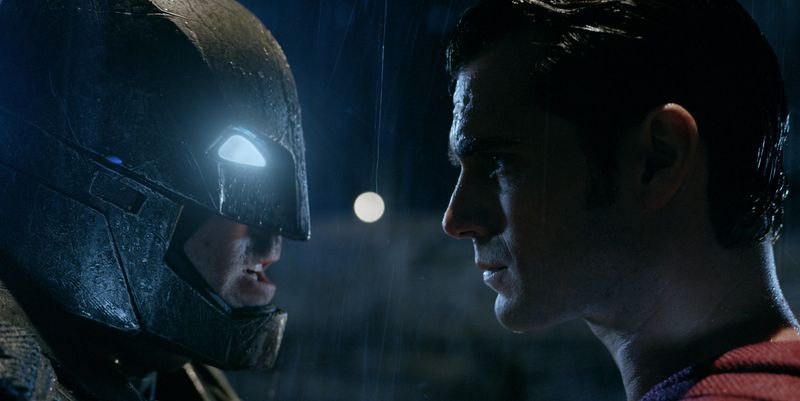
Casting announcements rarely break the internet, but Affleck’s selection as Batman caused immediate uproar.
Fans created petitions demanding his removal before filming even began, citing his previous superhero failure in Daredevil.
When the film released, opinions remained sharply divided.
Some appreciated his portrayal of an older, more brutal Batman, worn down by years of fighting crime and loss.
They found his physicality impressive and his weariness appropriate for the story being told.
Others rejected this darker interpretation entirely, preferring a more heroic, hopeful version of the character.
His performance became inseparable from debates about the film’s overall tone and direction.
Some saw a fresh take; others saw a fundamental misunderstanding.
The controversy never fully resolved before he left the role.
13. Rami Malek – Freddie Mercury (Bohemian Rhapsody, 2018)
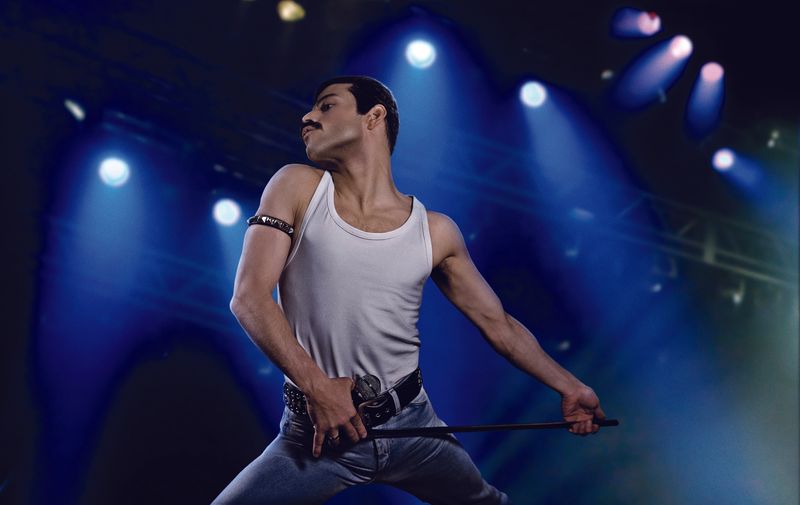
Malek’s transformation into the Queen frontman was visually stunning, complete with prosthetic teeth and meticulously choreographed stage performances.
His dedication earned him the Academy Award for Best Actor, with many praising his physical commitment and energy.
Supporters saw a loving tribute that captured Mercury’s charisma and stage presence brilliantly.
Critics argued he focused too heavily on surface-level mimicry, copying movements and mannerisms without revealing deeper emotional truth.
They felt the performance was technically impressive but emotionally hollow, more impersonation than interpretation.
The debate highlighted ongoing tensions about what makes a great biographical performance.
Should actors prioritize accuracy or emotional resonance?
Malek’s work became a referendum on that question, with passionate advocates on both sides refusing to budge.