 MomSkoop
Pizza has traveled far beyond its Italian roots to become a global comfort food that brings people together.
From crispy thin crusts to thick, pillowy dough, every region has put its own spin on this beloved dish.
Whether you prefer classic toppings or adventurous flavors, understanding different pizza styles helps you appreciate the creativity and tradition behind each slice.
Get ready to explore some of the most iconic pizza varieties from around the world!
1. Neapolitan (Italy)
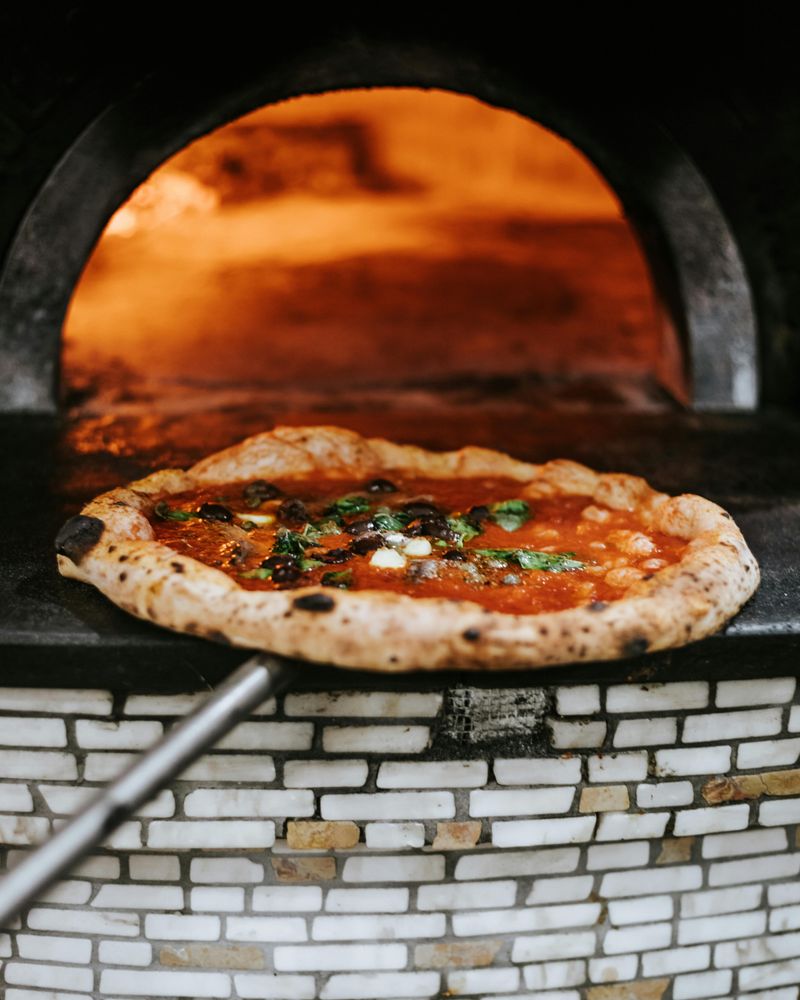
Born in the bustling streets of Naples, this pizza represents the gold standard that all others measure against.
The dough gets hand-stretched into a thin center with puffy, airy edges that blister beautifully in scorching wood-fired ovens.
Traditional Neapolitan pizza uses just a handful of quality ingredients: San Marzano tomatoes, fresh mozzarella, extra virgin olive oil, and fragrant basil.
The cooking happens at extremely high temperatures, around 900 degrees Fahrenheit, for just 60 to 90 seconds.
What makes it special is the slightly charred crust with those signature leopard spots.
The center stays soft and sometimes a bit wet, which Italians consider perfect.
Authentic versions follow strict rules set by the Associazione Verace Pizza Napoletana.
2. Roman al Taglio (Italy)
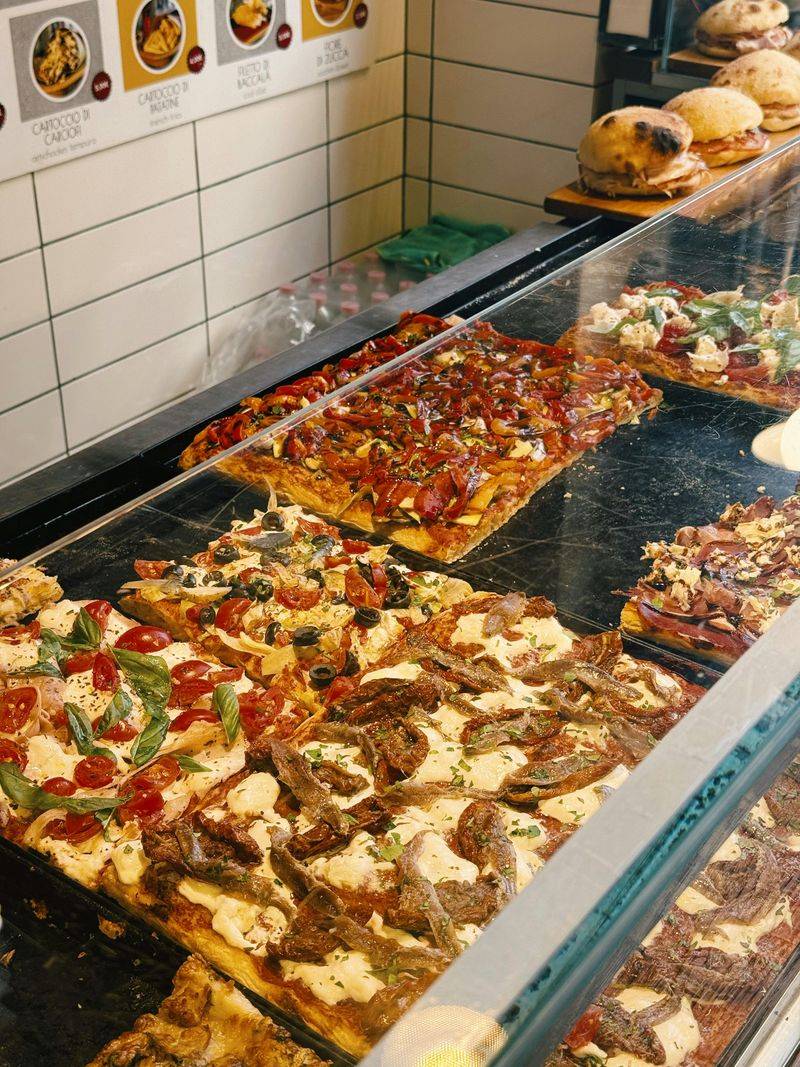
Walk into any Roman bakery and you’ll find giant rectangular pans of pizza sold by weight, not by the slice.
Al taglio means “by the cut,” and vendors use scissors to snip off exactly how much you want.
The crust has a wonderfully crispy bottom but stays light and airy inside, almost like focaccia.
Bakers top these pizzas with everything imaginable: potatoes and rosemary, zucchini flowers, prosciutto, or even simple olive oil and salt.
Romans eat it as a quick snack while walking around the city.
Unlike Neapolitan pizza, Roman style gets baked in electric ovens at lower temperatures for longer periods.
This creates that signature crunch without burning.
Many consider it the perfect street food for busy afternoons.
3. New York-Style (USA)
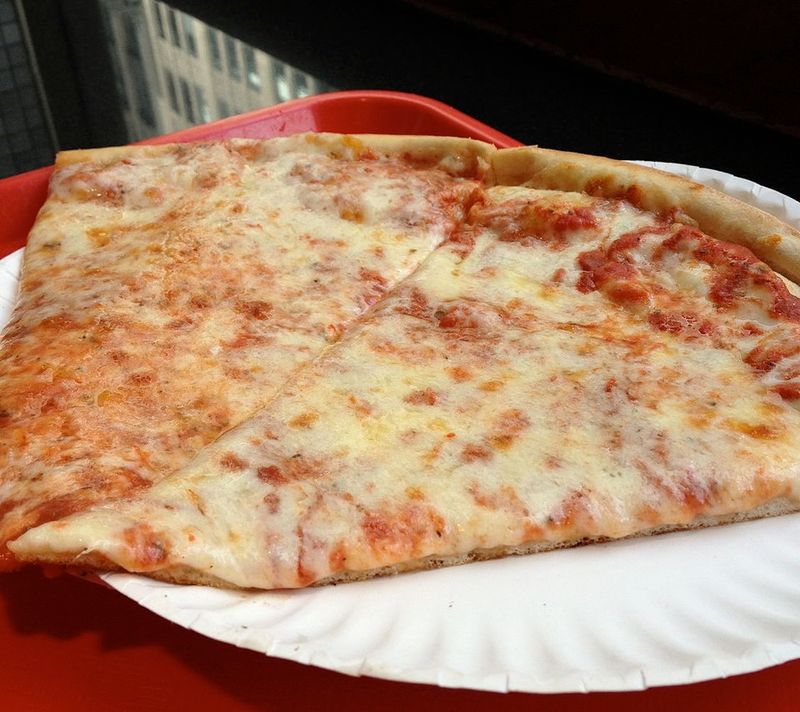
Nothing says New York quite like grabbing a massive, foldable slice from a corner pizzeria.
This style arrived with Italian immigrants in the early 1900s and quickly became a city icon that spread across America.
The crust strikes a perfect balance: crispy on the bottom yet flexible enough to fold lengthwise for eating on the go.
A thin layer of tangy tomato sauce and generous amounts of low-moisture mozzarella create that classic greasy sheen everyone loves.
Most pizzerias sell it by the slice, making it affordable and accessible.
Coal or gas deck ovens give New York pizza its characteristic texture.
The wide, thin slices often measure 18 inches across when whole, with a slightly chewy bite that holds up toppings beautifully.
4. Chicago Deep-Dish (USA)
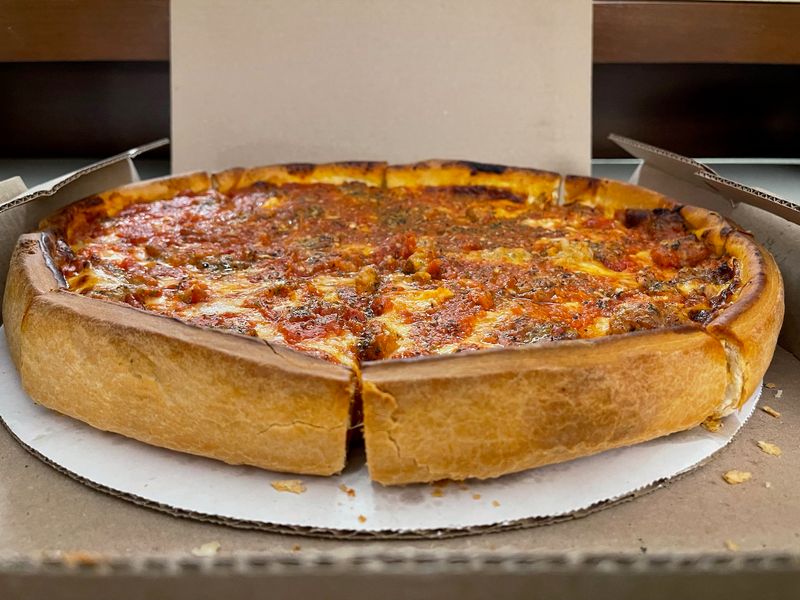
Forget everything you know about flat pizza because Chicago does things differently.
This towering creation resembles a savory pie more than traditional pizza, with tall edges that hold an incredible amount of toppings and cheese.
The construction works in reverse: cheese goes directly on the buttery, flaky crust, followed by meats, vegetables, and finally a thick layer of chunky tomato sauce on top.
This prevents the cheese from burning during the long baking time.
Each slice feels like a complete meal.
Baking takes 30 to 45 minutes in a deep, round pan, creating a golden, crispy exterior.
Pizzeria Uno claims to have invented this style in 1943, forever changing how Americans think about pizza.
5. Detroit-Style (USA)
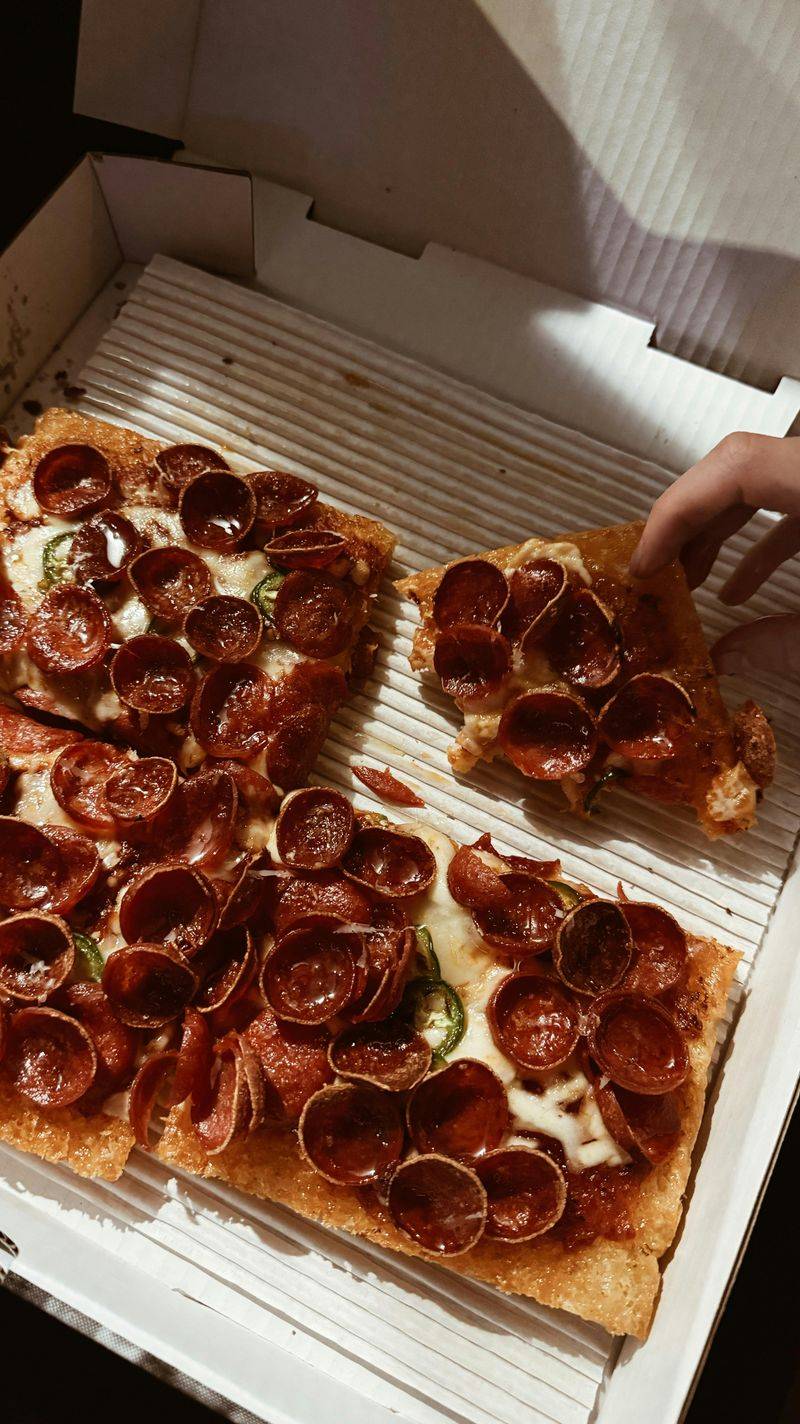
Originally baked in square automotive parts trays, Detroit pizza celebrates its industrial roots with pride.
The Motor City created something truly unique that’s gaining fans nationwide for its incredible texture contrasts.
Bakers press the dough into well-oiled rectangular pans, then pile Wisconsin brick cheese all the way to the edges.
As it bakes, the cheese caramelizes against the hot pan, creating crispy, lacy, caramelized edges called “frico.”
Pepperoni often cups upward, collecting little pools of flavorful oil.
The sauce gets added in stripes on top after baking, keeping the focaccia-like crust light and airy underneath.
Those crunchy, cheesy corners make every bite an adventure.
Buddy’s Pizza popularized this style starting in 1946.
6. Sicilian / Sfincione (Italy)
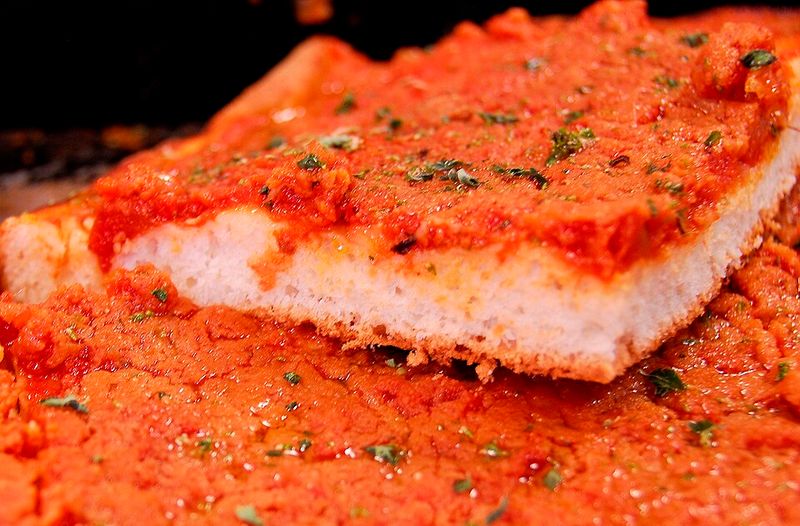
Sicily’s answer to pizza features a thick, spongy crust that soaks up flavor like a delicious bread.
Sfincione, the traditional Palermo version, looks quite different from mainland Italian pizzas with its unique topping combination.
Instead of mozzarella, Sicilians use caciocavallo cheese or sometimes skip cheese entirely.
The tomato sauce gets mixed with onions, anchovies, and oregano, then everything gets sprinkled with toasted breadcrumbs for extra crunch.
The focaccia-like base stays soft and pillowy, almost cake-like in texture.
American-Sicilian pizza adapted this style into the familiar thick, rectangular slices found in many East Coast pizzerias.
Both versions showcase how bread and pizza traditions blur together in southern Italian cooking, creating something hearty and satisfying.
7. Greek-Style (USA/Greek-American)
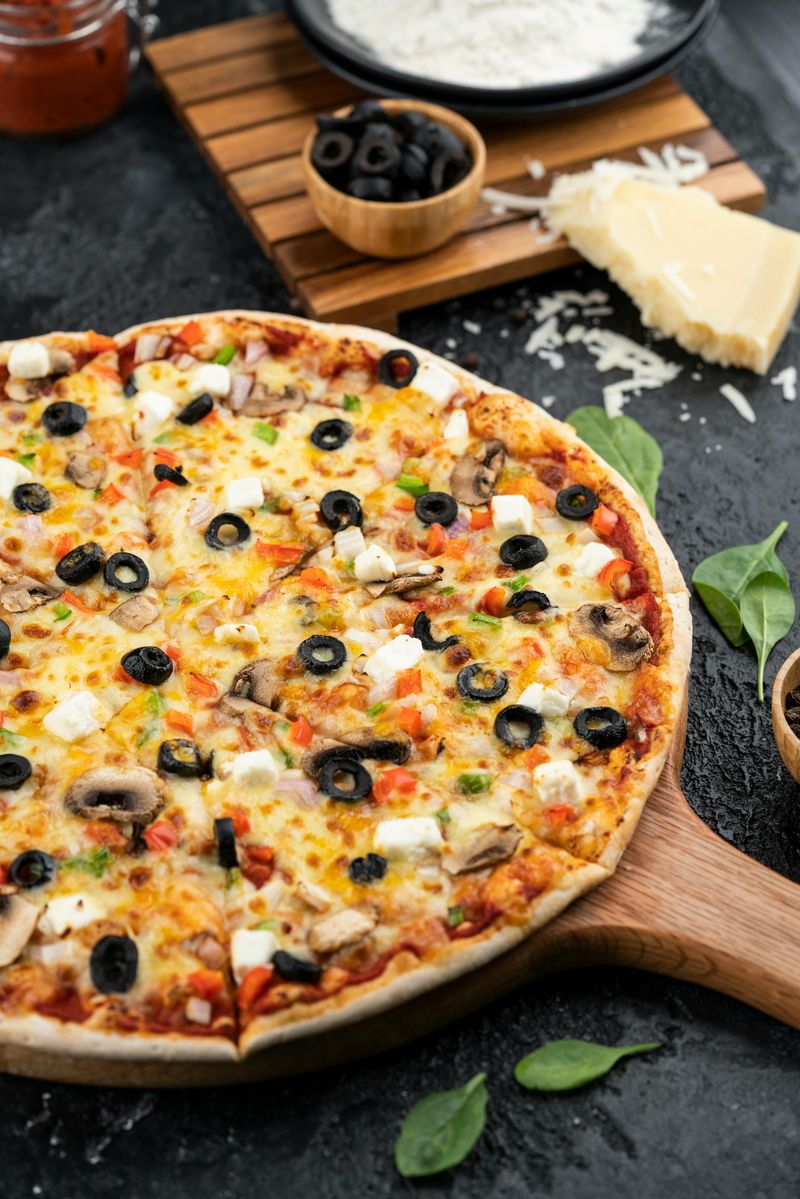
Greek immigrants running pizza shops across New England created their own distinctive version using techniques from their homeland.
The result tastes noticeably different from other American styles, with a uniquely flavorful crust.
What sets it apart is the pan preparation: bakers coat shallow, round pans with olive oil, creating a fried, crispy bottom with a slightly chewy interior.
The dough itself often contains a hint of olive oil, adding Mediterranean character.
Toppings frequently include feta cheese, oregano, and a slightly sweeter, tangier sauce.
The crust puffs up around the edges, creating a golden ring that’s both crunchy and tender.
Many Greek-American diners and pizza houses still use this method, keeping the tradition alive across the northeastern United States.
8. St. Louis-Style (USA)
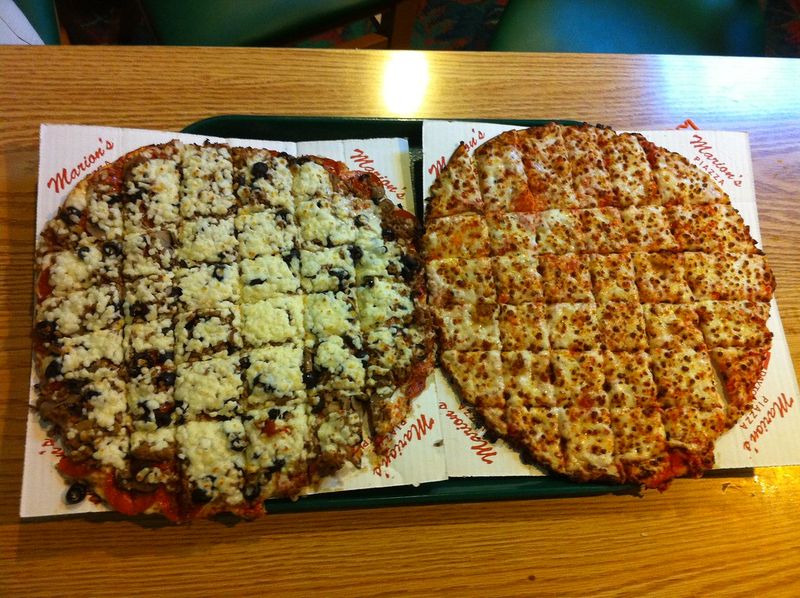
St. Louis developed a pizza so thin and crispy that locals describe it as cracker-like.
This Missouri original divides opinion nationwide, but residents defend it fiercely as their hometown treasure.
The defining feature is Provel cheese, a processed blend of cheddar, Swiss, and provolone that melts into a gooey, creamy layer unlike mozzarella.
The unleavened crust contains no yeast, staying flat and crunchy throughout.
A slightly sweet tomato sauce adds another distinctive touch.
Instead of traditional triangular slices, St. Louis pizza gets cut into squares or rectangles, called “party cut” or “tavern cut.”
Imo’s Pizza popularized this style starting in 1964.
The ultra-thin base means you can easily eat several pieces without feeling too full.
9. California-Style (USA)
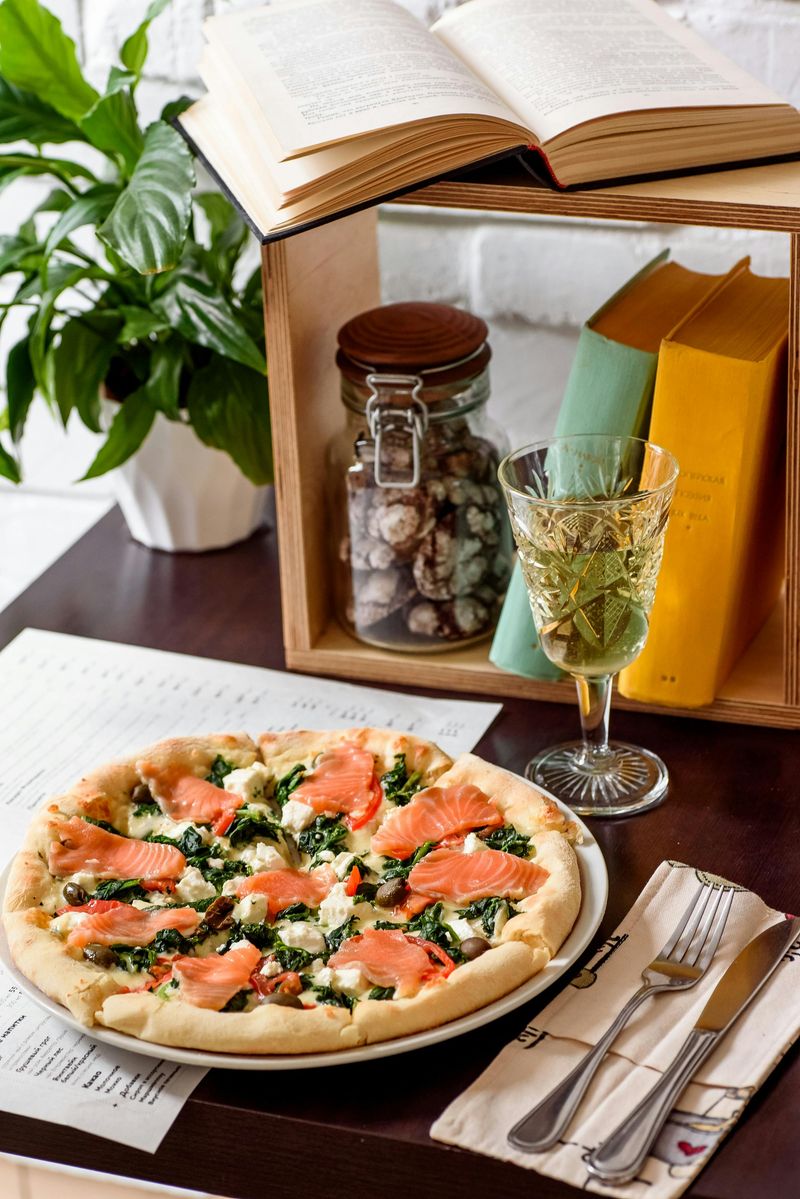
California brought its farm-to-table philosophy and creative spirit to pizza in the 1980s, forever changing what Americans consider acceptable toppings.
Chef Wolfgang Puck at Spago restaurant pioneered this approach, treating pizza as a canvas for culinary experimentation.
Expect unusual but delicious combinations: smoked salmon with dill cream, barbecue chicken with red onions, or goat cheese with roasted vegetables.
The crust stays thin and crispy, similar to New York style but often made with higher-quality flour.
Fresh, seasonal, local ingredients take center stage.
This style values innovation over tradition, encouraging chefs to break rules and try new flavor profiles.
California pizza proved that pizza could be both gourmet and casual, inspiring countless restaurants nationwide to experiment boldly.
10. Turkish Pide (Turkey)
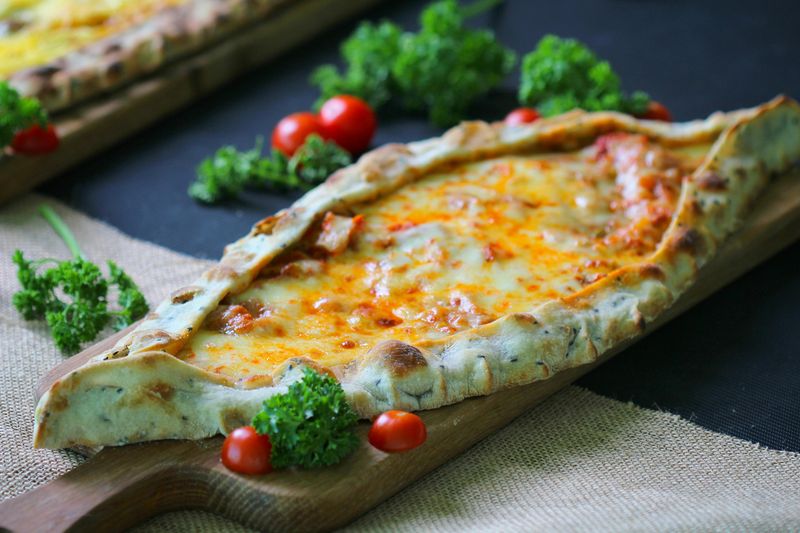
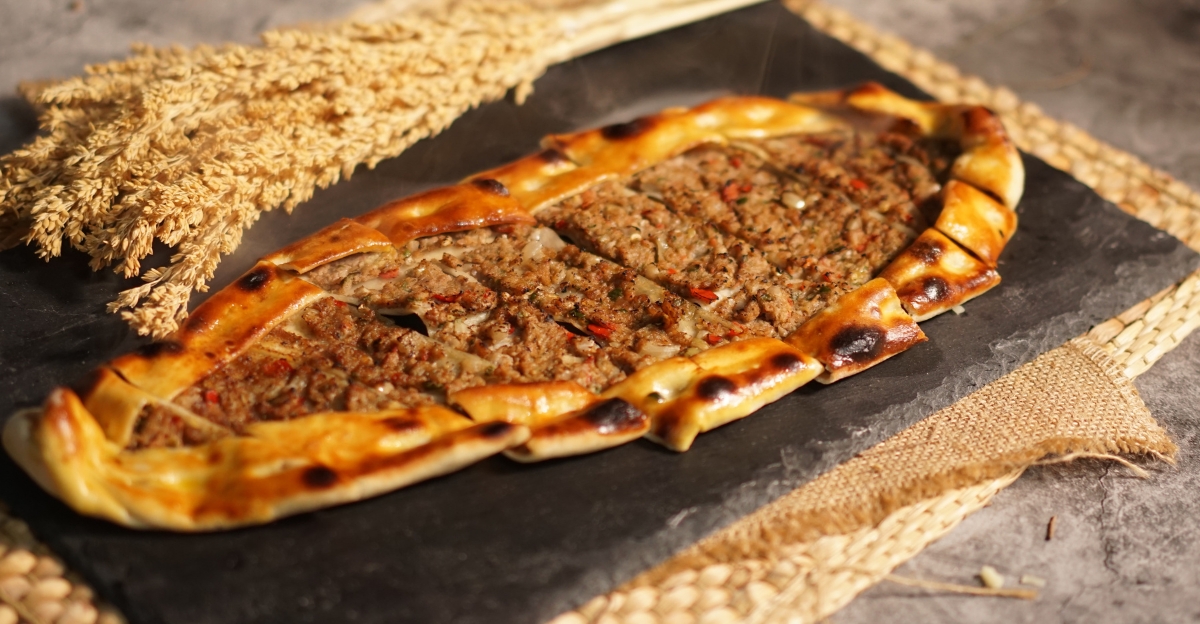
Often called “Turkish pizza,” pide actually predates Italian pizza by centuries.
Its distinctive boat shape makes it instantly recognizable, with folded edges that hold toppings securely in the center like a canoe.
Bakers stretch the dough into an oval, add fillings like spiced ground meat, cheese, spinach, or eggs, then pinch the long edges to create raised borders.
Everything bakes in extremely hot stone ovens until the crust turns golden and slightly charred.
The bread stays soft and chewy, perfect for tearing and sharing.
Different regions across Turkey have their own pide specialties.
Some versions include sucuk (Turkish sausage), while others feature kasar cheese or pastrami.
Turks typically eat pide with ayran, a refreshing yogurt drink.
11. Lahmacun (Middle East/Turkey)
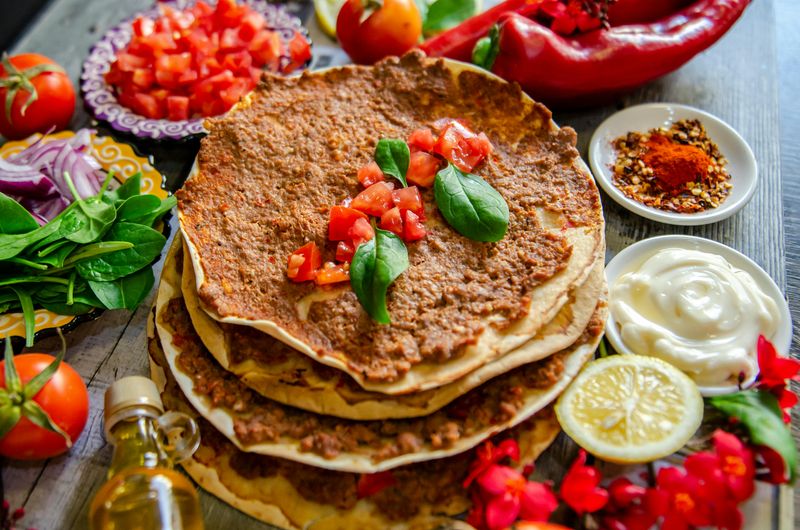
Sometimes called “Armenian pizza” or “Turkish pizza,” lahmacun features an incredibly thin, crispy base topped with spiced minced meat.
Unlike cheese-heavy pizzas, this Middle Eastern specialty focuses on aromatic seasonings and fresh garnishes.
The topping mixture combines ground lamb or beef with tomatoes, onions, parsley, and spices like cumin, paprika, and cayenne pepper.
Bakers spread this paste thinly across the dough before baking at high heat.
The result is crispy, almost cracker-like, with intense savory flavors.
People typically squeeze fresh lemon juice over the hot lahmacun, add parsley and sometimes sumac, then roll it up like a wrap.
Street vendors across Turkey, Lebanon, Syria, and Armenia serve this affordable, flavorful snack that satisfies without weighing you down.
12. Flammkuchen / Tarte Flambée (France/Germany)
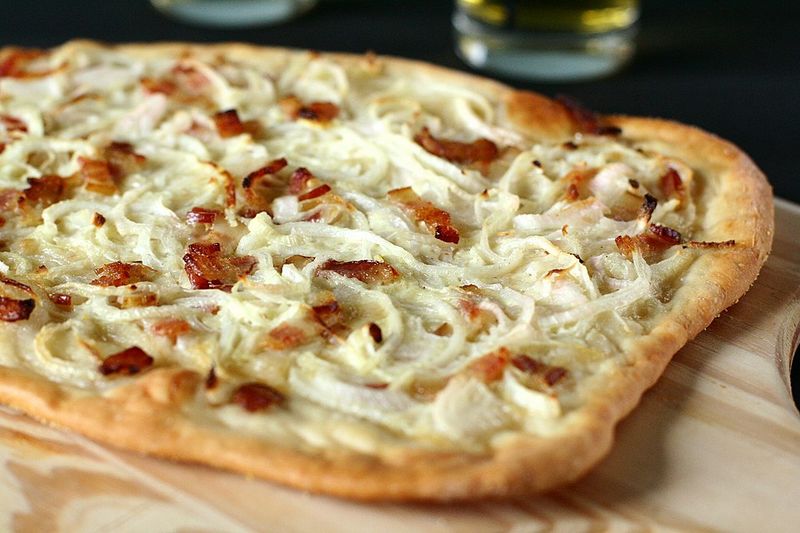
This Alsatian specialty from the French-German border region predates modern pizza ovens by centuries.
Farmers originally used it to test their wood-fired oven temperatures before baking bread, creating a delicious byproduct that became beloved in its own right.
Instead of tomato sauce, flammkuchen uses crème fraîche or fromage blanc as the base, spread thinly over ultra-crispy dough.
Traditional toppings include thinly sliced onions and bacon pieces called lardons.
The name means “flame cake,” referring to the intense oven heat.
The paper-thin crust bakes in minutes at extremely high temperatures, emerging crackling and golden.
Germans and French people often enjoy it with Riesling wine.
Sweet versions with apples and cinnamon also exist for dessert.
13. Brazilian Pizza (Brazil)
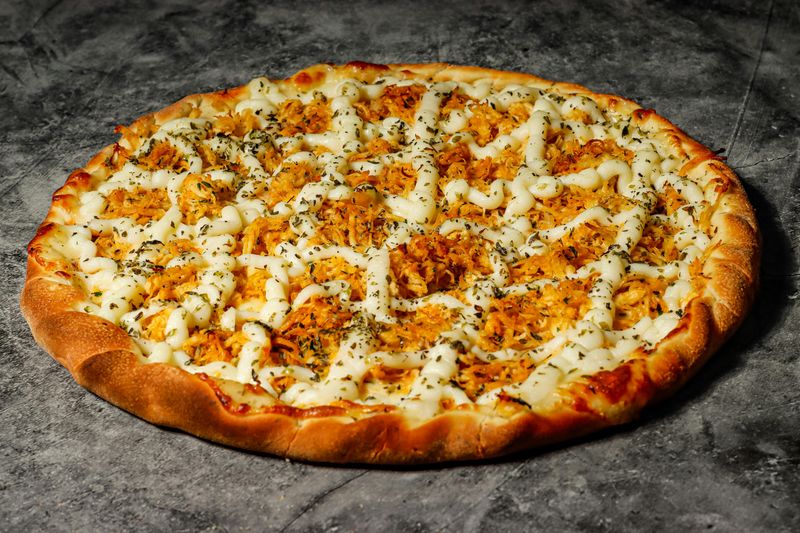
Brazil transformed pizza into something uniquely its own, piling on toppings that would shock Italian purists but delight adventurous eaters.
São Paulo boasts more pizza restaurants per capita than anywhere outside Italy, making it a true pizza capital.
Brazilian pizzas feature thick, fluffy crusts with generous amounts of catupiry, a creamy Brazilian cheese that melts beautifully.
Popular toppings include hearts of palm, corn, green peas, hard-boiled eggs, and even chocolate with strawberries for dessert pizzas.
Pizzerias serve them with ketchup and hot sauce on the side.
Sunday night pizza tradition runs deep in Brazilian culture, with families gathering at pizzerias for rodízio-style service where servers bring endless varieties to your table.
The creative, abundant approach reflects Brazil’s joyful food culture.