 MomSkoop

Generation Z is often labeled as the most anxious and pessimistic generation in recent history. Unlike previous generations, they grew up watching economic crashes, climate disasters, and political chaos unfold in real time on their phones.
From skyrocketing costs to disappearing job security, young people today face challenges that make the future feel uncertain and out of reach. Understanding why they feel this way is crucial to addressing their concerns and building a better tomorrow.
1. Rising Cost of Living

Everything costs more than it used to, and wages have not kept up.
Groceries, gas, and rent eat up paychecks faster than ever before.
Young people watch their parents struggle and realize that even working full-time might not be enough to live comfortably.
Housing, education, and healthcare prices have soared beyond what most can afford.
Financial independence feels like a distant dream rather than a realistic goal.
Many Gen Zers wonder if they will ever be able to afford the basics their parents took for granted.
This constant financial pressure shapes how they see their future.
Saving money becomes nearly impossible when survival costs so much.
The result is widespread anxiety about ever achieving stability.
2. Economic Instability

Gen Z grew up during some of the most turbulent economic times in modern history.
The 2008 recession hit when they were children, and they watched their families lose jobs and homes.
Then came the pandemic recession, inflation spikes, and mass layoffs in tech and other industries.
This constant economic chaos has become their normal.
They have never experienced a truly stable economy where growth felt predictable and secure.
Market crashes and job cuts are just part of life now.
Because of this, they expect uncertainty rather than stability.
Long-term planning feels pointless when the economy can collapse at any moment.
Financial security seems more like luck than something you can work toward reliably.
3. Student Debt Burden

College was supposed to be the pathway to success, but for many Gen Zers, it became a financial trap.
Tuition costs have skyrocketed while the value of a degree has decreased in the job market.
Students graduate with tens of thousands of dollars in debt before they even start their careers.
This debt follows them for decades, limiting their choices and opportunities.
Many cannot pursue their dream jobs because they need higher-paying work just to cover loan payments.
Buying a home or starting a family gets pushed back year after year.
The burden feels unfair and inescapable.
Previous generations could work part-time and pay for school, but that is impossible now.
Student debt has become a generational anchor weighing down their futures.
4. Limited Job Security

The days of working at one company for 30 years and retiring with a pension are long gone.
Gen Z enters a workforce dominated by gig work, contract positions, and the looming threat of automation.
Stable, long-term employment feels like a relic of the past.
Artificial intelligence and robots are replacing human workers at an accelerating pace.
Jobs that once seemed secure are now vulnerable to technological disruption.
Young workers wonder if their skills will even be relevant in ten years.
This lack of job security makes planning for the future incredibly difficult.
Without stable income, how can you save, invest, or build a life?
The constant uncertainty creates anxiety and makes career paths feel like gambles rather than choices.
5. Housing Inaccessibility

Owning a home used to be a standard milestone of adulthood, but for Gen Z, it feels impossible.
Home prices have exploded while wages have barely moved.
Even renting has become unaffordable in many cities, with people spending more than half their income on housing.
Young people are forced to live with parents longer or cram into shared apartments well into their thirties.
The dream of having your own space feels out of reach for most.
Saving for a down payment seems laughable when rent takes everything you earn.
This housing crisis affects every aspect of life planning.
Without stable housing, starting a family or building roots in a community becomes incredibly difficult.
The result is a generation that feels permanently displaced and unable to settle down.
6. Climate Change Anxiety
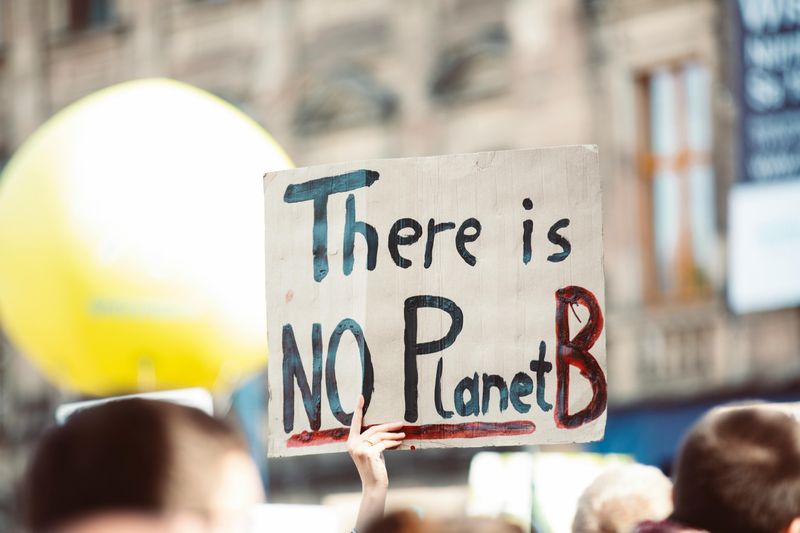
Gen Z is growing up watching the planet burn, flood, and break temperature records year after year.
Wildfires, hurricanes, droughts, and extreme weather events are becoming more frequent and severe.
They see the damage happening in real time on their screens.
What makes it worse is the feeling that leaders are not doing enough to stop it.
International climate agreements move slowly while corporations continue polluting.
Young people feel like they are inheriting a dying planet with no real plan to save it.
This creates existential dread about the future.
How do you plan a life when the world might be uninhabitable in a few decades?
Climate anxiety is not just worry—it is a deep fear about survival itself.
7. Political Polarization and Distrust

Politics has become a battlefield where nothing gets done.
Gen Z watches politicians fight endlessly while real problems go unsolved.
Gridlock, corruption scandals, and broken promises have eroded trust in government institutions.
Both sides seem more interested in winning arguments than solving issues.
Young people feel caught in the middle of a system that does not represent their values or priorities.
Voting feels pointless when change never seems to happen.
This political dysfunction affects everything from climate policy to healthcare to economic reform.
When the systems meant to protect and support society are broken, it is hard to feel optimistic.
Distrust in leadership leads to disengagement and a sense that individuals have no real power to change things.
8. Mental Health Strain

Anxiety and depression rates among Gen Z are higher than any previous generation.
The pressure to succeed, combined with constant uncertainty, takes a serious toll on mental wellbeing.
Social media amplifies these feelings by creating unrealistic comparisons and constant connectivity.
Access to mental health care is limited and expensive, leaving many without support.
Burnout starts early, with students and young workers already feeling exhausted and overwhelmed.
The stigma around mental health is decreasing, but resources have not kept pace with need.
This mental health crisis affects how young people see their futures.
When you are struggling just to get through today, planning for tomorrow feels impossible.
Chronic stress and anxiety make optimism difficult to maintain, creating a cycle of pessimism and despair.
9. Social Media Pressure and Comparison
Scrolling through social media means constantly seeing other people’s highlight reels.
Everyone seems to be succeeding, traveling, and living their best lives.
Gen Z knows these posts are curated, but the comparison still stings.
This constant exposure to seemingly perfect lives creates feelings of inadequacy and failure.
Young people measure themselves against impossible standards and always come up short.
The pressure to perform and present a perfect image online is exhausting.
Social media was supposed to connect people, but instead it often isolates them.
Real achievements feel small compared to what others post online.
This culture of comparison fuels pessimism by making everyone feel like they are falling behind, even when they are doing fine.
10. Global Crises Fatigue
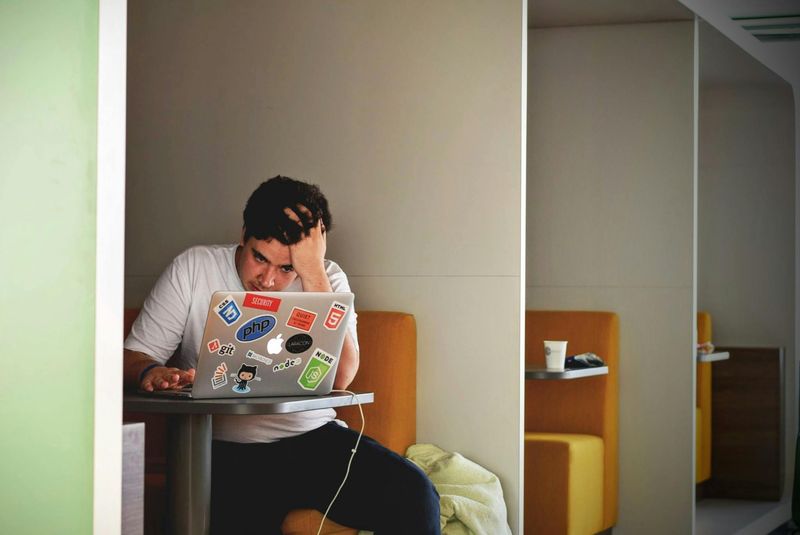
They lived through a global pandemic, witnessed wars and humanitarian crises unfold online, and saw social movements rise and fall.
Every year brings a new catastrophe that dominates the news cycle.
This endless stream of crises creates a sense of chronic instability.
Just when things seem to settle, another emergency erupts.
The world feels chaotic and dangerous, with no real periods of peace or normalcy.
Crisis fatigue sets in when you are always bracing for the next terrible thing.
Young people become numb to bad news because there is simply too much of it.
This constant state of emergency makes it hard to feel hopeful about the future.
11. Weakened Social Safety Nets

Healthcare, childcare, unemployment benefits, and other support systems are either expensive or nonexistent.
Gen Z sees how easily people can fall through the cracks when they lose a job or get sick.
Without strong safety nets, one mistake or bad luck can ruin your life.
Previous generations had stronger unions, better benefits, and more government support.
Those protections have eroded over time, leaving individuals to fend for themselves.
The fear of failure becomes paralyzing when there is no cushion to catch you.
This lack of support makes taking risks feel dangerous.
Starting a business, changing careers, or pursuing passions becomes too risky when failure means financial ruin.
Young people play it safe because the consequences of failure are too severe, limiting opportunities and reinforcing pessimism.
12. Erosion of Traditional Milestones

Getting married, buying a house, having kids, and retiring comfortably used to be expected life stages.
For Gen Z, these milestones feel delayed or completely out of reach.
Financial pressures and instability make traditional markers of adulthood seem like luxuries rather than norms.
Many young people are redefining success because the old definitions no longer apply.
They are creating alternative paths and finding meaning outside traditional structures.
Still, there is grief in watching goals that previous generations achieved easily become impossible.
This erosion of milestones affects identity and purpose.
Society still judges success by these traditional markers, even though they are no longer accessible.
Young people feel like failures for not achieving things that are simply no longer realistic given current conditions.
13. Perceived Lack of Control Over the Future
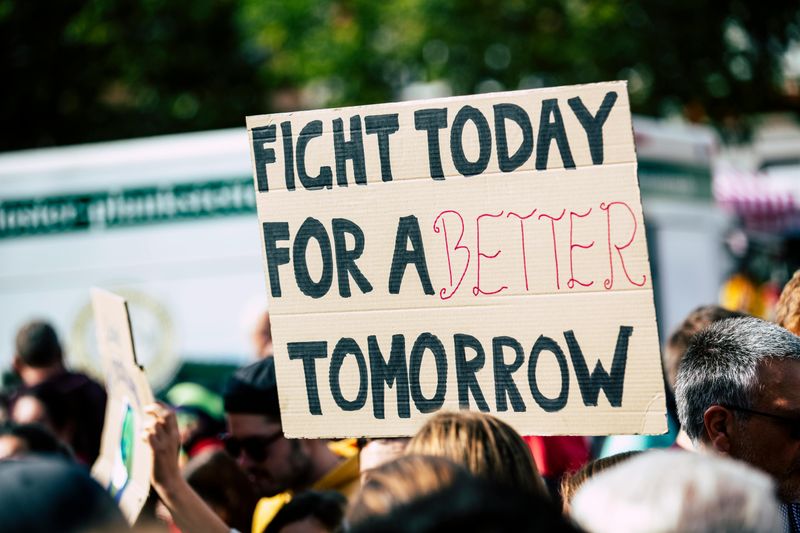
Big decisions that shape society happen in boardrooms, government offices, and tech companies far removed from ordinary people.
Gen Z feels like they have no say in the policies, technologies, and economic systems that control their lives.
Individual actions seem meaningless against massive forces.
Climate change, artificial intelligence, economic policy, and international relations are decided by powerful people and institutions.
Young people vote and protest, but real change feels slow or nonexistent.
The gap between individual effort and actual impact is demoralizing.
This powerlessness leads to disengagement and resignation.
When you believe your voice does not matter, why bother trying?
The feeling that the future is being decided without their input makes Gen Z pessimistic about their ability to shape better outcomes.