 MomSkoop
Growing up in the 80s, 90s, and early 2000s meant rushing home to catch your favorite TV shows after school. Those programs shaped how a whole generation thought about friendship, family, and growing up.
But looking back now, many of those beloved shows included jokes, storylines, and characters that would raise serious eyebrows today. Here is a look at 13 classic shows that would probably be written, produced, or handled very differently if they were made right now.
1. Friends (1994-2004)
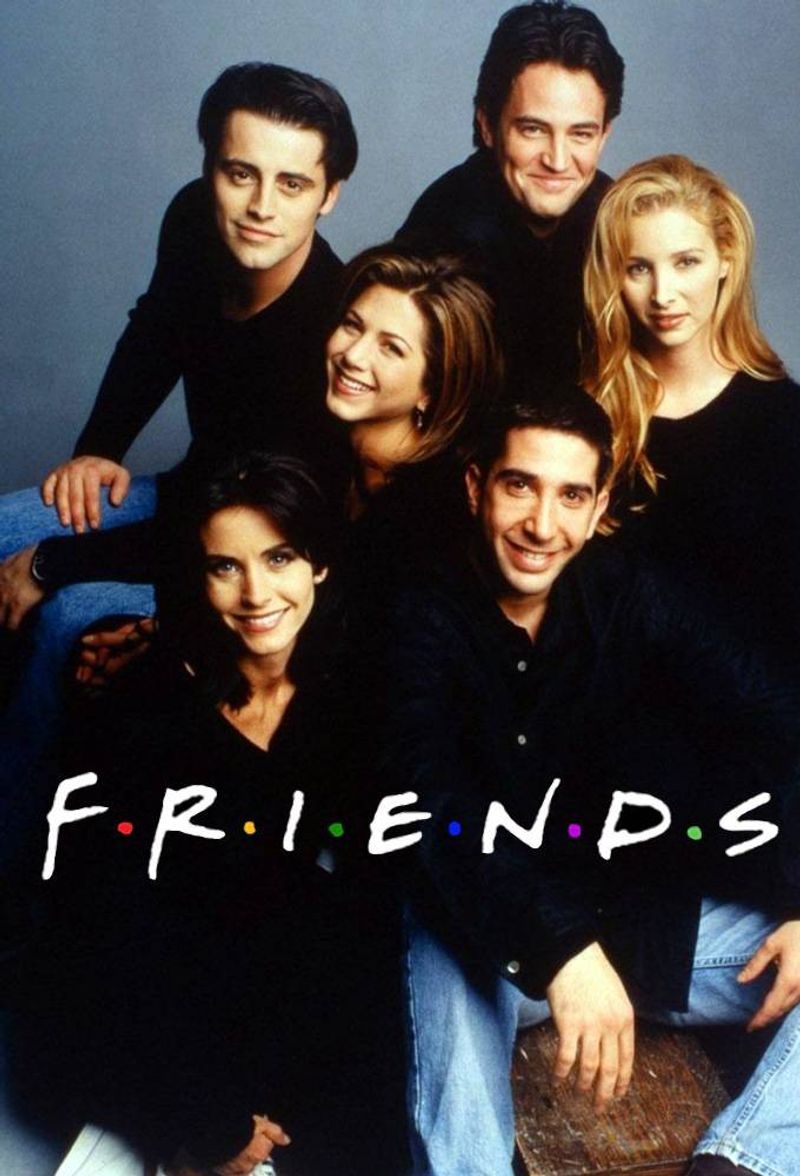
Almost every millennial has a favorite “Friends” character, but rewatch a few episodes today and you will notice some uncomfortable moments fast.
Jokes about Chandler’s transgender parent, Monica’s weight, and gay stereotypes were played for laughs without much thought for real people those jokes affected.
Today’s writers would likely treat those topics with far more care and context.
The show’s humor around gender and sexuality leaned heavily on outdated ideas that many viewers now recognize as harmful.
A modern version of “Friends” would probably keep the heart of the show, the close friendships and city life, while dropping the punchlines that punched down at vulnerable groups.
2. Boy Meets World (1993-2000)
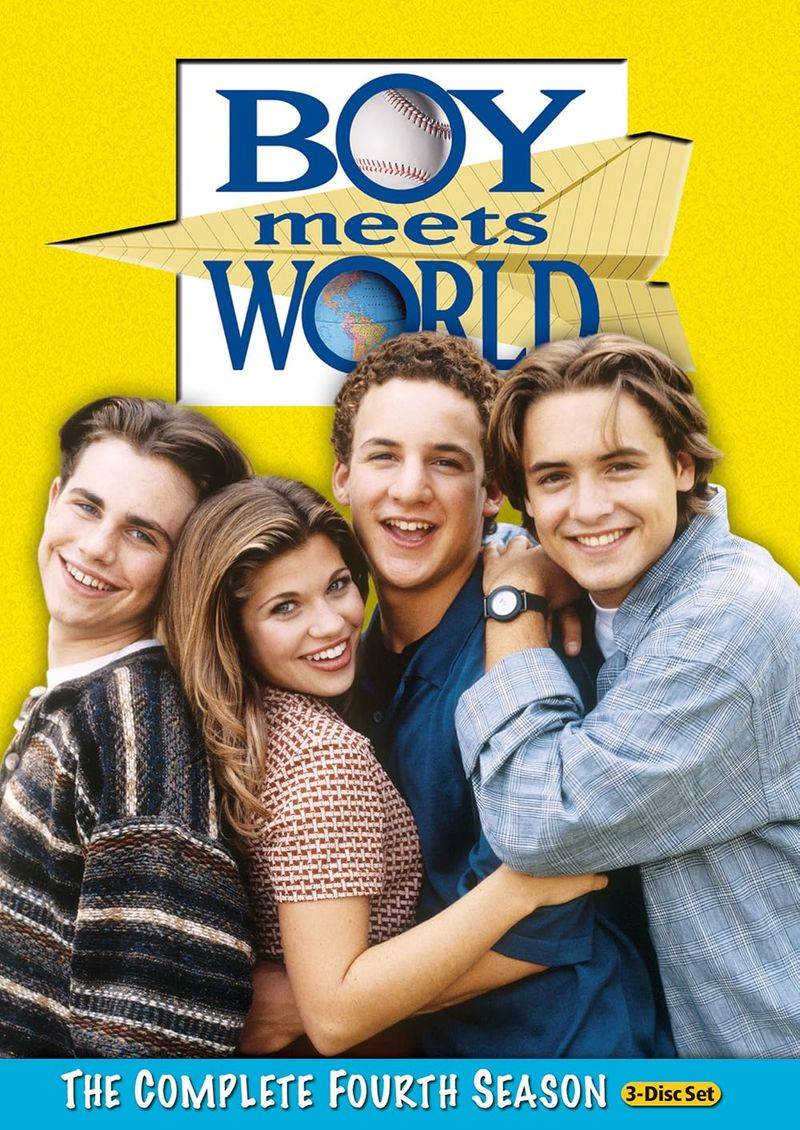
Mr. Feeny was the kind of teacher every kid wished they had, wise, patient, and always nearby with advice.
But “Boy Meets World” also featured some teacher-student dynamics and dating storylines that would get much closer scrutiny from audiences and network executives today.
Some of the gender stereotypes woven into Cory and Shawn’s adventures now feel pretty dated.
The way female characters were sometimes treated as prizes or afterthoughts in storylines would likely be reworked.
A modern reboot would probably give Topanga and other girls stronger, more independent arcs.
The core message about growing up and finding your values still holds up beautifully, though.
3. Full House (1987-1995)
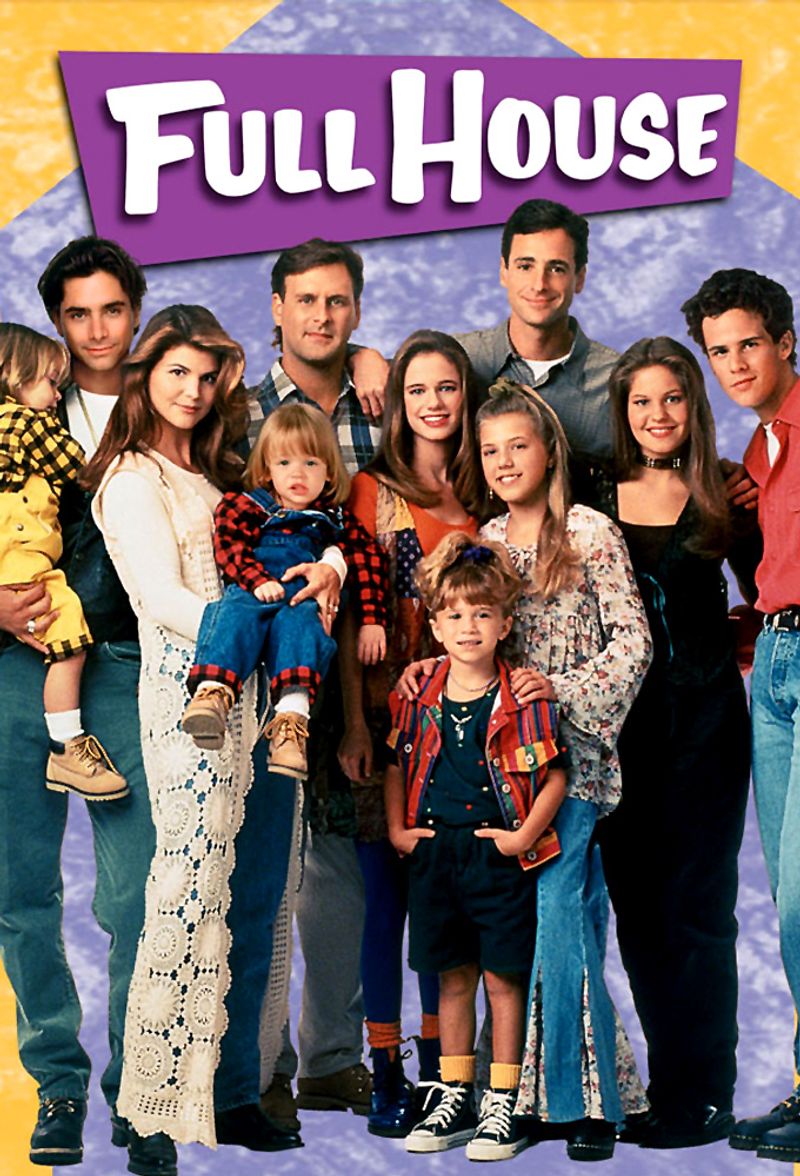
Few shows feel as warm and fuzzy as “Full House,” with its three dads raising three girls in San Francisco.
But underneath all the hugs and life lessons, the show carried some pretty rigid ideas about parenting, discipline, and what a family is supposed to look like.
Privacy was almost nonexistent for the kids, and adults constantly swooped in to fix every problem without letting children figure things out themselves.
Gender roles were also very traditional, with clear lines between how men and women were expected to behave.
A modern version would likely show messier, more realistic parenting and make room for a broader definition of what family can mean.
4. Saved by the Bell (1989-1993)
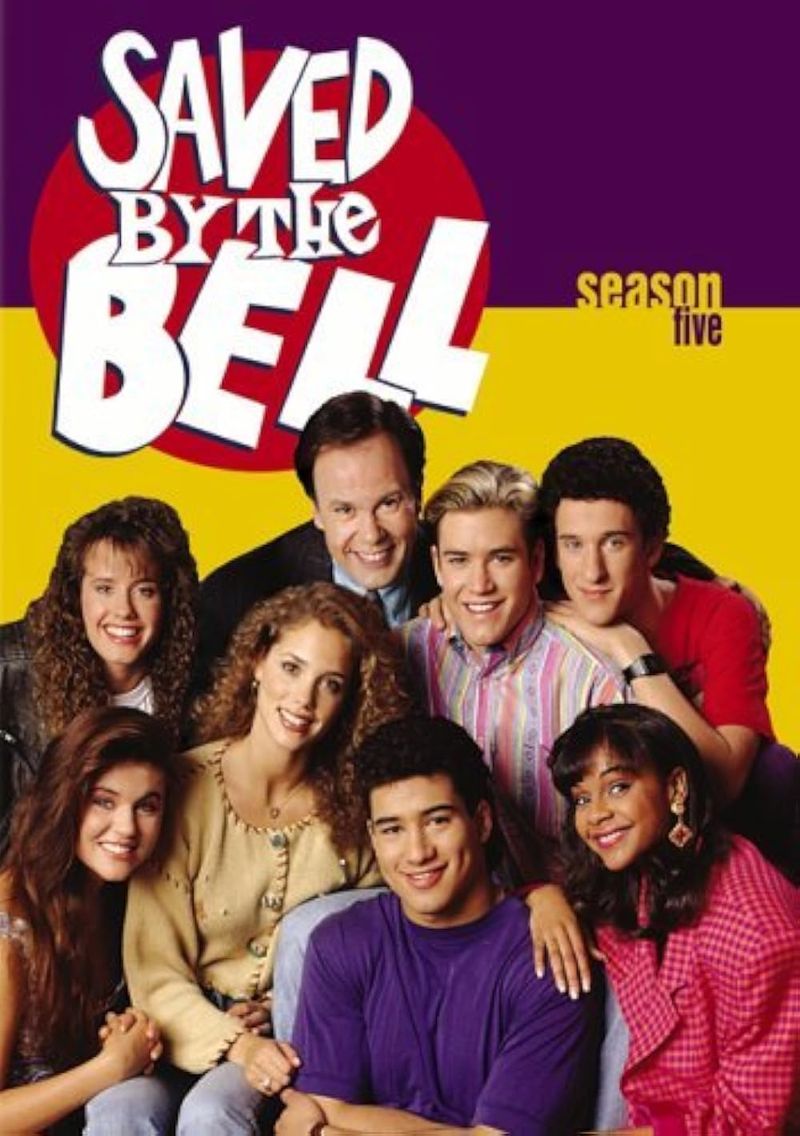
Zack Morris was charming, quick-witted, and totally willing to lie, manipulate, and scheme his way through high school without facing real consequences.
Many of his plans involved tricking girls, invading privacy, or bending rules in ways that were played as harmless fun at the time.
Looking back, some of those schemes would be treated as red flags rather than punchlines today.
The show’s casual attitude toward deception and its treatment of female characters as objects of Zack’s latest plan would draw sharp criticism now.
Audiences today expect teenage boys on TV to be held accountable for bad behavior rather than rewarded with laughs and a happy ending every episode.
5. The Fresh Prince of Bel-Air (1990-1996)
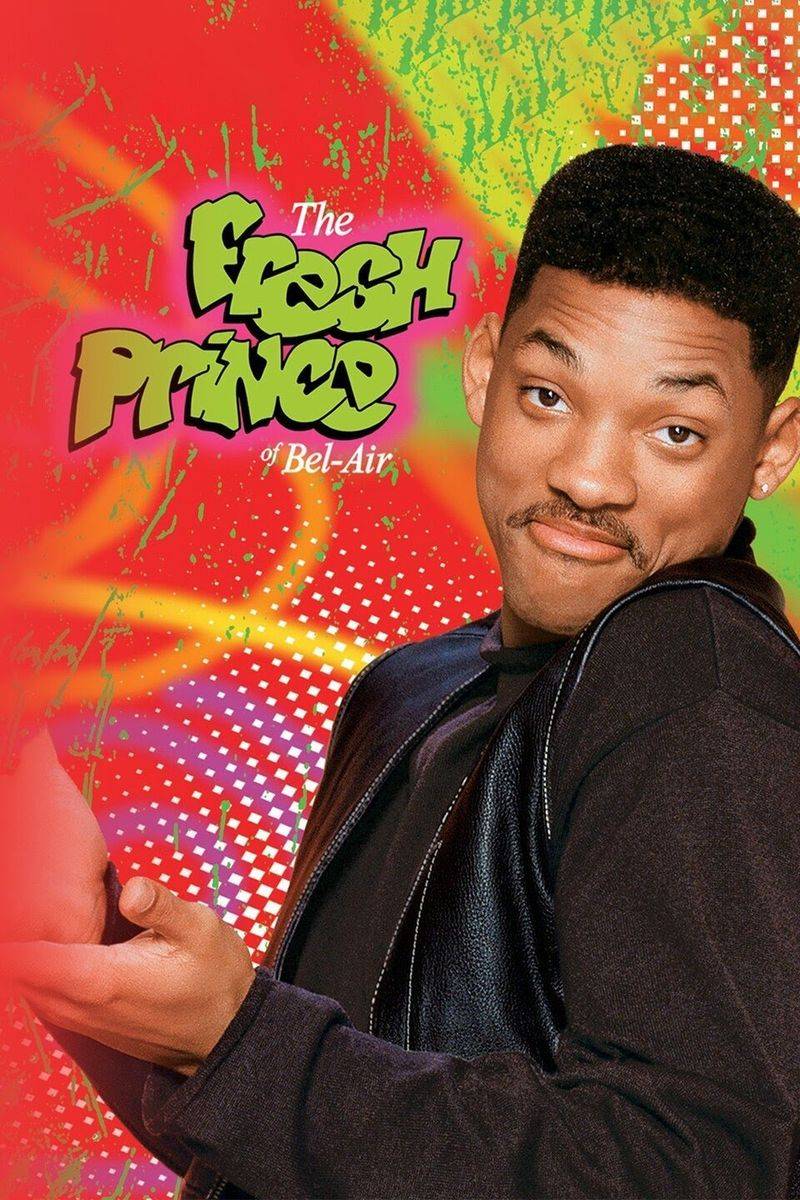
Will Smith’s fish-out-of-water story was groundbreaking for its time, bringing a Black family’s life into millions of living rooms every week.
The show did tackle race and class in ways that felt fresh and funny, but it also had moments where those topics were handled more for comedy than depth.
Mental health, policing, and the pressures Black men face were touched on occasionally but rarely explored with the seriousness they deserved.
The famous scene where Will breaks down about his absent father remains one of TV’s most powerful moments, and it hints at how much more the show could have done.
A modern version would likely give those harder conversations the full, nuanced treatment they deserve.
6. Home Improvement (1991-1999)
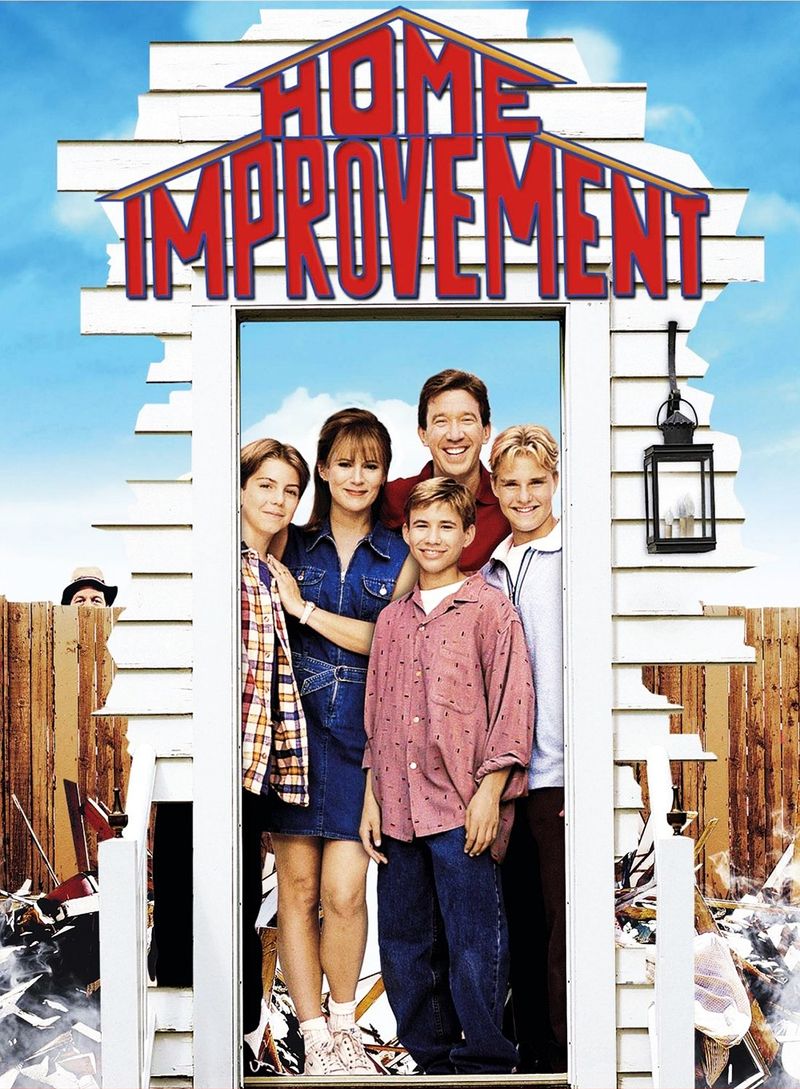
Tim “The Tool Man” Taylor was the king of grunting, breaking things, and insisting that men and women were fundamentally different creatures. “Home Improvement” built its entire comedic identity around the idea that men love power and women love feelings, and never the two shall meet.
Those jokes got big laughs in the 90s, but they feel pretty tired now.
The show rarely challenged those assumptions, instead using them as a reliable punchline week after week.
A modern remake would likely keep Tim’s lovable bumbling but ditch the idea that gender determines personality.
There is plenty of comedy to mine from home repairs and family chaos without leaning on stereotypes that box everyone in.
7. 7th Heaven (1996-2007)
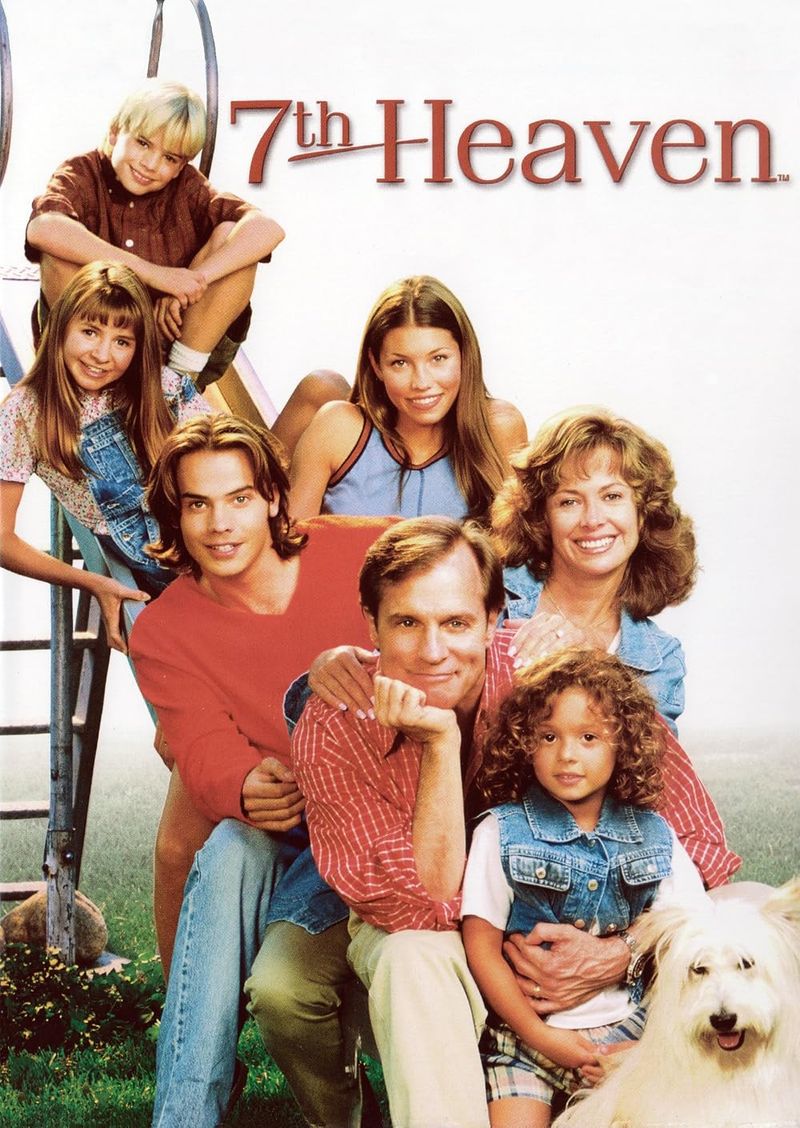
On the surface, “7th Heaven” was a wholesome show about a pastor’s family navigating everyday life.
But the way the Camden parents handled their kids’ sexuality, religious doubts, and personal choices often crossed the line from guidance into control that would raise serious questions today.
Episodes dealing with LGBTQ+ characters or topics were handled with a heavy-handed negativity that reflected the era but would be considered deeply problematic now.
Drug storylines were often exaggerated to the point of absurdity, and the show frequently framed personal freedom as something to fear rather than respect.
A modern version would need a serious rethink of how it portrays religion, identity, and the boundaries between parenting and control.
8. Dawson’s Creek (1998-2003)
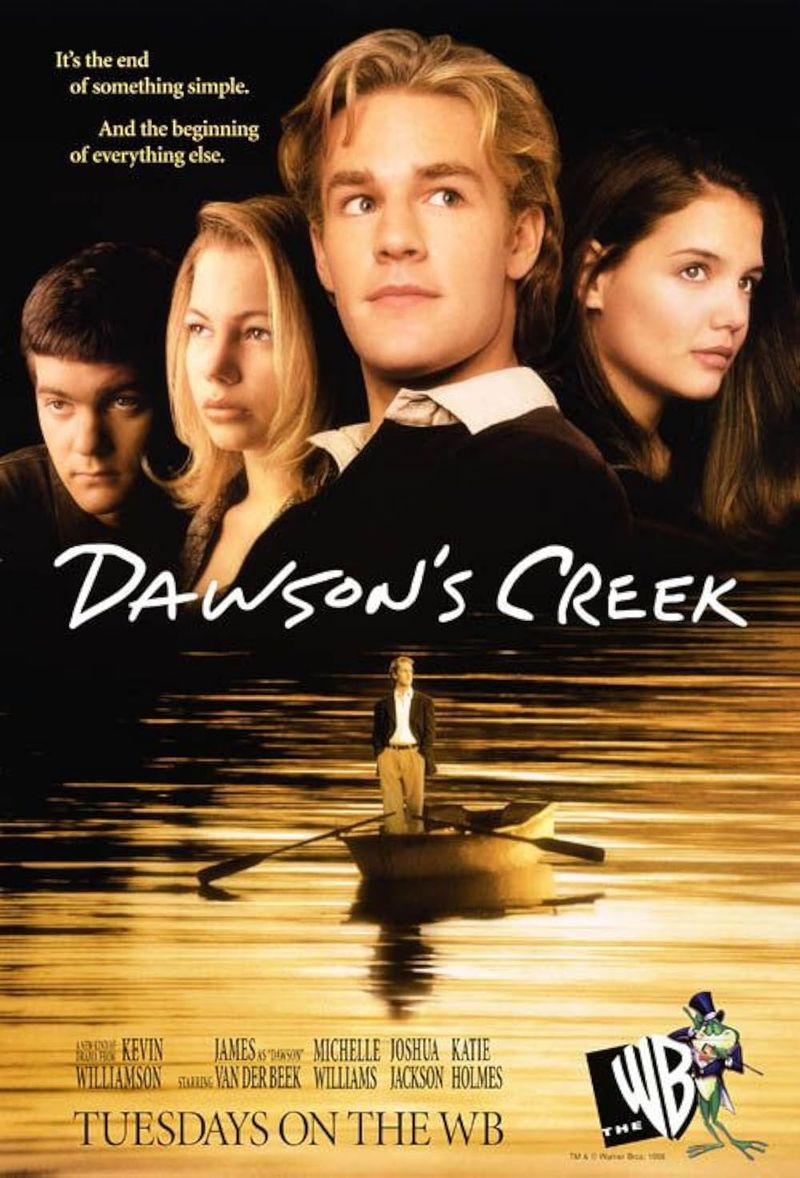
“Dawson’s Creek” was praised for tackling mature themes at a time when most teen dramas kept things surface-level.
But some of those mature themes now look less like bold storytelling and more like storylines that needed a much harder look at consent and power dynamics.
Relationships between teenagers and adults, or storylines where older characters pursued younger ones, were treated with a casualness that modern audiences would find alarming.
The show’s romantic framing of certain boundary-crossing relationships would not fly today without serious consequences for the characters involved.
Writers now would be expected to address those dynamics honestly rather than romanticizing them, giving younger viewers a healthier model for what relationships should actually look like.
9. That ’70s Show (1998-2006)
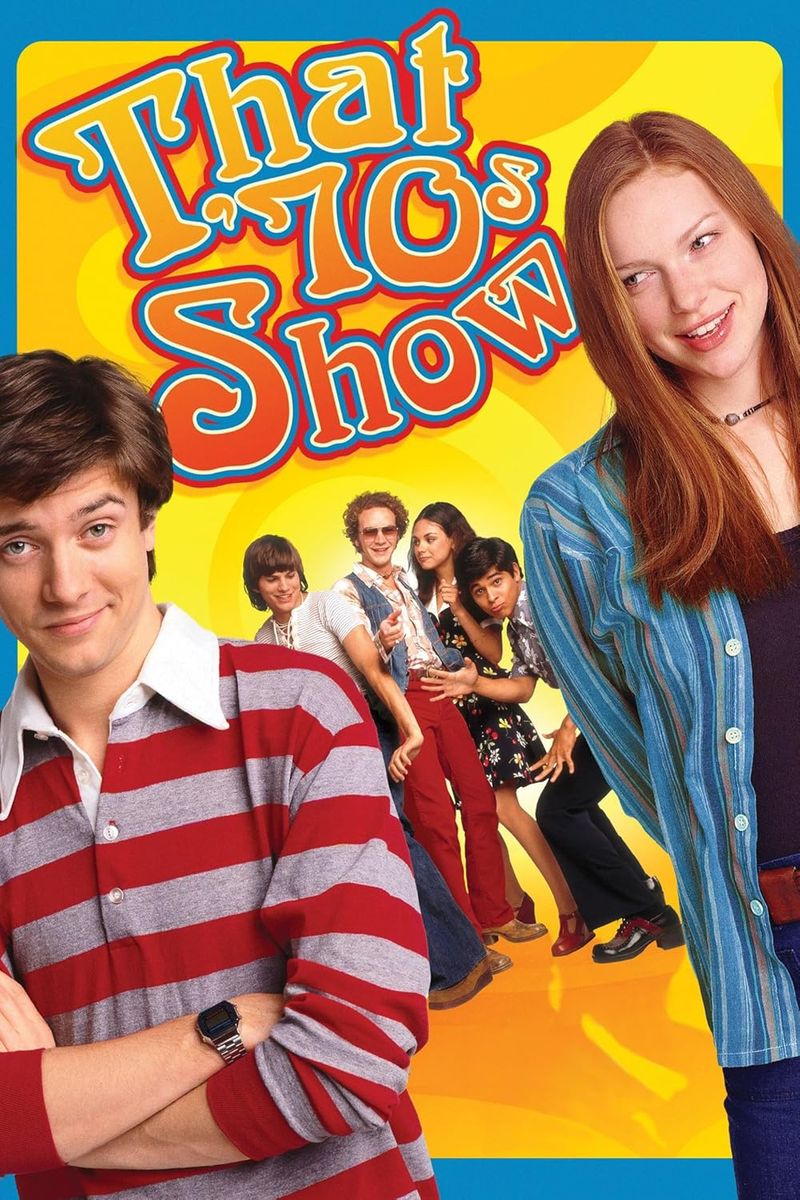
Set in the 1970s but made in the late 90s and early 2000s, “That ’70s Show” used its era as a hall pass for a lot of humor that has aged poorly.
Jokes about intoxication among teenagers, sexual pressure, and harassment were often played as normal teenage hijinks rather than anything worth questioning.
Kelso’s treatment of women, in particular, was consistently framed as funny rather than problematic.
The show’s attitude toward consent was very much a product of two different eras layered on top of each other, and neither one was particularly careful.
A rewrite today would keep the fun basement energy and friendship dynamics while holding characters accountable for behavior that was never actually harmless.
10. The Amanda Show (1999-2002)
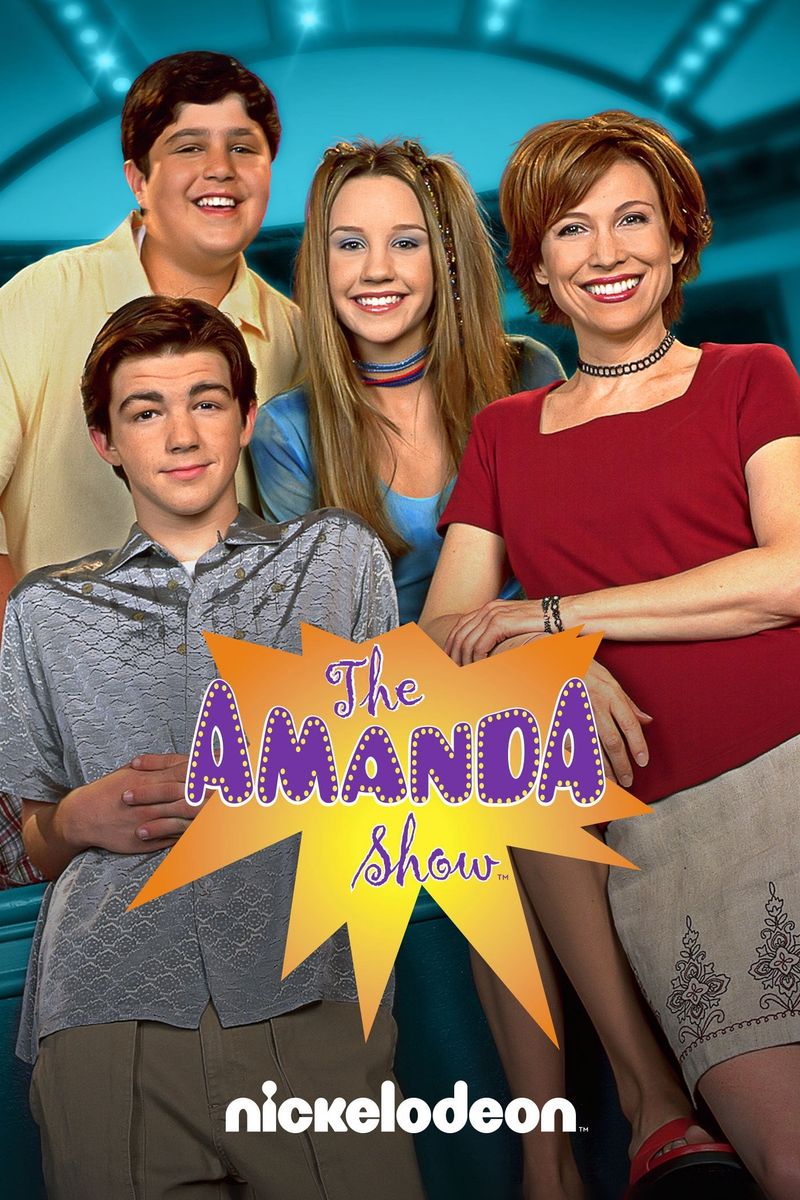
Kids who grew up watching Nickelodeon remember “The Amanda Show” as pure, joyful chaos.
Amanda Bynes was a genuinely funny performer, and the show had an anarchic energy that felt totally unique for children’s television at the time.
Looking back, some of the comedy relied on physical gags and character types that would be handled more carefully today.
More importantly, the broader conversation about how young performers were treated behind the scenes on shows like this has shifted dramatically.
Audiences and networks now expect much stronger protections and support systems for child actors.
The entertainment industry’s relationship with young talent has been under a spotlight, and rightly so, making the era this show came from feel very distant.
11. Lizzie McGuire (2001-2004)
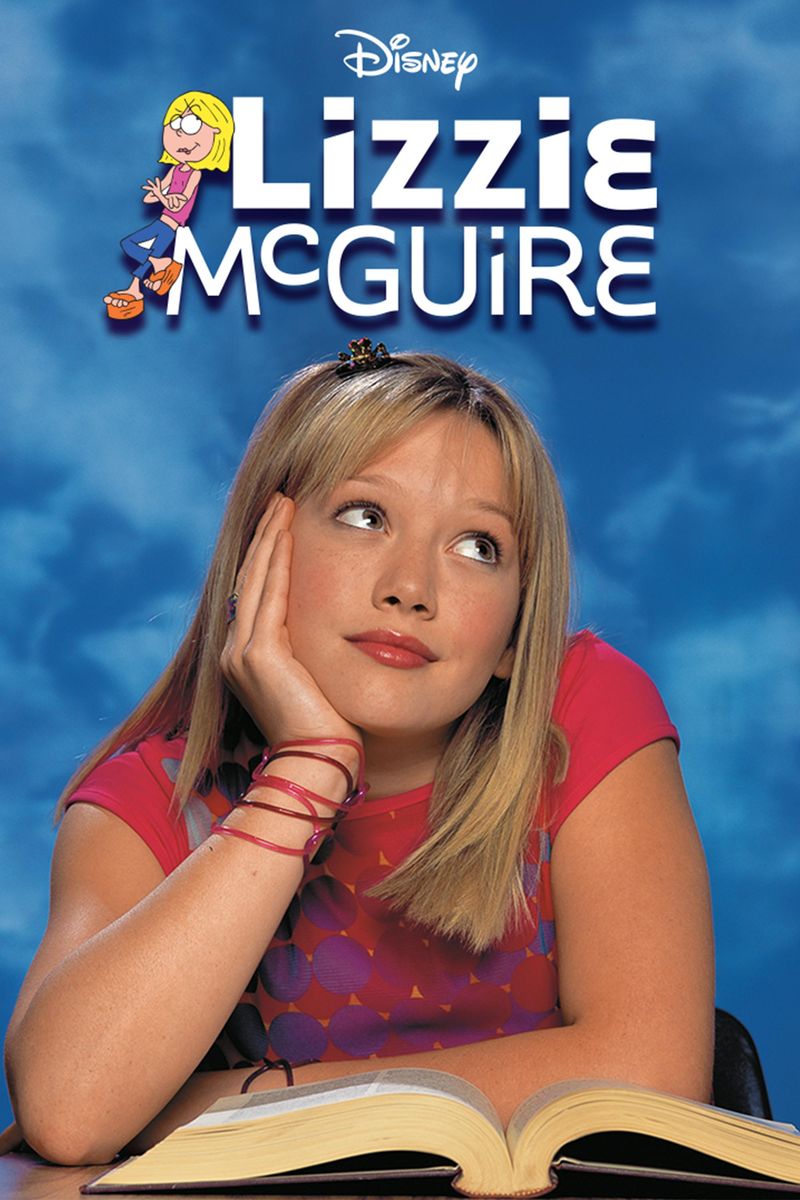
Lizzie McGuire felt like a best friend for a generation of kids trying to figure out middle school.
Her animated inner voice made the show feel honest and relatable in a way most children’s TV did not bother to attempt at the time.
Still, the show’s handling of body image, popularity, and bullying was pretty light-touch for topics that can genuinely affect kids’ mental health.
Comments about weight and appearance, often played for laughs or quickly forgotten, would get a much more deliberate treatment today.
A modern Lizzie would probably have real conversations about self-worth and online pressure, giving kids tools to navigate those feelings rather than just laughing them off with a cute animated shrug.
12. The O.C. (2003-2007)
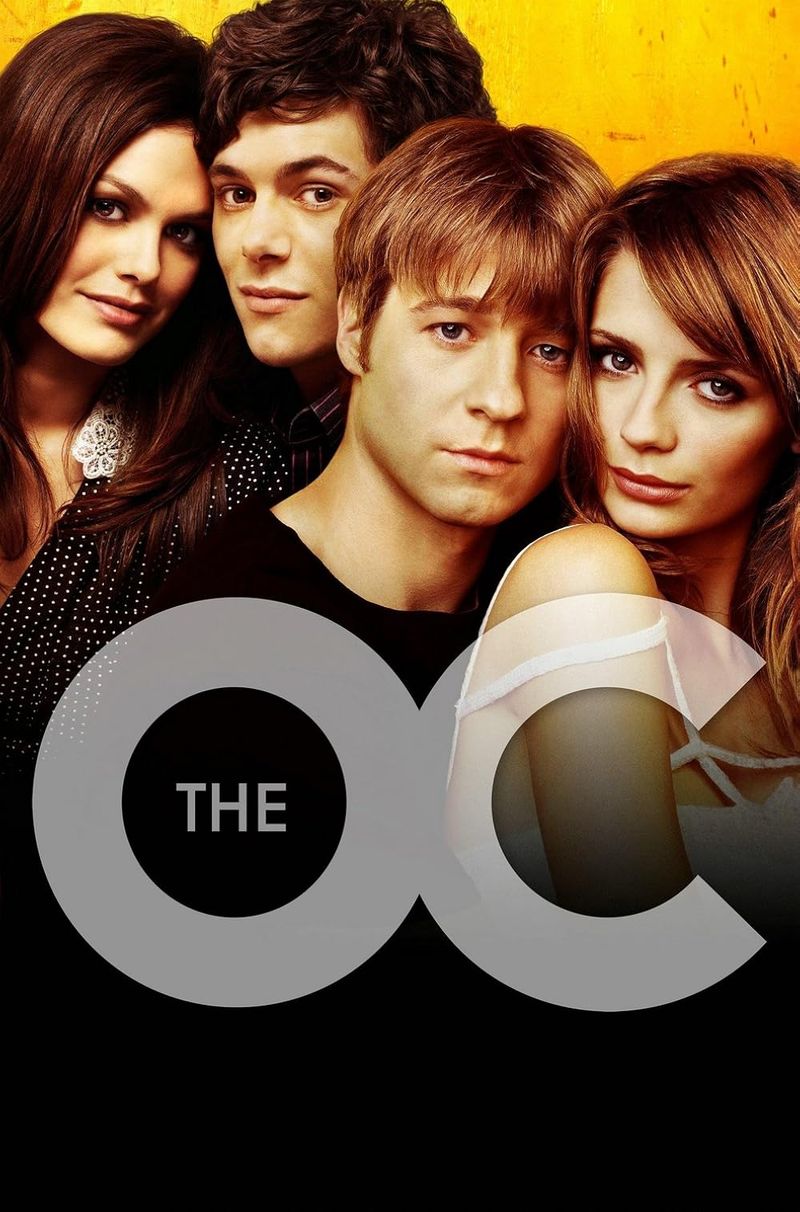
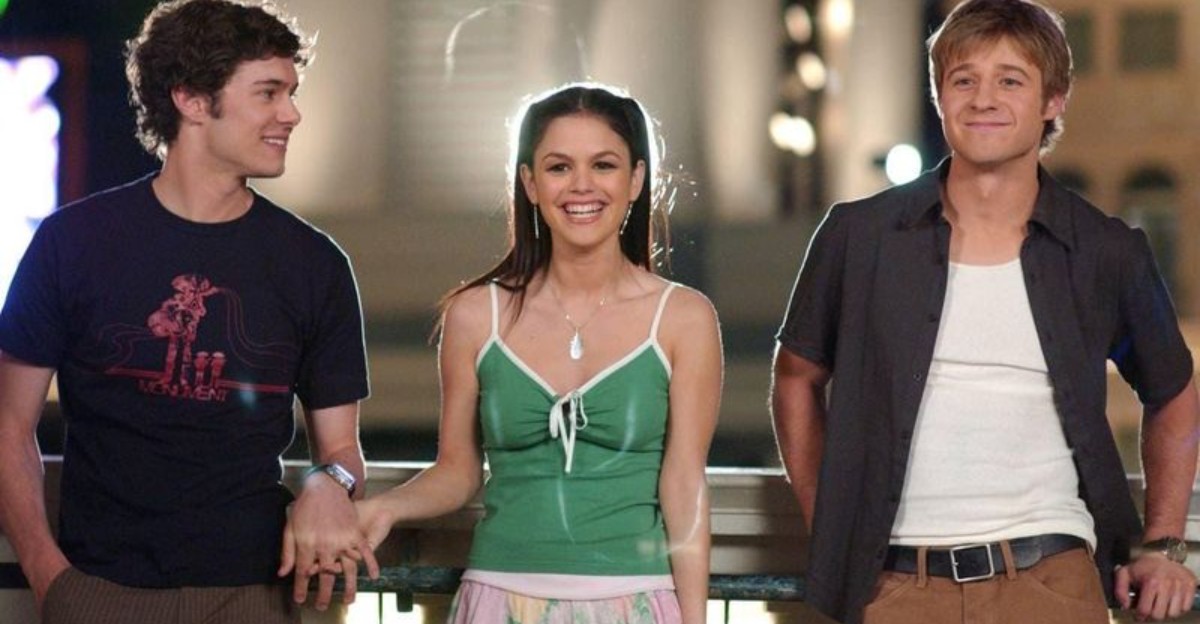
Newport Beach looked like paradise, and “The O.C.” made teenage drama feel impossibly glamorous.
But glamorizing was kind of the problem.
Teenage drinking was practically a background detail, mental health crises were treated as plot twists, and troubled relationships were often romanticized rather than examined with any real care.
Marissa Cooper’s struggles with alcohol and emotional instability were compelling television, but the show rarely gave viewers a grounded look at what getting help actually looks like.
Sexuality was handled with slightly more openness than many shows of the era, which was genuinely progressive, but other areas needed more thoughtful framing.
A modern version would likely pair the drama with clearer messaging about seeking support during hard times.
13. How I Met Your Mother (2005-2014)
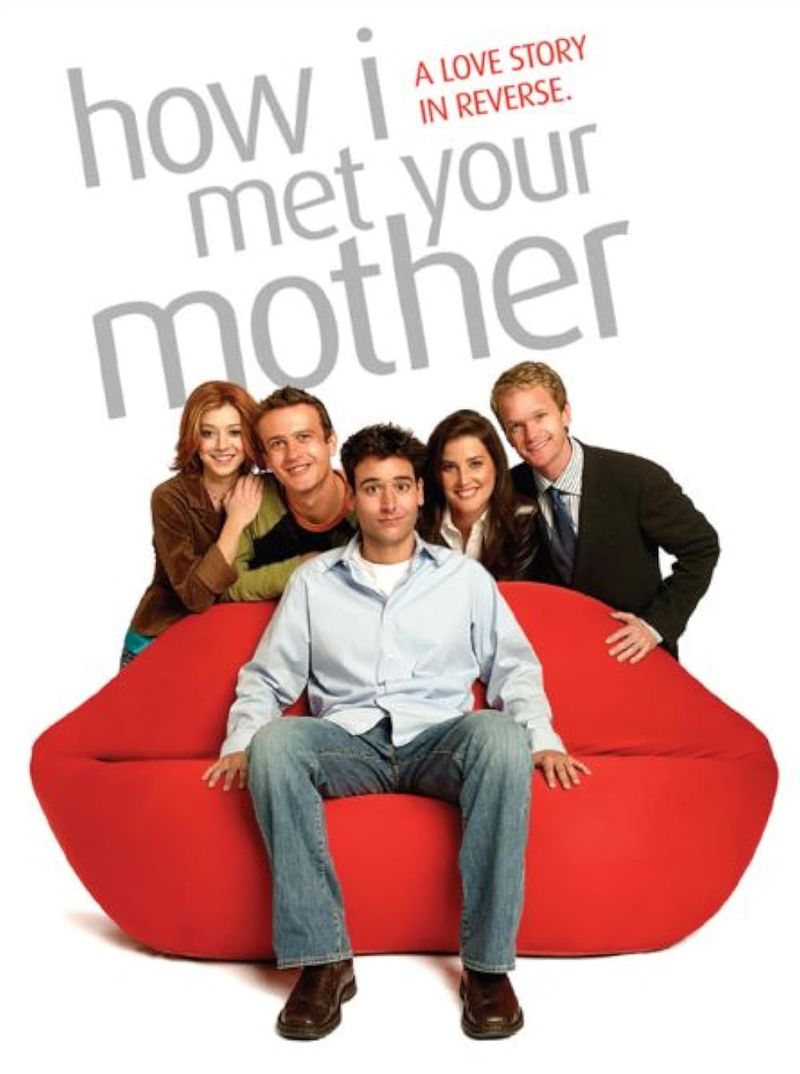
Barney Stinson was one of the funniest characters on television for nearly a decade, and Neil Patrick Harris played him with so much charm that audiences cheered for him constantly.
The problem is that Barney’s entire personality was built around manipulating and deceiving women into sleeping with him, and the show almost always treated that as lovable rather than troubling.
His elaborate playbook of tricks would be portrayed very differently today, likely with real consequences rather than a laugh track.
The show’s casual attitude toward consent and its often shallow treatment of female characters would face serious criticism if it launched now.
A modern version would need to decide whether Barney is a cautionary tale or a comedy hero, and that answer matters more than it used to.