 MomSkoop

Not everyone who seems confident, agreeable, or easygoing is showing you who they really are. Sometimes the most polished version of a person is actually a carefully managed mask.
If you have ever felt like someone keeps you close while still staying unknowable, these signs can explain why. Here are the subtle behaviors that often reveal when someone is hiding their true self.
1. They Change Their Personality Around Different People
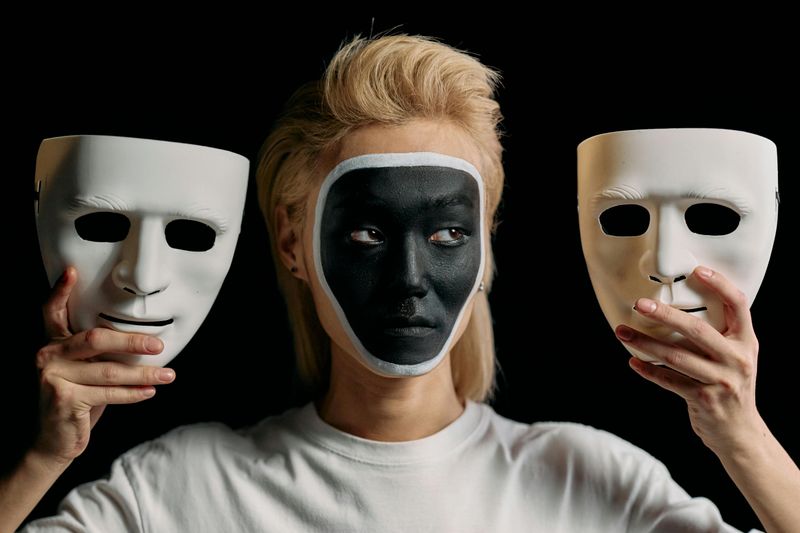
You may notice they seem warm and playful with one group, serious and polished with another, and almost unrecognizable in a different setting.
At first, that can look like social flexibility, but sometimes it signals something deeper.
They are not simply adapting – they are editing themselves to fit what feels safest.
When someone constantly shifts to gain approval, avoid criticism, or dodge rejection, it becomes hard to know who they really are.
You might feel confused because each version seems believable in the moment.
That inconsistency often points to a person who fears that their real personality will not be accepted, so they perform whatever identity feels most likely to keep them liked, included, and emotionally protected.
2. They Avoid Talking About Themselves

They can keep a conversation moving for hours without revealing much that actually matters.
You will hear stories, opinions, and small talk, yet somehow leave feeling like you still know almost nothing personal.
That is usually not accidental.
When someone avoids discussing their inner world, they are often protecting parts of themselves they do not trust others to handle gently.
They may deflect with questions, switch topics, or stay focused on safe details instead of honest feelings.
You might mistake this for privacy, but repeated surface-level conversation can be a strong sign they are hiding their true thoughts, fears, and desires because being fully known feels too risky, exposing, or emotionally uncomfortable for them right now.
3. They Constantly Try to Please Everyone

They rarely disagree, almost always say yes, and seem to know exactly what everyone wants to hear.
On the surface, that can look kind, easygoing, or thoughtful.
But if they never express a genuine preference, something important may be getting buried.
People-pleasing often becomes a mask when someone believes honesty could lead to conflict, disappointment, or abandonment.
Instead of showing you what they actually think, they shape themselves around the expectations in front of them.
You may feel comfortable around them, yet strangely disconnected, because the connection is built on accommodation rather than authenticity.
When keeping everyone happy becomes the priority, their true self gets pushed further into the background, hidden beneath politeness, approval-seeking, and a deep fear of upsetting anyone.
4. They Overuse Humor or Sarcasm

Some people can turn every serious moment into a joke before real emotion has a chance to surface.
They use sarcasm, teasing, or quick wit to keep the mood light and the attention moving.
It can be charming, but it can also be a shield.
When humor shows up every time vulnerability gets close, it often means they do not feel safe being emotionally exposed.
You may try to ask deeper questions, only to be met with a punchline or clever deflection.
Over time, that pattern can leave you feeling like authentic connection is always just out of reach.
Their jokes are not necessarily fake, but they may be carefully timed armor, protecting insecurities, pain, or emotional truths they are not ready to reveal.
5. They Seem Emotionally Guarded
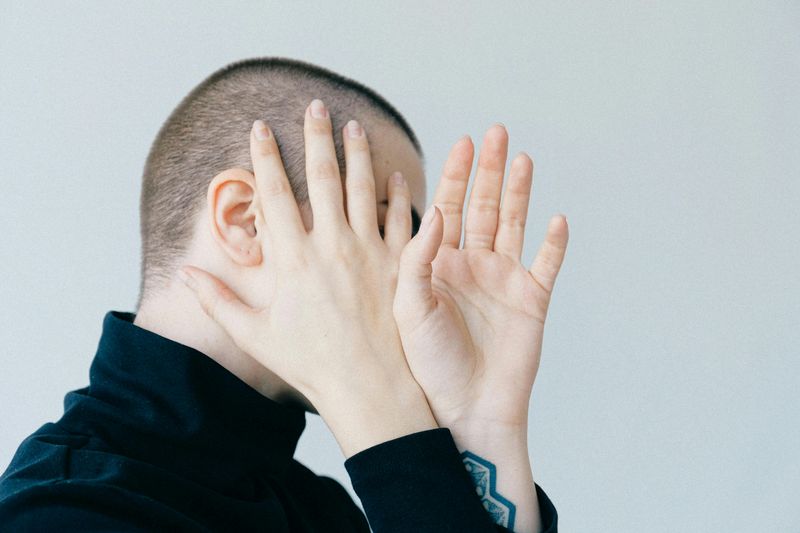
Even when you are close to them, there is a sense that a locked door remains somewhere inside.
They may listen well, show up consistently, and even be affectionate, yet still avoid sharing fears, shame, or deeper emotional struggles.
That distance can feel subtle, but powerful.
Emotionally guarded people often reveal just enough to seem open while keeping the most vulnerable parts of themselves protected.
They may have learned that honesty leads to pain, judgment, or disappointment, so they stay carefully controlled.
You might sense they are present but never fully exposed.
When someone consistently keeps their inner life behind a wall, it can be a sign they are hiding their true self, not because they do not care, but because openness still feels unsafe.
6. They’re Obsessed With Their Image

They put a lot of energy into how they are perceived, from their appearance and social media presence to the stories they tell about their life.
Everything feels polished, intentional, and slightly too controlled.
You may get the sense that nothing unfiltered is allowed through.
Image management becomes a warning sign when being admired matters more than being known.
Instead of letting people see their contradictions, mistakes, or messy emotions, they build a version of themselves that feels safer to present.
You might find their life looks impressive while their real feelings remain hard to access.
When someone is deeply invested in controlling the narrative, it can mean they are hiding insecurities or truths they fear would disrupt the identity they work so hard to maintain.
7. They Struggle to Say What They Really Want

They often say, whatever you want is fine, even when it is clear they have preferences of their own.
Whether it is small decisions or bigger life choices, they seem uncomfortable naming what they actually need.
That hesitation usually comes from more than indecisiveness.
When someone hides their wants, they may be trying to avoid judgment, conflict, or the possibility of being seen as difficult.
Over time, this makes them harder to know because their real desires stay buried under accommodation and caution.
You may feel like you are always guessing what matters to them.
A person who cannot safely voice their needs often learns to disconnect from them, which becomes another way their true self stays hidden, silent, and carefully out of reach.
8. They Mirror Other People’s Opinions

With one person, they strongly agree with one viewpoint, then around someone else, they seem to support the opposite.
At first, this can seem like open-mindedness or a desire to keep conversations smooth.
But repeated opinion-shifting often points to something less confident.
When someone mirrors beliefs instead of expressing their own, they may be scanning for acceptance rather than speaking from conviction.
Agreeing becomes a strategy to stay liked, avoid tension, and prevent others from seeing where they truly stand.
You may notice their values seem flexible depending on the room.
That does not always mean they are dishonest in a manipulative way, but it can mean they have not felt safe enough to develop, trust, or reveal an authentic voice that belongs to them alone.
9. They Keep Everyone at a Distance

They can be friendly, attentive, and even well liked, yet very few people seem to know them deeply.
Relationships stay pleasant but rarely intimate, as if an invisible boundary always appears before things become truly personal.
You may feel close enough to care, but never close enough to fully understand them.
Keeping others at a distance is often a form of self-protection.
The more emotionally intimate a connection becomes, the greater the risk of being seen, questioned, disappointed, or hurt.
So they keep things light, busy, or vague to avoid deeper exposure.
If someone repeatedly prevents closeness without a clear reason, it may be because their true self feels too vulnerable to share, even with people who genuinely want to know them.
10. They Become Defensive Easily

Sometimes even a simple question can make them tense, irritated, or quick to explain themselves.
Feedback that seems mild to you may land like a threat to them.
That reaction is often less about the topic and more about what it touches underneath.
When someone is hiding parts of who they are, being questioned can feel dangerously close to being exposed.
They may hear curiosity as criticism, concern as judgment, or accountability as rejection.
You might find yourself walking on eggshells because ordinary conversations suddenly become charged.
Defensiveness can be a clue that they are working hard to protect a fragile image or concealed emotional truth.
If they react strongly to small moments, it may be because they fear those moments will uncover what they are not ready to admit.
11. They Rarely Admit Weaknesses

They always seem fine, capable, and composed, even when life is clearly demanding more than anyone can easily carry.
You rarely hear them admit uncertainty, insecurity, or emotional pain.
That constant strength can seem impressive, but it may also be carefully maintained.
Some people learn early that showing weakness invites shame, rejection, or loss of control.
So they build an identity around being unshakable, competent, and unaffected, even when they are hurting inside.
You may admire their resilience while sensing something important is missing.
Real authenticity includes limitations, not just strengths.
When someone refuses to acknowledge any struggle at all, it can suggest they are hiding vulnerable parts of themselves because imperfection feels too risky to reveal.
12. They Hide Behind Busyness or Achievement

They are always working, planning, achieving, or staying occupied, leaving almost no space for stillness.
On the outside, it can look ambitious, disciplined, and successful.
But nonstop productivity sometimes serves a deeper emotional purpose.
Busyness can become a distraction from questions they do not want to face about identity, pain, loneliness, or unmet needs.
If they are always focused on the next goal, they never have to sit with what feels unresolved inside.
You may notice that the moment life quiets down, discomfort rises quickly.
Achievement itself is not the problem.
The clue is whether accomplishment seems to replace self-awareness.
When someone hides behind constant motion, they may be using success as a mask that keeps their true self buried beneath performance and pressure.
13. They Say I’m Fine Even When They’re Clearly Not

You can see the tension in their face, hear it in their voice, or feel it in the silence they bring into the room, yet they insist nothing is wrong.
They say they are fine quickly, firmly, and often repeatedly.
Usually, that answer is meant to end the conversation, not invite honesty.
When someone hides behind I am fine, they are often trying to hold onto control or avoid feeling exposed.
They may worry that naming their pain will make them look needy, weak, dramatic, or difficult.
You might sense their struggle while feeling shut out from helping.
This habit does not always mean they are dishonest.
More often, it means authentic emotion feels dangerous, so they choose a familiar mask that keeps their real feelings hidden just beneath the surface.