 MomSkoop
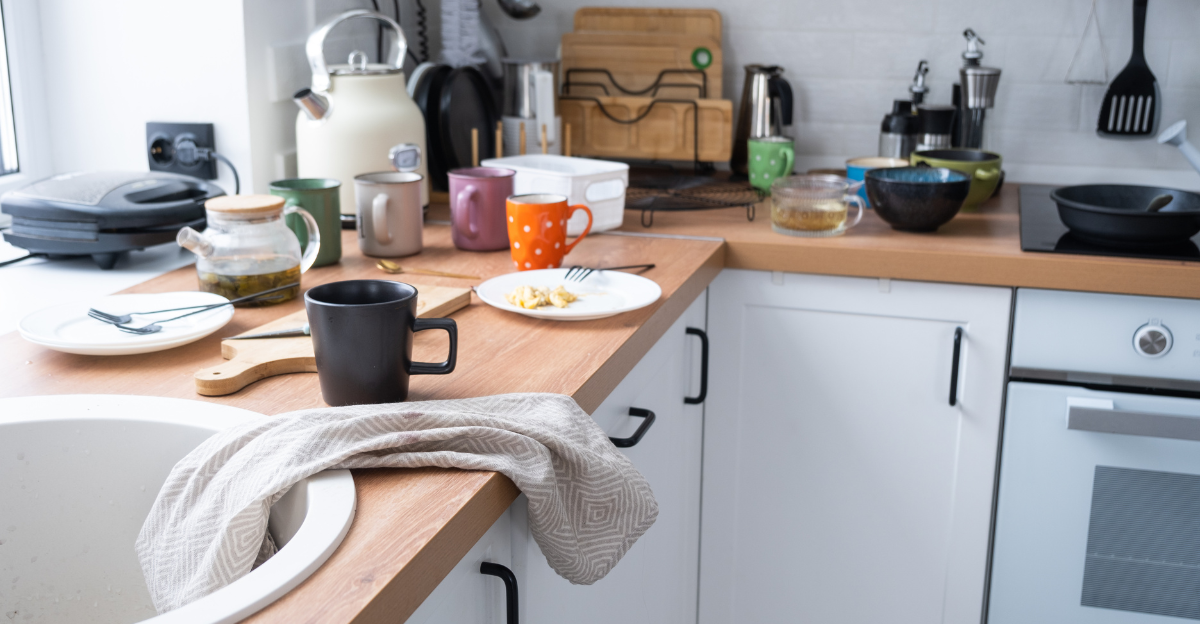
The kitchen is often called the heart of the home, but it can also reveal the true state of a relationship.
When couples are struggling, their shared spaces tell stories they might not want to admit out loud.
From dirty dishes piling up to strange organizational choices, these small signs can speak volumes about hidden tension and unspoken arguments brewing beneath the surface.
1. A Sink Consistently Full of Dishes
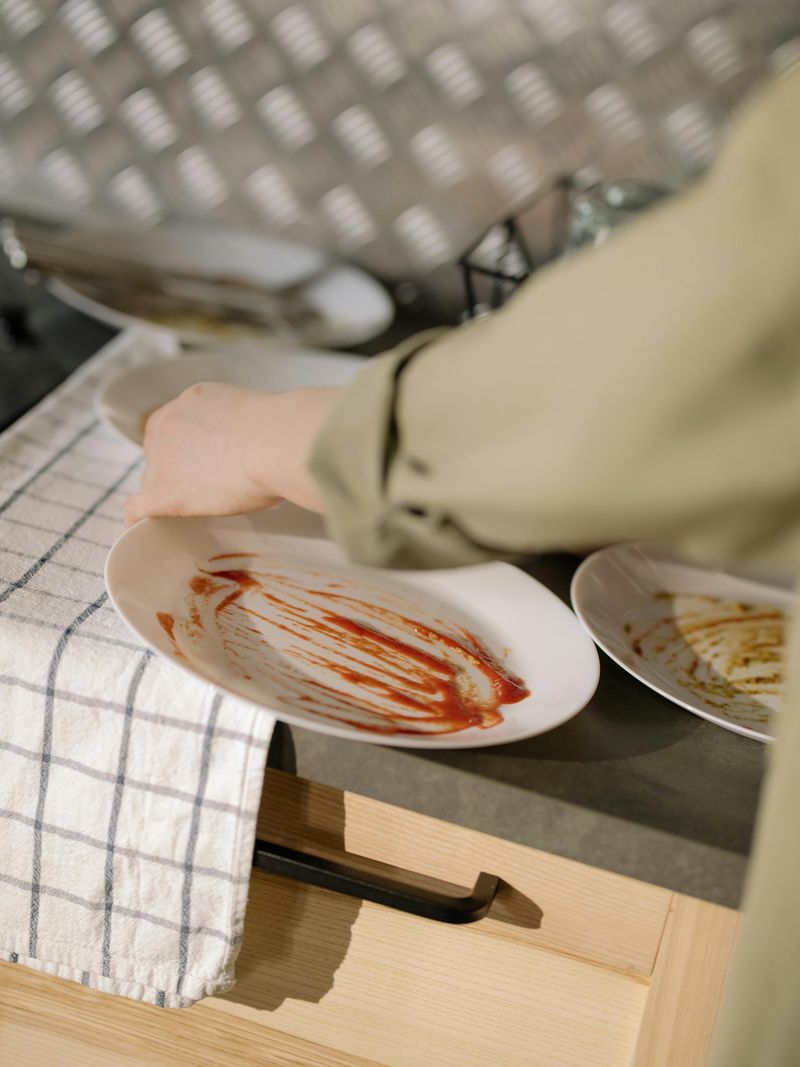
Dirty dishes stacking up day after day isn’t just about laziness.
When the sink stays full despite both partners being home, it often points to deeper issues about fairness and appreciation.
One person may feel like they’re always stuck doing the cleaning while the other doesn’t notice or care.
This creates resentment that builds over time.
Instead of talking about it directly, couples let the dishes pile higher as a silent protest.
The overflowing sink becomes a symbol of feeling taken for granted.
Each unwashed plate represents another conversation they’re avoiding about who does what around the house.
2. Two Separate Food Prep Areas or Zones
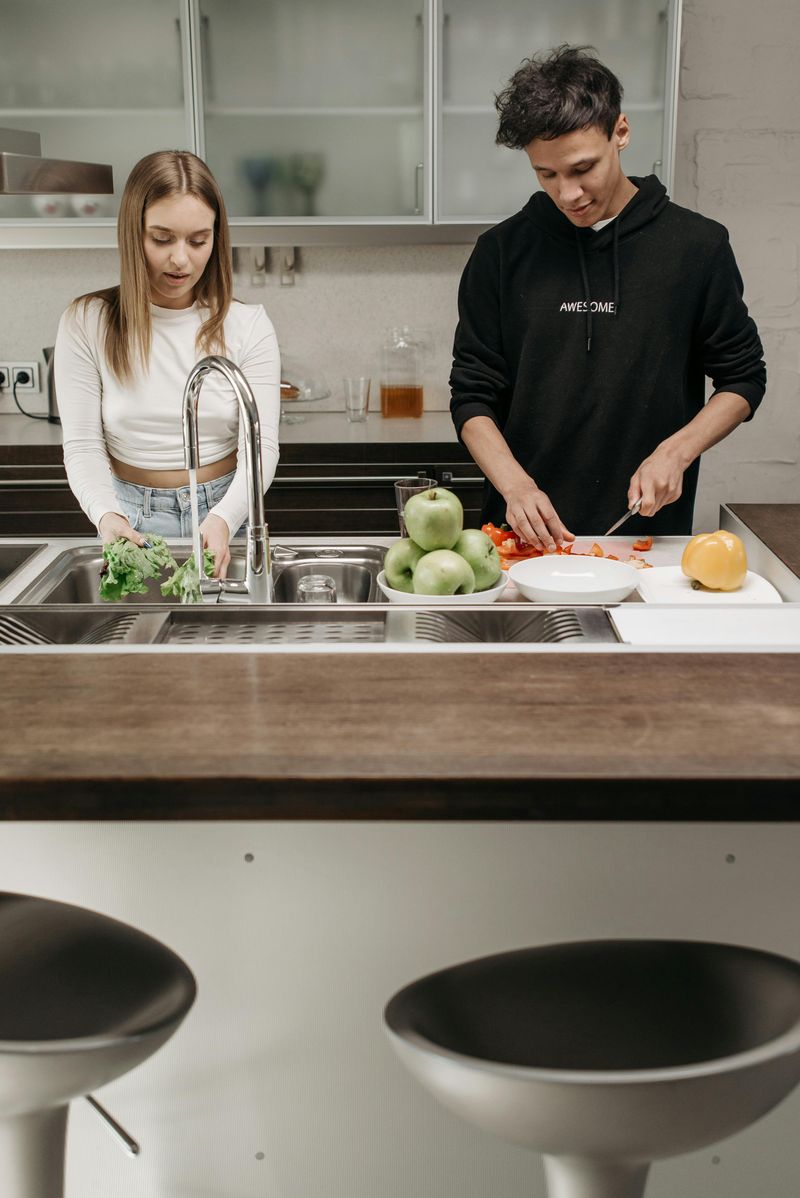
Watch how couples move around their kitchen.
Partners who once cooked side-by-side now claim opposite counters like boxers in their corners.
This physical separation happens when working together has become uncomfortable or leads to bickering.
Maybe one person criticizes how the other chops vegetables, or they bump into each other and tempers flare.
Creating separate zones feels safer than risking another argument.
The kitchen becomes divided territory instead of shared space.
They’ve learned that distance prevents conflict, even if it also prevents connection.
This arrangement works functionally but speaks to emotional distance growing between them.
3. Passive-Aggressive Notes or Labels on Food and Appliances
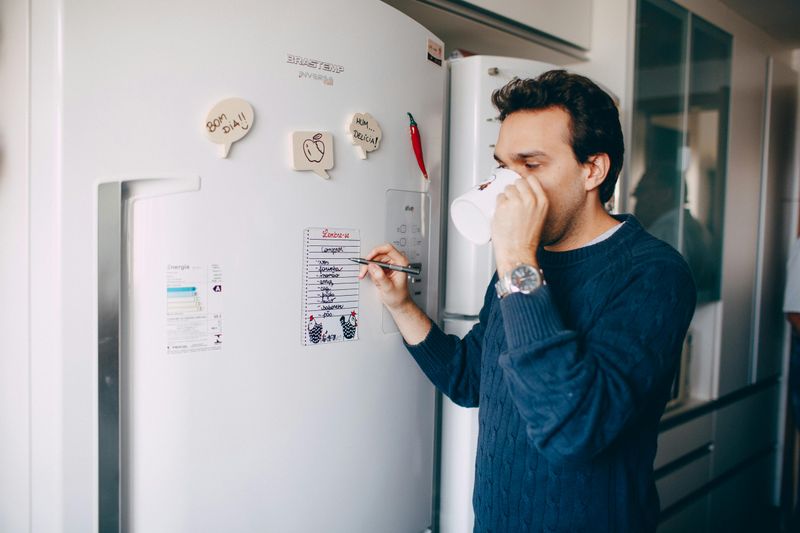
Finding little notes that say things like “Don’t touch” or “Turn this OFF when done” reveals communication breaking down.
Couples who talk openly don’t need to leave written warnings about coffee makers or labeled leftovers.
These notes are passive-aggressive ways of expressing frustration without direct confrontation.
One partner feels their boundaries aren’t respected, so they resort to Post-its instead of conversations.
The other might ignore the notes, creating even more tension.
Every label becomes a tiny declaration of ownership and control.
The kitchen transforms from a sharing space into a battlefield of territorial markers and unspoken complaints.
4. Duplicate Items They Shouldn’t Need Two Of
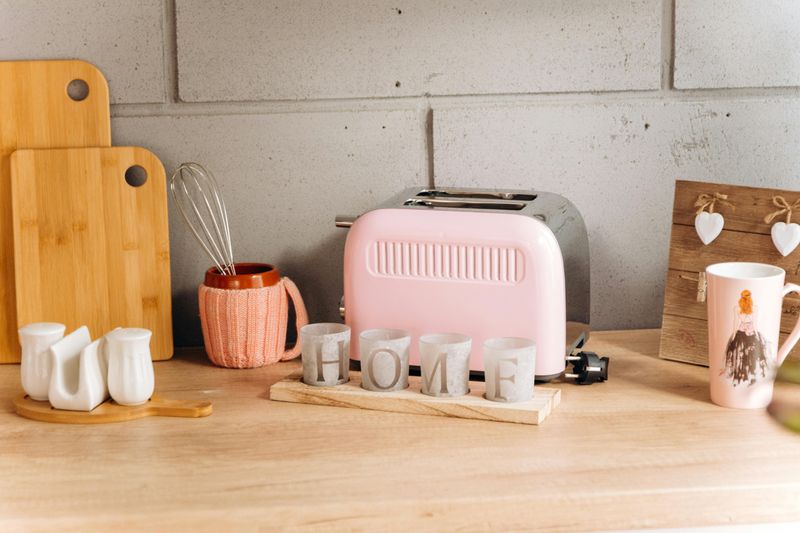
Why would anyone need two toasters or two coffee makers in one kitchen?
Often because neither partner would compromise on which one to keep.
These duplicate appliances tell the story of disagreements that ended in stalemates.
Rather than work through their different preferences, they just bought both versions.
One likes the fancy espresso machine; the other insists on keeping the old drip coffee maker.
This might seem like a simple solution, but it actually shows they’ve stopped negotiating and finding middle ground.
The cluttered counters reflect their inability to blend their lives smoothly together anymore.
5. A Trash Can That’s Always Overflowing

Nobody enjoys taking out the garbage, but in healthy relationships, someone eventually does it.
When the trash overflows for days, both partners are playing a stubborn waiting game.
This standoff happens when couples are exhausted from arguing about household tasks.
Each person thinks the other should do it, but neither wants to start another fight by bringing it up.
So the garbage piles higher while they both pretend not to notice.
The overflowing bin becomes physical evidence of their argument fatigue.
They’d rather live with the mess than risk another heated discussion about who does more work.
6. Different Organizational Styles Clashing in Cabinets or the Fridge
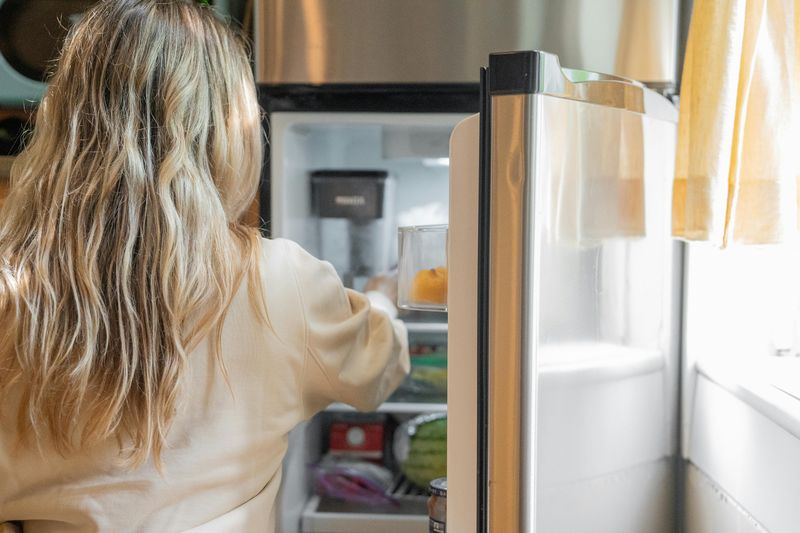
Open the fridge and you might see a clear dividing line.
One side features neatly arranged containers with everything labeled and grouped.
The other side looks like a chaotic jumble of random items.
This clash reveals two people who’ve given up trying to meet in the middle.
The organized partner feels frustrated but has stopped nagging.
The messier one feels judged but refuses to change.
Neither addresses the underlying issue anymore.
Their different approaches to organization used to spark debates.
Now they just coexist in silent disagreement, each maintaining their own section and resenting the other’s approach.
7. A Fridge Covered in Appointment Reminders but No Shared Fun Plans
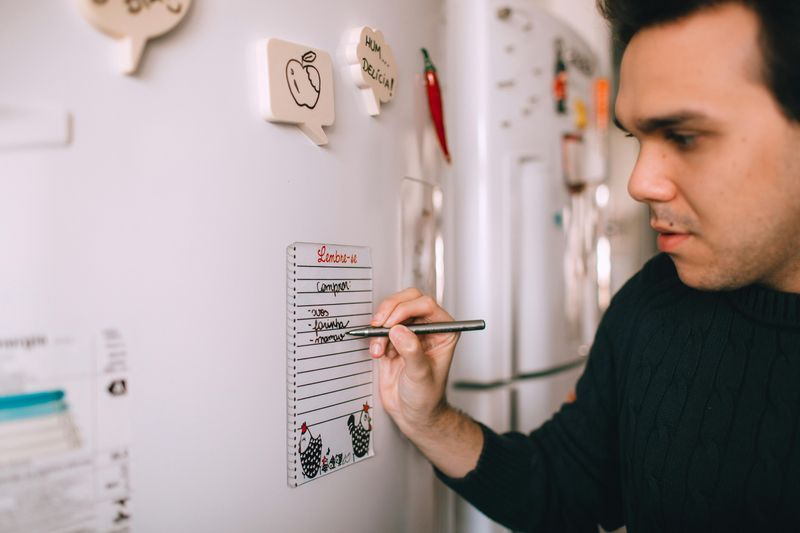
Scan the magnets and papers on their fridge door.
You’ll find dentist appointments, bill due dates, work schedules, and car maintenance reminders.
What you won’t find?
Concert tickets, vacation plans, or dinner reservations.
The kitchen has become command central for managing stress rather than a place where life is enjoyed together.
Their relationship has shifted into logistics mode, focused on survival rather than connection.
This tells you they’re so caught up in conflicts and daily friction that fun has disappeared.
The fridge door reflects a partnership that’s all obligation and no joy anymore.
8. Burnt Pans, Ruined Leftovers, or Abandoned Meal Prep
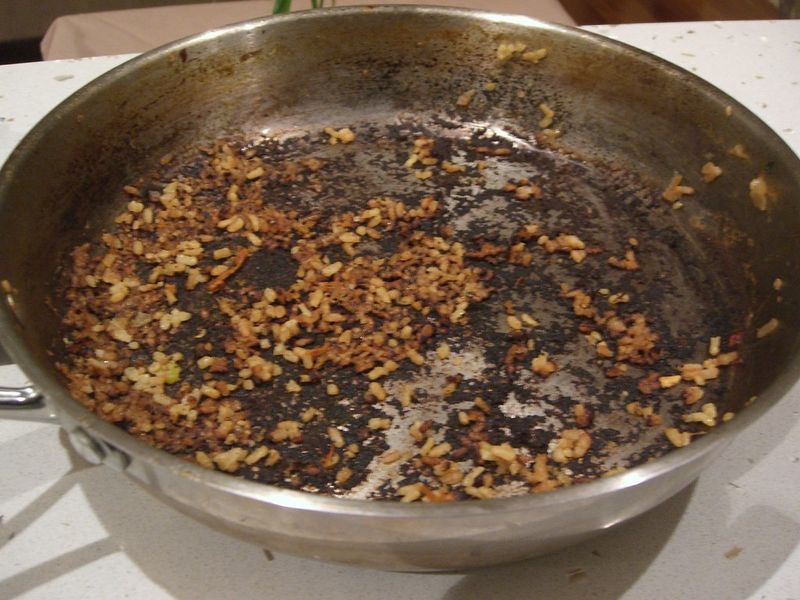
Cooking should bring satisfaction, but in tense relationships, it becomes another stress trigger.
You’ll find evidence in the burnt pan shoved to the back of the stove or the half-prepped vegetables left to wilt on the counter.
These abandoned meals often result from arguments that erupted during cooking.
Maybe someone criticized the recipe choice or complained about timing.
The cook gave up mid-process rather than continue in a hostile environment.
Ruined food represents ruined moments that should have been pleasant.
When cooking together consistently ends badly, couples stop trying.
The kitchen casualties pile up as evidence of their mounting frustrations.
9. Takeout Containers Piling Up
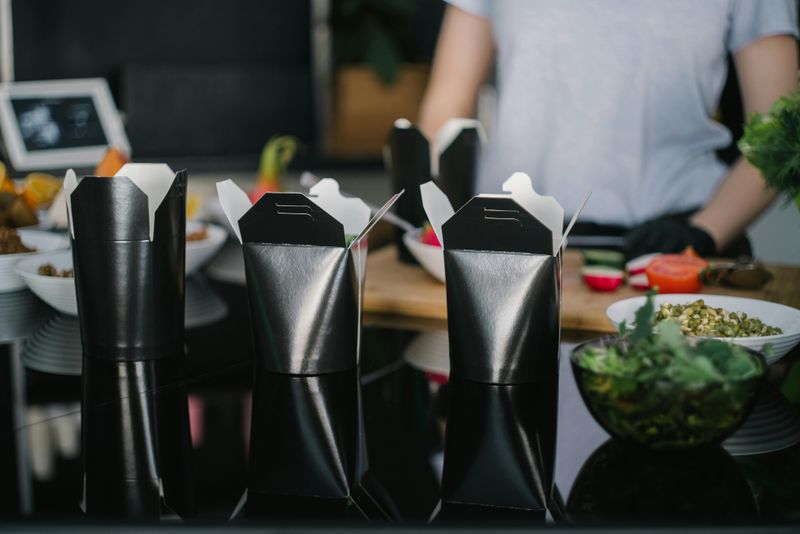
Mountains of takeout containers tell an interesting story.
Cooking together requires teamwork, communication, and shared space.
When those things trigger arguments, ordering in becomes the path of least resistance.
Couples avoid the kitchen when it’s become associated with conflict.
Getting food delivered means they don’t have to negotiate who cooks, what to make, or how to prepare it.
No collaboration required means fewer opportunities for disagreements.
The financial cost of constant takeout matters less than the emotional cost of another kitchen argument.
Those stacked containers represent all the meals they couldn’t peacefully prepare together anymore.
10. A My Shelf Your Shelf Approach in the Pantry or Fridge
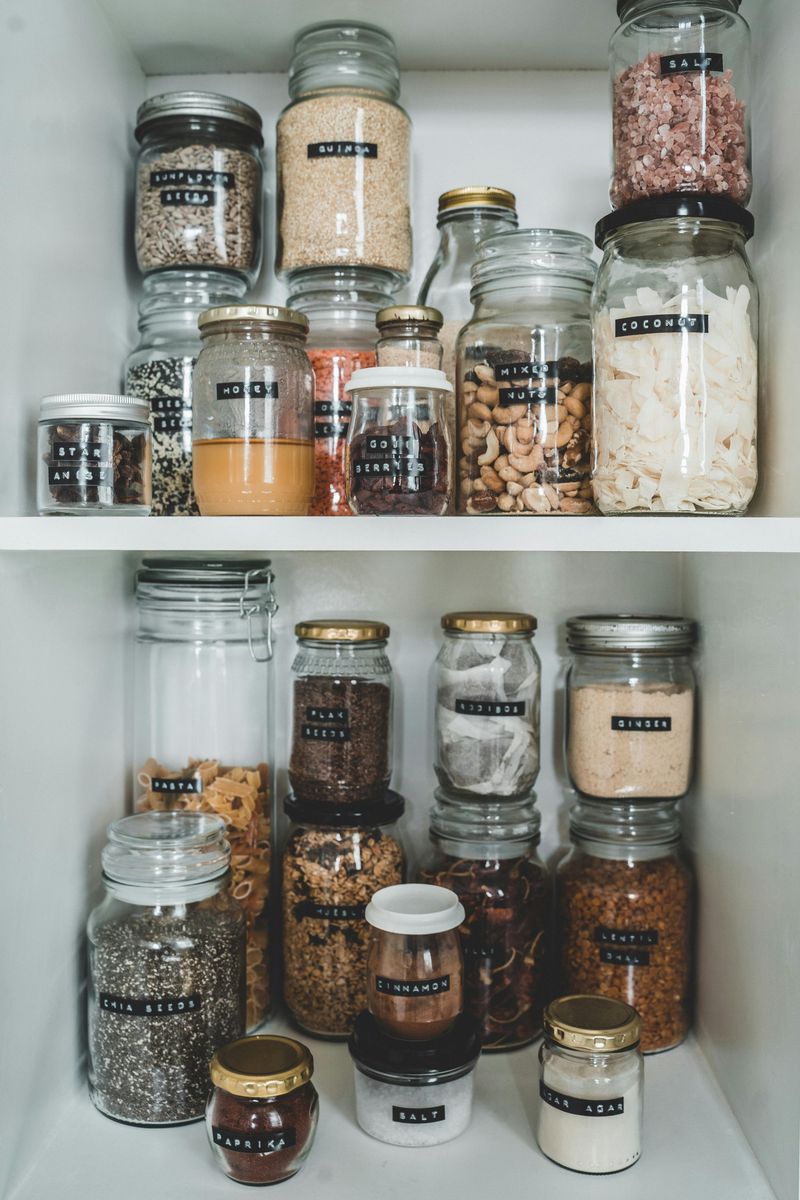
Some couples divide their pantry like college roommates, with designated shelves for each person’s food.
This isn’t about dietary restrictions or preferences.
It’s about protecting resources when sharing has become problematic.
This separation emerges when fights break out over who ate the last yogurt or finished the cereal.
Instead of communicating and restocking together, they create borders.
Each person buys and manages their own groceries independently.
What looks like organization is actually evidence of broken trust and cooperation.
They’ve stopped functioning as a team and started operating as individuals who happen to share a kitchen.
11. Clutter That Never Gets Resolved
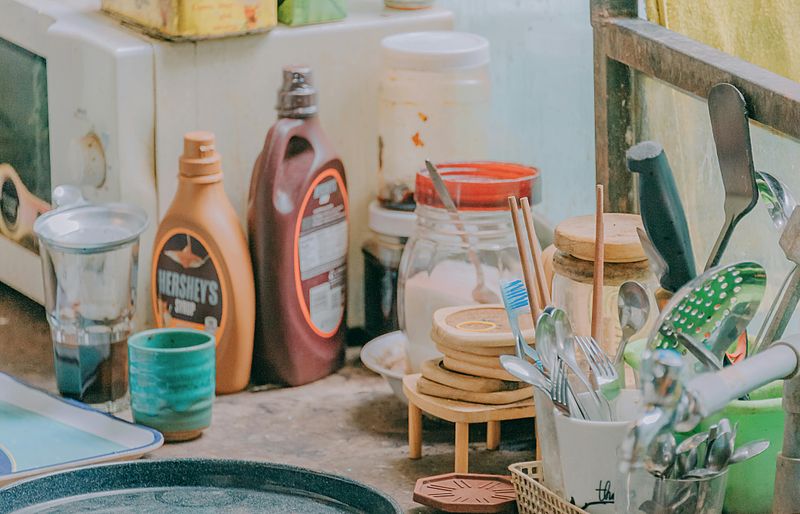
Every kitchen accumulates some clutter, but there’s a difference between temporary mess and permanent chaos.
When the same pile of mail, random gadgets, and miscellaneous items sits on the counter for weeks, it signals repeated failed discussions.
These unresolved piles represent debates that ended in stalemates.
One partner wants to clear it; the other doesn’t prioritize it.
They’ve argued about it before without resolution, so now they both just ignore it.
The persistent clutter becomes a physical reminder of their inability to solve problems together.
Each item in the pile represents another small conflict they couldn’t work through successfully.
12. Energy in the Kitchen Feels Tense or Quiet
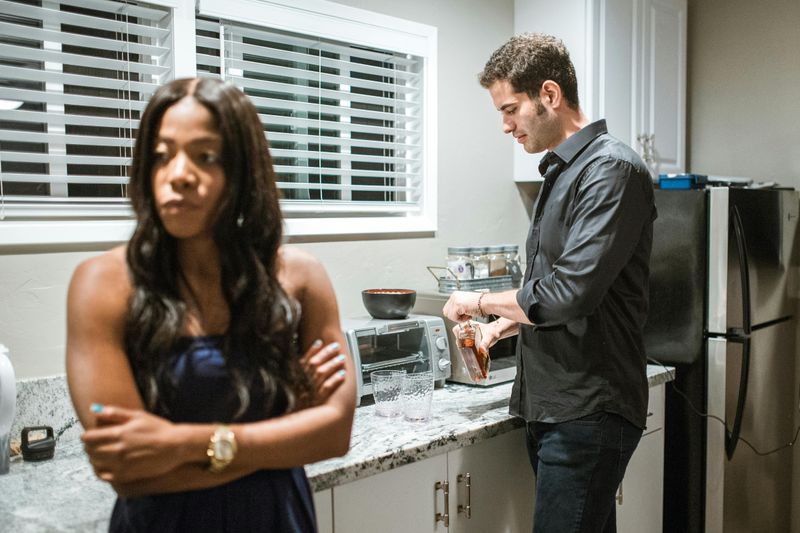
Sometimes the biggest clue isn’t what you see but what you feel.
Walk into certain kitchens and the atmosphere feels heavy, awkward, or uncomfortably silent.
People unconsciously associate spaces with the emotions they experience there.
When a kitchen has hosted numerous arguments, both partners begin to feel tense just entering it.
Their bodies remember the stress even if they’re not actively fighting in that moment.
This emotional residue is powerful.
The kitchen loses its warmth and becomes a place they hurry through rather than linger in.
You can sense the unspoken conflict hanging in the air like a fog.
13. One Partner Avoids the Kitchen Entirely
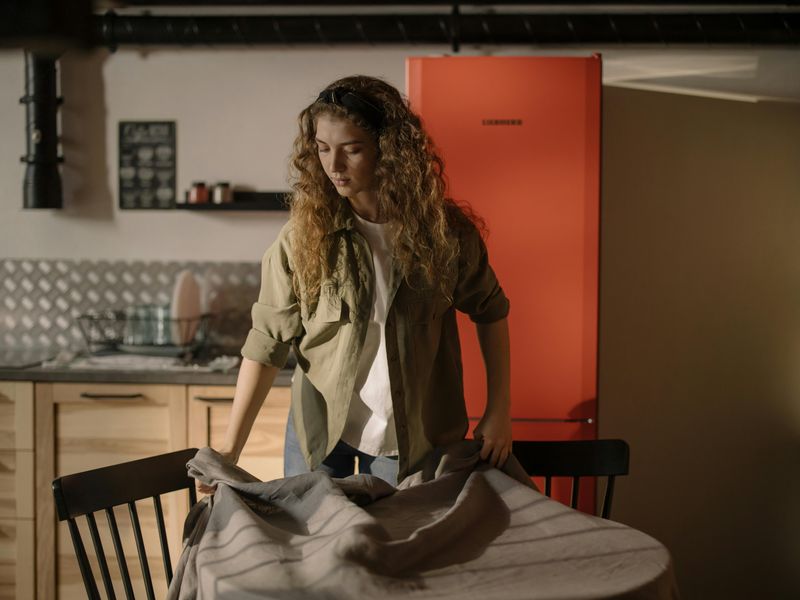
The clearest sign of all?
When one person stops using the kitchen except when absolutely necessary.
They grab food quickly and leave, eat elsewhere, or wait until their partner isn’t around.
Complete avoidance happens when the kitchen has become so strongly associated with conflict that being there feels uncomfortable.
Rather than face potential arguments or awkward tension, they simply stay away.
The room has transformed from a shared family space into a conflict zone.
This withdrawal shows the relationship damage has progressed beyond small disagreements.
When someone abandons a central part of their home, the problems run deeper than they’re admitting.