 MomSkoop
Most of us hold onto stuff we think we might need someday, but that day rarely comes. Our homes fill up with things that serve no real purpose, crowding our spaces and making it harder to enjoy where we live.
Clearing out these unnecessary items can free up room, reduce stress, and help you feel more organized. Here are thirteen common culprits that are probably just collecting dust in your home right now.
1. Food Storage Containers Without Matching Lids
Ever opened your cabinet only to watch a cascade of plastic containers tumble out?
Most kitchens have way too many storage containers, and half of them are missing their matching lids.
Without the right lid, these containers become completely useless for storing food.
They pile up in cabinets, taking valuable space that could hold things you actually use.
Go through your collection and match each container with its proper lid.
Toss or recycle the orphaned pieces that have been sitting there for months.
You will be amazed at how much cabinet space you reclaim with this simple purge.
2. Single-Use Kitchen Appliances Gathering Dust
That bread maker seemed like a brilliant idea when you bought it three years ago.
Now it sits in the back of your pantry, untouched and forgotten.
Single-purpose gadgets like waffle irons, panini presses, and egg cookers often get used once or twice before being abandoned.
They take up precious counter or storage space while serving no real function in your daily life.
Ask yourself honestly: when was the last time you actually used it?
If the answer is more than six months ago, it might be time to donate it to someone who will appreciate it more.
Your kitchen will feel more spacious instantly.
3. Plastic Cutlery From Takeout Orders

Check your kitchen drawer right now—how many plastic forks and spoons are hiding in there?
We all save the plastic cutlery that comes with takeout meals, thinking we will use them for picnics or emergencies.
The truth is, you probably have real silverware that works much better.
These flimsy utensils pile up quickly, cluttering your drawers and making it hard to find what you need.
Plus, keeping them contributes to plastic waste when you eventually throw them away.
Keep maybe five sets for actual emergencies, then recycle or toss the rest.
Your drawers will thank you for the breathing room.
4. Old Towels and Sheets You Never Use

Linen closets often become graveyards for towels and sheets that have seen better days.
You keep them thinking they might be useful as backups, but you always reach for your favorites instead.
Meanwhile, these old linens hog shelf space and make your closet look messy and overstuffed.
Worn-out towels lose their absorbency, and faded sheets feel scratchy and uncomfortable.
If you have not used something in over a year, you probably never will.
Consider donating gently used linens to animal shelters, which always need them.
Badly worn items can become cleaning rags before you finally let them go for good.
5. Office Supplies You Will Never Use
How many pens do you really need?
Most home offices are stuffed with supplies that seemed necessary at the time but rarely get touched.
Dried-out markers, staplers you never use, and notebooks you started but abandoned all take up drawer space.
You might be holding onto things from old jobs or school years that no longer serve any purpose.
Test your pens—if they do not write, throw them out immediately.
Keep only what you use regularly, like a few working pens, some paper, and basic supplies.
Everything else can be donated to schools or recycled, giving you a cleaner, more functional workspace at home.
6. Exercise Equipment Turned Clothing Rack

Be honest—when did your treadmill become an expensive coat rack?
Home exercise equipment starts with good intentions but often ends up collecting dust and laundry.
These bulky items occupy significant floor space, making rooms feel cramped and cluttered.
If you have not worked out at home in months, you probably will not start tomorrow either.
Gym memberships or outdoor activities might suit your lifestyle better than equipment gathering dust.
Selling or donating unused exercise gear can free up entire corners of your home.
Someone else might actually use that equipment to reach their fitness goals while you enjoy the extra space.
7. Clothes That No Longer Fit or Suit Your Style
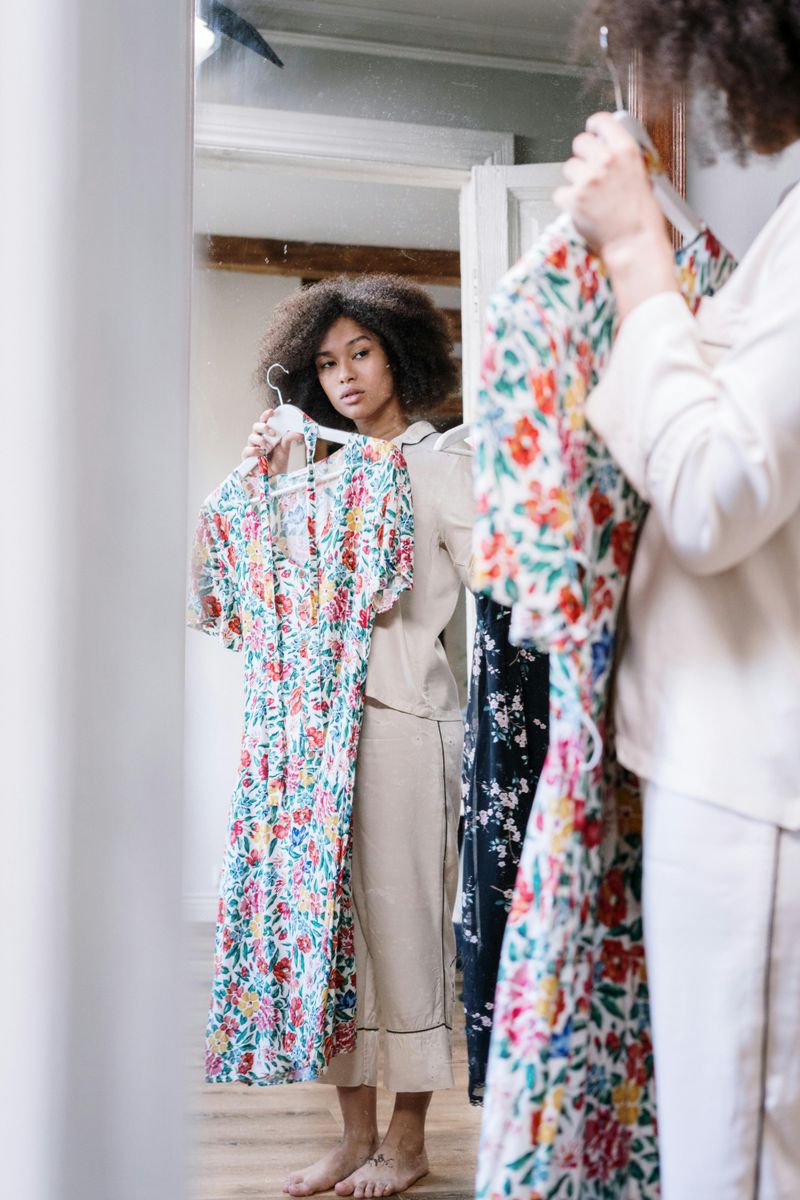
Your closet is probably bursting with clothes you have not worn in years.
Maybe they are too small, too big, or just not your style anymore.
Holding onto these items creates clutter and makes getting dressed each morning more frustrating.
You dig through piles of unwanted clothes to find the few pieces you actually love wearing.
Outdated fashion and ill-fitting garments serve no purpose except taking up valuable closet real estate.
Try the one-year rule: if you have not worn it in twelve months, donate it.
A streamlined wardrobe makes mornings easier and helps you appreciate what you truly enjoy wearing every day.
8. Crafting Supplies From Abandoned Projects
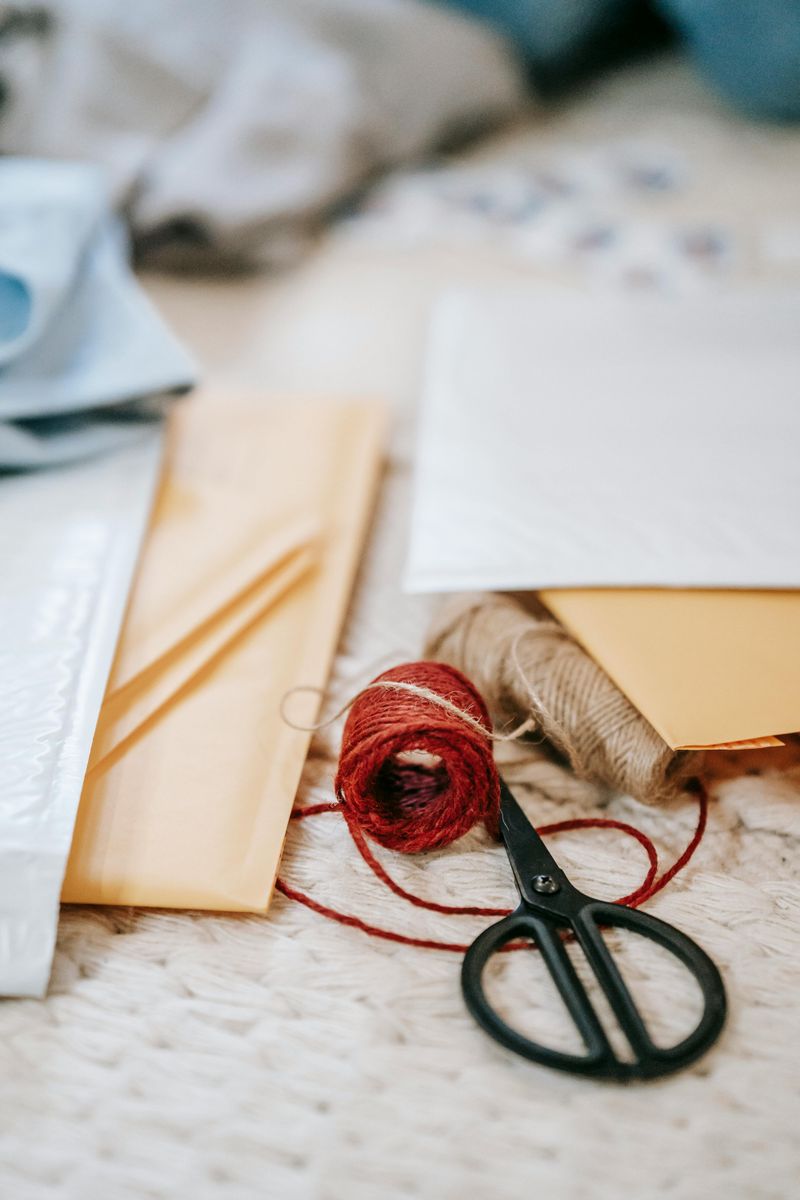
Remember that scrapbooking phase you went through five years ago?
Crafting hobbies come and go, but the supplies tend to stick around forever.
Bins of yarn, fabric scraps, beads, and paint bottles pile up from projects you started but never finished.
These materials occupy closets, shelves, and entire rooms while serving absolutely no purpose.
If a hobby no longer interests you, keeping the supplies will not magically revive your enthusiasm.
Donate usable materials to schools, community centers, or other crafters who will actually use them.
Letting go of abandoned hobbies frees both physical space and mental energy for activities you currently enjoy.
9. Plastic Bags Stuffed Inside Plastic Bags
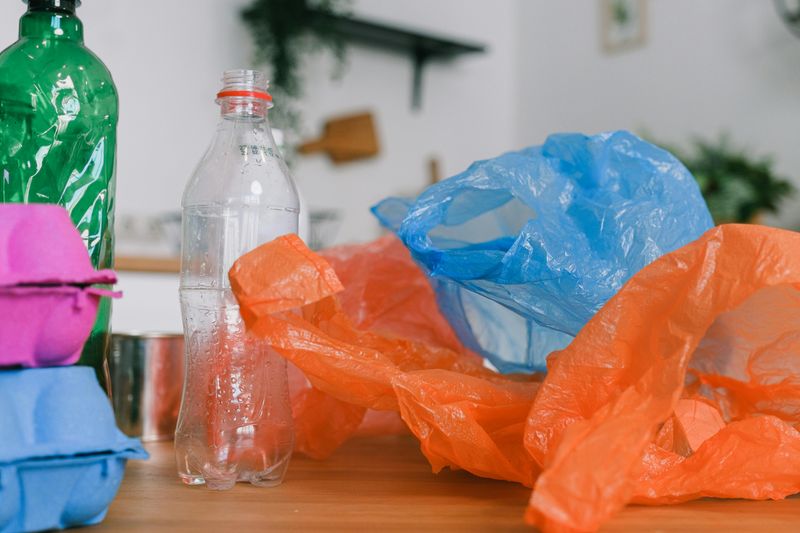
Almost every home has that one cabinet or drawer crammed with plastic grocery bags.
You save them thinking they will be perfect for trash liners or cleaning up after pets.
The problem is, they multiply faster than you can possibly use them.
Before you know it, you have hundreds of bags taking up an entire shelf.
Most people only need about ten bags on hand for occasional use.
Many grocery stores have recycling bins specifically for plastic bags.
Keep a small number for actual needs, then recycle the mountain of extras to reclaim that valuable storage space.
10. Tangled Power Cords and Chargers for Unknown Devices
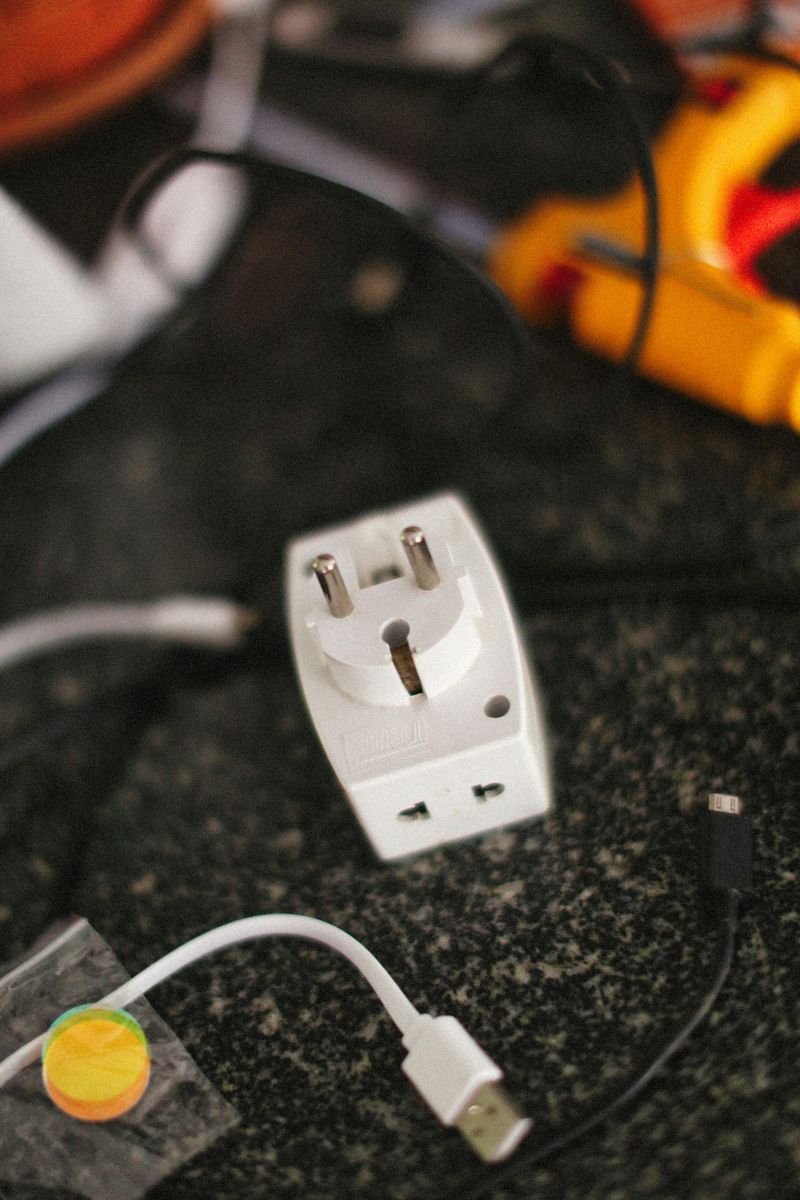
Every household has a mystery drawer full of cords that no one can identify.
Old phone chargers, random cables, and adapters for devices you no longer own create a tangled mess.
You keep them because throwing away a cord feels wasteful, but you will never actually use them.
Technology changes quickly, making old chargers obsolete within a few years.
If you cannot remember what device a cord belongs to, you definitely do not need it.
Electronic stores often accept old cables for recycling.
Keep only the cords you actively use, clearly labeled if possible, and recycle the rest for a much tidier space.
11. Toys Your Kids Have Outgrown
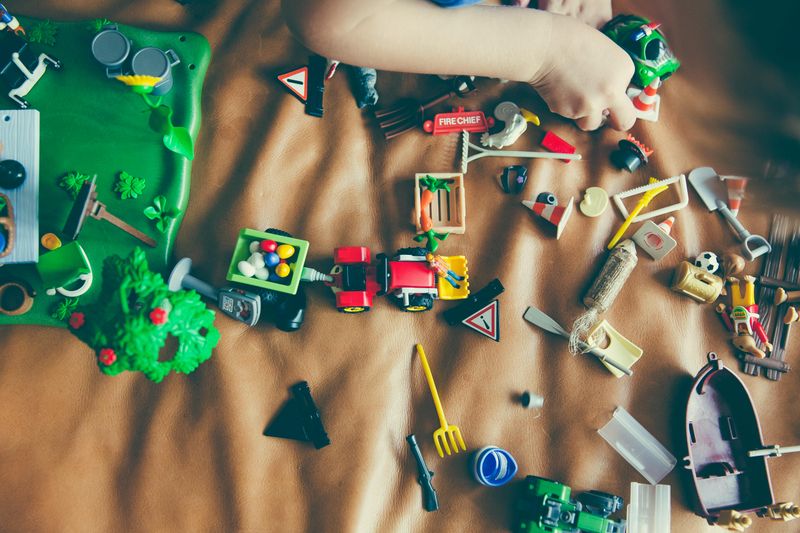
Kids grow up fast, but their old toys seem to stick around forever.
Stuffed animals, baby toys, and games designed for younger ages pile up in closets and playrooms.
Your children have moved on to new interests, leaving these items untouched for months or years.
Keeping toys they have outgrown creates unnecessary clutter and makes it harder to organize current favorites.
Donating these toys to younger children or shelters gives them a second life with kids who will enjoy them.
Your children can even help choose what to give away, teaching valuable lessons about generosity.
A less cluttered play space is easier to clean and more enjoyable for everyone.
12. Expired or Unused Bathroom Products
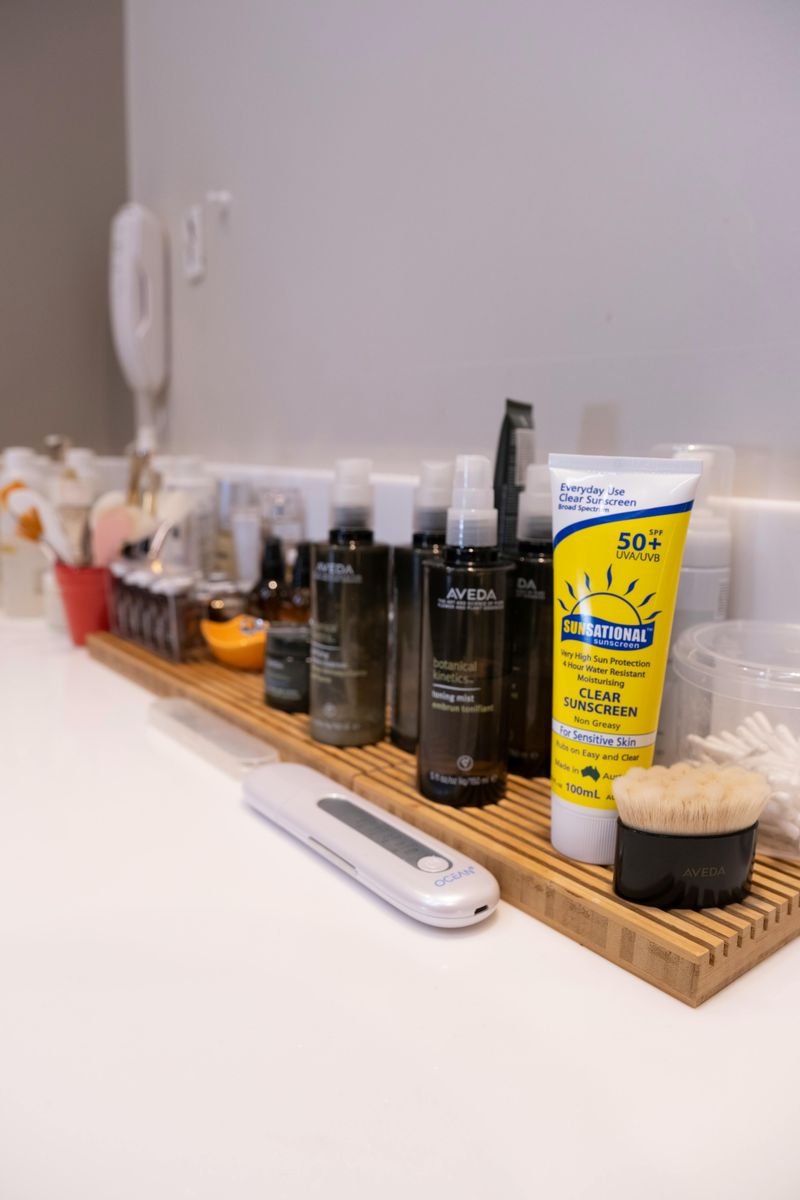
Bathrooms accumulate products faster than almost any other room.
Half-empty shampoo bottles, lotions you tried once and hated, and makeup from years ago crowd your cabinets.
Many of these products are expired and could actually irritate your skin or be ineffective.
You keep them thinking you might use them eventually, but that day never arrives.
Old medications are especially important to dispose of properly rather than letting them take up space.
Go through your bathroom and toss anything expired, dried out, or unused for over six months.
A streamlined bathroom routine with only products you love makes getting ready much more pleasant and efficient.
13. Stacks of Papers, Mail, and Old Documents
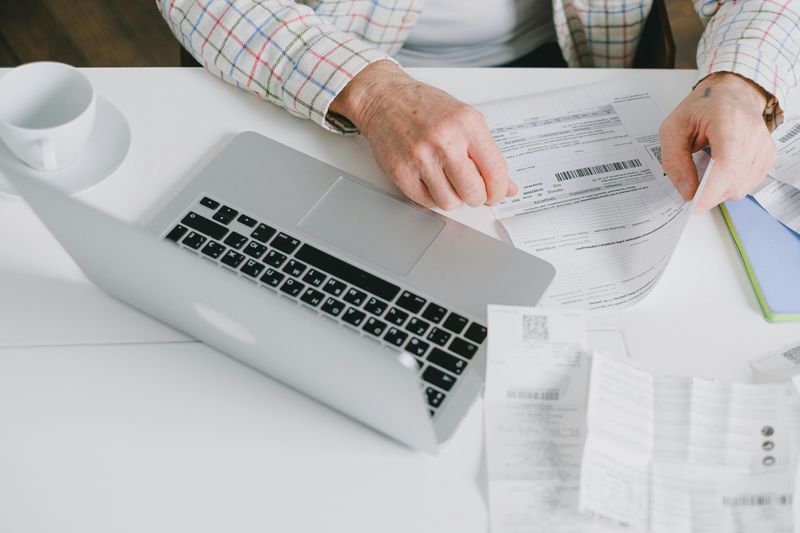
Paper clutter sneaks up on you one piece of mail at a time.
Before you know it, counters and desks disappear under stacks of old bills, magazines, and documents.
Most of this paper serves no purpose—you can access bills online and rarely need physical copies.
Old magazines you meant to read months ago will probably never get opened now.
Papers create visual chaos that makes your whole home feel disorganized and stressful.
Shred documents with sensitive information, recycle junk mail, and file only truly important papers.
Going digital with bills and statements prevents future paper piles from taking over your surfaces and peace of mind.