 MomSkoop

Ever wonder why some everyday things cost way more than they should? From grabbing a snack at the airport to buying textbooks for school, certain items seem to have price tags that make no sense. We’re breaking down thirteen things that are ridiculously overpriced and digging into the real reasons behind those eye-popping costs.
1. Airport Food
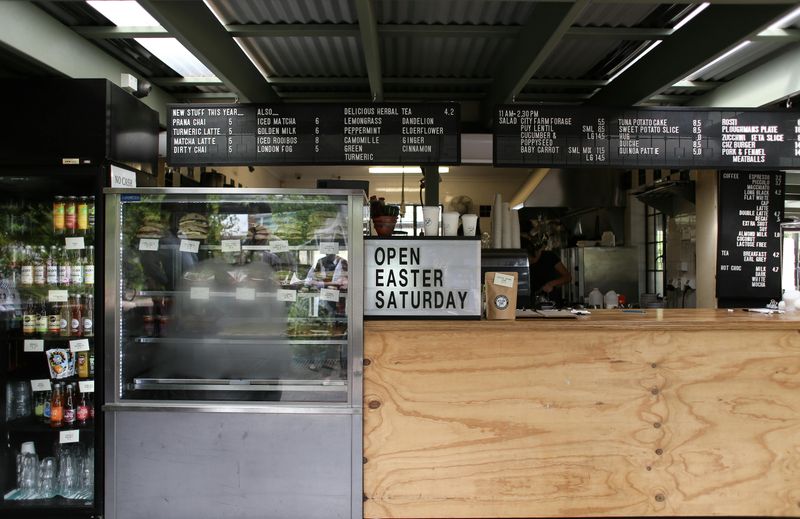
A bottle of water that costs five dollars?
A sandwich priced like a fancy dinner?
Welcome to airport dining, where your wallet goes to cry.
Airports charge crazy amounts because they know you’re stuck there.
You can’t bring liquids through security, and once you’re past the checkpoint, there’s nowhere else to go.
Rent for airport shops is sky-high, and vendors pass those costs straight to travelers.
Plus, they’ve got a captive audience who’ll pay almost anything when hunger strikes.
Security rules and limited competition mean prices stay inflated.
Pack snacks before you fly whenever possible to avoid the airport markup madness.
2. Cable TV

Paying over a hundred bucks a month just to watch TV?
Cable companies have mastered the art of charging more while delivering less.
Streaming services offer way more content for a fraction of the price, yet cable subscriptions keep climbing.
The secret is in those sneaky fees and bundled packages that force you to pay for channels you never watch.
Equipment rentals, broadcast fees, and regional sports charges add up fast.
Cable providers also face rising costs from networks demanding more money.
Many people stick with cable out of habit or confusing contracts.
Cutting the cord and switching to streaming can save you serious cash every year.
3. Baby Clothes

Babies outgrow clothes faster than you can say ‘growth spurt,’ yet some infant outfits cost more than adult clothing.
That adorable onesie might only fit for three weeks before your little one needs the next size up.
Brands know parents want the best for their babies and aren’t afraid to charge premium prices.
Designer labels, organic materials, and cute factor all drive costs higher.
Marketing plays on emotions, making parents feel guilty about not buying the ‘best’ for their child.
Truth is, babies don’t care about brand names.
Thrift stores and hand-me-downs work just as well and save you tons of money for things that actually matter.
4. Health Insurance

Monthly premiums that eat up your paycheck, deductibles that feel impossible to meet, and copays for every visit—health insurance costs are out of control.
Medical care in America is wildly expensive, and insurance companies are caught in the middle.
Hospitals charge huge amounts, pharmaceutical companies price medications sky-high, and administrative costs pile up.
Insurance companies pass these expenses to customers through higher premiums.
They also need to make profits for shareholders, which adds another layer of cost.
Lack of price transparency and complicated billing make it worse.
Shopping around and understanding your actual healthcare needs can help you find better coverage without breaking the bank.
5. Bottled Water
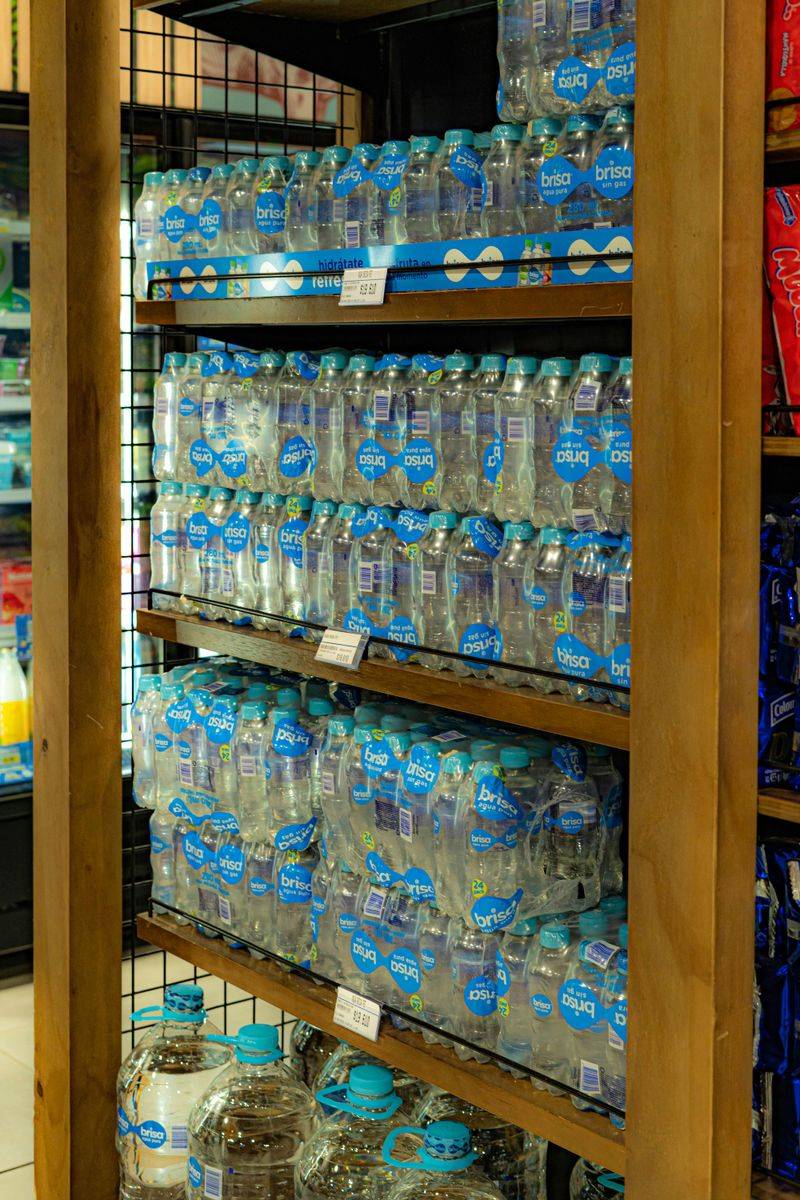
Water literally falls from the sky for free, yet we pay dollars for tiny plastic bottles of it.
Bottled water companies have convinced us that their product is somehow better than what comes from our taps.
Marketing campaigns talk about mountain springs and purity, but much bottled water is just filtered tap water anyway.
Packaging, transportation, and advertising drive up costs significantly.
Convenience stores and vending machines add their own markup because they know thirsty people will pay.
The environmental impact is huge too, with billions of plastic bottles ending up in landfills.
A reusable water bottle and tap water save money and help the planet at the same time.
6. College Textbooks

Need a book for class? That’ll be three hundred dollars, please.
College textbooks have become ridiculously expensive, sometimes costing more than the actual course.
Publishers release new editions constantly, making used books obsolete and forcing students to buy fresh copies.
Often, changes between editions are minimal—maybe a few updated photos or rearranged chapters.
Professors assign specific editions, and campus bookstores have limited competition.
Publishers also bundle books with online access codes that can only be used once, killing the resale market.
Students are a captive market with no choice but to pay.
Renting textbooks, buying digital versions, or using library copies can help reduce these outrageous costs significantly.
7. Hotel Minibars

Craving a midnight snack from your hotel minibar?
Prepare to pay eight dollars for a candy bar you could buy for one dollar at any store.
Hotels mark up minibar items by 400% or more because they’re banking on convenience and impulse purchases.
Tired travelers don’t want to leave their rooms, so they’ll pay premium prices for immediate satisfaction.
Restocking, refrigeration, and tracking inventory all add operational costs.
Hotels also see minibars as easy profit centers with minimal effort required.
Some places now use sensors that automatically charge your room when you pick up an item.
Bringing your own snacks or walking to a nearby store saves you from these inflated prices.
8. Printer Ink
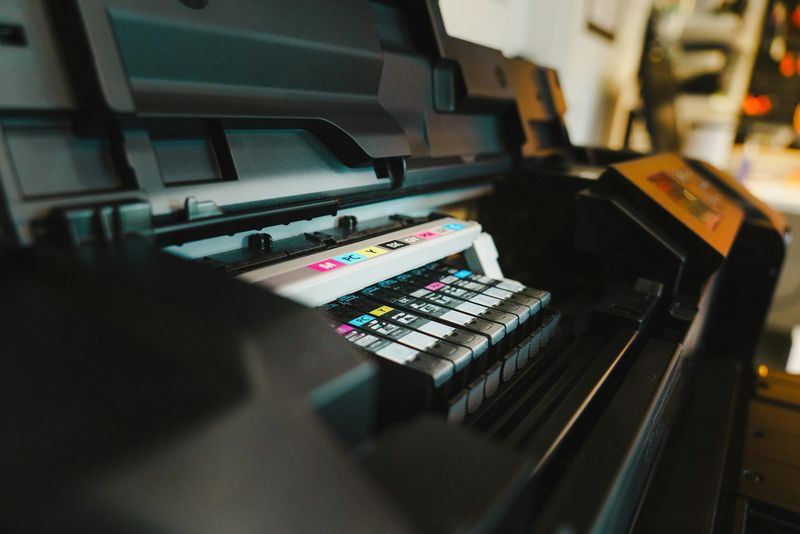
Printer ink costs more per ounce than fancy champagne or even human blood. Seriously.
Printer manufacturers practically give away the printers themselves, then make their real money selling replacement ink cartridges.
This business model locks you into buying their expensive supplies forever.
Cartridges often contain chips that prevent you from using cheaper alternatives or refilling them yourself.
Companies claim their ink is specially formulated, but the actual manufacturing cost is tiny compared to retail prices.
Many cartridges still have ink left when your printer claims they’re empty.
Consider laser printers for high-volume printing or third-party ink suppliers to escape this costly trap.
9. Gym Memberships

Signing up feels exciting, but those monthly gym fees add up fast—especially when you only go twice.
Gyms count on most members not showing up regularly.
They oversell memberships knowing their facilities couldn’t handle everyone coming at once.
Your unused membership is literally their business model.
Fancy equipment, prime real estate, and staffing costs drive prices higher at premium gyms.
Long-term contracts with cancellation fees trap people into paying for months or years.
Personal training sessions and classes cost extra on top of basic membership.
Home workouts, outdoor running, or pay-per-visit gyms often make more financial sense if you’re honest about your actual exercise habits.
10. Regular Weddings

The average wedding now costs over thirty thousand dollars. For one day.
That’s more than many people’s annual salary.
Vendors magically raise prices when they hear the word ‘wedding.’
The same venue charges twice as much for a wedding as for any other event.
Flowers, photography, catering—everything gets the wedding markup treatment.
Emotional pressure and family expectations push couples to spend beyond their means.
Social media creates unrealistic standards, making people feel their wedding must be Instagram-perfect.
The wedding industry thrives on the idea that your special day requires the most expensive everything.
Smaller celebrations or courthouse ceremonies followed by nice parties can be just as meaningful without the crushing debt.
11. Concert Tickets

Want to see your favorite artist live?
Better be ready to spend hundreds of dollars—and that’s before the mysterious fees get added.
Ticket prices have skyrocketed as artists make less money from music sales and streaming.
Live performances are now their main income source, so they charge accordingly.
Ticketing companies add convenience fees, service charges, and facility fees that sometimes double the base price.
Scalpers and bots buy up tickets instantly, then resell them at inflated prices on secondary markets.
Limited supply and huge demand create a perfect storm for price gouging.
VIP packages and meet-and-greets push costs even higher.
Smaller venue shows and local artists offer live music experiences without requiring a second mortgage.
12. Name-Brand Meds
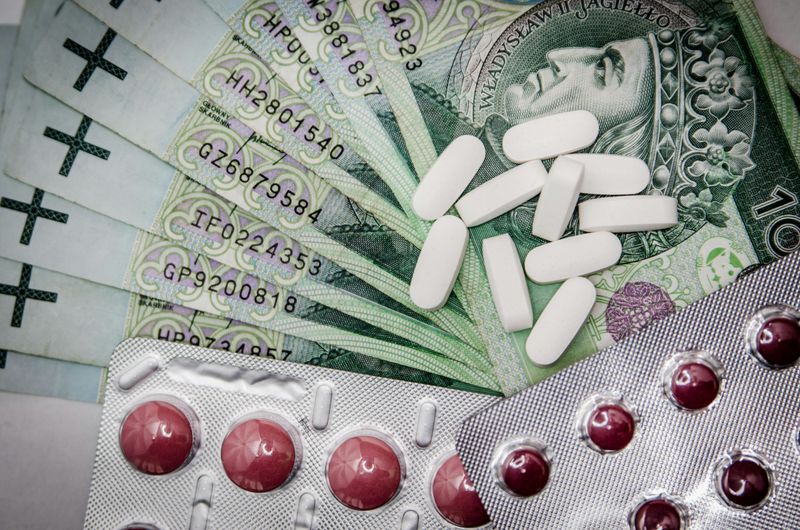
That little pill costs how much?
Name-brand medications can run hundreds or thousands of dollars per month, even though generic versions work exactly the same.
Pharmaceutical companies spend billions on research and development, then charge premium prices to recoup costs and make profits.
Patents protect their formulas for years, preventing cheaper competitors from entering the market.
Marketing directly to consumers and to doctors drives up expenses that get passed to patients.
Insurance negotiations and pharmacy benefit managers add complexity and cost.
Once patents expire, generic manufacturers can make identical drugs for a fraction of the price.
Always ask your doctor if a generic alternative exists—it could save you serious money with zero difference in effectiveness.
13. Organic Produce

Organic apples costing twice as much as regular ones?
The organic label comes with a hefty price premium that makes healthy eating expensive.
Growing organic crops requires more labor, different farming methods, and often results in lower yields.
Farmers can’t use synthetic pesticides or fertilizers, which means more hands-on management and potential crop losses.
Certification processes cost money, and organic farms typically operate on smaller scales without the efficiency of industrial agriculture.
Supply hasn’t caught up with demand yet, keeping prices elevated.
Marketing plays a role too, with ‘organic’ signaling premium quality whether or not the nutritional difference justifies the cost.
Buying conventional produce and washing it thoroughly works fine for most people’s budgets and health.