 MomSkoop

Building a wardrobe that actually works together can feel overwhelming, but it does not have to be. When your clothes share a common thread, getting dressed becomes faster, easier, and way more enjoyable.
A cohesive wardrobe is not about owning fewer things or following strict rules. It is about making smarter choices so that everything you own feels like it belongs together.
1. Color Palette
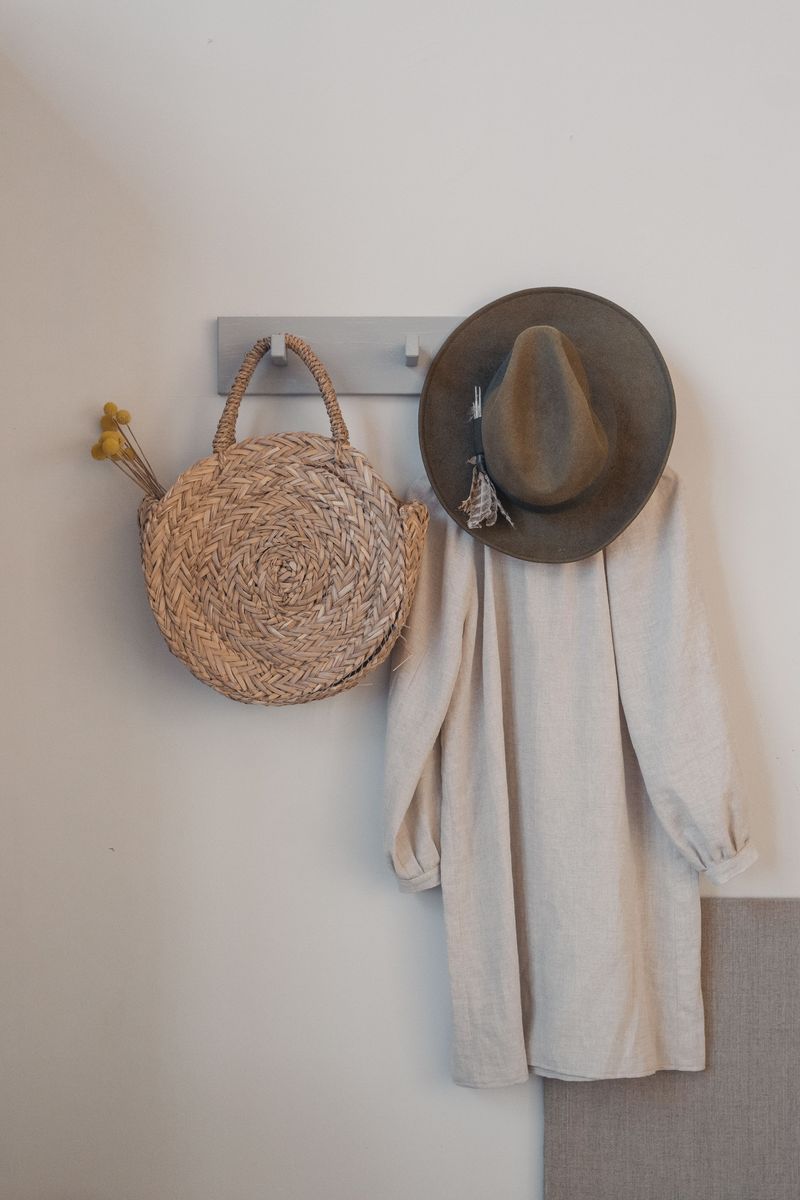
Your color palette is the backbone of a wardrobe that gets along with itself.
When you pick a core group of neutrals, like white, beige, gray, or navy, and then add two or three complementary accent colors, mixing and matching becomes almost effortless.
Think of it like a paint-by-number kit.
Each color has a place, and together they create a complete picture.
Sticking to a consistent palette means fewer “I have nothing to wear” moments, even with a smaller closet.
Start by looking at what you already own.
Notice which colors repeat naturally.
Those are likely your instinctive favorites, and they are a great foundation to build from.
2. Personal Style
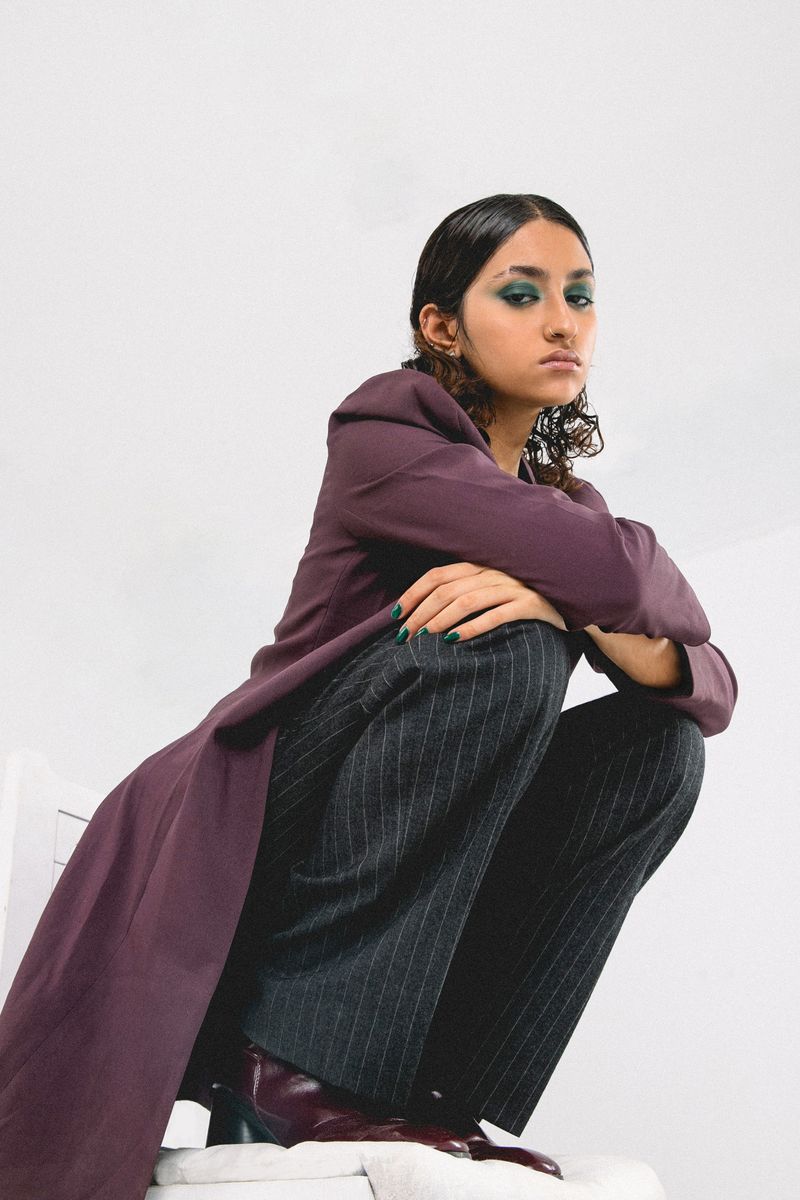
Knowing what you actually like to wear sounds simple, but many people skip this step entirely.
Personal style is not about following trends.
It is about identifying the silhouettes, aesthetics, and small details that consistently make you feel like yourself.
Maybe you always reach for oversized tops and straight-leg pants.
Maybe you love a structured blazer or a flowy midi skirt.
These repeating preferences are clues worth paying attention to.
Try scrolling through photos of yourself over the past year and notice what outfits made you feel confident.
Those looks are your style fingerprints.
Building around them means you will actually wear what you buy, rather than letting it collect dust.
3. Lifestyle Needs
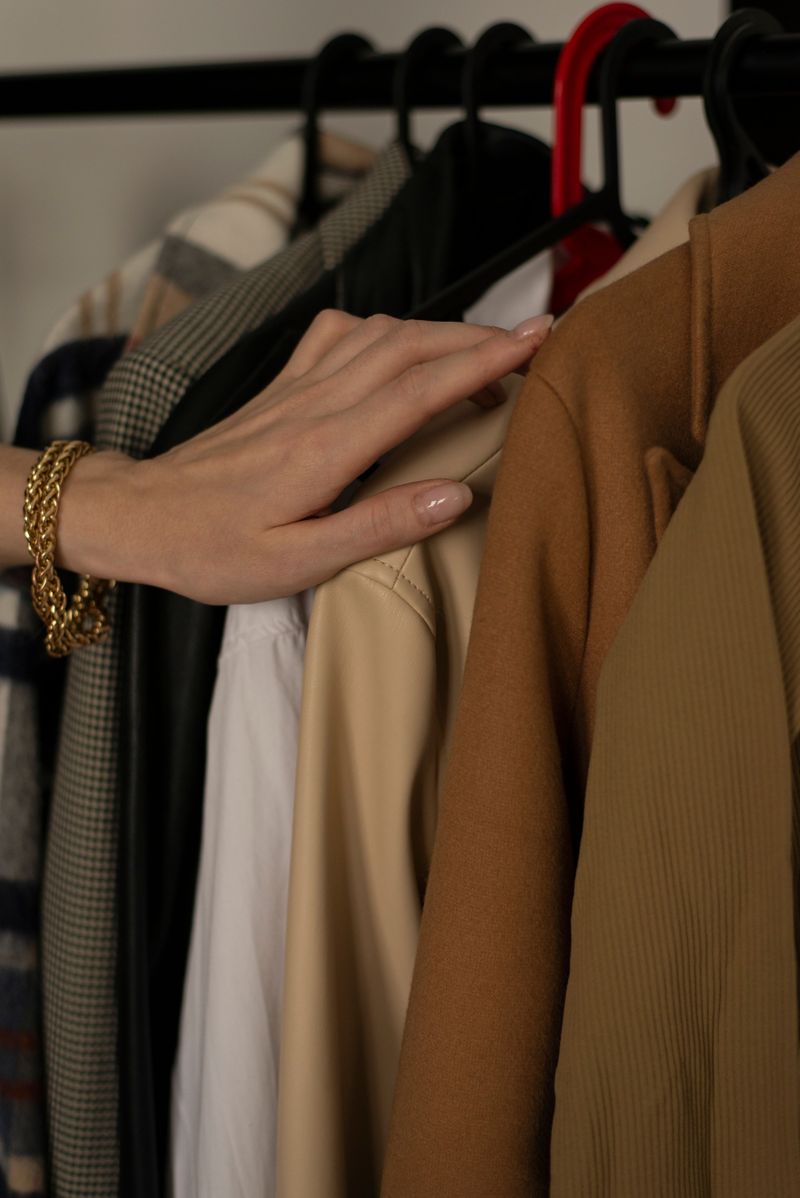
Your wardrobe should reflect your real life, not the life you wish you had.
If you work from home five days a week, a closet full of blazers and dress shoes will not serve you well.
Building around what you actually do makes your clothes feel useful instead of aspirational.
Think about your typical week.
How many days do you need work-appropriate outfits?
How often do you go out in the evenings or travel?
These answers shape which categories deserve the most space in your closet.
A lifestyle-focused wardrobe feels intentional and practical.
Every piece earns its place because it fits your actual schedule, not just an imagined version of your day-to-day routine.
4. Fit
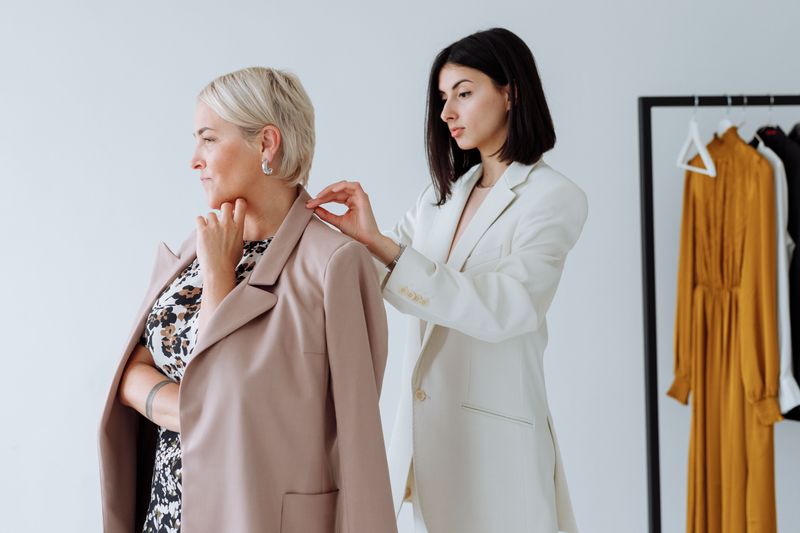
Fit is probably the single most important factor in whether an outfit looks polished or sloppy.
A well-fitting piece in a basic fabric will almost always look better than an expensive garment that does not sit right on your body.
One of the sneakiest wardrobe mistakes is holding onto clothes that fit “someday.” Aspirational sizing fills your closet with items you never wear, which makes getting dressed frustrating.
Prioritizing clothes that fit your body right now shows self-respect and saves time every morning.
Remember, tailoring is an option.
A simple hem or taken-in seam can transform a near-perfect piece into one that feels made for you.
Small adjustments make a surprisingly big difference.
5. Proportions
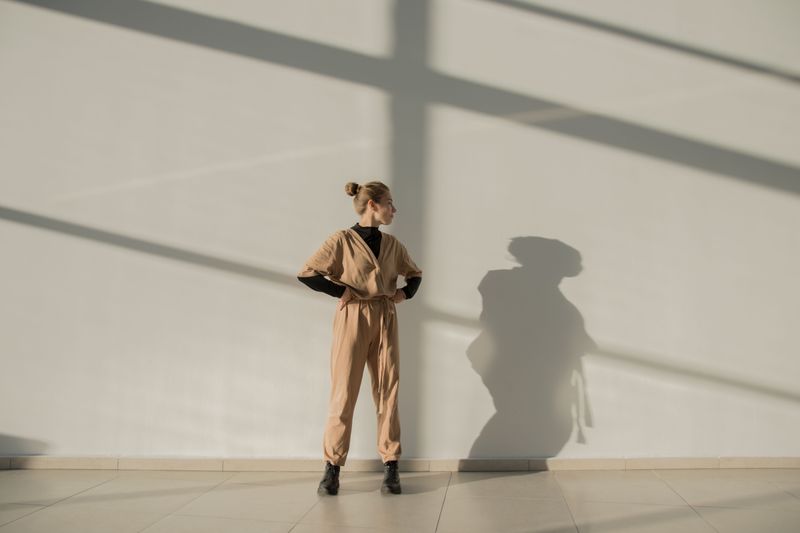
Proportion is the art of balancing how different pieces relate to each other visually.
When your tops, bottoms, jackets, and shoes work together in terms of volume and length, outfits look intentional and put-together without much effort.
For example, a voluminous top often pairs best with something more fitted on the bottom.
A cropped jacket tends to look sharp over high-waisted trousers.
These are not rigid rules, but helpful guidelines that make outfit-building much more intuitive.
Paying attention to proportion also helps you shop smarter.
Before buying a new piece, consider how its shape and length will interact with what you already own.
A good proportion match expands your outfit options significantly.
6. Versatility
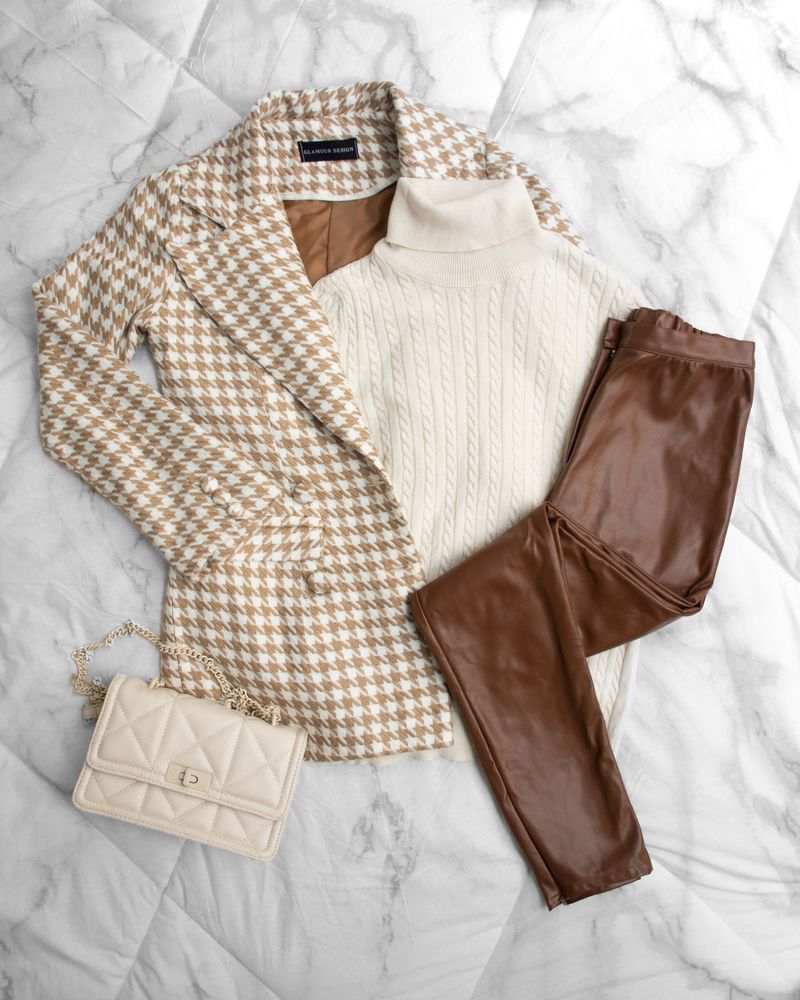
Versatility might be the most underrated quality in clothing.
A piece that can be styled multiple ways earns far more value than something worn once or twice before getting pushed to the back of the closet.
When shopping, a helpful habit is asking yourself how many outfits you can build around a new item using clothes you already own.
If you can picture at least three distinct looks, it is a strong candidate.
If you can only imagine one, think twice before buying.
Capsule wardrobe enthusiasts have known this secret for years.
Fewer, more flexible pieces create more outfit possibilities than a stuffed closet full of one-trick items.
Versatility is what makes a wardrobe feel genuinely abundant.
7. Fabric and Texture
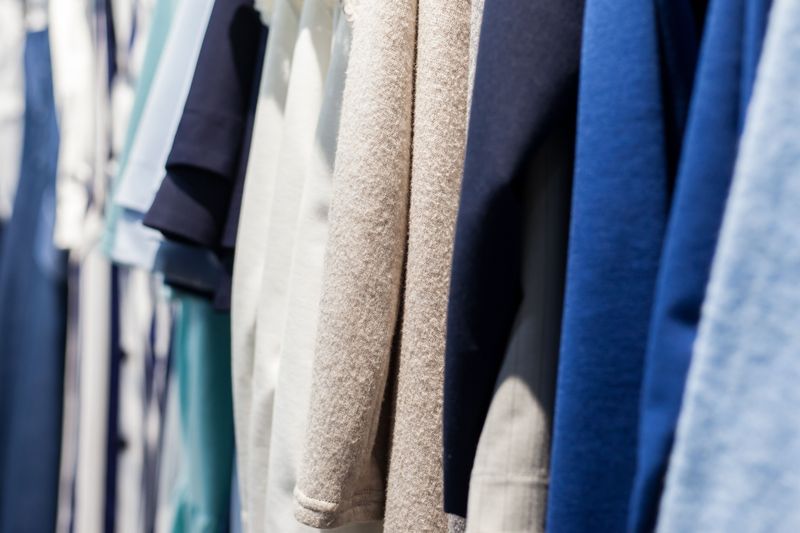
Fabric choices affect how an outfit looks, feels, and holds up over time.
Mixing compatible materials while adding enough texture creates visual depth that makes even simple outfits look more interesting and considered.
A chunky knit sweater paired with smooth tailored trousers is a classic example of texture done right.
The contrast keeps the eye engaged without looking chaotic.
Similarly, linen and denim share a casual, relaxed quality that makes them natural companions.
It is also worth thinking about fabric quality.
Natural fibers like cotton, wool, and linen tend to wear better and look more elevated than synthetic blends.
Investing in quality fabrics, even in basic pieces, raises the overall feel of your entire wardrobe.
8. Layering Potential
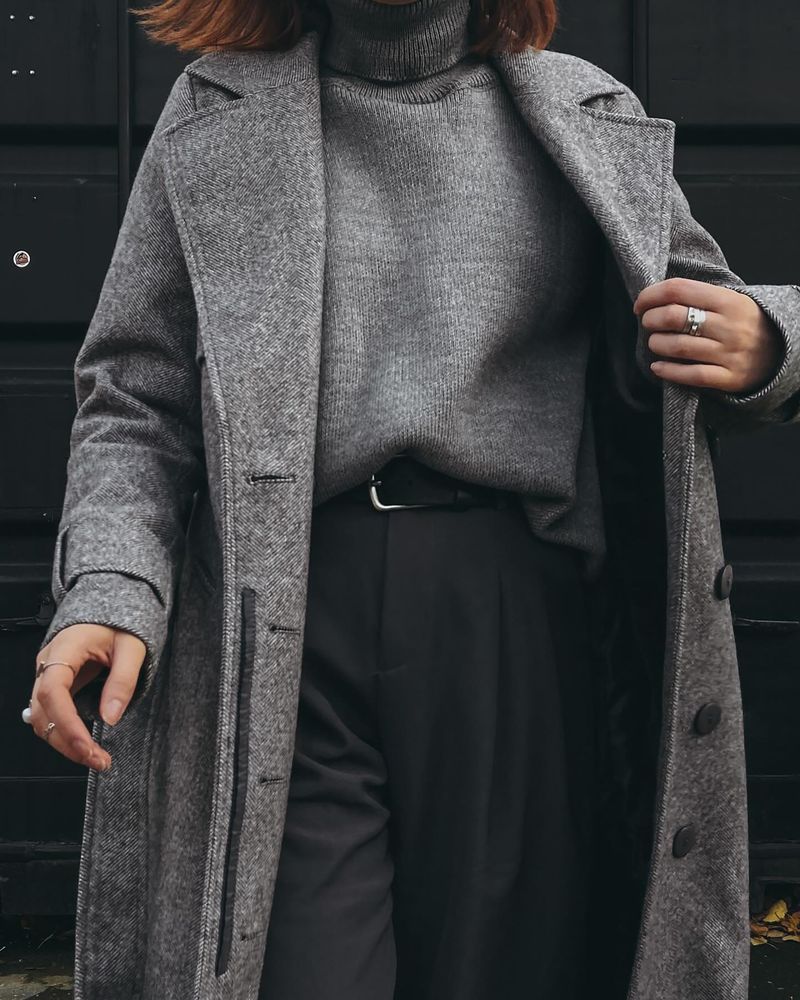
Layering is what makes a wardrobe truly work across seasons.
When key pieces can be combined comfortably and look intentional together, you get far more mileage out of every item you own throughout the year.
A fitted turtleneck worn under a blazer, a lightweight cardigan layered over a slip dress, or a longline coat thrown over a casual weekend look can all extend your wardrobe into colder months without requiring a complete closet overhaul.
The trick is making sure your pieces actually fit together when layered.
A bulky sweater under a structured jacket can look lumpy rather than stylish.
Choosing pieces with layering in mind from the start saves a lot of guesswork later on.
9. Shoes
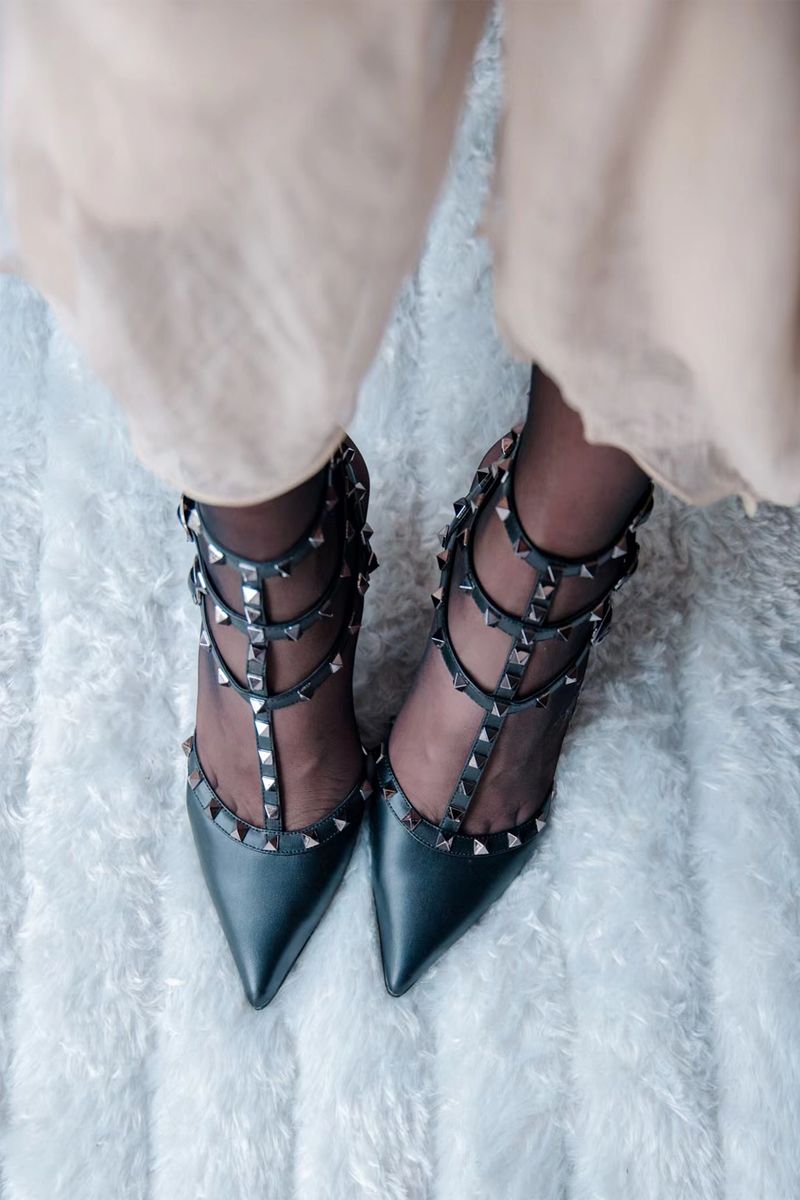
Shoes can make or break an outfit, yet they are often treated as an afterthought.
Choosing footwear that connects naturally with the silhouettes and formality level of your clothes creates a more polished and cohesive overall look.
Think about the styles you wear most.
If your wardrobe leans casual, a collection heavy on formal heels will feel out of sync.
Conversely, if you often dress up, sneakers might not carry the outfit across the finish line the way you want.
A practical starting point is owning one strong option in each category: casual, smart-casual, and formal.
From there, you can build based on gaps.
Quality over quantity applies to shoes perhaps more than any other wardrobe category.
10. Outerwear

Here is something many people overlook: your coat or jacket is part of your outfit, not just a practical shield against the weather.
Outerwear is often the first and last thing people see, which makes it a powerful style statement.
When your outerwear clashes with the rest of your wardrobe in color, formality, or vibe, the whole look can feel disjointed.
A sleek camel coat looks sharp over tailored separates but can feel mismatched with very casual or streetwear-inspired pieces.
Treating outerwear as a wardrobe investment pays off quickly.
One or two well-chosen coats that work with the majority of your clothes will always outperform a pile of jackets that each only work with one specific outfit.
11. Accessories
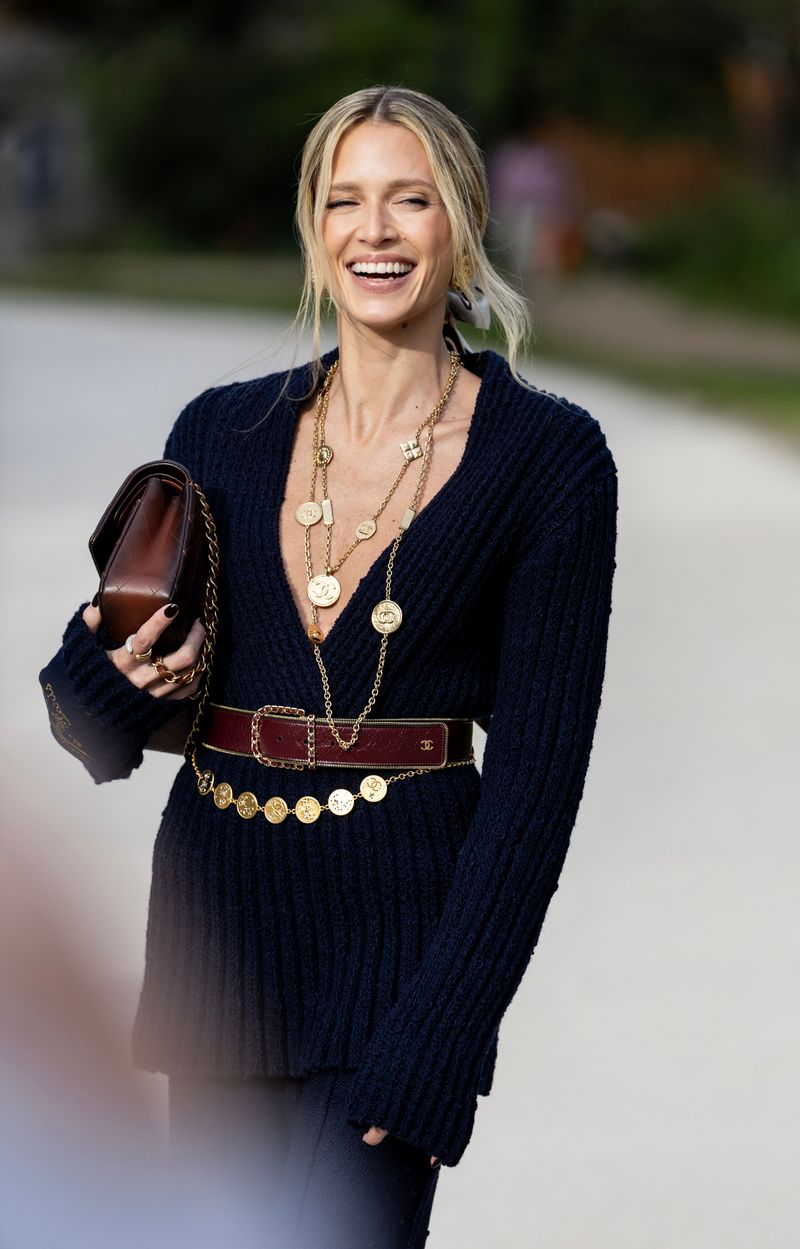
Accessories are one of the easiest ways to create consistency across a wardrobe.
When your jewelry, belts, bags, and scarves share a common finish or color family, they pull even simple outfits together into something that looks curated.
For example, sticking to gold-toned jewelry across the board creates a visual thread that ties different outfits together.
Similarly, choosing bags in neutral leather tones means they work with nearly everything you already own without clashing.
You do not need a massive accessory collection to make this work.
A small, well-chosen group of pieces that complement your color palette and personal aesthetic will do far more for your wardrobe than a drawer full of mismatched extras collecting dust.
12. Duplicates and Gaps
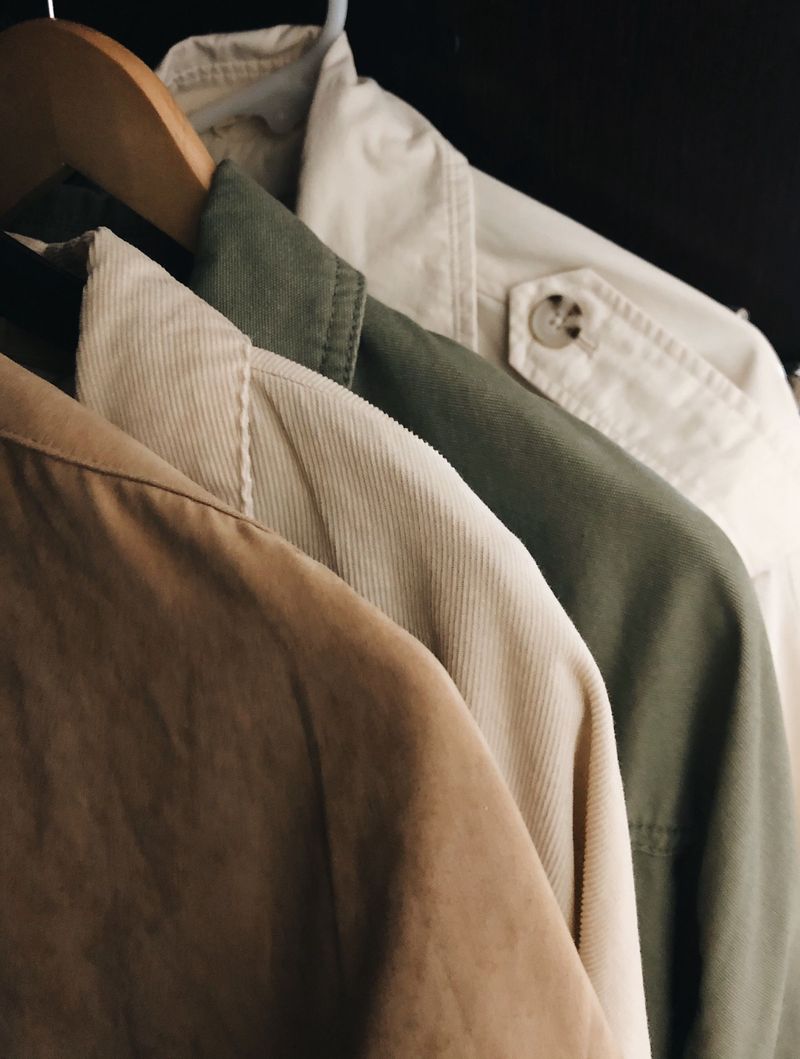
Most people are surprised when they realize they own seven similar striped tops but not a single reliable pair of black trousers.
Duplicates and gaps are incredibly common wardrobe problems, and spotting them is the first step toward fixing them.
Duplicates happen when you keep buying what you already love without noticing.
Gaps appear when you consistently feel like something is missing for certain occasions or outfit combinations.
Both issues quietly undermine a cohesive wardrobe.
A simple closet audit can reveal both patterns fast.
Lay everything out by category and you will quickly see where things pile up and where shelves sit empty.
From there, you can shop with real purpose rather than just impulse or habit.
13. Outfit Compatibility

Before anything new comes into your wardrobe, there is one question worth asking every single time: Can I make at least three outfits with pieces I already own?
It sounds simple, but this habit alone can dramatically reduce impulse purchases and wardrobe clutter.
Outfit compatibility is what separates a functional wardrobe from a chaotic one.
A beautiful piece that only works with one specific thing you own is not nearly as valuable as a slightly plainer piece that works with ten different items.
Thinking this way shifts your focus from individual pieces to the wardrobe as a whole system.
Over time, every new addition strengthens the collection rather than complicating it, and getting dressed starts to feel genuinely easy and even fun.