 MomSkoop
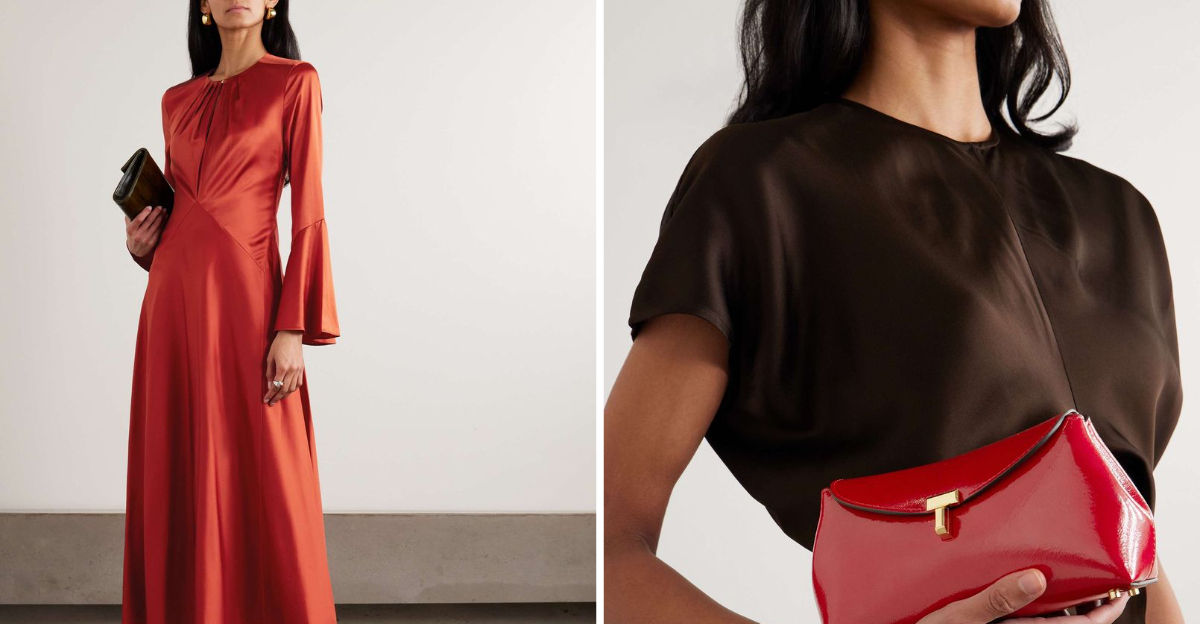
Winter weddings bring a special kind of magic, but they also come with a unique challenge: staying warm while looking your absolute best. Finding the perfect outfit means balancing style, comfort, and the formality of the event.
Whether you’re heading to a snowy countryside ceremony or an elegant city celebration, the right choices can help you feel confident and cozy all night long.
1. A Long-Sleeve Midi or Maxi Dress
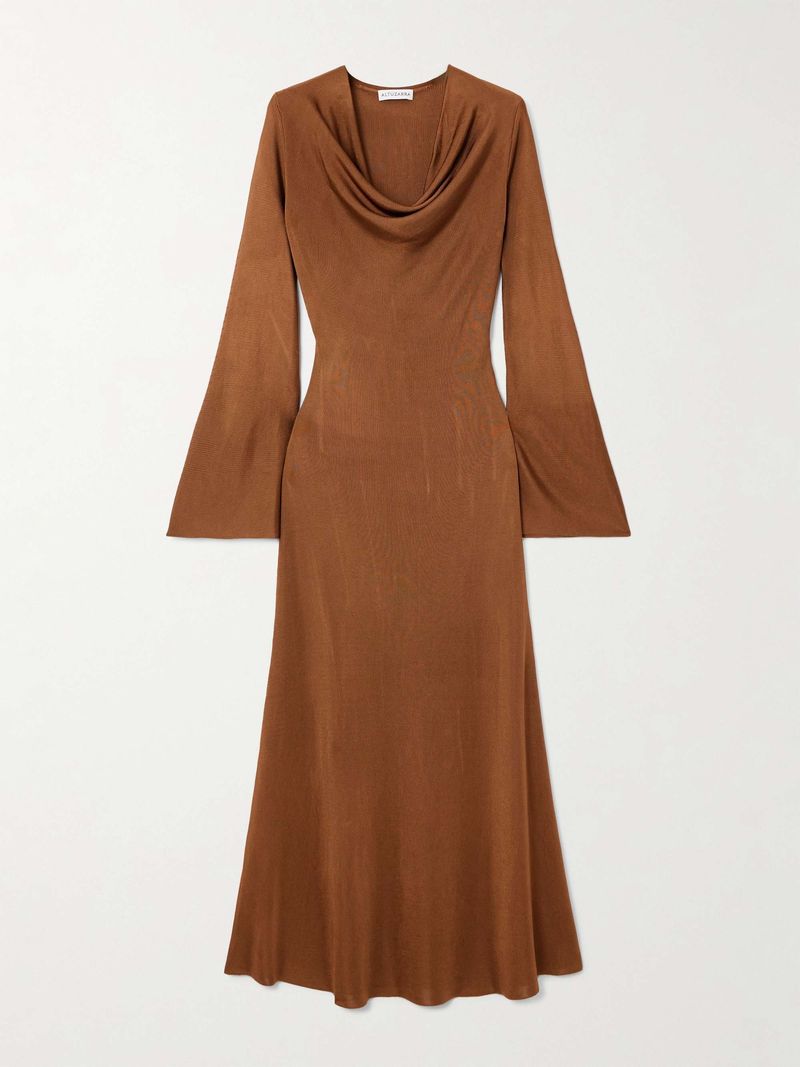
Choosing a dress with long sleeves instantly solves the coverage dilemma without sacrificing elegance.
Midi and maxi lengths provide extra warmth for your legs while creating a polished, sophisticated silhouette that photographs beautifully.
Heavier fabrics like crepe, ponte knit, or wool blends work particularly well for winter events.
The beauty of this style is that it stands alone without requiring constant layering.
You can move freely between indoor and outdoor spaces without worrying about losing a wrap or shawl.
Plus, longer sleeves allow you to skip bulky outerwear during the ceremony itself, keeping your look streamlined and graceful throughout the celebration.
2. Velvet Attire
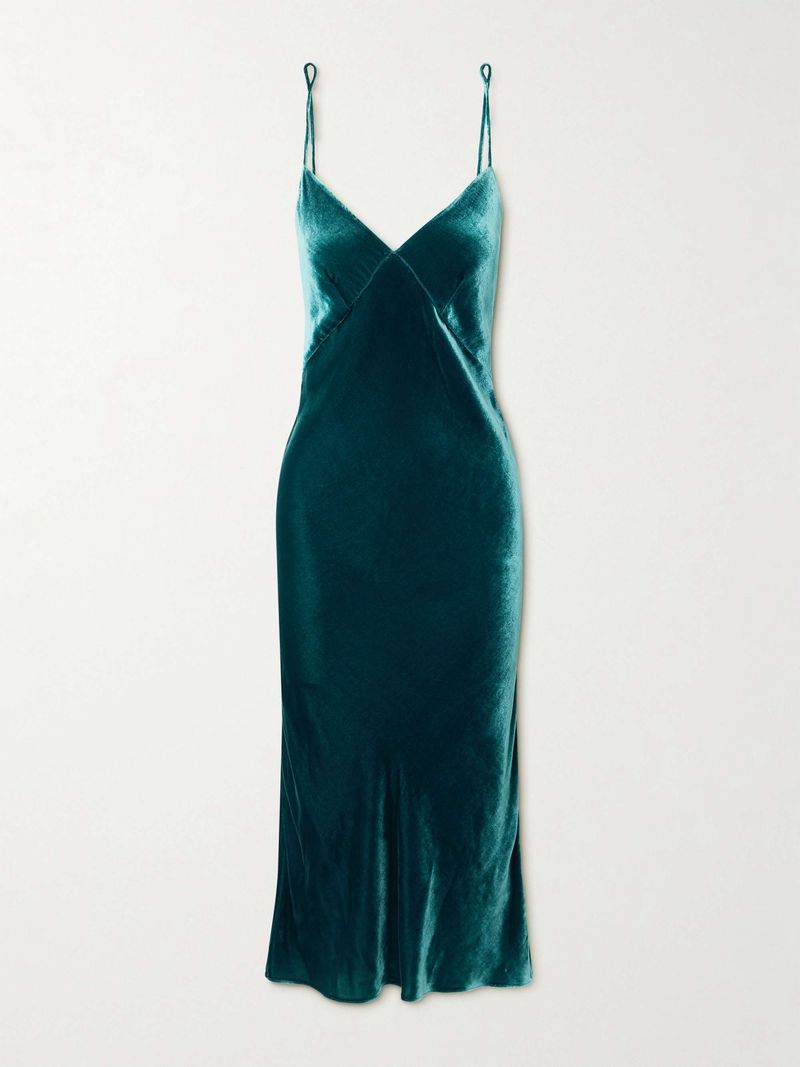
Velvet has made a major comeback, and winter weddings are the perfect occasion to embrace this luxurious fabric.
The texture catches light in the most flattering way, creating depth and visual interest in photos.
Beyond its beauty, velvet naturally holds warmth close to your body without feeling heavy or restrictive.
Whether you choose a dress, suit, or separates, velvet instantly signals that you understand seasonal dressing.
Rich jewel tones like emerald, sapphire, or ruby look especially stunning in this material.
The fabric drapes beautifully and maintains its shape throughout the evening, so you’ll look just as polished during the last dance as you did during cocktail hour.
3. A Tailored Wool or Cashmere Coat
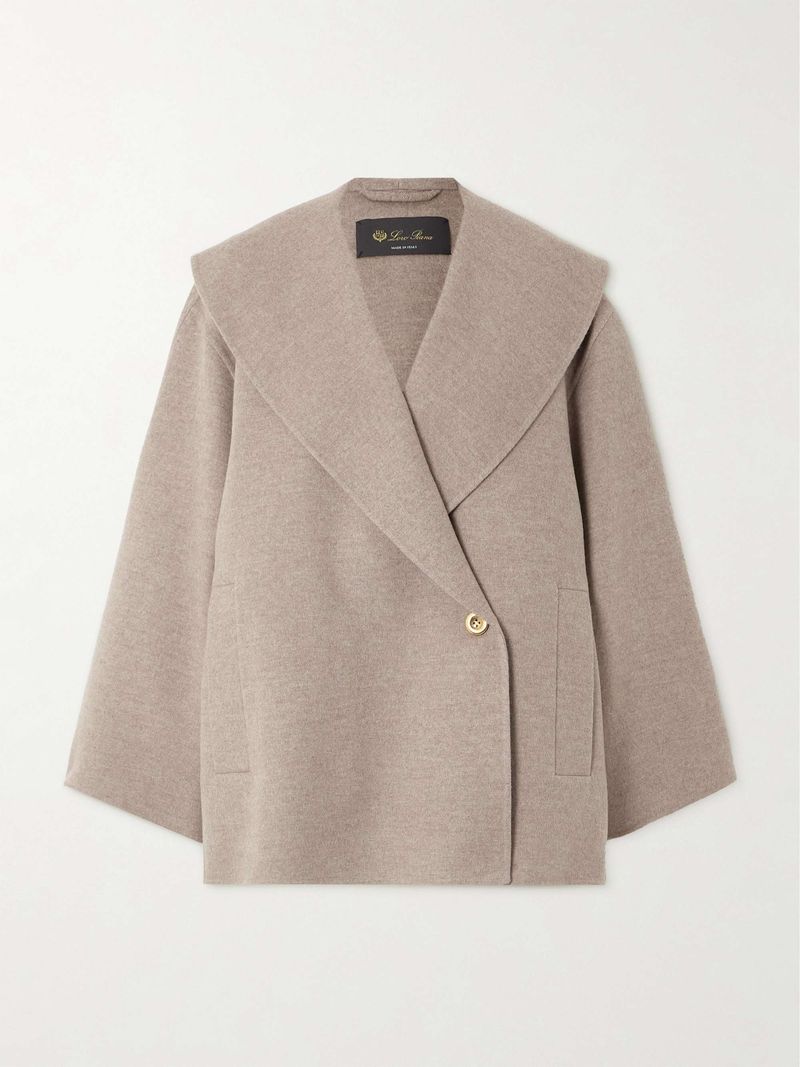
Your outerwear deserves just as much attention as your dress, especially when guests will see you arrive and depart.
A structured wool or cashmere coat in a neutral shade like camel, charcoal, or navy elevates your entire ensemble.
Knee-length or longer styles provide maximum coverage and warmth during those chilly moments outside.
Unlike puffer jackets or casual parkas, a tailored coat maintains the formality of the occasion.
Look for classic details like notched lapels, a belted waist, or subtle buttons that add refinement.
This investment piece works for multiple winter events, making it a smart addition to your wardrobe beyond just one wedding.
4. Dressy Tights or Sheer Thermal Hosiery
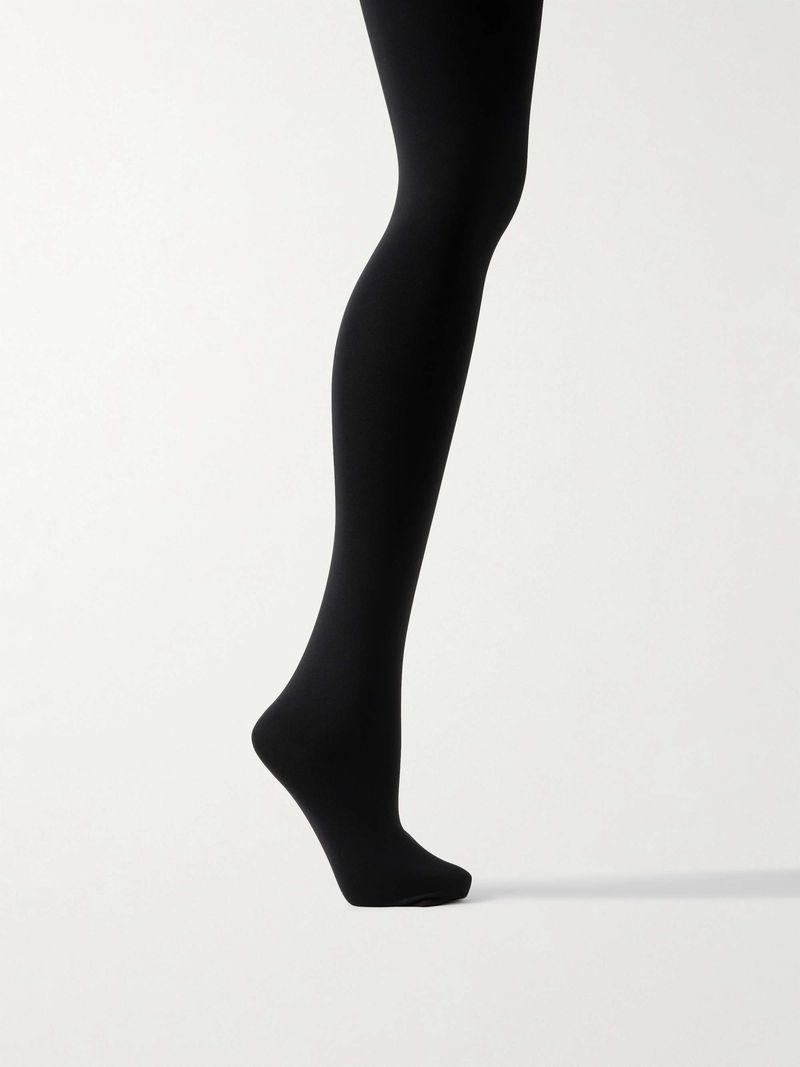
Never underestimate the power of quality hosiery when temperatures drop.
Modern thermal tights come in surprisingly sheer varieties that add warmth without the bulky appearance of traditional winter legwear.
They create a smooth, polished line under your dress while providing essential insulation against cold venues.
Black remains the most versatile choice, but nude or tonal options can also work beautifully depending on your outfit.
Some brands now offer fleece-lined versions that look completely sheer from the outside.
This small addition makes a huge difference in your comfort level, allowing you to actually enjoy the celebration instead of shivering through dinner and dancing.
5. Closed-Toe Heels or Elegant Boots
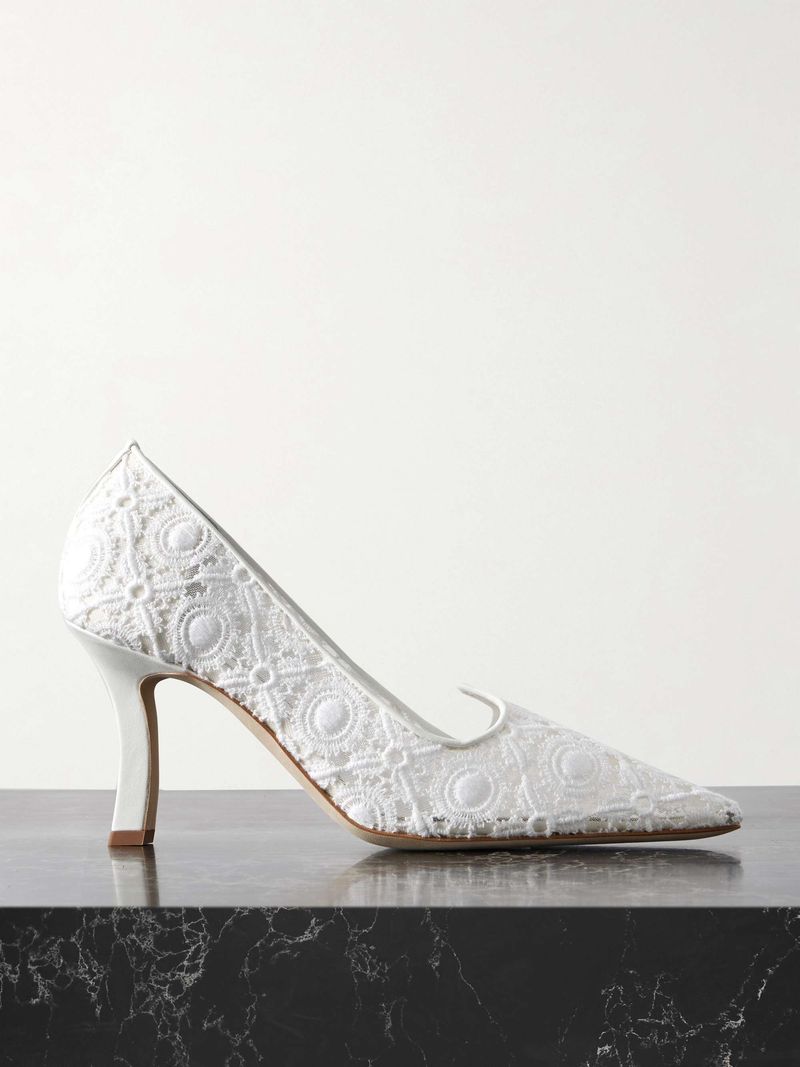
Open-toed sandals simply don’t make sense when snow might be on the ground.
Closed-toe pumps with a thicker sole provide stability and warmth while maintaining a dressy appearance.
Elegant ankle boots have become increasingly acceptable at weddings, especially for winter events where practicality matters.
Look for boots in leather, suede, or velvet with a refined heel height that you can comfortably wear for hours.
Pointed or almond toes create a more formal silhouette than round styles.
The right footwear protects your feet from cold floors and outdoor elements while complementing your overall look, proving that function and fashion can absolutely coexist beautifully.
6. A Statement Wrap, Shawl, or Pashmina
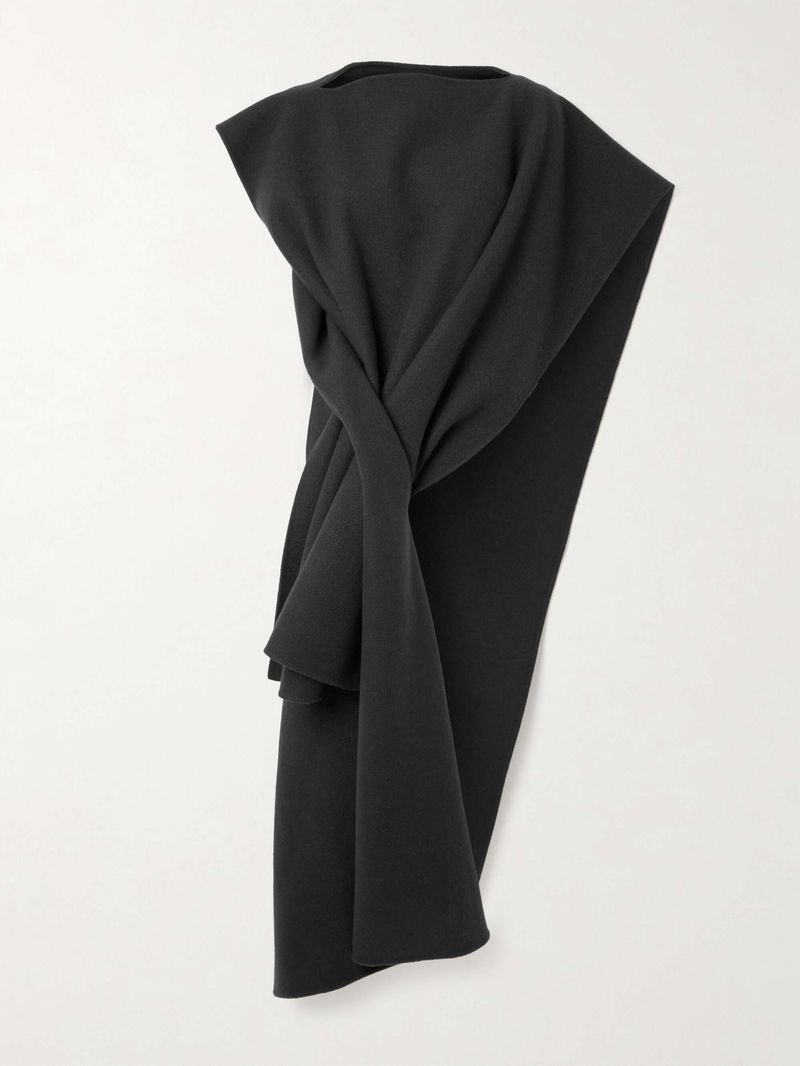
Many winter wedding ceremonies take place in churches or historic venues that can feel quite drafty.
A beautiful wrap serves both practical and aesthetic purposes, adding a layer of sophistication to your ensemble.
Cashmere, silk, or faux fur options provide varying degrees of warmth depending on the venue.
The versatility of a wrap means you can wear it during the ceremony and then drape it over your chair during dinner.
Metallic or jewel-toned shawls can even act as statement accessories that enhance your outfit.
Unlike a coat, which you’ll need to check, a wrap stays with you throughout the event, ready whenever you need that extra layer of warmth.
7. A Formal Jumpsuit
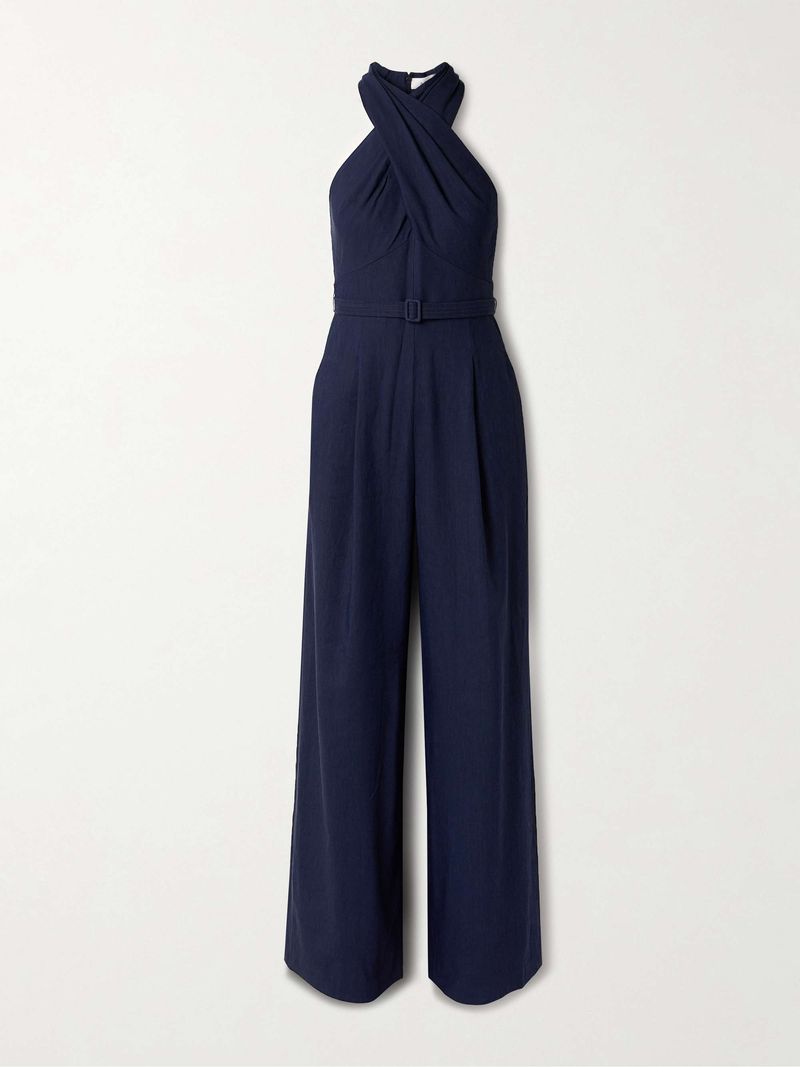
For those who prefer an alternative to dresses, a well-tailored jumpsuit offers modern sophistication with built-in warmth.
The full coverage of pants naturally provides more insulation than bare legs under a dress.
Choose styles in substantial fabrics like crepe, satin-backed wool, or velvet to signal formality and seasonal awareness.
Wide-leg silhouettes photograph beautifully and create an elegant, flowing movement as you walk.
Jumpsuits work particularly well for cocktail attire or less traditional celebrations where you want to make a fashion-forward statement.
The streamlined silhouette eliminates the need for constant adjustments, letting you dance and mingle with complete confidence and comfort throughout the entire evening.
8. Layered Tailoring (Blazer or Structured Jacket)
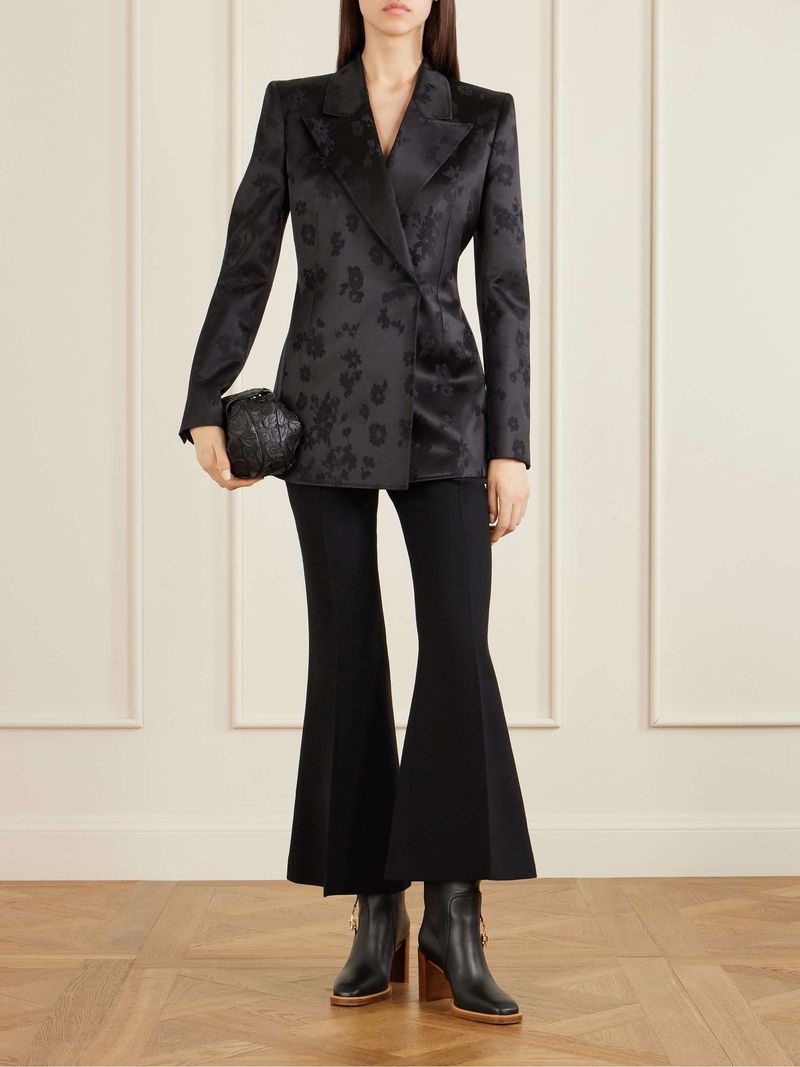
Structured blazers bring an unexpected level of polish to wedding attire, especially for city or cocktail celebrations.
A cropped jacket in a luxe fabric can be worn over a dress or paired with separates for a coordinated look.
This layering approach gives you flexibility as you move between different temperature zones throughout the venue.
Velvet, brocade, or embellished blazers add formality beyond what a standard suit jacket provides.
The tailored silhouette creates clean lines that photograph exceptionally well.
You can remove the jacket during dinner or dancing if you get warm, revealing a beautiful camisole or dress underneath while still maintaining an intentionally styled appearance from start to finish.
9. Luxe Fabrics like Satin, Brocade, or Jacquard
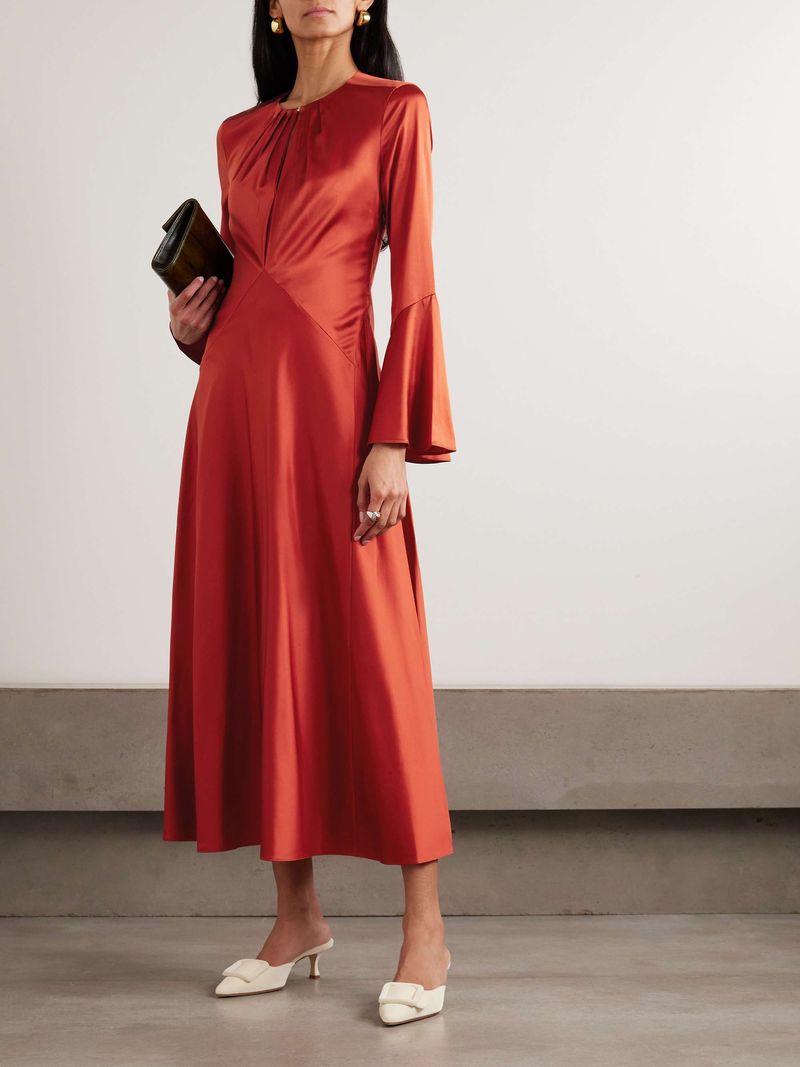
Fabric choice matters just as much as silhouette when dressing for winter celebrations.
Heavier, more substantial materials naturally feel more appropriate than lightweight summer fabrics like chiffon or cotton.
Satin has a beautiful sheen that catches candlelight and creates flattering photos.
Brocade and jacquard feature woven patterns that add visual texture and depth to solid-colored garments.
These fabrics inherently communicate formality and seasonal awareness without requiring extra embellishment.
They also tend to hold their shape better throughout a long evening of sitting, eating, and dancing, ensuring you look as put-together at midnight as you did during the ceremony processional.
10. Dressy Gloves for Outdoor Moments
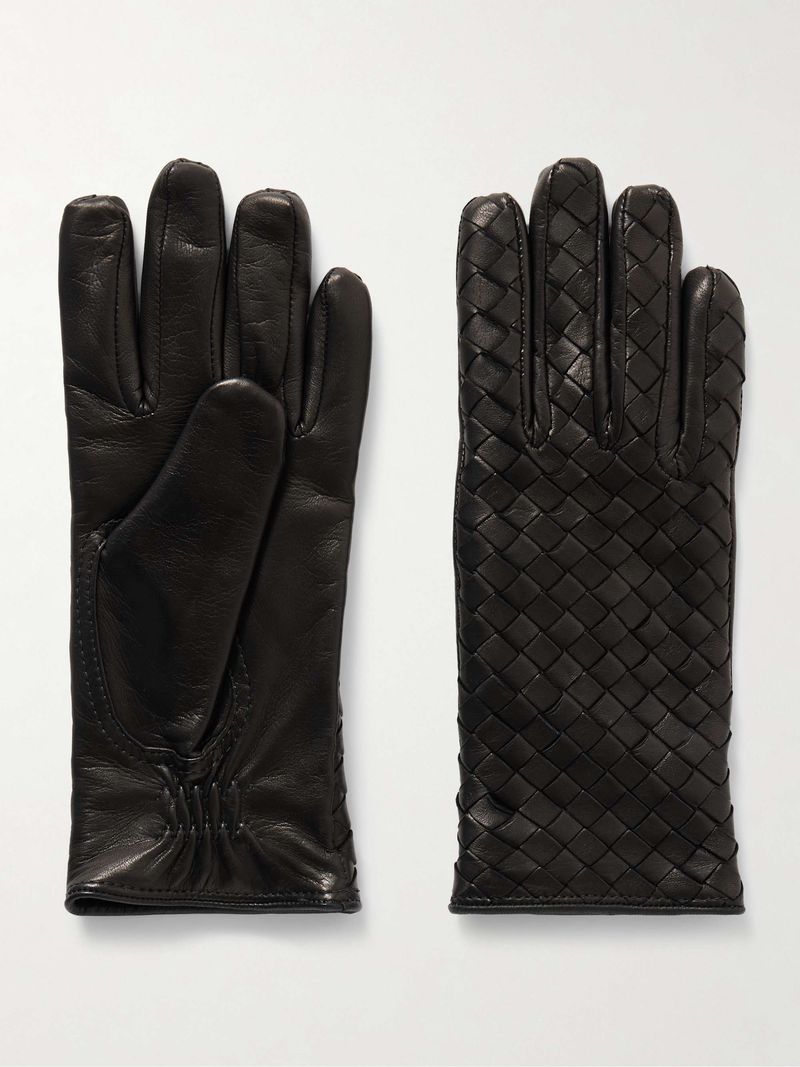
Outdoor photos, arrivals, and departures can leave your hands uncomfortably cold without proper protection.
Leather or fine wool gloves in a polished style bridge the gap between practicality and refinement.
Look for options in classic colors like black, burgundy, or gray that coordinate with most outfits.
Shorter wrist-length styles work well with most sleeve lengths, while opera-length gloves suit very formal occasions.
Some gloves now feature touchscreen-compatible fingertips, letting you check your phone or take photos without removing them.
This small accessory shows thoughtful attention to detail and helps you navigate winter weather with grace, proving that preparedness can absolutely be elegant and stylish.
11. A Floor-Length Gown for Formal or Black-Tie Weddings
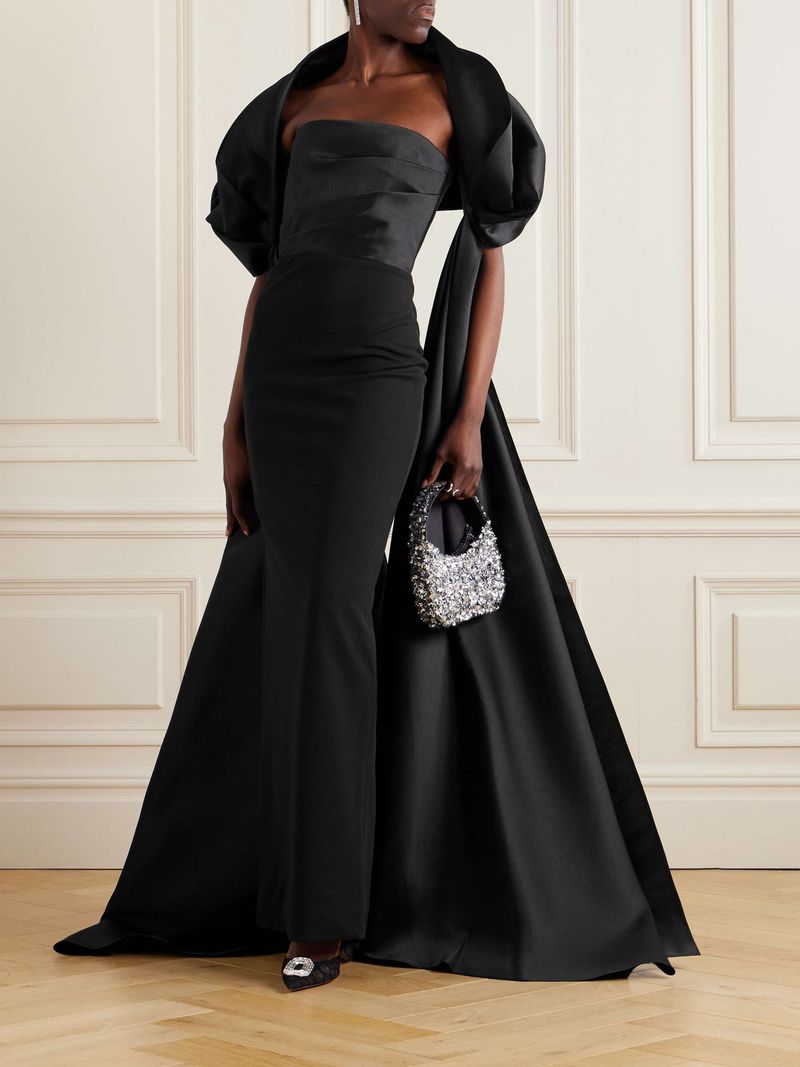
Black-tie winter weddings call for the full glamour of a floor-length gown.
The longer hemline naturally retains more body heat than shorter styles while creating a dramatic, formal presence.
Winter’s inherently elegant aesthetic pairs perfectly with the sophistication of a full-length dress.
Choose rich colors like burgundy, forest green, or midnight blue that feel seasonally appropriate.
Fabrics with some weight, like silk charmeuse or structured satin, drape beautifully at this length.
A floor-length gown also eliminates concerns about hosiery showing or legs getting cold, providing comprehensive coverage that lets you focus entirely on enjoying this special, once-in-a-lifetime celebration with confidence.
12. Jewelry with Depth and Texture
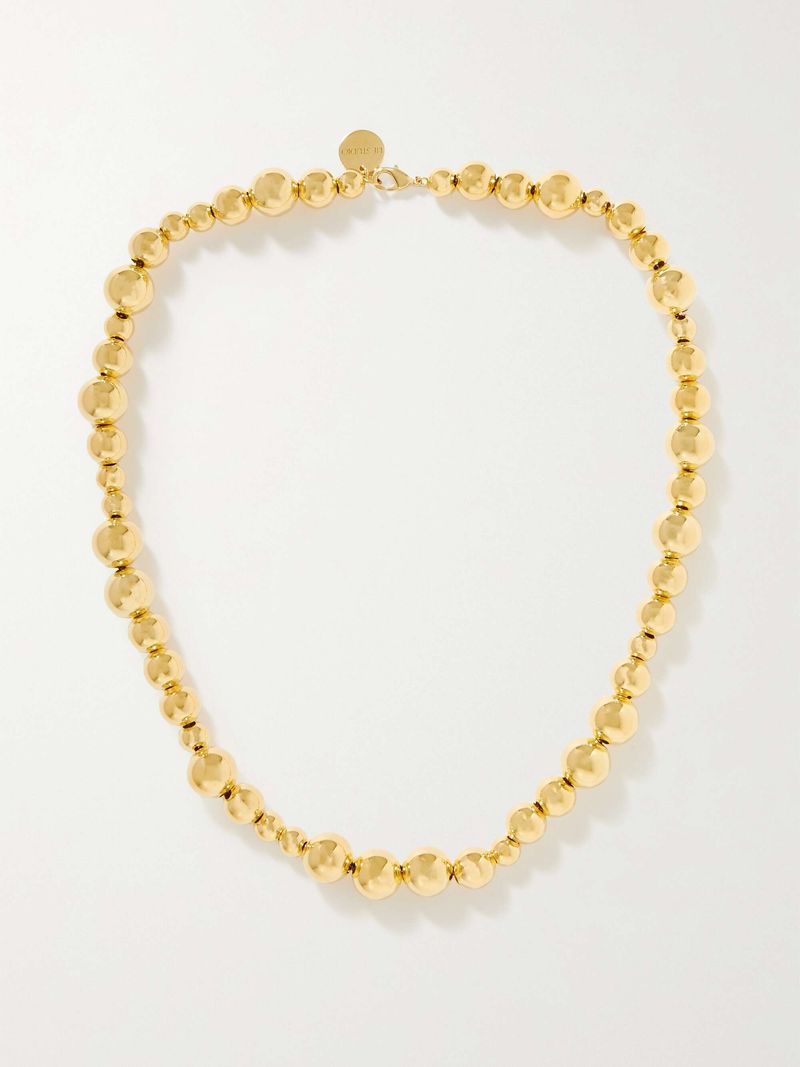
Winter weddings provide the perfect backdrop for richer, more substantial jewelry choices.
Gold tones complement the warm candlelight and deep color palettes typical of cold-weather celebrations.
Pearls add classic elegance while gemstones like emeralds, rubies, or sapphires echo winter’s jewel-tone aesthetic.
Textured pieces with dimension photograph better than flat, delicate jewelry against heavier fabrics.
Consider how your accessories will look against velvet, satin, or wool rather than lightweight summer materials.
Statement earrings or a bold bracelet can elevate even a simple dress, while layered necklaces add interest to higher necklines that are common in winter formal wear and cold-weather appropriate styles.
13. Weather-Appropriate Accessories (Clutch, Footwear, Outerwear Coordination)
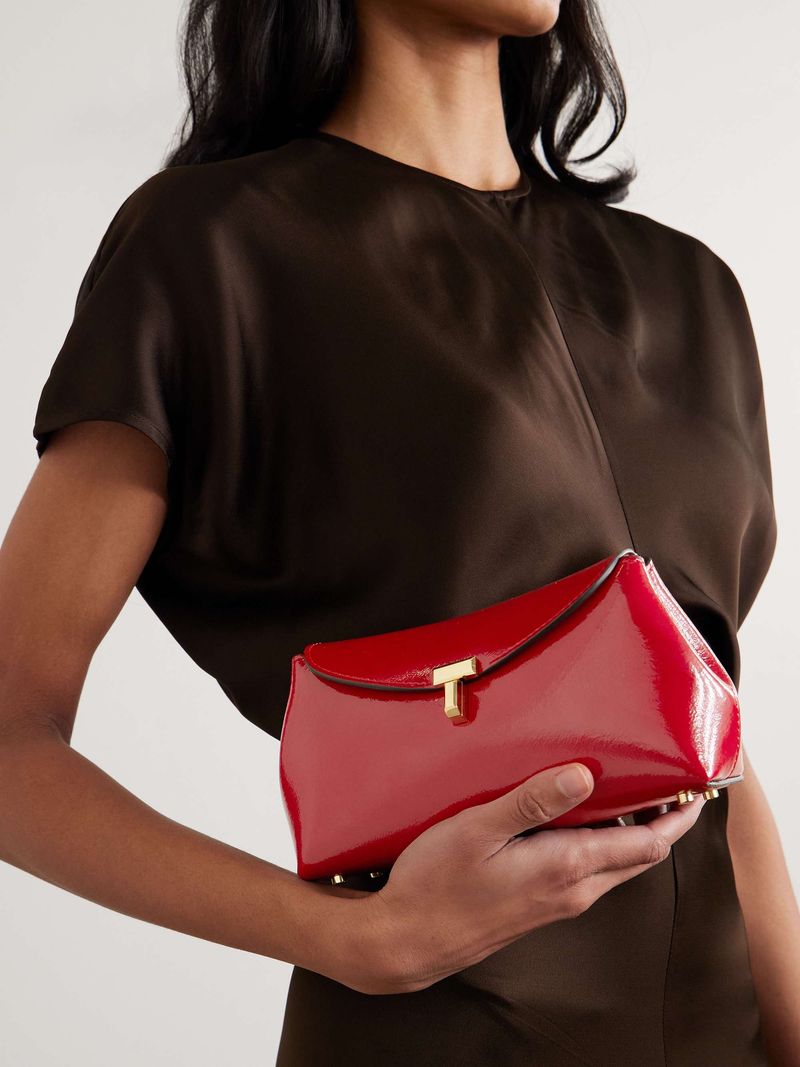
The final layer of your wedding guest outfit involves coordinating all your accessories with weather conditions in mind.
Choose a structured clutch in leather or velvet that can handle light moisture without damage.
Your footwear, outerwear, and handbag should work together as a cohesive unit rather than appearing thrown together.
Consider the venue’s specific challenges—will you be walking across snowy parking lots or standing outside for photos?
Matching your accessory metals and color families creates a polished, intentional appearance.
This thoughtful coordination demonstrates respect for both the celebration and the season, ensuring you look appropriately dressed while remaining comfortable regardless of what winter weather decides to bring.