 MomSkoop
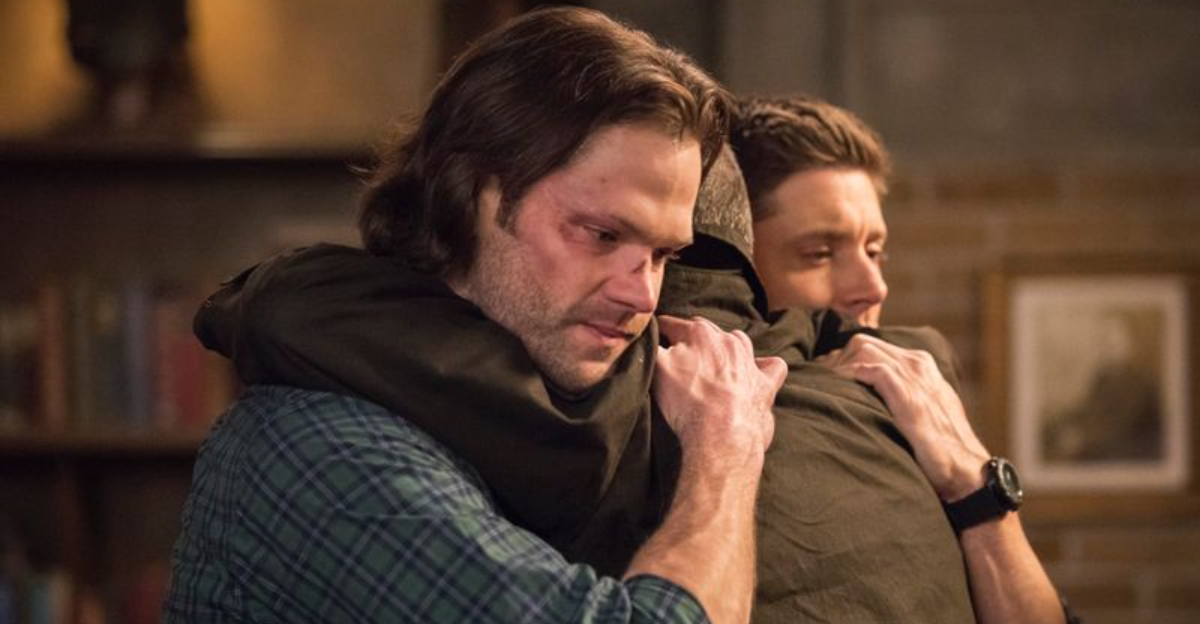
Some TV shows do more than entertain — they spark entire communities of passionate, creative, and deeply devoted fans. From writing fan fiction to organizing massive conventions, fans have turned their favorite shows into living, breathing cultures.
The shows on this list didn’t just attract audiences; they changed the way people connect, create, and celebrate the stories they love. Get ready to revisit the series that rewrote the rulebook on what it means to be a fan.
1. Star Trek (1966–1969)
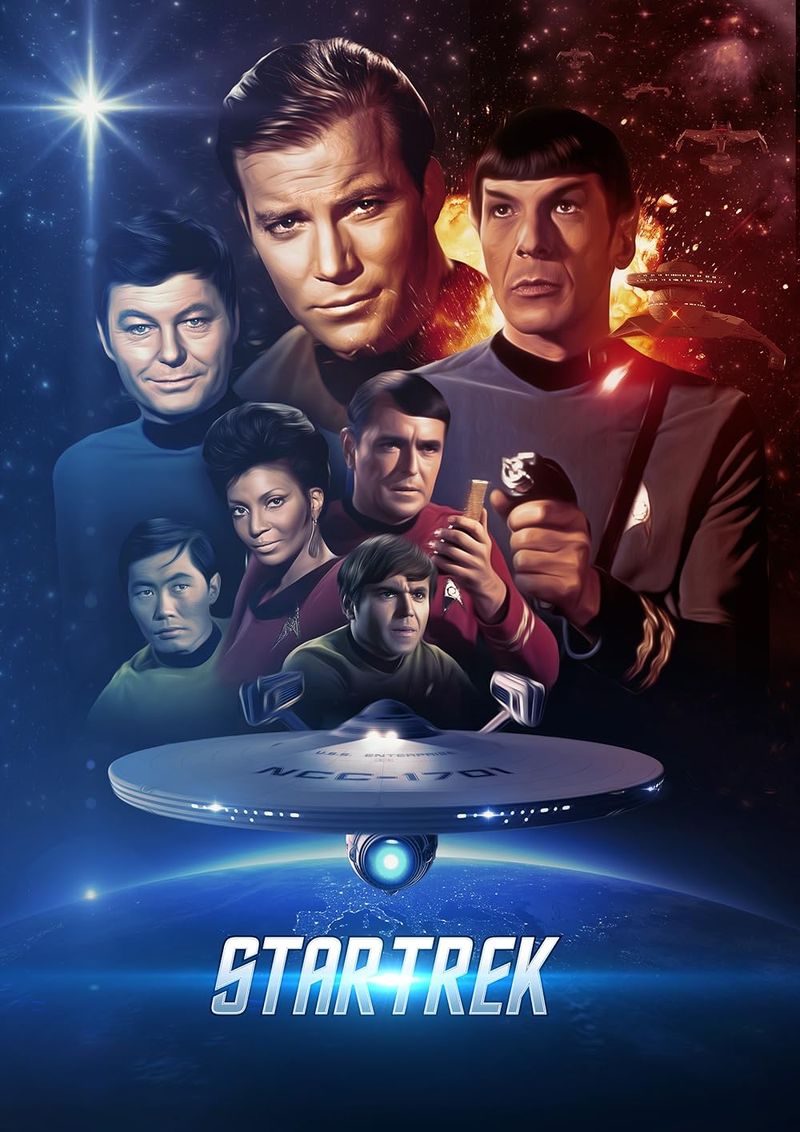
Before the internet, before Comic-Con, before hashtags — Star Trek fans built something extraordinary from scratch.
When NBC threatened to cancel the show in 1967, fans launched a massive letter-writing campaign that saved it.
That single act proved fans had real power.
Star Trek gave birth to organized fandom as we know it today.
Fans created handwritten zines, attended the very first sci-fi conventions, and wrote original stories featuring Kirk and Spock.
These weren’t casual viewers — they were builders of a whole new culture.
The blueprint they created still shapes every fandom today.
No Star Trek, no modern fan culture.
It really is that simple.
2. Doctor Who (1963– )
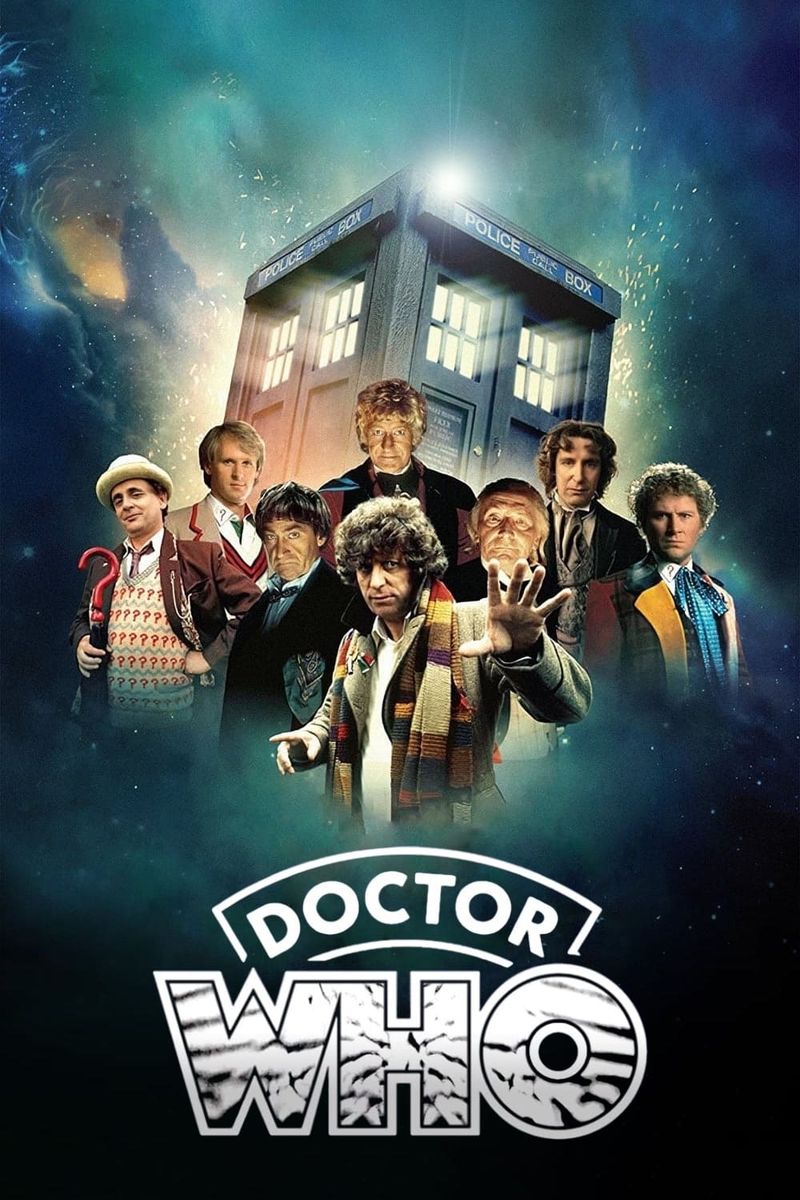
Running since 1963, Doctor Who holds a rare distinction — it has sustained passionate, organized fandom longer than almost any other show in television history.
Early fan clubs formed in the 1970s, obsessively cataloguing every episode, alien, and plot detail.
That obsession with continuity and lore wasn’t just nerdy enthusiasm — it actually helped shape how fandoms function.
Fans became the keepers of the show’s history, especially during the years it was off the air.
Doctor Who taught us that a fandom can outlive cancellation, survive gaps, and grow stronger over decades.
That’s a legacy no Dalek could ever destroy.
3. The X-Files (1993–2002)
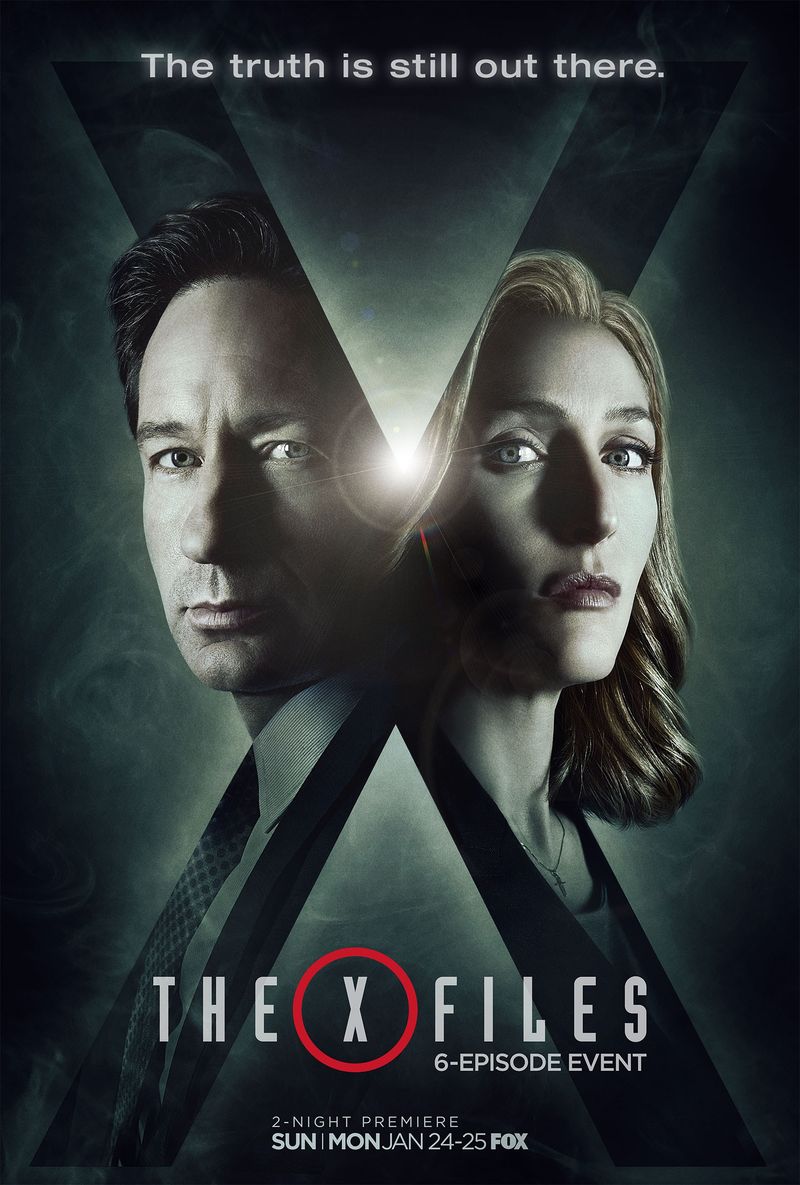
“The truth is out there” — and in the early 1990s, X-Files fans were hunting for it on Usenet forums before most people even knew what the internet was.
This show was one of the first to build a genuinely internet-native fandom, where episode theories spread through message boards overnight.
Beyond conspiracy theories, The X-Files also popularized something huge: shipping.
Fans became deeply invested in whether Mulder and Scully would ever get together, sparking debates that felt almost personal.
That emotional investment in character relationships became a cornerstone of modern fan culture.
Every ship war you’ve ever seen online has roots right here.
4. Buffy the Vampire Slayer (1997–2003)
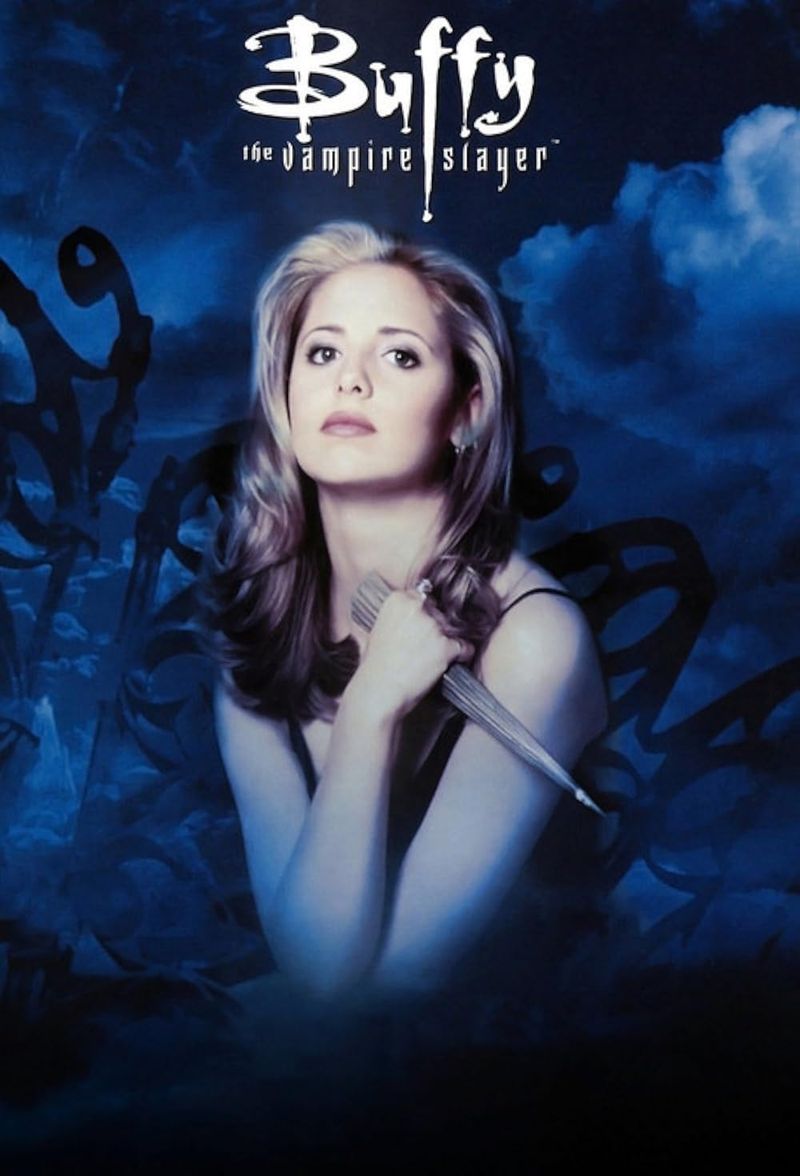
Buffy the Vampire Slayer didn’t just attract fans — it attracted scholars.
University professors began writing academic papers about the show’s themes, and fan discussion boards became spaces for serious literary analysis.
That was genuinely new territory for television fandom.
Fans on early websites like The Buffyverse dissected every metaphor, every character arc, and every piece of dialogue with remarkable depth.
The show proved that genre TV could be smart, and fans proved they were smart enough to match it.
Buffy normalized the idea that loving a TV show deeply wasn’t embarrassing — it was intellectually worthwhile.
That shift in attitude changed everything about how fans talk about television.
5. Lost (2004–2010)
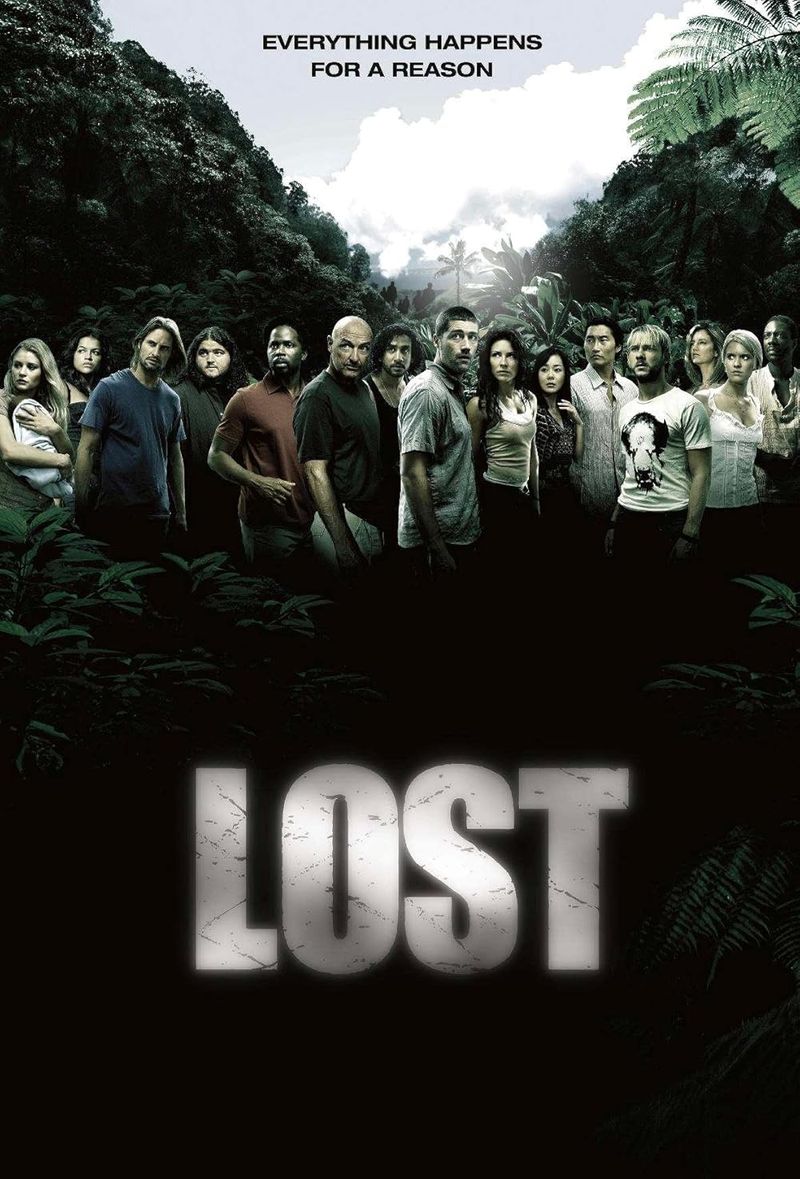
What if watching a TV show felt like solving a puzzle every single week?
Lost made that a reality.
Fans didn’t just watch episodes — they paused, rewound, screenshotted, and debated every hidden symbol and cryptic number for days afterward.
The show practically invented theory culture as a mainstream fandom activity.
Reddit threads, fan wikis, and alternate reality games (ARGs) exploded because of Lost.
Communities formed specifically to crack the island’s mysteries together.
Even after the finale disappointed many fans, the community it built remained remarkable.
Lost proved that the journey of collective speculation could be just as thrilling — maybe more so — than any actual answer the show provided.
6. Supernatural (2005–2020)
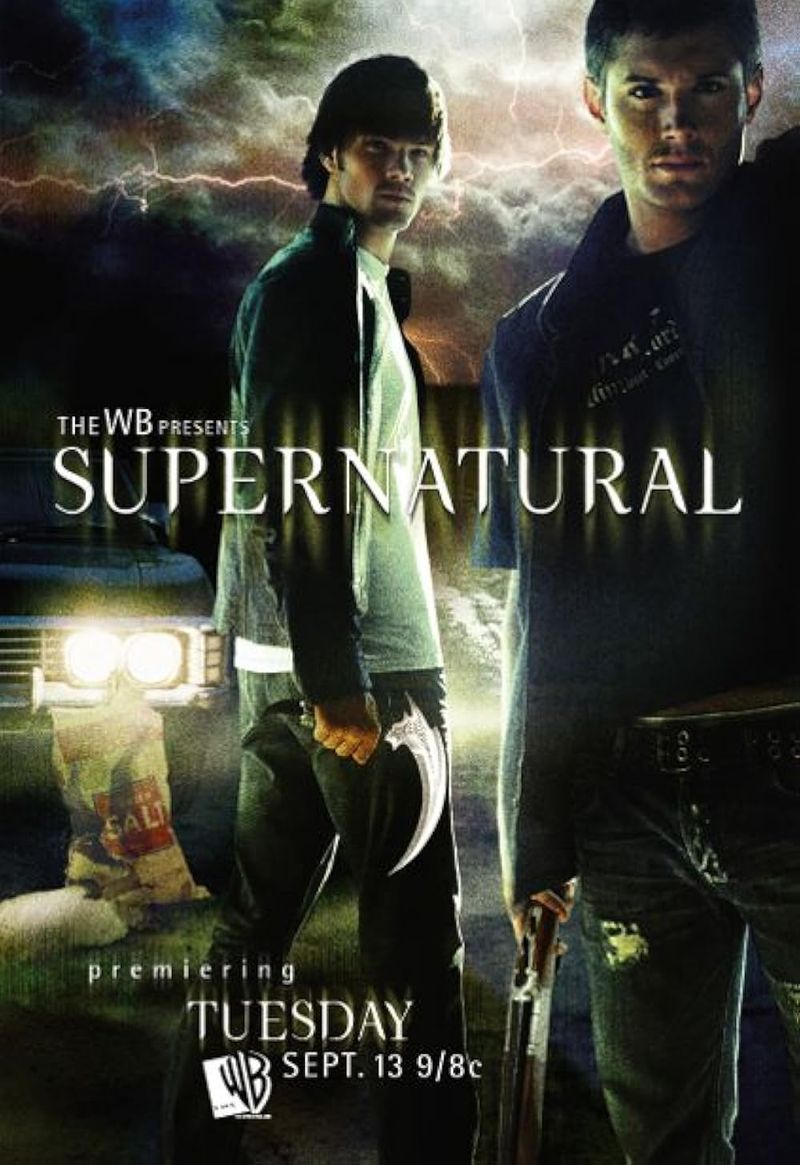
Fifteen seasons.
Millions of fan fiction stories.
Thousands of convention appearances.
Supernatural built one of the most intensely devoted fandoms ever assembled around a television show, and the relationship between creators and fans became genuinely blurry over time.
Writers occasionally acknowledged fan theories in episodes.
Actors attended dozens of fan conventions annually, forming unusually personal bonds with the audience.
Some fans even influenced storyline directions through sheer vocal enthusiasm online.
That back-and-forth between creators and community was something new and electric.
Supernatural showed that fandom didn’t have to sit quietly on the outside — it could knock on the door and sometimes get invited in.
That energy still echoes across fan spaces today.
7. Doctor Who (2005 Revival)
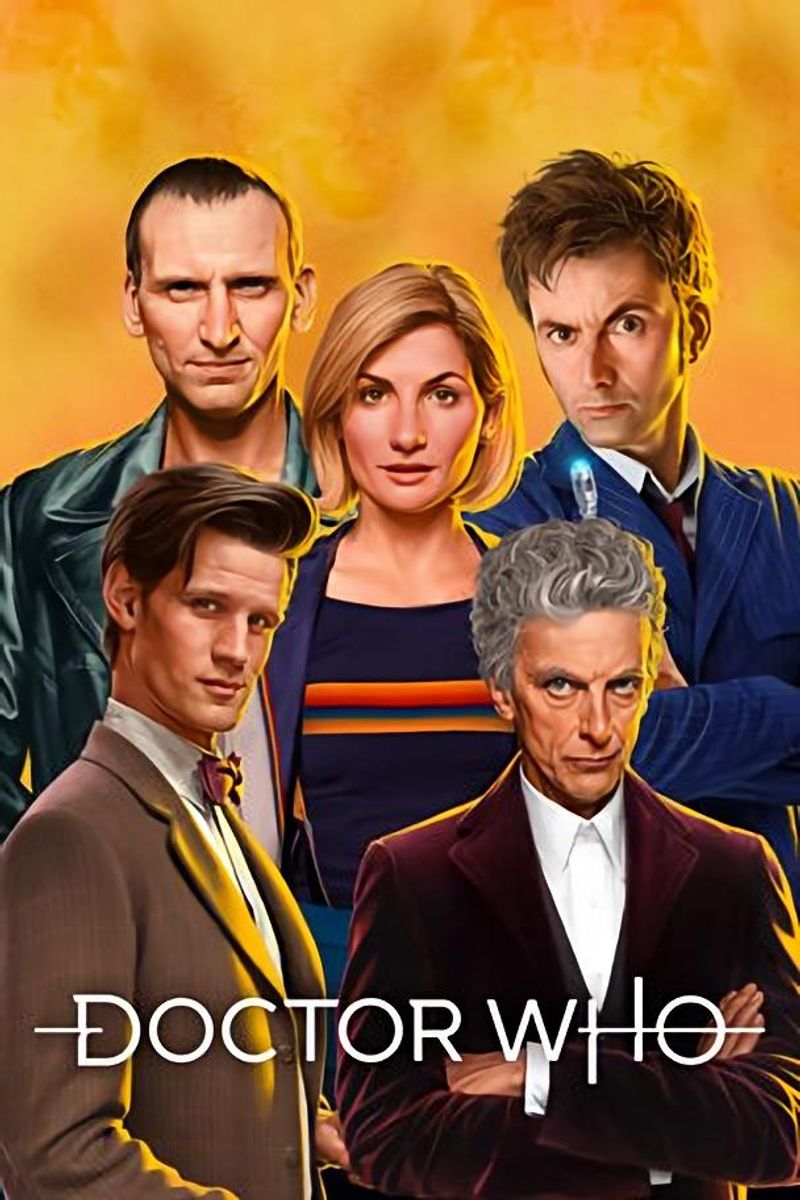
When Doctor Who returned in 2005, it didn’t just bring back old fans — it created millions of new ones who had never seen the classic series.
And this time, those fans had Tumblr, YouTube, and Twitter to play with.
Fan art flooded dashboards.
GIF sets captured every emotional moment within hours of broadcast.
Shipping wars over the Doctor’s companions became legendary Tumblr battlegrounds.
The revival arrived at exactly the right cultural moment to explode into the social media era.
This version of Doctor Who demonstrated how a beloved property could be completely reborn for a new generation of online fans.
It set the template for every franchise revival that followed it.
8. Game of Thrones (2011–2019)
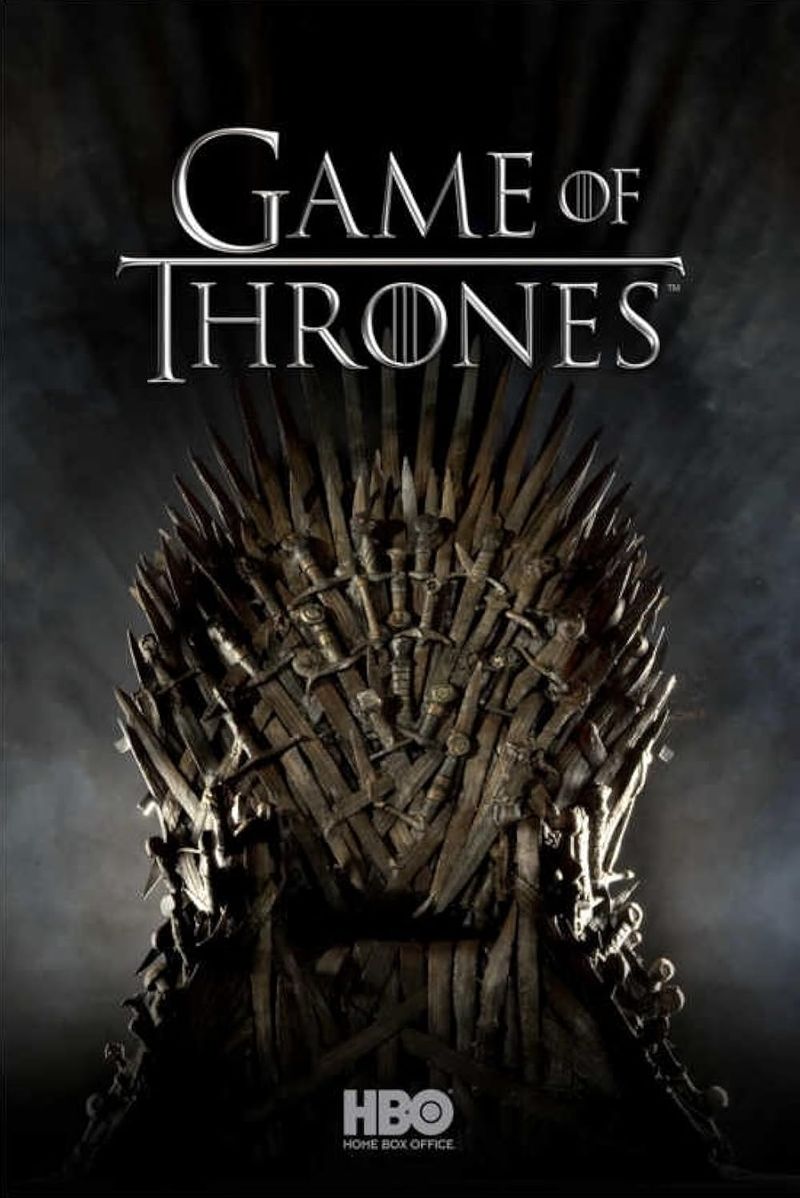
Game of Thrones turned Sunday nights into a global event.
Millions of viewers watched simultaneously across different countries, then immediately flooded Reddit and YouTube with breakdowns, reactions, and deep-dive theory videos.
Theory culture went fully mainstream because of this show.
The Red Wedding.
The Battle of the Bastards.
Every shocking moment spawned thousands of reaction videos, analysis threads, and meme formats within hours.
No show before it had generated that kind of synchronized, worldwide cultural conversation at such scale.
Even the controversial final season, which frustrated many fans, generated enormous discourse that revealed just how emotionally invested audiences had become.
Game of Thrones proved that prestige TV could command the same passionate energy as any sports championship.
9. Sherlock (2010–2017)
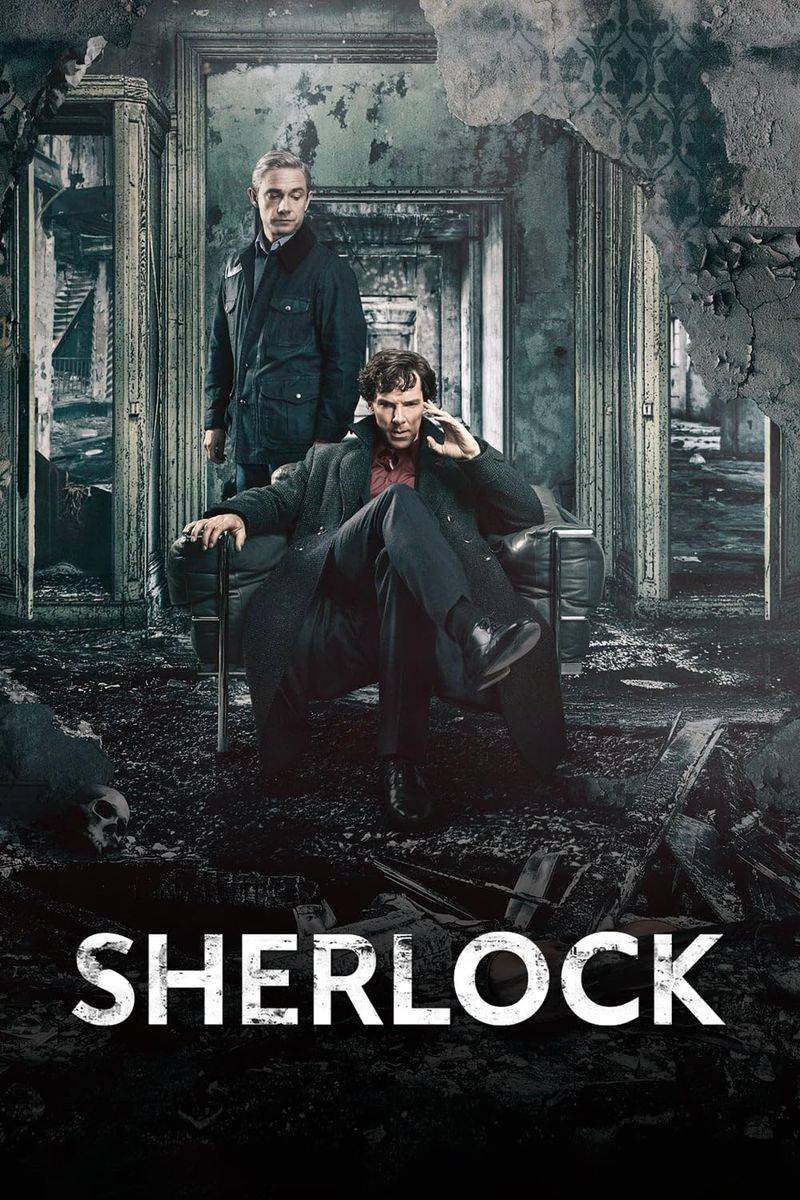
Few fandoms have ever moved as fast or as creatively as Sherlock’s Tumblr community during its peak years.
The moment an episode aired, fan artists were already sketching scenes.
Shippers were writing alternate endings.
Theorists were mapping every clue Moffat and Gatiss had planted.
The Johnlock shipping phenomenon became one of the most discussed fan relationships of the entire decade.
Real-time fan reactions during broadcast became their own entertainment, almost as compelling as the show itself.
Sherlock demonstrated the raw creative energy that a small-episode-count prestige show could generate when paired with a highly active online fandom.
Quality over quantity, it turns out, can produce an absolutely enormous cultural footprint.
10. Stranger Things (2016– )
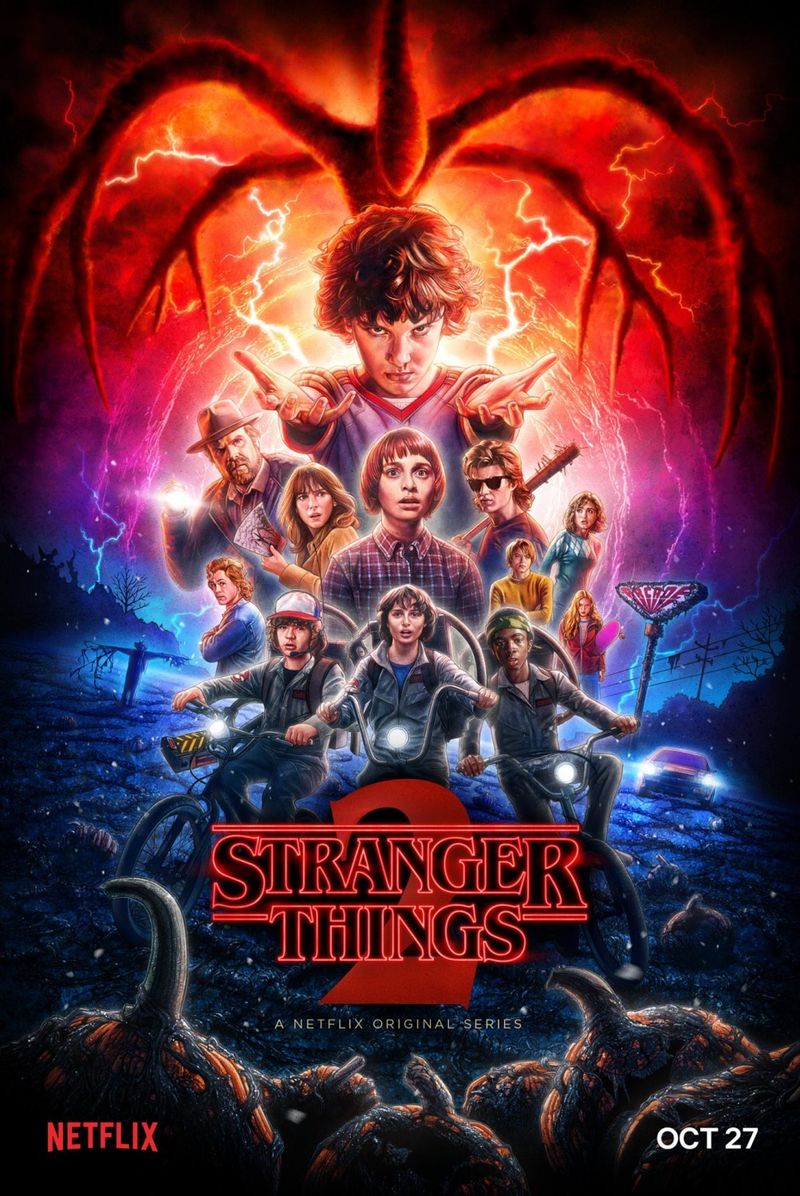
Stranger Things arrived in 2016 wrapped in pure 1980s nostalgia, and fans absolutely ran with it.
Meme culture, fan edits, and TikTok videos turned characters like Eleven and Dustin into internet icons almost overnight.
The show understood exactly how to speak the language of online fan communities.
Each new season release became a cultural moment, with fan theories spreading across social platforms days before episodes dropped.
Viral edits set to Kate Bush songs literally revived a decades-old hit on music charts worldwide.
The show proved that nostalgia, when mixed with strong characters and genuine mystery, creates an irresistible combination for modern fan engagement.
Stranger Things made retro cool again and built a massive community in the process.
11. The Walking Dead (2010–2022)
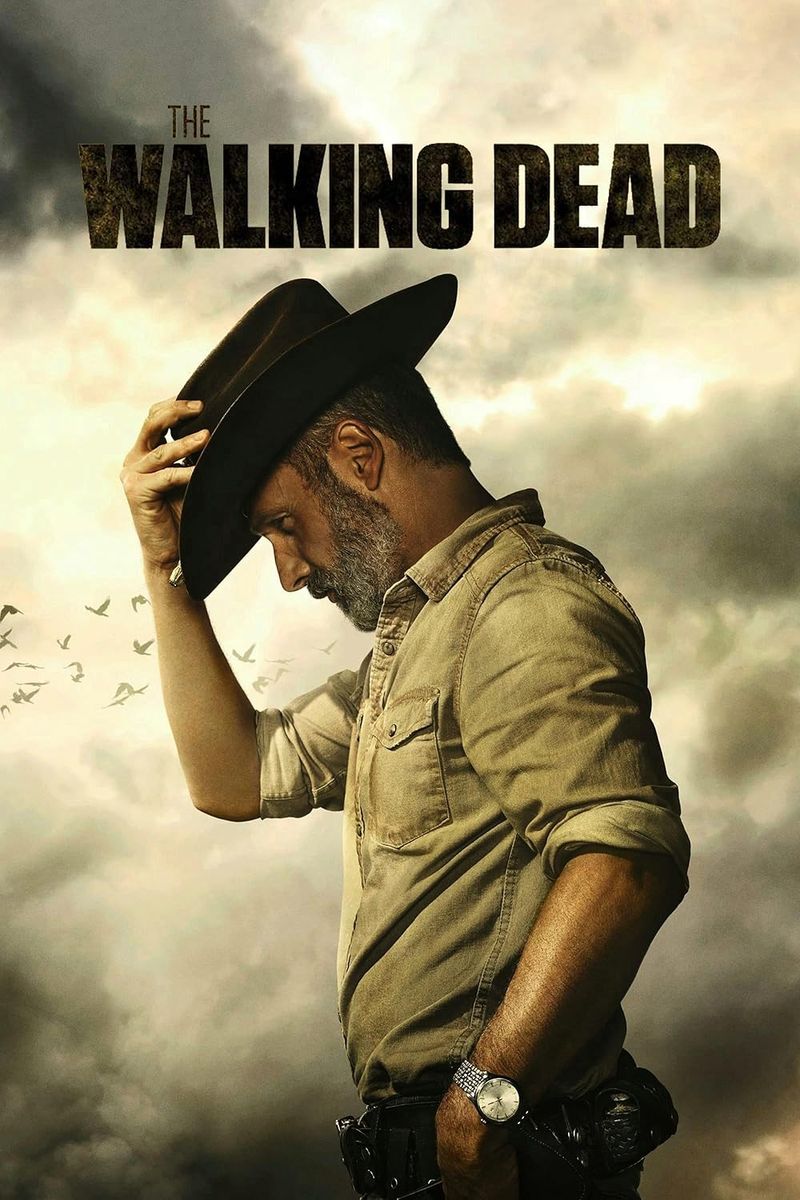
Back when Twitter was just finding its footing, The Walking Dead turned Sunday nights into the loudest social media event of the week.
Live-tweeting during episodes became a cultural ritual, with millions of fans reacting in real time to every death, betrayal, and shocking cliffhanger.
The show also supercharged the convention circuit.
Walker Stalker Con — a convention built specifically around The Walking Dead — drew massive crowds and inspired similar fan events worldwide.
Cast members became beloved public figures through their direct fan engagement.
The Walking Dead proved that horror and genre television could command the same passionate, organized fanbase as any prestige drama.
It showed that communal viewing experiences, even virtual ones, could feel electric and deeply shared.
12. Glee (2009–2015)
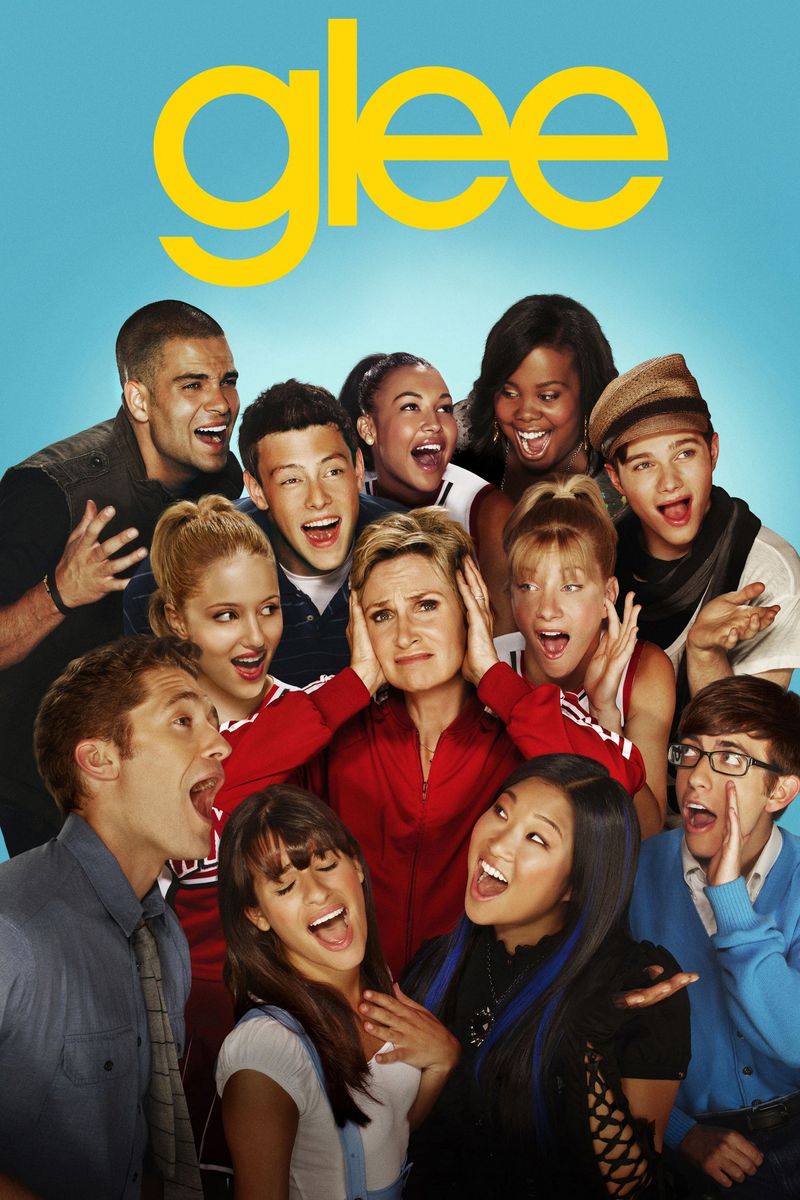
Glee was loud, colorful, and completely unafraid of its own enthusiasm — and its fans matched that energy perfectly.
The show created a unique overlap between music fandom and TV fandom, with fans buying songs on iTunes in numbers that directly influenced the Billboard charts.
Fan communities on Twitter and Tumblr were so vocal that showrunners visibly responded to audience favorites, giving popular characters more screen time and storylines.
That kind of fan influence on an active production was remarkable and widely noticed at the time.
Glee’s fandom wasn’t just passionate — it was economically powerful.
It demonstrated that an engaged fan base could shape a show’s commercial destiny in real, measurable ways that the industry couldn’t ignore.
13. RuPaul’s Drag Race (2009– )
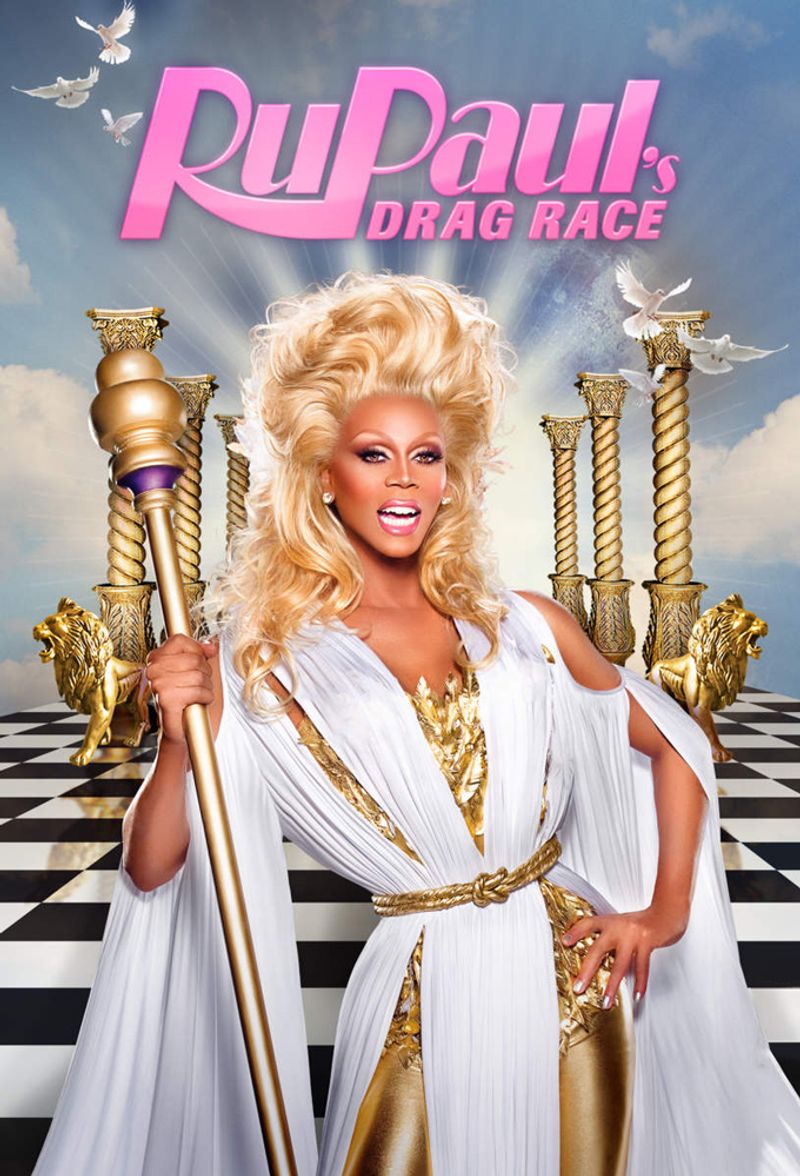
“Sashay away” isn’t just a catchphrase — it’s a meme, a mood, and a cultural moment all at once.
RuPaul’s Drag Race built one of the most participatory fandoms on television, where audiences don’t just watch the competition; they actively judge, rank, and debate every look and lip sync online.
The show became a cornerstone of LGBTQ+ online culture, creating safe spaces for discussion, celebration, and fierce debate across Twitter, Reddit, and YouTube.
Fan-made elimination brackets and tier lists became beloved community traditions each season.
Drag Race proved that a reality competition show could carry genuine cultural weight and build lasting community bonds.
Its fandom is passionate, creative, and proudly loud — exactly the kind of energy that reshapes culture for good.