 MomSkoop

Winter shopping can make every new coat, boot, and sweater feel like a must-have. But some popular styles cost more than they help, especially when they do not fit your weather or daily routine.
Before you fill your cart, take a closer look at what you already own. A warm, useful wardrobe can still feel fresh without following every trend.
1. Oversized Puffers That Swallow Your Outfit
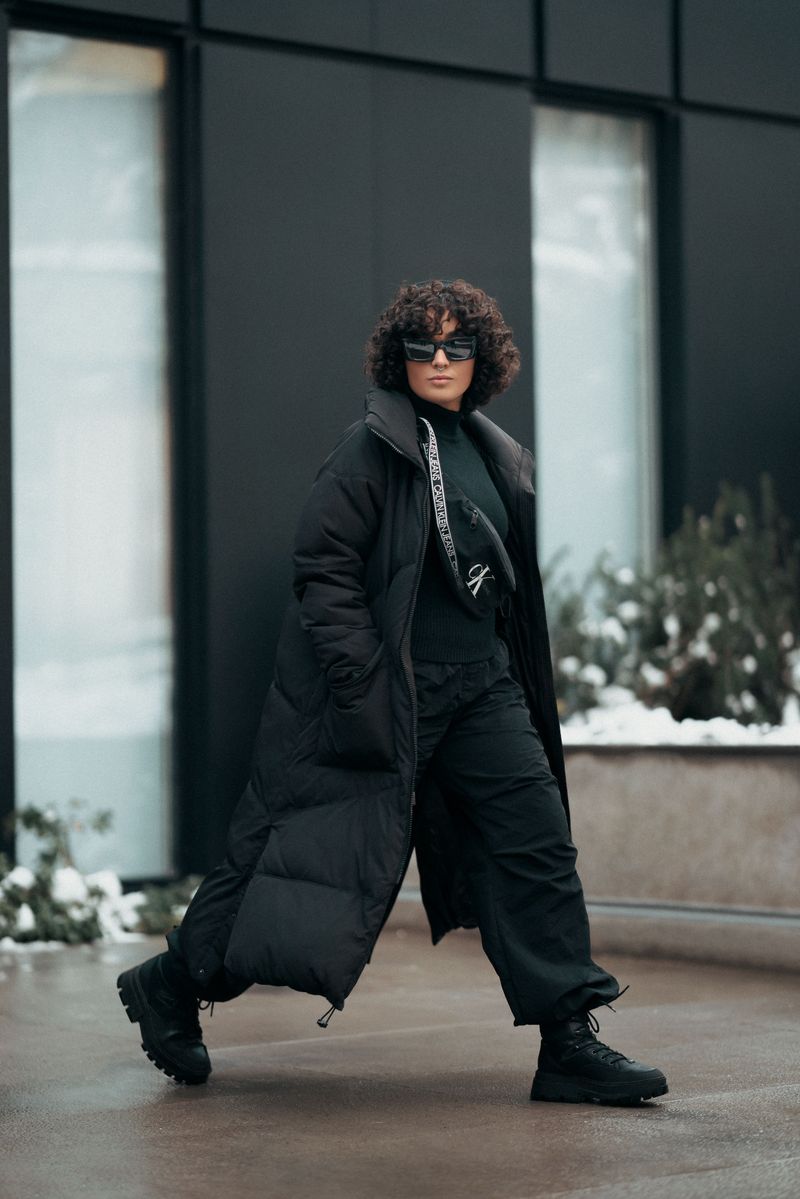
Getting through a doorway should not feel like parking a small car.
Extra-large puffer coats can look fun, but all that volume may become awkward on buses, in shops, or behind a steering wheel.
Size alone does not tell you how warm a coat will be.
Look at its insulation, wind protection, and fit around the cuffs and neck instead.
If your current coat keeps you comfortable, you probably do not need a bigger version just for the shape.
Try wearing a thick sweater underneath before buying anything new.
A roomy coat makes sense when you need layers, but choose one that lets you move easily.
Sitting down and raising your arms are useful fitting-room tests before spending your money.
2. Tiny Bags With No Room for Gloves
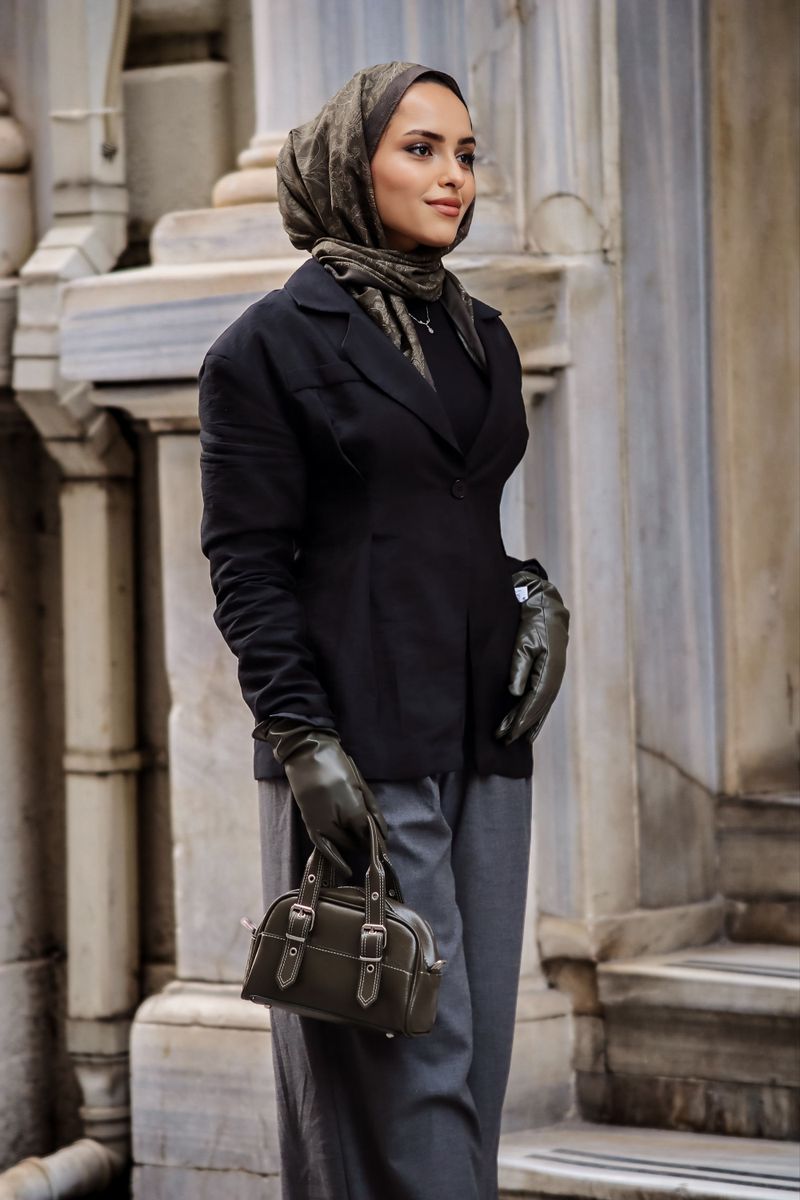
Your phone fits, but your gloves are suddenly homeless.
Tiny handbags can add a playful touch to a winter outfit, yet they often leave little space for the things cold days require.
Lip balm, tissues, keys, and an extra hat quickly fill a small bag.
Carrying a second tote defeats the purpose if you wanted something light and easy.
Before buying, place your everyday items together and check the bag’s measurements.
Think about whether its strap works over a thick coat, too.
A medium crossbody bag you already own may serve you better.
Save the miniature style for occasions when you truly need very little, or borrow one for a party instead of making another purchase for your crowded closet.
3. Pale Suede Boots for Slushy Streets
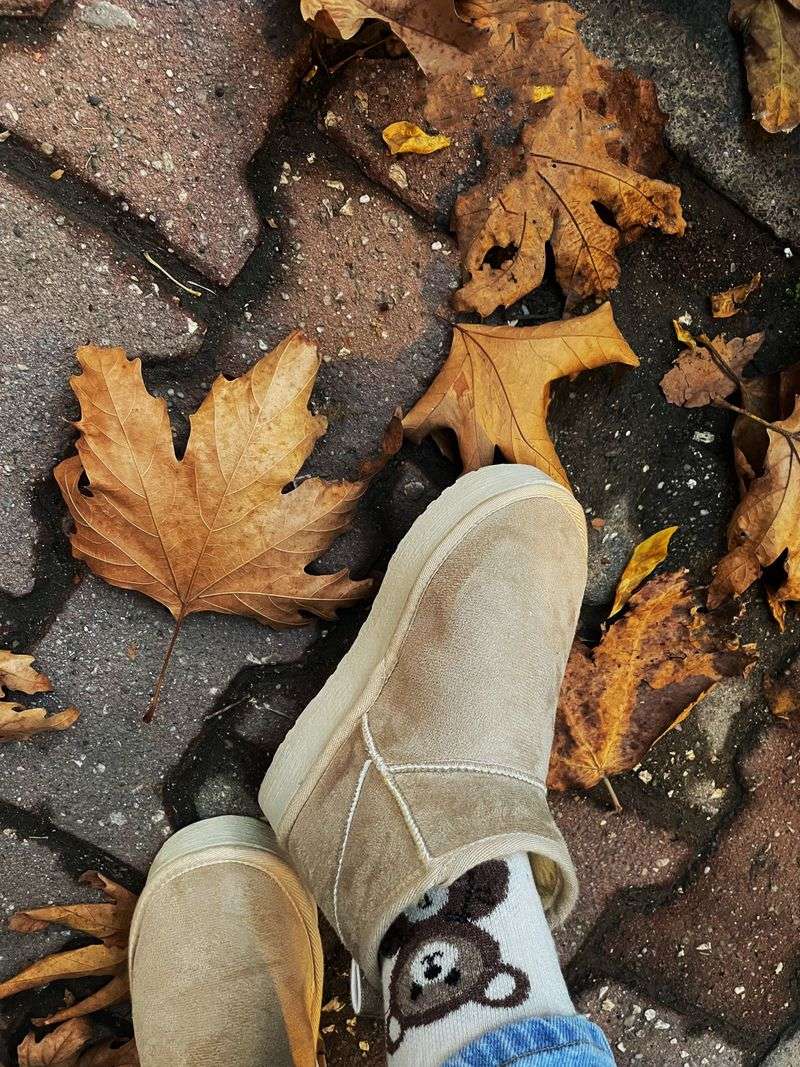
A creamy pair of suede boots looks lovely until the sidewalk turns into a puddle.
Pale suede can show water marks, mud, and salt stains, making it a demanding choice for messy winter weather.
Protective sprays may help, but they do not make every suede boot waterproof.
Always follow the maker’s care instructions and test products on a hidden spot.
For daily walks, choose footwear with suitable water protection and a sole that grips well.
Check whether your existing boots only need cleaning or fresh insoles.
Keep delicate suede for dry days if you already own it.
There is no need to buy a weather-sensitive pair simply because light boots look polished in photos taken on perfectly clean city streets.
4. Cropped Coats That Leave a Cold Gap

One gust of wind can reveal the problem with a jacket that stops above your waist.
Short winter coats create a sharp shape, but they may leave your middle exposed when you reach or bend.
That does not make every cropped jacket useless.
In mild weather, or with high-waisted pants and warm layers, the style can work well.
Consider your usual day before adding one to your closet.
Waiting outside for a bus calls for different coverage than walking from a garage into an office.
Try lifting your arms during a fitting and notice any gaps.
If you spend plenty of time outdoors, your longer coat may already offer the comfort you need without buying a shorter replacement this winter season.
5. Sweeping Scarves That Get in the Way
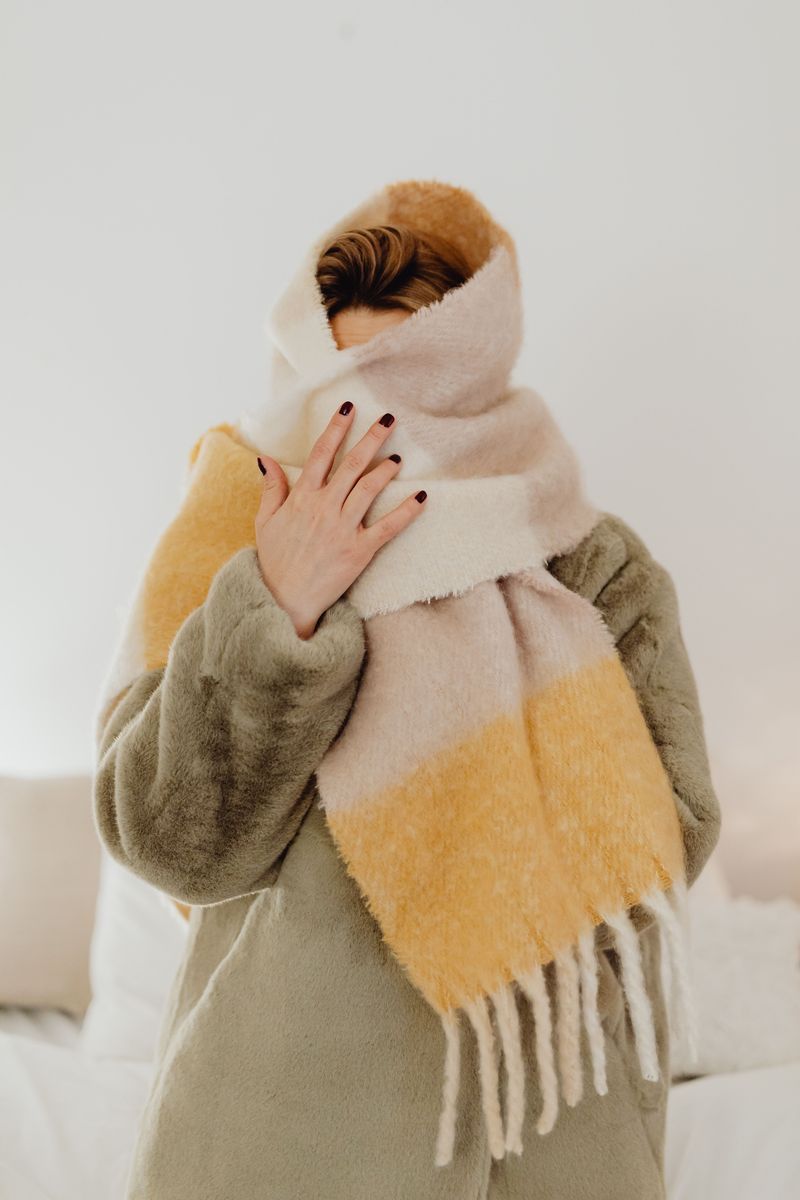
Some scarves seem ready to become their own blankets.
Very long, chunky styles bring drama to a plain coat, but the hanging ends can catch in doors or dip into wet snow.
Extra fabric also takes up room in your bag when you step inside.
Around moving equipment, loose accessories can create a safety risk, so keep them secured.
You can get a similar cozy look by wrapping a regular scarf once more or choosing a simple tucked knot.
Use the scarf already sitting in your drawer first.
If you enjoy a larger style, check its weight and length before buying.
Warmth should not come with constant tugging, dragging, or rearranging every time you leave home for a short winter walk.
6. Statement Faux Fur With Limited Use

A bright, fluffy coat can turn a grocery run into a grand entrance.
Statement faux fur has plenty of personality, but it may not earn much closet space if you rarely dress that way.
Care matters as much as appearance.
Some pieces need special cleaning, and thick fabric can become difficult to store in a small home.
Check the care label, lining, and closures rather than assuming a plush surface means reliable warmth.
Rain protection varies, so read the product details carefully.
For a single celebration, renting or borrowing may be enough.
A colorful scarf or secondhand accessory can also bring that playful feeling to your usual coat without adding another bulky item you might wear only twice all winter long.
7. Cutout Sweaters That Let the Chill In
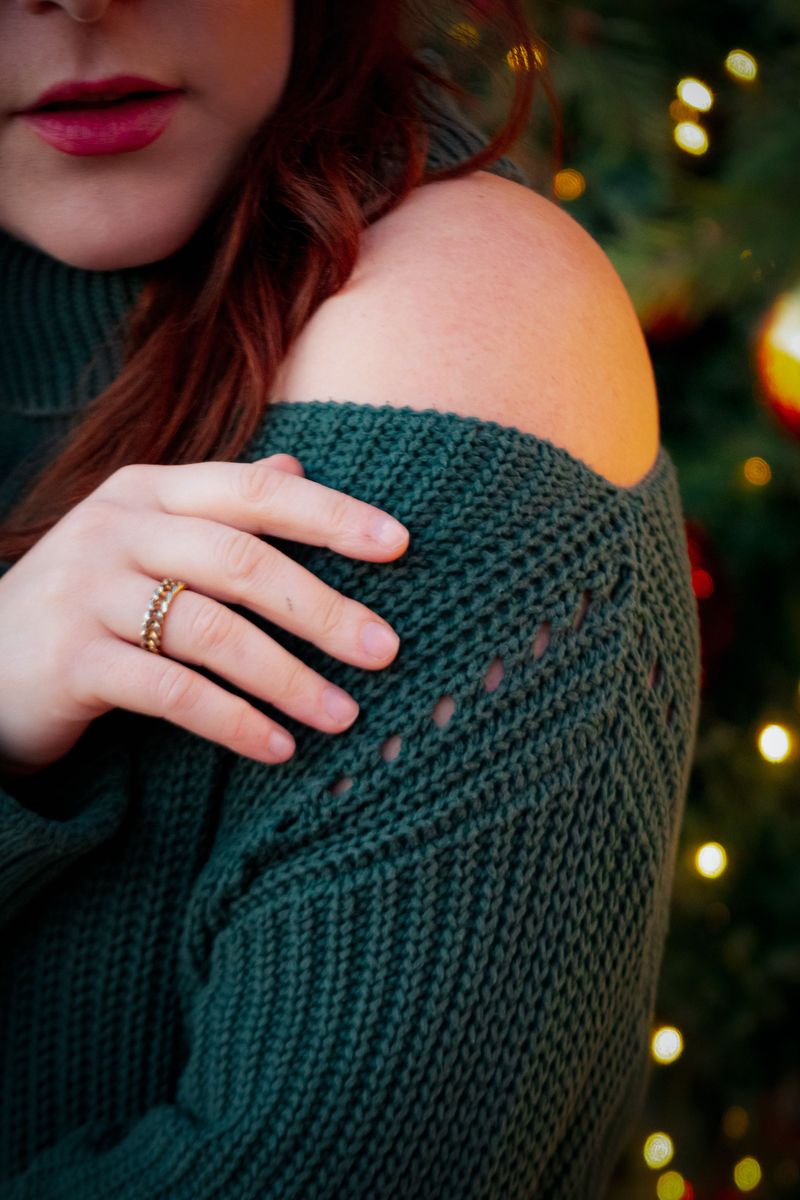
A sweater with missing shoulders sends a mixed message when temperatures drop.
Cutout knits can be eye-catching, but those open sections may make a supposedly warm outfit feel surprisingly chilly.
Adding a shirt underneath can solve the problem, although it changes the look that caught your attention.
Bra straps and base layers may also show through the openings.
Think about where you will wear it most.
A heated restaurant is different from a playground, a drafty classroom, or a long outdoor walk.
Try styling a plain sweater with earrings, a necklace, or a different neckline before shopping.
If warmth is your main goal, an intact knit usually gives you more ways to wear it throughout the season without extra layering puzzles.
8. Floor-Length Trousers on Wet Pavement
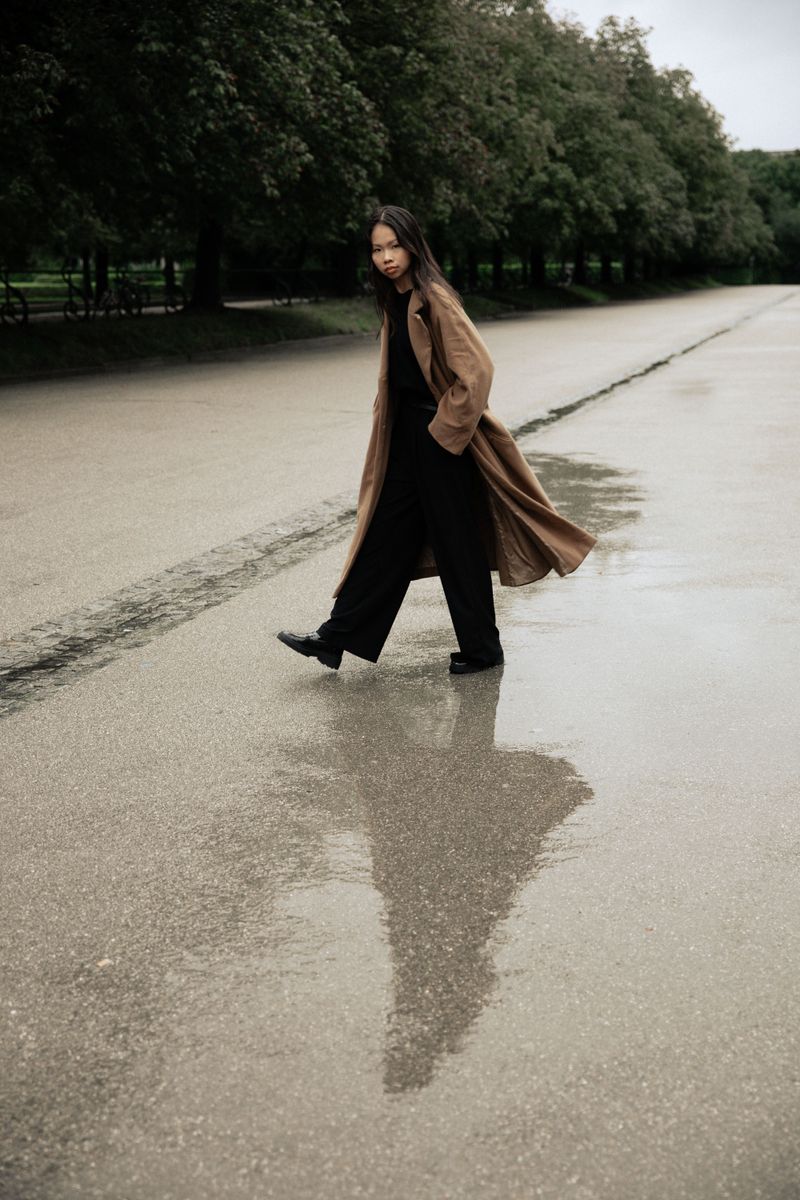
The elegant swish of long trousers loses its charm when the hems soak up sidewalk water.
Pants that pool around your shoes may look relaxed indoors, but winter streets can turn them into damp cleaning projects.
Dragging fabric wears down faster and can catch beneath your heels.
Snow, grit, and road salt add more trouble on everyday errands.
Before replacing your pants, ask whether a tailor could shorten them.
Try them on with the boots you wear most often so the new length makes sense.
You can still enjoy wide legs without letting the hems sweep the ground.
Choose enough clearance for walking comfortably, and save longer pairs for dry settings where you will not spend much time outside in wet weather.
9. Matching Knit Sets You Cannot Mix
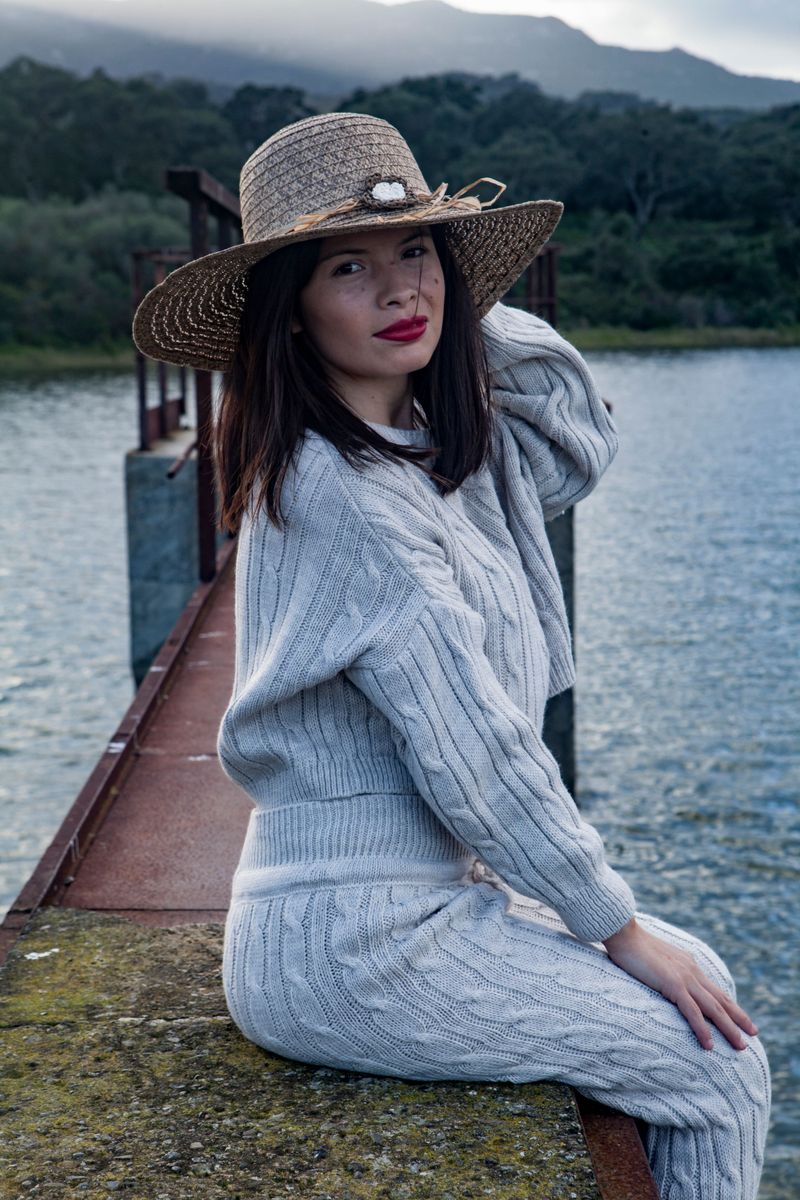
Buying an outfit that is already matched feels like skipping homework.
Knit sets offer quick coordination, but their value drops if neither piece works with anything else you own.
Some loose knits also stretch at the knees or elbows with wear.
Check the fabric, care directions, and how easily the material returns to shape.
Picture three separate outfits for the top and three for the bottoms before buying.
If that feels difficult, you may be purchasing one look rather than two useful pieces.
A sweater and comfortable pants from your closet can create the same relaxed mood.
Choose a set because both parts suit your life, not because matching colors make a store display look neat under flattering lights during winter shopping.
10. Heavy Platform Boots for Icy Days
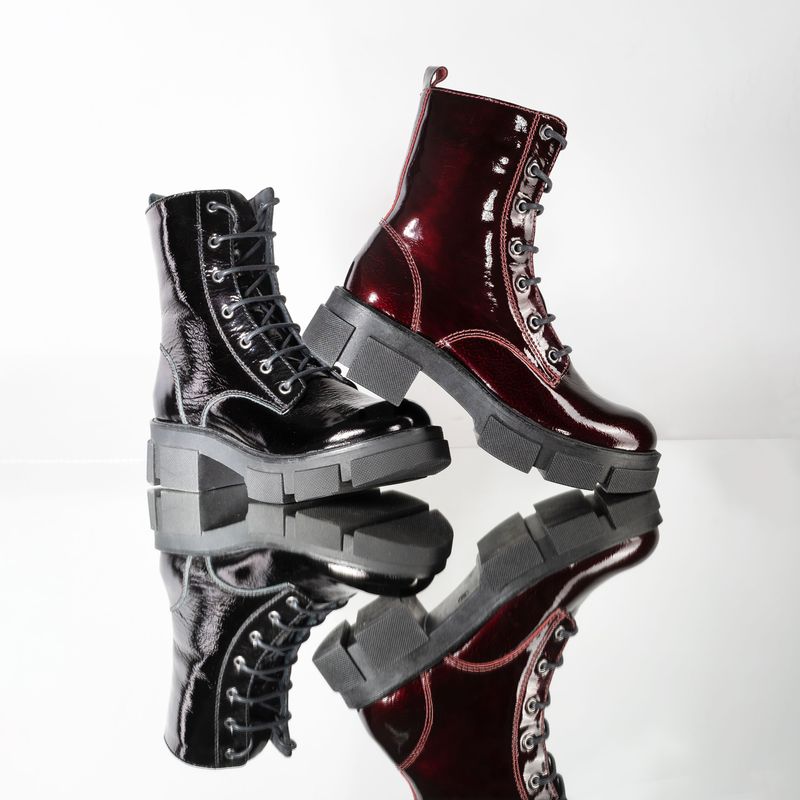
Looking taller is a small reward if every step feels like a workout.
Heavy platform boots can change an outfit’s whole mood, yet their weight and height may feel awkward during long winter walks.
A thick sole does not automatically provide good traction.
Look for tread and materials designed for your conditions, and remember that no boot guarantees safety on ice.
Walk around before buying, including on stairs if the store allows it.
Check whether your heel slips or your ankles feel unstable.
For slippery commutes, practical winter footwear may be the better choice.
Keep fashion platforms for suitable surfaces if you enjoy them, rather than expecting one dramatic pair to handle every snowy errand and all your daily travel needs comfortably.
11. A New Color Trend Every Season

Last winter’s favorite shade does not become wrong when a new color fills store windows.
Trend colors can be enjoyable, but replacing useful clothes just to follow the latest palette gets expensive quickly.
Your best colors are the ones you like wearing and can combine easily.
They do not need approval from a seasonal shopping guide.
If a new shade catches your eye, try a small accessory or find something secondhand.
Compare it with your coat, shoes, and usual outfits before committing.
You might already own a forgotten scarf in that color.
Pulling it out can refresh your wardrobe for nothing, while keeping your dependable basics in use instead of pushing them aside for purchases that feel dated by next winter anyway.
12. Ski-Inspired Gear Far From the Slopes
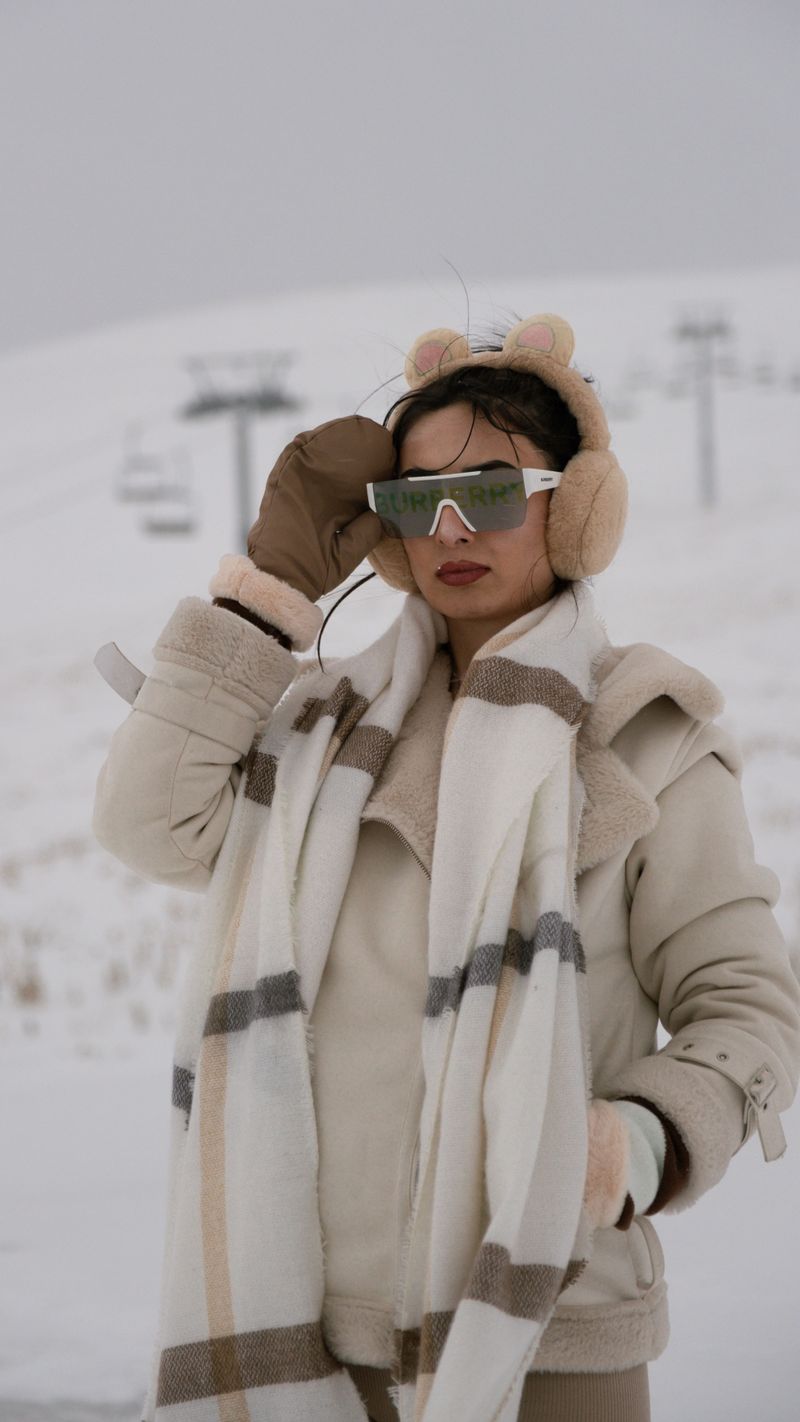
A mountain-ready outfit can look exciting even when your destination is the corner store.
Ski-inspired jackets and pants sometimes offer useful weather protection, but specialized features may add cost without helping your routine.
Snow skirts, helmet-sized hoods, and extra pockets serve real purposes on the slopes.
Around town, you might prefer a lighter coat with simpler details.
Be careful with fashion versions, too.
A sporty appearance does not prove that a garment has the performance needed for skiing or severe weather.
Buy for the activities you actually do and read the stated features closely.
If you are planning one ski trip, investigate rental options before paying for equipment that could spend most of its life packed away at home after your holiday.
13. Holiday Sparkle With a Short Shelf Life

The party invitation arrives, and suddenly your regular clothes seem too plain.
Sequined jackets, glittery pants, and themed sweaters can be cheerful, but they may get only one outing before another year passes.
Before shopping, check whether the event truly calls for something new.
A simple outfit can feel festive with jewelry, a bright scarf, or shoes you already own.
Borrowing, swapping, and buying secondhand are useful options for special occasions.
Look for pieces that can work beyond one holiday rather than designs tied to a single date.
If sparkle makes you happy, enjoy it without guilt.
Just choose an amount you will wear again, and check the care label so your celebration does not come with an unexpected cleaning bill afterward.