 MomSkoop

Marriage is a big step, and not everyone is ready for it at the same time — and that’s okay. Recognizing certain patterns in a relationship can help both partners make smarter, healthier decisions before making a lifelong commitment.
Some behaviors, while not flaws in character, can be clear signs that a woman may still have personal growth to do before walking down the aisle. Understanding these signals early can save both people a lot of heartache.
1. Avoids Serious Conversations About the Future

Ever tried to talk about where things are headed, only to get a subject change or a joke in return?
When a woman consistently deflects conversations about long-term plans, it can leave her partner feeling unheard and confused.
Healthy relationships require both people to openly discuss goals, timelines, and shared dreams.
Avoiding these talks doesn’t mean she doesn’t care — it may mean she hasn’t figured out what she wants yet.
Whether it’s about kids, finances, or where to live, steering clear of big-picture discussions is a signal worth paying attention to before any serious commitment is made.
2. Inconsistent Communication Patterns
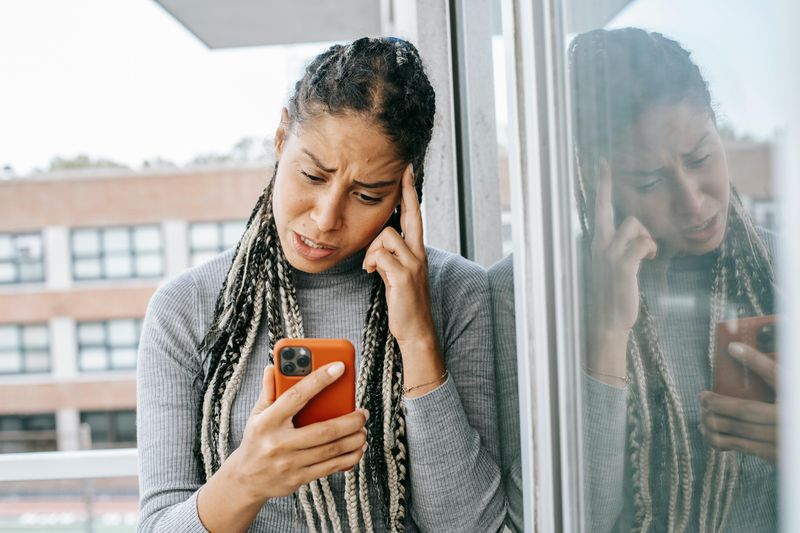
One day she’s texting back instantly and making plans; the next, she’s completely gone without explanation.
This hot-and-cold pattern can create emotional whiplash for a partner trying to build something stable.
Communication is the backbone of any strong relationship.
When it swings wildly from intense engagement to total silence, it often points to unresolved emotional confusion or fear of closeness.
Marriage requires steady, reliable communication — especially during tough times.
Repeated inconsistency without acknowledgment or effort to improve is more than a quirk; it’s a clue that deeper emotional work may still be needed before committing fully.
3. Prioritizes Independence to the Point of Exclusion

Independence is genuinely admirable — but there’s a difference between being self-sufficient and refusing to let anyone in.
When a woman resists compromise so strongly that her partner’s needs rarely factor into decisions, it creates an uneven dynamic.
Marriage is a team sport.
Both people need to feel valued and included in the choices that shape their shared life.
A fierce “my life, my rules” mindset, while empowering in solo living, can quietly suffocate a partnership.
Recognizing this pattern isn’t about asking her to give up her identity — it’s about seeing whether she’s open to the idea of building something together at all.
4. Unresolved Trust Issues

Past betrayals can leave deep scars, and that’s completely understandable.
But when suspicion becomes a default setting — assuming dishonesty without any real evidence — it poisons even the healthiest relationship.
Trust issues that haven’t been worked through often show up as jealousy, constant questioning, or accusations that come out of nowhere.
These reactions are usually more about old wounds than the current partner’s actions.
Before marriage, it’s worth asking whether those wounds have received proper attention, like therapy or honest self-reflection.
Carrying unhealed distrust into a lifelong commitment tends to magnify problems rather than resolve them over time.
5. Difficulty With Accountability

Nobody’s perfect, and mistakes are part of every relationship.
What matters is how someone handles those moments — and a pattern of deflecting blame or refusing to say “I was wrong” can cause serious long-term damage.
Accountability is the glue that repairs cracks in a relationship.
Without it, small conflicts tend to snowball into bigger resentments because nothing ever truly gets resolved.
Marriage demands a level of emotional maturity that includes owning your part in problems.
When a woman consistently shifts responsibility onto others, it may be a sign she hasn’t yet developed the self-awareness that a committed partnership truly requires to survive and grow.
6. Seeks Constant Validation

Craving a little reassurance now and then is totally normal — everyone wants to feel appreciated.
But when self-worth depends almost entirely on outside attention, compliments, or social media approval, it becomes a pattern worth examining.
A partner in a healthy marriage can offer love and support, but they can’t be someone’s entire emotional foundation.
That kind of pressure eventually exhausts even the most devoted person.
Real readiness for marriage includes a solid sense of self that doesn’t crumble without constant praise.
Building inner confidence before committing means both partners can support each other from a place of strength rather than emotional neediness.
7. Avoids Conflict Resolution

Arguments happen in every relationship — what defines a strong partnership is how both people handle them afterward.
When disagreements either explode into dramatic blowups or get completely swept under the rug, nothing ever actually gets better.
Healthy conflict resolution means listening, expressing feelings calmly, and working toward a solution together.
Skipping that process leaves both people frustrated and stuck in the same loops.
A woman who hasn’t developed these skills yet may find marriage especially challenging, since long-term commitment brings plenty of friction.
Learning to face and work through disagreements is one of the most valuable relationship skills anyone can build before saying “I do.”
8. Unclear Personal Values or Goals

There’s something genuinely exciting about a woman who’s still figuring herself out — but constantly shifting priorities and a lack of personal direction can make building a stable future together really difficult.
Marriage works best when both partners have a general sense of who they are and what they want from life.
That doesn’t mean every box needs to be checked, but some core clarity helps.
When values change frequently or important life goals remain undefined, it can create instability in a relationship.
Taking time to explore personal identity and direction before marriage isn’t a delay — it’s actually one of the smartest moves someone can make.
9. Financial Irresponsibility

Money talks can feel awkward, but they’re absolutely necessary before marriage.
Financial stress is one of the leading causes of conflict in marriages, so entering a lifelong commitment without addressing money habits can be genuinely risky.
When a woman avoids budgeting conversations, carries debt without a plan, or treats spending as a coping mechanism, it signals that some financial groundwork still needs to be laid.
This isn’t about judging someone’s bank account — it’s about whether both partners can approach money as a shared responsibility.
Financial maturity, including the willingness to discuss it openly, is a real and practical part of being ready for marriage.
10. Maintains Unhealthy Relationship Patterns

Ever notice how some people keep finding themselves in the same kinds of relationships, just with different faces?
Repeating toxic cycles — like chasing unavailable partners or staying in draining situations — without stopping to examine why is a significant red flag.
These patterns usually have roots in old experiences or unmet emotional needs.
Without reflection and intentional change, the same dynamics tend to resurface even in new relationships.
Marriage won’t fix a broken pattern — it usually intensifies it.
A woman who recognizes and actively works to break unhealthy cycles shows real emotional growth.
That kind of self-awareness is one of the strongest signs someone is genuinely preparing for a healthy, lasting commitment.
11. Disrespect Toward Boundaries
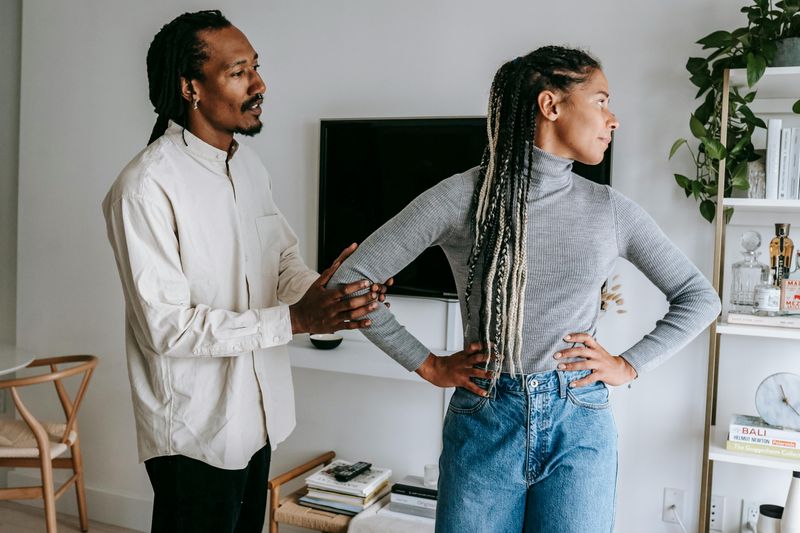
Boundaries aren’t walls — they’re the guidelines that help two people feel safe and respected in a relationship.
When a woman regularly dismisses her partner’s limits, whether that’s around time, privacy, or emotional needs, it signals a deeper issue with empathy.
Respecting boundaries goes both ways, and it’s one of the clearest signs of emotional maturity.
Ignoring them, even with good intentions, sends the message that one person’s comfort matters more than the other’s.
A marriage built on mutual respect requires both partners to honor each other’s needs consistently.
If boundary violations are a recurring theme without acknowledgment or change, that’s a pattern worth addressing long before any vows are exchanged.
12. Overly Influenced by External Opinions

Getting a second opinion from a trusted friend is healthy.
Letting every outside voice — from social media comments to family pressure — make relationship decisions for you is a whole different story.
When a woman can’t separate what she genuinely wants from what others expect of her, it creates instability in the relationship.
Her partner never quite knows which version of her feelings is real.
A strong marriage is built between two people, and outside noise will always exist.
Developing the confidence to make decisions from a personal, grounded place — rather than crowd-sourcing every choice — is a key part of being truly ready for that kind of lifelong commitment.
13. Emotional Unavailability

Vulnerability isn’t easy for everyone, and that’s completely understandable.
But when a woman consistently closes off emotionally — avoiding deep conversations, pulling back when things get real, or struggling to express what she’s feeling — it puts a ceiling on how close two people can actually become.
Emotional intimacy is the heartbeat of a lasting marriage.
Without it, partners can start to feel more like roommates than soulmates, even if everything looks fine on the surface.
Opening up takes courage and often requires healing past hurts first.
Recognizing emotional unavailability isn’t a criticism — it’s an invitation to do the inner work that makes deep, lasting love truly possible.
14. Lack of Readiness for Compromise
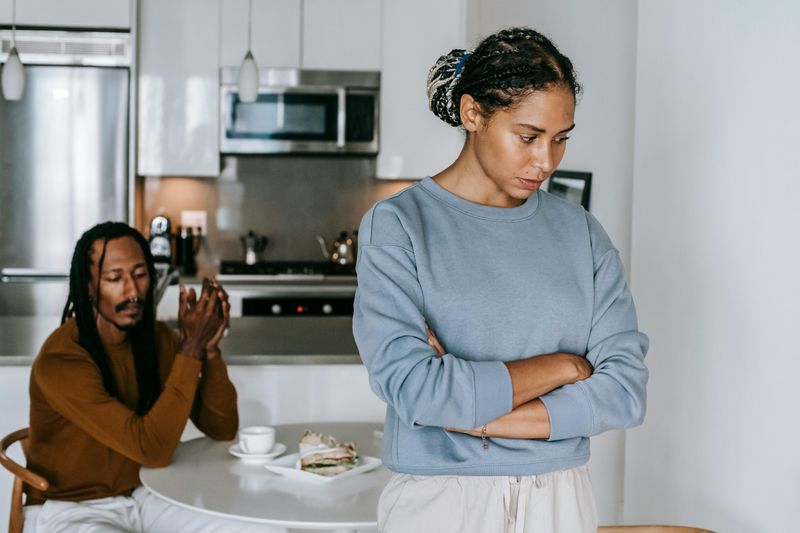
“My way or the highway” might work fine when you’re living solo, but marriage is a constant negotiation between two different people with two different sets of needs.
Refusing to bend — even on small things — wears a relationship down fast.
Compromise doesn’t mean giving up who you are; it means caring enough about the relationship to find solutions that work for both people.
When one partner consistently refuses to meet in the middle, resentment quietly builds.
Readiness for marriage includes the genuine willingness to prioritize “we” over “me” sometimes.
A woman who hasn’t yet made peace with that shift may find the day-to-day reality of married life surprisingly challenging.