 MomSkoop
Korean dramas have a special way of pulling you in and making you feel every emotion all at once. During the late 1990s through the early 2010s, a wave of unforgettable shows changed the way the world looked at Korean entertainment forever.
These dramas built the foundation for the global K-drama craze we know today. From heartbreaking romances to palace intrigues, each of these classics left a mark that fans still talk about decades later.
1. Autumn in My Heart (2000)
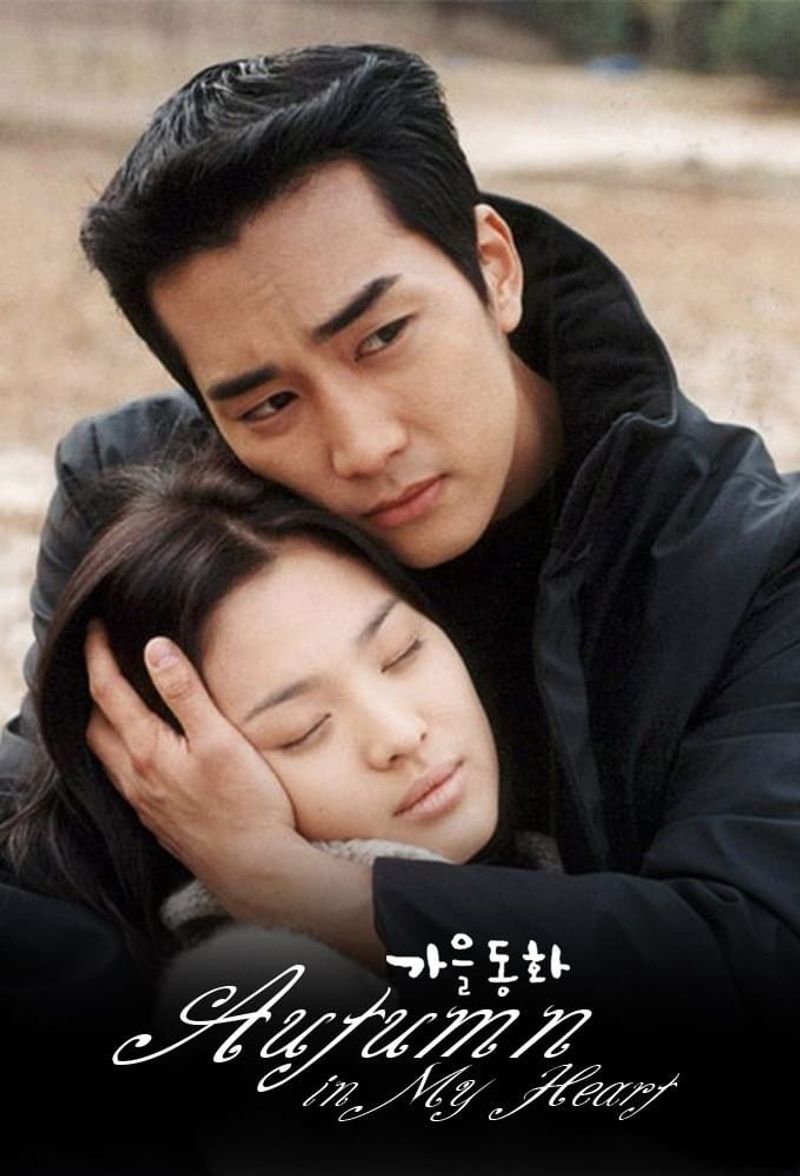
Few dramas have made audiences cry as hard as Autumn in My Heart.
This tearjerker from 2000 starred Song Hye-kyo and Song Seung-heon in a tragic love story about two children who were accidentally switched at birth.
When the truth comes out years later, everything falls apart in the most heartbreaking way.
The drama set the standard for what Koreans call “melodrama” — stories full of emotional pain and deep longing.
It was one of the first K-dramas to gain attention across Asia, especially in China and Japan.
Viewers simply could not stop watching, even through their tears.
Autumn in My Heart proved that Korean storytelling could move people beyond language and cultural barriers in a powerful way.
2. Winter Sonata (2002)
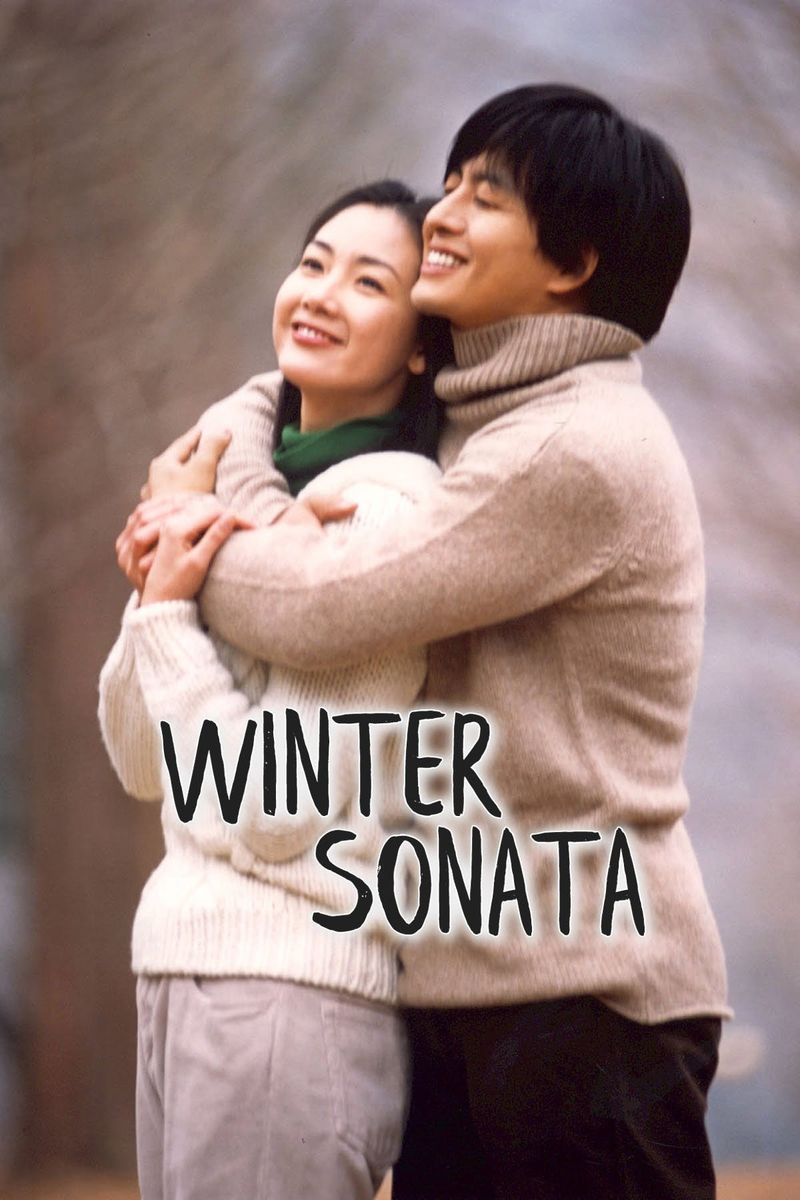
Winter Sonata did not just become a hit — it sparked a full-on Korean Wave across Asia.
Bae Yong-joon and Choi Ji-woo played star-crossed lovers whose story unfolded beautifully against snowy winter scenery.
The show became so popular in Japan that fans traveled to Korea just to visit filming locations.
The drama tackled themes of first love, memory loss, and painful reunions in a way that felt deeply personal to viewers everywhere.
Its dreamy soundtrack and slow-burn romance created a style that many later dramas tried to copy.
Nothing quite matched the original magic, though.
Winter Sonata is widely credited with putting Korean pop culture on the international map for the very first time.
3. Dae Jang Geum (Jewel in the Palace) (2003)
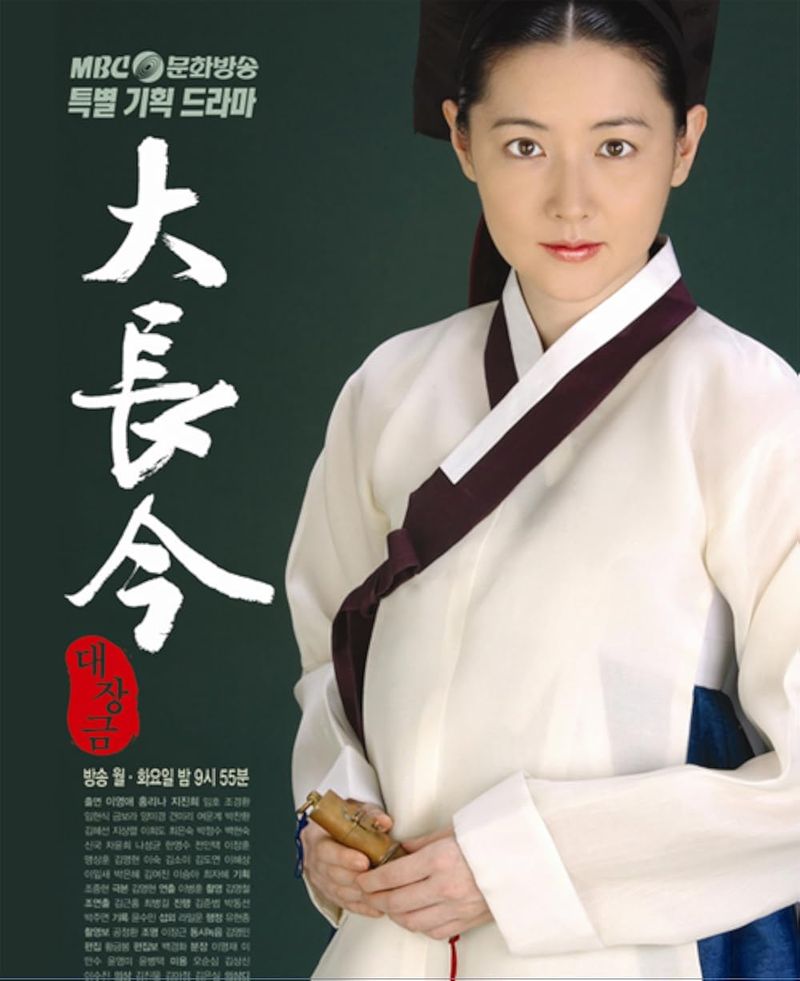
Based on a real historical figure, Dae Jang Geum told the story of a young girl who rose from a kitchen servant to become the first female royal physician in Korean history.
It aired in over 90 countries and became one of the most exported Korean dramas of all time.
That is a record that still impresses people today.
Lee Young-ae brought the determined and courageous Jang Geum to life in a way that made viewers root for her through every setback.
The drama also taught audiences a lot about traditional Korean food and medicine, which added a rich educational layer to the storytelling.
Jewel in the Palace showed the world that Korean historical dramas could be just as gripping as any action blockbuster.
4. Full House (2004)
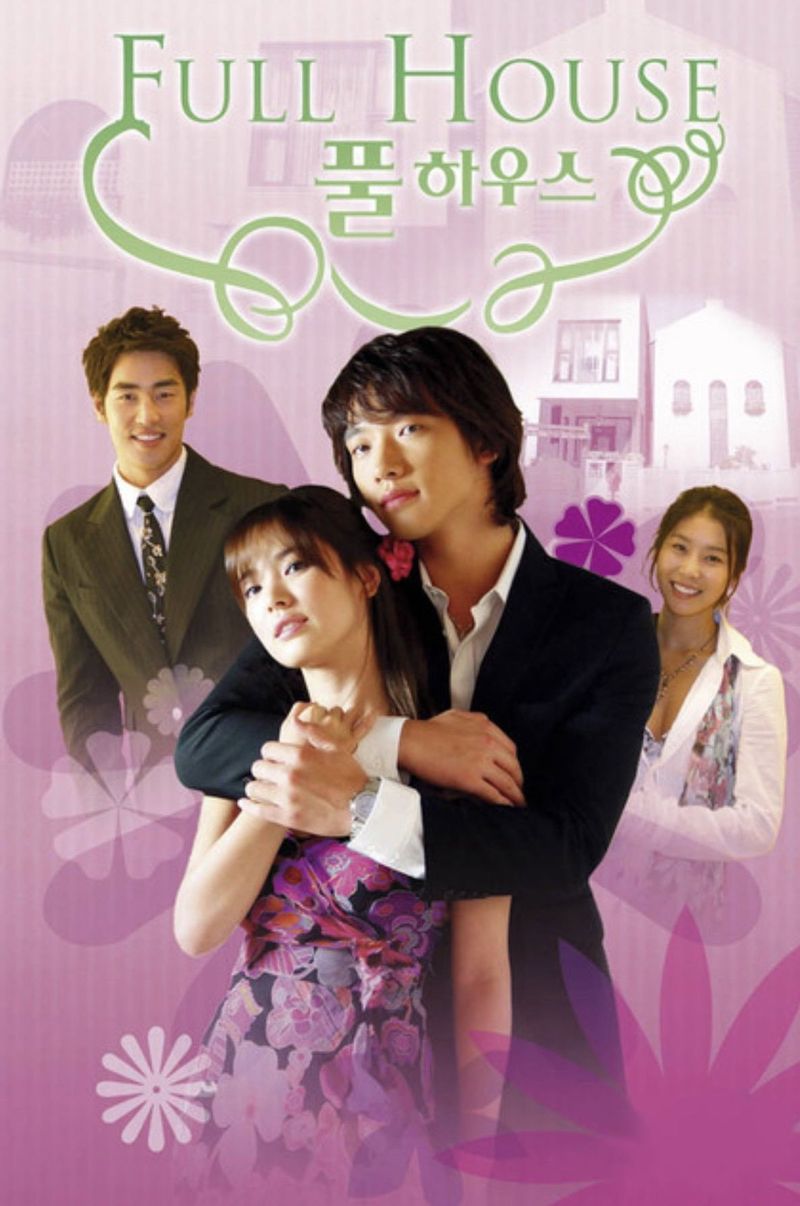
Full House brought a fresh burst of energy to K-drama romance with its bickering leads and laugh-out-loud moments.
Rain and Song Hye-kyo played a couple trapped in a fake marriage contract, and the chemistry between them was absolutely electric.
Fans could not get enough of their playful push-and-pull dynamic.
The drama helped launch Rain into international superstardom and introduced the world to the classic K-drama trope of the grumpy rich guy falling for an ordinary girl.
It balanced comedy and romance in a way that felt light and fun without sacrificing genuine emotion.
Full House remains one of the most rewatched dramas from its era, and its cheerful theme song still brings instant nostalgia to longtime fans.
5. My Lovely Sam Soon (2005)
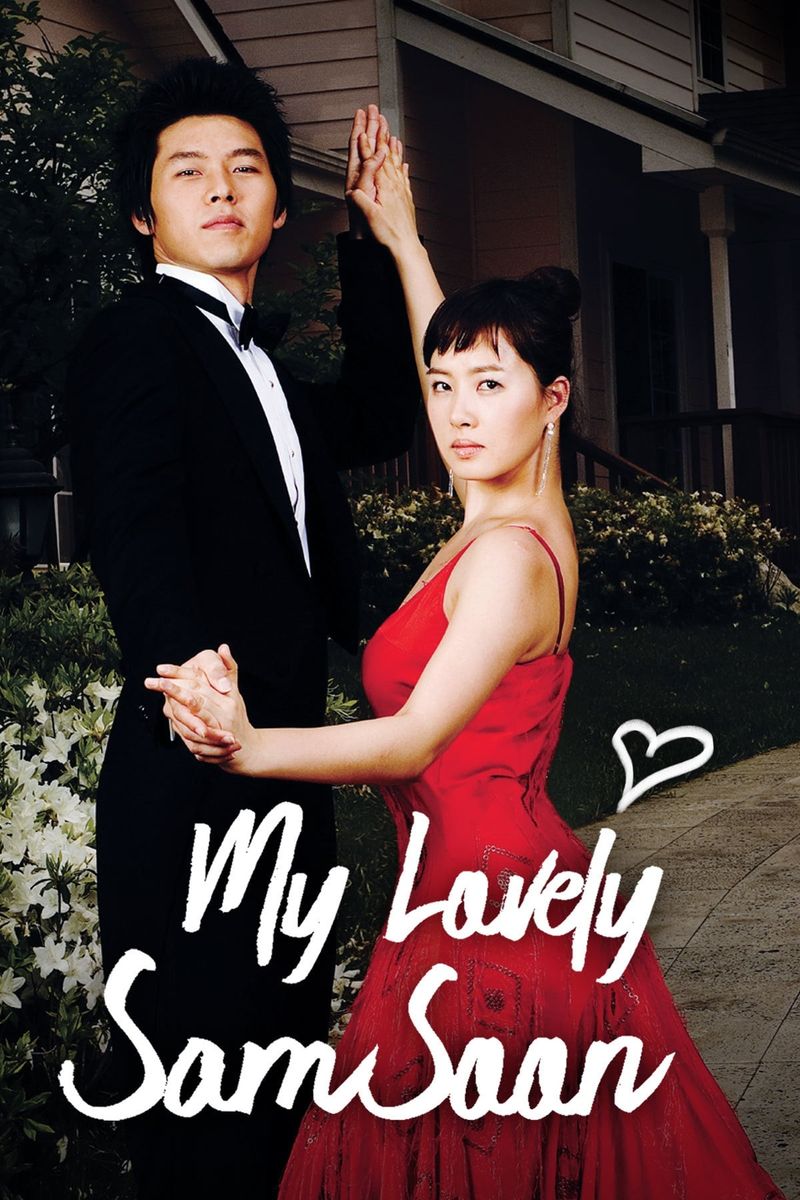
My Lovely Sam Soon was a game-changer because its heroine was nothing like the typical K-drama lead.
Kim Sun-ah played Kim Sam-soon, a funny, chubby, and fiercely independent pastry chef who refused to shrink herself for anyone.
Audiences immediately fell in love with her refreshing honesty and big personality.
The drama broke viewership records in Korea and sparked important conversations about body image and self-worth at a time when those topics were rarely addressed on television.
Hyun Bin played the cold but secretly sweet love interest, and the two had undeniable on-screen chemistry.
My Lovely Sam Soon proved that a flawed, real-feeling female lead could carry a drama just as powerfully as any picture-perfect heroine ever could.
6. Goong (Princess Hours) (2006)
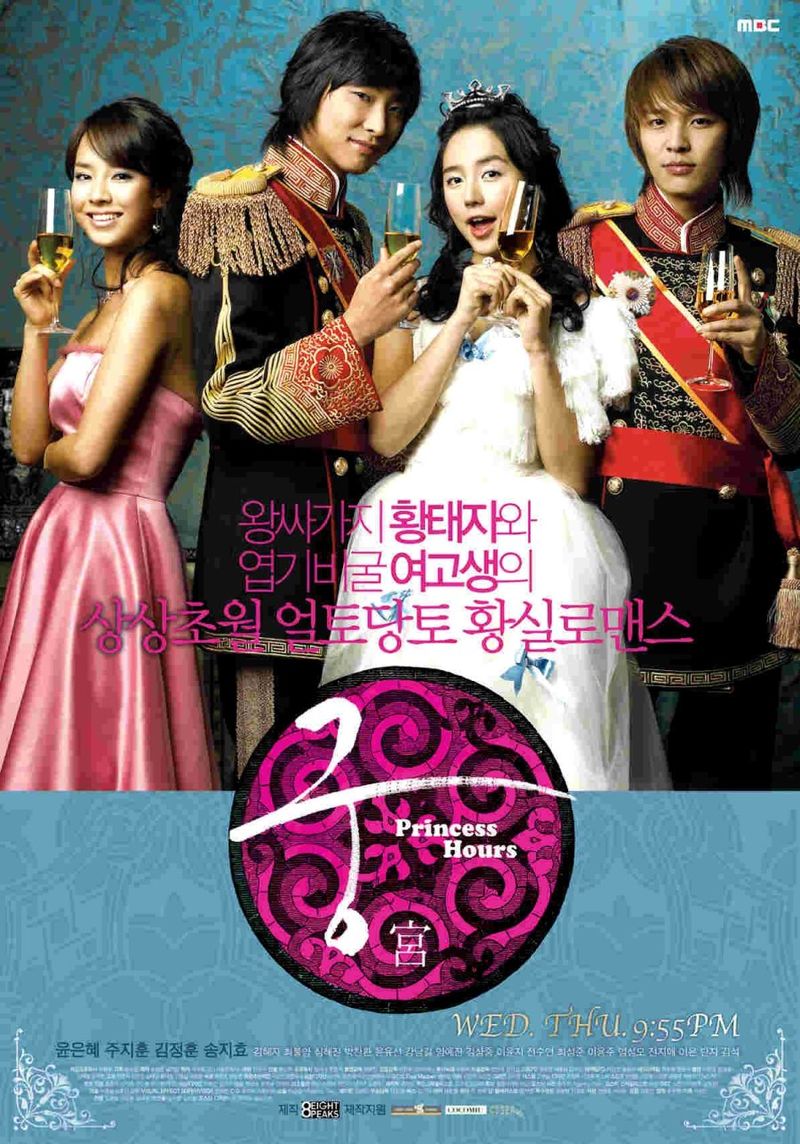
Goong imagined a modern South Korea where the monarchy never ended, and a regular high school girl suddenly finds herself engaged to the crown prince.
The setup sounds wild, but the drama pulled it off with style, humor, and a surprisingly tender romance.
Yoon Eun-hye and Joo Ji-hoon made the royal couple completely irresistible to watch.
What made Goong special was its unique blend of traditional Korean palace culture with a contemporary teenage love story.
The gorgeous costumes, dramatic palace settings, and lovable characters created a visual treat that fans eagerly devoured every week.
Goong also helped popularize the manhwa-to-drama adaptation trend in Korea, proving that webtoon and comic-based stories could translate beautifully onto the small screen.
7. Coffee Prince (2007)
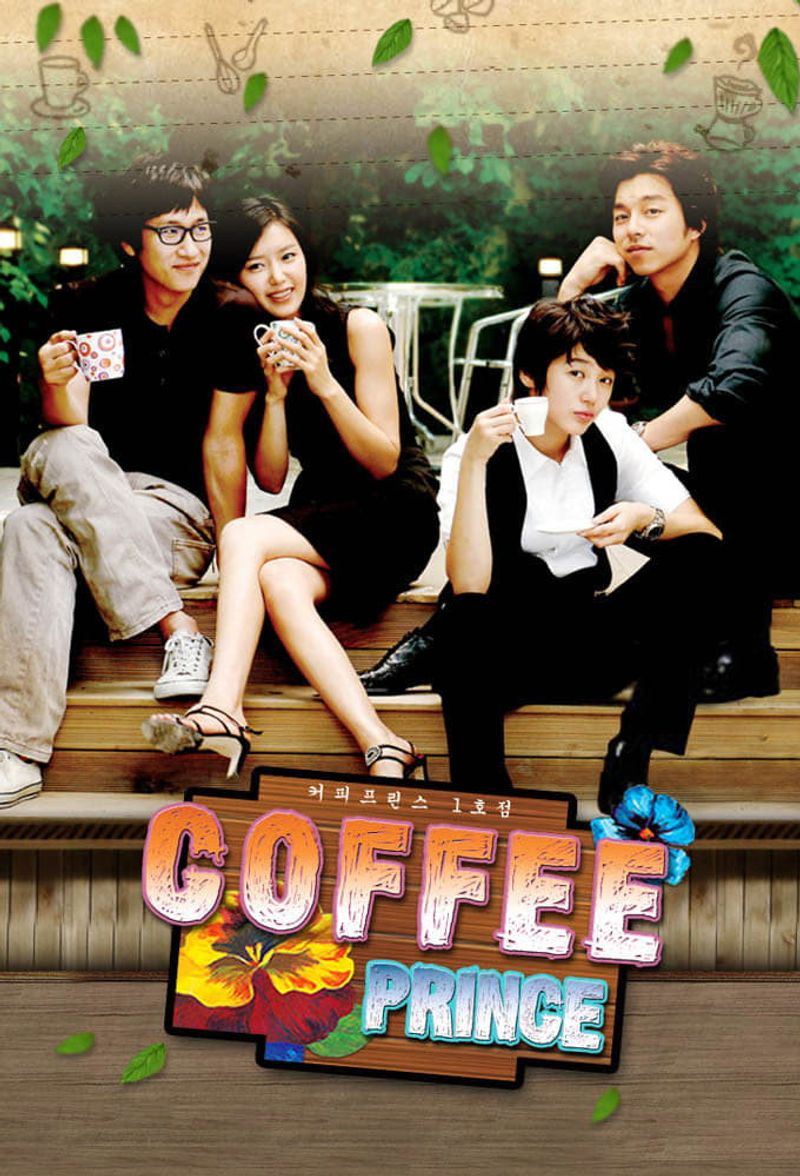
Coffee Prince broke new ground by centering its story on a romance where the male lead falls for someone he believes to be another man.
Yoon Eun-hye played a tomboyish girl who disguises herself as a boy to get a job, and Gong Yoo played the confused but genuinely smitten cafe owner.
The drama handled identity and love with surprising sensitivity for its time.
Beyond its groundbreaking premise, Coffee Prince was simply a joy to watch.
The warm coffee shop setting, quirky supporting characters, and natural chemistry between the leads gave the whole show a cozy, feel-good energy that is hard to replicate.
Gong Yoo became a household name after this drama, and Coffee Prince remains one of the most beloved classics in K-drama history.
8. Boys Over Flowers (2009)
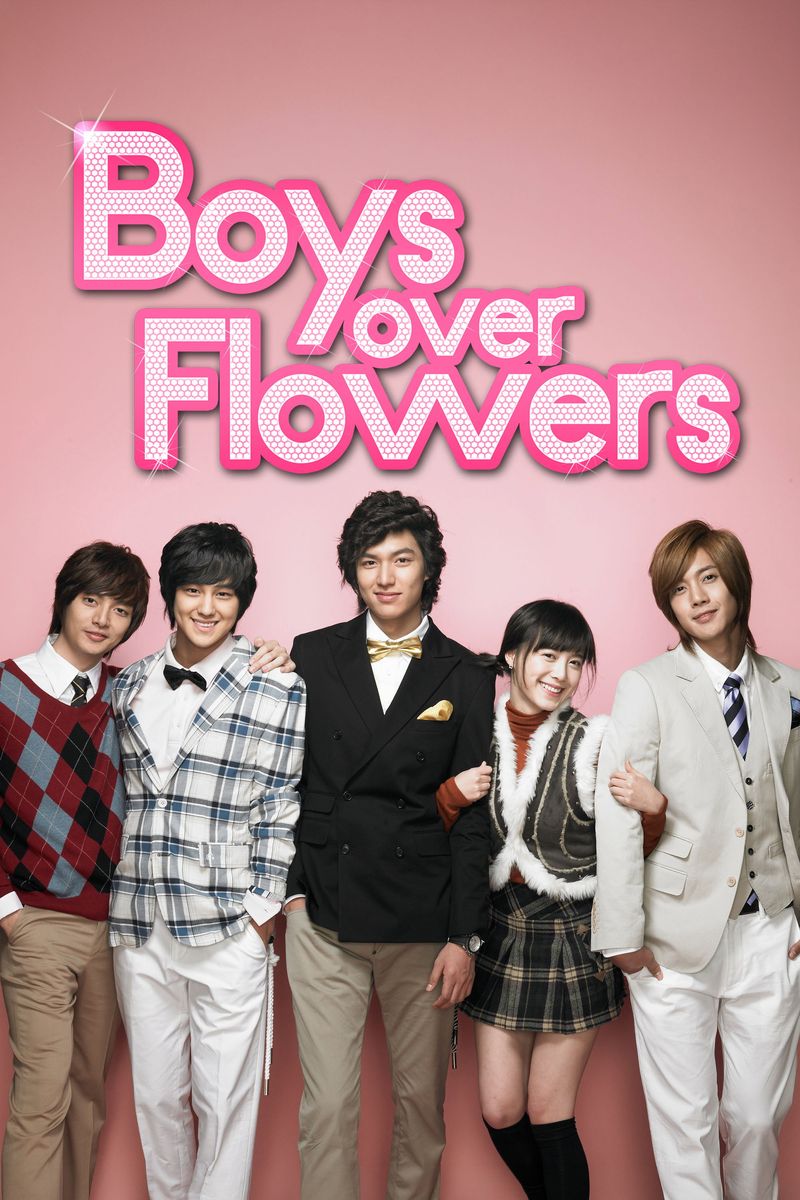
Boys Over Flowers was practically a cultural phenomenon when it aired in 2009.
Based on the popular Japanese manga Hana Yori Dango, it followed a poor girl who stood up to the most powerful and wealthy clique at her elite school — and accidentally caught the attention of their arrogant leader.
The drama made the F4 boys into absolute superstars overnight.
Lee Min-ho exploded onto the international scene thanks to his role as Gu Jun-pyo, and the drama introduced millions of new viewers around the world to K-dramas for the very first time.
Every episode was packed with drama, fashion, and emotional chaos.
Love it or hate it, Boys Over Flowers is impossible to ignore when discussing the dramas that shaped Korean television history.
9. Brilliant Legacy (Shining Inheritance) (2009)
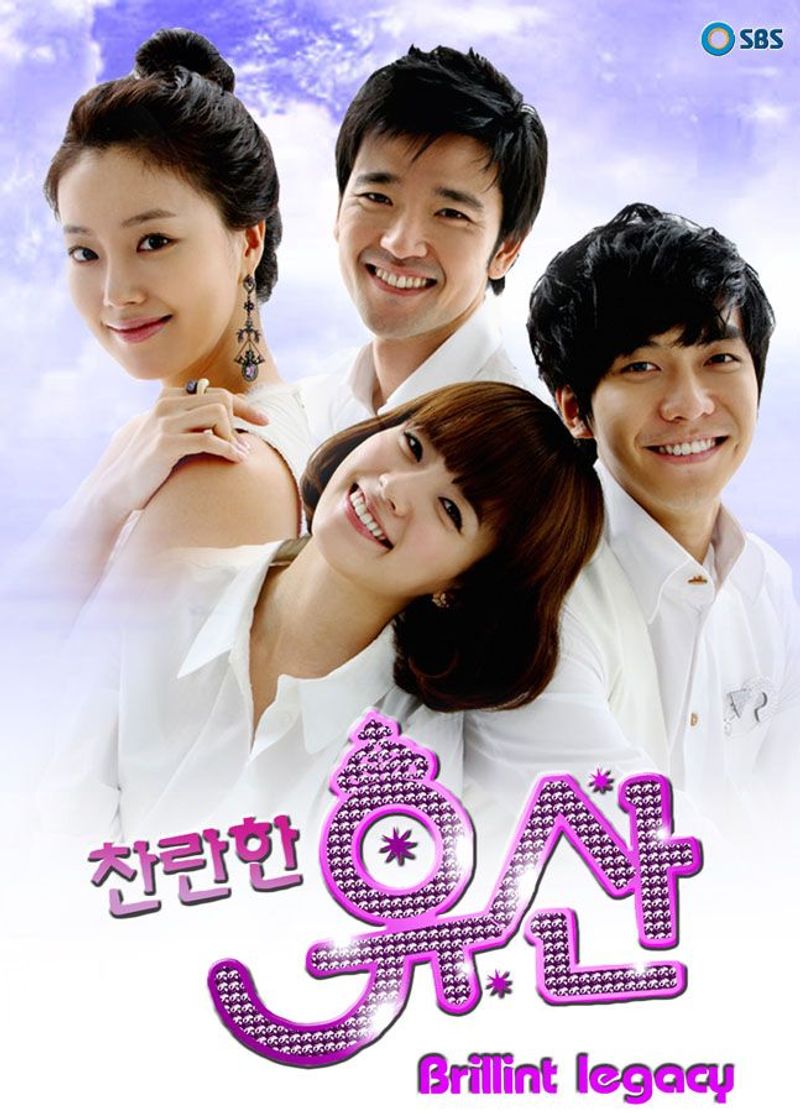
Brilliant Legacy was the quiet powerhouse of 2009, achieving massive ratings without relying on flashy gimmicks or over-the-top melodrama.
Han Hyo-joo played a young woman who loses everything — her family, her home, and her future — and must rebuild herself from scratch through sheer determination and hard work.
Her journey felt genuinely earned.
Lee Seung-gi played the spoiled chaebol grandson who slowly transforms after meeting her, and their slow-burn romance kept viewers glued to the screen week after week.
The drama celebrated values like perseverance, kindness, and family loyalty in a deeply satisfying way.
Brilliant Legacy reminded audiences that sometimes the most powerful stories are the ones grounded in everyday struggles rather than fantasy or glamour.
10. Secret Garden (2010)
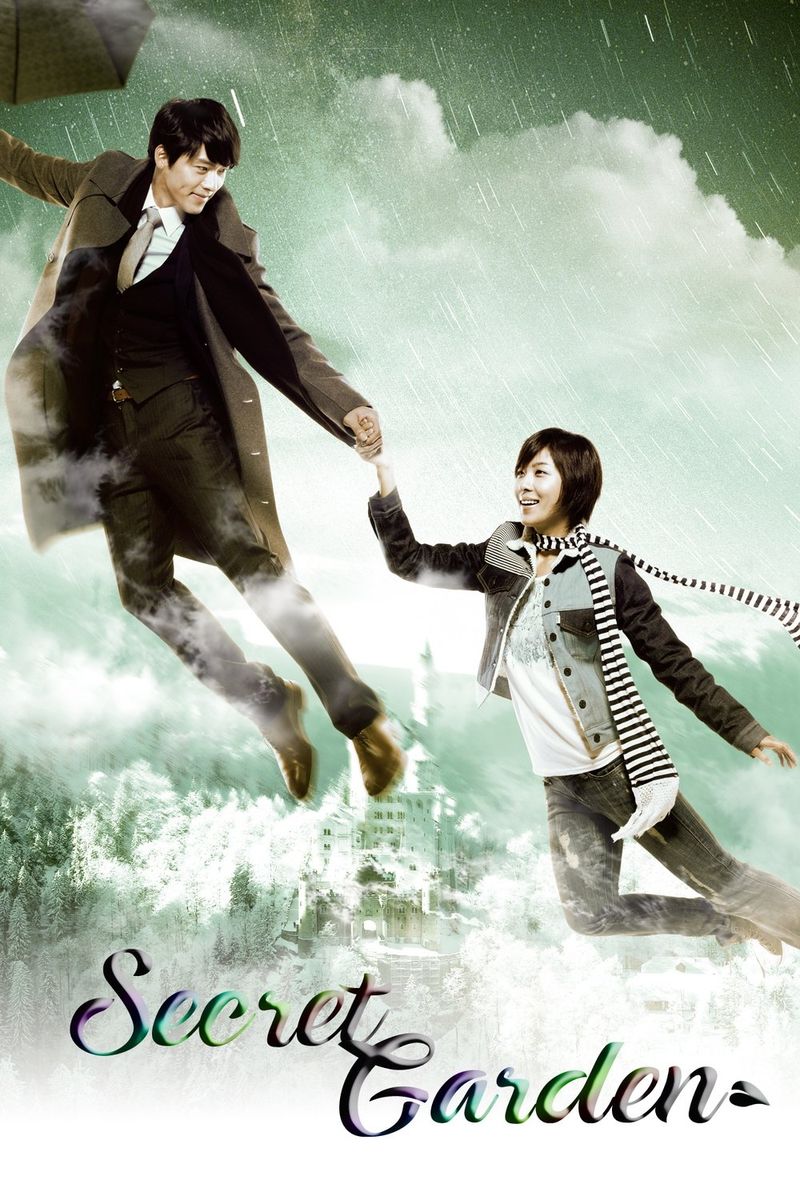
Secret Garden came with one of the most creative premises of its time — a stubborn department store CEO and a no-nonsense stuntwoman keep accidentally swapping bodies.
Hyun Bin and Ha Ji-won tackled the concept with incredible comedic timing and genuine emotional depth, making the body-swap storyline feel fresh and exciting rather than gimmicky.
Hyun Bin’s character wore a now-iconic sparkling tracksuit that became a pop culture moment all on its own.
The drama balanced fantasy, romance, and sharp social commentary about class differences in Korean society without ever losing its playful tone.
Secret Garden proved that K-dramas could be wildly creative with their storytelling while still delivering the emotional payoff that fans always craved from the genre.
11. Sungkyunkwan Scandal (2010)
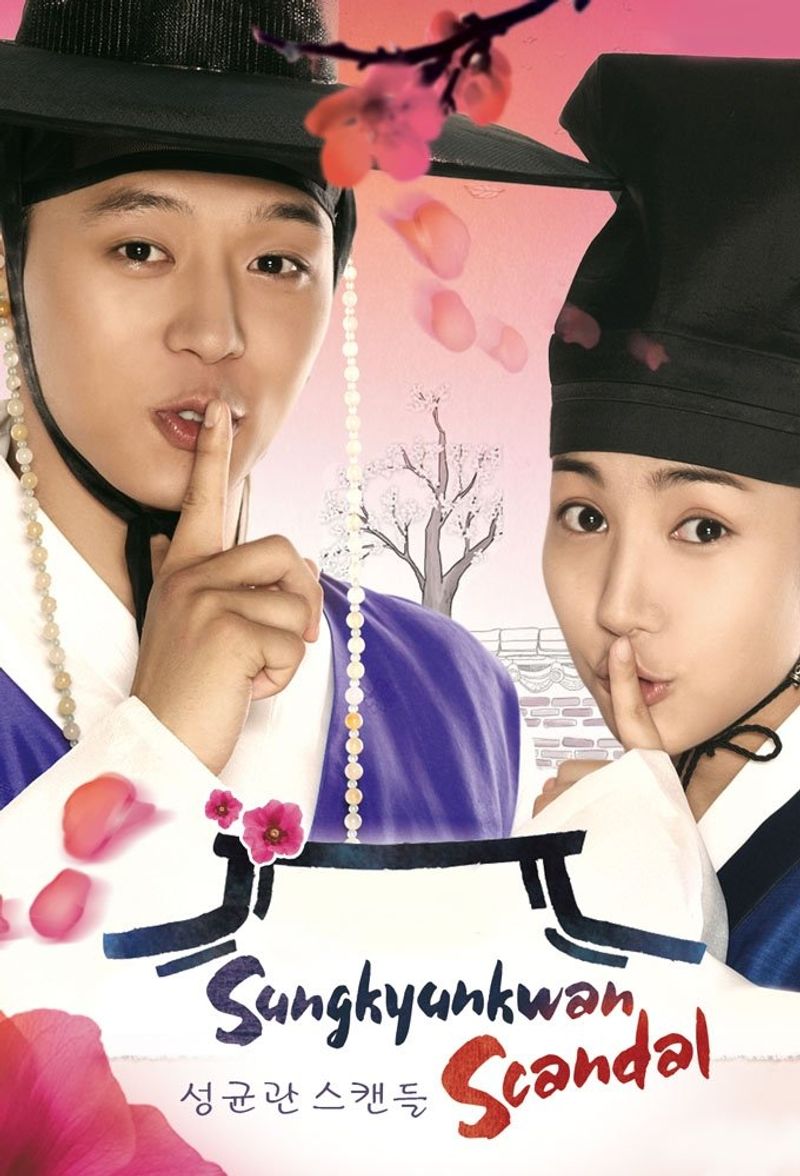
Set in the Joseon dynasty, Sungkyunkwan Scandal followed a brilliant young woman who disguises herself as a man to enter the prestigious royal academy — because women were strictly forbidden from studying there.
Park Min-young brought fierce intelligence and quiet courage to the role, making her character one of the most memorable female leads of the era.
The drama cleverly wove friendship, political intrigue, and forbidden romance into its historical setting, keeping every episode full of tension and warmth.
Yoo Ah-in delivered a standout performance as a rebellious nobleman with a sharp tongue and a hidden heart of gold.
Sungkyunkwan Scandal showed that historical K-dramas could be thrilling, funny, and emotionally rich all at the same time without sacrificing historical atmosphere.
12. Dream High (2011)
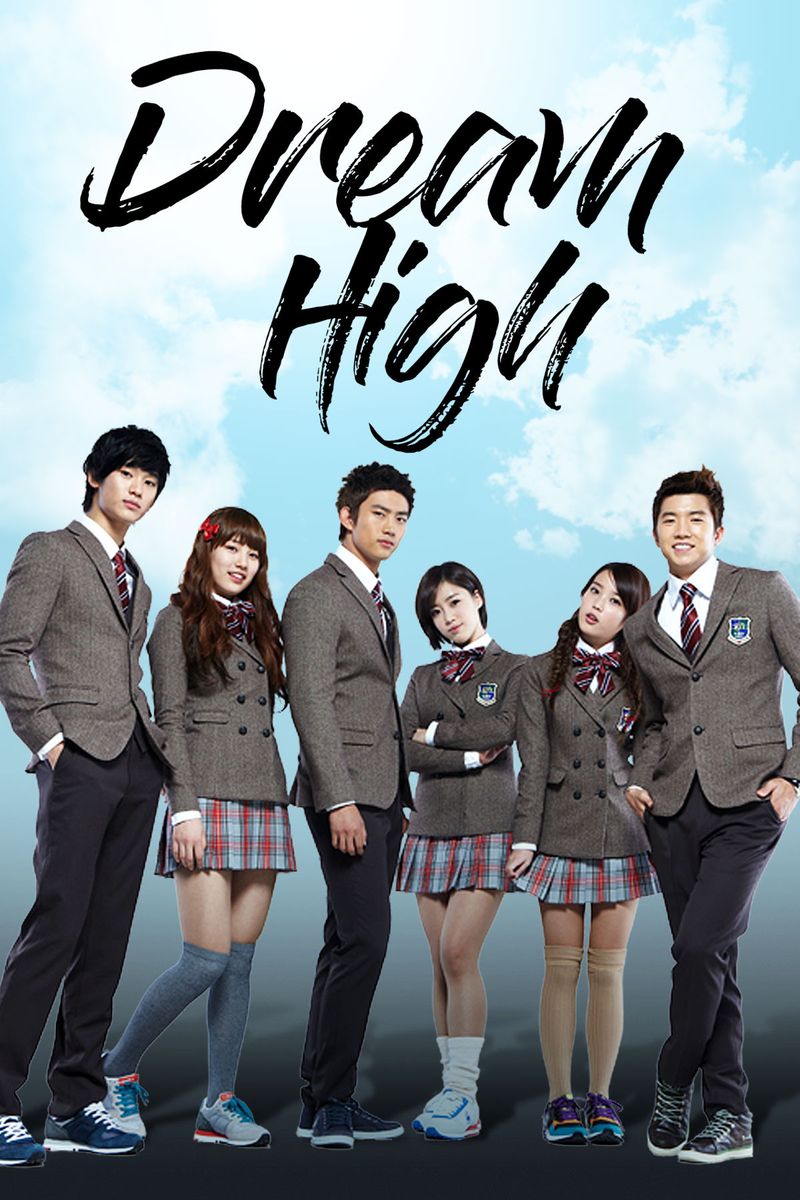
Dream High felt like a love letter to every young person who ever had a big dream and was told it was impossible.
Set at a performing arts high school, it followed a group of students chasing their dreams of becoming K-pop stars despite enormous odds.
The drama starred real-life idols including Suzy, Taecyeon, and IU, which made it feel extra authentic.
The story balanced the pressures of competition with genuine moments of friendship, heartbreak, and personal growth.
Viewers who were passionate about music or dance connected with it on a deeply personal level.
Dream High also gave the world a preview of the global K-pop explosion that was about to happen, making it feel ahead of its time in the best possible way.
13. The Moon Embracing the Sun (2012)
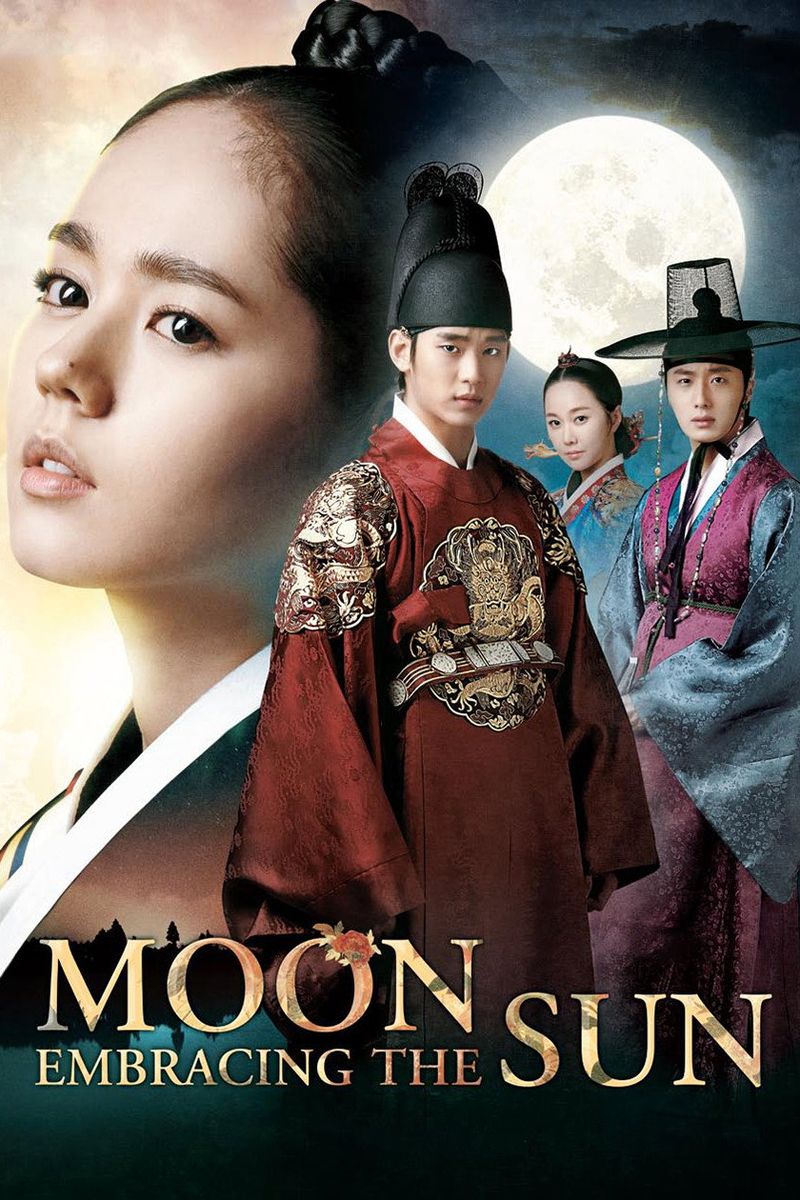
The Moon Embracing the Sun was a fantasy romance set in a fictional Joseon kingdom, and it absolutely captivated the nation from its very first episode.
Kim Soo-hyun played a young king haunted by memories of a girl he loved as a child but believed had died.
When a mysterious shaman enters the palace, those buried memories begin to resurface in haunting ways.
The drama’s combination of magic, political scheming, and heartfelt romance created an atmosphere unlike anything else on television that year.
Ratings soared to record levels, and Kim Soo-hyun became one of Korea’s biggest stars almost overnight.
The Moon Embracing the Sun remains a beautifully crafted fantasy that still enchants new viewers discovering it for the first time years later.
14. Reply 1997 (2012)
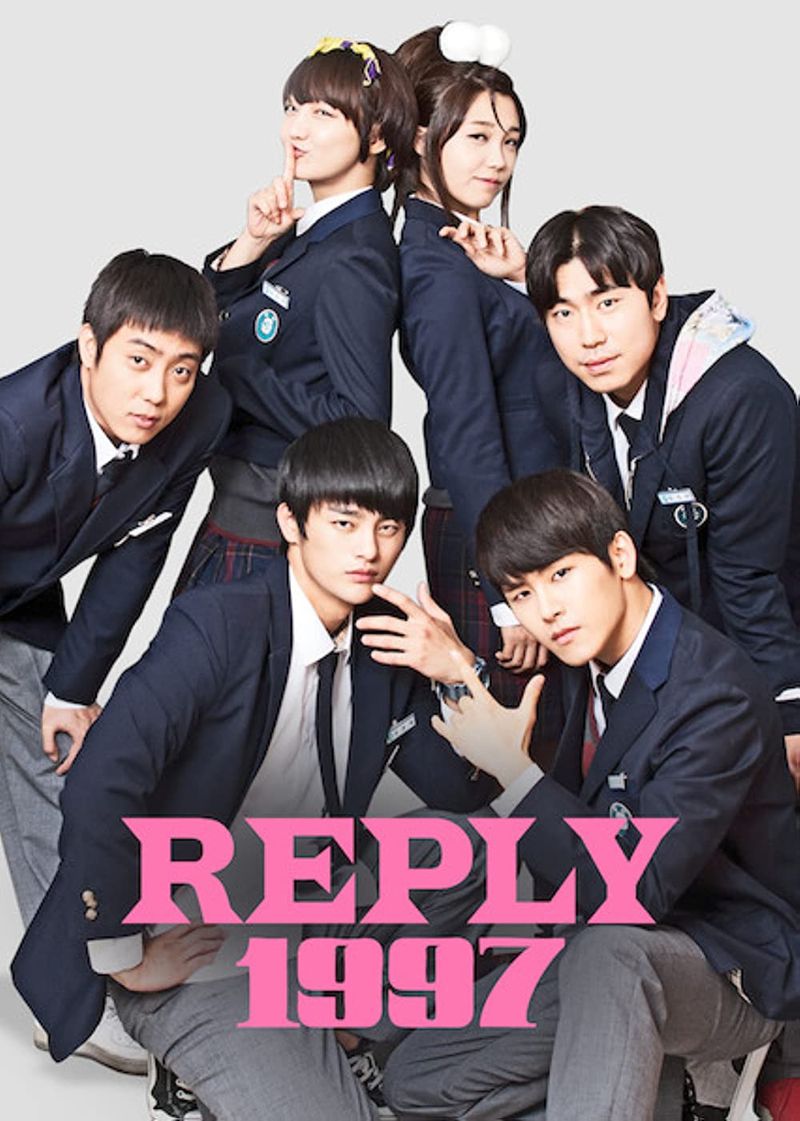
Reply 1997 did something genuinely original — it told a coming-of-age story set in 1997 Busan, capturing the wild energy of first-generation K-pop fandom with hilarious and heartfelt accuracy.
Eun Ji-won’s fan club obsession felt both ridiculous and completely relatable, and the drama made everyone nostalgic for a simpler time even if they had never lived through it.
The mystery of who the main character ended up marrying kept viewers guessing and debating right up until the final episode.
Jung Eun-ji from Apink made her acting debut here and absolutely stole every scene she was in.
Reply 1997 launched an entire anthology franchise and proved that small-budget, character-driven stories could outshine big productions when the writing and heart are truly there.