 MomSkoop
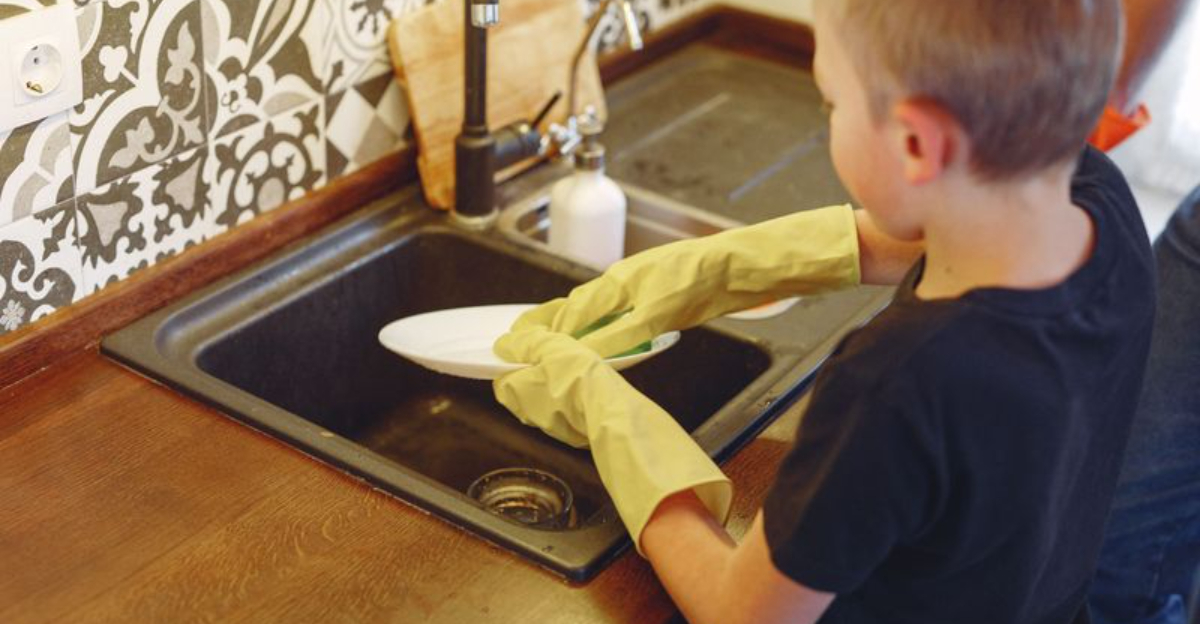
Growing up in the 1960s meant more than Saturday morning cartoons and playing outside until dark. Kids back then were expected to pull their weight around the house, taking on real responsibilities from a young age.
Chores were not optional – they were a normal part of family life that taught discipline, teamwork, and hard work. Looking back at these everyday tasks gives us a fascinating peek into what childhood looked like more than 60 years ago.
1. Making the Bed Every Morning
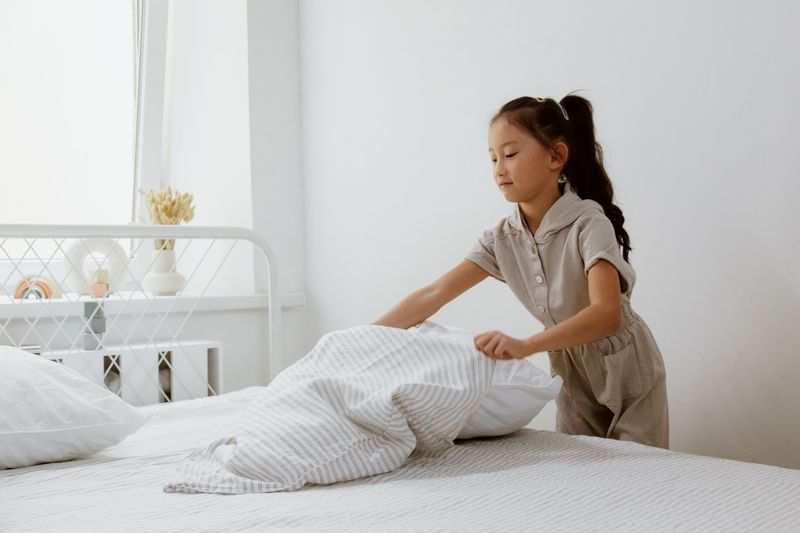
Before breakfast hit the table, most ’60s kids were already tucking in their sheets and fluffing their pillows.
Making the bed was one of the first tasks expected every single morning, no exceptions.
Parents treated a messy bed the same way they treated a messy attitude – it simply was not acceptable.
Kids learned to pull the covers tight and smooth out every wrinkle, sometimes with military-style precision.
Moms would inspect the results and send their children back to fix any lumps or crooked corners.
It may sound strict, but this simple habit built a sense of order and pride that stuck with many people well into adulthood.
2. Washing and Drying the Dishes by Hand
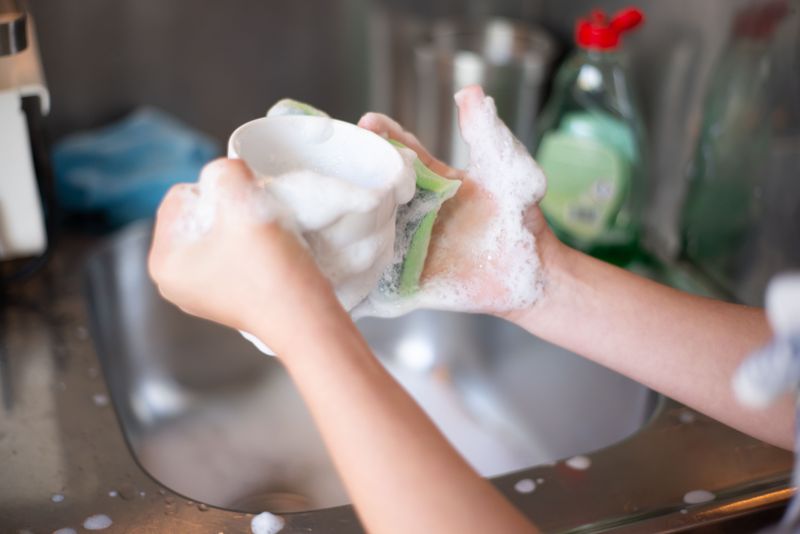
Dishwashers were a luxury most families did not own in the 1960s, which meant every plate, pot, and glass got scrubbed by hand after every meal.
Kids were rotated through dish duty on a regular schedule, and nobody got out of it just because they were tired or had homework waiting.
One sibling would wash while another dried and stacked.
The job required patience, especially after big Sunday dinners with piles of pots and pans.
Grease-caked skillets and stubborn food stuck to casserole dishes made the chore feel endless at times.
Still, many adults who grew up during this era say dish duty taught them responsibility in ways no classroom ever could.
3. Sweeping and Mopping the Floors
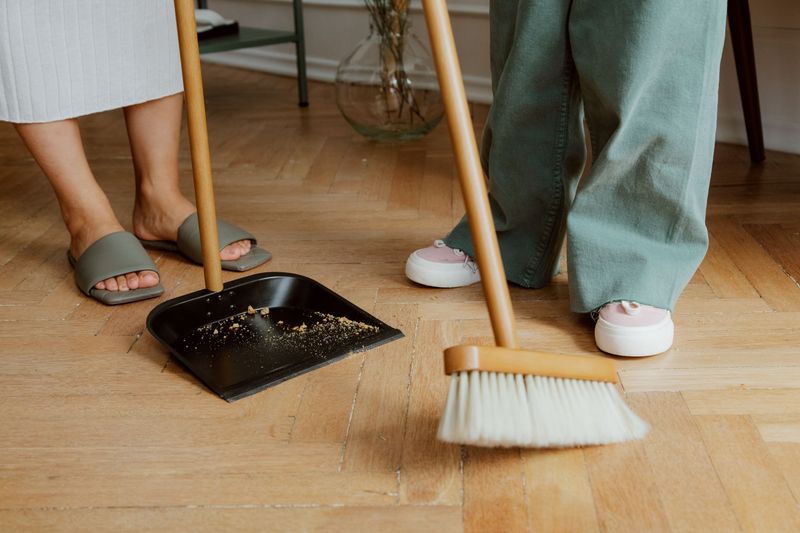
Back in the ’60s, floors took a beating from muddy boots, spilled food, and constant foot traffic.
Sweeping was a daily task in most households, and mopping usually followed a few times each week.
Kids were handed a broom almost as soon as they were tall enough to hold one properly.
Linoleum floors were common in kitchens and bathrooms, and they showed every crumb and scuff mark.
Getting them clean took real effort, especially when the mop bucket water turned gray after just a few passes.
Parents expected the job done right the first time.
Many kids grumbled through it, but they learned that a clean floor was something the whole family could take pride in together.
4. Taking Out the Trash and Burning Household Garbage
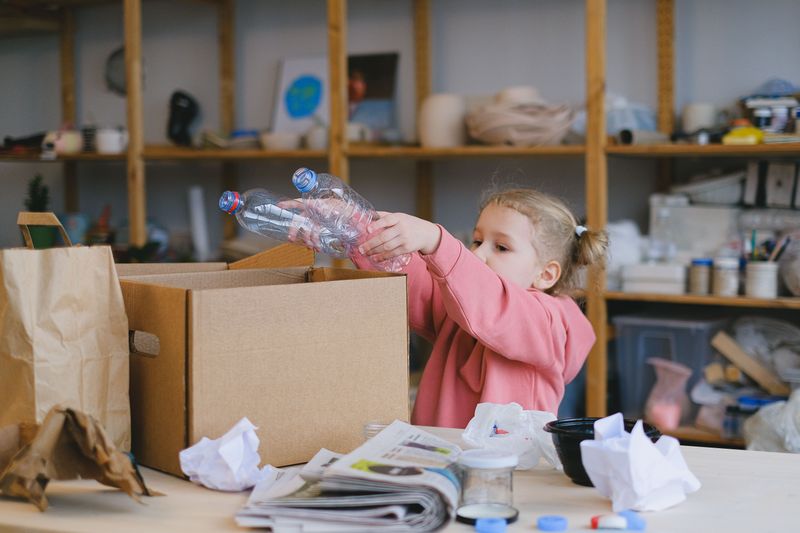
Trash collection worked very differently in the 1960s, especially in rural and suburban areas.
Many families had a burn barrel in the backyard where paper waste, food scraps, and packaging got tossed in and set on fire.
Kids were often the ones assigned to haul the garbage out and get the burning started under a parent’s supervision.
This was considered a completely normal household routine back then, long before recycling programs or modern waste management became widespread.
The smell of burning garbage was familiar to most neighborhoods on any given afternoon.
It sounds unusual today, but for ’60s kids, this was just another item on the after-school chore list that needed checking off before dinner.
5. Hanging Clothes on the Clothesline
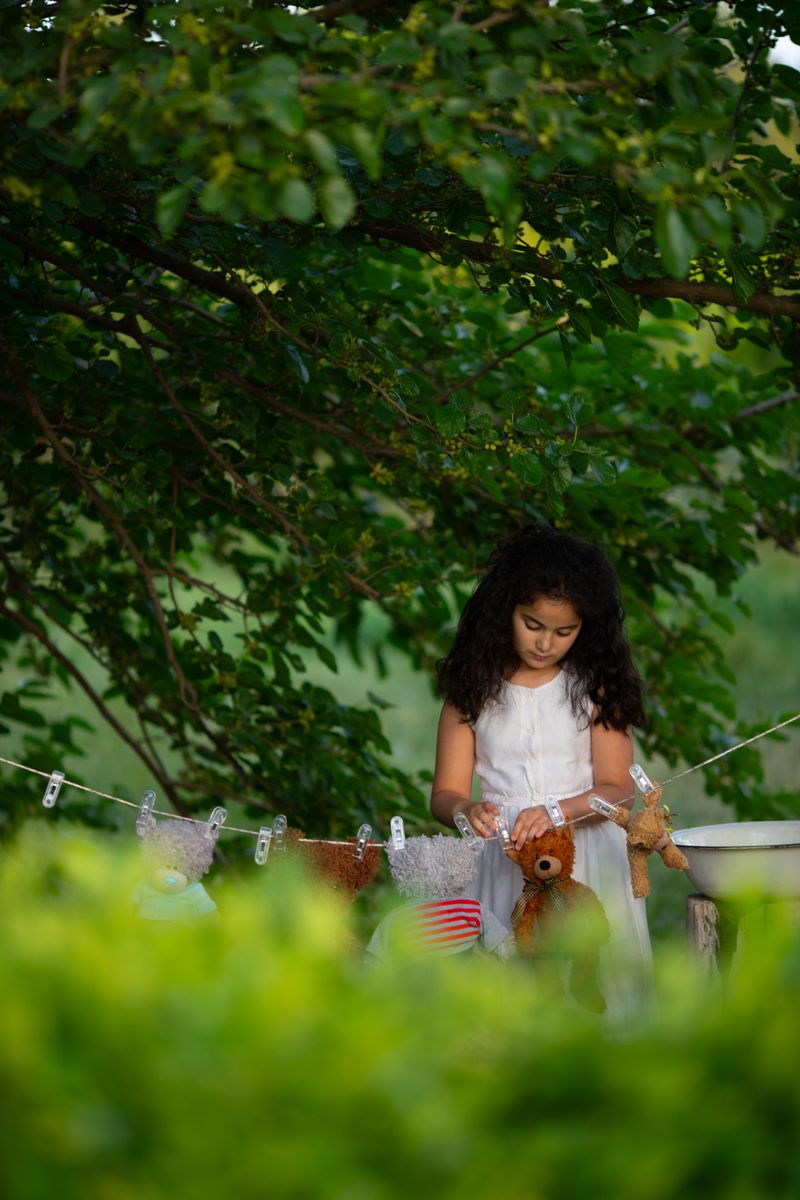
Clothes dryers were not a staple in every home during the 1960s, so the clothesline was the go-to solution after washing day.
Kids were tasked with hauling the wet laundry basket outside and pinning each item neatly onto the line.
It required a bit of strategy – shirts needed to hang just right so they would not come out wrinkled.
On windy days, socks and small items had a habit of flying off if the clothespins were not secured tightly.
Bringing the dry laundry back inside before rain clouds rolled in was a mini emergency that every ’60s kid remembers.
Despite the work involved, clothes dried in fresh air had a clean, sun-warmed scent that no dryer sheet has ever quite managed to copy.
6. Folding and Putting Away Laundry
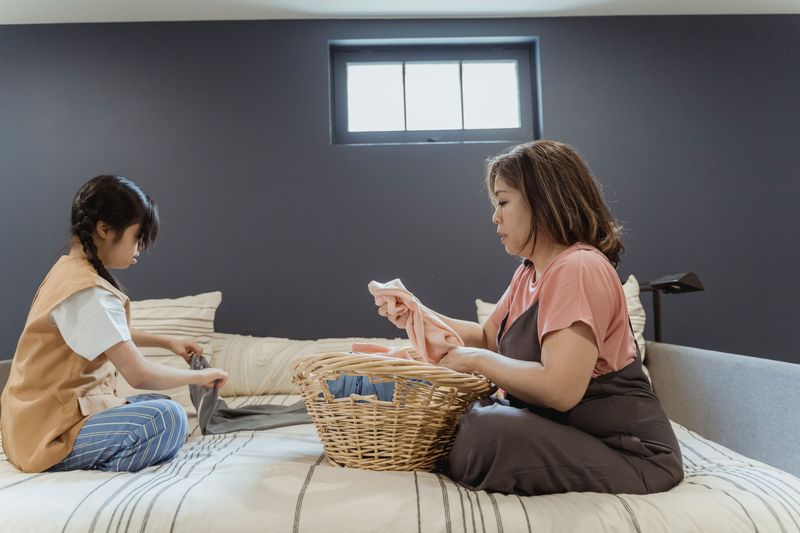
Once the laundry was dry, the work was far from over.
Folding and putting everything away was its own dedicated chore, and it was expected to be done neatly.
Shirts had to be folded flat, pants creased properly, and socks matched before being tucked into drawers.
Parents in the ’60s had high standards when it came to organization.
A drawer stuffed with crumpled, unfolded clothes was a quick way to earn a stern look or a do-it-again order.
Kids with several siblings had even more laundry to sort, since they had to separate each person’s items and deliver them to the right rooms.
Folding laundry may have felt tedious, but it trained a generation in attention to detail and personal organization.
7. Weeding and Watering the Garden
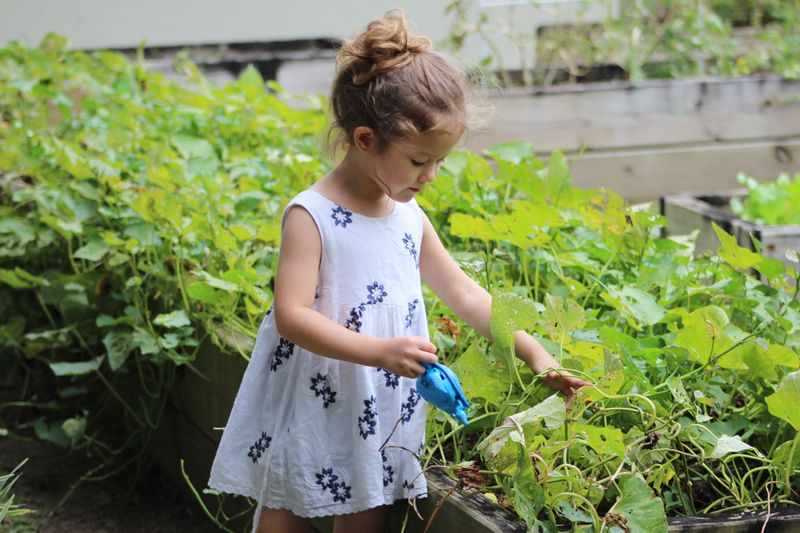
Home vegetable gardens were common in the 1960s, partly because growing your own food was practical and economical.
Kids were drafted into garden duty regularly, crouching between rows of tomatoes, beans, and squash to pull weeds that seemed to sprout overnight.
It was hot, dirty work that required patience and a good eye for telling plants from weeds.
Watering came next, either with a garden hose or a heavy metal watering can carried back and forth from the spigot.
Many families depended on their garden to supplement grocery shopping, which meant the stakes felt real.
A garden that dried out or got choked by weeds was a family problem, not just a kid’s failure.
That pressure made the chore feel genuinely important.
8. Mowing the Lawn with a Push Mower
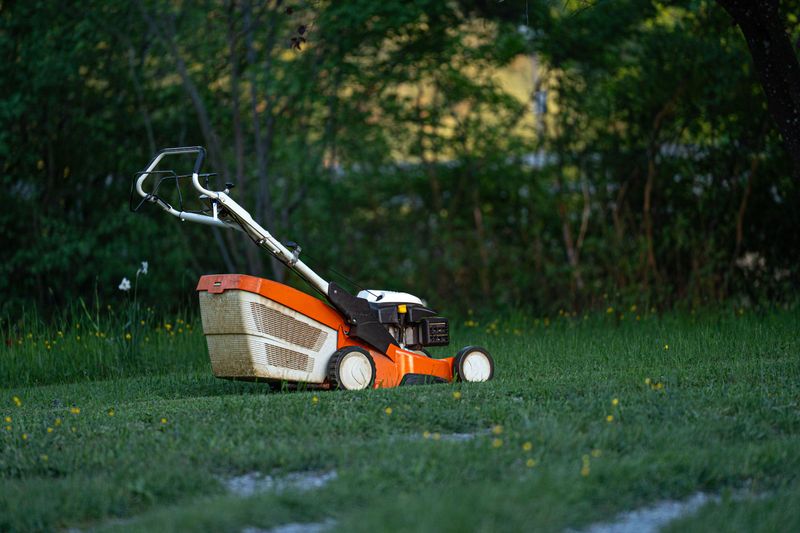
Push mowers in the 1960s were not the easy, self-propelled kind available today.
Many were reel-style mowers – heavy, manual machines that required real muscle to push through thick grass.
Older kids, especially boys, were handed this job as soon as they were deemed strong enough to handle it.
Mowing a full lawn on a hot summer afternoon was exhausting work.
The mower would jam on tall patches of grass, requiring a back-and-forth wrestling match to get it moving again.
Still, finishing the job and seeing those clean, even rows across the yard came with a genuine sense of accomplishment.
Neighbors noticed a well-kept lawn, and parents made sure their kids understood that the yard reflected on the whole family.
9. Feeding Farm Animals or Family Pets
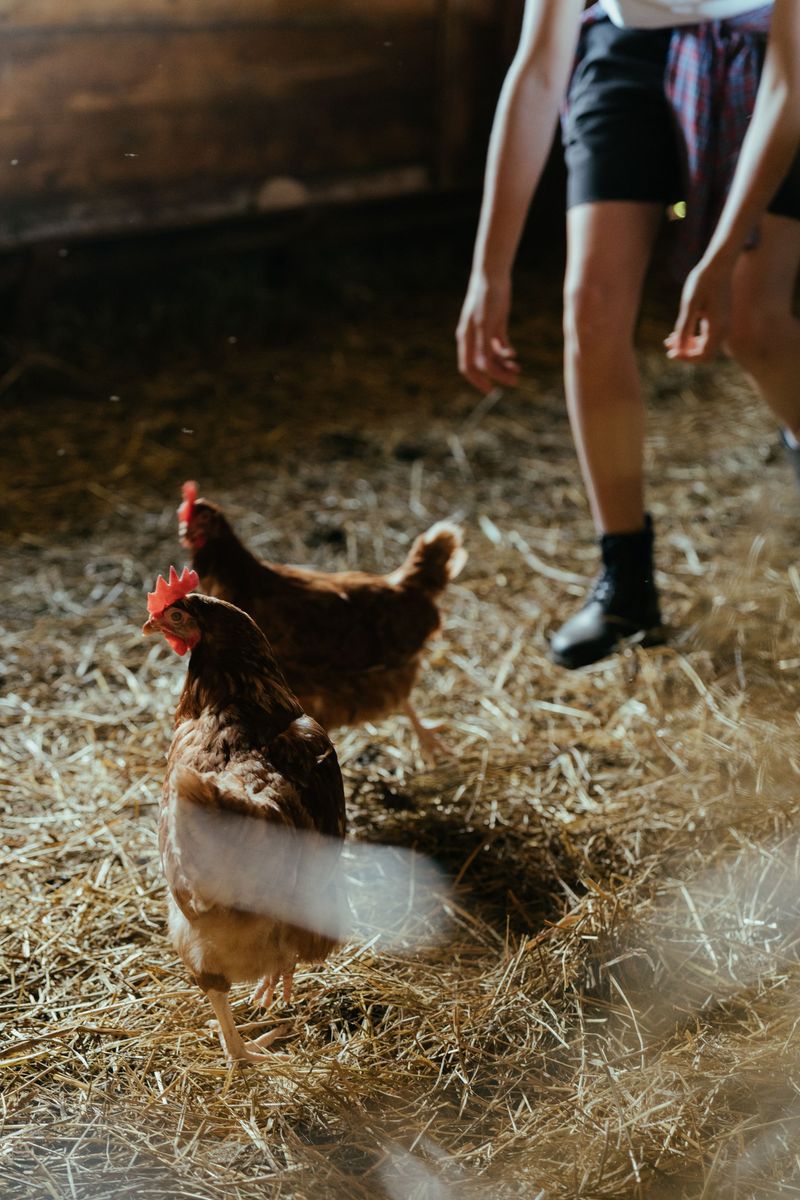
Whether a family lived on a farm or simply kept a dog and a few backyard chickens, feeding the animals was a chore that fell squarely on the kids.
Animals could not wait, complain, or remind you – they simply depended on whoever was assigned to show up every morning and evening, rain or shine.
Farm kids had it especially demanding, tending to cows, pigs, goats, and chickens before school even started.
Suburban kids with pets had a smaller but equally consistent responsibility.
Missing a feeding was not something parents let slide easily.
This chore above many others taught children what real dependability looked like – that some duties exist not for your convenience but for another living creature’s wellbeing.
10. Polishing Furniture and Dusting the House
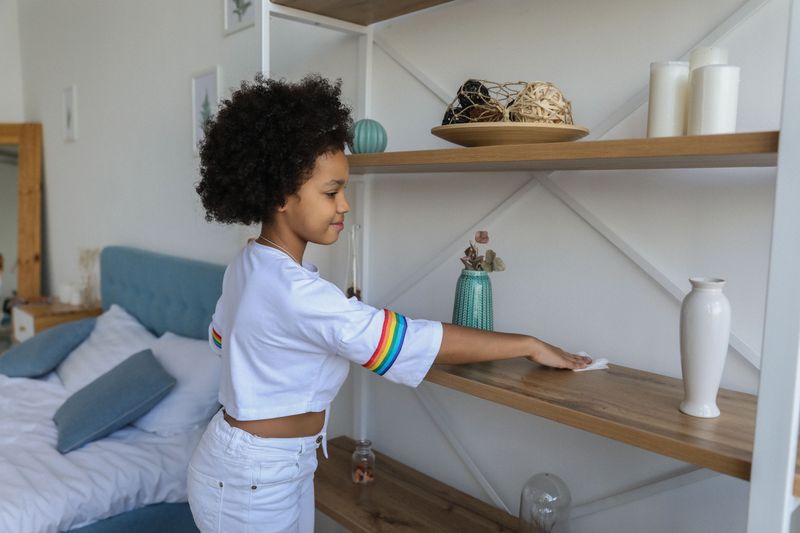
Furniture polish had a very distinct smell in the 1960s, and most kids who grew up during that era can still recognize it instantly.
Dusting and polishing the wooden furniture was a weekly chore that required working through every room systematically – end tables, bookshelves, the television cabinet, and the china hutch all needed attention.
Kids used soft rags or feather dusters, wiping down surfaces and buffing the wood until it gleamed.
Knick-knacks and decorative items had to be moved, dusted underneath, and placed back exactly where they belonged.
Moms in particular kept close tabs on whether the job was done thoroughly or just skimmed over.
A shiny, dust-free living room was a point of household pride that the whole family shared and maintained together.
11. Babysitting Younger Brothers and Sisters
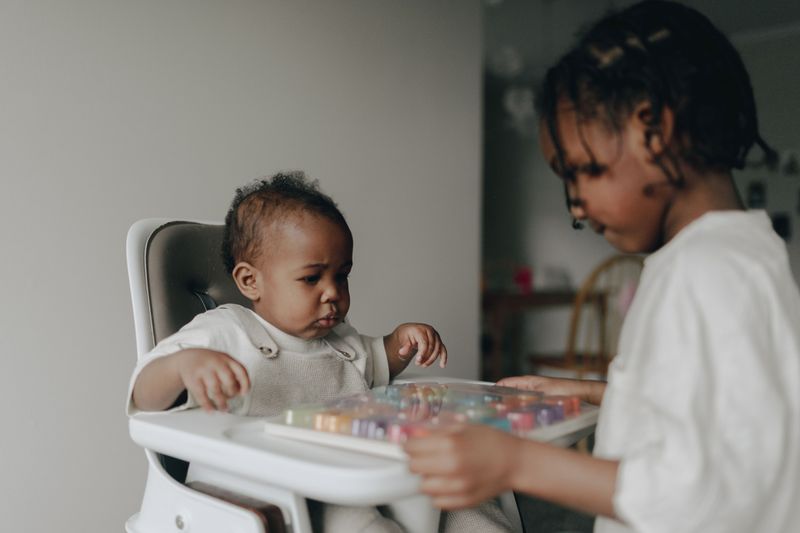
Older siblings in the 1960s were essentially junior parents when Mom and Dad stepped out.
Babysitting younger brothers and sisters was not considered unusual or unfair – it was simply part of being the older kid in the family.
No payment was expected, and no negotiation was entertained.
This meant making sure the little ones ate, stayed out of trouble, did not hurt themselves, and were in bed on time.
Handling a crying toddler, a scraped knee, or a sibling argument without adult backup required quick thinking and genuine maturity.
Many people who grew up as the oldest child credit this responsibility for making them capable, calm adults.
It was an unofficial training ground for patience and leadership that no formal program could have replicated.
12. Running Errands to the Local Store

Kids in the 1960s regularly walked or biked to the corner store alone, armed with a handwritten list and a few dollars tucked into their pocket.
Parents trusted their children to handle small grocery runs – picking up a loaf of bread, a quart of milk, or a few cans of soup without any adult supervision.
This kind of independence was completely normal for the era and gave kids a real sense of capability and confidence.
Shopkeepers knew the neighborhood families by name, which added an extra layer of community trust.
Making correct change, choosing the right items, and getting home without losing the money were all small but meaningful tests of growing up.
Running errands made kids feel genuinely useful to their families.
13. Helping Prepare Family Meals
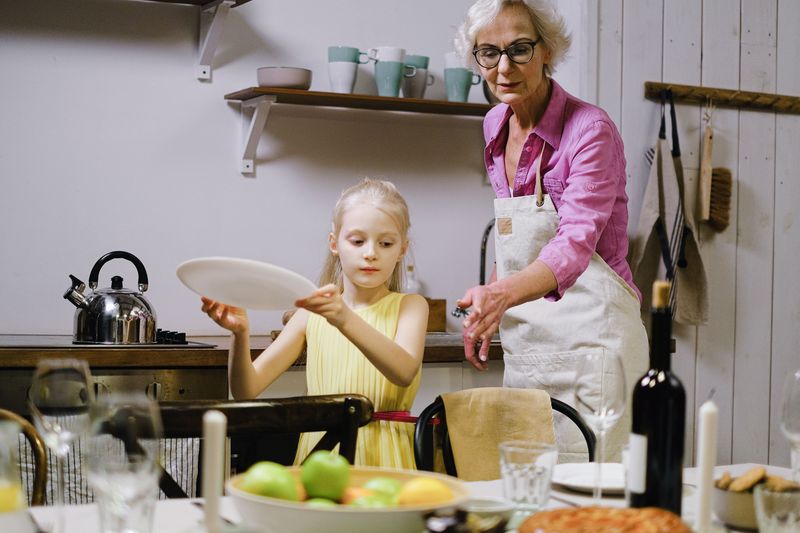
Cooking from scratch was the standard in 1960s households, and kids were expected to help from a fairly young age.
Peeling potatoes, snapping green beans, stirring pots, and setting the table were all tasks that fell to whoever Mom recruited on any given evening.
The kitchen was a busy, collaborative space where everyone had a role.
Girls were often taught more cooking skills than boys during that era, though many boys pitched in with basic prep work too.
Learning to follow a recipe, manage heat on a stove, and time multiple dishes to finish together were genuine life skills passed down through hands-on kitchen experience.
Families who cooked together at home also tended to eat together, which made mealtimes a central part of daily family connection.
14. Cleaning Bedrooms and Shared Living Spaces

A messy bedroom was not tolerated for long in most 1960s households.
Kids were expected to keep their rooms tidy on a daily basis, not just when company was coming over.
Toys had to be put away, clothes picked up off the floor, and surfaces kept reasonably clear without being reminded a dozen times.
Shared living spaces like the den or family room were group responsibilities, meaning siblings had to coordinate and cooperate to get the job done.
Arguing over whose mess belonged to whom was a classic ’60s sibling experience.
Parents held firm on the expectation that common areas stayed presentable.
Keeping shared spaces clean taught kids early on that living with other people requires compromise, cooperation, and a willingness to pitch in even when it is not your turn.