 MomSkoop
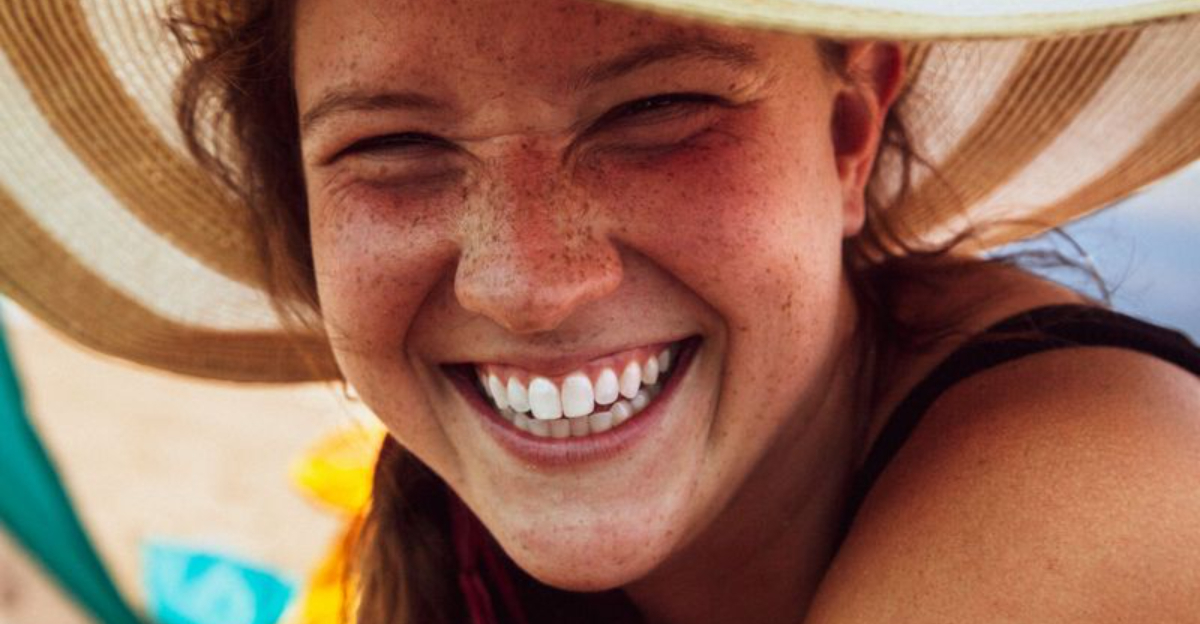
Beauty looks different depending on where you are in the world. In Europe, many beauty ideals lean toward a more natural, understated look that can feel surprisingly different from the polished, high-gloss standards often celebrated in American pop culture.
From skincare routines to nail styles, European approaches to beauty often celebrate what makes a person unique rather than what makes them look “perfect.” If you have ever wondered why European style feels so effortlessly cool, these 14 beauty standards give some great clues.
1. Natural-Looking Skin
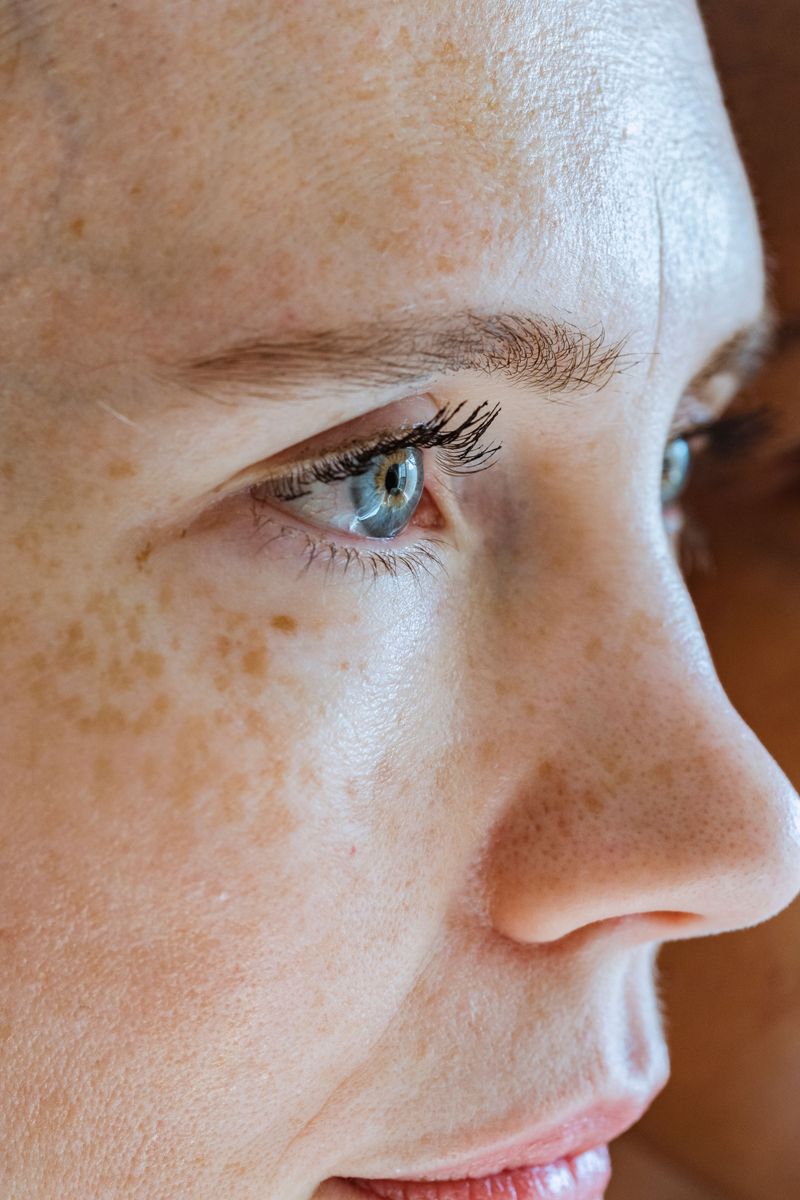
Freckles, pores, and a little unevenness are not problems to fix in many European beauty traditions.
They are simply part of what makes a face look real and alive.
Rather than layering on thick foundation to create a flawless finish, the goal is often skin that simply looks healthy.
American beauty culture has long celebrated a “airbrushed” look, partly driven by heavy photo editing and full-coverage products.
European women, especially in France and Scandinavia, often prefer lightweight tints or nothing at all.
Skin is treated as something to care for, not cover up.
This mindset shift puts skincare at the center of the routine instead of makeup.
2. Minimal Everyday Makeup
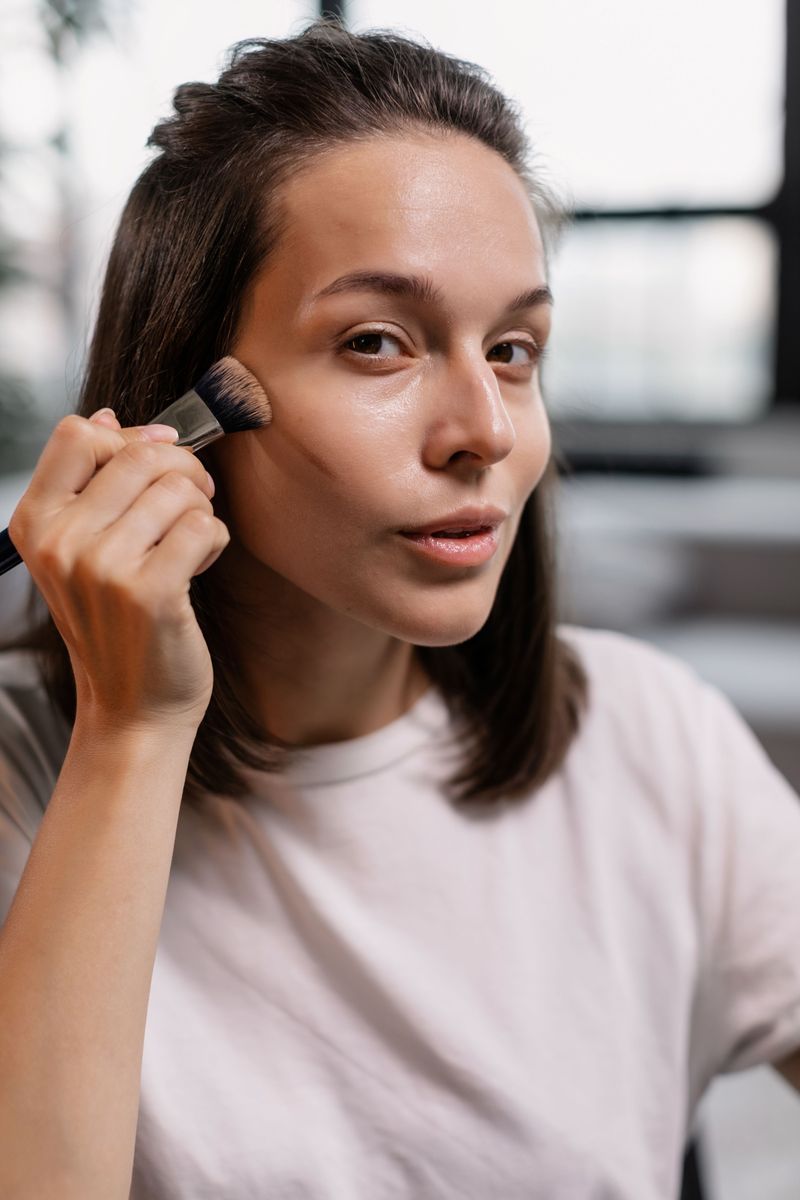
Across much of Europe, the everyday makeup look is closer to “barely there” than “full glam.” A swipe of mascara, a little lip balm, and maybe a touch of blush is often considered more than enough for a regular Tuesday.
The philosophy is that less can genuinely be more.
Heavy contouring, dramatic cut creases, and full-coverage foundation are more common in American beauty routines, often influenced by celebrity culture and social media trends.
European minimalism in makeup is not about laziness.
It is a deliberate choice to let natural features show through.
For many, this approach actually takes confidence, because there is nowhere to hide.
3. Less Emphasis on Perfect Teeth
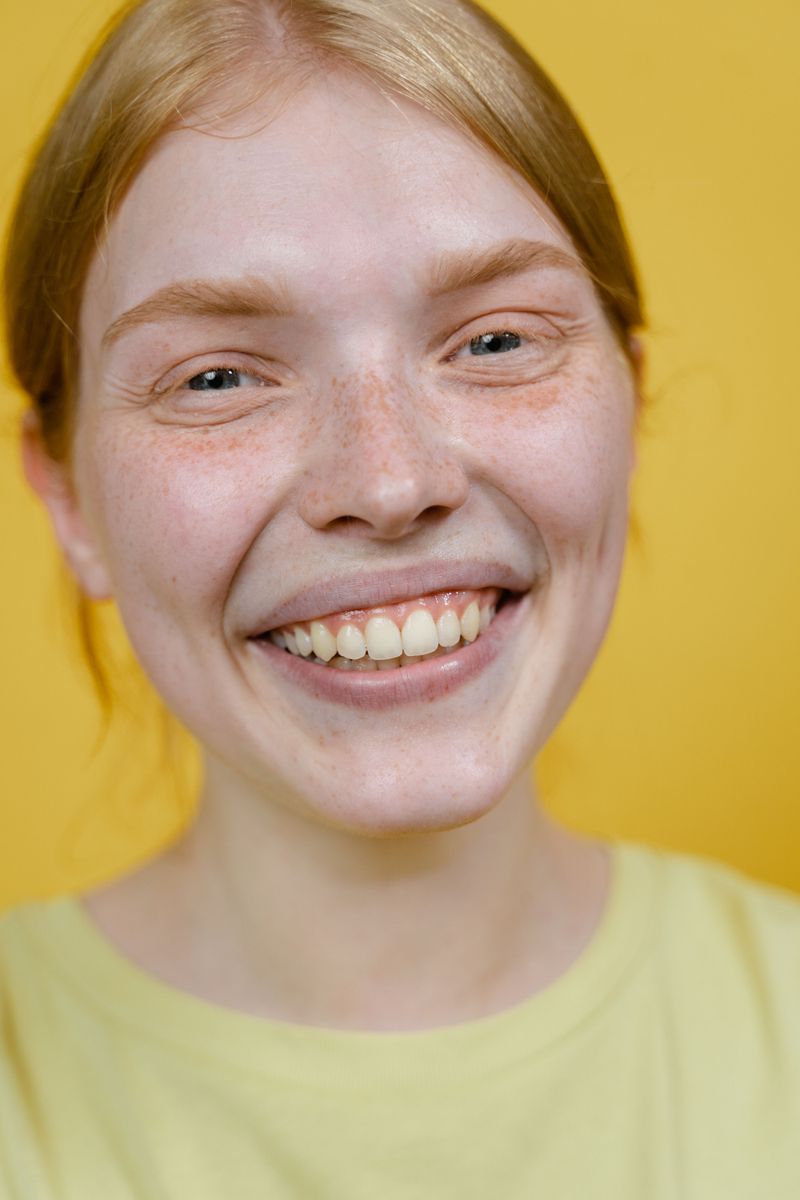
Walk down any street in Paris or Rome and you will notice something right away: people smile freely without worrying whether their teeth are blindingly white.
Dental health matters, of course, but chasing a Hollywood-level smile is far less common as a beauty priority in most of Europe.
In the United States, teeth whitening, veneers, and orthodontic work aimed at achieving perfectly symmetrical smiles are widely popular and heavily marketed.
Europeans tend to view well-maintained teeth as the goal rather than movie-star perfection.
A small gap or slightly off-center tooth is rarely treated as something that needs fixing.
The result is a more relaxed relationship with one of the most personal parts of your appearance.
4. Natural Brows
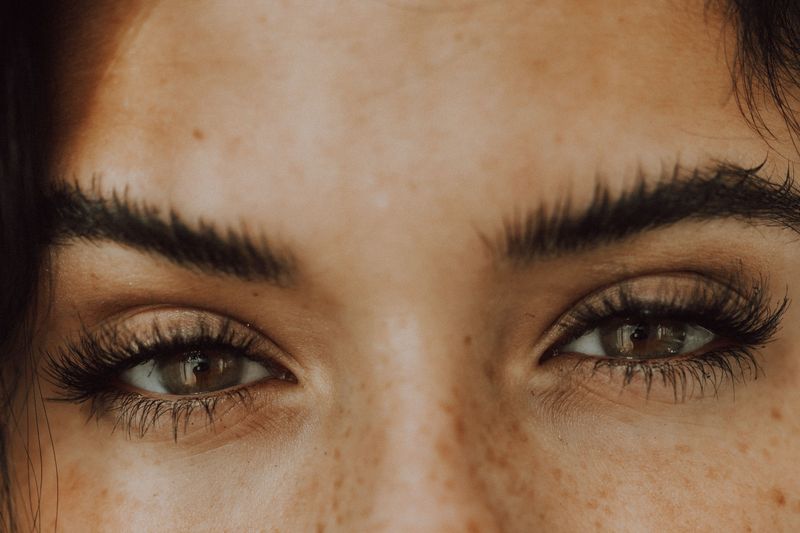
Heavily laminated, microbladed, or sharply sculpted brows have been a major trend in American beauty for years.
European brow standards tend to head in the opposite direction, favoring fuller arches that look like they grew that way on their own.
Individual hairs and a softer shape are often seen as more appealing.
Think of the classic French look: brows that are brushed up but not aggressively filled in or drawn on.
The texture and natural growth pattern are left visible rather than hidden under product.
This approach ties into the broader European preference for features that look inherent rather than constructed.
Grooming is fine, but the result should still look like you.
5. Effortless Hair
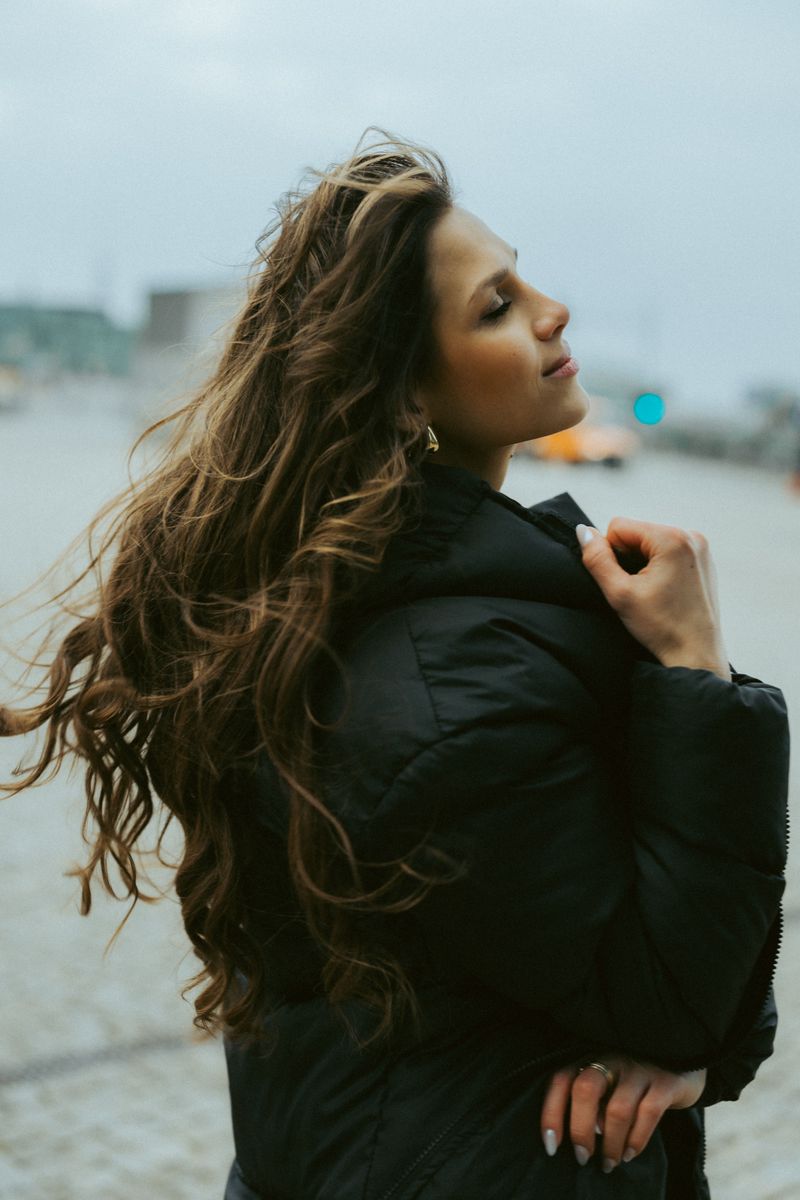
There is a reason the “French girl hair” look became a worldwide obsession.
Slightly undone waves, air-dried texture, and styles that look like you just stepped outside are deeply embedded in European beauty culture.
The goal is hair that moves and breathes rather than sitting perfectly in place.
American beauty culture has historically celebrated the big, bouncy blowout and sleek, polished finishes.
Achieving that look often requires significant time, heat tools, and product.
European hair ideals flip that script.
A little frizz or natural wave is not something to fight against.
Embracing your hair’s actual texture is seen as a sign of confidence, and honestly, it saves a lot of morning time too.
6. Subtle Cosmetic Enhancement
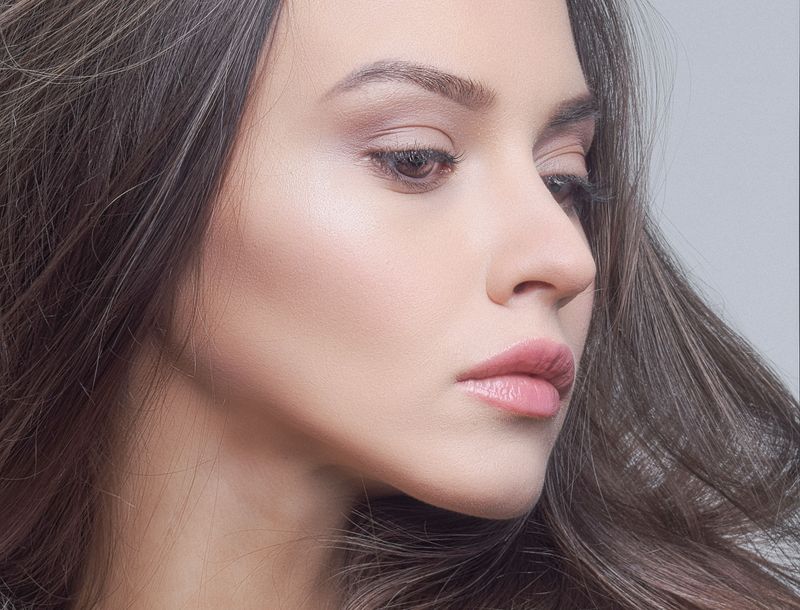
Cosmetic procedures are not absent from European beauty culture, but the preferred outcome is very different from what often trends in America.
When fillers or treatments are used, the goal is typically to look refreshed rather than transformed. “You can’t tell” is the highest compliment.
In contrast, some American beauty trends have embraced more visible enhancements as a form of self-expression, and there is nothing wrong with that approach either.
But in countries like Sweden, Germany, and France, the beauty ideal leans toward results that blend seamlessly with natural features.
Subtlety is the point.
The idea is that good cosmetic work should make people wonder why you look so well-rested, not what procedure you had done.
7. Individual Features Celebrated
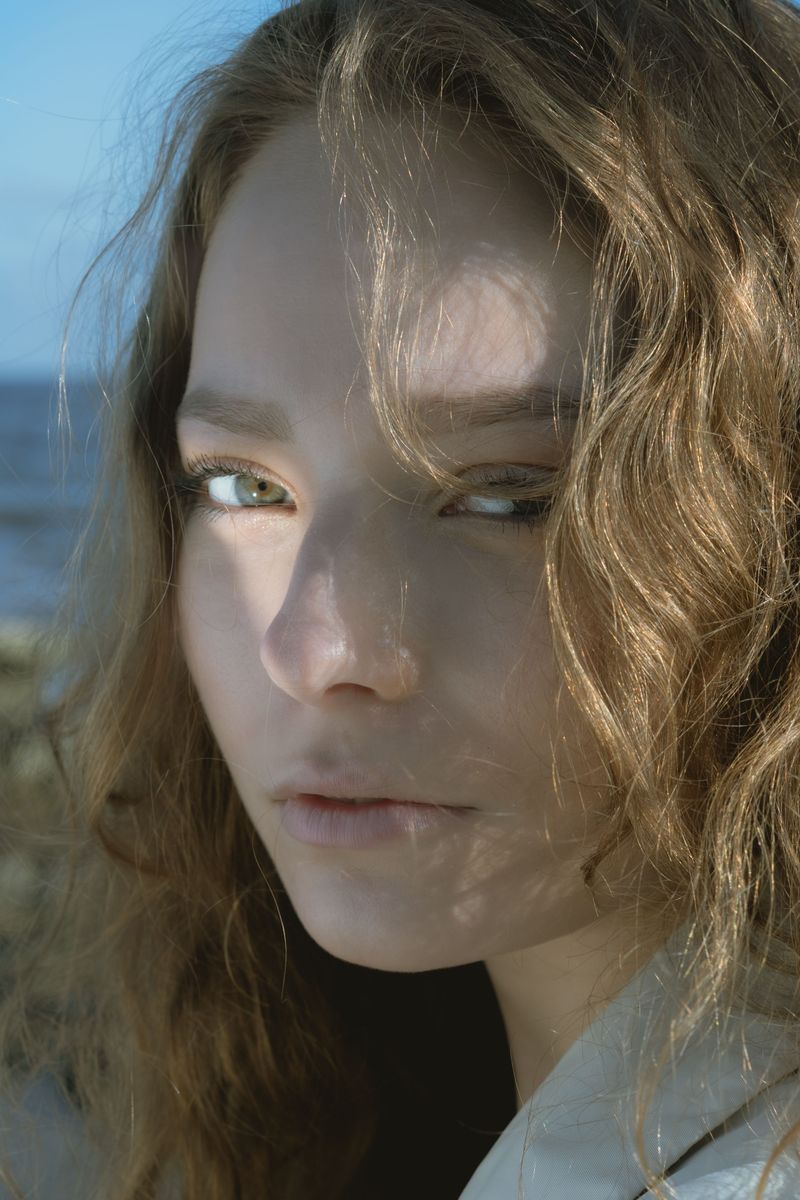
A gap between the front teeth, a strong Roman nose, or a face with striking asymmetry, these are the kinds of features that European beauty culture often treats as signatures rather than flaws.
What makes someone recognizable can also make them beautiful.
Distinctive looks have a long history of being admired in European fashion and art.
American beauty standards have sometimes pushed toward a more standardized ideal, where certain facial features are routinely “corrected” through cosmetics or surgery.
European culture more frequently celebrates the outliers.
Models with unconventional features regularly appear in major European campaigns.
The message is clear: your most unusual feature might actually be your most memorable asset.
Own it.
8. Less Dramatic Contouring
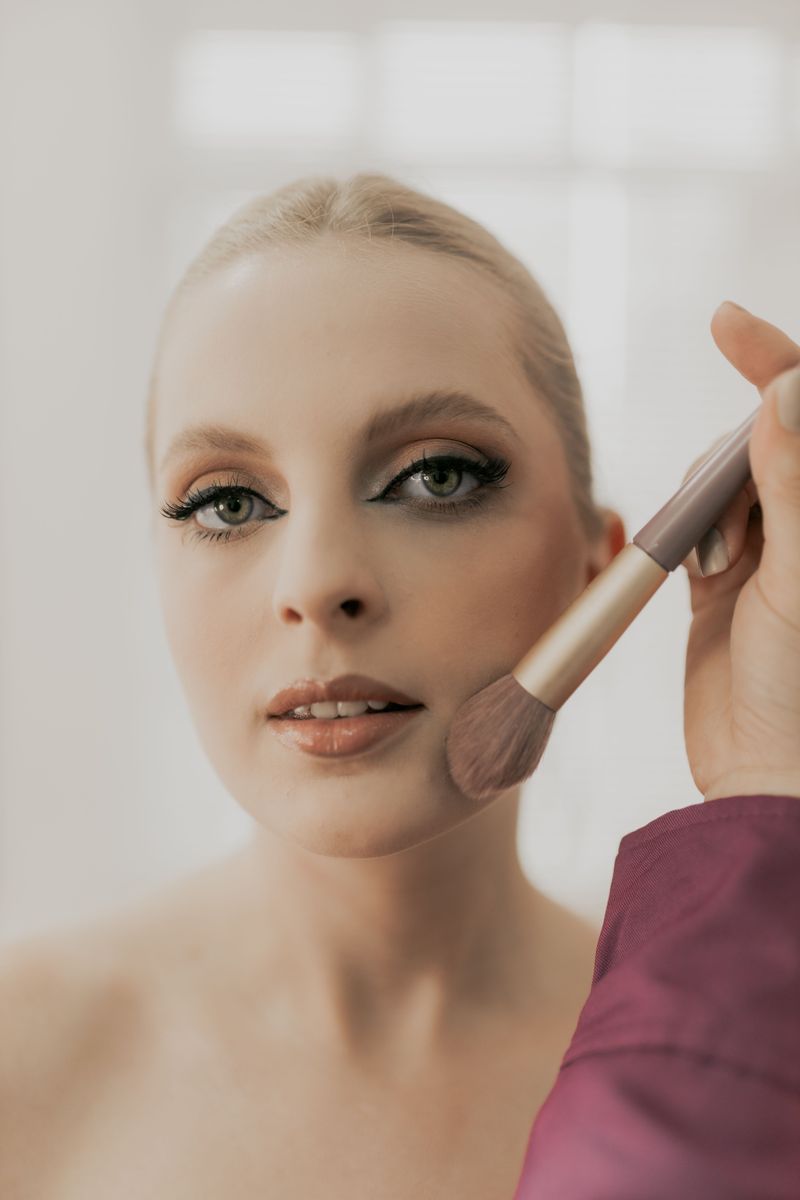
Contouring took the American beauty world by storm, largely thanks to celebrity makeup artists and YouTube tutorials showing how to reshape a face with bronzer and highlight.
In Europe, that level of facial reshaping through makeup is far less common in everyday beauty routines.
European makeup tends to enhance what is already there rather than create an entirely new face.
A bit of bronzer for warmth, a soft blush for color, maybe a highlight on the brow bone.
The goal is a face that looks like it is lit from within, not sculpted from the outside.
Keeping makeup close to your natural coloring is a key part of that understated approach many Europeans consider simply good taste.
9. A More Natural Tan

Deep, year-round tans have been a beauty staple in American culture for decades, fueled by tanning beds, spray tans, and bronzing products.
In many parts of Europe, that level of tanning is less central to the beauty ideal, and sun protection has become a bigger priority in recent years.
A light, natural glow from time spent outside is generally considered lovely.
But deliberately chasing a very dark tan through artificial means is not as fashionable across much of northern and western Europe.
Skin cancer awareness campaigns have also shifted attitudes significantly.
Fair skin is no longer something to hide with a bottle of self-tanner.
Many Europeans are comfortable, even proud, of their natural skin tone all year round.
10. Understated Nails
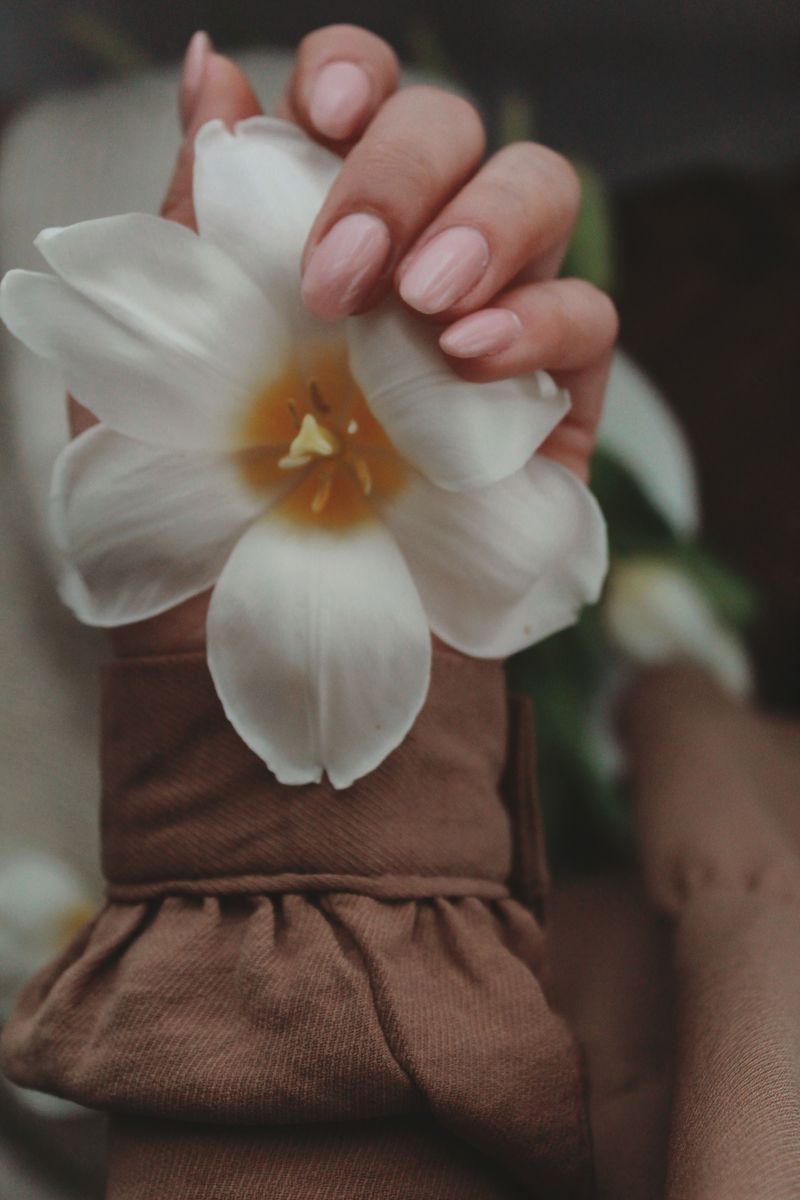
Nail art has exploded in popularity in America, with elaborate designs, 3D embellishments, and extra-long extensions becoming everyday choices.
European nail culture tends to run a little quieter.
Short, well-shaped nails in classic shades are considered polished and put-together without needing to be dramatic.
Neutral nudes, soft pinks, classic reds, and clean French tips have remained consistently popular across European fashion circles.
The nails complement the overall look rather than competing with it for attention.
That said, bold nail trends do exist in Europe and are growing.
The difference is that a simple manicure is never seen as boring or unfinished.
A clean, short nail is a fully valid style choice and often the preferred one.
11. Age Lines Can Remain Visible
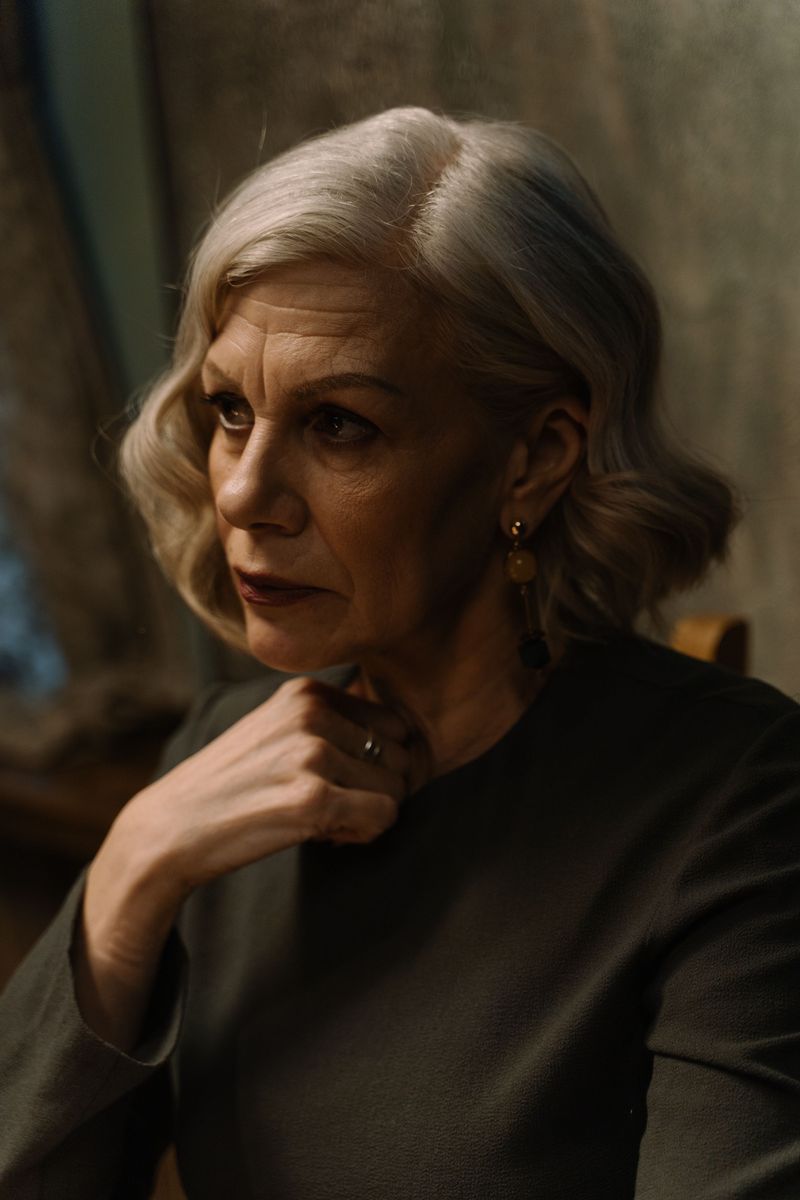
Aging gracefully means something different in much of Europe compared to the American obsession with looking perpetually young.
Fine lines around the eyes and mouth are not always treated as emergencies to erase.
They are sometimes seen as marks of a life fully lived, and that perspective carries genuine cultural weight.
American anti-aging marketing is massive, constantly pushing serums, treatments, and procedures to turn back the clock.
European beauty culture is not anti-aging product, but it does approach visible aging with less alarm.
A woman in her 50s with visible laugh lines is not considered less beautiful.
Confidence and style often matter far more than whether a wrinkle is showing.
That is a genuinely refreshing standard.
12. Fragrance as Part of Grooming
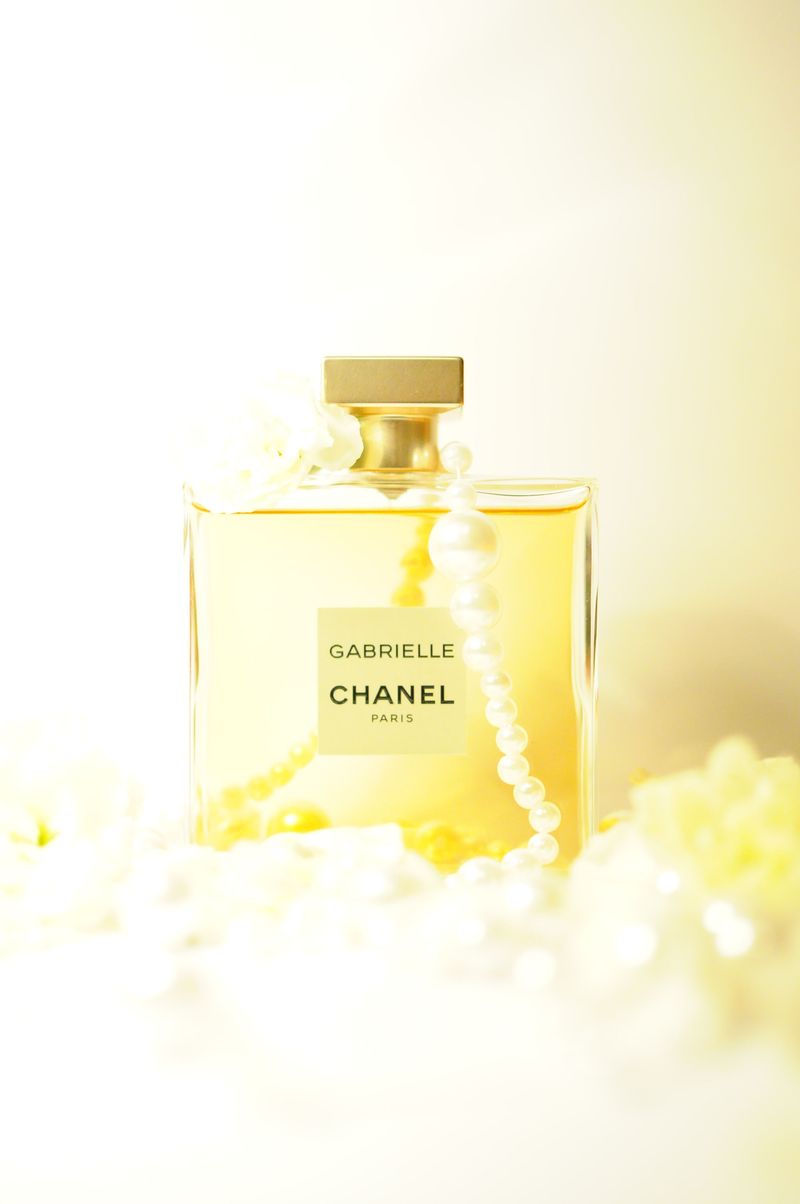
France and Italy have been the heartbeat of the global fragrance industry for centuries, and that history shows up in everyday life.
Wearing a signature scent is considered a basic part of grooming in many European countries, as natural as brushing your hair or choosing an outfit.
Americans certainly wear perfume, but fragrance has not always been treated with the same cultural seriousness as it is in places like Grasse or Milan.
In Europe, a personal scent is almost like an extension of your identity.
Finding your fragrance takes time and thought.
It is not just something you grab off a drugstore shelf.
The ritual of wearing and choosing perfume is taken seriously, and that passion for scent runs deep.
13. Quality Over Large Product Routines
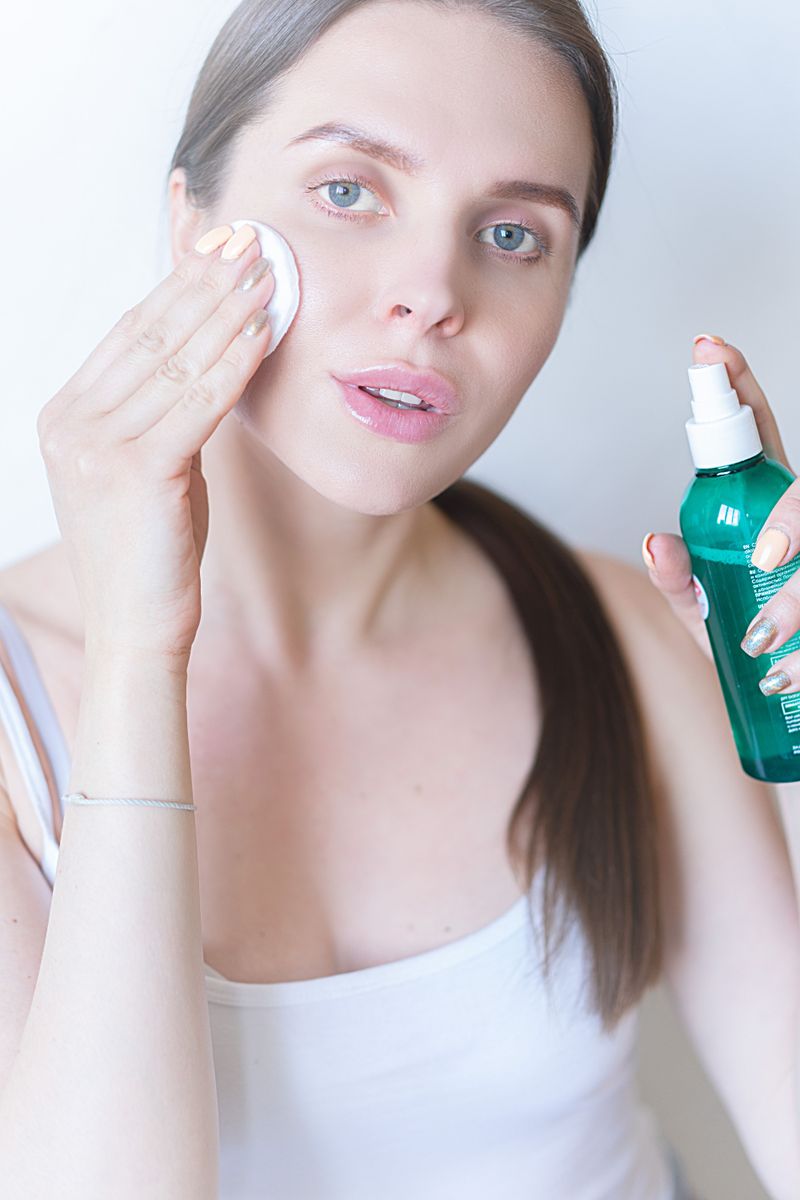
Ten-step skincare routines became a cultural phenomenon in the United States, partly driven by K-beauty trends and social media influencers showcasing shelves packed with products.
European skincare philosophy often pushes back on that idea.
Fewer products, chosen carefully, is frequently considered the smarter approach.
A good cleanser, a reliable moisturizer, and strong sun protection can form the backbone of a European skincare routine.
The focus is on ingredients that genuinely work rather than novelty or packaging.
Buying one excellent product is preferred over buying ten average ones.
This mindset also tends to be more budget-friendly in the long run.
Quality and consistency beat quantity every time, and European beauty culture has been quietly proving that point for generations.
14. Effortlessness as an Ideal
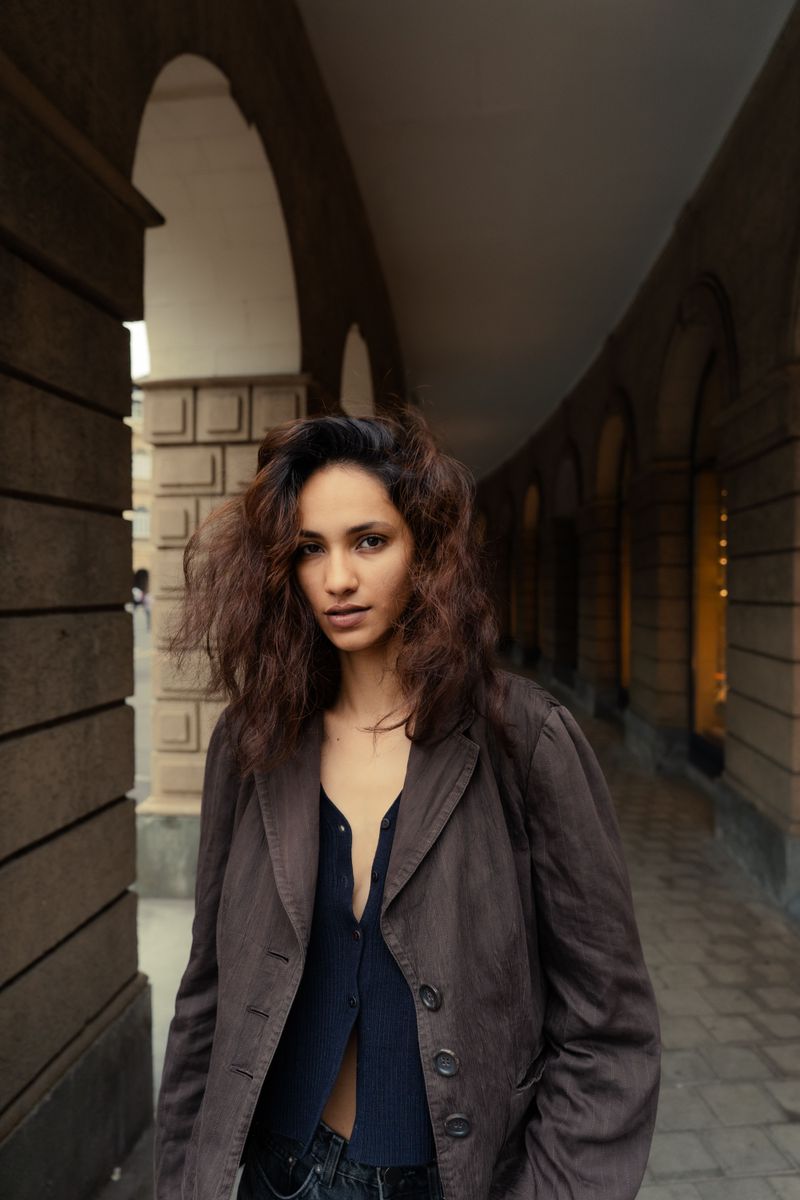
Perhaps the most defining thread running through European beauty culture is the idea that effort should be invisible.
Looking good is great.
Looking like you spent three hours getting ready is not the goal.
The ideal is to appear as though your style and beauty simply happened naturally, even if some work went into it.
Americans often celebrate the hustle behind a look, sharing tutorials, product hauls, and transformation videos that highlight the process.
European beauty culture tends to keep the process private and present only the result.
It is sometimes called “sprezzatura” in Italian culture, the art of making difficult things look easy.
That principle applies just as much to a great skincare routine as it does to a perfectly thrown-on scarf.