 MomSkoop

Good manners are more than just rules your parents taught you. They are small, everyday actions that show respect, kindness, and consideration for the people around you.
Whether you are at school, work, or out in public, practicing good etiquette helps build stronger relationships and creates a more positive environment for everyone. The habits below are simple to learn and can make a big difference in how others see you and how you feel about yourself.
1. Saying Please and Thank You

Two small words carry more weight than most people realize. “Please” and “thank you” signal that you value someone’s time and effort, whether they are helping you with a big favor or simply passing the salt at dinner.
Studies in social psychology show that expressions of gratitude strengthen personal bonds and even boost the mood of the person saying them.
It costs nothing to be polite, yet the reward is enormous.
Make it a daily practice to say these words genuinely, not just out of habit.
When people feel appreciated, they are more willing to help again.
That cycle of kindness starts with two simple phrases anyone can use.
2. Holding the Door Open for Others
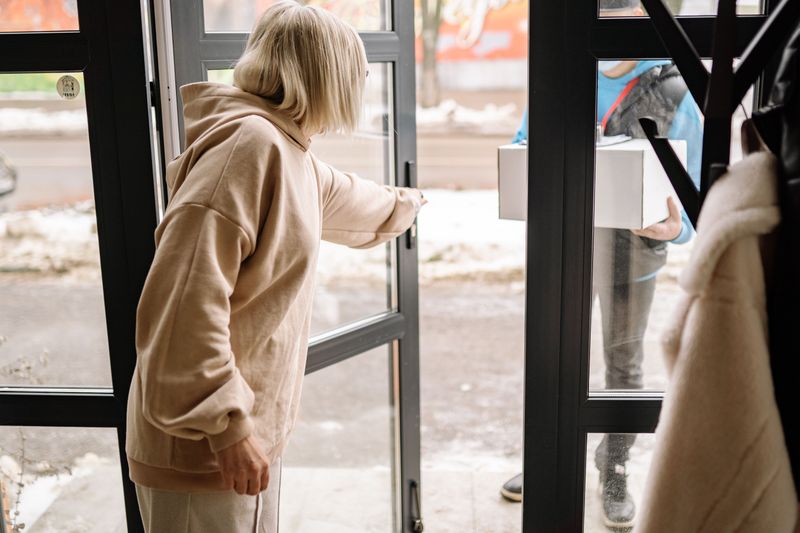
Picture this: you walk through a door and let it swing shut right in someone’s face.
Awkward, right?
Holding the door open for the person behind you is one of those small gestures that speaks volumes about your character.
It shows awareness of the people around you and a willingness to slow down just a little for someone else’s comfort.
This habit is especially meaningful when the person behind you has their hands full, uses a mobility aid, or is elderly.
You do not need a grand reason to do it.
Simply glancing back before you let go of a door can turn an ordinary moment into a genuinely kind one.
3. Being Punctual

Showing up on time is one of the most underrated forms of respect.
When you are late, you are essentially telling the other person that your schedule matters more than theirs, even if that is not your intention.
Punctuality builds trust.
Employers, teachers, and friends all notice when someone consistently shows up when they say they will.
It signals reliability and self-discipline, two traits people genuinely admire.
Getting into the habit of being on time does not require perfection.
Start by setting your alarm ten minutes earlier, planning your route ahead of time, or laying out what you need the night before.
Small adjustments add up to a reputation worth having.
4. Listening Without Interrupting

Real listening is rarer than you might think.
Most people spend conversations waiting for their turn to talk rather than truly absorbing what the other person is saying.
Interrupting sends a message that your words matter more, which can make others feel dismissed.
When you let someone finish their thought before responding, you show genuine interest and respect.
You also give yourself time to understand their point fully, which leads to better, more thoughtful conversations.
Try making eye contact, nodding occasionally, and resisting the urge to jump in even when you have something exciting to add.
Good listeners are remembered as some of the most engaging people in any room.
5. Putting Your Phone Away During Conversations

There is something quietly insulting about talking to someone whose eyes keep drifting to their phone screen.
It signals that a notification from a stranger feels more important than the real person sitting right in front of you.
Putting your phone away during conversations is a powerful way to show someone they have your full attention.
It creates space for deeper connection and more meaningful exchanges, whether you are catching up with a friend or having a serious talk with a parent.
Challenge yourself to go phone-free for just the length of one meal or one conversation per day.
You may be surprised how much richer those interactions become when screens are not competing for your focus.
6. Covering Your Mouth When Coughing or Sneezing

Nobody wants to be on the receiving end of an uncovered sneeze.
Beyond being unpleasant, failing to cover your mouth when you cough or sneeze can spread germs to everyone nearby, which is especially problematic in enclosed spaces like classrooms or public transit.
Health experts recommend sneezing into your elbow rather than your hands, since hands touch so many shared surfaces throughout the day.
It is a quick, automatic action that protects the people around you without requiring much thought.
Teaching yourself this reflex takes a little practice, but once it becomes second nature, it reflects well on your awareness of others.
It is a small act of hygiene that shows genuine consideration for those sharing your space.
7. Cleaning Up After Yourself

Leaving a mess for someone else to deal with is one of the quickest ways to come across as inconsiderate.
Whether it is a table at a restaurant, a shared kitchen at work, or a public restroom, cleaning up after yourself is a basic sign of respect for shared spaces.
This habit also reflects personal responsibility.
When you tidy up without being asked, you show that you understand your impact on the environment around you and the people who use it after you.
Start small by making your bed each morning, returning items to where you found them, or wiping down a counter after you use it.
These habits quietly communicate that you care about more than just yourself.
8. Respecting Personal Space

Personal space is invisible, but crossing it can make someone feel deeply uncomfortable in seconds.
Most people prefer about an arm’s length of distance during casual conversations, and getting too close without an invitation can feel intrusive or even threatening.
Being aware of personal space is especially important in crowded settings like elevators, lines, or public transportation, where it is easy to unknowingly encroach on someone’s comfort zone.
A small step back can shift the entire energy of an interaction.
Pay attention to body language cues.
If someone leans away or subtly shifts their stance, that is a signal to give a little more room.
Respecting boundaries, even unspoken ones, shows a level of emotional intelligence that people genuinely appreciate.
9. Waiting Your Turn in Line

Cutting in line might save you thirty seconds, but it costs you something much harder to earn back: other people’s respect.
Waiting your turn is one of those habits that seems minor until someone skips ahead of you, and suddenly it feels like a big deal.
Lines exist because fairness matters.
Every person standing in that queue has somewhere to be, too.
Acknowledging that simple fact and waiting your turn is a quiet but powerful way to show that you value equality and basic social order.
Patience in a line also keeps your own stress levels in check.
Use the wait to breathe, check in with yourself, or simply observe your surroundings.
A little patience goes a long way in everyday life.
10. Offering Your Seat to Someone Who Needs It More

Few gestures are as quietly powerful as standing up so someone else can sit down.
On a crowded bus or in a packed waiting room, offering your seat to an elderly person, a pregnant woman, or someone with a physical limitation is a visible act of empathy.
It acknowledges that not everyone has the same physical ability or energy level, and that sometimes the most considerate thing you can do is simply get up.
You lose nothing but a few minutes of comfort.
This habit also sets a great example for younger kids watching nearby.
When children see adults and teenagers choose generosity over convenience, they learn that looking out for others is just a normal, expected part of being in a community.
11. Speaking Politely, Even During Disagreements

Disagreements are a normal part of life, but the way you handle them says everything about your character.
Raising your voice, using harsh words, or resorting to personal attacks might feel satisfying in the moment, but it almost always makes things worse in the long run.
Staying polite during a conflict does not mean you are backing down or agreeing with the other person.
It means you are choosing to address the issue without damaging the relationship or the conversation itself.
Try using phrases like “I understand where you are coming from, but…” or “Can we look at this a different way?” Keeping your tone calm and your words respectful keeps the door open for a real solution, which is what most disagreements actually need.
12. Returning Borrowed Items Promptly
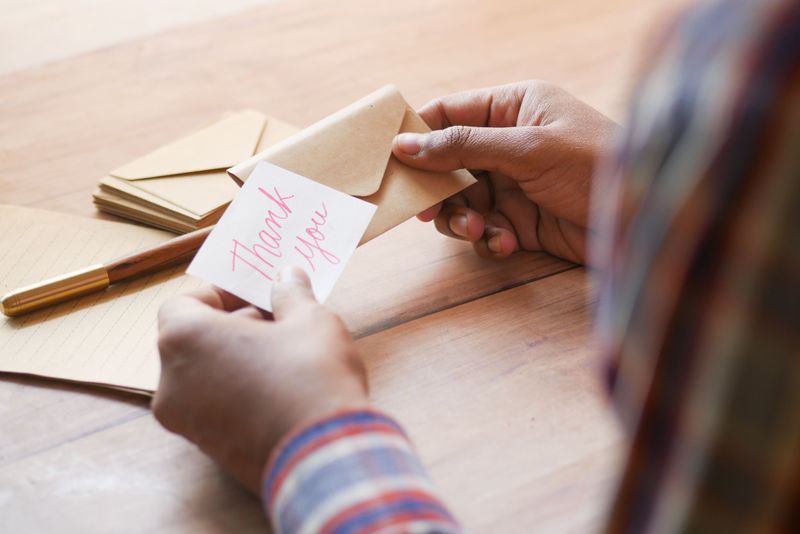
Borrowing something and never returning it is a surprisingly common way to damage a friendship.
Even if the item seems small, the person who lent it to you likely wants it back and may feel awkward having to ask for it repeatedly.
Returning borrowed items promptly shows that you take your word seriously.
When you say you will give something back, following through demonstrates reliability and respect for the other person’s belongings.
A good rule of thumb: return things in the same condition you received them, and do it before you are asked.
If something gets damaged while in your care, be upfront about it.
Honesty paired with responsibility is the kind of behavior that builds lasting trust with the people around you.
13. Treating Service Workers with Respect

How you treat someone who is serving you, whether it is a waiter, a cashier, or a delivery driver, reveals a lot about who you truly are.
Some people shift into a different mode when interacting with service workers, becoming dismissive or demanding in ways they never would with peers.
Service workers are people doing a job, often a demanding one, and they deserve the same basic courtesy you would offer anyone else.
Simple things like making eye contact, saying thank you, and being patient when things go slowly can genuinely brighten someone’s shift.
A well-known etiquette tip: if you would not say it to a friend, do not say it to someone serving you.
Consistent kindness across all interactions is the truest measure of good character.
14. Apologizing Sincerely When You Make a Mistake

A real apology is harder to give than most people admit.
Saying sorry and actually meaning it requires you to set aside your ego, acknowledge that you caused harm, and commit to doing better.
That takes courage, and people notice when it is genuine.
Hollow apologies, ones that include phrases like “I’m sorry you feel that way,” often do more damage than no apology at all.
A sincere one names what went wrong, takes responsibility, and avoids making excuses.
Practicing this habit early in life builds emotional maturity and stronger relationships.
Nobody expects you to be perfect, but owning your mistakes openly and honestly earns a level of respect that no amount of flawless behavior can fully replace.
It is one of the most human things you can do.