 MomSkoop

A cheap sweater can start pilling after a handful of washes, while a well-made knit can last for years with decent care. That small gap explains a lot about why some closets work so much better than others. What fascinates me is how much of their polish comes from the things they skip at the checkout.
Most of us know the feeling of a packed closet and still nothing to wear on a Tuesday morning. That problem usually comes from a few repeat purchases that look great in the store and fall flat at home. I find that pattern oddly comforting, because it means great style can be learned. Let’s look at the purchases sharp dressers tend to leave on the rack, and why.
1. Clothes That Almost Fit
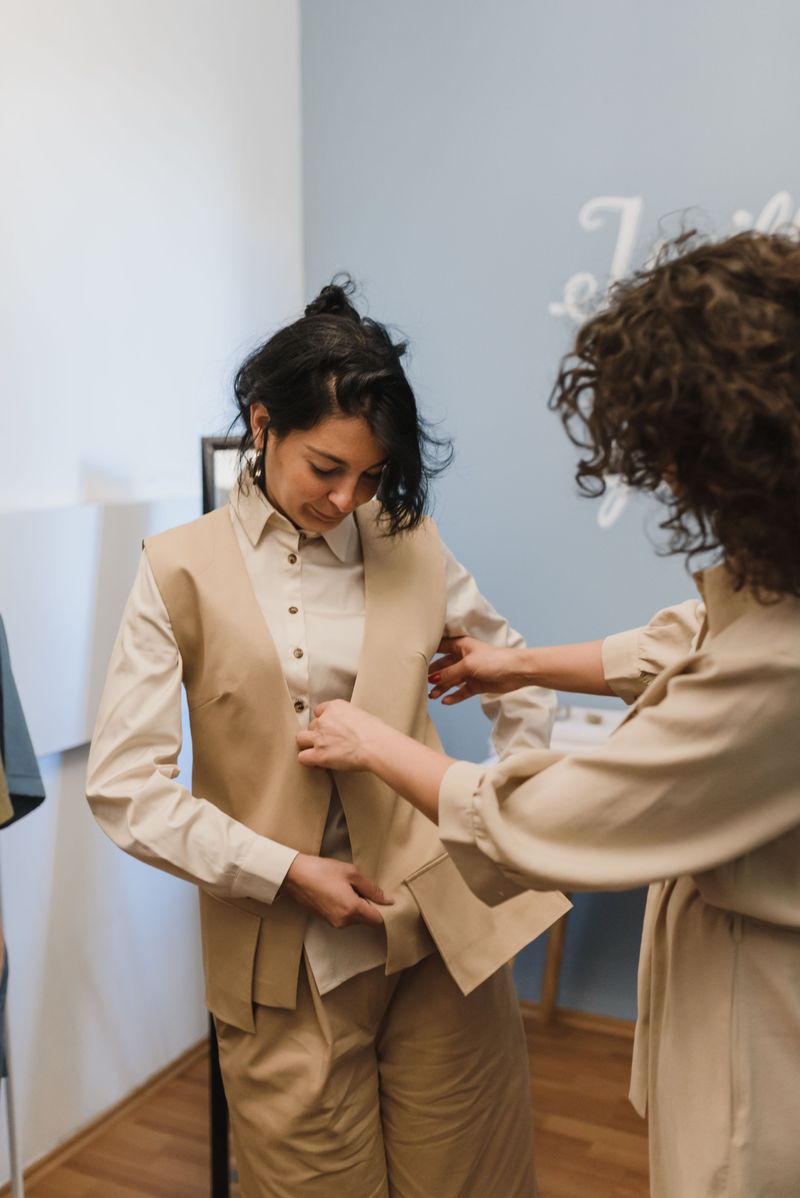
Nobody notices a label from across the room, but everybody notices a jacket that pulls at the buttons.
Fit is the quiet hero of a good outfit.
A simple piece that fits well will usually look better than a fancy piece that doesn’t.
Stylish women tend to pass on clothes that are almost right.
Too tight means pulling, gaping, and tugging all day.
Too loose can swallow your shape and make a crisp look feel sloppy.
Here are a few quick checks to try in the fitting room.
Shoulder seams should sit right at the edge of your shoulders.
Sleeves should stop near your wrist bone, and pants should fall without big puddles of fabric at the ankle.
Of course, small fixes are fair game.
Hemming pants or taking in a waist is usually simple and affordable for a tailor.
Big jobs, like rebuilding shoulders, are harder and often cost more than the item is worth.
So the real rule is easy to remember.
Buy pieces that fit in the places that are hard to change.
Leave the rest of the work to a good tailor, and enjoy clothes that look made for you.
2. Micro-Trend Fast Fashion
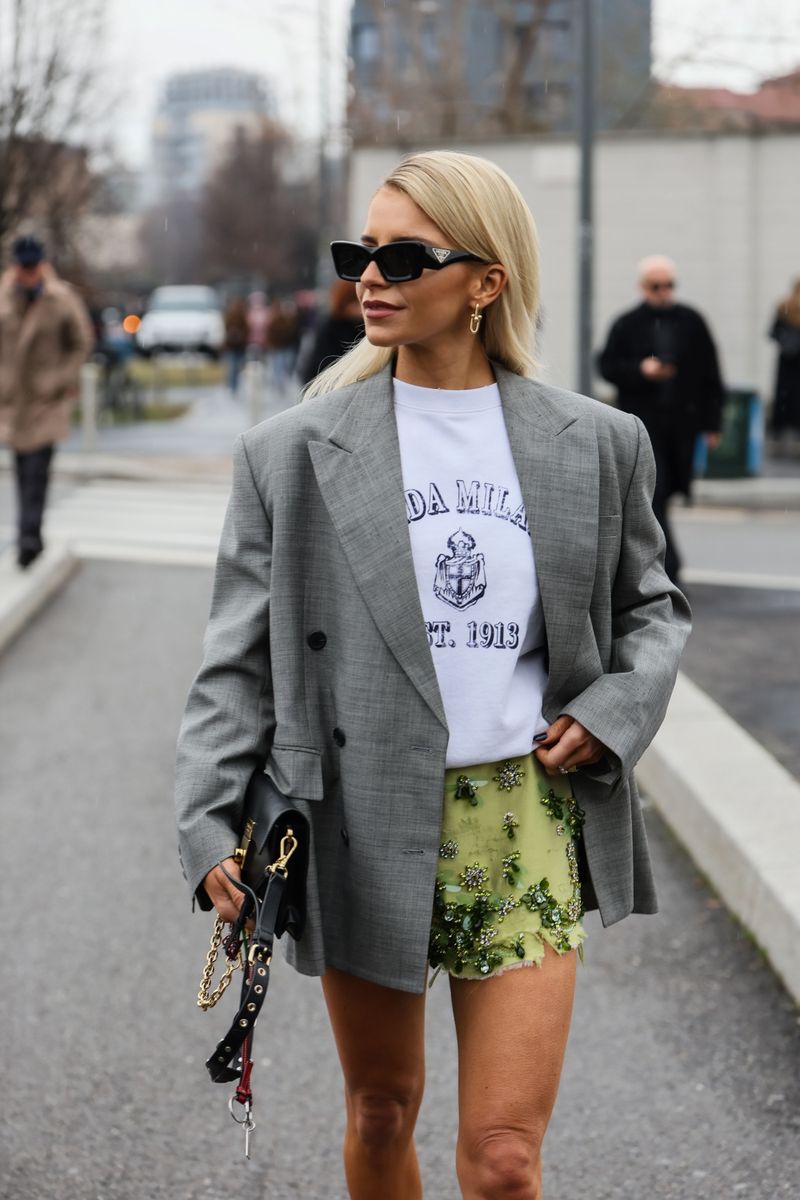
Remember that one print that seemed to be on every shirt for about six weeks?
Micro-trends move fast, and they often leave just as quickly.
A piece that felt fresh in spring can look dated by fall.
Women with strong personal style rarely chase each new wave.
They might try one trend that truly suits them.
They skip the rest without feeling left out.
Quality matters here too.
Thin, cheap fabric can lose its shape after only a couple of washes.
Seams twist, knits pill, and colors fade, so the bargain turns into a replacement purchase.
There’s also the waste problem.
Fast fashion encourages buying lots of clothes and tossing them quickly.
Many shoppers now prefer fewer pieces that stick around longer.
Budget is real, and nobody needs designer prices to dress well.
Plenty of affordable brands make solid basics in sturdy cotton or wool blends.
Check the fabric tag, feel the weight, and look at the stitching before you buy.
A handy test is asking whether you’d still wear it next year.
If the answer is a confident yes, go for it.
If you hesitate, that pause is telling you something useful.
3. Sale Items Bought Only for the Price

Seventy percent off is a powerful little sentence.
It can make a mustard sweater in the wrong size feel like destiny.
Then it sits in your closet with the tags still attached.
Well-dressed women love a good deal, but they shop sales with rules.
The item must fit, suit their style, and work with things they already own.
Price comes last in that line, not first.
An unworn bargain is not a bargain at all.
You paid something for nothing you use.
Plus, it takes up space and adds clutter to your morning routine.
Try this simple trick before you check out.
Ask yourself whether you’d buy it at full price.
If the answer is no, the discount is the only thing you love.
Another helpful habit is keeping a short wish list on your phone.
When a sale pops up, you’ll already know what you need.
That way, you’re hunting for a specific black boot instead of grabbing random shiny things.
Sales can be wonderful tools for smart shoppers.
Just let them help you buy what you wanted anyway.
Your wallet and your closet will both breathe easier.
4. Shoes That Hurt
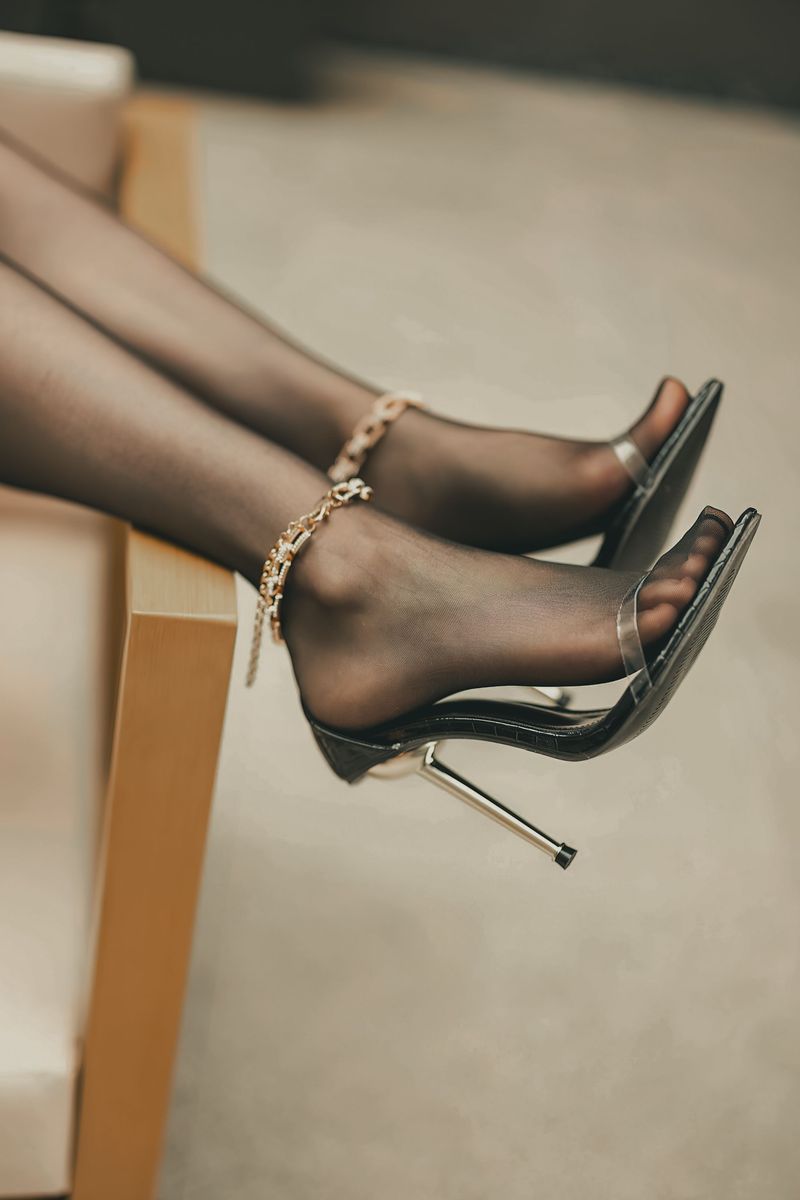
Gorgeous shoes that pinch have a funny way of living in their box.
You wear them once, limp home, and promise yourself next time will be different.
It usually isn’t.
Stylish women tend to skip shoes that hurt in the store.
A little stiffness in new leather can soften over time.
Sharp pain at the toes or heel is a warning sign, not a break-in phase.
Some styles look better than they walk.
Heeled mules, for example, can be lovely, yet staying in them while walking takes extra effort for many people.
Very thin straps and steep heels can also be tricky on long days.
Comfort and style can live together nicely.
Loafers, low block heels, ballet flats, and clean leather sneakers all pair easily with jeans, dresses, and trousers.
They also let you move through a full day with confidence.
Shoe shopping later in the day can help, since feet often swell a bit by afternoon.
Walk around the store on a hard floor, not just the carpet.
Notice how your toes feel after a few minutes.
The best pair is the one you reach for again and again.
That’s worth more than any pretty shoe trapped in a box.
5. Loud Logo Pieces
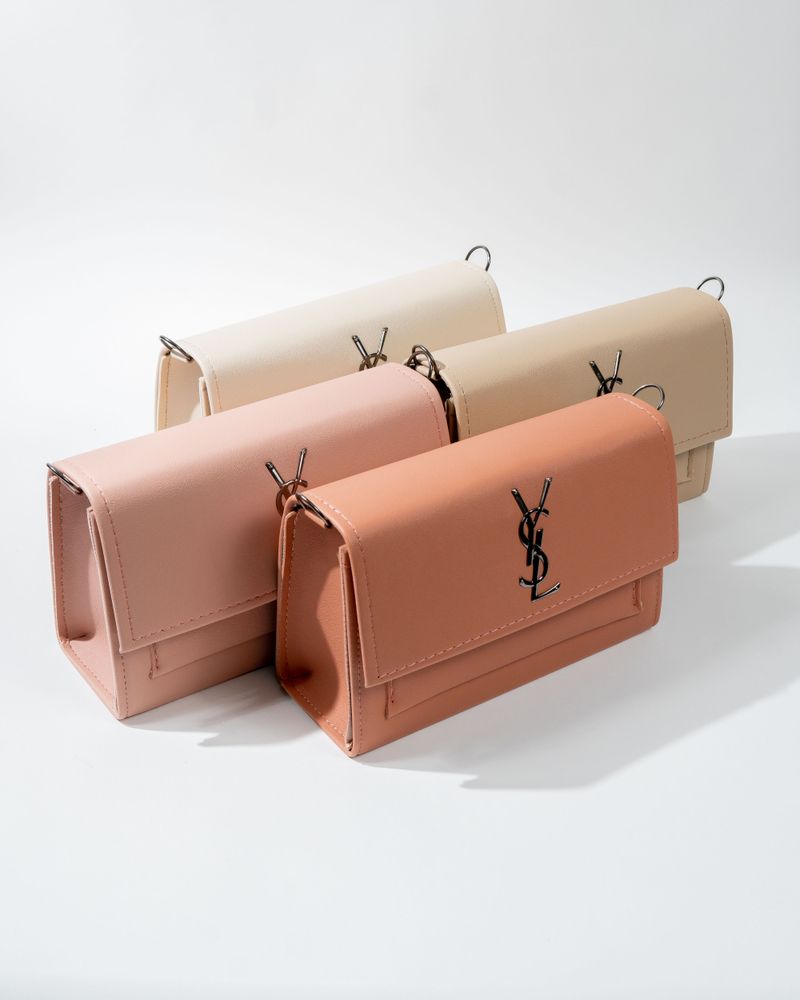
A bag covered in initials does a lot of talking.
Some women love that, and that’s a fair choice.
Many sharp dressers, though, prefer clothes that whisper instead of shout.
Logo-free pieces put attention on shape, color, and material.
A plain leather tote with clean lines lets the person carrying it stand out.
The outfit feels more personal and less like a billboard.
A big label also doesn’t guarantee good construction.
Plenty of logo items use the same materials as cheaper options.
Meanwhile, smaller brands can make excellent bags and coats with no visible branding at all.
Logo-heavy styles also tend to go in and out of fashion in waves.
A monogram that feels exciting one year can look a little tired a few seasons later.
Quiet designs often stay wearable for much longer.
When you shop, look closely at the details.
Check the stitching, the zippers, the lining, and how the leather or fabric feels.
Those clues say more about quality than a name printed on the front.
If you adore one logo piece, wear it proudly.
Just let it be the star, and keep the rest of your outfit simple around it.
6. Orphan Pieces That Match Nothing
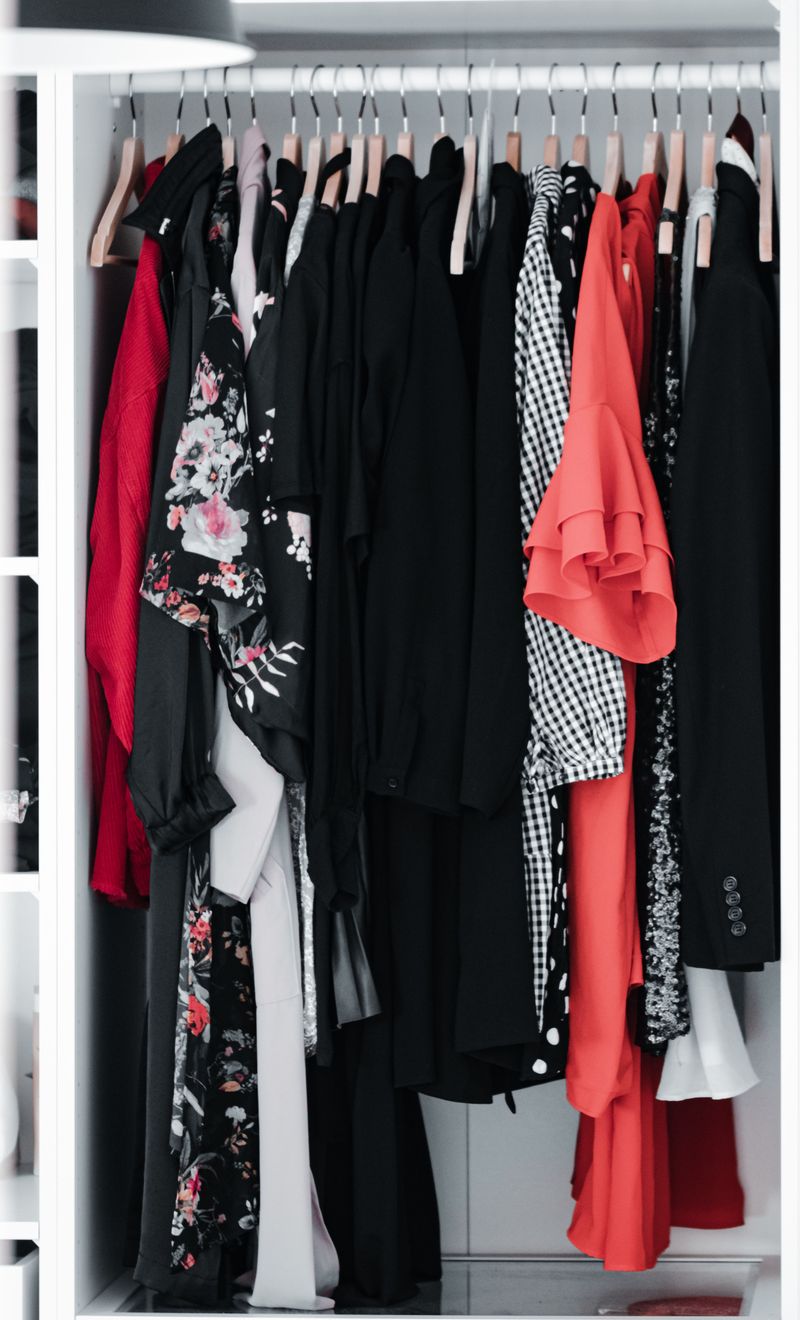
Every closet seems to have one lonely item.
Maybe it’s a lime skirt that needs a very specific top you never bought.
Fashion folks often call these orphans, and they rarely leave the hanger.
Women with great style think about the closet as a team.
Before buying, they picture at least three outfits using pieces they already own.
If they can’t, the item usually stays in the store.
This habit makes mornings so much easier.
When your clothes mix and match, you can grab almost any top and bottom and still look put together.
Fewer pieces create more outfits.
A strong core wardrobe often starts with simple foundations.
Think dark jeans, tailored trousers, a crisp shirt, a plain tee, a good knit, and a jacket you love.
Then color and pattern can come in through scarves, shoes, or a statement top.
Bold pieces aren’t forbidden, of course.
A red coat can work beautifully if your closet has neutrals that support it.
The key is making sure it has friends waiting at home.
Next time you shop, snap a photo of a new find.
Then mentally drop it into your closet and see who it pairs with.
7. Designer Knockoffs
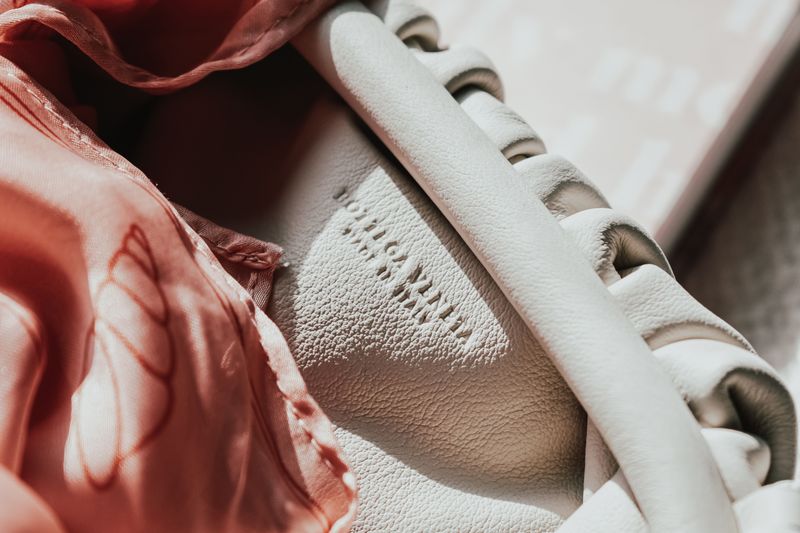
Knockoff bags can look convincing from far away.
Up close, the stitching, hardware, and leather often tell a different story.
Thin straps and peeling finishes usually show up sooner than expected.
Stylish women tend to skip fakes altogether.
They’d rather carry an honest bag from an affordable brand than a copy pretending to be something else.
Authentic pieces simply feel more like their own choice.
There’s a legal side as well.
Counterfeit goods break trademark laws in the United States and many other countries.
Bringing fake goods through customs can even lead to them being taken away.
Personal style also grows from real taste, not borrowed status.
A well-made bag from a smaller label can say much more about you.
It shows you picked something for its shape and usefulness.
If you love a famous design, there are other routes to consider.
Resale shops sell authenticated secondhand designer items, sometimes at lower prices.
You can also save up for one real piece you’ll carry for years.
Many affordable brands make lovely leather goods without copying anyone’s logo.
Explore those, and you might find a design that becomes your personal signature instead of someone else’s copy.
8. Clothes for a Fantasy Life

That flowing white resort dress seems perfect for a yacht trip.
The tiny catch is that the yacht trip isn’t on your calendar.
Lots of closets are full of outfits for a life that hasn’t shown up yet.
Women with strong style shop for the days they actually live.
If most weeks involve office meetings, school pickups, and grocery runs, that’s what their closet supports.
The fancy stuff stays small and selective.
A closet built for someday leaves you stuck on Monday.
You might own three cocktail dresses and only one pair of jeans that fit.
Getting dressed becomes a puzzle with missing pieces.
Try a quick reality check on your calendar.
Count how many days you spend working, relaxing, exercising, or going out.
Then compare that to what’s hanging in your closet.
None of this means giving up on dreams.
Buy for an event once it’s planned, and you’ll know exactly what you need.
You might even find that a sleek jumpsuit you already own works for that dinner.
Your real life deserves great clothes too.
A comfy sweater you feel fabulous in will probably serve you better than a gown waiting for an invite.
9. Pattern Overload
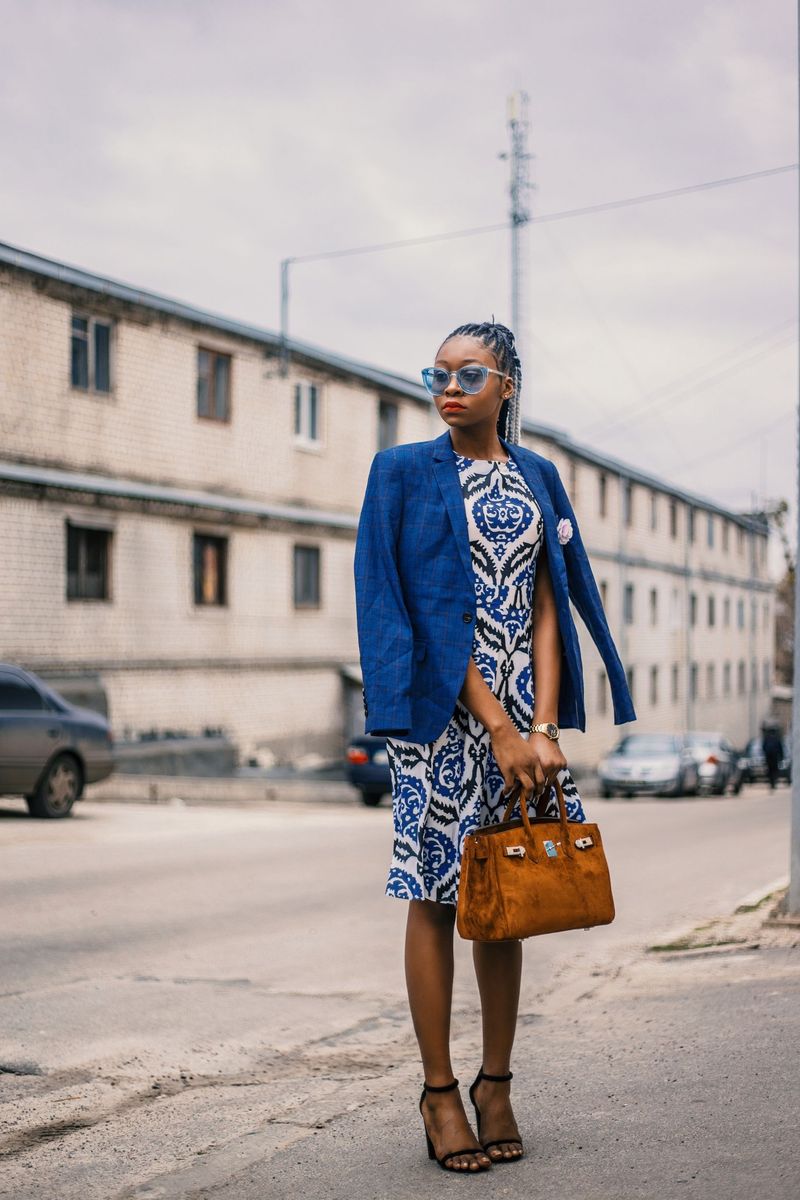
Stripes, florals, plaid, and leopard can all be fun.
Wearing them in a single outfit can feel like four songs playing at once.
The eye doesn’t know where to land.
Polished dressers usually let one bold item lead.
A loud printed skirt gets a calm sweater.
A bright scarf sits on a simple coat, and that’s plenty.
Accessories follow the same idea.
Piling on necklaces, bracelets, earrings, and a statement belt can crowd the look.
On the other hand, wearing no accessories at all can make an outfit feel unfinished.
The sweet spot is a few thoughtful touches.
A pendant necklace, small hoops, or a silk scarf can pull a plain outfit together fast.
Choose pieces that add interest without competing.
Pattern mixing isn’t banned, either.
Some people pair stripes with florals beautifully by repeating one shared color.
If you try it, keep the scale different, like thin stripes with a bigger print.
When shopping, be careful with neon shades and extra-busy prints.
They can be fun but tough to style often.
Ask yourself if the piece plays well with others, or if it insists on the whole stage.
10. Fabrics That Wear Out Fast
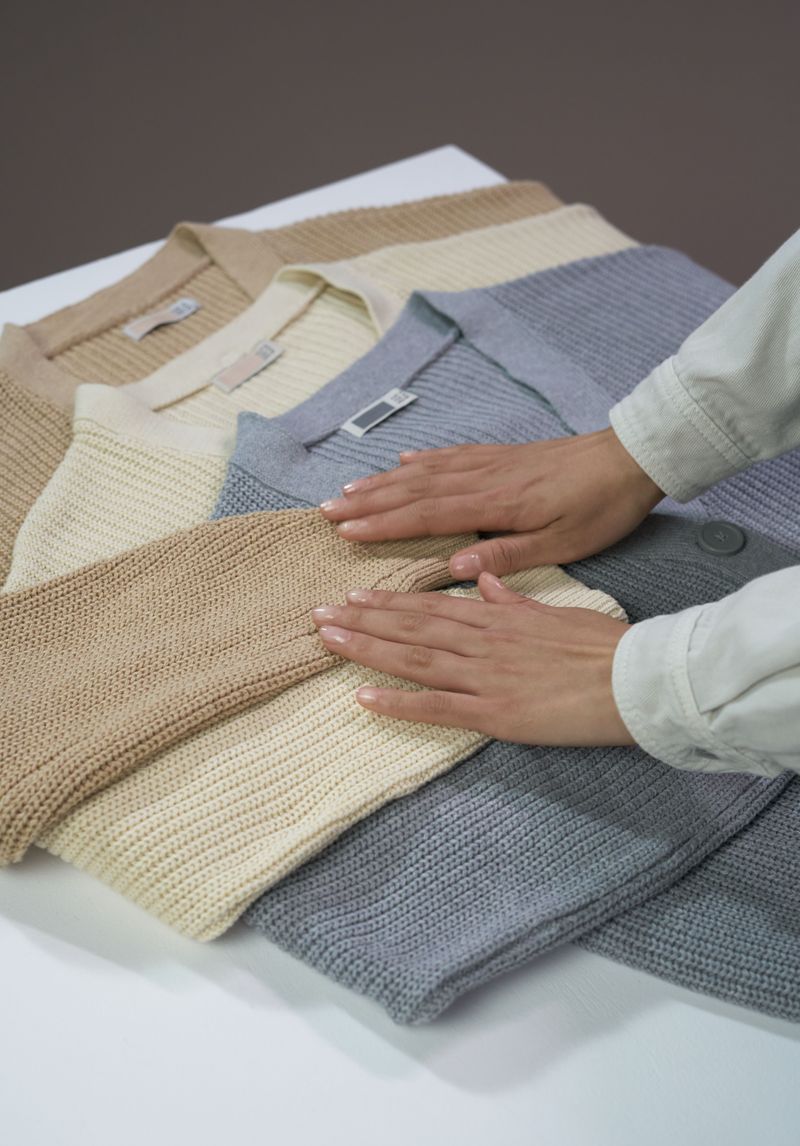
Pilled sweaters and saggy tees can sneak up on anyone.
One day they look fine, and the next they seem tired.
Stylish women notice that shift and act on it.
They also try to avoid buying clothes that age too quickly.
Very thin knits, flimsy jersey, and loose weaves often stretch or pill early.
Rubbing a fabric between your fingers in the store can give you a clue.
Care helps clothes last much longer.
Washing in cold water, turning garments inside out, and air drying can protect color and shape.
A sweater shaver or fabric comb can quickly remove pills.
Good habits matter as much as good shopping.
Fold knits instead of hanging them so the shoulders don’t stretch.
Polish shoes now and then, and fix loose buttons before they fall off.
Some pieces still reach the end of the road.
Faded black jeans, stained tops, and stretched necklines are worth replacing.
You can donate, recycle, or turn old cotton into cleaning rags.
A fresh look doesn’t require brand-new clothes each season.
It mostly comes from clothes that still look crisp.
Keep what’s in good shape, retire what isn’t, and your closet will feel instantly sharper.
11. Ultra-Distressed Denim
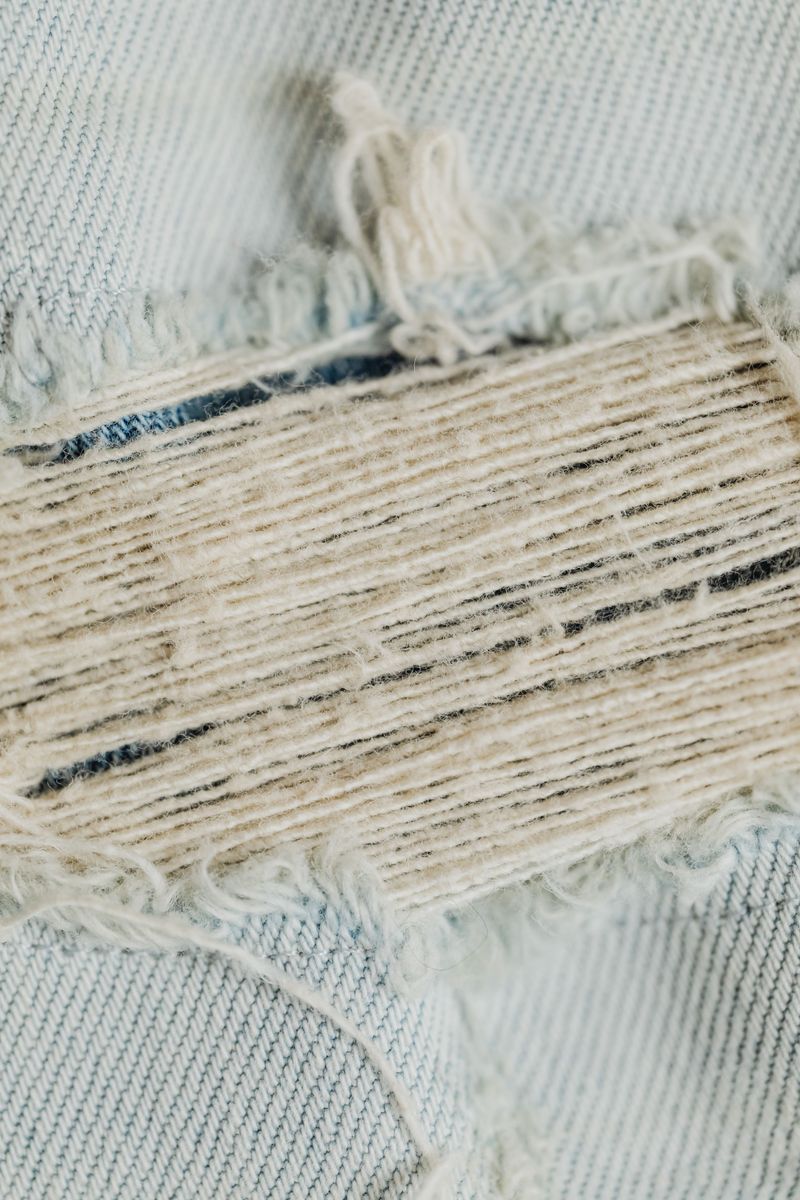
Jeans with giant holes at both knees, the thighs, and the pockets can feel more like a repair job than a style.
Some distressing looks relaxed and lived-in.
Too much can tip into looking simply worn out.
Heavy rips also bring practical problems.
Feet catch in knee holes, threads keep unraveling, and cold air comes right in.
The tears often grow bigger with each wash.
Women with strong style often prefer cleaner denim.
A straight-leg or slim jean in a dark or medium wash works with sneakers, boots, and heels.
It also dresses up nicely with a blazer.
Denim fits change with fashion, from skinny to wide-leg and back again.
Still, a simple straight leg has stayed a reliable choice for decades.
It looks right with many different tops.
If you like a bit of edge, try light details instead of big holes.
A frayed hem or a little fading at the thighs adds character.
It still keeps the jeans looking intentional.
Very short micro skirts can work the same way for some people.
Many shoppers find them fun for a season, then rarely wear them again.
Clean basics give you more mileage.
12. Built-In Belts That Can’t Be Changed
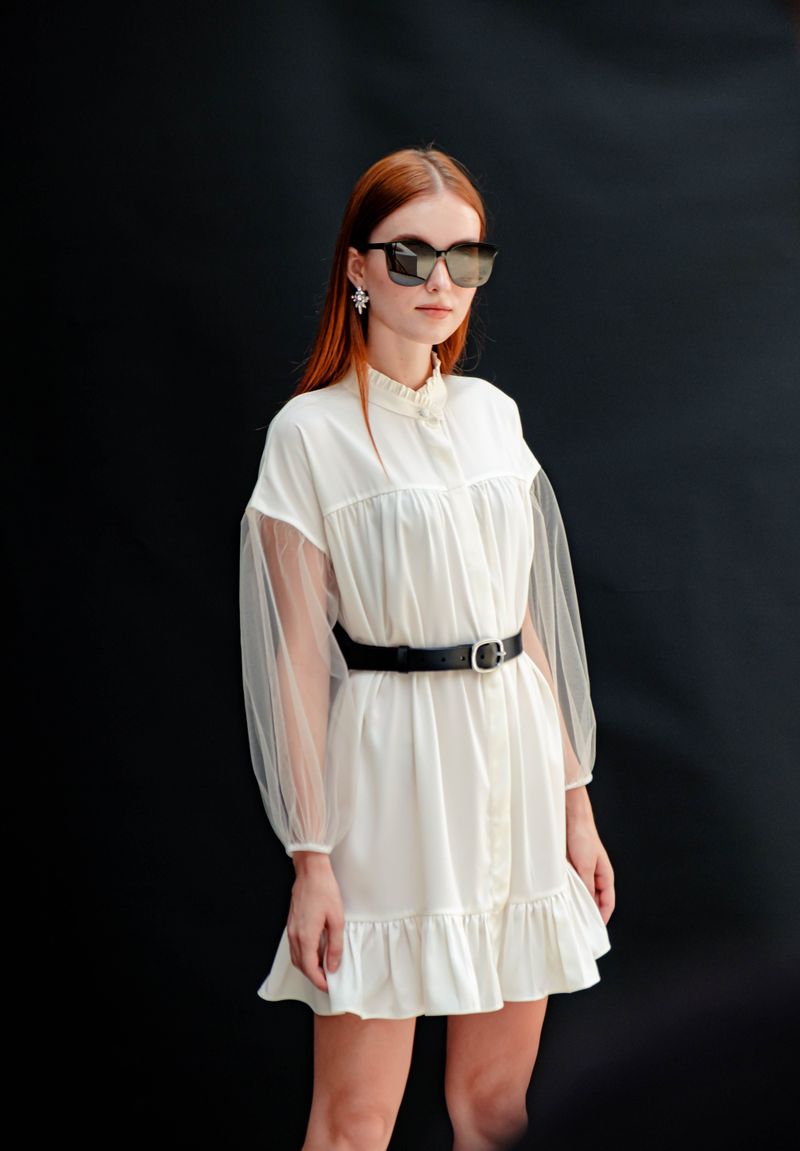
Sewn-on belts look handy on the hanger.
Then you try the dress, and the belt lands two inches above or below your waist.
There’s no moving it, and no removing it.
Fixed belts take away your choices.
You can’t swap in a leather belt you love or wear the dress loose on a relaxed day.
The garment decides how you style it, every single time.
Stylish women tend to prefer pieces with removable belts or belt loops.
That way, they can place the waist where it looks best on them.
They can also change the look from casual to polished.
A small collection of belts can do a lot of work.
A slim leather belt suits dresses and trousers.
A wider one can shape an oversized blazer or a long cardigan.
Matching your belt and bag exactly can look a little stiff.
Many sharp dressers like tonal leathers instead, such as a cognac bag with a chocolate belt.
The colors relate without looking like a set.
Before buying a belted piece, check how the belt attaches.
If you can take it off, great.
If not, make sure it sits exactly where you want it.
13. High-Maintenance Fabrics That Don’t Suit Your Routine
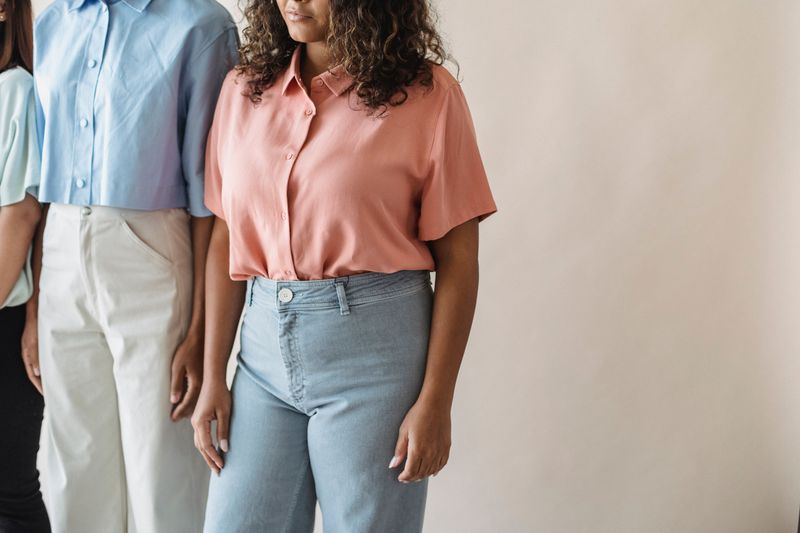
A blouse that wrinkles if you look at it sideways can steal your mornings.
Linen, rayon, and some silks crease quickly.
That’s fine if you enjoy steaming, and frustrating if you don’t.
Women with great style read the care label before buying.
They ask whether the washing, ironing, or dry cleaning fits their actual week.
If not, the item goes back on the rack.
Dry clean only pieces deserve extra thought.
Frequent trips to the cleaner add up in money and time.
For something you’d wear weekly, an easy-care fabric might make more sense.
That doesn’t mean avoiding delicate fabrics forever.
A silk blouse or wool coat can be worth the effort when you love it.
Wool, for example, often needs washing less than cotton because it can be aired out between wears.
Look for fabrics that match your lifestyle.
Busy parents and frequent travelers might like knits, ponte, or wrinkle-resistant blends.
People who enjoy a steamer can happily own more linen.
A small handheld steamer is useful either way.
It smooths fabrics quickly without an ironing board.
Choose clothes with care routines you’ll really follow, and they’ll look good much longer.
14. Bras That Don’t Fit
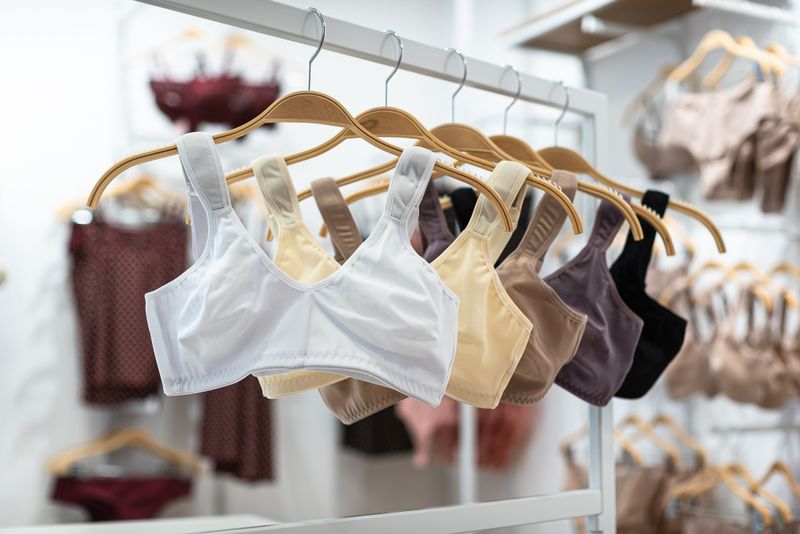
The best outfits start underneath.
A bra that fits well makes shirts and dresses hang smoothly.
One that doesn’t fit can throw off even the nicest top.
Common signs of a poor fit are easy to spot.
Straps that dig in, cups that gap or spill, and a band riding up your back all point to the wrong size.
Bodies change over time too, so an old size may not apply anymore.
Stylish women tend to skip bras that only kind of work.
A professional fitting at a lingerie shop or department store can help.
Many offer it for free, and it only takes a few minutes.
Having the right undergarments for your clothes matters too.
A smooth T-shirt bra disappears under thin knits.
Skin-tone shades in your own shade often show less under white tops than white bras do.
Strapless styles deserve careful shopping.
A poor one slides down all evening and becomes a regret purchase.
Try it on and move your arms around before committing.
Nobody else may notice your bra directly.
Still, they’ll notice how the outfit on top looks.
A good fit is a quiet foundation that helps your favorite clothes shine.