 MomSkoop

Fashion has always had rules, but the most interesting dressers are usually the ones who question them. Some style “facts” we’ve accepted for years are actually just habits or trends that stuck around longer than they should have.
Whether you love following fashion or prefer doing your own thing, these opinions might surprise you, challenge you, or make you nod in total agreement. Get ready, because some of these takes are genuinely controversial.
1. A Great Outfit Doesn’t Need to Be Flattering
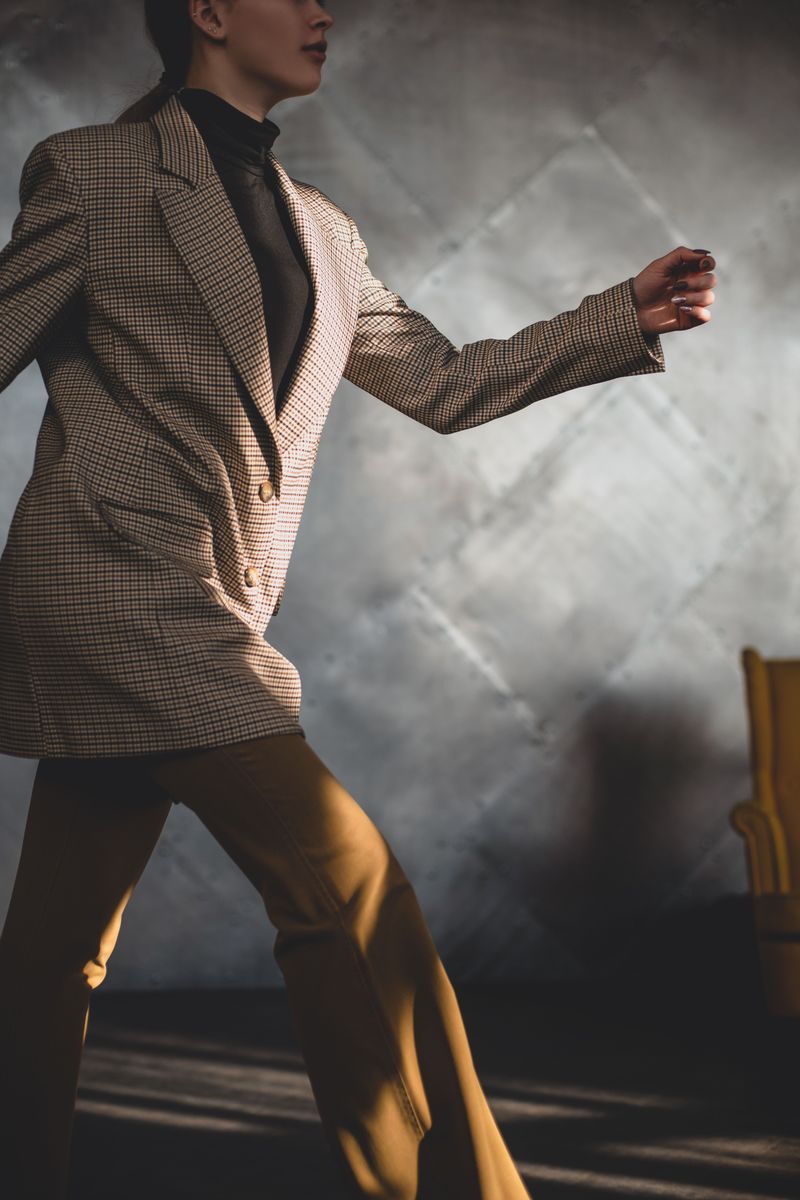
Somewhere along the way, fashion got tangled up with the idea that every outfit must make your body look smaller, longer, or more “ideal.” That’s a narrow way to think about getting dressed.
Clothes can be art, expression, or even a little bit of a challenge to look at.
Designers like Rei Kawakubo and Yohji Yamamoto built entire careers around clothes that weren’t meant to flatter in the traditional sense.
Their work made people think and feel things.
An outfit that prioritizes interesting shape, unexpected proportion, or creative layering can be far more memorable than one that simply “works” for your body type.
2. Designer Logos Often Make an Outfit Look Cheaper
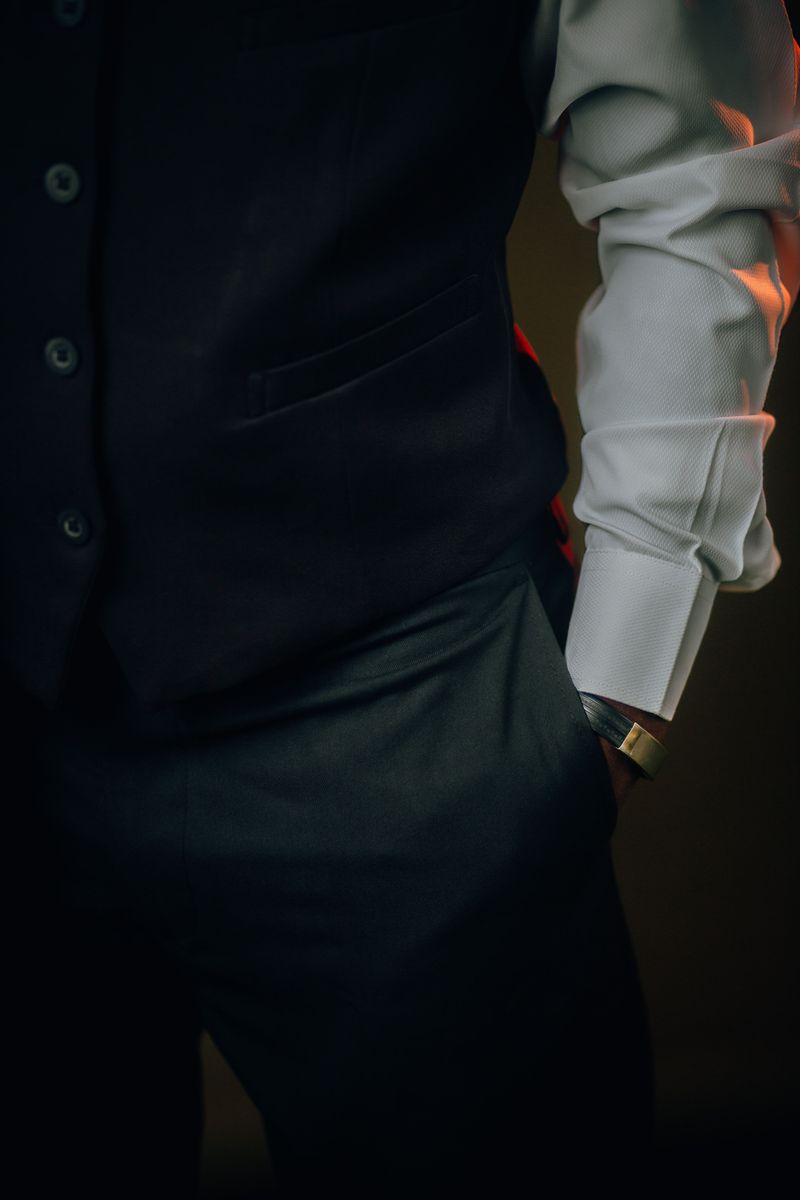
There’s something quietly powerful about wearing a beautifully constructed coat that nobody can immediately identify.
No giant monogram, no screaming brand name across the chest – just impeccable fabric, clean stitching, and a silhouette that holds its shape perfectly.
That kind of dressing signals real confidence.
Obvious logos can sometimes do the opposite of what wearers intend.
Instead of communicating wealth, they can communicate a desire to be seen as wealthy, which is a different thing entirely.
The most genuinely expensive-looking outfits are often the ones where you can’t tell the brand at a glance.
Quality speaks quietly, and that quietness is exactly what makes it feel so elevated.
3. Trends Can Actually Help You Find Your Personal Style

A lot of style advice tells you to ignore trends completely and focus only on your “classics.” But here’s a more honest take: trying trends is actually one of the best ways to figure out what you genuinely love.
You won’t know until you try.
Maybe you experiment with wide-leg trousers and realize you’d been wearing the wrong silhouette for years.
Maybe you try a bold color palette and discover it lights up your whole face.
Trends are essentially a rotating menu of options.
Not everything will suit you, and that’s fine.
The point is that each experiment teaches you something real about your taste, your body, and the kind of statement you want to make.
4. Matching Your Shoes and Bag Is Not Automatically Elegant
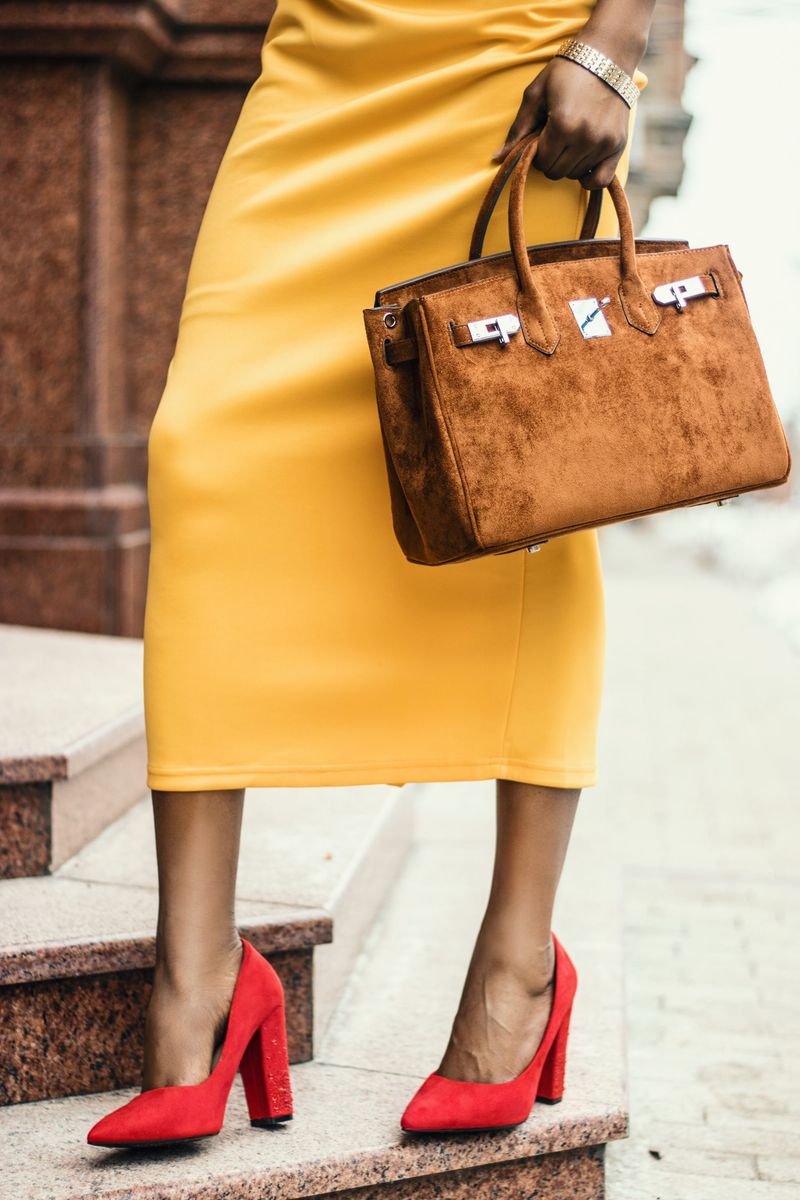
For decades, matching your shoes and handbag was considered the gold standard of polished dressing.
It showed effort, coordination, and attention to detail.
Except somewhere around the 2000s, that look started to feel a little stiff and overly rehearsed.
Contemporary styling often leans into intentional contrast instead.
A caramel leather bag with black boots, a red clutch with nude sandals, a white sneaker with a deep green tote – these combinations feel alive and considered rather than matchy-matchy.
The key word is intentional.
When contrast looks chosen rather than accidental, it reads as sophisticated.
The old matching rule wasn’t wrong exactly, it was just one approach, and fashion has moved past treating it as the only one.
5. Expensive Clothes Don’t Always Look Expensive
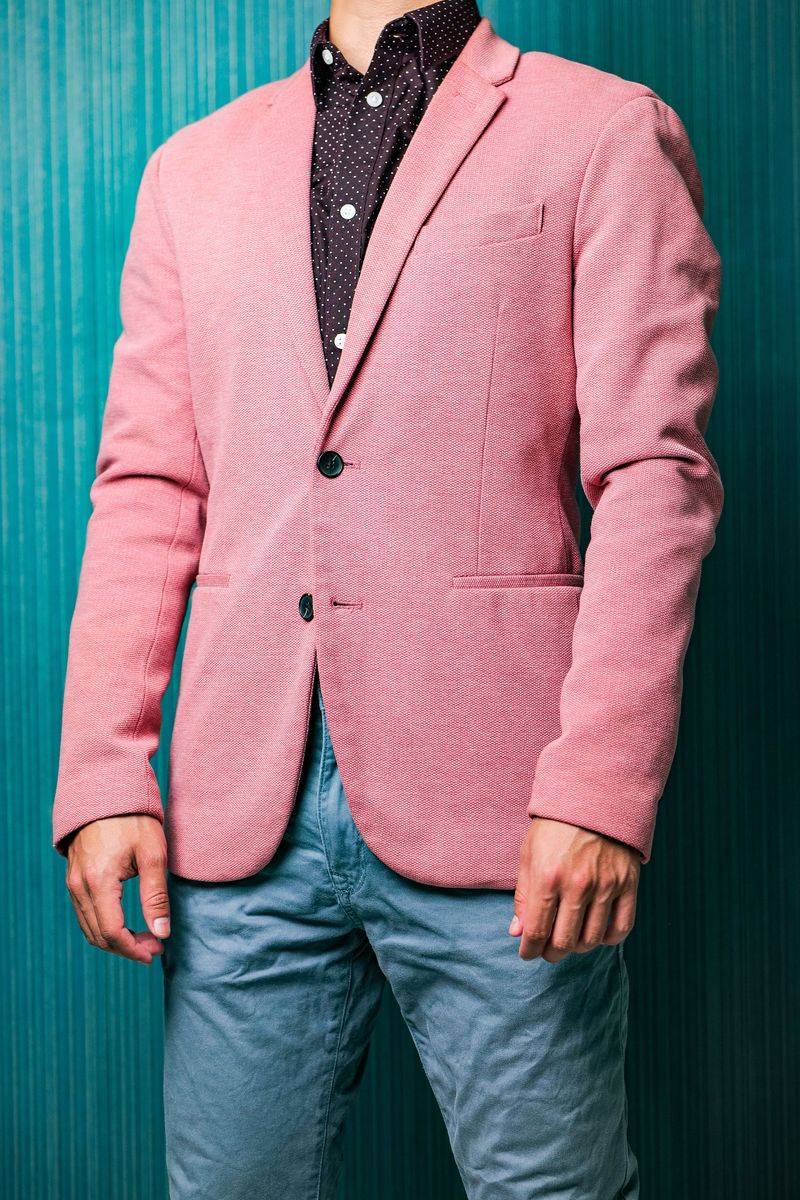
Plenty of people have dropped serious money on a designer piece only to put it on and feel underwhelmed.
The garment might be beautifully made, but if it doesn’t fit your specific body, if it’s styled carelessly, or if it’s not maintained well, it will not look expensive.
Price alone cannot do that work.
Fit is probably the biggest factor most people underestimate.
A well-tailored fifty-dollar blazer can look sharper than a three-hundred-dollar one worn off the rack.
Beyond fit, fabric care matters enormously.
Pilled knitwear, scuffed shoes, and wrinkled trousers communicate neglect regardless of the original price tag.
Investing in a good tailor and proper garment care often does more for your appearance than upgrading your budget.
6. Sneakers Work with Almost Everything, But Not Literally Everything
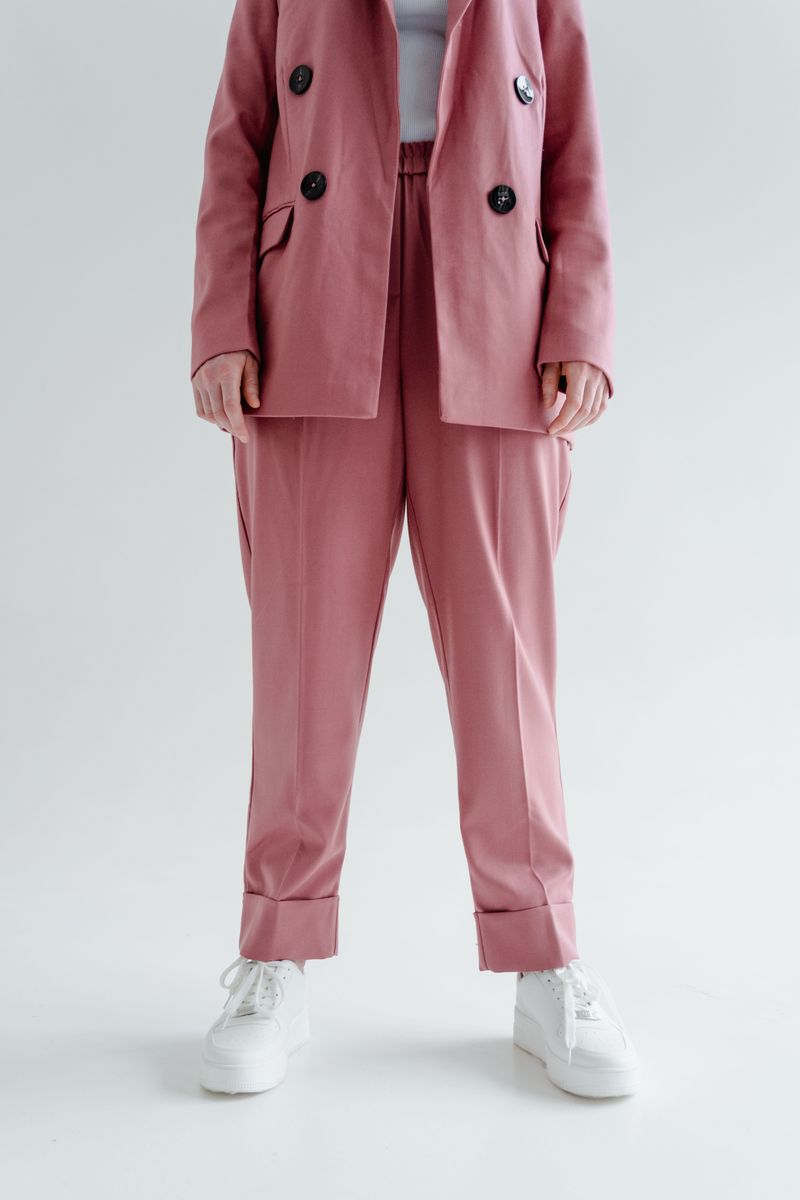
Sneakers have had an incredible run.
They work with tailored trousers, midi skirts, blazers, and even some evening looks when styled correctly.
Fashion has genuinely expanded what counts as acceptable footwear across most dress codes, and that’s a good thing overall.
Still, there are outfits where a sneaker simply flattens the look rather than elevating it.
A fluid silk dress sometimes needs a heeled sandal to let the fabric move properly.
A sharp three-piece suit can lose its edge when paired with chunky trainers unless the contrast is very deliberate.
Knowing when a sneaker serves the look and when it competes with it is the real skill.
Versatile doesn’t mean universal, and recognizing the difference is part of developing a sharp eye.
7. Timeless Fashion Is Partly a Myth
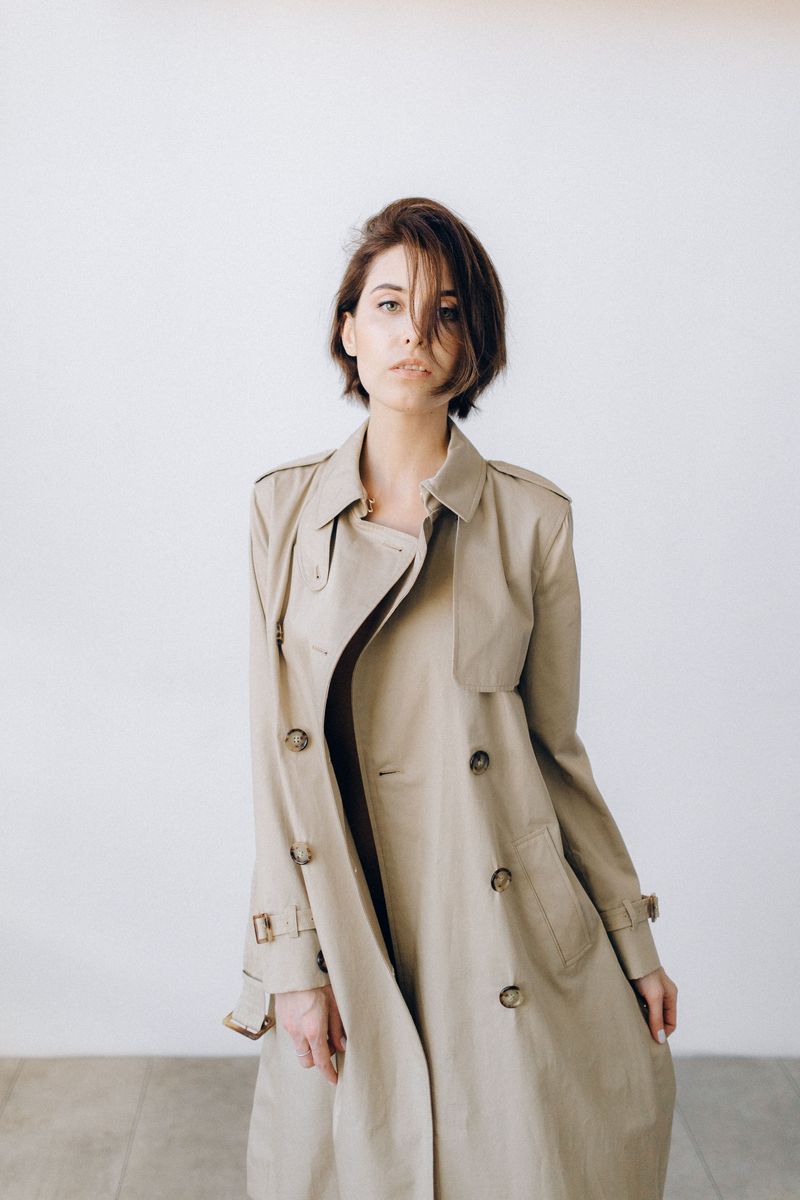
Ask ten people to name a timeless piece and you’ll probably hear: the white button-down, the trench coat, the little black dress, the tailored blazer.
These are genuinely versatile items.
But look closely at photos from different decades and you’ll notice something interesting – those “timeless” pieces look completely different depending on the era.
A 1980s blazer has enormous shoulders.
A 1990s trench coat sits differently than a 2020s version.
Even the classic white shirt changes in collar shape, fabric weight, and how it’s meant to be tucked or untucked.
Calling something timeless often just means it comes back around regularly.
That’s not the same as never changing.
Recognizing this frees you from treating “classics” as sacred and untouchable.
8. Black Isn’t Always the Most Chic Color You Can Wear
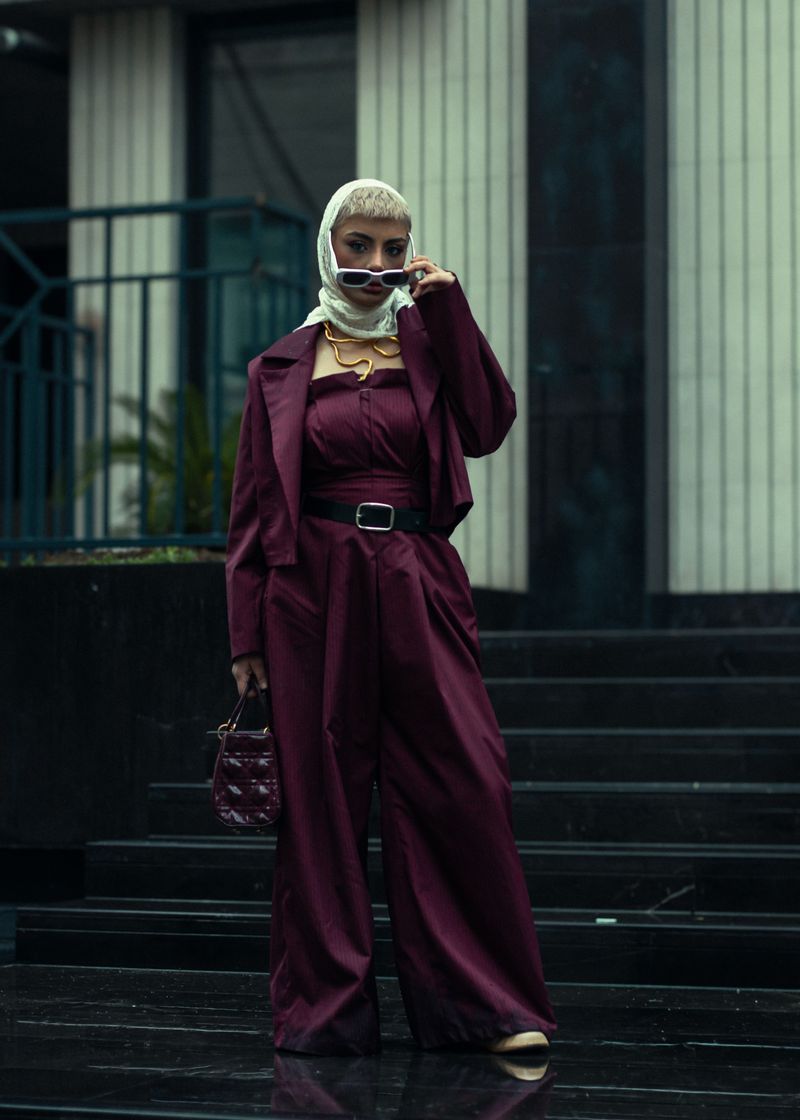
Black became the default “safe” choice for so many people that it stopped feeling like a real decision and started feeling like an absence of one.
It’s genuinely versatile and easy to work with.
But leaning on black for everything can actually make a wardrobe feel flat and a little predictable.
Colors like deep navy, rich chocolate brown, warm burgundy, soft cream, and cool charcoal can create outfits that feel richer and more considered.
They interact with skin tone in more interesting ways and often photograph more beautifully.
Black absorbs light; these colors play with it.
Choosing a different dark or neutral tone takes slightly more thought, but the result can feel far more polished than defaulting to an all-black uniform every single day.
9. Overdressing Is Almost Always More Interesting Than Underdressing

There’s a particular kind of anxiety around being “too dressed up” for an occasion.
Nobody wants to walk into a casual dinner looking like they’re headed to a gala.
But here’s the thing: when you’re slightly overdressed and you carry it with confidence, people usually read it as intentional personal style.
Underdressing carries a different risk.
Showing up to a semi-formal event in wrinkled jeans and a plain tee doesn’t read as cool or effortless – it often just looks like you didn’t try.
Effort, even when it’s a little extra, tends to be respected.
You can always dress down an elevated outfit with attitude and ease.
Dressing up a low-effort look is considerably harder to pull off convincingly.
10. Good Tailoring Beats a Bigger Wardrobe Every Time
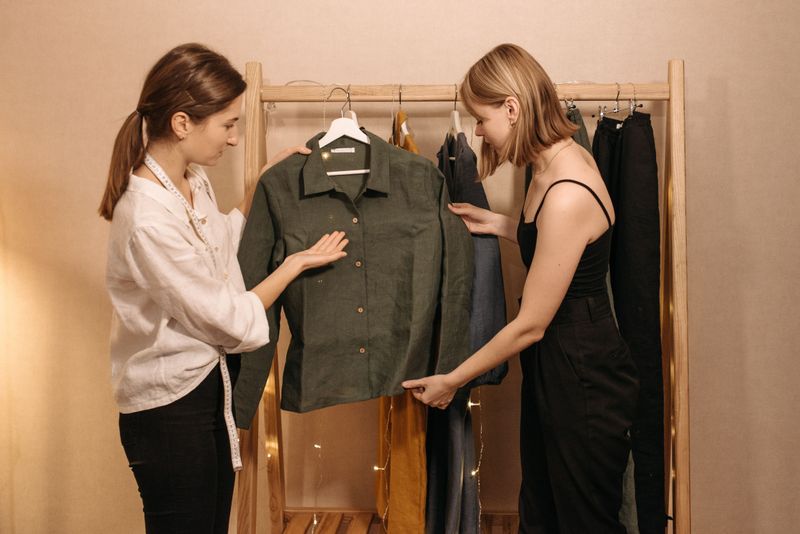
Walk into most people’s closets and you’ll find a familiar pattern: dozens of items, but only a handful that actually get worn regularly.
The rest sit there because they almost fit, or they were a great deal, or there was a plan to alter them someday.
That someday rarely comes.
Ten pieces tailored to your exact measurements will outperform fifty mediocre ones almost every time.
Tailoring doesn’t have to be expensive – a basic hem, a taken-in waist, or adjusted sleeve length can completely transform how a garment looks and feels.
When clothes fit properly, they move with your body instead of fighting it.
That difference is visible immediately, and it’s the single fastest way to look more put-together without buying a single new thing.
11. Minimalism Isn’t Automatically More Sophisticated Than Maximalism
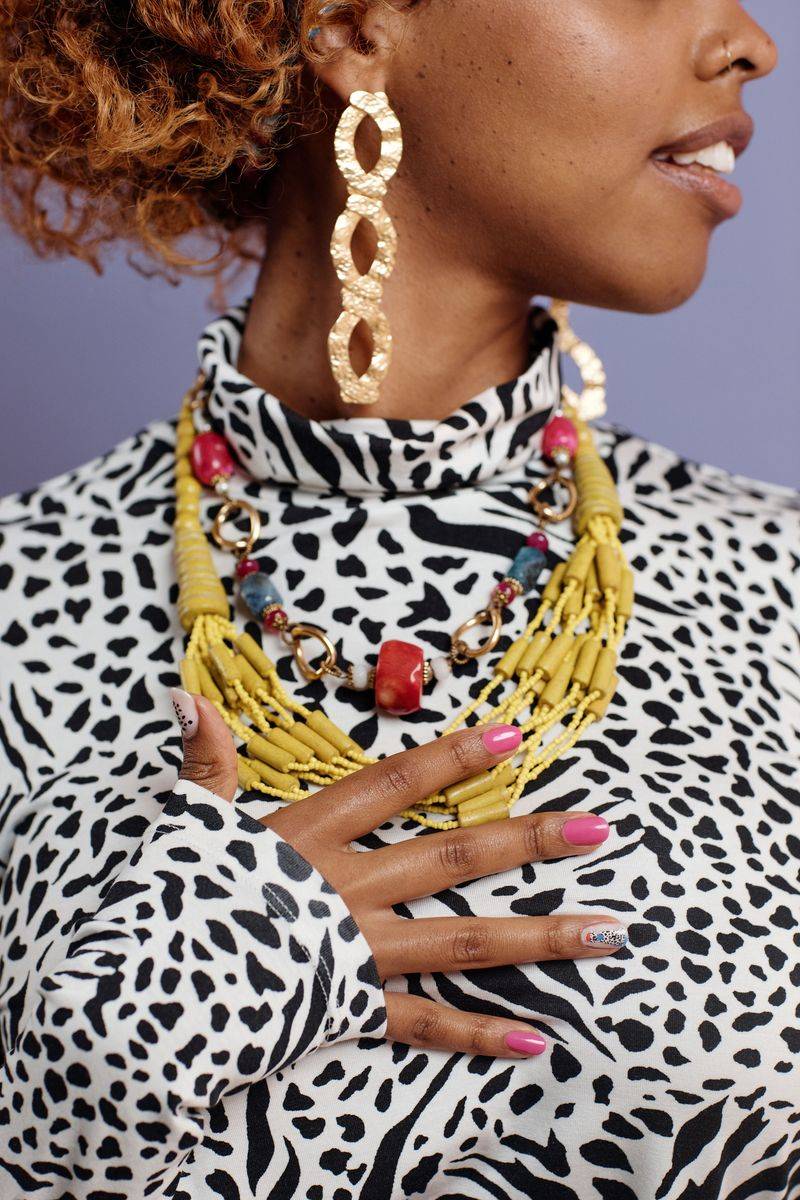
Somewhere in the last decade, wearing three neutral pieces became coded as the height of taste.
Quiet luxury, clean lines, nothing too loud.
There’s real skill in that approach, absolutely.
But the idea that less is always more sophisticated quietly dismisses an entire tradition of brilliant, expressive dressing.
Mixing prints takes skill.
Layering jewelry requires an eye for balance.
Combining colors, textures, and patterns in a way that feels cohesive rather than chaotic is genuinely difficult to pull off well.
Maximalism done right is just as considered as minimalism – it’s simply louder about it.
Calling a bold, layered outfit “too much” often says more about the observer’s comfort level than it does about the actual quality of the look.
12. Old Money Style Became a Costume Once Everyone Named It
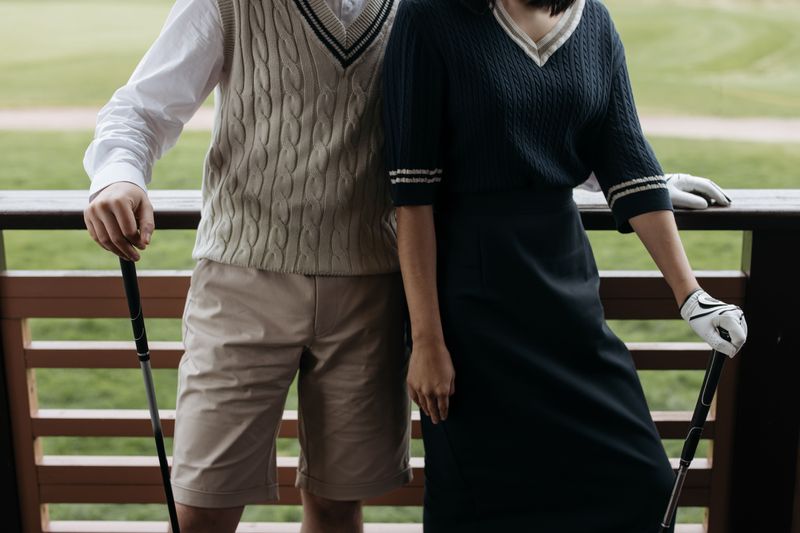
There’s something a little ironic about “old money” aesthetic going viral on social media.
The whole point of that understated, inherited-looking style was that it didn’t announce itself.
It was the visual equivalent of not needing to explain yourself.
Once it got named, tagged, and turned into a shopping list, something changed.
Genuine classic dressing is much broader and more personal than beige trousers, loafers, a cable-knit sweater, and a blazer repeated endlessly.
Real old-money dressing included eccentricity, worn-in pieces, and genuine indifference to trends – not a carefully curated aesthetic built to look indifferent.
When a style becomes a uniform everyone adopts simultaneously, it loses the authenticity that made it appealing.
The costume version arrived the moment people started using the label.
13. Skinny Jeans Were Never Actually Ugly
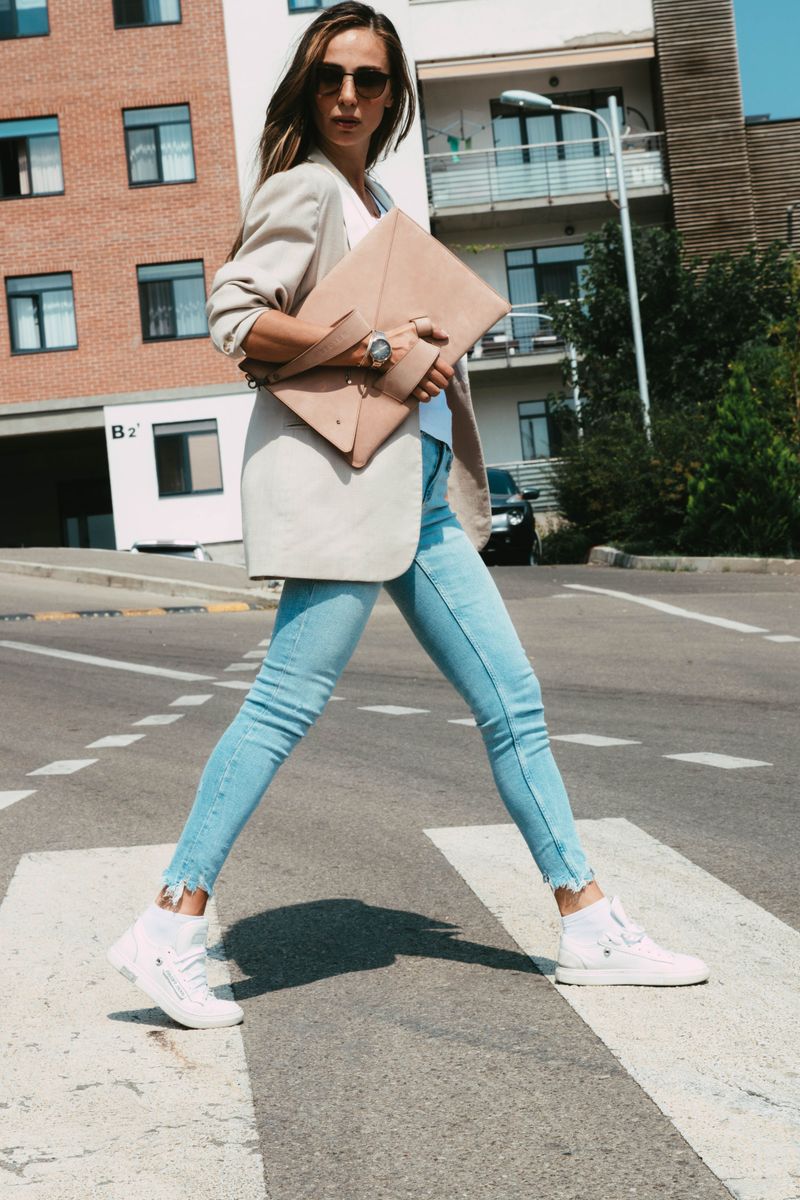
For a couple of years, declaring skinny jeans dead became practically a sport.
Think pieces announced their demise, stylists proclaimed wide-leg as the only acceptable silhouette, and people were made to feel genuinely embarrassed for still owning a pair.
That reaction was wildly out of proportion to what was really happening.
Skinny jeans weren’t replaced because they were objectively bad.
They were replaced because fashion cycles, and a new dominant silhouette needed to take over.
That’s completely normal.
The problem was framing the shift as a moral improvement rather than a simple change in taste.
Plenty of people still wear skinny jeans and look fantastic in them.
Fashion declaring something ugly usually just means it’s no longer the current thing – which is a very different claim.
14. The Best-Dressed Person in the Room Is Often Breaking the Most Rules
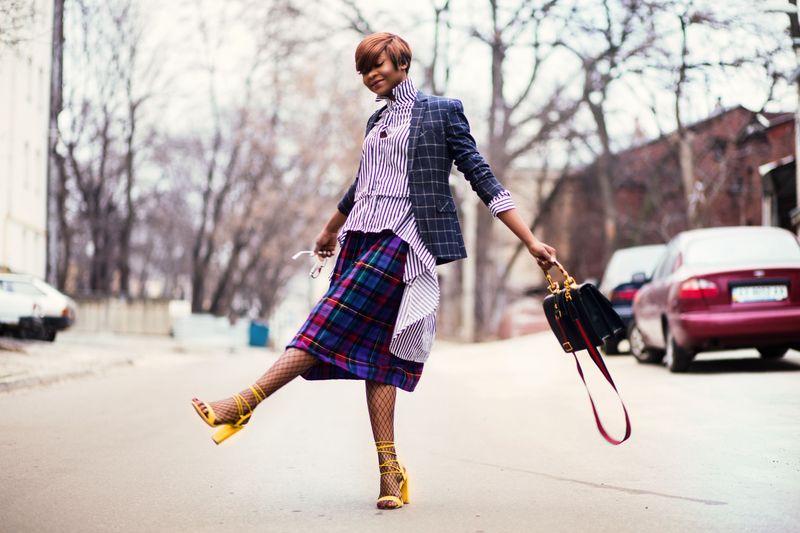
Fashion rules exist for a reason – they’re a useful starting point when you’re still figuring things out.
Don’t mix metals.
Avoid wearing too many patterns.
Keep accessories minimal with a bold outfit.
These guidelines help people avoid common missteps, and they genuinely do work.
But the people who tend to stop a room are rarely the ones who followed every rule carefully.
They’re the ones who understood the rules well enough to know which ones to break and exactly how far to push it.
Proportion, color relationships, context, and self-assurance matter far more than any rulebook.
When someone wears something unexpected with total conviction, it reads as style rather than mistake.
Confidence is the one fashion rule that actually never goes out of fashion.