 MomSkoop
In 2003, the American Film Institute named Atticus Finch the greatest hero in a century of American movies, beating out Indiana Jones and James Bond. The man had no cape, no gadgets, and spent most of the story in a suit, reading the newspaper. That choice tells me a lot about what audiences really admire in a man. Quiet decency, it turns out, can outshine explosions and car chases.
Boys pick up ideas about manhood from the stories they watch and read, sometimes long before anyone sits them down for a serious talk. A goofy sitcom dad or a soft-spoken karate teacher can leave a mark that lasts for decades. The characters on this list come from novels, blockbusters, and family sitcoms, and they don’t all agree on how to live.
1. Atticus Finch
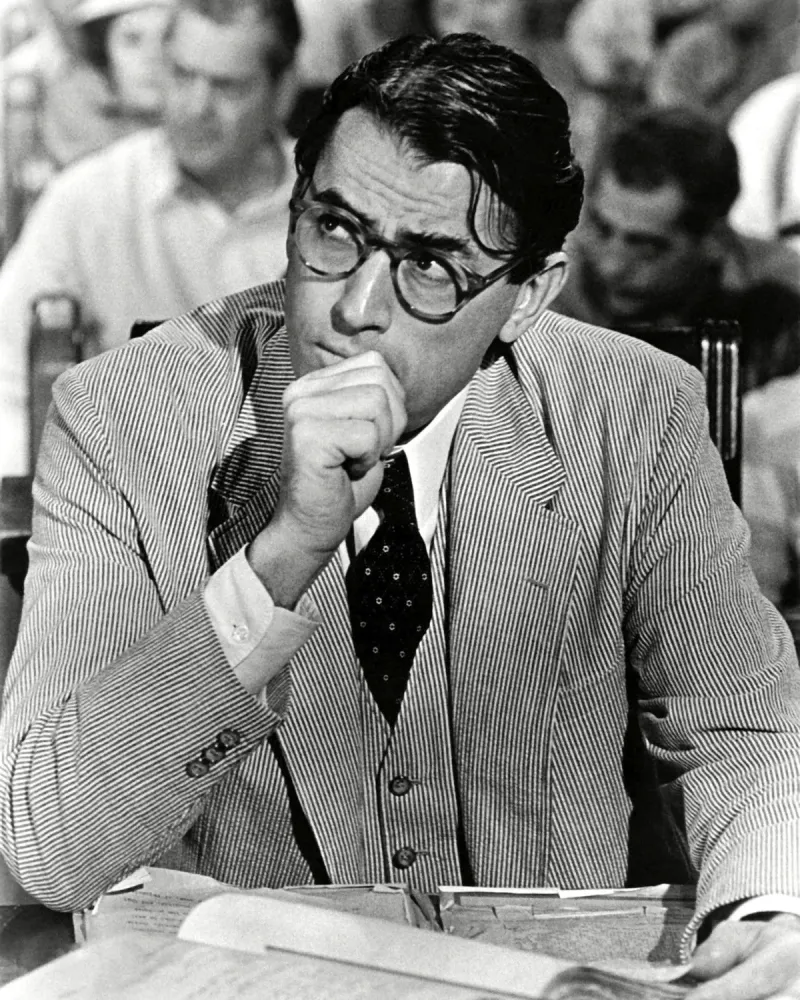
Harper Lee gave readers a hero who could famously hit a target with a rifle but chose to never brag about it.
Atticus Finch, the small-town Alabama lawyer in To Kill a Mockingbird, proves that real toughness often looks pretty quiet.
His biggest test comes when he defends Tom Robinson, a Black man falsely accused of a crime in a deeply unfair town.
Atticus knows he will probably lose, yet he takes the case because he believes it is right.
That idea is the heart of his lesson.
Courage, as he explains to his son Jem, means starting something even when you know you are beaten before you begin.
Atticus also teaches his kids to see the world through other eyes.
He tells Scout you never really understand a person until you climb into his skin and walk around in it.
Try that the next time a classmate annoys you.
Ask yourself what kind of day that person might be having before you fire back.
Fun fact: Gregory Peck won the Academy Award for Best Actor for playing Atticus in the 1962 film.
The novel itself won the Pulitzer Prize in 1961.
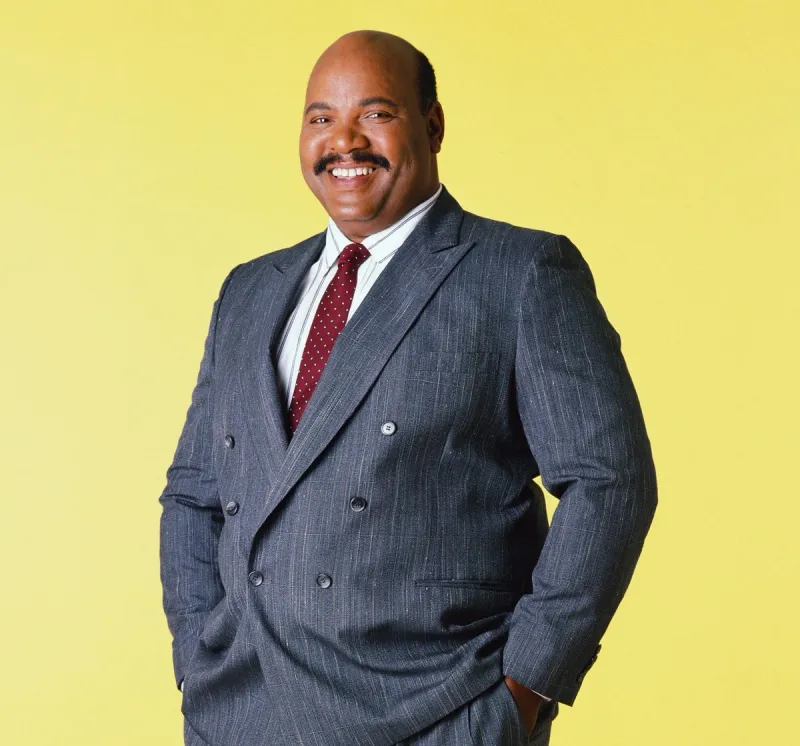
2. Philip Banks
Few sitcom scenes have made grown adults reach for tissues like the one at the end of the 1994 episode Papa’s Got a Brand New Excuse.
Will’s father walks out on him again, and Uncle Phil is the one standing there when Will finally breaks down.
James Avery played Philip Banks on The Fresh Prince of Bel-Air as a lawyer who later becomes a judge.
He was strict, funny, and occasionally grumpy about Will’s antics.
Still, the lesson behind that famous hug is simple.
Being a dad is about showing up, not about whose name is on a birth certificate.
Phil also never let his big house erase where he came from.
He grew up on a farm in North Carolina, and the show often reminded Will that his uncle worked hard for his success.
For boys, that combination matters.
You can push someone to do better and still let them cry on your shoulder.
If you have a mentor like that, a coach, a grandpa, or a neighbor, tell them.
Uncle Phil rarely heard thanks, but he would have liked it.
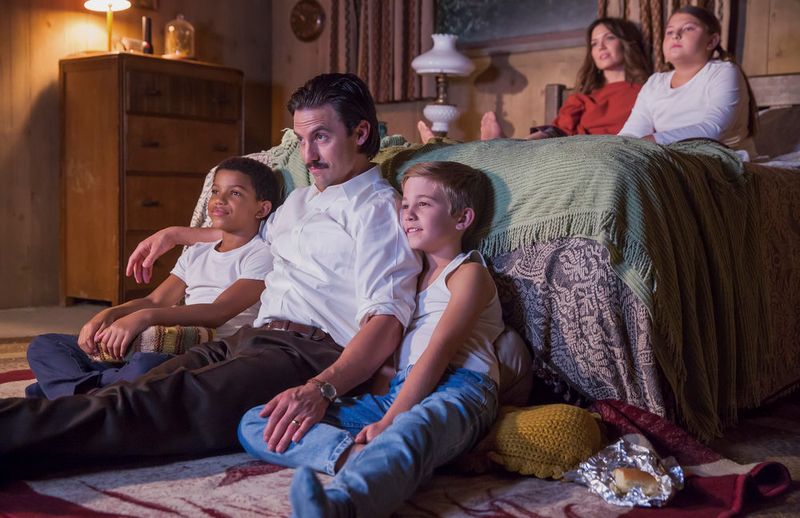
3. Jack Pearson
Grab a box of tissues before watching any Jack Pearson scene.
Milo Ventimiglia played the devoted dad on NBC’s This Is Us, and the show made him one of TV’s most talked-about fathers.
Jack is far from perfect, and the series makes that clear.
He struggles with drinking, and he works to get sober because he wants to be better for his family.
That honesty is part of what makes him worth learning from.
Owning your mistakes and fixing them takes more guts than pretending you never make any.
Jack and his wife Rebecca raise three kids, Kevin, Kate, and Randall, whom they adopted.
He gives each of them pep talks, shows up for their big moments, and isn’t shy about saying he loves them.
Boys can borrow a lot from that approach.
Telling your family you care doesn’t make you soft, and it sure beats leaving those words unsaid.
Jack also proves that showing emotion and being strong can live in the same person.
He cries, he laughs, and he keeps going.
That’s a pretty solid example of what holding a family together can look like.
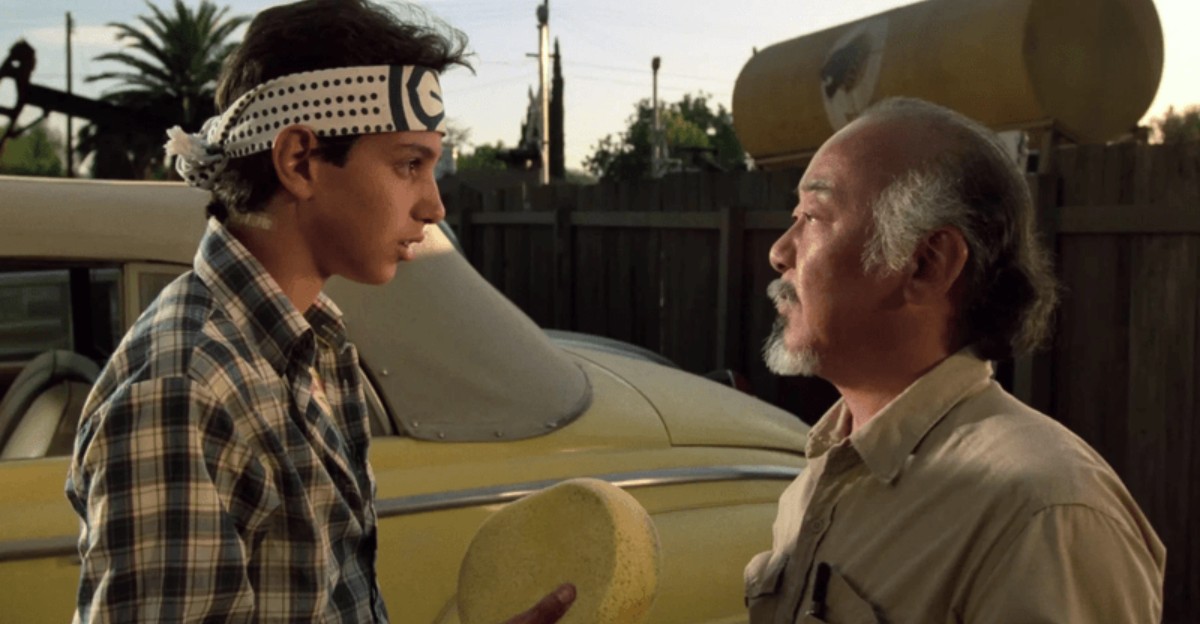
4. Mr. Miyagi
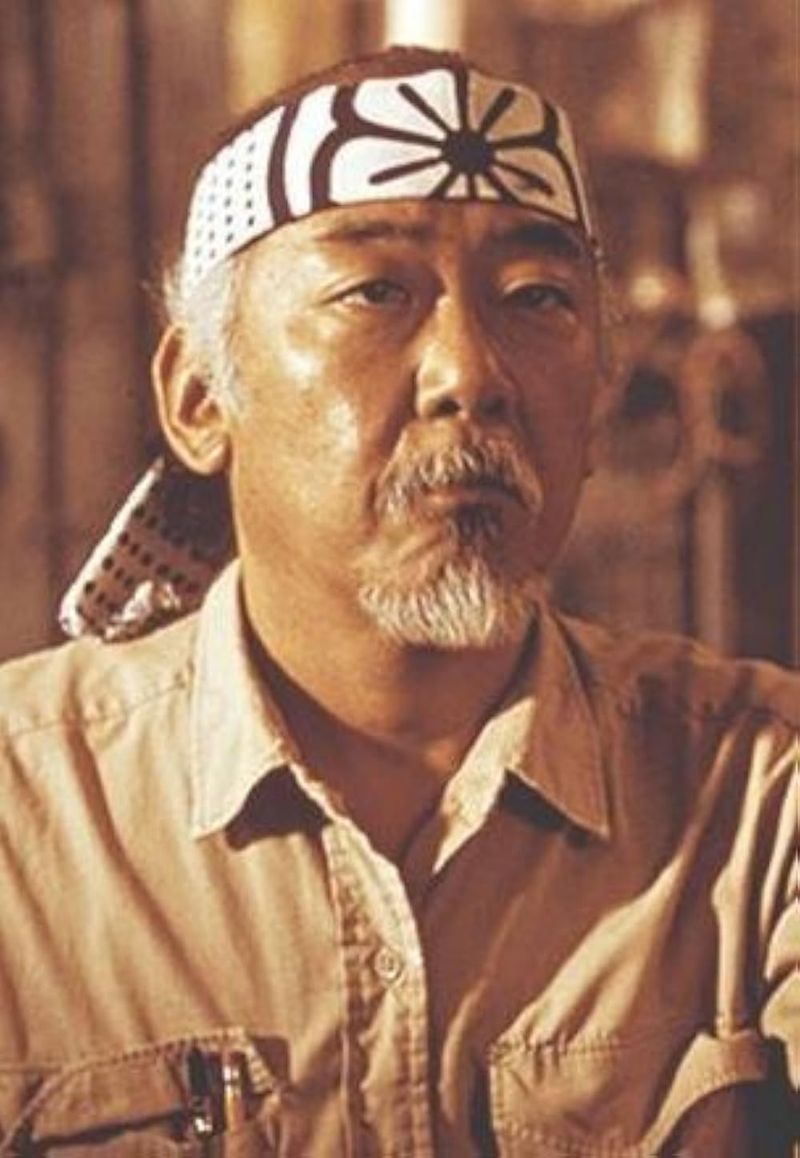
Wax on, wax off.
Three little words turned a stack of chores into one of the most quoted training montages in movie history.
In The Karate Kid from 1984, Mr. Miyagi has young Daniel LaRusso wax cars, sand floors, and paint a fence.
Daniel thinks he’s being used as free labor, until he discovers those motions were teaching him to block punches.
The lesson here is patience.
Big skills often grow from boring, repeated practice that doesn’t feel important while you’re doing it.
Mr. Miyagi also teaches that fighting is the last option, not the first.
He wants Daniel to find balance in his life, not just in his stance.
That message hits home for any kid dealing with a bully.
Learning to stay calm can be more useful than learning to throw a punch.
Fun fact: Pat Morita earned an Academy Award nomination for Best Supporting Actor for the role.
Not bad for a character who mostly speaks in short, quiet sentences.
So next time practice feels pointless, picture that fence.
You might be learning more than you realize.
5. Aragorn
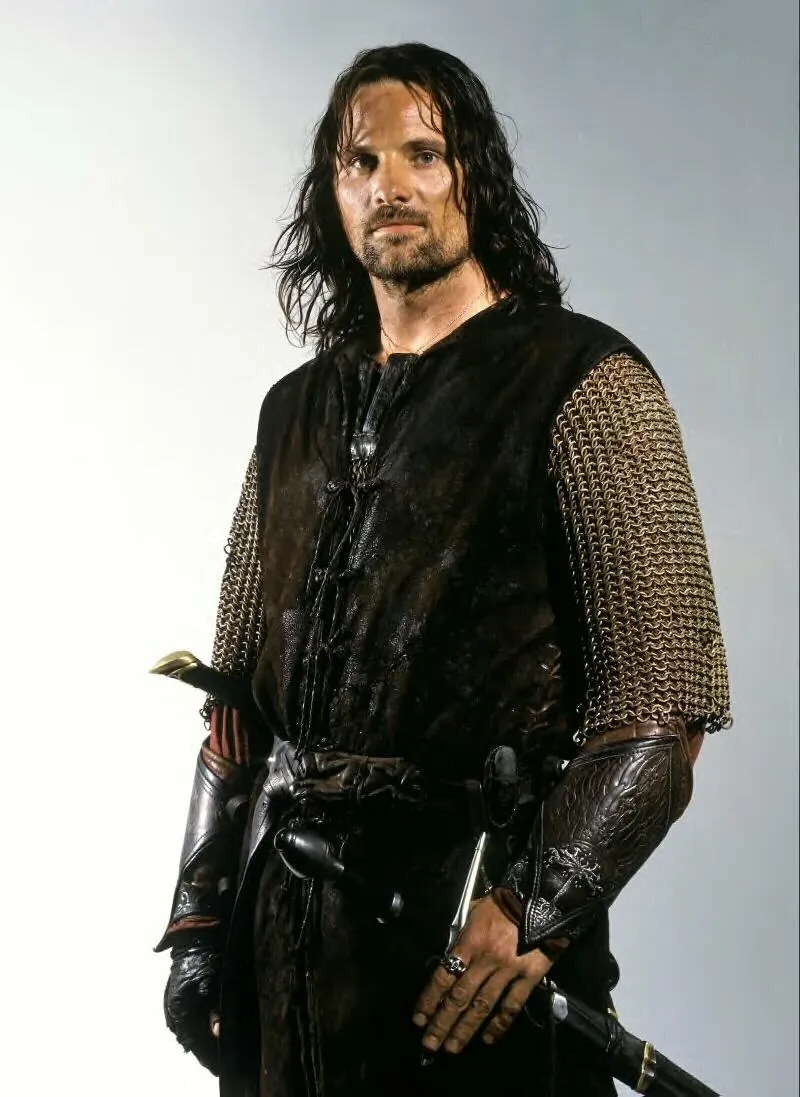
He spends most of the story as a scruffy ranger called Strider, sitting in the corner of an inn.
Nobody would guess he’s the rightful king.
Aragorn, from J.R.R.
Tolkien’s The Lord of the Rings, doesn’t rush to grab power.
He accepts the crown only when his people need him to lead.
That humility is a big lesson for boys.
Leadership is about serving others, not about being the boss.
Aragorn is also a great friend.
He protects the hobbits, fights alongside Legolas and Gimli, and never acts too important to care about the little guys.
In Tolkien’s book, a wise woman named Ioreth says the hands of the king are the hands of a healer.
Aragorn proves it by healing wounded friends after battle, showing that strength and gentleness can work together.
Viggo Mortensen played him in Peter Jackson’s film trilogy.
One of the most memorable moments comes at the end, when Aragorn tells the hobbits they bow to no one.
Picture a king kneeling to honor his small friends.
That says more about manhood than any battle scene ever could.
6. Forrest Gump
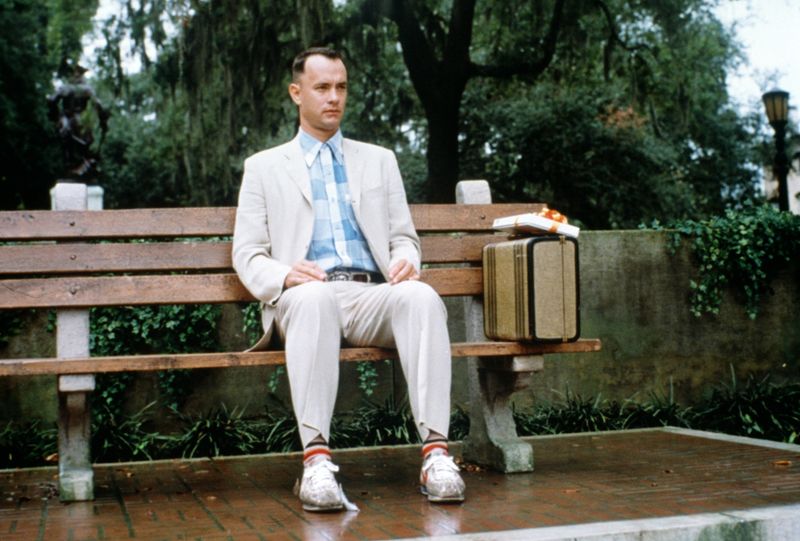
Some heroes win with brains or muscle.
Forrest Gump wins with a promise.
In the 1994 film, Tom Hanks plays a kind man from Alabama who keeps finding himself in the middle of big moments in American history.
He plays college football, serves in the Vietnam War, and runs across the country more than once.
What makes Forrest special is his loyalty.
When his friend Bubba dreams of running a shrimp boat, Forrest keeps that dream alive and later shares the business money with Bubba’s family.
That’s a lesson boys can carry for life.
Keeping your word matters, even when the person you promised isn’t around to check.
Forrest also stays honest and kind when others laugh at him.
People call him slow, but his mother teaches him that stupid is as stupid does, meaning your actions define you.
His love for Jenny and his son, little Forrest, shows a softer side of manhood.
He’s patient, steady, and always there.
Tom Hanks won the Academy Award for Best Actor for the role.
The movie also won Best Picture, proving a big heart can carry a story.
7. Gandalf
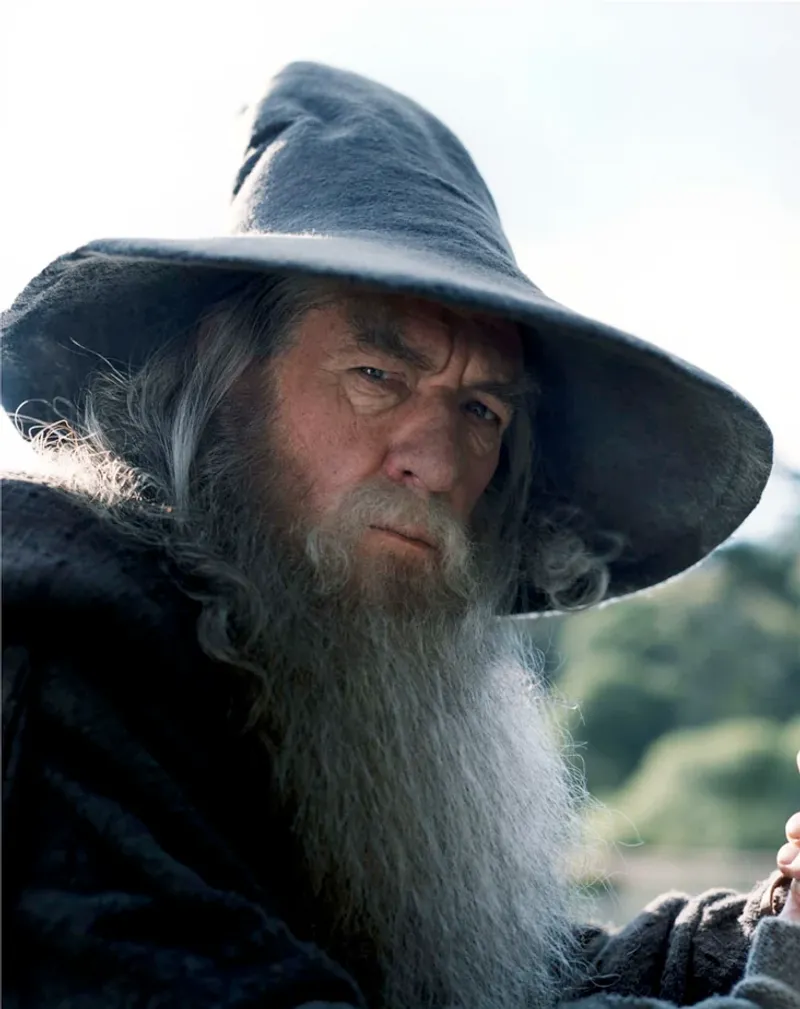
A wizard with fireworks in his cart and a pipe in his hand might not seem like the obvious choice for a life coach.
Gandalf, from J.R.R.
Tolkien’s books, turns out to be one of fiction’s best mentors.
He could easily solve problems himself, but he usually doesn’t.
Instead, he encourages small, unlikely heroes like Bilbo and Frodo to step up and do the hard work.
That’s a smart lesson for anyone who wants to lead.
Good mentors help others grow instead of doing the job for them.
His best line comes when Frodo wishes the dark times had never happened.
Gandalf tells him that all we have to decide is what to do with the time that is given us.
Boys can lean on that idea when life feels unfair.
You can’t control everything, but you can control your next choice.
Gandalf is also humble about his own power.
He admits mistakes and listens to others, even small hobbits.
Ian McKellen earned an Oscar nomination for playing him in The Fellowship of the Ring.
Not bad for a guy who mostly carries a stick.
8. Joe West
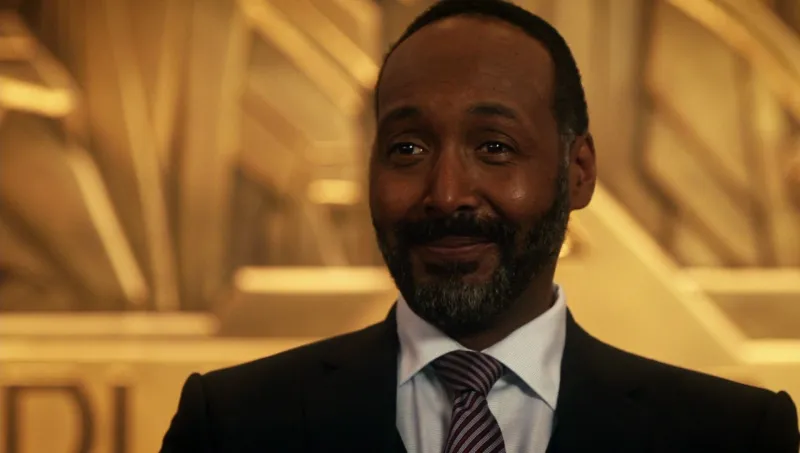
Not every superhero story’s best character wears a suit that runs at super speed.
On The CW’s The Flash, Detective Joe West has no powers, and he’s still the hero many viewers remember most.
Jesse L.
Martin plays Joe, a Central City police detective.
When young Barry Allen loses his mom and his father is wrongly sent to prison, Joe takes Barry into his home and raises him alongside his daughter Iris.
That choice teaches a big lesson.
Family can be built by love, not just by blood.
As Barry grows into The Flash, Joe keeps him grounded.
He gives honest advice, reminds Barry what’s right, and isn’t afraid to say when he’s worried.
Later, Joe learns he has a son named Wally whom he never knew.
Instead of pulling away, he works hard to build a relationship.
For boys, Joe shows that dads can be tough and tender.
He’ll chase criminals in the afternoon and still have a heart-to-heart talk over dinner.
Plenty of fans would happily trade super speed for a dad like that.
9. Steve Rogers
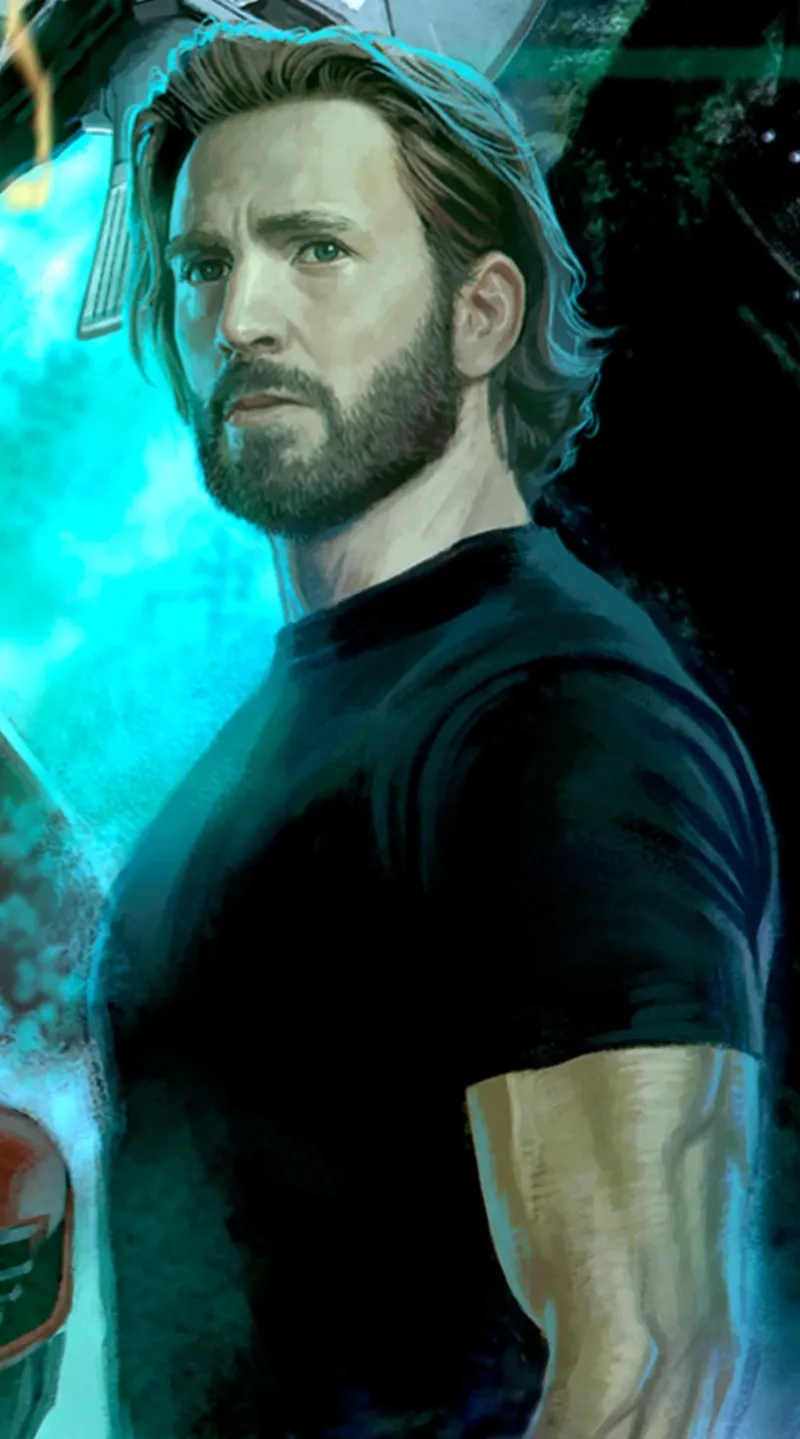
Before the shield and the muscles, Steve Rogers was a skinny kid from Brooklyn who kept getting knocked down.
He kept getting back up, too.
In Captain America: The First Avenger from 2011, Chris Evans plays Steve as a young man rejected by the Army again and again.
He finally gets picked for a special program because of his heart, not his size.
Dr. Erskine, the scientist behind the program, asks Steve to stay not a perfect soldier, but a good man.
That might be the best advice in the whole movie.
Steve also says he doesn’t like bullies, no matter where they come from.
He stands up for others even when he can barely stand himself.
Boys can take that lesson straight to the lunchroom.
Being brave often means speaking up for someone who’s getting picked on.
Steve also leans on his friends.
He doesn’t act like he can handle everything alone, and that makes him a better leader.
Muscles look great on posters.
Character is what makes people follow you.
10. Uncle Ben
With great power comes great responsibility.
It might be the most famous piece of advice in comic book history.
Here’s a fun twist.
In Spider-Man’s first appearance, Amazing Fantasy #15 from 1962, the line appears as a caption by the narrator, not as words from Ben himself.
The movies changed that.
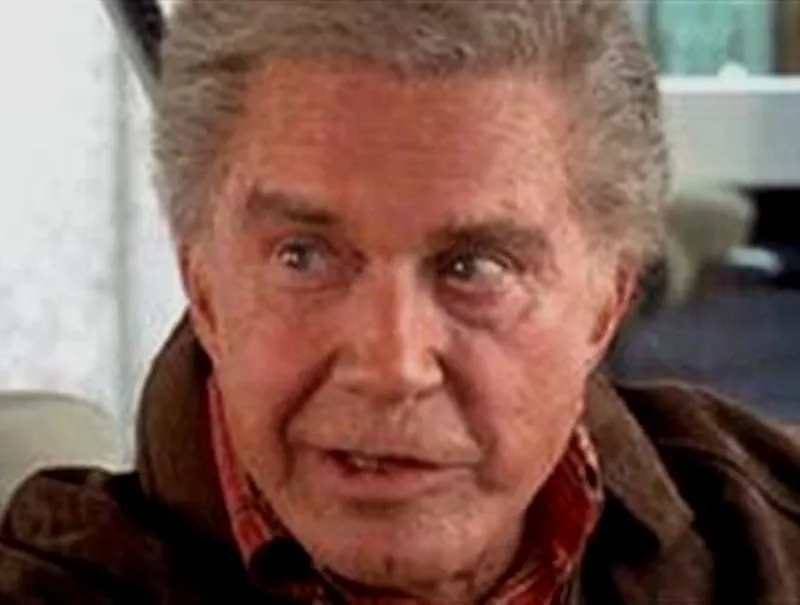
In the 2002 film Spider-Man, Cliff Robertson’s Uncle Ben shares the advice with Peter Parker, and it became the line people quote today.
Uncle Ben is Peter’s father figure, raising him with Aunt May in Queens.
His lessons stay with Peter long after Ben is gone, guiding nearly every choice Spider-Man makes.
The message works for regular kids, too.
If you’re good at something, whether it’s sports, math, or making people laugh, think about how you can use it to help others.
Ben never had superpowers.
He simply cared about his family and wanted Peter to grow into a good man.
That’s proof you don’t need a mask to change someone’s life.
Sometimes one honest talk in the car is enough.
11. Maximus
A soldier running his hand through a wheat field opens one of the most memorable movies of 2000.
That simple image tells you Maximus dreams of home, not glory.
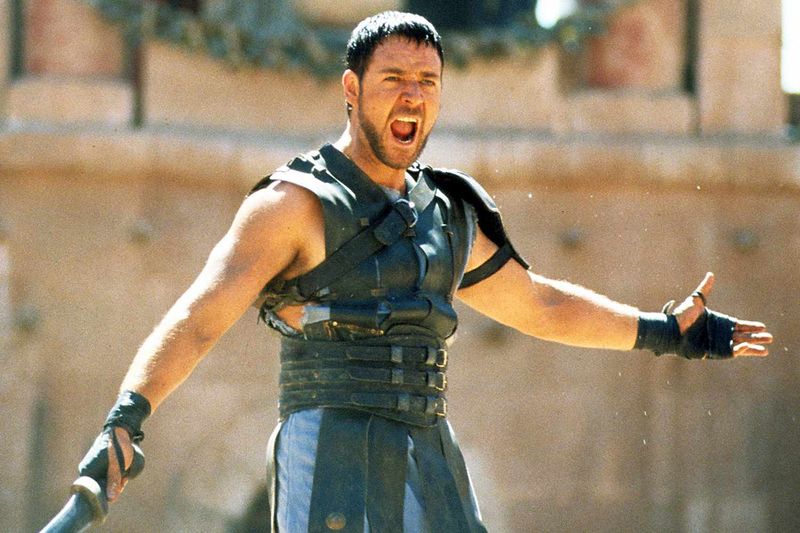
Russell Crowe won the Academy Award for Best Actor for playing Maximus Decimus Meridius in Gladiator.
The film also won Best Picture.
Maximus is a Roman general loved by his men because he leads from the front.
He doesn’t ask soldiers to do anything he won’t do himself.
After being betrayed and losing his family, he ends up fighting as a gladiator.
Even then, he stays loyal to his values and to the old emperor’s wish to return power to the people of Rome.
His lesson for boys is about staying true to yourself when life knocks you flat.
Circumstances can change, but your character is your choice.
Maximus also inspires other gladiators to work together instead of fighting alone.
Teamwork saves them in the arena.
Fair warning: Gladiator is rated R for intense violence, so it’s best for older teens.
The wheat field scene, though, is fine for everyone.
12. Danny Tanner
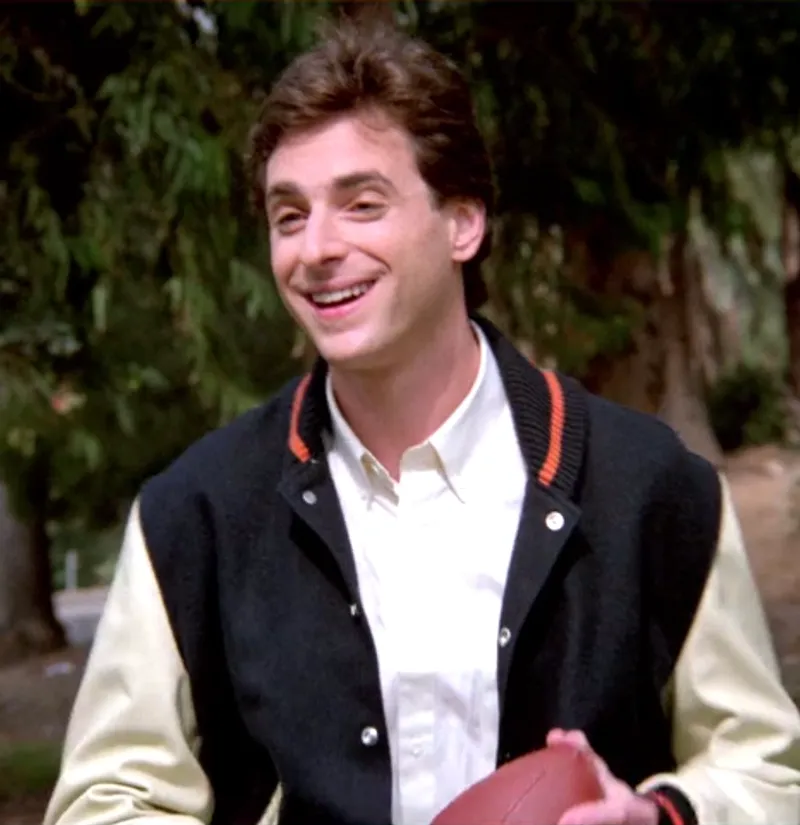
Few TV dads loved a vacuum cleaner as much as Danny Tanner.
The neat freak dad on Full House was famous for scrubbing and organizing just about everything in the house.
Bob Saget played Danny, a San Francisco TV host raising three daughters, D.J., Stephanie, and Michelle, after losing his wife.
His brother-in-law Jesse and best friend Joey move in to help.
That setup alone taught a lesson.
Men can be caregivers, and asking friends for help is a smart move, not a weak one.
Danny’s famous heart-to-heart talks closed many episodes.
He listened, said sorry when he messed up, and wasn’t afraid to cry in front of his kids.
He also embraced his dorky side.
Corny jokes and cleaning habits didn’t embarrass him, and that confidence rubbed off on his girls.
For boys, the takeaway is pretty clear.
Being kind, caring, and a little silly doesn’t make you less of a man.
Try your own version of a Danny Tanner talk.
Sit down with a sibling or friend, listen first, and skip the background music if you must.
13. Carl Winslow
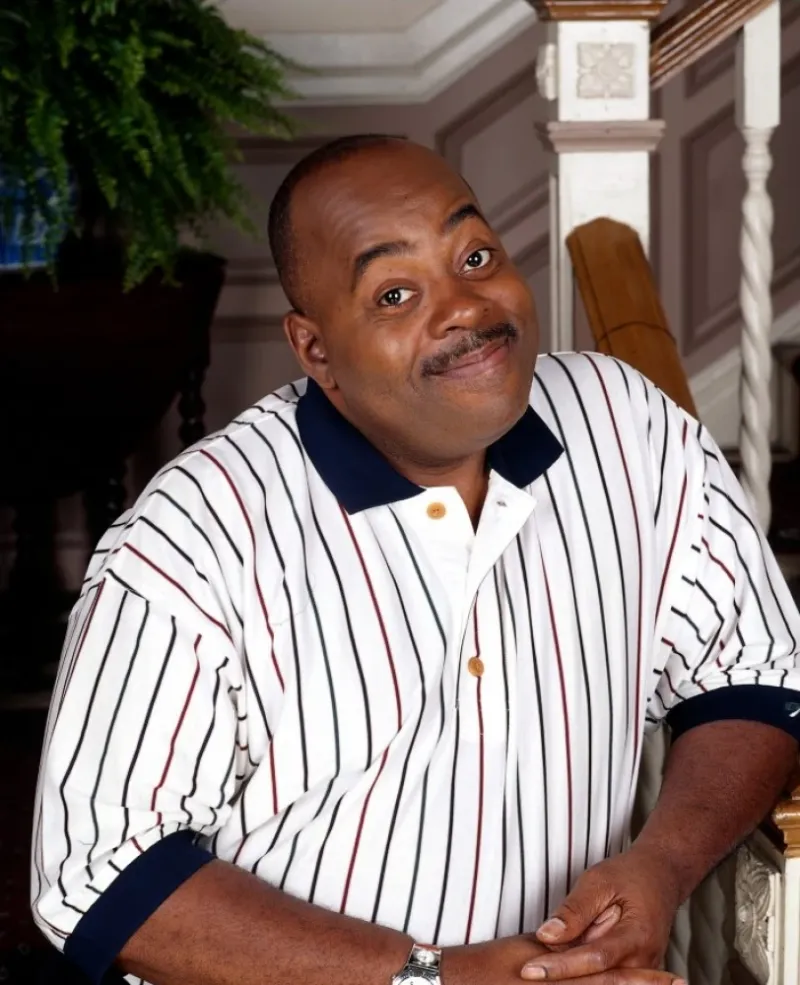
Steve Urkel may have stolen the spotlight, but Carl Winslow held the whole show together.
Reginald VelJohnson played the Chicago police officer and dad on Family Matters from 1989 to 1998.
Carl was the kind of father who could raise his voice when the rules got broken.
A moment later, he’d be the first to give a hug.
His relationship with his son Eddie teaches a solid lesson.
Firm rules and real love can work together.
The show also used Carl to tackle serious topics.
In one episode, Eddie is unfairly pulled over by police, and Carl has to face problems within his own profession.
That storyline showed boys that doing the right thing sometimes means speaking up, even about your own team.
Integrity isn’t always easy or popular.
Carl also had his funny side.
His frustration with Urkel crashing through the door became a running joke fans still remember.
So here’s a takeaway worth keeping.
A good man can enforce a curfew, stand up for justice, and still laugh when the neighbor kid breaks the furniture again.
14. Samwise Gamgee
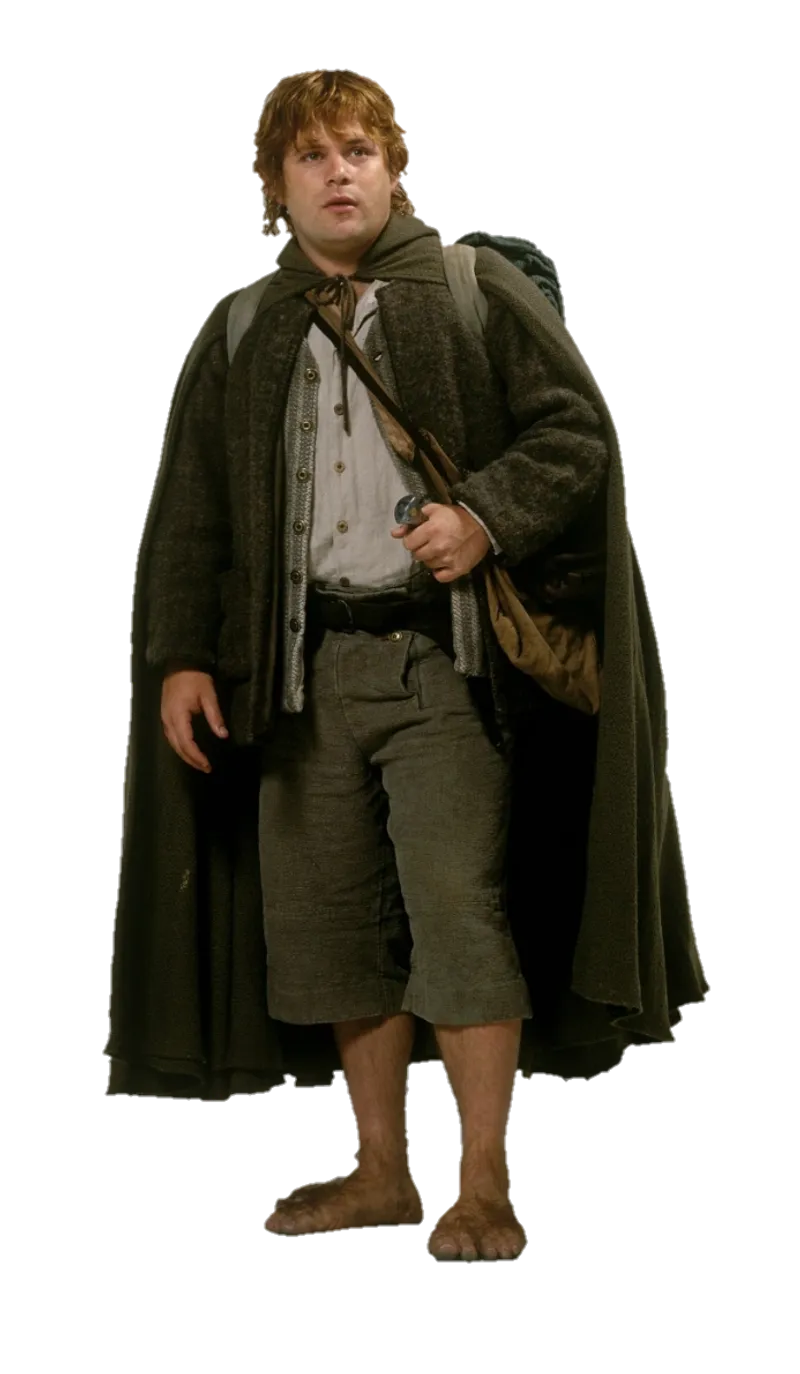
“I can’t carry it for you, but I can carry you!” That single line from The Lord of the Rings has made grown men cry for decades.
Samwise Gamgee is just a gardener from the Shire.
He has no magic sword or royal bloodline, yet he walks all the way to Mordor beside his friend Frodo.
When Frodo nearly gives up, Sam literally lifts him onto his back.
Boys can learn something huge here.
Being a loyal friend is a form of heroism.
Showing up for people when things get hard, and never leaving them behind, is what true manhood looks like.