 MomSkoop
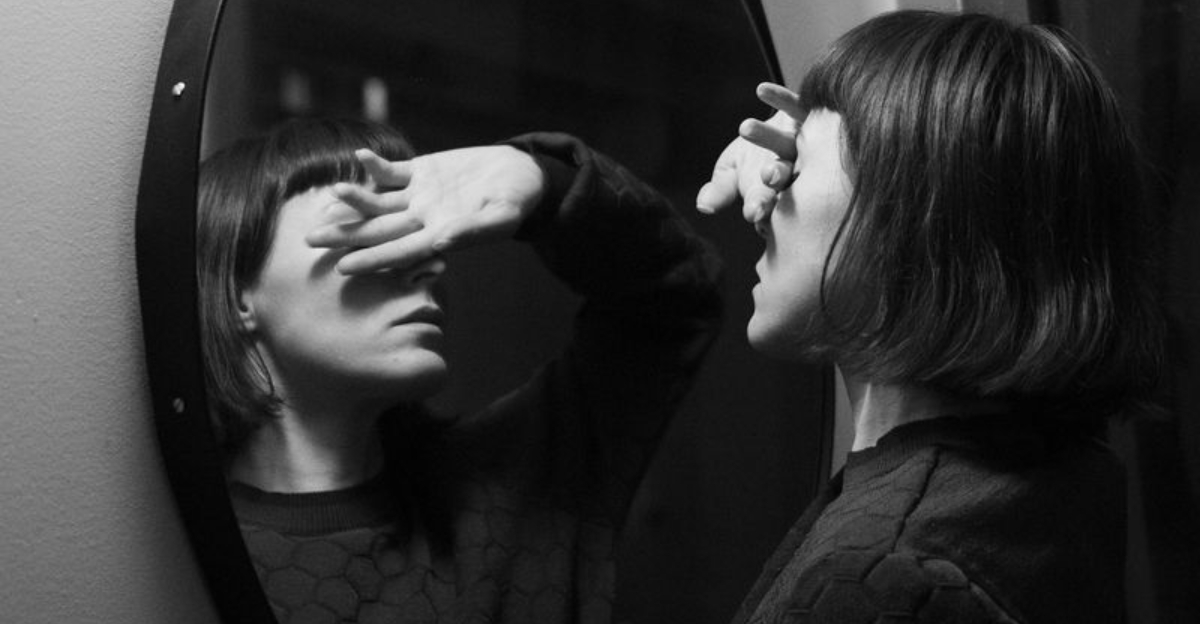
Relationships are beautiful, but they can sometimes quietly pull you away from who you truly are. When love starts to feel more like losing yourself than finding someone, it’s worth paying attention.
Many people don’t notice it happening until they look in the mirror and barely recognize the person staring back. If something feels off lately, these signs might help you understand what’s going on.
1. You Constantly Put Your Partner’s Needs Before Your Own

Putting someone you love first feels natural at the start of a relationship.
But when your own needs are always pushed to the bottom of the list, something important gets lost.
It stops being love and starts feeling like a one-sided arrangement.
Over time, ignoring your own desires and well-being takes a real toll on your mental health.
You may start feeling resentful, tired, or invisible.
Your happiness matters just as much as your partner’s, and a healthy relationship honors that truth.
Try checking in with yourself daily.
Ask what you need today, not just what your partner expects.
Small acts of self-care can slowly rebuild the balance that a loving relationship truly requires.
2. You’ve Stopped Pursuing Your Interests

Remember that hobby you used to lose track of time doing?
Maybe it was painting, hiking, playing music, or reading for hours.
Somewhere along the way, those things quietly disappeared from your weekly routine.
When a relationship starts consuming all your free time, personal passions are usually the first casualty.
You might have told yourself it was just temporary, but weeks turned into months, and those activities now feel like distant memories.
Reclaiming even one old interest can feel surprisingly powerful.
It reminds you that you existed before this relationship and will continue to exist within it.
Your passions are not luxuries; they are essential pieces of who you are.
3. You Change Your Opinions to Avoid Conflict
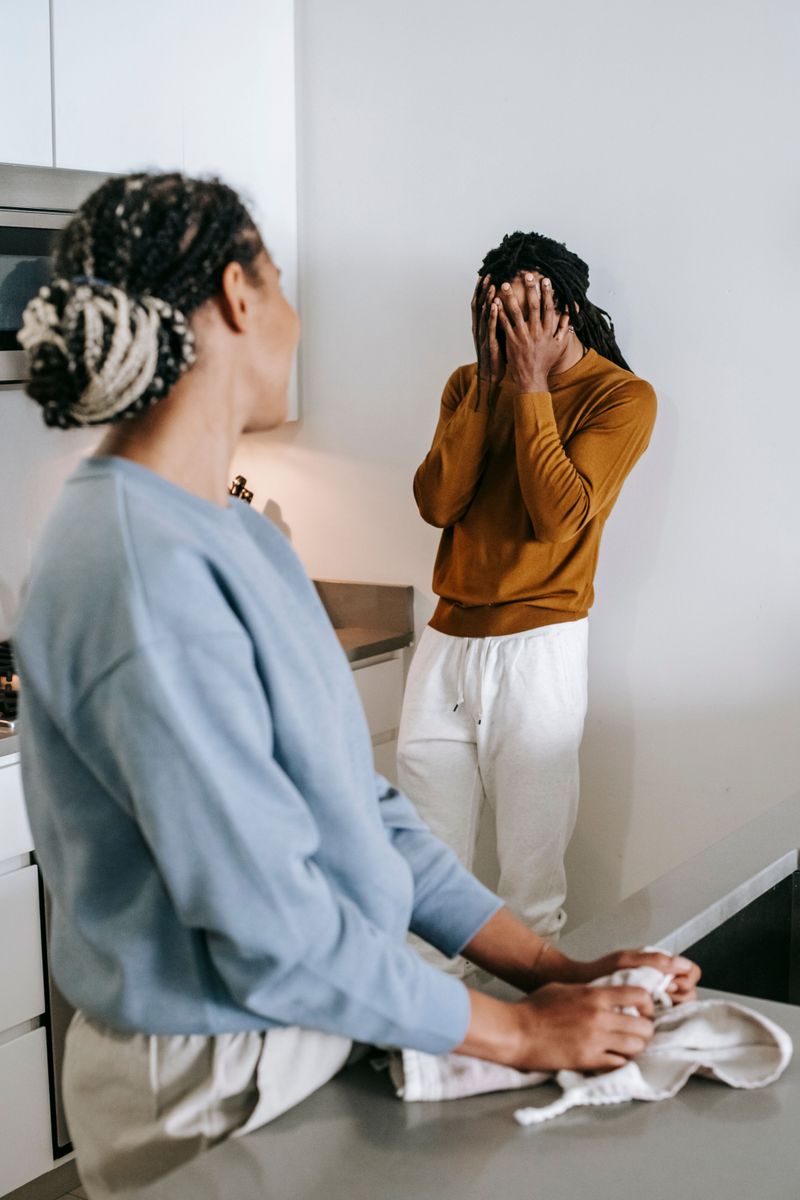
Agreeing with your partner occasionally is perfectly fine.
But when you consistently swallow your real thoughts just to avoid an argument, you’re slowly erasing your own voice from the relationship.
This pattern often starts small.
You let a comment slide here, bite your tongue there.
Before long, you can’t even remember the last time you honestly shared a different opinion.
The relationship becomes a performance rather than a genuine partnership.
Healthy couples disagree sometimes, and that’s actually a good sign.
Differing perspectives show that both people still have their own identities.
Speaking your truth kindly but honestly is not a threat to love; it’s what keeps love real and grounded.
4. You Feel Guilty When Taking Time for Yourself

Self-care should never feel like a crime, yet for many people in unbalanced relationships, it does.
The moment you try to do something just for yourself, a wave of guilt washes over you.
You wonder if your partner will feel neglected or upset.
That guilt is a red flag.
In a healthy relationship, both partners encourage each other to recharge and take personal time.
Nobody should feel bad for simply tending to their own emotional or physical needs.
Start by giving yourself permission to rest, reflect, or enjoy something solo without apologizing for it.
You cannot pour from an empty cup.
Taking care of yourself actually makes you a better, more present partner in the long run.
5. Your World Revolves Around the Relationship

There’s a difference between cherishing a relationship and making it your entire universe.
When your schedule, energy, and emotional focus are all directed at your partner, little space remains for anything else that matters to you.
Friends stop calling because you’re always unavailable.
Career goals gather dust.
Personal dreams get shelved indefinitely.
Without realizing it, the relationship becomes your entire identity, and that’s a fragile way to live.
A fulfilling life is made up of many meaningful pieces, not just one.
Friendships, ambitions, creativity, and solitude all deserve a seat at the table.
Loving someone deeply doesn’t require you to disappear into them.
You can be devoted and still remain wonderfully, completely yourself.
6. You’ve Lost Touch with Friends and Family

Friendships and family bonds don’t disappear overnight.
They fade slowly, one missed phone call at a time, one skipped birthday dinner, one unanswered text message.
Before you know it, the people who knew you best feel like strangers.
Romantic relationships can unintentionally become a bubble that keeps everyone else out.
Sometimes a controlling partner encourages this distance.
Other times, you simply get so wrapped up in the relationship that outside connections wither from neglect.
Those friendships and family ties are part of your story.
They knew you before this relationship and reflect important parts of who you are.
Reaching out, even after a long silence, is never too late.
Most people who love you will be glad you did.
7. You Seek Constant Approval from Your Partner

Wanting your partner to be proud of you is natural.
But needing their approval before you feel good about any decision is a sign that your self-worth has become tangled up in their opinion of you.
This kind of emotional dependency can sneak up gradually.
Maybe early criticism or dismissiveness trained you to second-guess yourself.
Now, even choosing what to eat for dinner feels uncertain without their input or agreement.
Your value as a person does not hinge on anyone else’s reaction.
Building confidence from the inside out takes practice, but it starts with trusting your own judgment in small everyday moments.
You had a voice before this relationship, and that voice still matters deeply.
8. You No Longer Recognize the Person You Used to Be
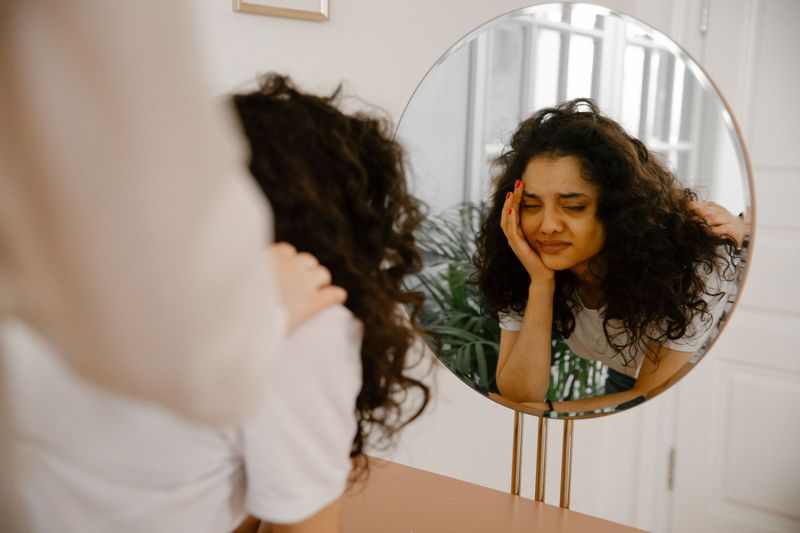
Flip through photos from a few years ago.
Do the eyes looking back at you seem brighter, freer, more alive?
That feeling of not recognizing yourself is one of the most unsettling signs that something important has shifted.
People grow and change naturally over time, but there’s a difference between growth and erosion.
If your values, personality, or sense of humor have quietly bent themselves to fit someone else’s preferences, that’s not evolution.
That’s disappearance.
Reconnecting with who you were doesn’t mean rejecting who you’ve become.
It means asking honest questions about which changes felt chosen and which ones were quietly imposed.
You deserve to be in a relationship where your authentic self is celebrated, not slowly edited away.
9. You Struggle to Make Decisions on Your Own
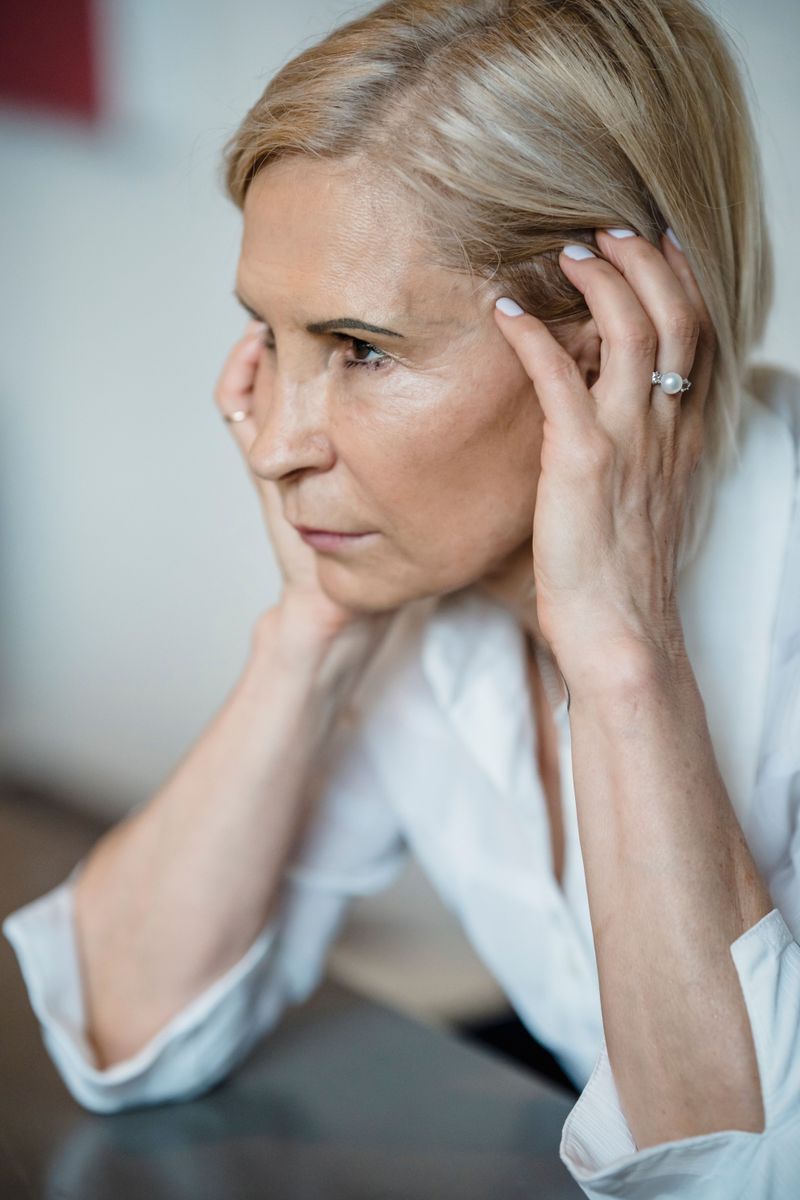
Once upon a time, you made choices confidently.
You picked restaurants, planned trips, and solved problems without needing someone to sign off on every step.
Now, even minor decisions feel paralyzing without your partner’s input.
This erosion of independence often happens gradually in relationships where one person’s preferences consistently dominate.
Over time, you stop trusting your own instincts because they’ve been overridden so many times that they feel unreliable.
Rebuilding decision-making confidence starts with the small stuff.
Choose where you want to eat.
Pick the movie.
Plan a solo outing.
Each small choice you own is a quiet act of reclaiming yourself.
Trusting your gut is a skill, and like any skill, it gets stronger with practice and patience.
10. Your Goals Have Become Secondary

You had a plan.
Maybe it was going back to school, launching a business, traveling the world, or landing a dream job.
Somewhere between falling in love and trying to keep the peace, those plans got quietly shelved.
Supporting a partner is admirable, but not when it costs you your own future.
A relationship built on one person’s sacrifice is not sustainable.
Eventually, unaddressed resentment and a hollow sense of unfulfillment start seeping through the cracks.
Your ambitions are not selfish.
They are part of what makes you who you are.
A partner who truly loves you will want to see you chase those goals, not compete with them.
You deserve someone who cheers loudly from your corner.
11. You Hide Parts of Yourself

There’s a certain exhaustion that comes from performing a version of yourself all day long.
Laughing at jokes you don’t find funny, hiding interests that might be mocked, or downplaying your emotions to avoid eye-rolls.
It adds up fast.
When you feel like your real self would be judged or rejected, you start editing before you even open your mouth.
The relationship becomes a stage, and you become an actor playing a safer, smaller version of who you really are.
Love should feel like the one place you can fully exhale.
If you’re constantly censoring yourself around your partner, that’s worth examining honestly.
Authentic connection requires two real people showing up, not carefully constructed versions designed to avoid disapproval.
12. You Feel Anxious About Disappointing Your Partner
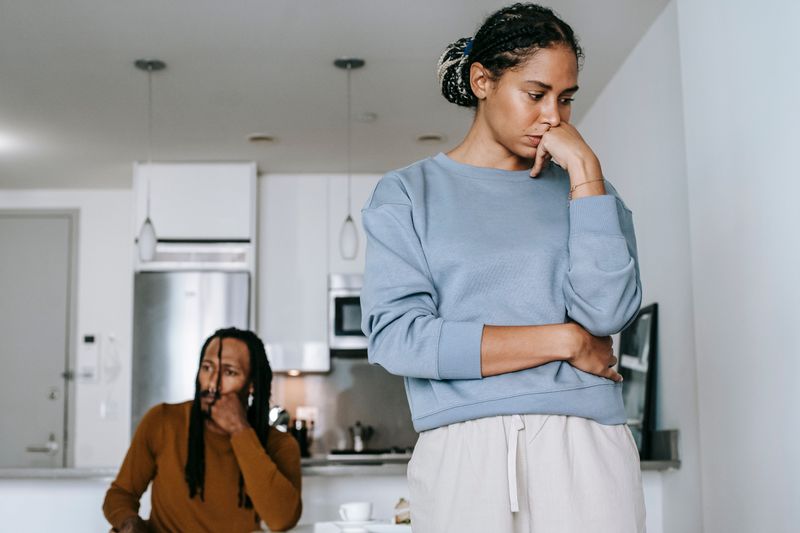
Walking on eggshells is a phrase people use lightly, but the reality of it is heavy.
When the fear of disappointing your partner shapes nearly every decision you make, anxiety becomes your constant background companion.
You rehearse conversations before having them.
You overthink texts.
You reroute your behavior based on what mood they might be in.
That level of hypervigilance is mentally draining and signals a deeply uneven power dynamic in the relationship.
Your partner’s emotional reactions are theirs to manage, not yours to prevent at all costs.
You are allowed to make mistakes, be imperfect, and still deserve kindness.
A relationship that hinges on you never disappointing anyone is not love; it’s pressure wearing a love-shaped disguise.
13. You Can’t Remember the Last Time You Put Yourself First
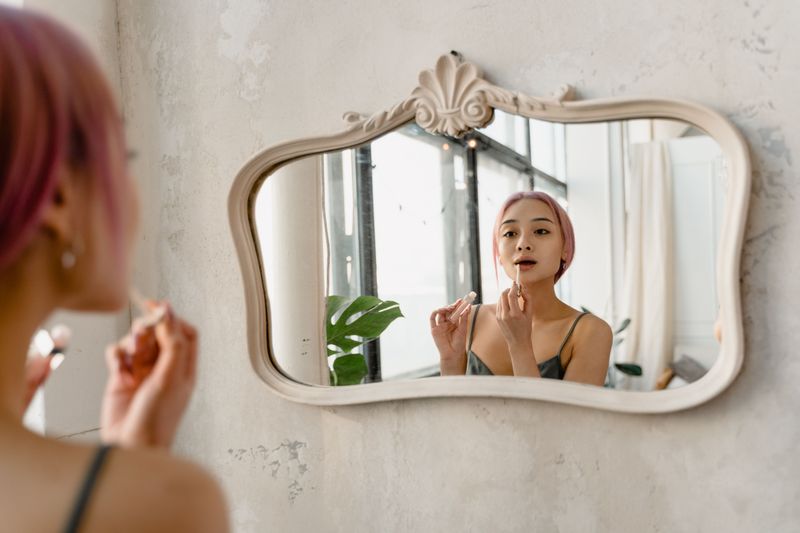
Think back.
When was the last time you made a choice purely because it made you happy, not because it helped your partner, smoothed over tension, or kept the relationship running smoothly?
If you’re drawing a blank, that silence says a lot.
Chronic self-neglect doesn’t always look dramatic.
Sometimes it’s as quiet as always picking the restaurant your partner likes, or never bringing up your bad day because theirs was worse.
Over time, these small surrenders accumulate into a complete loss of self-priority.
You are not a supporting character in your own life.
Prioritizing yourself is not selfishness; it’s survival.
Start with one thing today, one choice that belongs entirely to you, and notice how that small act of reclamation begins to shift everything.
14. You Feel Empty Even Though You’re Not Alone

Loneliness inside a relationship is one of the most confusing feelings a person can experience.
You’re not alone in the physical sense, yet there’s a hollow ache that no amount of time together seems to fill.
Something essential feels missing.
That emptiness is often a signal that you’ve lost the connection with yourself.
When your identity, values, and inner voice get buried under the weight of a relationship, you can sit right next to someone and still feel completely unreachable.
Healing that disconnection starts from within.
Journaling, therapy, quiet reflection, or simply spending time alone can help you find your way back to yourself.
You deserve to feel whole, not just coupled.
Rediscovering yourself is one of the bravest things you can do.