 MomSkoop
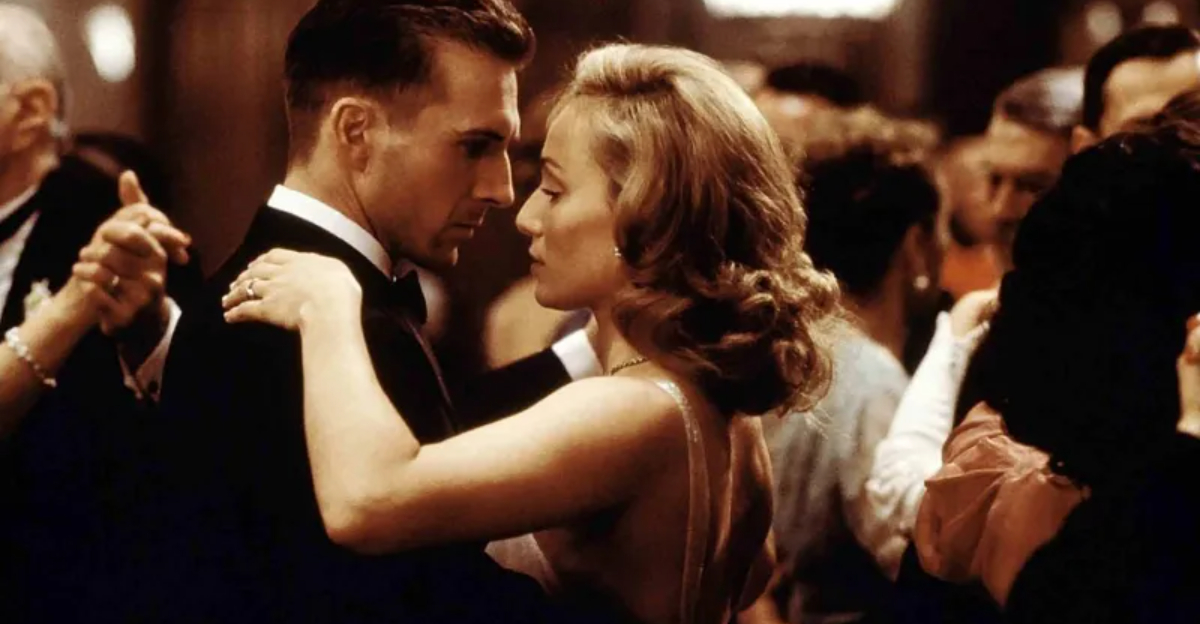
Some movies are praised by critics and film lovers alike, yet still manage to lose a big chunk of their audience before the credits roll. These films aren’t bad — in fact, many sit at the top of “greatest movies ever made” lists.
But their slow pacing, heavy themes, or unusual storytelling can make them tough to finish. If you’ve ever turned off a movie that everyone else seemed to love, you’re definitely not alone.
1. 2001: A Space Odyssey (1968)
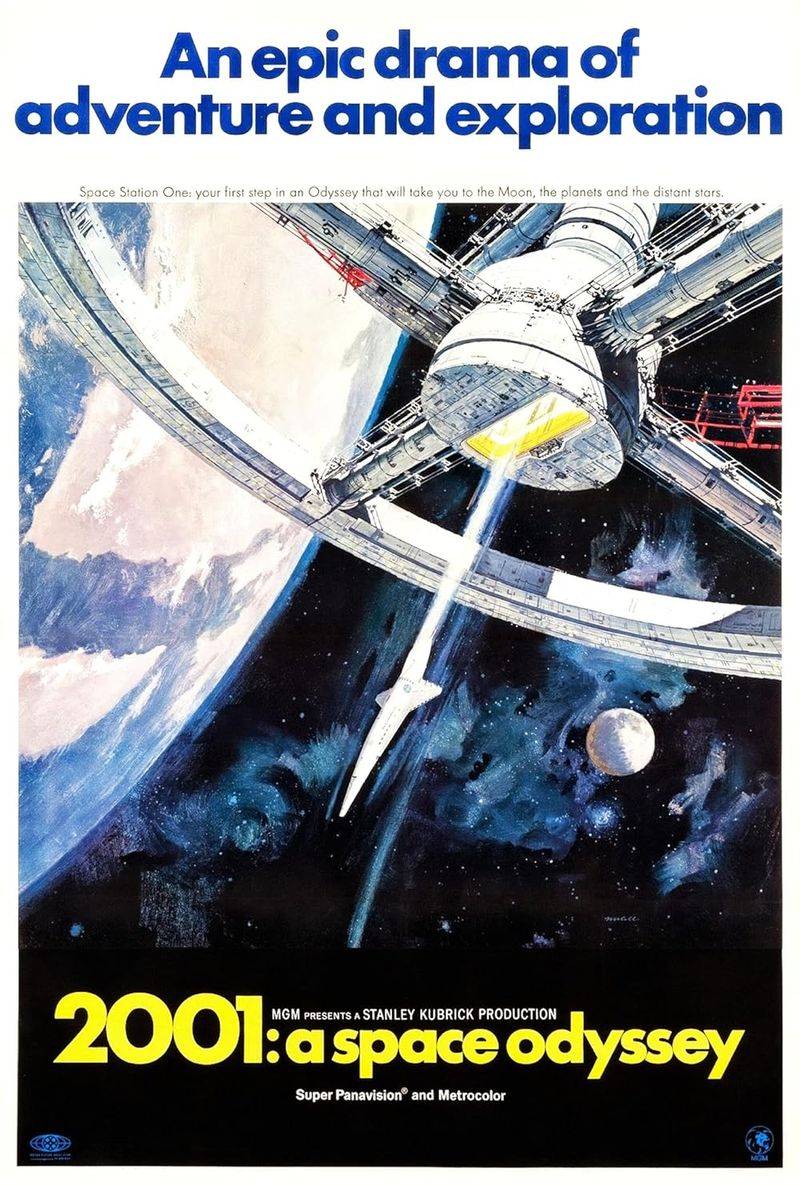
Stanley Kubrick’s legendary science fiction film is often called one of the greatest movies ever made — and yet, plenty of viewers have hit the stop button long before it ends.
Running at nearly two and a half hours, the film opens with a jaw-dropping but completely silent sequence featuring prehistoric apes, and it only gets stranger from there.
There’s very little dialogue, and some scenes stretch on for what feels like forever.
The final act is a swirling, psychedelic journey that leaves most people scratching their heads.
Film scholars have written entire books trying to explain it.
Still, if you can stick with it, the experience is unlike anything else in cinema history.
2. The Tree of Life (2011)
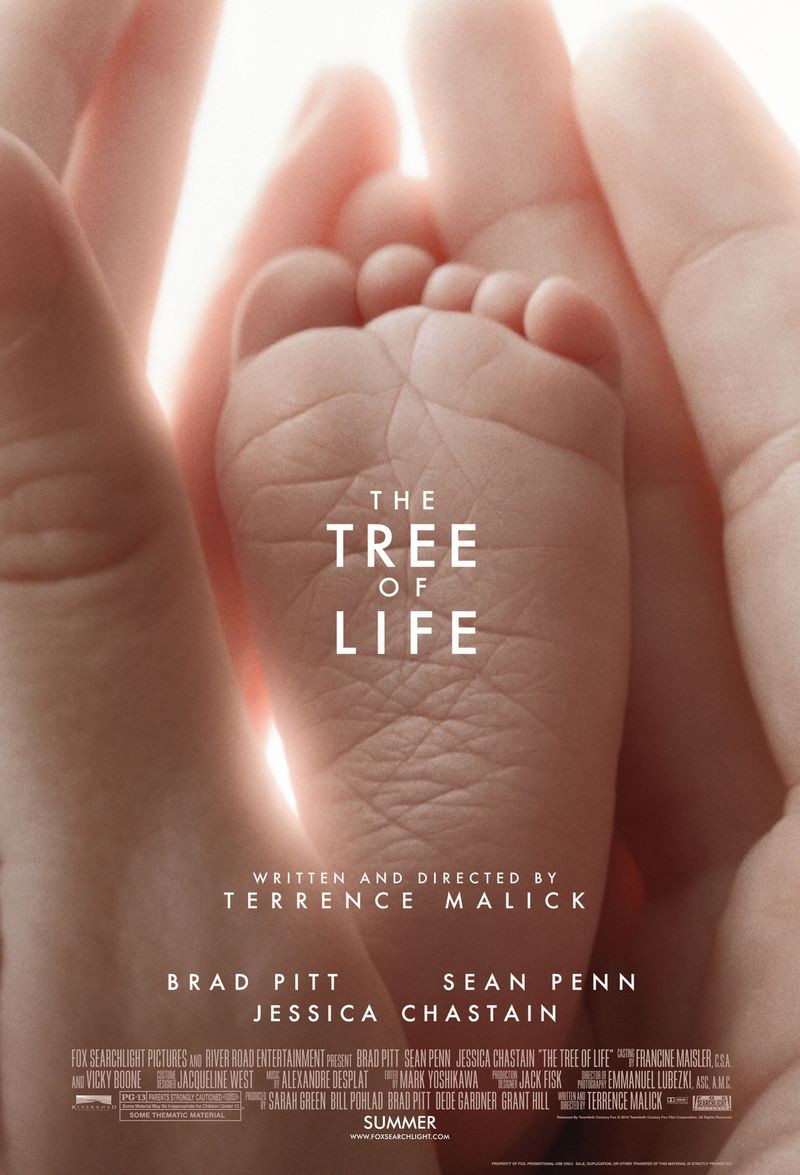
Terrence Malick’s Palme d’Or winner at Cannes is the kind of movie that makes some people weep with emotion and makes others furiously demand a refund.
It stars Brad Pitt and Jessica Chastain as parents raising three boys in 1950s Texas — but calling it a straightforward family drama would be wildly misleading.
The film detours into a breathtaking sequence showing the birth of the universe and the age of dinosaurs.
Seriously.
It’s more like a poem than a plot.
Many viewers walked out of theaters, while others called it a spiritual masterpiece.
Malick asks big questions about life and meaning, but he doesn’t bother giving you easy answers.
3. Jeanne Dielman, 23 quai du Commerce, 1080 Bruxelles (1975)
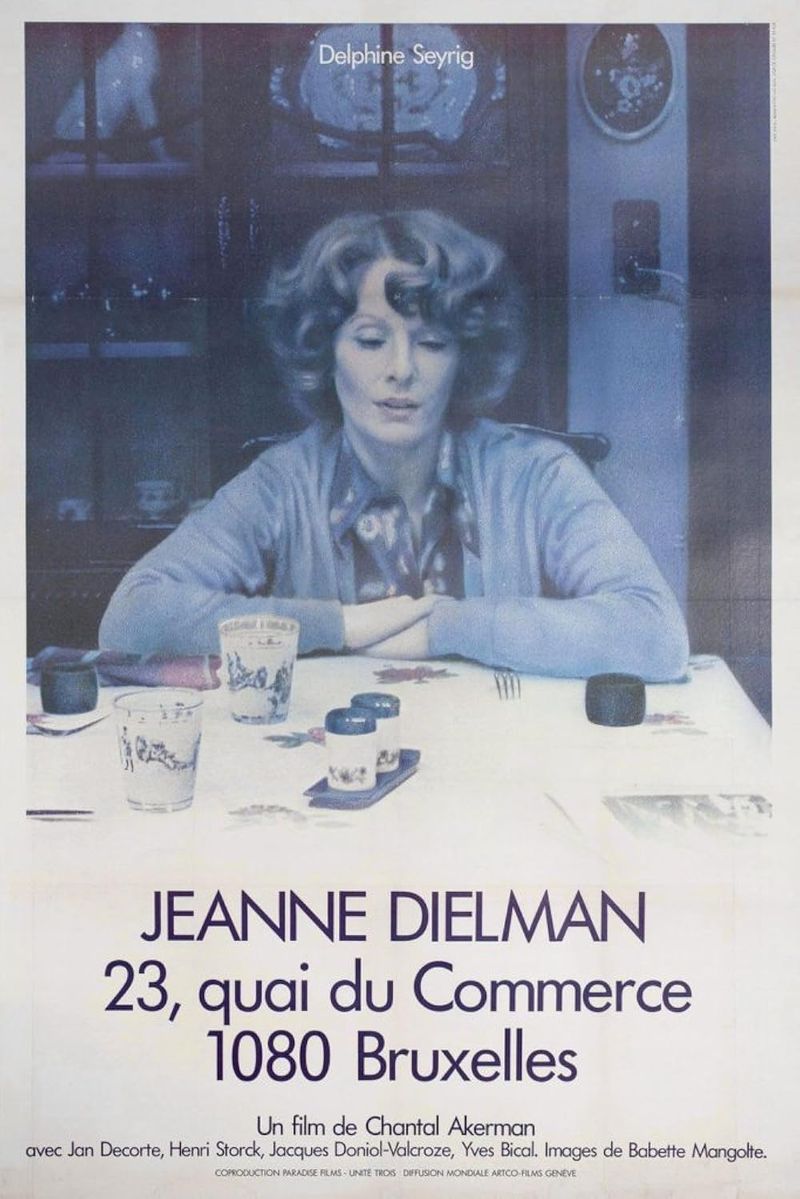
Chantal Akerman’s three-hour-plus film was voted the greatest movie ever made by Sight and Sound magazine in 2022 — a decision that shocked many casual moviegoers.
The film follows a widowed Belgian woman through three days of cooking, cleaning, and running errands.
That’s essentially the entire plot.
Scenes play out in real time, meaning you watch her peel potatoes for what feels like actual minutes.
For some viewers, that slow rhythm becomes hypnotic and deeply powerful.
For others, it’s simply unwatchable.
The film is a bold statement about women’s invisible labor, and its patience is both its greatest strength and its biggest challenge for modern audiences used to fast-paced storytelling.
4. Stalker (1979)
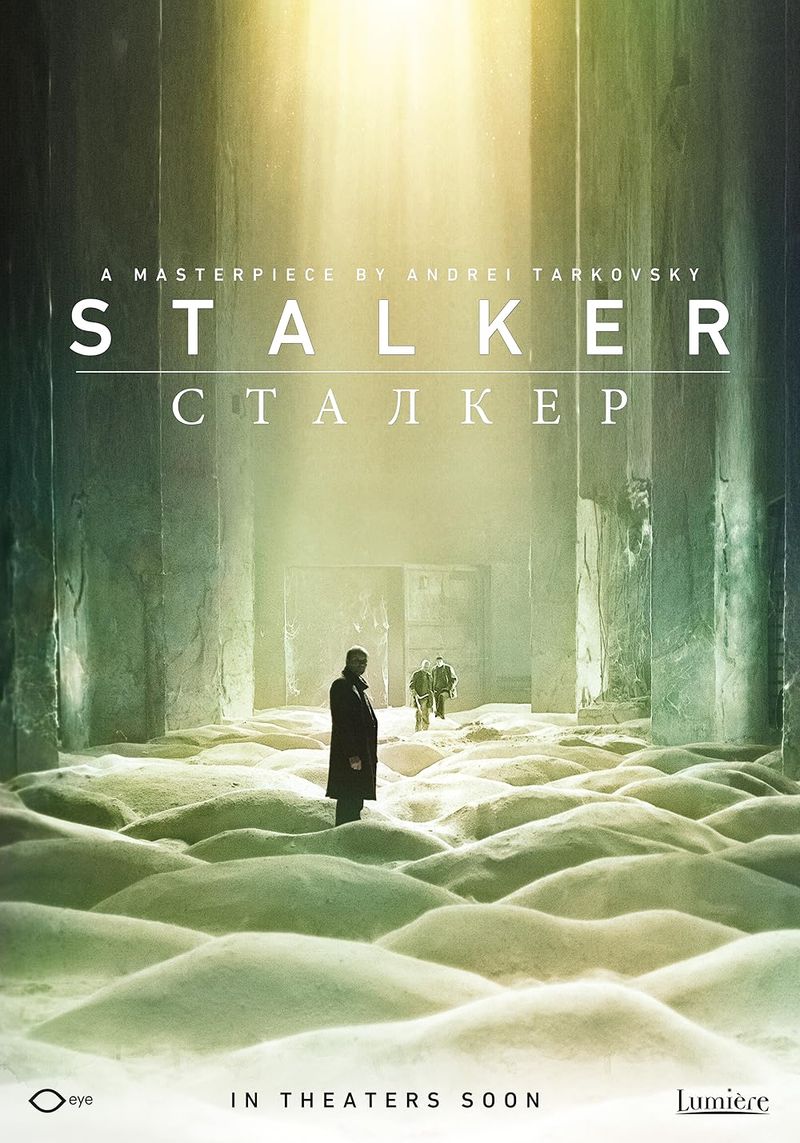
Russian filmmaker Andrei Tarkovsky made movies the way some people write poetry — slowly, deliberately, and with enormous weight in every single frame.
Stalker is a science fiction film about three men journeying through a forbidden, mysterious zone where supposedly any wish can be granted.
But don’t expect laser battles or spaceships.
The film moves at an almost meditative pace, with long takes that can last several minutes without any action at all.
Tarkovsky wanted viewers to feel time passing, not just watch a story unfold.
Many people give up within the first hour.
Those who push through often describe it as one of the most haunting and unforgettable films they’ve ever experienced.
5. The Irishman (2019)
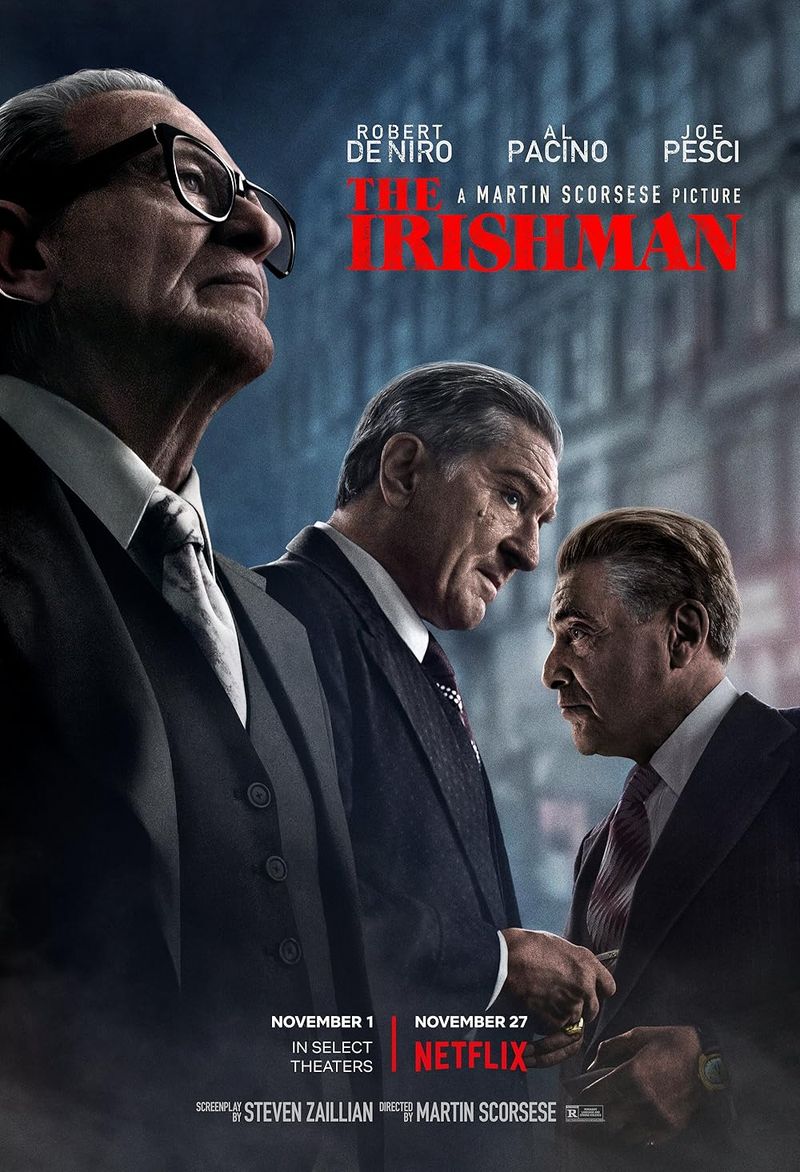
Martin Scorsese reunited Robert De Niro, Al Pacino, and Joe Pesci for this sprawling mob epic — and the result runs for a whopping three and a half hours.
Netflix released it hoping audiences would binge it like a TV series, but many viewers reported falling asleep or simply giving up partway through.
The film follows Frank Sheeran, an aging hitman reflecting on his life of crime.
It’s deliberately slow and melancholy, especially in its final hour, which strips away all the gangster glamour and sits quietly with regret and loneliness.
Critics adored it.
Casual viewers, however, found the runtime brutal.
It’s a magnificent film, but you have to be ready for it.
6. Drive My Car (2021)
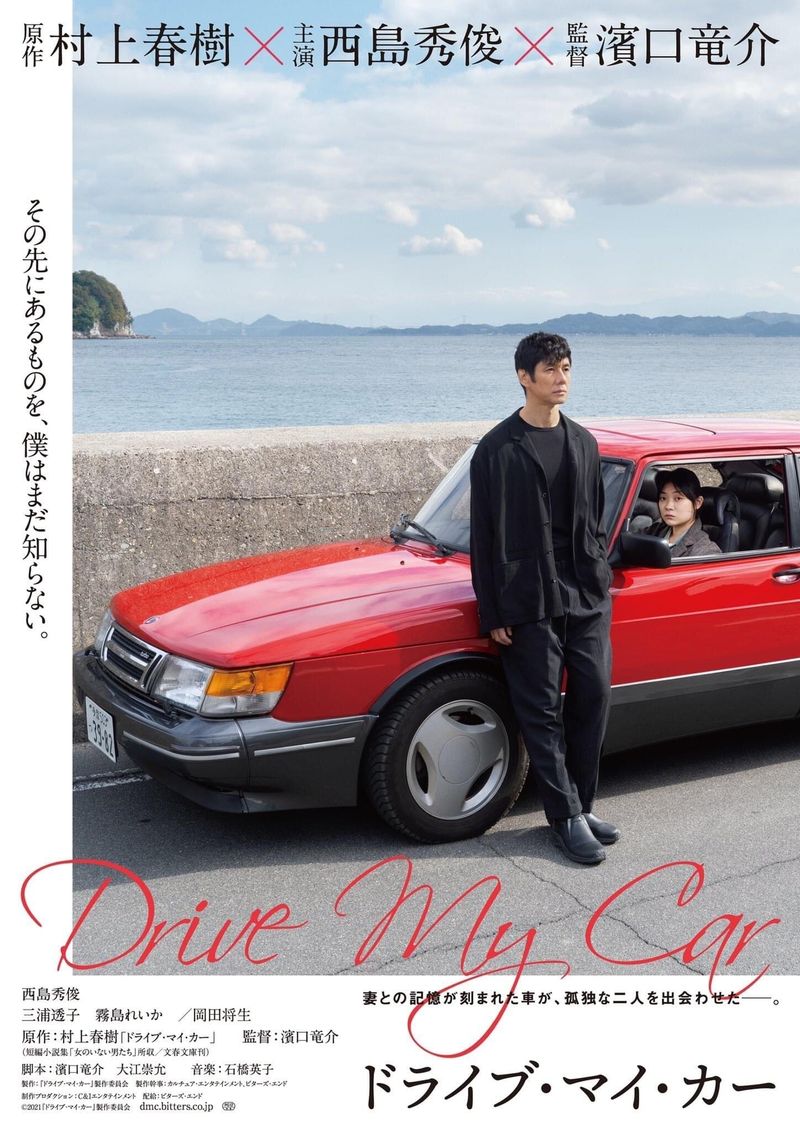
Winner of the Academy Award for Best International Feature Film, Drive My Car is a three-hour Japanese drama based on a short story by Haruki Murakami.
It centers on a theater director grieving the loss of his wife while preparing a multilingual production of Anton Chekhov’s Uncle Vanya.
Yes, it’s as layered as it sounds.
Much of the film takes place inside a moving car, with long conversations unfolding at a quiet, unhurried pace.
Some viewers find the combination of grief, art, and silence profoundly beautiful.
Others simply can’t keep up with the emotional slowness and foreign-language subtitles.
Ryusuke Hamaguchi directed it with incredible care, and patience is genuinely rewarded by the film’s stunning emotional payoff.
7. Nomadland (2020)
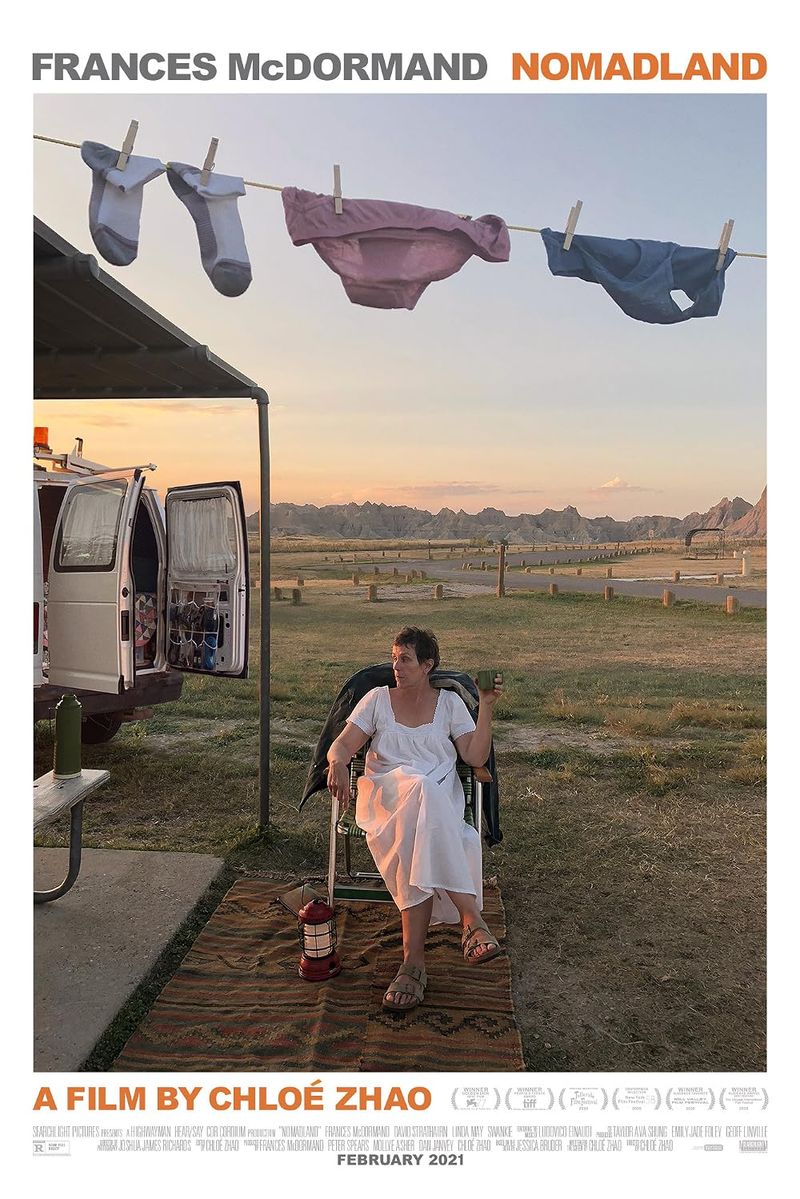
Frances McDormand won her third Oscar for this quiet, contemplative road movie directed by Chloe Zhao.
She plays Fern, a woman who loses her job and home and decides to live out of a van, traveling across the American West.
It’s a beautiful film — but it’s also very, very slow.
There’s no traditional villain, no dramatic plot twist, and very little conventional conflict.
Many viewers expecting a feel-good journey found themselves fidgeting.
The film blends real nomads playing themselves alongside professional actors, giving it an almost documentary feel.
For those willing to settle into its quiet rhythm, Nomadland offers a deeply moving portrait of freedom, loss, and resilience in modern America.
8. The Thin Red Line (1998)
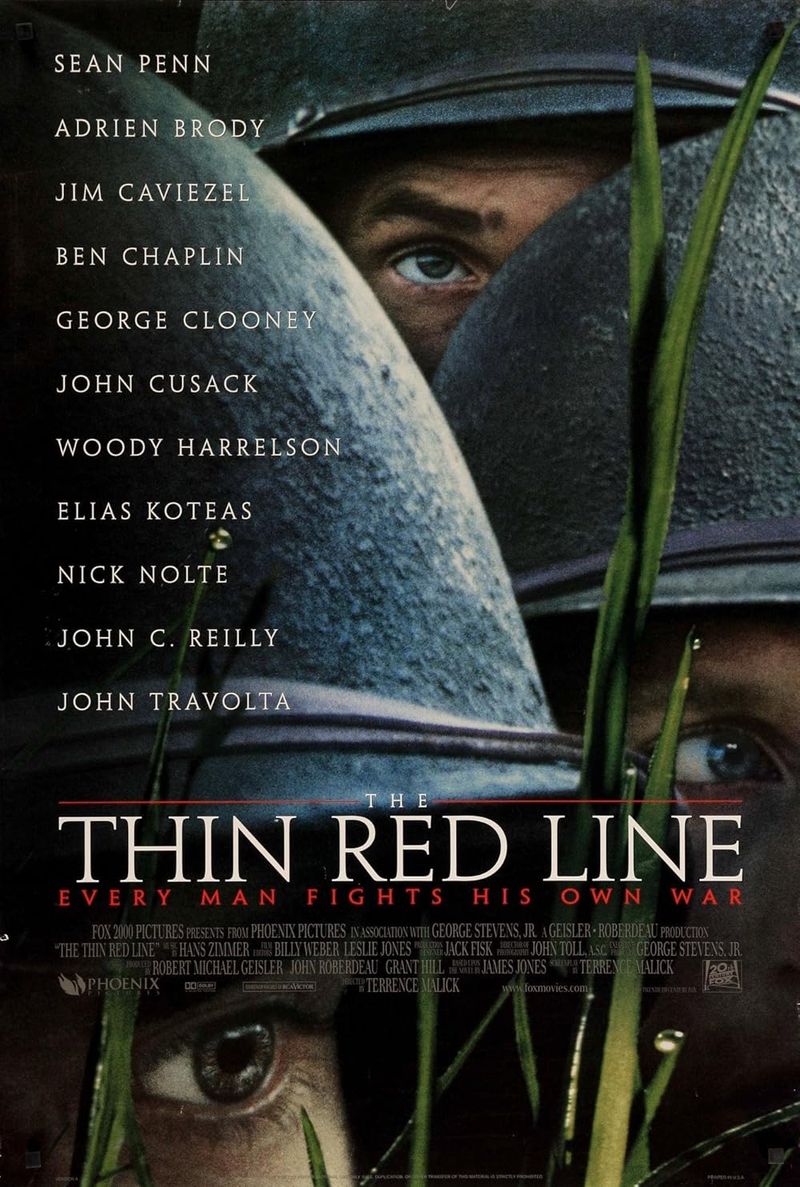
Terrence Malick returned to filmmaking after a 20-year absence with this World War II epic set during the Battle of Guadalcanal.
The film features an enormous cast including Sean Penn, Jim Caviezel, Nick Nolte, and Jared Leto — but don’t expect a traditional war movie.
Malick is far more interested in nature, philosophy, and the human soul than in combat tactics.
Soldiers deliver long, whispered internal monologues about the meaning of life while the camera drifts across jungle landscapes.
It’s gorgeous but deeply unconventional.
Many viewers who showed up expecting something like Saving Private Ryan were genuinely baffled.
Critics, however, recognized it as a profound and poetic meditation on war that rewards those willing to surrender to its unusual style.
9. Barry Lyndon (1975)
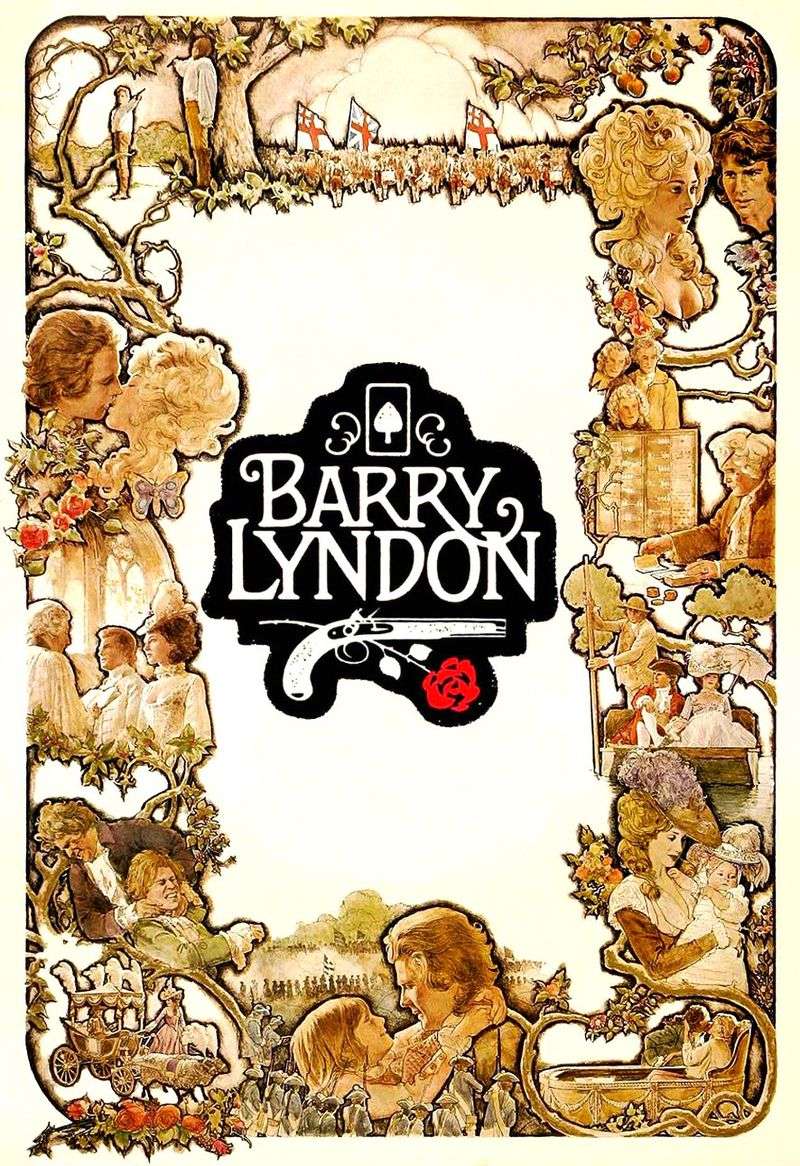
Stanley Kubrick strikes again.
Barry Lyndon is a stunning historical epic about an Irish rogue who claws his way up through 18th-century European society.
Kubrick famously used specially designed NASA lenses to film entire scenes lit only by candlelight, giving the movie the look of a living oil painting.
Every single frame is breathtaking.
But at over three hours long, with a deliberately stiff, formal pacing that mirrors the rigid manners of the era, the film tests patience in a serious way.
Many viewers find its emotional distance hard to connect with.
Film buffs, though, rank it among cinema’s most visually perfect achievements.
It’s less a movie to enjoy and more one to quietly marvel at.
10. The English Patient (1996)
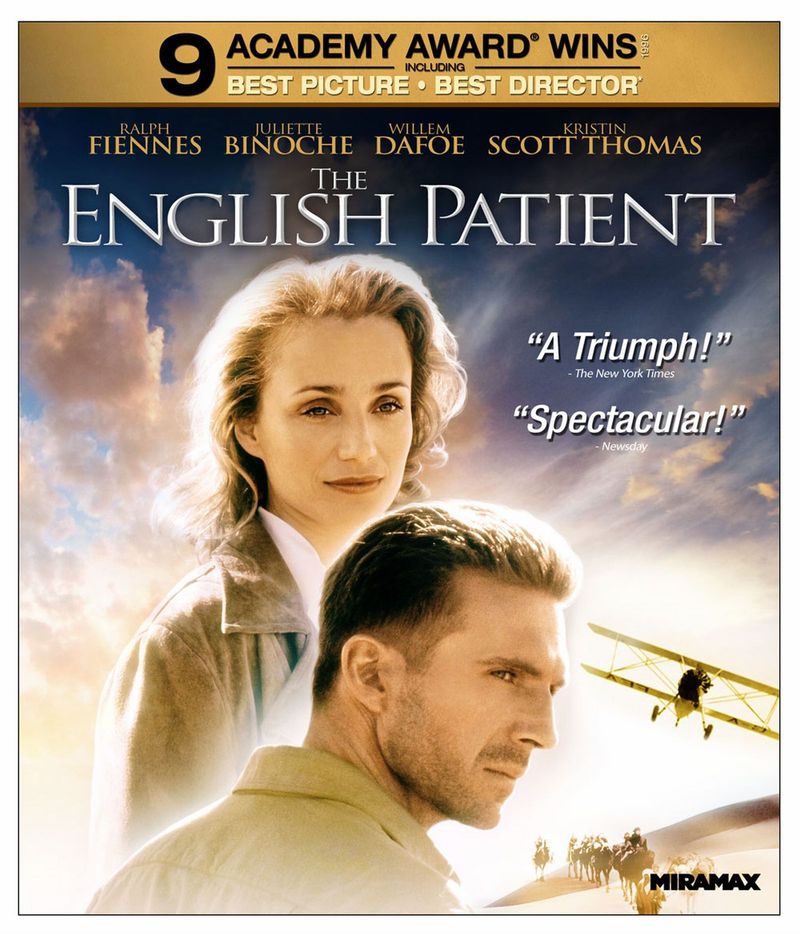
Winner of nine Academy Awards including Best Picture, The English Patient is one of the most celebrated films of the 1990s — and also one that famously divided audiences.
The film tells a sweeping wartime romance through long flashbacks, jumping between a dying burn victim’s memories and the nurse caring for him in post-World War II Italy.
At nearly three hours, its languid pacing and nonlinear structure frustrated many viewers who found the romance overwrought and the story confusing.
The Seinfeld TV show even made fun of it with a famous episode where Elaine hates the film.
Despite that, critics and awards bodies loved its lush visuals and emotional grandeur.
Your enjoyment may depend entirely on your taste for old-fashioned romantic epics.
11. Tinker Tailor Soldier Spy (2011)
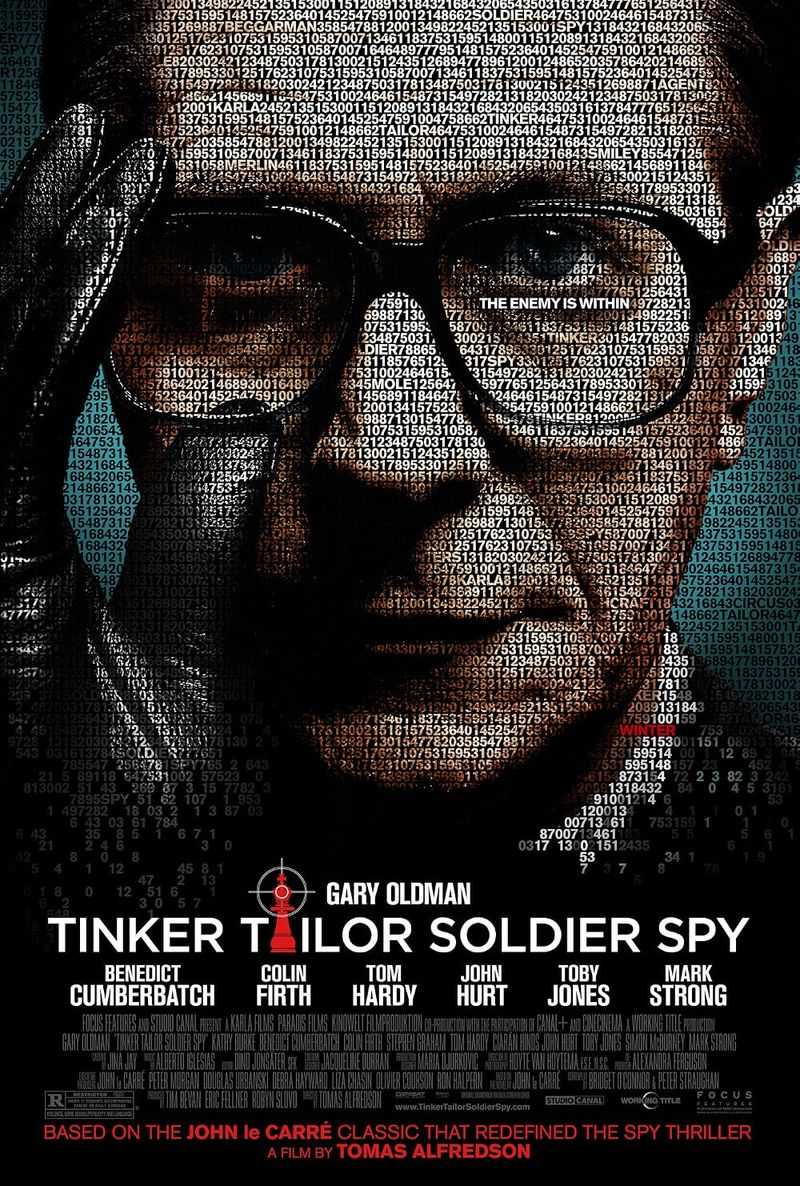
Gary Oldman delivers one of the most controlled, restrained performances in modern cinema as retired spy George Smiley, tasked with rooting out a Soviet mole inside British intelligence.
The film is a masterpiece of subtlety — and that’s exactly what makes it so difficult for many viewers to follow.
Almost nothing is explained outright.
Characters speak in code, glances carry entire conversations, and the timeline jumps around without warning.
If you lose focus for even five minutes, you may find yourself completely lost.
Espionage fans and patient viewers who love puzzle-box storytelling tend to rank it among the best spy films ever made.
First-time viewers, however, often report finishing it with more questions than answers.
12. Roma (2018)
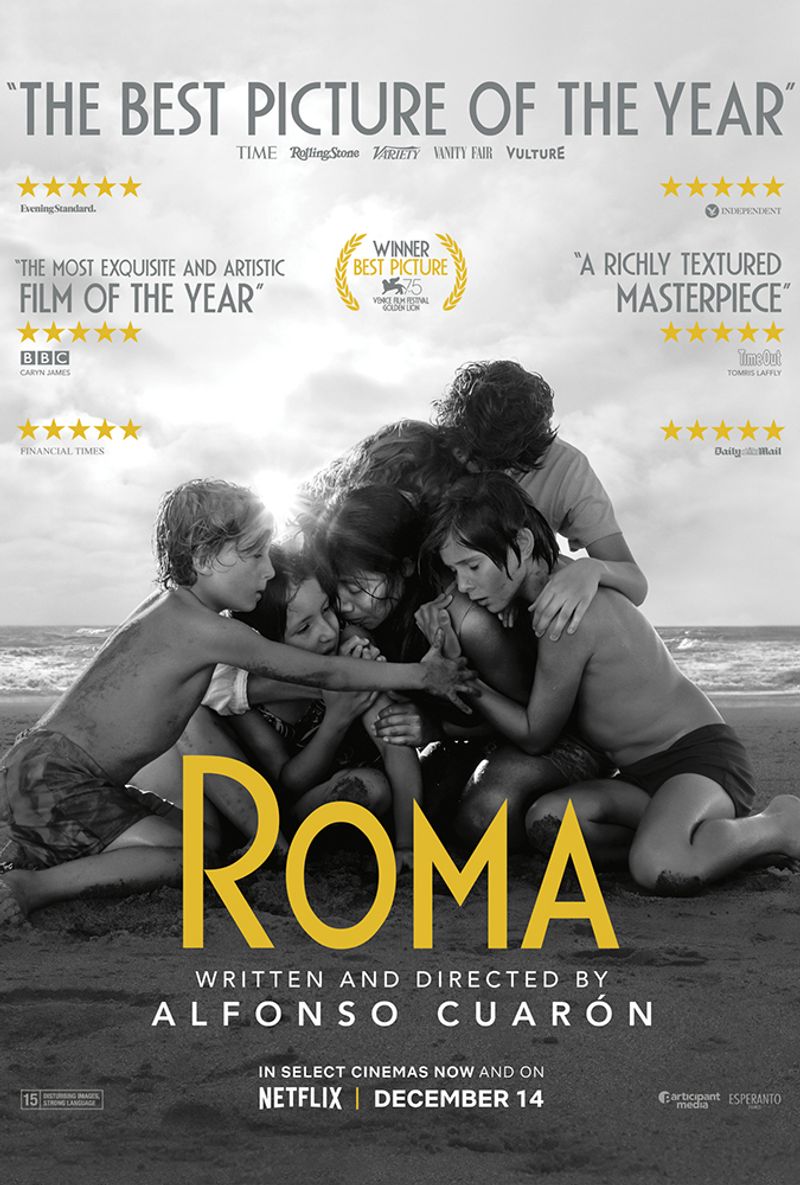
Alfonso Cuaron wrote and directed this deeply personal black-and-white film based on his own childhood memories of growing up in Mexico City.
Roma follows Cleo, a domestic worker for a middle-class family, through a year of profound personal upheaval.
It won three Academy Awards, including Best Director and Best Foreign Language Film.
Shot in gorgeous black-and-white with long, sweeping takes and minimal dramatic music, the film demands a certain stillness from its audience.
Some viewers find its quiet domestic scenes tedious, especially when watching on a phone or laptop rather than a big screen.
Those who give it full attention often find it emotionally overwhelming by the end.
Cuaron dedicated it to the real woman who inspired the character of Cleo.
13. The Assassination of Jesse James by the Coward Robert Ford (2007)
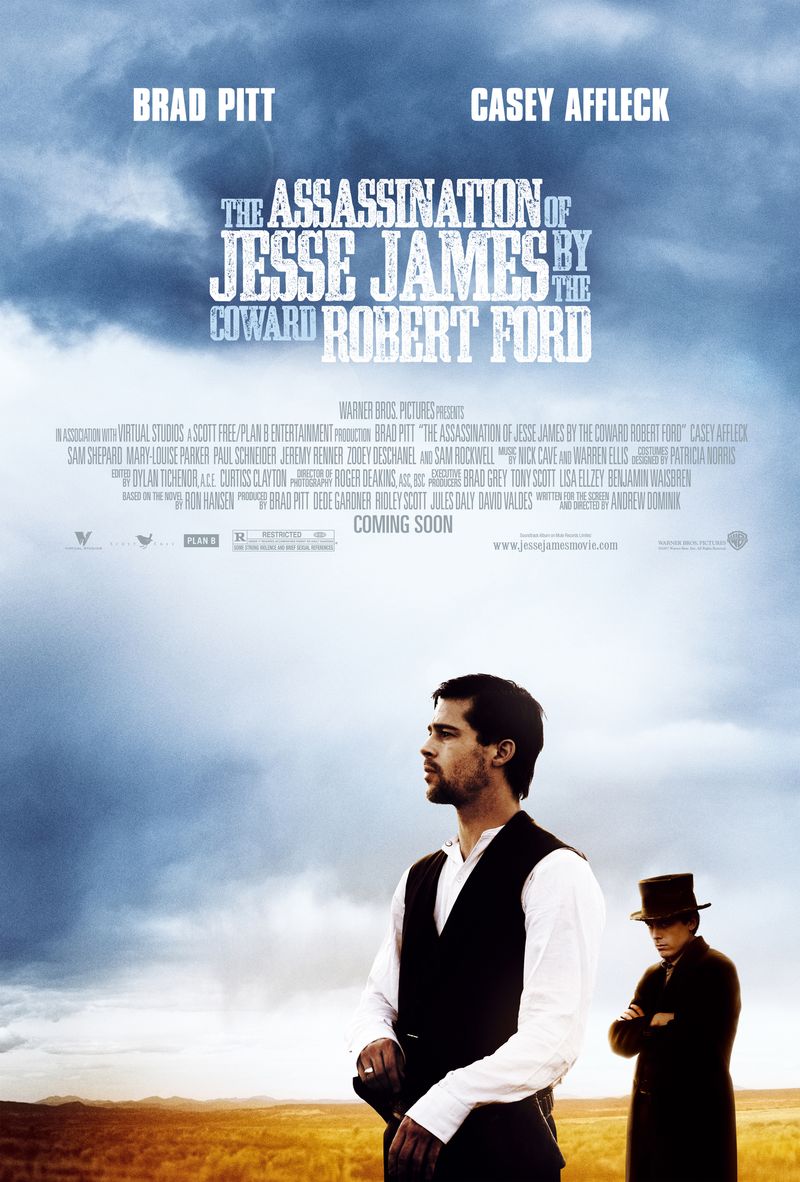
Few movie titles are as boldly descriptive as this one — it literally tells you how the story ends before you press play.
Brad Pitt plays Jesse James in the final months of his life, and Casey Affleck plays Robert Ford, the young outlaw desperate for Jesse’s approval who ultimately betrays him.
It’s a hypnotic, melancholy Western unlike almost any other.
Running nearly three hours, the film moves like a funeral procession — slow, atmospheric, and heavy with dread.
Roger Deakins’s cinematography is absolutely stunning, earning him an Oscar nomination.
But many viewers found the pacing punishing and the film emotionally cold.
Those willing to match its rhythm, though, discover a haunting meditation on fame, myth, and the cost of hero worship.
14. The Master (2012)
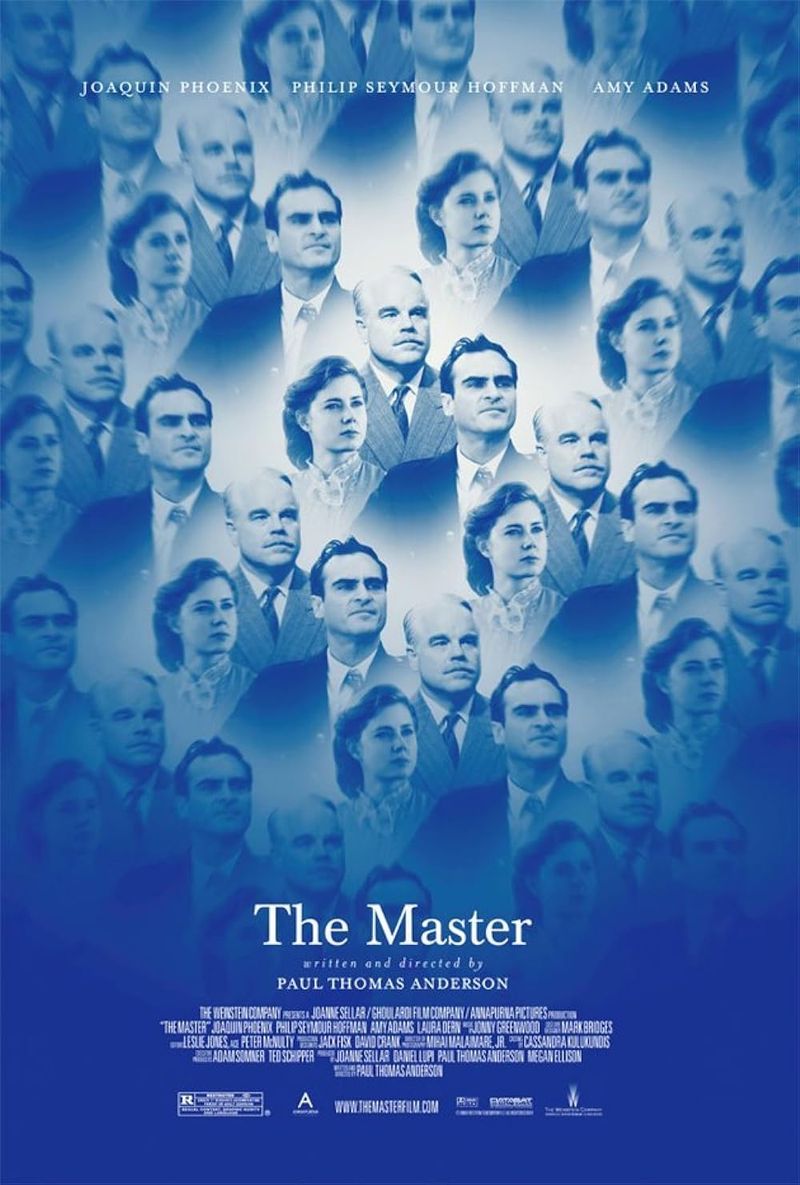
Paul Thomas Anderson directed this mesmerizing and deeply strange film starring Joaquin Phoenix as a traumatized Navy veteran who falls under the spell of a charismatic cult leader played by Philip Seymour Hoffman.
Both performances are absolutely electric — Phoenix in particular gives one of the most raw and physically committed performances in recent memory.
But the film deliberately resists easy interpretation.
There’s no clean resolution, no villain-gets-punished ending, and no comfortable moral lesson.
It circles its themes rather than stating them outright.
Many viewers left theaters genuinely unsure what they had just watched.
Critics, however, placed it among the decade’s finest films.
Anderson trusts you to sit with confusion, and that trust isn’t always comfortable — but it’s always fascinating.