 MomSkoop
Horror remakes often get a bad reputation, but some of them genuinely deserve a second look. Many fans dismiss these films without realizing how much craft, creativity, and heart went into making them.
Whether you skipped them in theaters or wrote them off after one viewing, these 14 horror remakes might seriously change your mind. Grab some popcorn and get ready to rethink everything you thought you knew about these movies.
1. The Thing (1982)
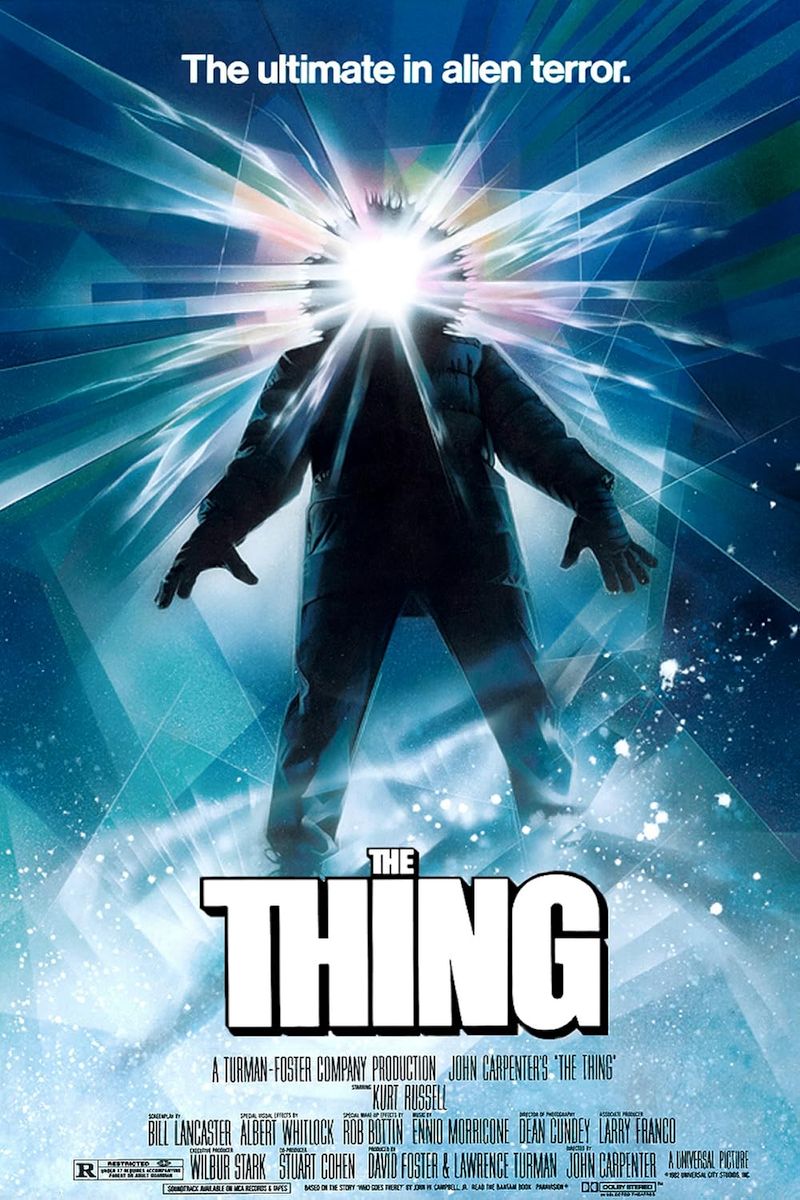
John Carpenter’s remake of a quiet 1950s sci-fi film turned into one of cinema’s most terrifying experiences.
When a shapeshifting alien infiltrates a remote Antarctic research base, no one can be trusted.
The tension builds slowly and never lets up, making every scene feel unbearable in the best possible way.
What truly sets this film apart is its jaw-dropping practical effects.
The creature transformations still look horrifying today, even without digital tricks.
Artists built every gruesome detail by hand, and the results remain some of the most impressive work ever put on screen.
Audiences didn’t love it at first, but time has been incredibly kind to this film.
Most horror fans now consider it an absolute masterpiece.
2. The Fly (1986)
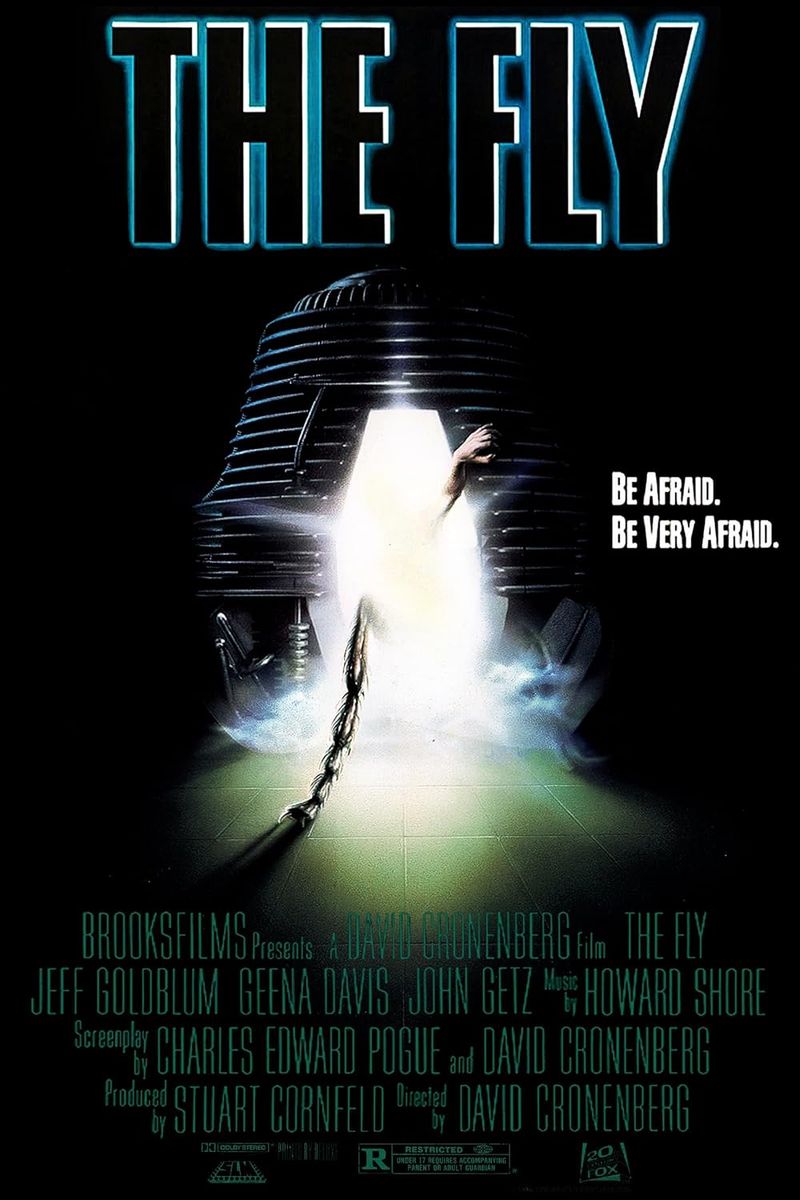
Few horror remakes carry the emotional weight of David Cronenberg’s reimagining of a cheesy 1950s monster movie.
Jeff Goldblum plays a scientist who accidentally merges with a housefly during a teleportation experiment.
What follows is not just terrifying but genuinely heartbreaking.
Goldblum’s performance is electric and deeply human, making you care about a character who is literally falling apart.
His transformation unfolds slowly, turning the film into something closer to a tragedy than a monster flick.
You feel his confusion, his fear, and his grief all at once.
The practical effects are stomach-turning in the most impressive way.
Cronenberg uses body horror to explore themes of aging, disease, and identity in ways that still feel painfully relevant today.
3. Invasion of the Body Snatchers (1978)
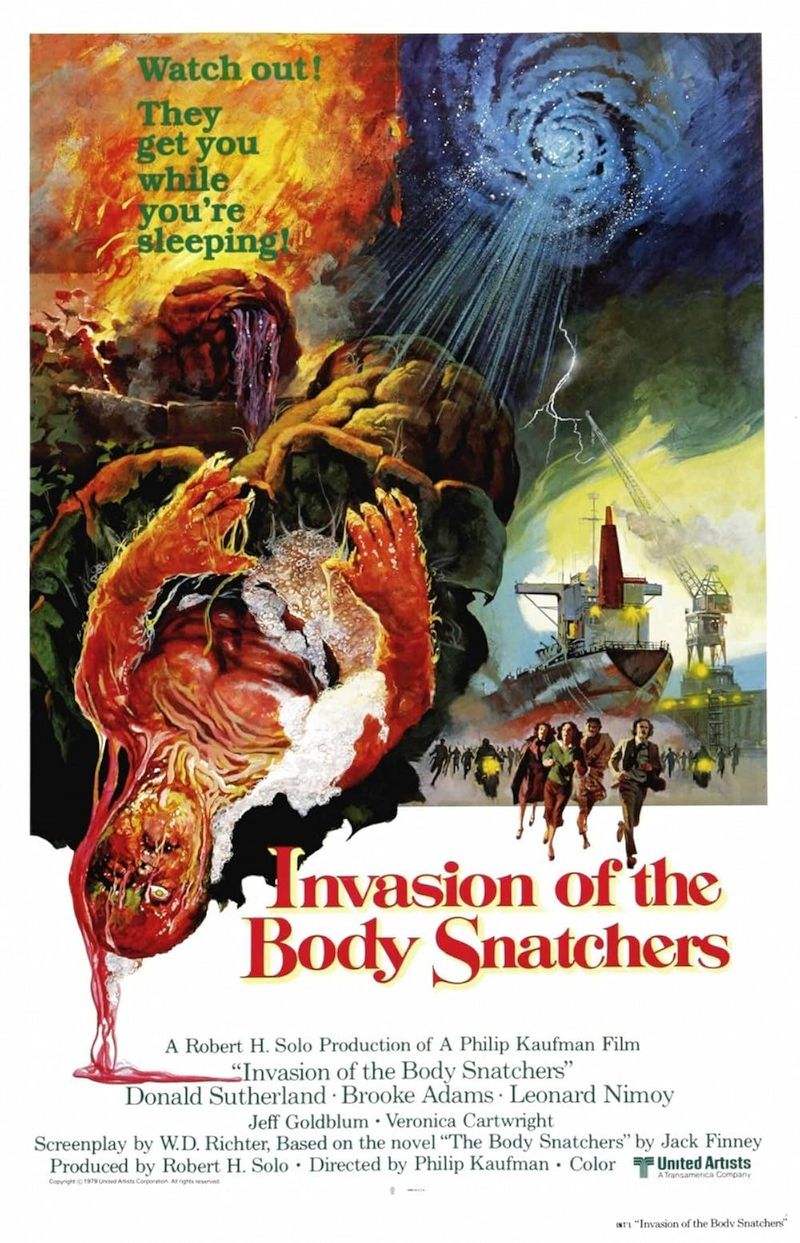
Updating the paranoid Cold War themes of the 1956 original, this remake plants its alien invasion story in a gritty, urban San Francisco setting.
The city feels wrong somehow, and that unease never really goes away.
Director Philip Kaufman builds dread quietly, letting it creep under your skin before you even notice.
Donald Sutherland leads a strong cast through a story where neighbors, coworkers, and loved ones may no longer be who they seem.
The horror here is not about jump scares.
It is about the slow, awful realization that something deeply familiar has become terrifyingly alien.
The ending is one of the most iconic and disturbing moments in horror history.
Viewers remember it for years after watching.
4. The Blob (1988)
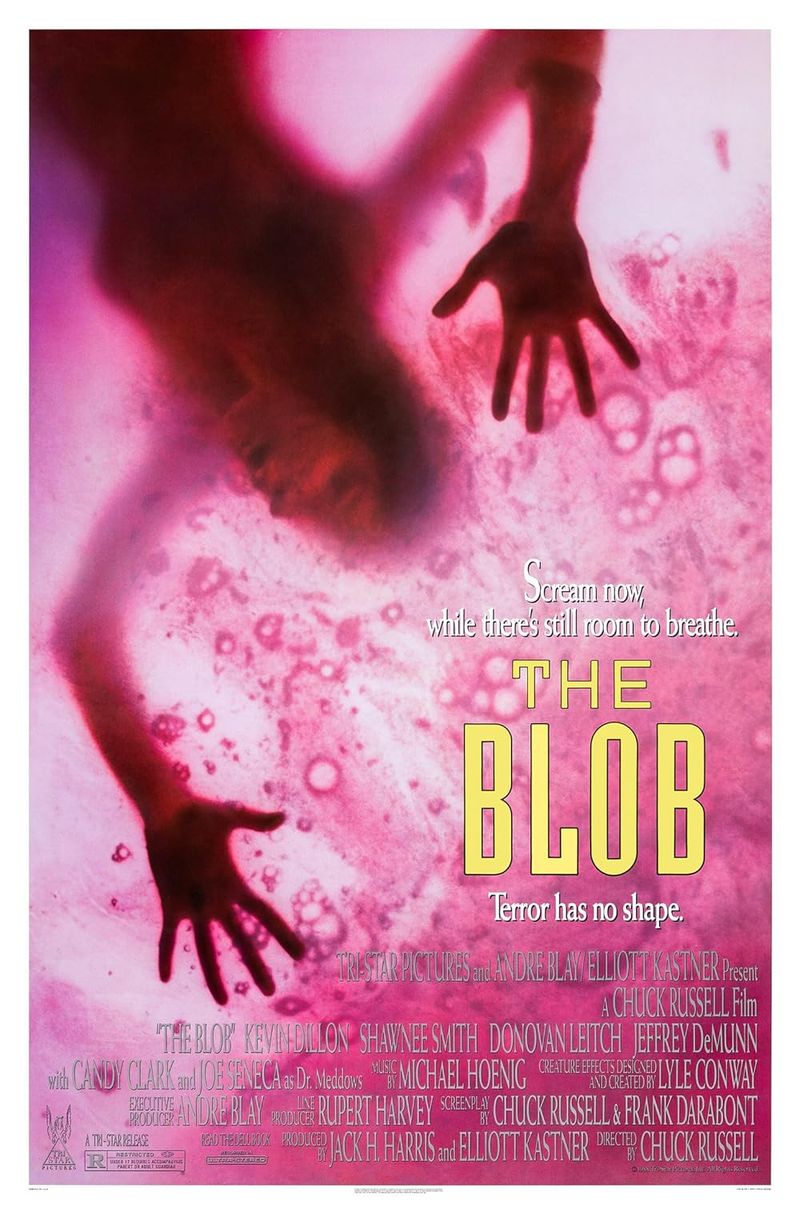
Forget the goofy, slow-moving pink goo from the 1958 original.
This remake cranks everything up to an almost shocking level of intensity.
The creature moves fast, kills without warning, and the film is not afraid to take out characters you actually like, which keeps you genuinely nervous throughout.
Released in the late 1980s, it arrived during a golden era for practical creature effects, and the filmmakers made full use of that advantage.
The blob itself looks disgusting and oddly fascinating, a gooey nightmare that dissolves its victims in ways that are hard to forget.
Beyond the scares, the film has a sharp, darkly funny edge.
It pokes fun at horror conventions while fully committing to being a wild, relentless thrill ride from start to finish.
5. Dawn of the Dead (2004)
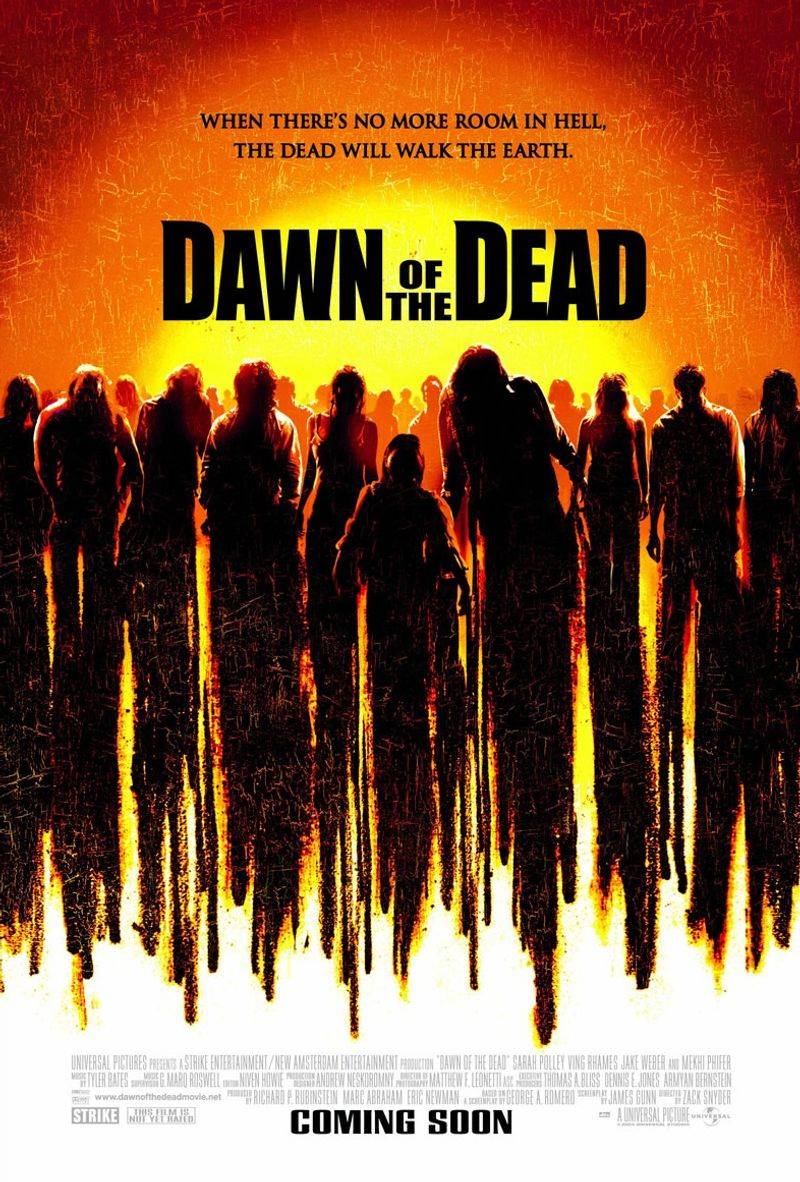
Zack Snyder’s directorial debut flipped the script on zombie movies by making the undead terrifyingly fast.
Gone were the slow, shuffling creatures of George Romero’s classic.
These zombies sprint, and that single change transforms the entire survival experience into something urgent and pulse-pounding.
The film does not try to copy Romero’s sharp social satire about consumerism.
Instead, it focuses on raw survival instincts and the tension between a group of very different people trapped together.
That human drama keeps things grounded even when the chaos is at its peak.
Critics were pleasantly surprised, and audiences turned it into a hit.
Looking back, it holds up remarkably well as a lean, well-crafted survival horror film that never overstays its welcome.
6. The Ring (2002)
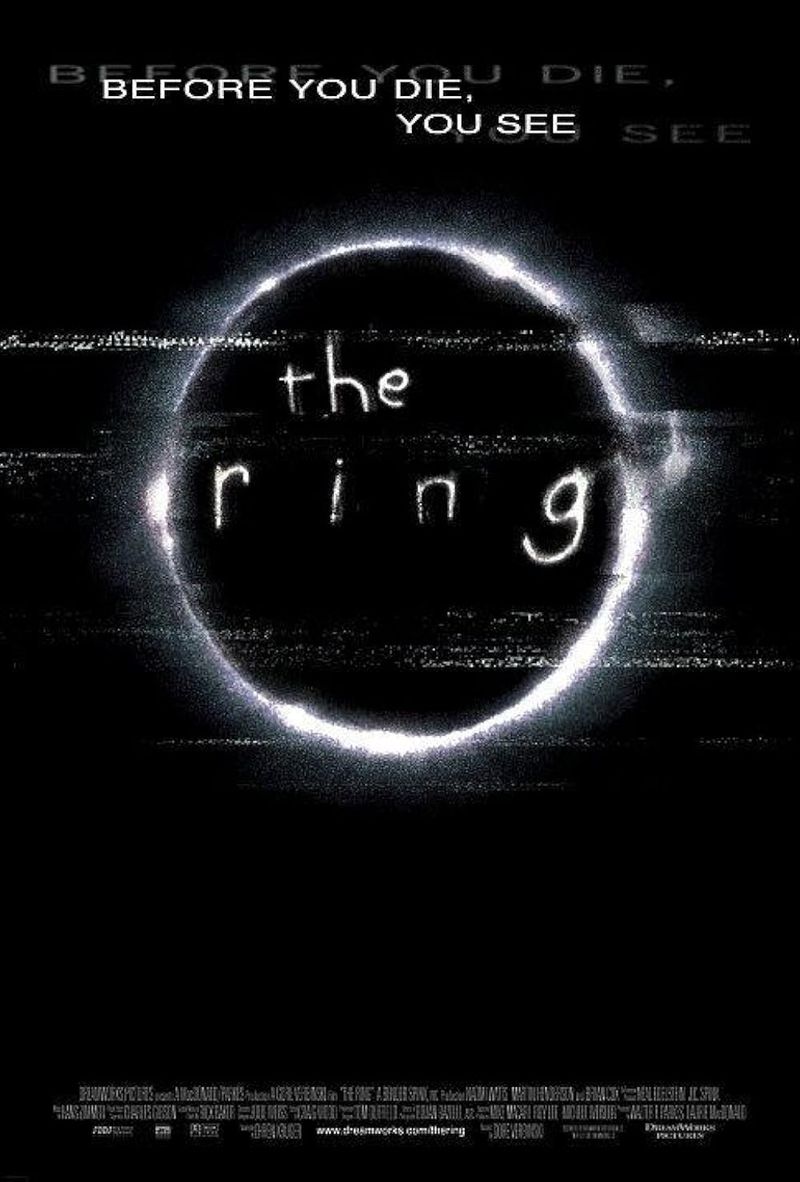
American horror had a genuine identity crisis in the early 2000s, and then The Ring arrived and changed everything.
Based on the Japanese film Ringu, this remake preserved the original’s deeply unsettling atmosphere while reshaping the story for Western audiences.
It worked beautifully.
The premise sounds almost silly: watch a mysterious videotape and you will receive a phone call saying you have seven days to live.
But director Gore Verbinski builds such a suffocating sense of dread that the absurdity never registers.
Every frame feels wrong in a way that is hard to explain.
Naomi Watts anchors the film with a grounded, believable performance.
And Samara, crawling from that television screen, became one of the most iconic horror images of an entire generation.
7. The Grudge (2004)
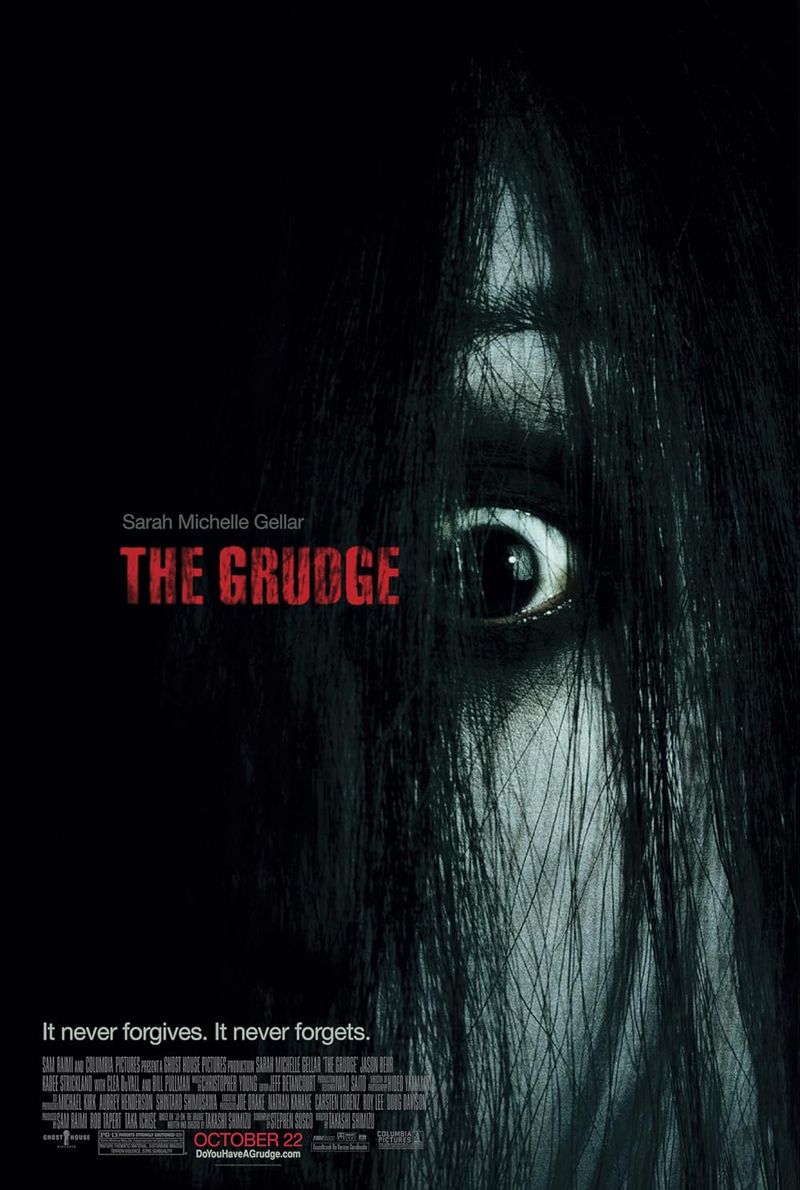
Here is something unusual: the director of the original Japanese film, Takashi Shimizu, also directed this American remake.
That creative continuity shows.
The film retains the fractured, nonlinear storytelling style of Ju-on while transplanting the action to Tokyo with an American cast at the center.
The curse at the heart of the story is relentless and unavoidable, which creates a deeply unsettling sense of hopelessness.
No matter what the characters do, the grudge finds them.
That inevitability is scarier than almost any monster could be.
Sarah Michelle Gellar carries the film well, and the supporting cast adds texture to the fragmented timeline.
Rewatching it reveals details you missed the first time, giving the horror a layered, almost puzzle-like quality that rewards patient viewers.
8. The Hills Have Eyes (2006)
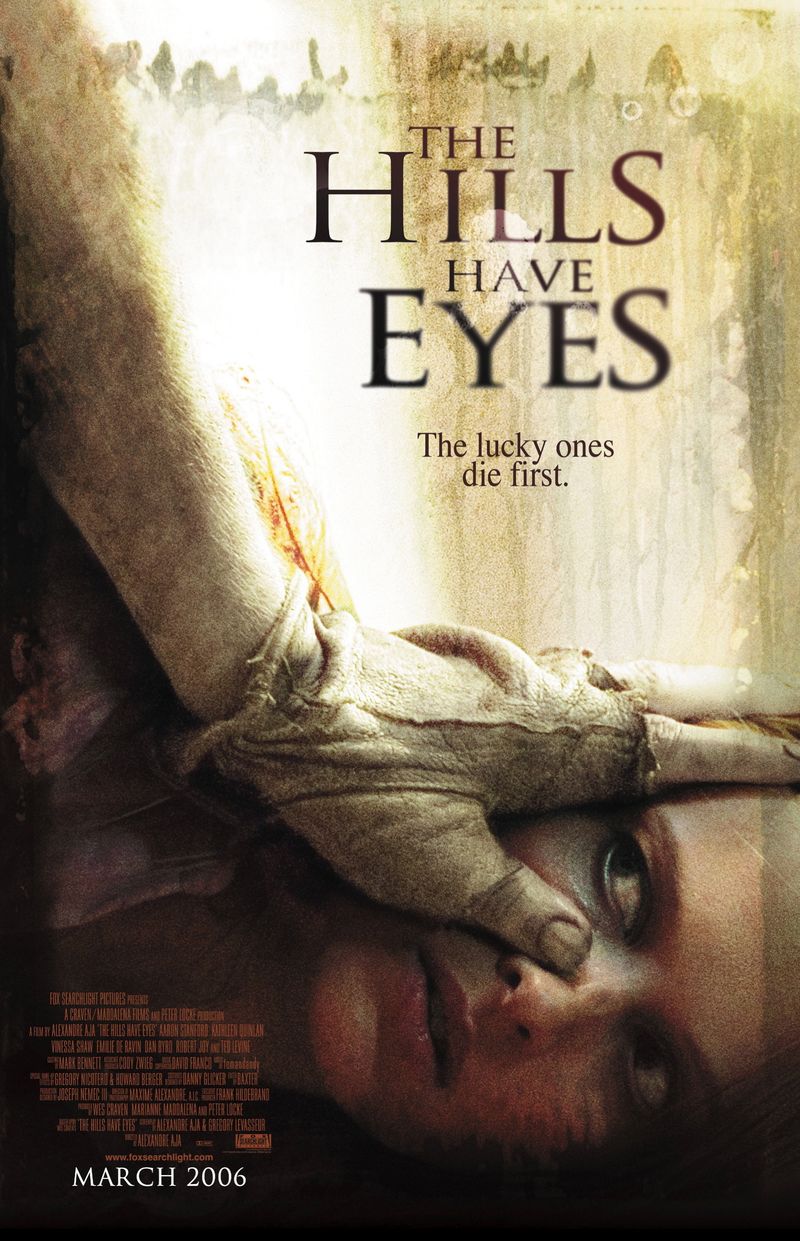
Alexandre Aja came to Hollywood with a reputation for intense, uncompromising horror after his French thriller High Tension, and this remake proved he could deliver that same energy on a bigger budget.
The film follows a family stranded in the Nevada desert, hunted by mutated survivors of nuclear testing.
Where Wes Craven’s 1977 original was raw and low-budget, Aja’s version is polished but even more brutal.
The violence is graphic and purposeful, designed to make you feel the family’s desperation.
The film does not enjoy the suffering it depicts, which separates it from pure shock value territory.
Beneath the brutality, there is a surprisingly strong emotional core.
The characters feel real enough that their fight for survival genuinely matters, which elevates the entire experience significantly.
9. House of Wax (2005)
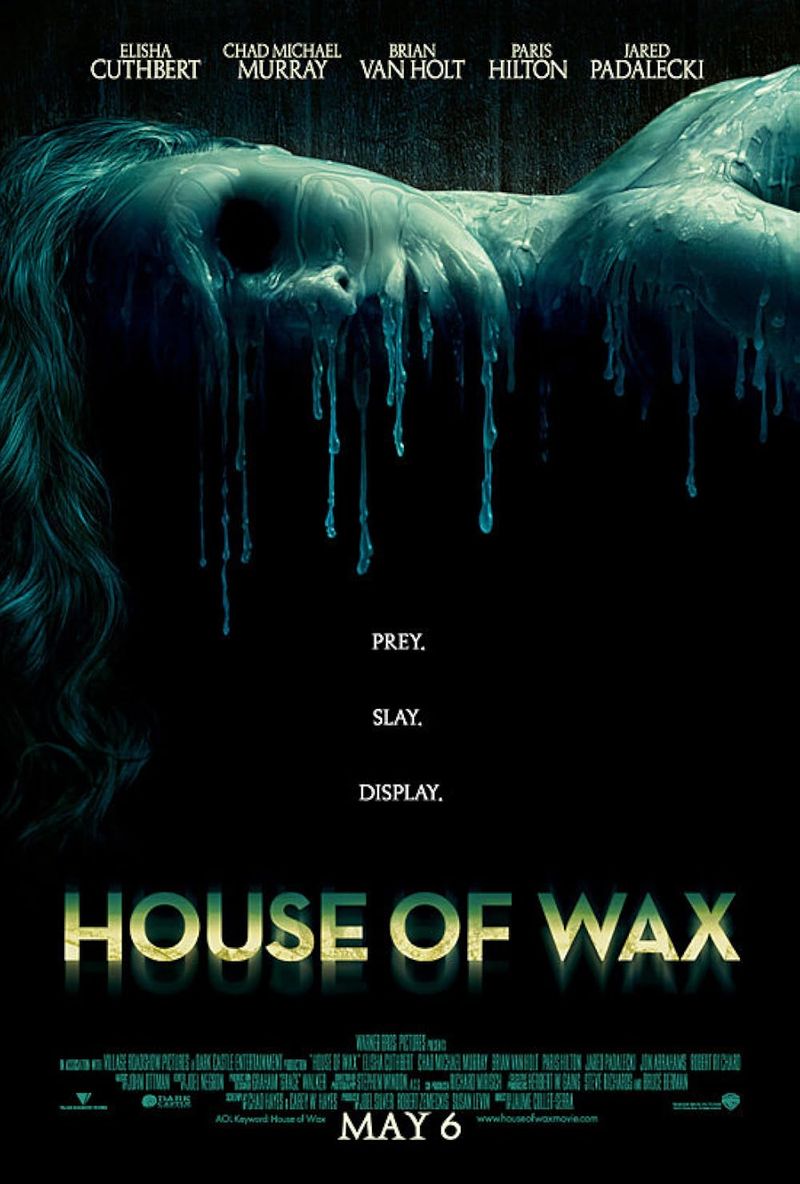
When House of Wax came out, most people showed up to see Paris Hilton get killed and left without giving the film a fair shot.
That is a shame, because buried underneath the tabloid curiosity is a genuinely well-crafted horror film with a fantastically creepy central concept.
A group of road-tripping friends stumbles upon a ghost town with a wax museum where something feels deeply, horribly off.
The production design is outstanding, and the wax setting creates a visual style unlike most slashers of its era.
The final act, set inside a melting wax house, is legitimately inventive filmmaking.
Over the years, cult appreciation has grown steadily.
Genre fans who revisit it often come away surprised by how effectively it builds atmosphere and delivers memorable, creative kills.
10. The Crazies (2010)
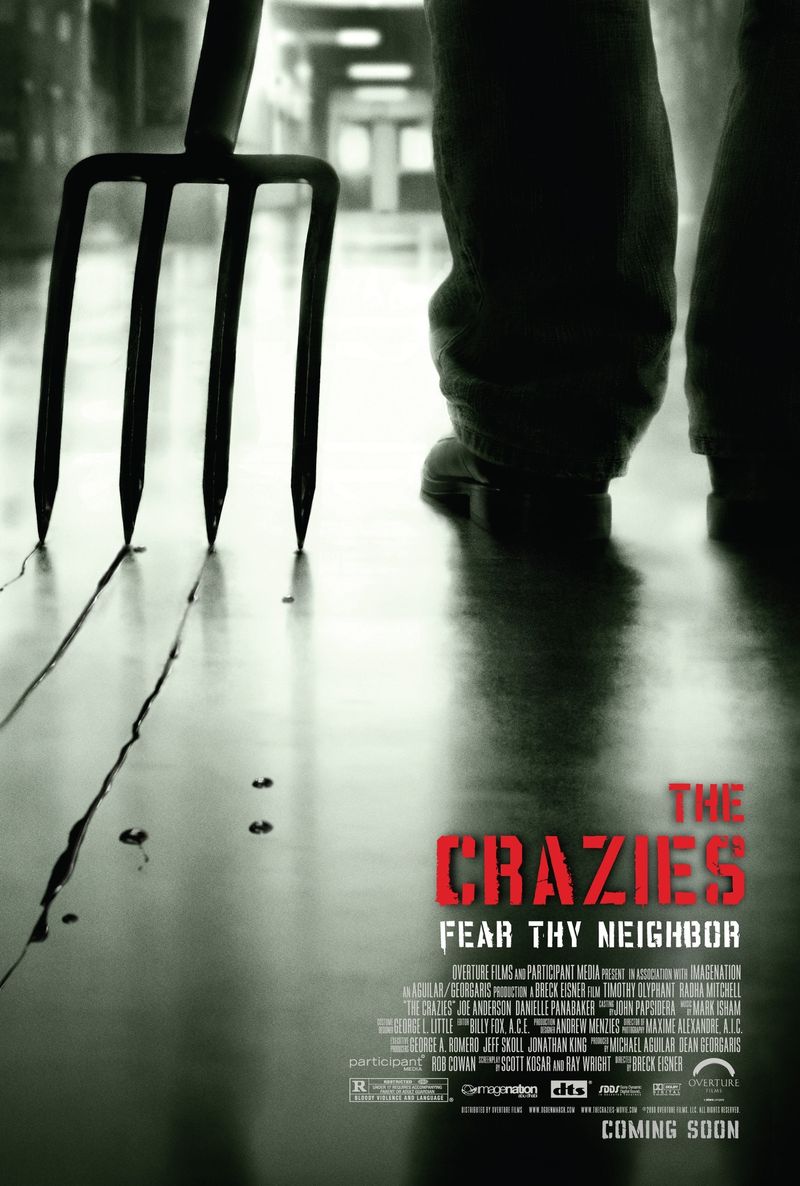
George Romero’s 1973 original had a great idea but limited resources to execute it.
This remake took that same premise, a mysterious toxin turning ordinary townspeople into violent killers, and built something tighter, smarter, and far more emotionally engaging around it.
Timothy Olyphant plays the local sheriff trying to protect his pregnant wife while the government moves in to contain the outbreak by any means necessary.
The film smartly blurs the line between who the real threat is: the infected neighbors or the hazmat-suited soldiers treating everyone as expendable.
That moral ambiguity gives The Crazies surprising depth for a mainstream horror film.
It moves quickly, the performances feel authentic, and the small-town setting makes the collapse of normalcy feel genuinely chilling and uncomfortably believable.
11. Evil Dead (2013)
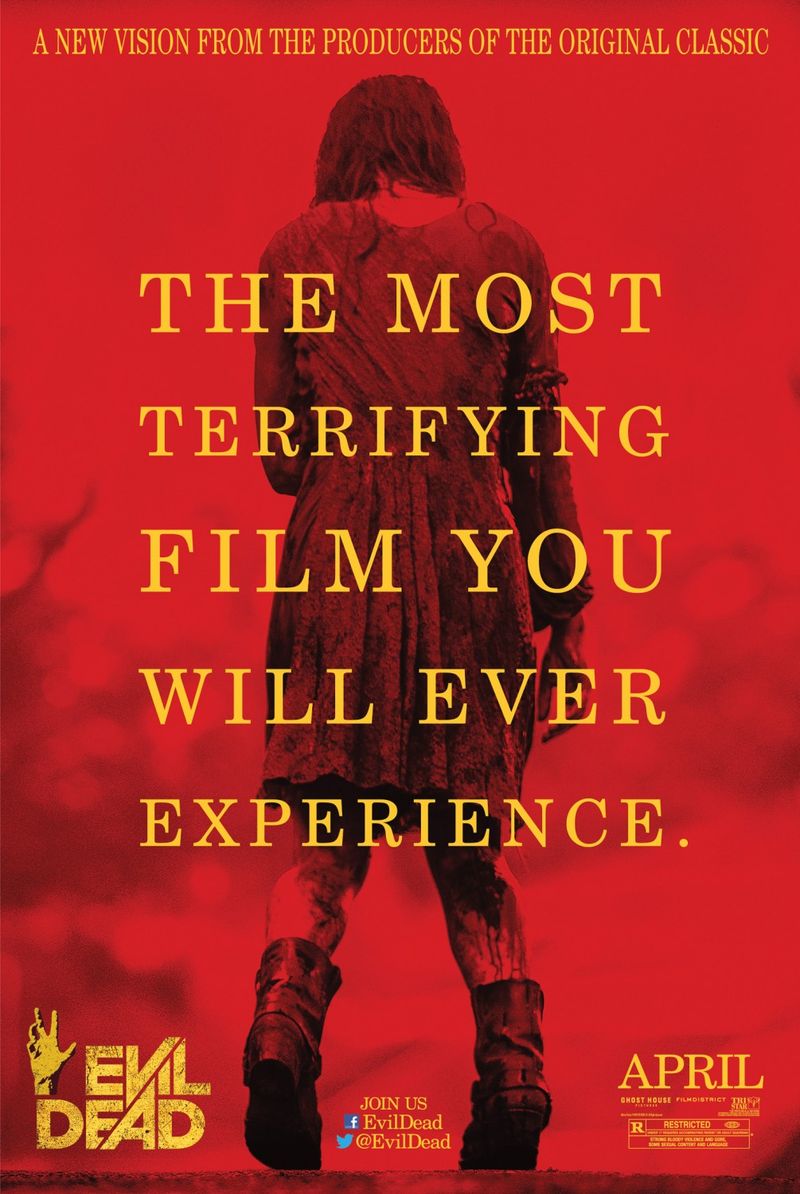
Sam Raimi’s original Evil Dead is beloved for its scrappy, anything-goes energy and darkly comedic moments.
This remake strips all of that away and goes straight for the jugular.
Director Fede Alvarez committed to making the most relentlessly intense horror film possible, and he largely succeeded.
The story follows a group of friends at a remote cabin, but this time the focus falls on a young woman trying to overcome drug addiction.
That emotional grounding gives the supernatural horror real stakes.
When things go wrong, they go catastrophically, unflinchingly wrong.
Every effect in the film is practical, no digital shortcuts, and the craftsmanship shows.
Audiences who expected a campy retread were genuinely shocked.
It earned its R rating about fifty times over and made Alvarez a name to watch in horror.
12. It (2017)
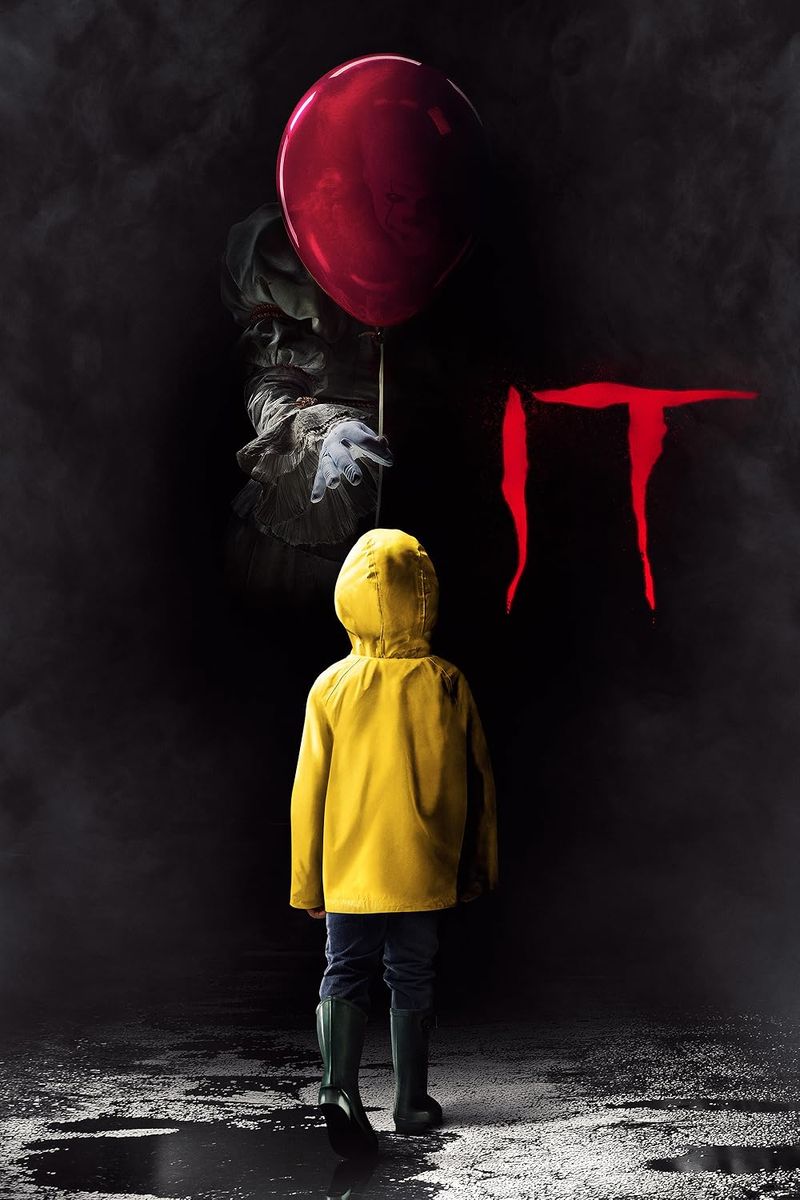
Stephen King’s massive novel had already been adapted into a 1990 TV miniseries, but this big-screen version showed just how much untapped potential the story always had.
By focusing entirely on the childhood chapters, the film gives its young cast room to breathe, grow, and genuinely connect with audiences.
The Losers Club feels like real kids, with real friendships and real fears.
Their chemistry is warm and funny and touching, which makes the horror sequences hit much harder by contrast.
Pennywise, played by Bill Skarsgard, is a genuinely terrifying creation, unpredictable in ways Tim Curry’s beloved version never quite was.
Beyond the scares, the film works beautifully as a coming-of-age story about friendship and facing your fears.
That emotional honesty made it a massive cultural phenomenon and one of the highest-grossing horror films ever made.
13. Suspiria (2018)
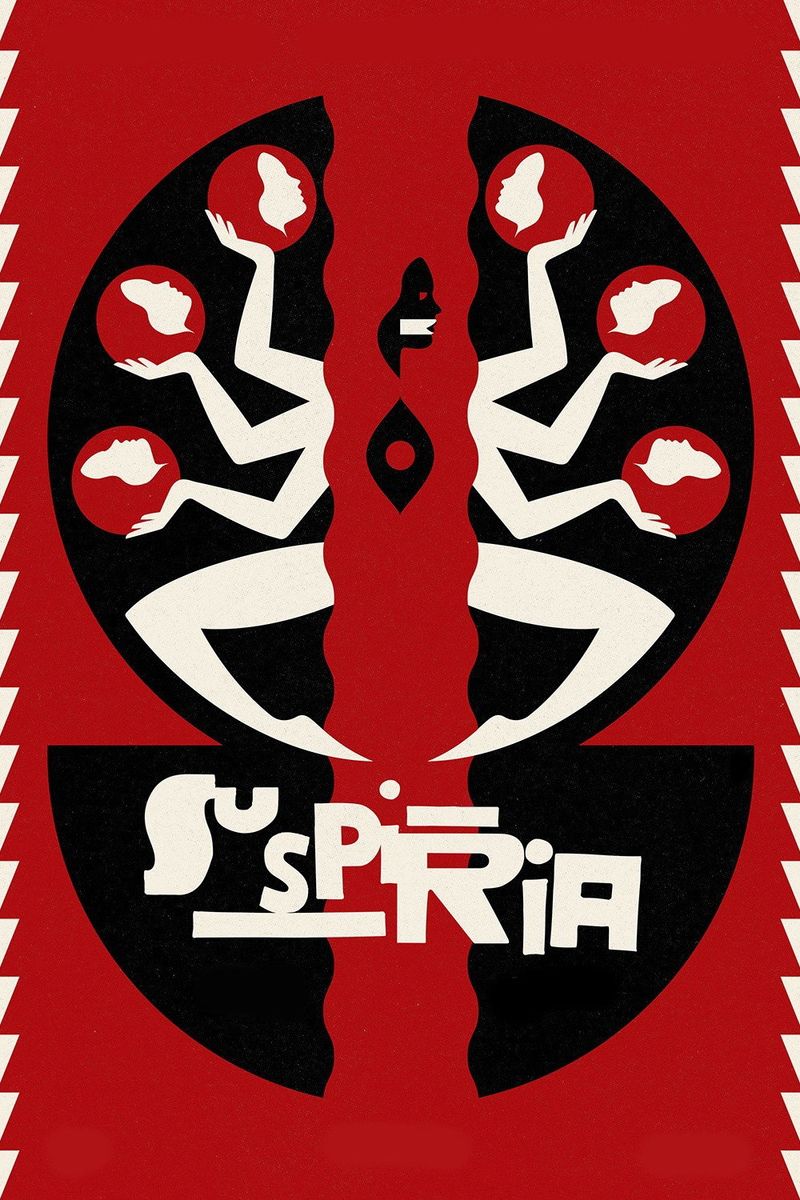
Luca Guadagnino’s remake of Dario Argento’s 1977 giallo masterpiece is one of the boldest, most unusual remakes ever attempted.
Rather than recreating the neon-drenched visual splendor of the original, Guadagnino built something completely different: a cold, gray, politically charged nightmare set in divided Berlin.
Dakota Johnson plays an American dancer who joins a prestigious academy run by witches, but the film is far more interested in atmosphere and psychology than conventional scares.
It moves slowly and deliberately, layering dread through imagery and sound rather than shock.
Audiences were divided, and that reaction is understandable.
This is not an easy film.
But those who connect with its ambition and artistry find it genuinely haunting, a rare remake that dares to be its own strange, singular thing entirely.
14. The Invisible Man (2020)
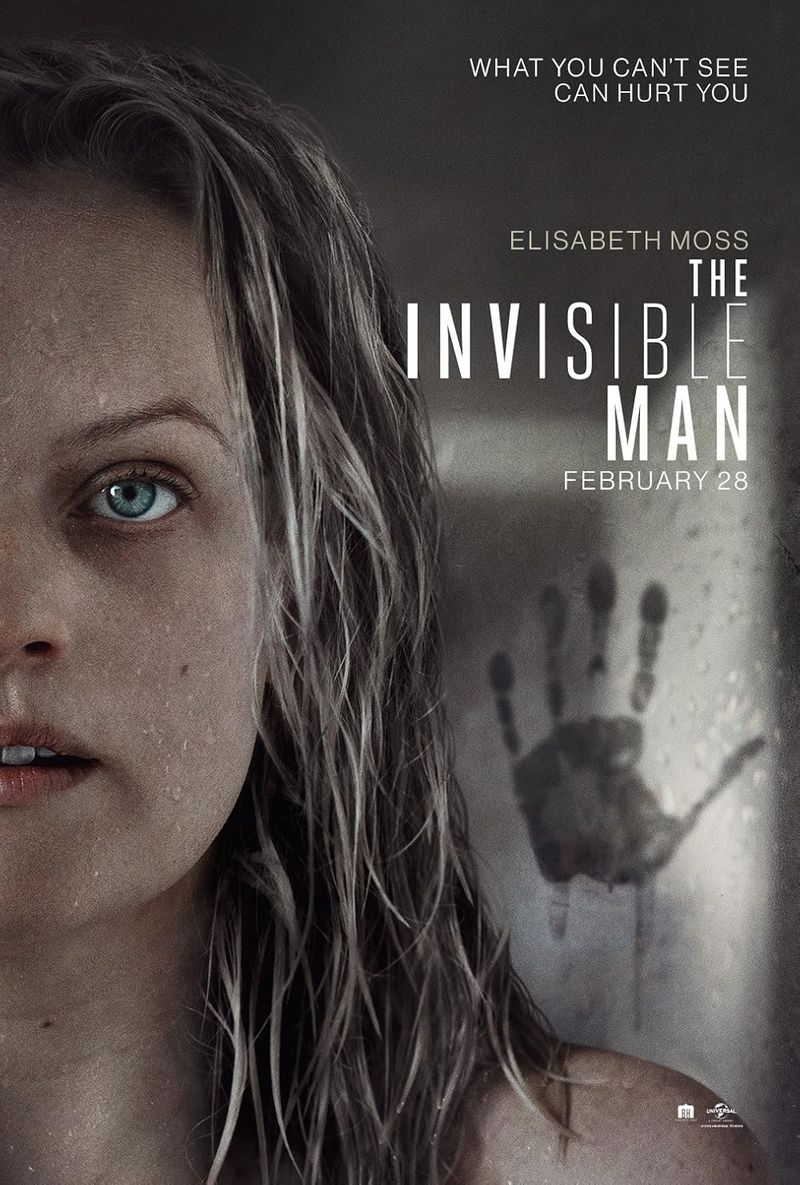
Universal had been trying to relaunch its classic monster characters for years with mixed results.
Then writer-director Leigh Whannell quietly reimagined The Invisible Man as a story about domestic abuse and psychological control, and the result was one of the best horror films of its decade.
Elisabeth Moss delivers a career-best performance as a woman who escapes an abusive relationship, only to believe her ex has found a way to become invisible and continue tormenting her.
The genius of the film is that it keeps you questioning what is real alongside her.
The camera lingers on empty spaces, making you scan every frame for something that should not be there.
Timely, terrifying, and anchored by a powerhouse lead performance, this film proved that classic monster stories still have plenty left to say.