 MomSkoop
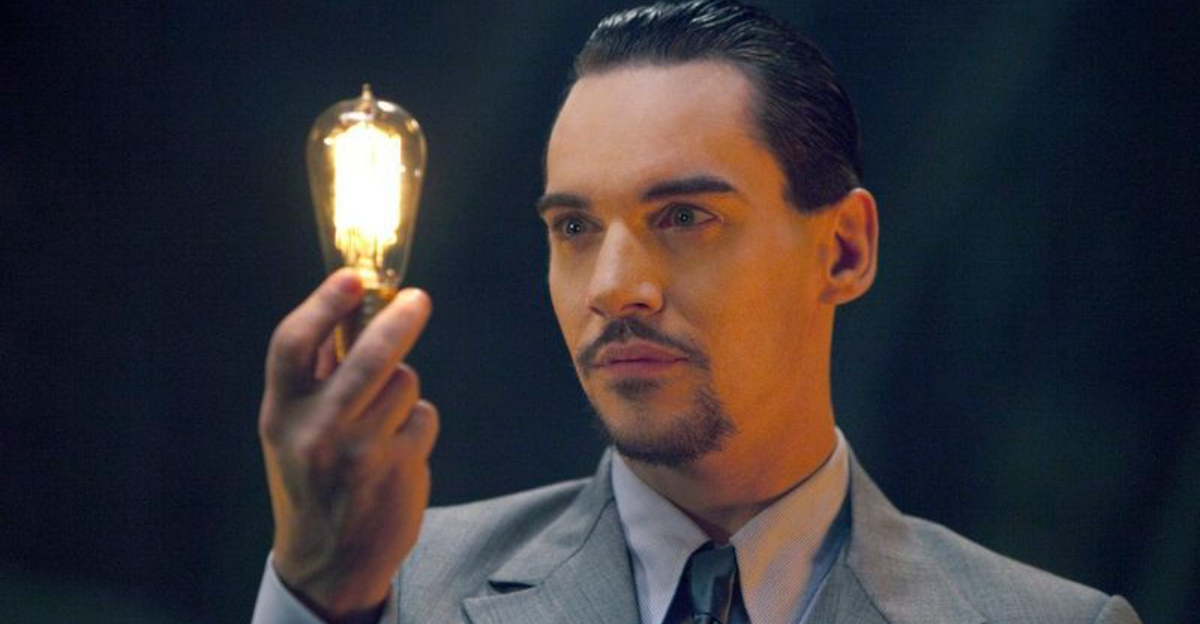
Hollywood loves discovering fresh talent and betting big on the next superstar. Studios invest millions in actors they believe will dominate the box office for years to come.
Sometimes those bets pay off spectacularly, launching careers that span decades. Other times, despite all the hype and opportunity, things just don’t work out as planned, leaving once-promising stars searching for their next big break.
1. Taylor Kitsch
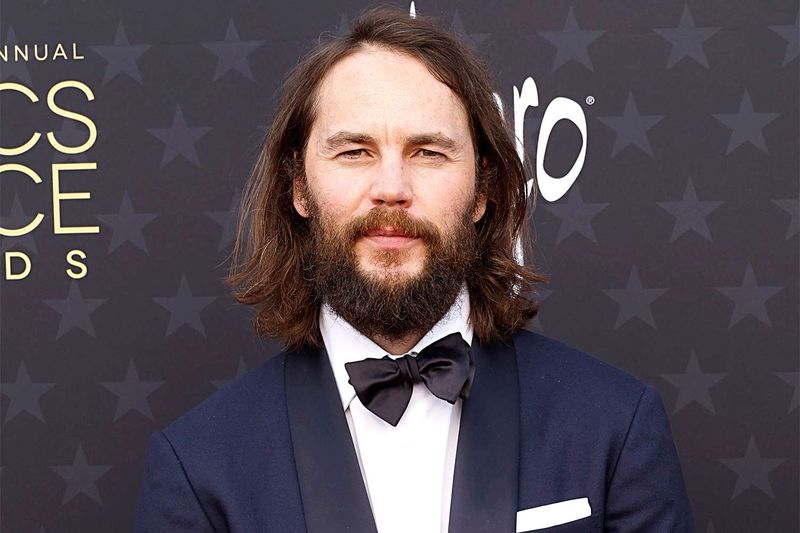
After winning hearts on Friday Night Lights, Taylor Kitsch seemed unstoppable.
Studios handed him two massive blockbusters: John Carter and Battleship, both released within months of each other in 2012.
Unfortunately, both movies flopped hard at the box office, losing studios hundreds of millions of dollars.
Critics and audiences didn’t connect with either film, and unfairly, Kitsch took most of the blame.
Industry insiders started calling him box-office poison, even though his performances were solid.
He shifted focus to television and supporting roles in films like Lone Survivor.
While he’s still working steadily today, that original trajectory toward becoming Hollywood’s next action hero never recovered from those early setbacks.
2. Sam Worthington
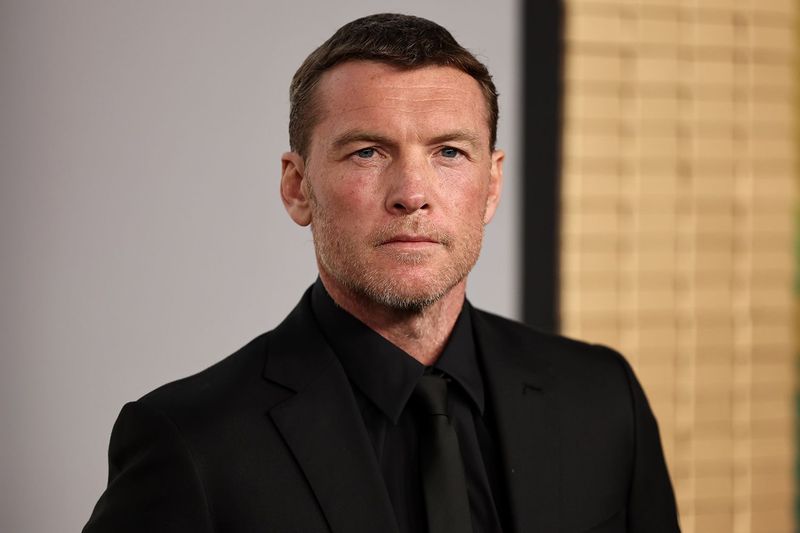
Landing the lead role in Avatar, the highest-grossing movie ever made, should have guaranteed Sam Worthington superstardom.
Studios immediately cast him in Clash of the Titans, Terminator Salvation, and other big-budget projects, expecting him to become the next action hero.
The problem?
None of those other movies captured audiences the way Avatar did.
Critics noted his performances felt wooden and lacking charisma.
Audiences simply didn’t rush to theaters just because his name was on the poster.
His career cooled remarkably fast after such a spectacular beginning.
While Avatar’s sequels brought him back to Pandora, he never became the bankable leading man everyone predicted, proving that one massive hit doesn’t automatically create lasting stardom.
3. Josh Hartnett
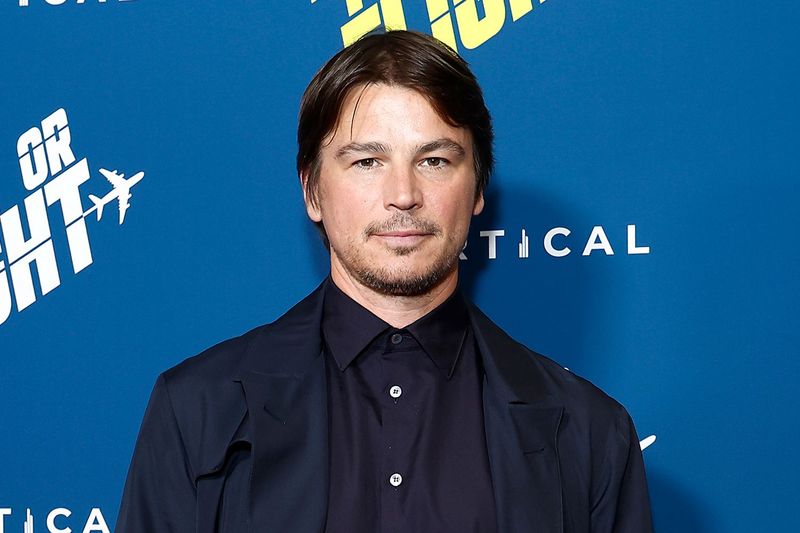
Few actors generated as much buzz in the early 2000s as Josh Hartnett.
He headlined Pearl Harbor, Black Hawk Down, and dozens of magazine covers, with studios treating him like the next big romantic action star.
Here’s the twist: Hartnett deliberately walked away from it all.
He famously turned down roles in Spider-Man, Superman Returns, and Batman Begins, choosing artistic integrity over blockbuster fame.
He wanted meaningful roles instead of franchise commitments that would consume years of his life.
While admirable, this decision essentially ended his time as Hollywood’s golden boy.
He transitioned to indie films and eventually television, finding creative satisfaction but never reclaiming that leading-man spotlight that once seemed guaranteed.
4. Armie Hammer
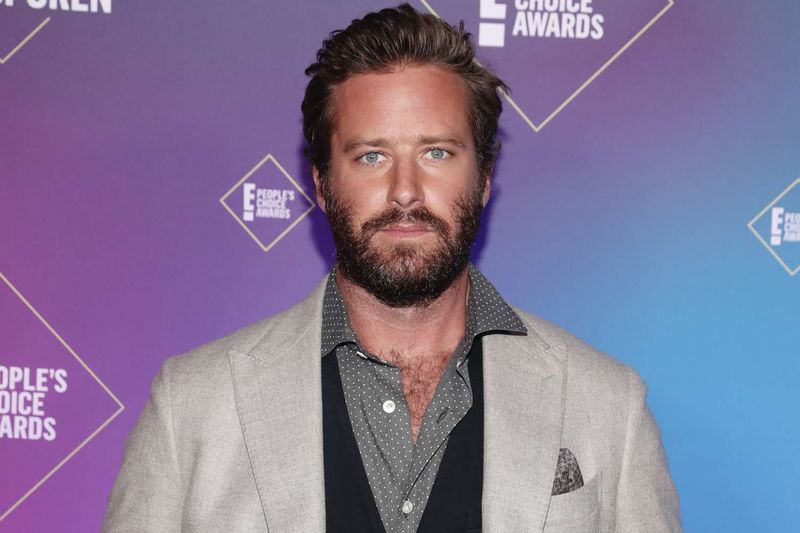
With his chiseled jaw and old-Hollywood charm, Armie Hammer seemed custom-built for stardom.
His performance in The Social Network earned critical praise, and studios quickly positioned him as a leading man in The Man from U.N.C.L.E. and The Lone Ranger.
Everything appeared to be falling into place for a long, successful career.
He had the looks, the talent, and the studio backing that most actors dream about.
Industry insiders predicted he’d become a franchise cornerstone for years to come.
Then serious personal controversies emerged that completely derailed everything.
Disturbing allegations surfaced that ended his studio relationships overnight.
His career collapsed so suddenly and completely that his previous momentum now feels like ancient history, leaving his potential forever unrealized.
5. Shia LaBeouf
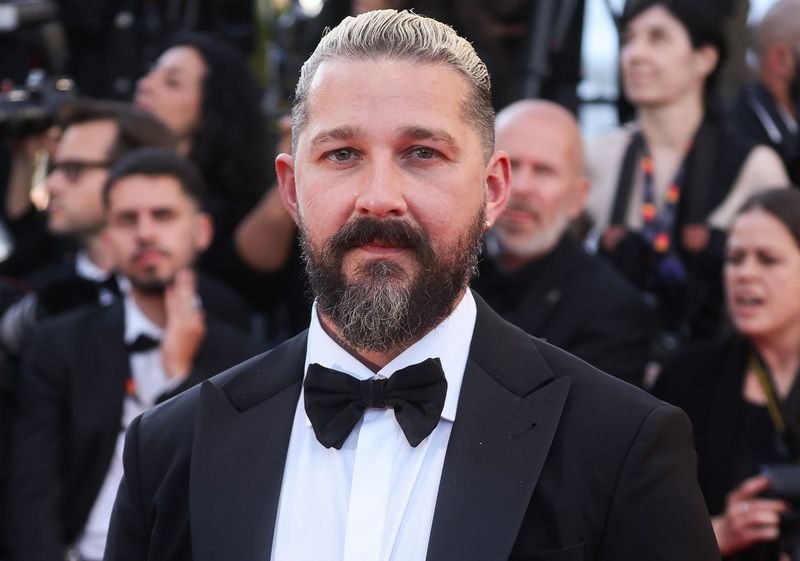
Shia LaBeouf successfully transitioned from Disney Channel kid to Transformers blockbuster star, something few young actors accomplish.
He had everything: box-office hits, critical respect for dramatic work, and seemingly unlimited potential ahead.
Then things got weird.
Really weird.
Public meltdowns, bizarre performance art projects, and conflicts with directors became regular headlines.
His behavior overshadowed his undeniable talent, making studios nervous about investing in him as a leading man.
Rather than continuing down the blockbuster path, he shifted toward challenging indie films where his intensity found better appreciation.
He’s still working and occasionally brilliant, but that mainstream movie-star trajectory ended years ago, replaced by something more unpredictable and controversial.
6. Garrett Hedlund

Garrett Hedlund had everything studios look for: classic good looks, genuine acting ability, and roles in high-profile projects like Tron: Legacy.
Disney clearly saw him as franchise material, investing heavily in promoting him as the next generation’s action hero.
Unfortunately, Tron: Legacy underperformed, and his other leading roles in films like On the Road failed to connect with mainstream audiences.
Despite strong critical notices for his performances, commercial success remained frustratingly elusive.
Studios gradually stopped offering him those coveted leading-man opportunities.
He eventually found steadier work on television, where his talents were better appreciated.
While he continues acting, that original vision of him becoming a major movie star never materialized, leaving his potential largely unfulfilled.
7. Clive Owen
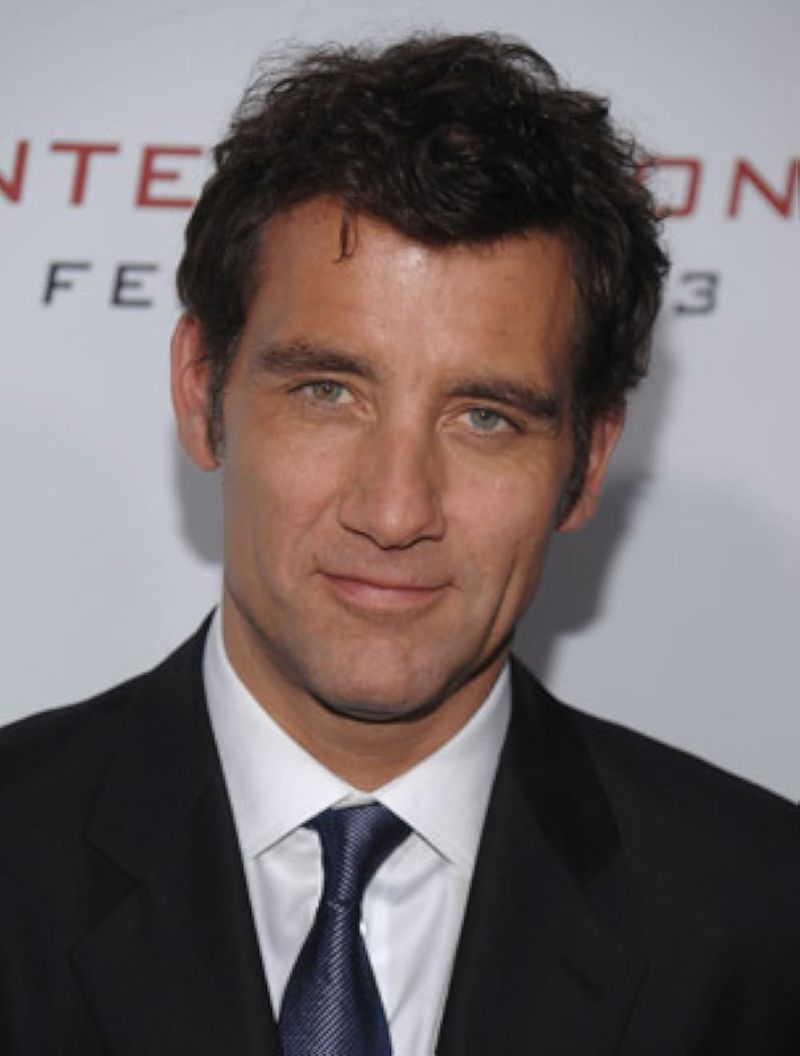
Clive Owen brought sophisticated intensity to everything he touched, from Children of Men to Inside Man.
Many critics believed he represented the perfect modern action star: intelligent, charismatic, and capable of both drama and thrills.
He was even considered for James Bond multiple times.
Despite this critical acclaim and industry respect, major franchises never fully embraced him as their leading man.
Perhaps he was too serious, too British, or simply arrived at the wrong moment.
Whatever the reason, that Bond-level superstardom everyone predicted never materialized.
His career remained successful and critically respected, with steady work in quality films.
However, he never achieved the blockbuster dominance that once seemed inevitable, settling instead into respected character actor territory rather than megastar status.
8. Michael Pitt

Michael Pitt exploded onto the scene with The Dreamers, showcasing raw talent that had critics comparing him to young Brando.
His role in Boardwalk Empire further cemented his reputation as a serious actor capable of complex, challenging performances.
Behind the scenes, however, reports of difficult behavior started circulating.
Directors and producers whispered about him being hard to work with, unpredictable, and unwilling to compromise.
Hollywood forgives many things, but being labeled “difficult” without megastar status to back it up is often career-ending.
He continued finding work in smaller, artistically ambitious projects where his intensity was valued.
Mainstream Hollywood, however, largely moved on to more cooperative talents, leaving his considerable potential mostly unrealized in major studio films.
9. Brendan Fraser
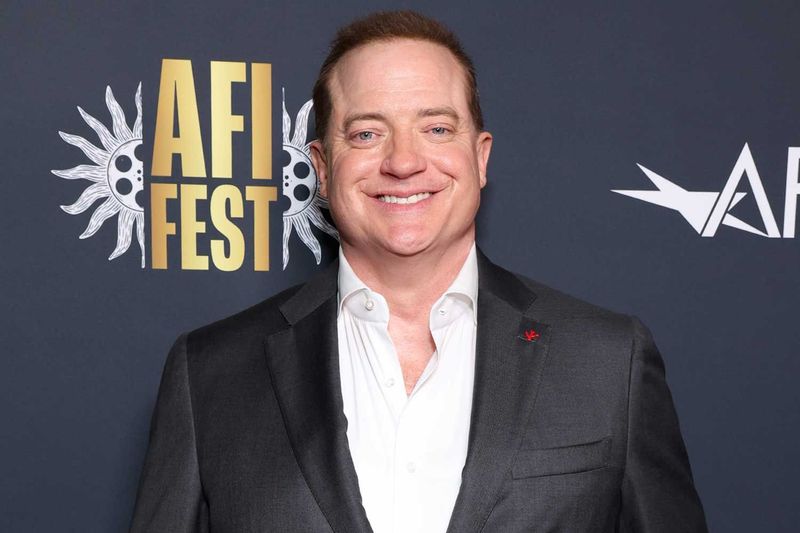
Brendan Fraser owned the late 1990s and early 2000s with The Mummy franchise, combining action, comedy, and genuine charm.
He seemed positioned for decades of leading-man roles, with studios eagerly developing projects around his everyman appeal and physical comedy skills.
Behind the cameras, everything was falling apart.
Serious injuries from doing his own stunts, a difficult divorce, and alleged inappropriate treatment by industry executives took devastating tolls.
His career momentum stopped cold, and he largely disappeared from Hollywood for years.
His recent comeback in The Whale earned him an Oscar and reminded everyone of his incredible talent.
However, those lost years represented the end of his original trajectory as Hollywood’s enduring adventure hero, making his story both tragic and ultimately redemptive.
10. Joseph Gordon-Levitt
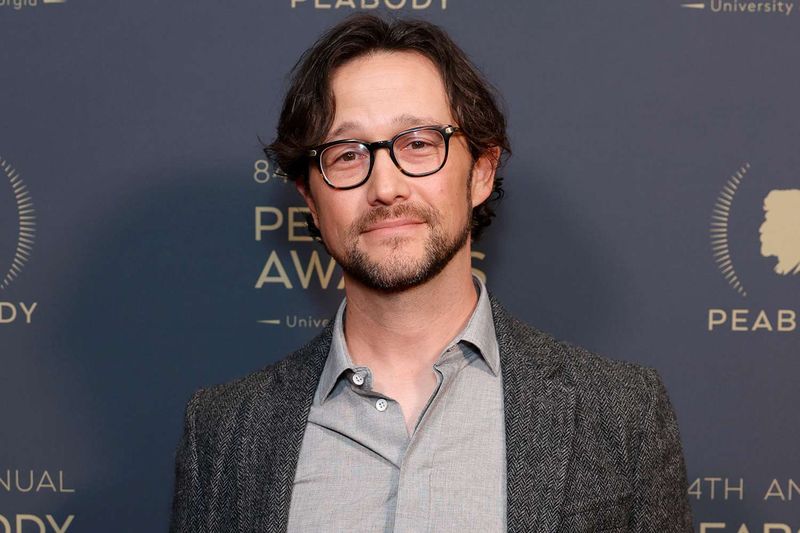
As he successfully transitioned from child actor to respected indie darling, studios saw him as the perfect combination of artistic credibility and commercial appeal.
Here’s what made him different: he deliberately said no. Rather than committing to multi-film contracts that would define his career, he chose creative independence.
He started his own production company and focused on projects that interested him personally, regardless of box-office potential.
This decision meant sacrificing traditional movie-star dominance for artistic freedom.
While he continues working steadily in quality projects, he never became the blockbuster fixture everyone predicted, instead carving out a unique path that prioritized creativity over celebrity.
11. Alex Pettyfer
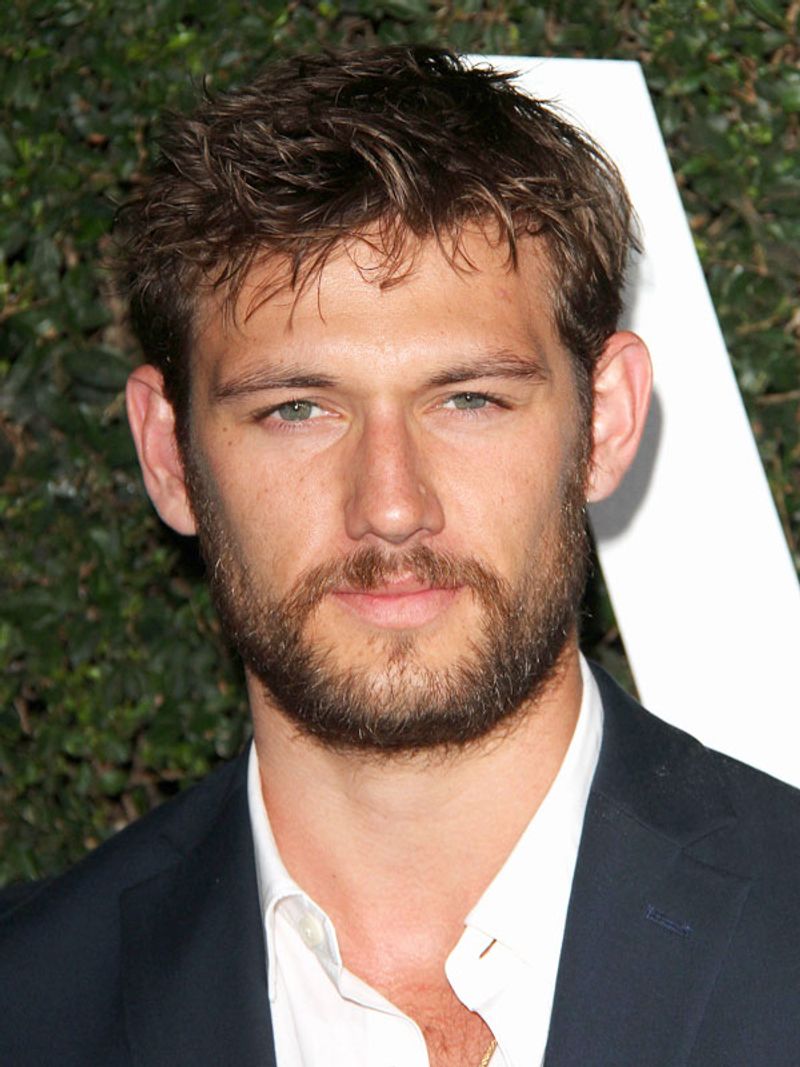
Alex Pettyfer arrived with massive hype surrounding I Am Number Four, which studios hoped would launch a lucrative young-adult franchise similar to Twilight.
He had the looks, the British accent, and the action credentials that typically translate into teen idol status and beyond.
The film bombed spectacularly, killing franchise plans immediately.
Worse, rumors spread about Pettyfer being difficult on set, alienating cast members and crew.
In Hollywood, reputation matters enormously, especially for young actors without established track records to fall back on.
His career stalled almost immediately after that initial failure.
While he’s continued acting in smaller projects, that original vision of him becoming a franchise cornerstone disappeared overnight, proving how quickly Hollywood abandons actors who don’t deliver immediately.
12. Emile Hirsch

Emile Hirsch delivered a stunning performance in Into the Wild that had critics predicting major dramatic stardom.
His intensity and commitment to challenging roles suggested a career trajectory similar to other serious young actors who became industry mainstays.
Despite critical respect, consistent high-profile leading roles never materialized the way everyone expected.
He worked steadily but never landed that one massive hit that would cement his status as a bankable star.
The roles gradually became smaller and less prestigious.
Legal troubles further complicated his career trajectory, making studios hesitant to invest in him as a leading man.
Combined with shifting industry tastes, his momentum slowed considerably.
While still acting, he never achieved the dramatic stardom that once seemed inevitable after his breakthrough performance.
13. Ryan Phillippe
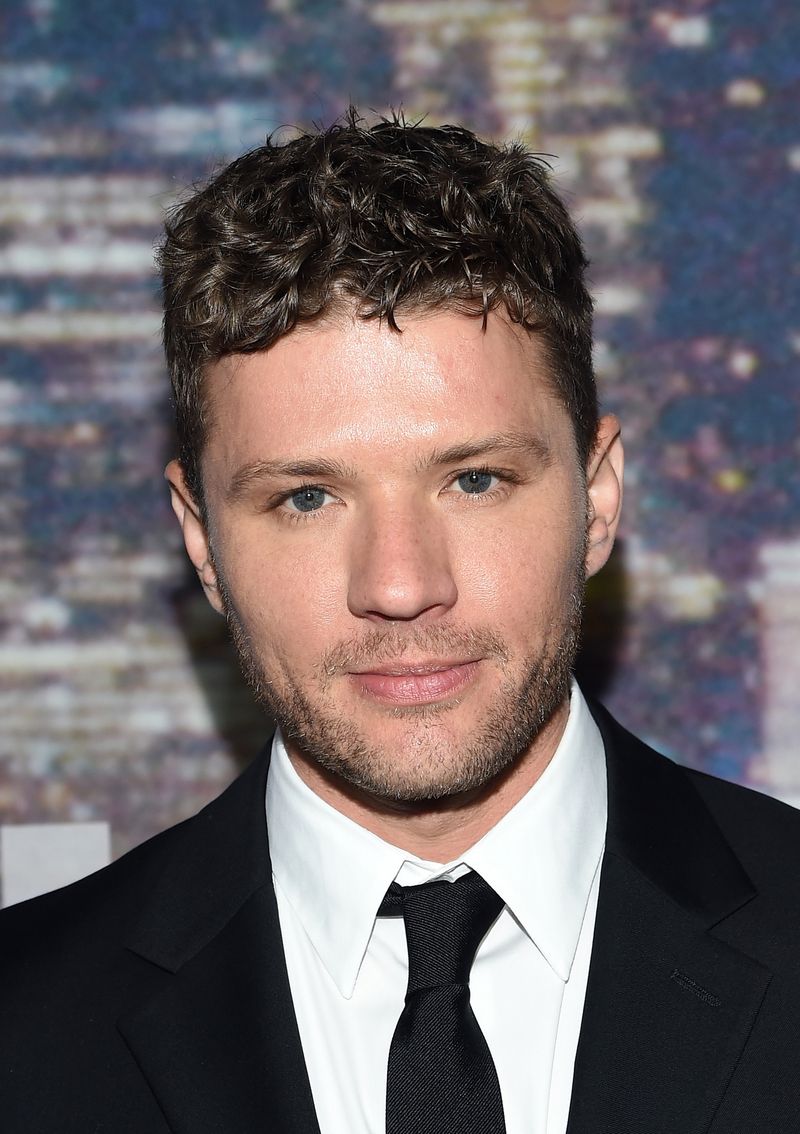
Ryan Phillippe rose quickly in the late 1990s with Cruel Intentions and I Know What You Did Last Summer, becoming one of Hollywood’s most recognizable young faces.
He had the looks, the talent, and the industry connections that typically translate into long-term leading-man status.
Despite this early popularity and numerous opportunities, he never secured a defining franchise or breakout role that would elevate him to the next level.
His performances were solid, but somehow that special combination of role and timing never quite aligned.
Studios gradually stopped offering him leading-man opportunities.
His career shifted toward supporting parts and eventually television, where he found steadier work.
While he’s remained employed and respected, he never achieved the movie-star dominance that seemed so inevitable during his 1990s peak.
14. Jonathan Rhys Meyers
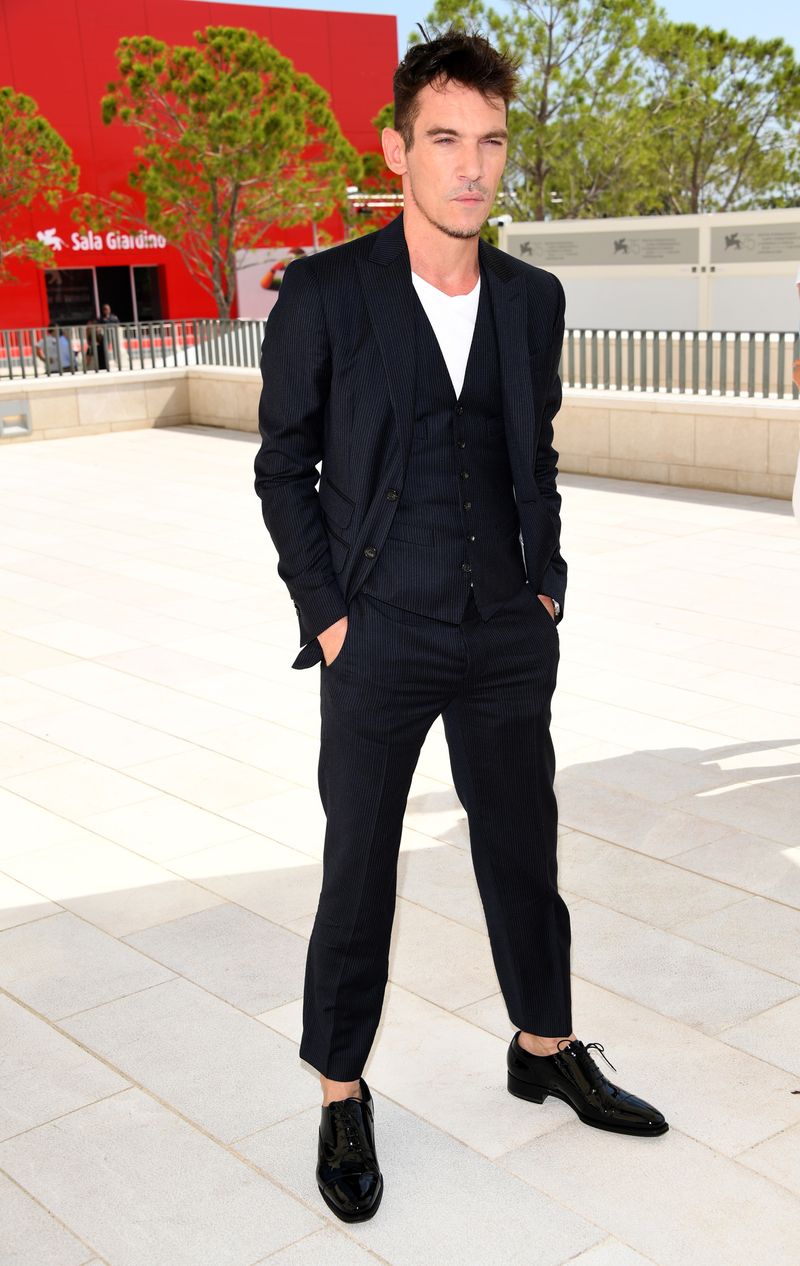
Jonathan Rhys Meyers possessed undeniable talent, showcased brilliantly in films like Bend It Like Beckham and Match Point.
His intense performances and striking looks suggested a career trajectory toward becoming one of cinema’s most compelling leading men, capable of both commercial and artistic success.
Personal struggles, including well-publicized battles with addiction, repeatedly disrupted his career momentum.
Studios became hesitant to invest in projects centered around him, worried about reliability and insurance costs.
These concerns, fair or not, significantly limited the opportunities available to him.
While widely praised for his considerable acting abilities, sustained movie stardom ultimately eluded him.
He’s continued working in various projects, occasionally reminding audiences of his remarkable talent, but never quite achieving the consistent high-profile success everyone once predicted for his career.