
When it comes to managing money, some of the most valuable advice doesn’t come from financial experts or modern budgeting apps but from the everyday habits of older generations. Many people who grew up during times of economic uncertainty learned how to stretch their income, avoid unnecessary expenses, and make the most of what they already had. While shopping habits, technology, and lifestyles have changed dramatically over the years, the basic principles of saving money remain surprisingly relevant. From repairing items instead of replacing them to planning purchases carefully, these practical lessons can help people make smarter financial decisions without feeling like they’re constantly sacrificing the things they enjoy.
In a world where convenience, online shopping, and endless advertisements make spending easier than ever, traditional money-saving habits can offer a refreshing perspective. Older generations often emphasized patience, resourcefulness, and understanding the difference between wants and needs, values that can still make a meaningful difference in today’s household budgets. Of course, not every old-fashioned financial habit fits modern life, but many are worth revisiting and adapting to current circumstances. Here are 14 money-saving lessons from older generations that remain useful today, offering simple ways to reduce unnecessary spending, build better financial habits, and make your money go further.
1. Wait Before You Buy

Grandma’s version of a shopping cart was a layaway counter.
Stores held an item while shoppers paid for it bit by bit, and nobody walked out with it until the last payment cleared.
That system built patience right into the purchase.
It also gave people time to decide whether they still wanted the thing by the time it was paid off.
You can borrow that idea without any store’s help.
Try a simple waiting rule, like 48 hours for smaller wants and 30 days for bigger ones.
Write the item and its price on a note or in your phone.
When the waiting period ends, check in with yourself and see if the excitement survived.
Plenty of times, it won’t.
That flash of wanting often fades once the online ad stops following you around and the moment passes.
When the desire does stick, you get to buy with a clear head.
Saving up first also means skipping credit card interest, which quietly makes a purchase cost more than the tag says.
Waiting isn’t about denying yourself treats forever.
Think of it as a filter that lets the good stuff through and catches the impulse buys before they hit your bank account.
2. Cook From Scratch

A bag of dried beans, an onion, and a few spices can turn into several dinners.
Older cooks knew that trick by heart, and it still works in a modern kitchen.
Meals made at home usually cost far less per serving than takeout or restaurant food.
The gap grows fast when you cook for a family or eat out several times a week.
You don’t need fancy skills to start.
Pick three or four simple dishes you like, such as chili, pasta sauce, soup, or a sheet-pan dinner, and rotate them.
Basic ingredients tend to stretch further than convenience foods.
A whole chicken, for example, can give you a roast dinner, sandwich meat, and broth from the bones.
Planning helps too.
Older households often built the week’s menu around what was on sale, then shopped for exactly those ingredients.
Busy schedules are real, so give yourself shortcuts.
A slow cooker, frozen vegetables, or one big batch on Sunday can save time without blowing the budget.
Cooking from scratch also puts you in charge of portion sizes and seasoning.
Your grandparents might have called that common sense, and your wallet will probably agree.
3. Preserve the Harvest
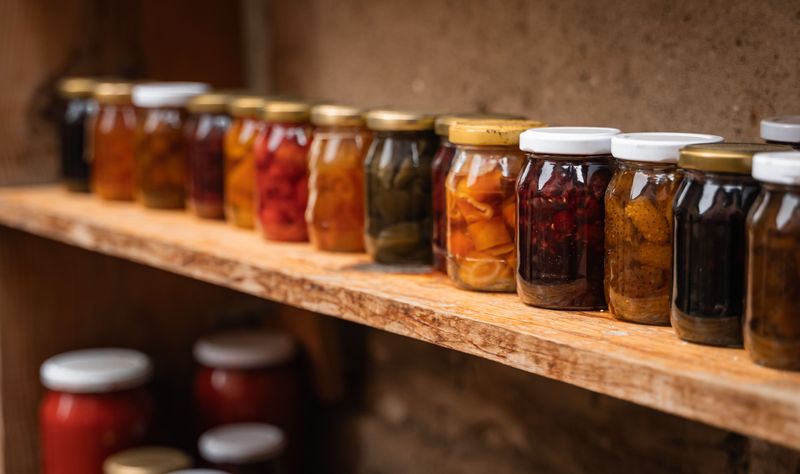
Shelves lined with glass jars of peaches and tomatoes once meant a family was ready for winter.
Home canning let people buy or grow produce at its cheapest and enjoy it months later.
Summer is when many fruits and vegetables hit their lowest prices.
Buying in bulk at a farmers market or picking your own can make preserving worth the effort.
Canning does require some gear, like jars, lids, and a large pot.
Jars can be reused for years, though new lids are needed for each batch.
Safety matters here more than shortcuts.
Stick to tested recipes, such as those from the USDA or the National Center for Home Food Preservation, especially for low-acid foods.
Not into canning?
Freezing is an easier entry point for berries, corn, and chopped peppers, and it needs little equipment beyond freezer bags.
Drying is another old method that still pays off.
Herbs hung in bundles or apple slices in a low oven can last a long time in a sealed container.
Preserving also cuts down on food that spoils before you use it.
That might be the sweetest savings of the bunch, like opening summer in the middle of February.
4. Mend Before You Replace
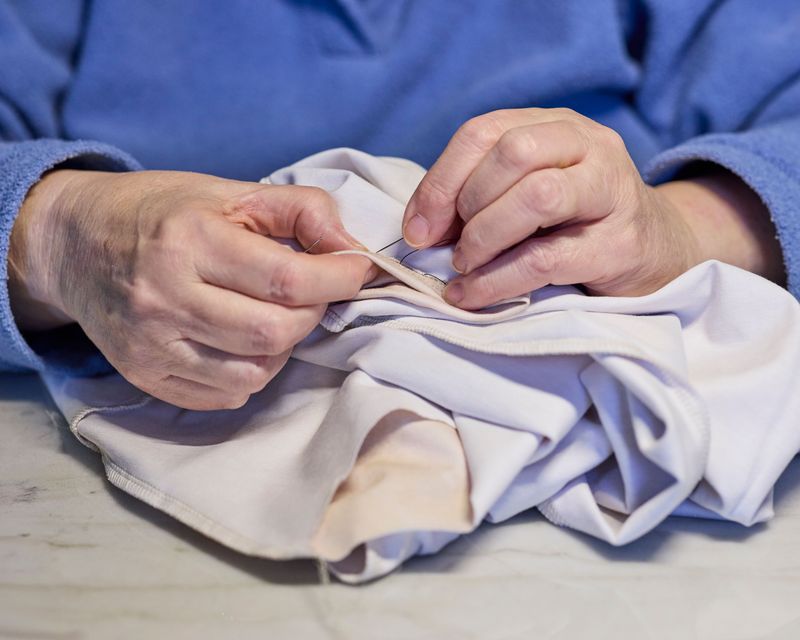
Once upon a time, a hole in a sock called for a darning egg, not a shopping trip.
That smooth wooden tool sat inside the sock while someone wove fresh thread across the gap.
Repairs like that kept clothes in use for years.
The same spirit applies today, and basic mending is easier to learn than many people expect.
Start with the simple stuff.
Sewing on a button, fixing a loose hem, or closing a small seam takes a needle, thread, and a few minutes.
Free video tutorials can walk you through these fixes step by step.
A small sewing kit costs very little and can rescue a favorite shirt more than once.
Some repairs have even become a style choice.
Visible mending, with colorful patches or decorative stitches, turns a worn spot into a design feature.
Shoes deserve attention as well.
A cobbler can often replace soles or heels on sturdy footwear, which may cost less than buying a new pair.
Of course, not every item is worth saving.
But checking whether a fix is possible before tossing something can keep money in your pocket and clutter out of the landfill.
5. Spend Less Than You Earn

Old ledgers and pocket notebooks did the job that budgeting apps do now.
People wrote down what came in, what went out, and what was left.
The rule behind those notes was refreshingly simple.
Keep spending below income, and set the difference aside.
That gap is what builds savings, pays for emergencies, and helps you avoid debt.
Without it, even a small surprise bill can throw a month off track.
Getting clear on your numbers is the first step.
Track your spending for a month, whether in an app, a spreadsheet, or a plain notebook like your grandparents used.
Patterns tend to pop out quickly.
Subscriptions you forgot about, frequent snack runs, or delivery fees can add up more than you’d guess.
Watch out for lifestyle creep too.
When income rises, it’s tempting to upgrade your car, phone, and wardrobe right away, leaving no extra room at the end of the month.
Everyone’s situation is different, and some months are just tight.
Still, saving even a small, steady amount gives you a cushion, and that cushion can make a rough week feel a lot more manageable.
6. Use Cash Envelopes

Paper envelopes labeled groceries, rent, and gas once lived in kitchen drawers across the country.
When an envelope ran empty, spending in that category stopped.
It’s a wonderfully stubborn system.
You can’t overspend money that simply isn’t there.
Handing over physical bills also makes spending feel more real.
Swiping a card or tapping a phone is so easy that the cost can barely register.
The envelope method has found a modern fan base under the name cash stuffing.
People share colorful binders and labeled pouches, but plain envelopes work just as well.
To try it, pick a few categories where you tend to overspend, like dining out or groceries.
Withdraw a set amount at the start of each pay period and divide it up.
You don’t have to go cash-only for bills or online payments.
Many people use envelopes for flexible spending and keep fixed costs on autopay.
Carrying cash does have downsides, since lost bills are tough to recover.
Keep only what you need for the week in your wallet, and store the rest safely at home or in the bank.
7. Keep Up With Maintenance
Grandpa’s toolbox probably saw more action than his checkbook.
Tightening, oiling, and cleaning things regularly kept small problems from growing into big bills.
Appliances respond well to that kind of care.
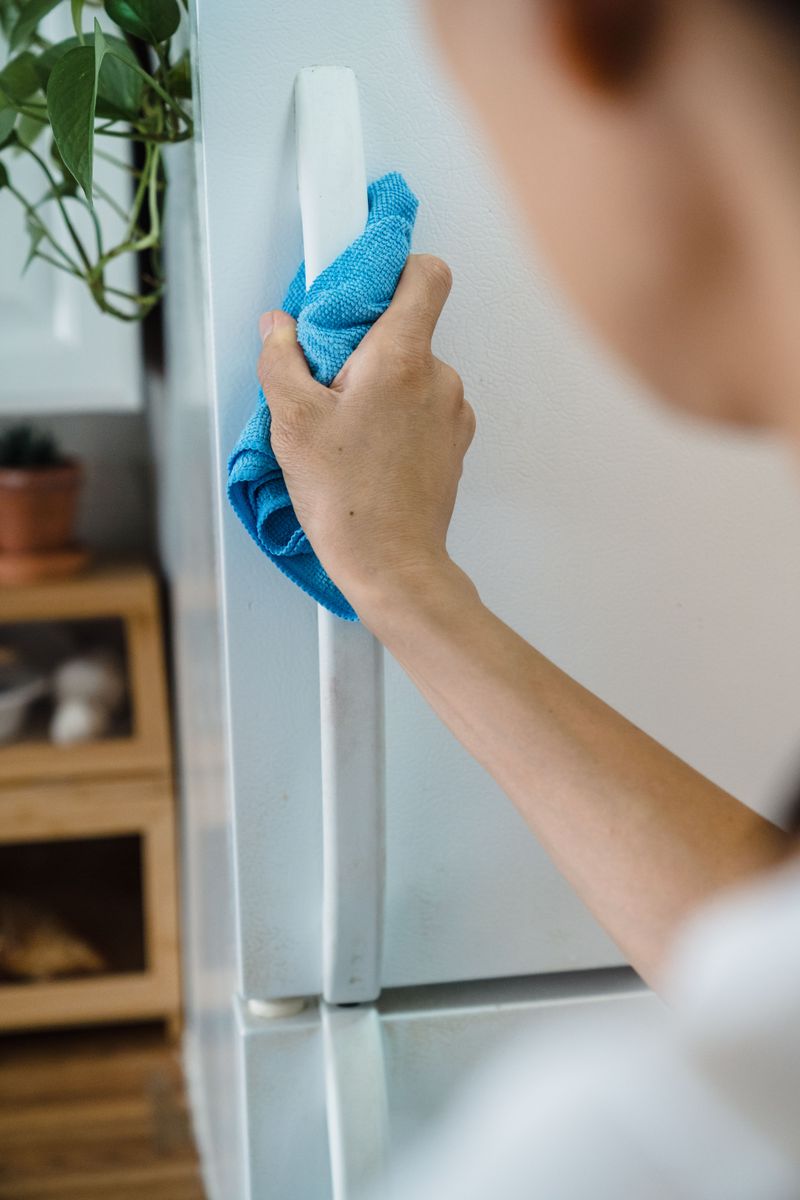
Dust on refrigerator coils, for instance, can make the fridge work harder than it needs to.
A few easy habits go a long way.
Clean the dryer lint screen after each load, and check the vent hose now and then for buildup.
Swap out furnace and air conditioner filters on the schedule your manufacturer recommends.
Clogged filters force the system to strain, which can raise energy use.
Washing machine hoses deserve a quick look too.
Cracks or bulges can lead to leaks, and water damage costs far more than a replacement hose.
Cars benefit from the same mindset.
Regular oil changes, tire rotations, and checking tire pressure help your vehicle run better for longer.
Your owner’s manual is a handy guide here, even if it has been gathering dust in a drawer.
Set reminders on your phone so maintenance happens on schedule instead of after something breaks.
8. Line-Dry Your Laundry
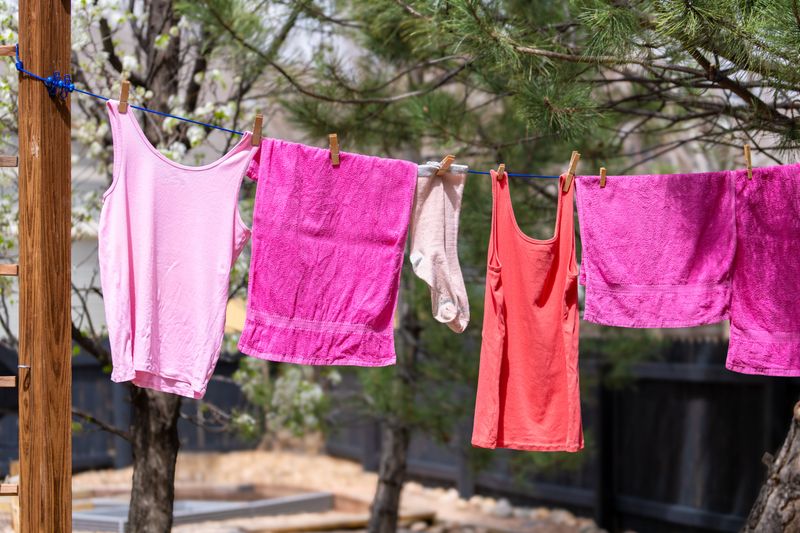
Clean sheets flapping on a backyard line used to be a weekly sight.
The sun and breeze did the drying, and the electric bill stayed lower.
Clothes dryers rank among the bigger energy users in many homes.
Skipping the dryer for even a few loads a week can trim costs.
No yard?
A folding drying rack works nicely in an apartment, especially near a sunny window or a fan.
Line drying can be easier on fabrics too.
High dryer heat can shrink some items, and that fuzzy lint in the trap comes from fibers leaving your clothes.
A few tips help things go smoothly.
Shake out shirts before hanging them to reduce wrinkles, and hang dark colors in the shade to limit fading.
Towels can feel stiff when air-dried.
Tossing them in the dryer for a few minutes afterward softens them without running a full cycle.
Check local rules if you rent or live in a neighborhood with an HOA, since some limit outdoor clotheslines.
Indoor racks offer a simple workaround, and your favorite jeans might thank you.
9. Save and Reuse Containers
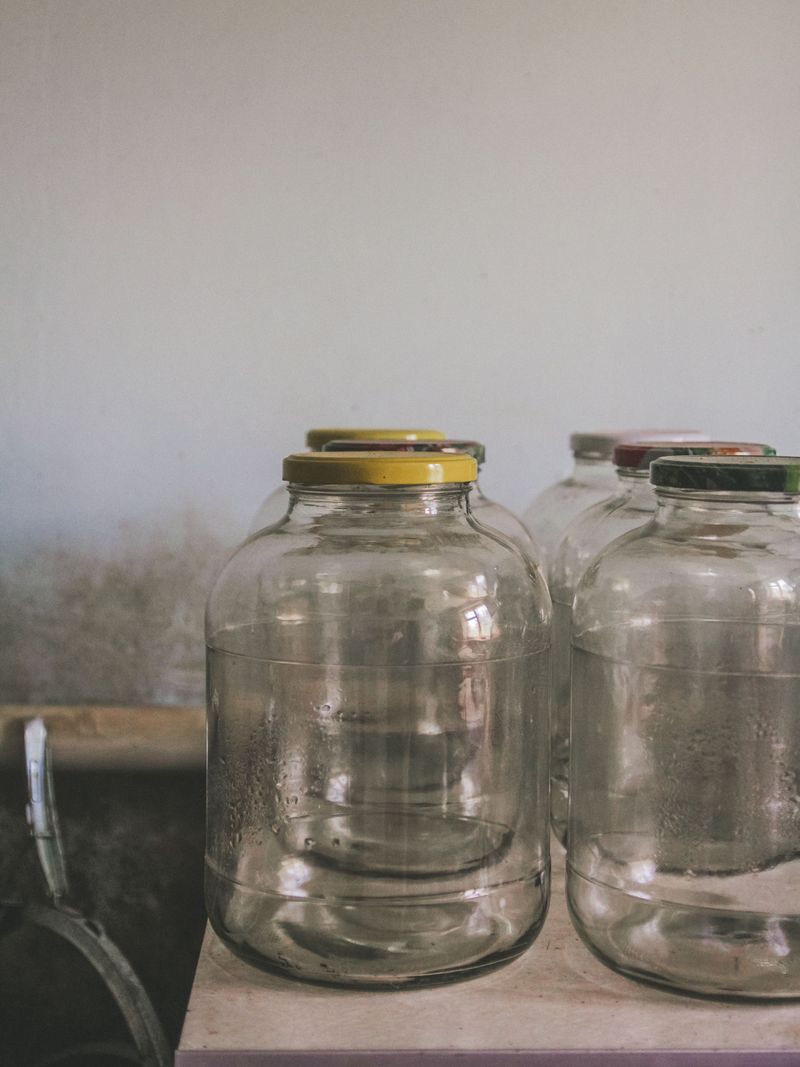
Open a grandparent’s cupboard, and you might find a margarine tub that hasn’t held margarine in decades.
Leftovers, buttons, and screws often lived inside instead.
That habit gets teased a lot, but it’s pretty smart.
Sturdy containers already in your home can replace many things you’d otherwise buy.
Glass jars from pasta sauce or pickles make good storage for rice, beans, and homemade dressing.
Run them through the dishwasher, peel off the labels, and they’re ready.
Old cotton t-shirts and towels turn into cleaning rags.
Using them instead of paper towels for spills and dusting cuts down on a recurring grocery expense.
Bread bags can hold sandwiches or line small trash cans.
Sturdy shipping boxes work for storage, gift wrapping, or organizing closet shelves.
Repurposing extends to furniture too.
A coat of paint and new knobs can give a tired dresser a fresh look for a fraction of what a new one costs.
There’s a limit, naturally, since nobody needs 80 yogurt cups.
Keep what you’ll realistically use, recycle the rest, and you’ll strike a nice balance between thrifty and tidy.
10. Trade Skills With Neighbors
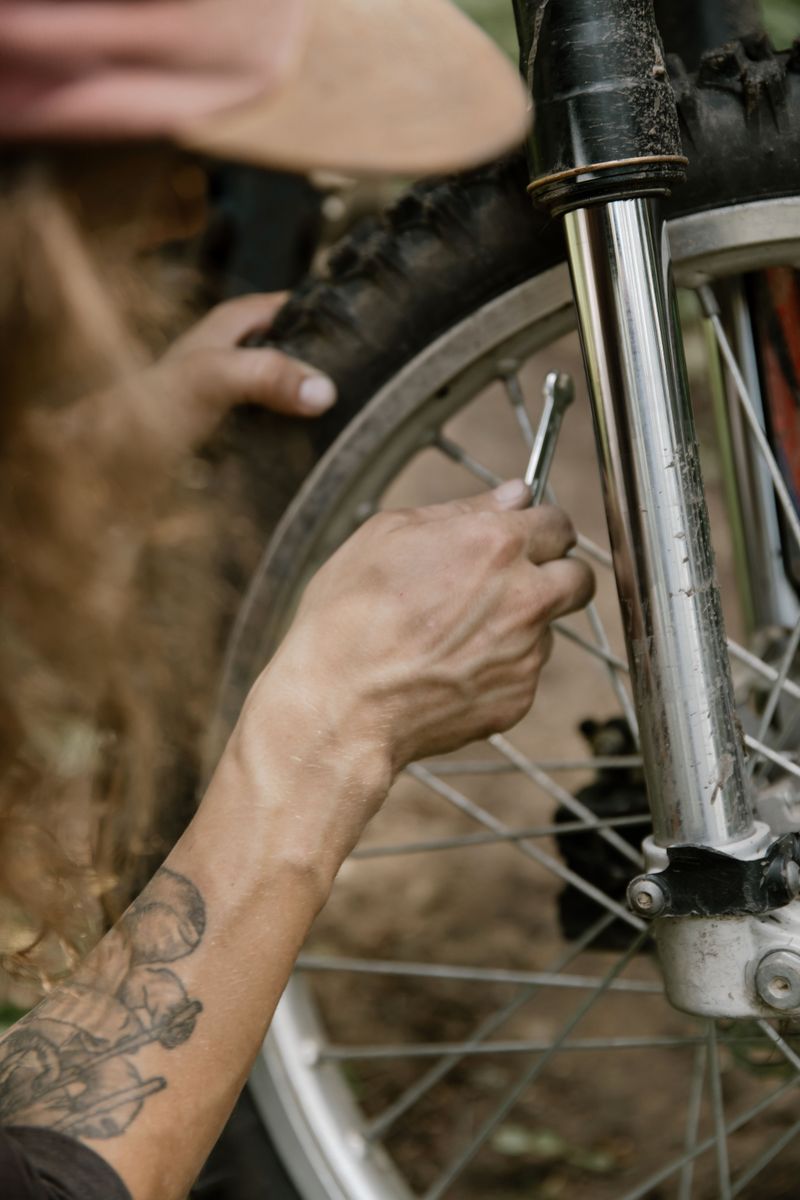
Long before payment apps, neighbors settled up with pies, eggs, and favors.
One person fixed a fence, and another returned the favor by watching the kids.
Bartering made sense when money was scarce.
It still works today, especially for skills that would be pricey to hire out.
Look at what you’re good at.
Maybe you can cut hair, tutor math, bake, walk dogs, or set up a new laptop.
Then think about what you need.
A neighbor who knows plumbing or gardening might happily trade a few hours for your help.
Community groups can make swaps easier.
Local Buy Nothing groups let people give and receive items for free, while some towns host tool libraries or repair cafes.
Clear expectations keep trades friendly.
Agree on what each person will do and roughly how long it will take, so nobody feels shortchanged.
Be aware that some formal barter exchanges have tax rules attached, according to the IRS.
Casual favors between friends are a different matter, and the bonus is getting to know the people living around you.
11. Shop With a List
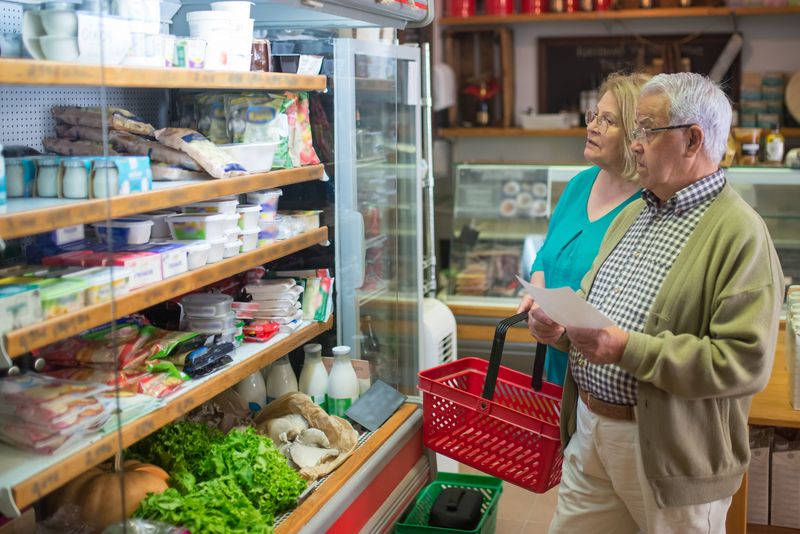
A pencil and the back of an envelope were all many older shoppers needed.
Their grocery lists kept trips short and focused.
Stores are designed to tempt you.
Candy at checkout, end-of-aisle displays, and samples all invite unplanned purchases.
A list acts like a shield.
When you know exactly what you came for, it’s easier to walk past the extras.
Before writing it, check your fridge, freezer, and pantry.
You might find half a bag of rice or a forgotten can of tomatoes that changes your plan.
Group your list by store section, such as produce, dairy, and frozen foods.
You’ll spend less time wandering, which means fewer chances to grab random snacks.
Try not to shop hungry, either.
An empty stomach can make everything in the bakery aisle look like a necessity.
Flexibility still has a place.
If a staple you use often is on a great sale, stocking up can make sense, as long as it won’t spoil before you finish it.
12. Buy Secondhand
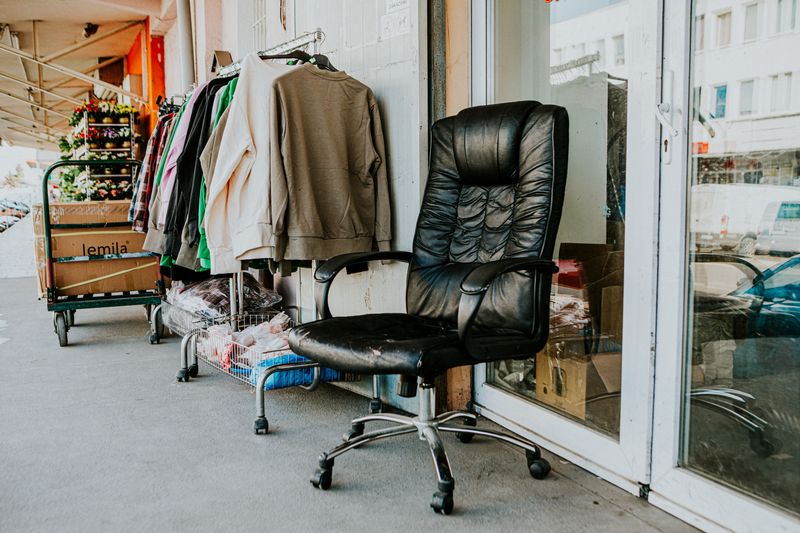
Saturday morning garage sales were once a serious sport.
Early birds showed up with cash in hand, hunting for furniture, tools, and dishes at bargain prices.
That treasure-hunting spirit still pays off.
Thrift stores, consignment shops, and online marketplaces offer used goods for much less than new ones cost.
Some categories are especially worth buying used.
Solid wood furniture, hand tools, kids’ clothes, books, and kitchenware often hold up well.
Kids outgrow clothing so quickly that many pieces barely show wear.
The same goes for toys and sports gear for a season or two.
Inspect items carefully before buying.
Open drawers, test zippers, and plug in electronics when you can.
Certain items call for extra caution.
Car seats, cribs, and helmets have safety standards and may have recalls, so many families prefer buying those new.
Online sales come with their own safety tips.
Meet in a public place, such as a police station lobby or busy parking lot, and bring a friend along when possible.
13. Grow a Little Food
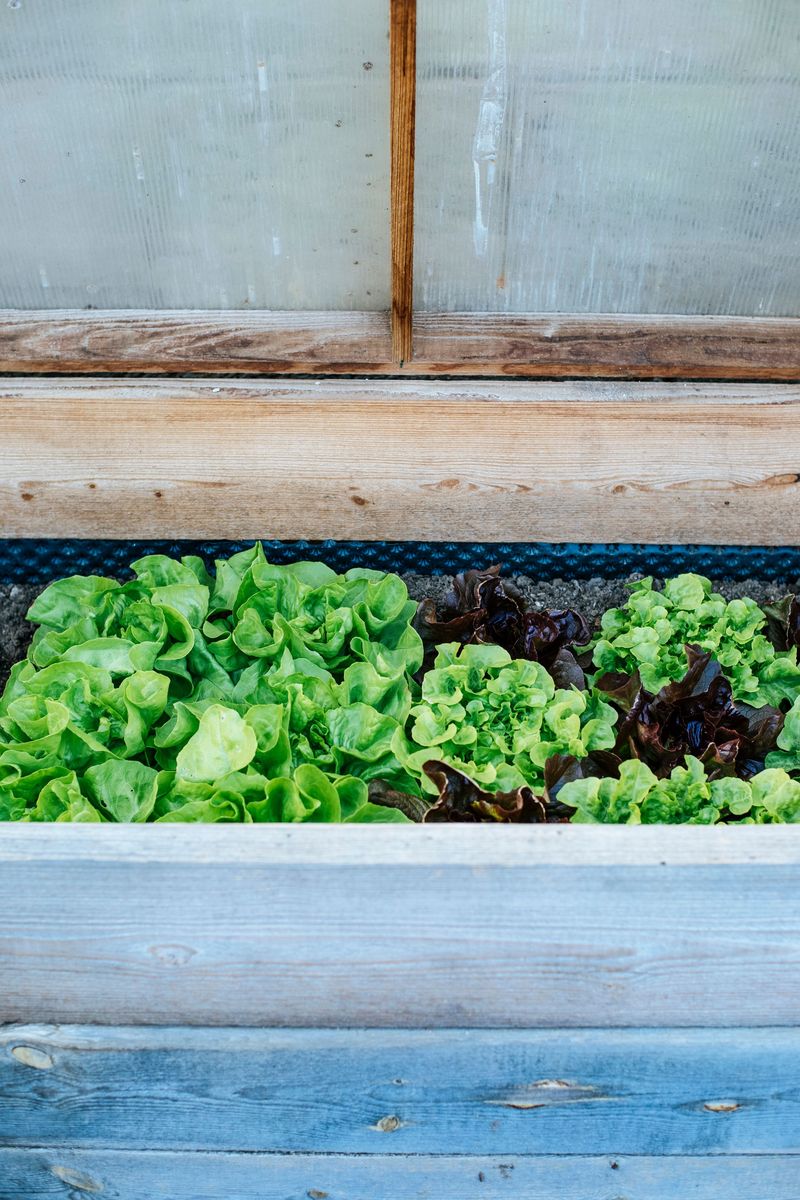
Victory gardens popped up in backyards, schoolyards, and vacant lots during World War II.
Families grew vegetables to stretch rations and support the war effort.
You don’t need a farm to try a modern version.
A sunny windowsill or balcony can grow herbs, lettuce, and cherry tomatoes in pots.
Herbs are a smart starting point.
Store-bought fresh herbs can be pricey, while a basil or parsley plant keeps producing if you trim it regularly.
Leafy greens grow fast and can be harvested a few leaves at a time.
Green onions will even regrow from their root ends in a glass of water.
Be realistic about startup costs.
Seeds are cheap, but soil, pots, and tools add up, so start small and expand once you see what grows well.
Your local cooperative extension office can share tips for your region’s climate and planting dates.
Community gardens are another option if you lack outdoor space.
Gardening won’t replace a grocery store for most people.
But plucking your own tomato for a sandwich feels like a small win, and small wins add up.
14. Use the Public Library
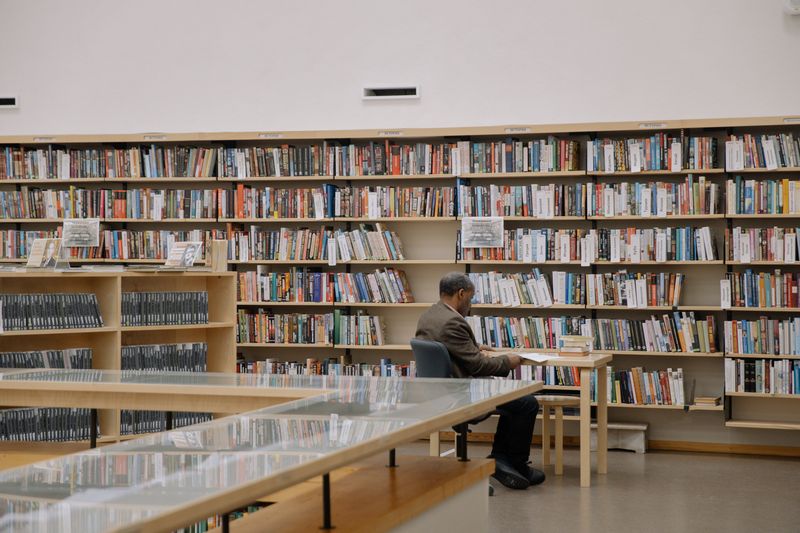
A library card might be the best deal in your wallet.
Older generations relied on libraries for books, newspapers, and records, and today’s branches offer far more.
Many libraries provide free eBooks and audiobooks through apps like Libby and Hoopla.
That can replace some paid reading or listening subscriptions.
Movies, music, and magazines are often available too.
Some branches lend surprising extras, such as Wi-Fi hotspots, telescopes, sewing machines, or cake pans.
Free computer access, printing help, and Wi-Fi make a big difference for people without reliable internet at home.
Printing usually costs a small fee, but it’s often cheaper than other options.
Programs are another perk.
Libraries commonly host story times, homework help, craft nights, and classes on topics like resume writing.
Some systems also offer museum or state park passes that cardholders can borrow.
Ask at the front desk, since offerings vary from place to place.
Grandparents who saw the library as a second living room were onto something.
It remains one of the few places where you can spend an afternoon without spending a cent.