 MomSkoop
Some movie characters are so stylish that their looks become just as famous as the films themselves. From sharp tuxedos to bold pink outfits, these characters have left a lasting mark on fashion and pop culture.
Their wardrobes tell stories, reveal personalities, and inspire real-life trends that fans still copy today. Get ready to explore the most iconic looks in movie history.
1. James Bond (007 Series)
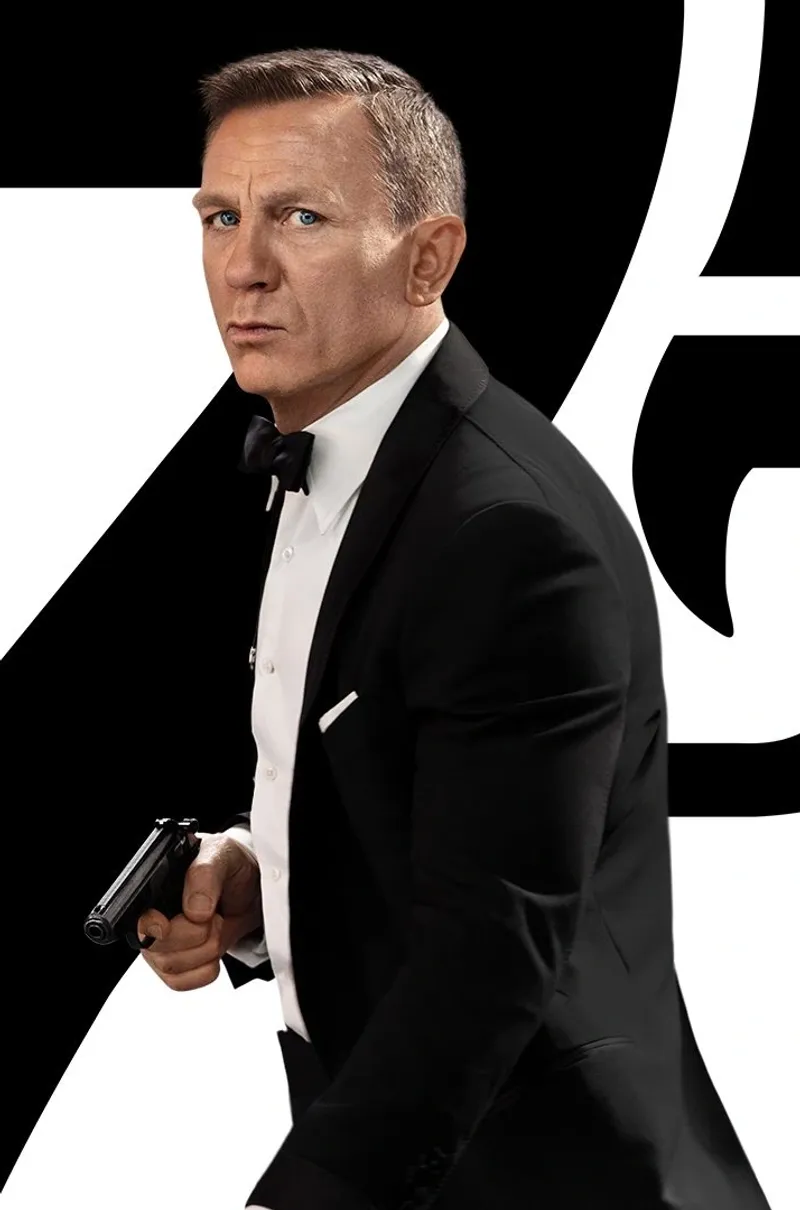
Few characters in cinema history have made the suit look as powerful as James Bond.
Whether he is ordering a martini or outsmarting a villain, Bond always looks impeccably dressed.
His wardrobe is a masterclass in luxury menswear, featuring tailored suits from Savile Row and sleek designs by Tom Ford.
The tuxedo is Bond’s ultimate weapon, signaling class and control without saying a word.
His look is minimalist but never boring, relying on perfect fit rather than flashy details.
Bond proves that dressing well is a form of confidence.
If you want to channel his energy, invest in one well-fitted suit you absolutely love.
2. Holly Golightly (Breakfast at Tiffany’s)
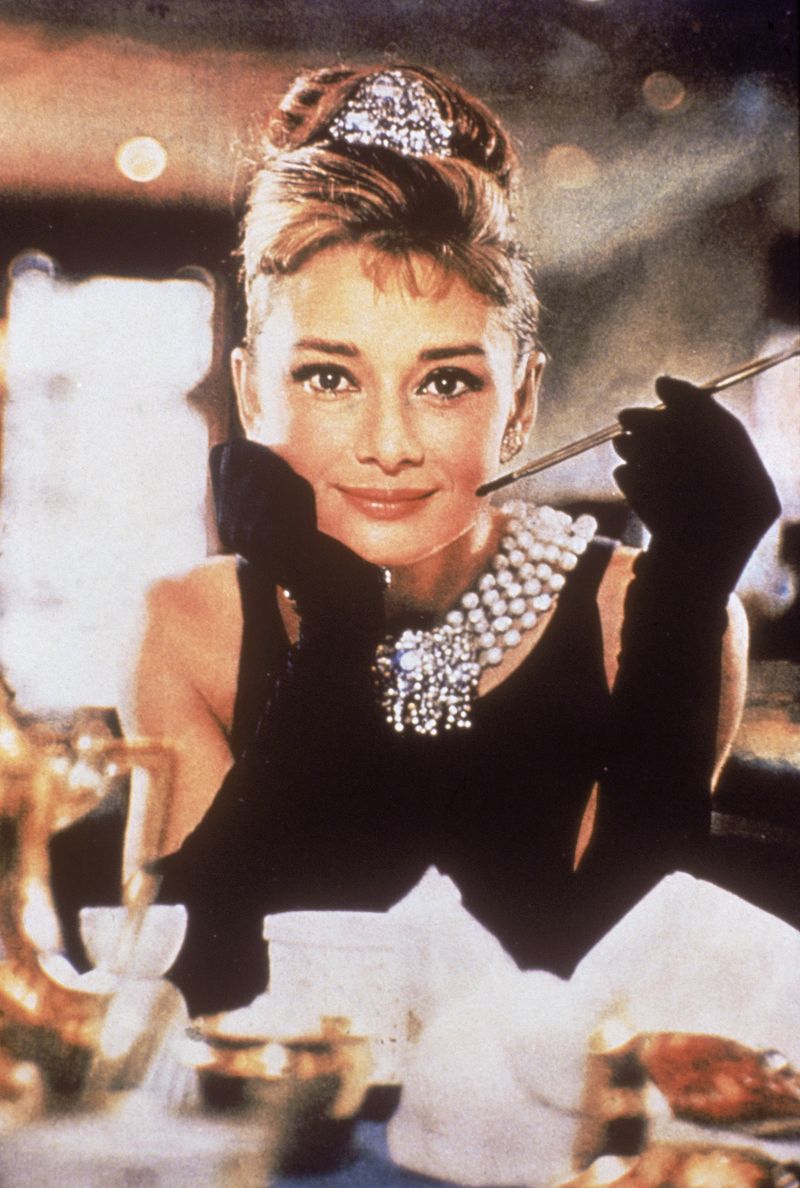
Holly Golightly made the little black dress a symbol of timeless elegance back in 1961, and fashion has never been the same since.
Audrey Hepburn’s portrayal of Holly brought a kind of effortless chicness to the screen that still inspires designers today.
The oversized sunglasses and long pearl necklace completed a look that felt both polished and dreamy.
What makes Holly’s style so enduring is its simplicity.
She did not need bold patterns or flashy colors to stand out.
Her outfit choices whispered confidence rather than shouting for attention.
Even now, the little black dress remains a wardrobe staple, and Holly Golightly deserves full credit for that cultural legacy.
3. Tyler Durden (Fight Club)
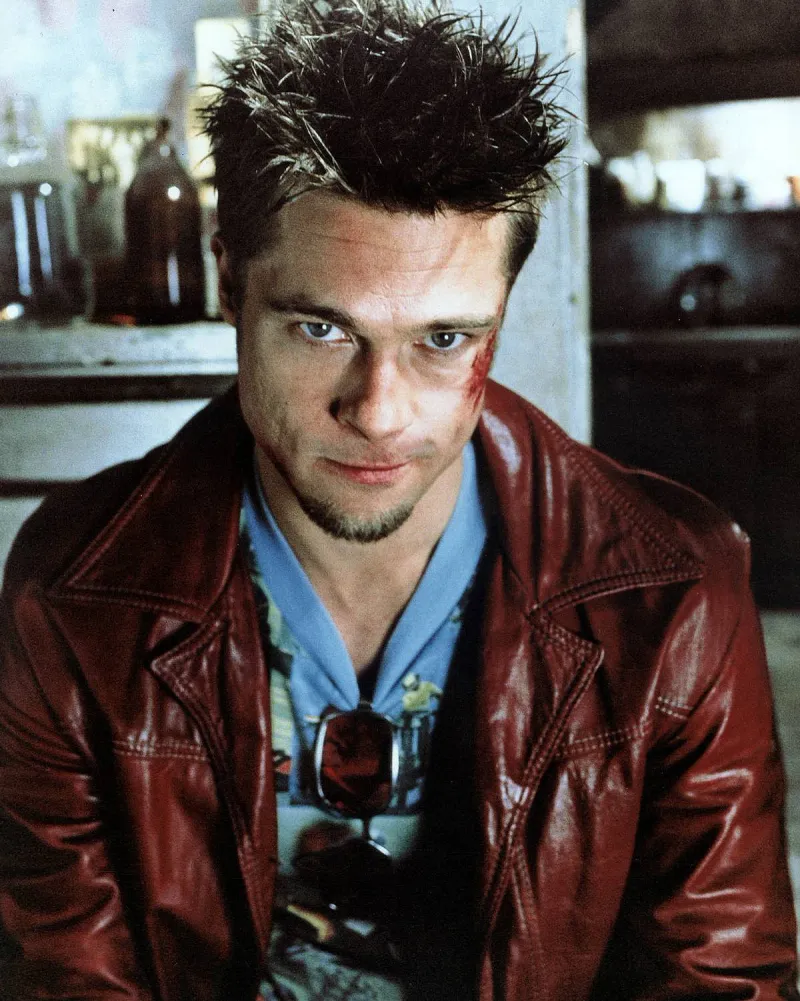
Tyler Durden dressed like someone who burned the rulebook and wore the ashes.
His red leather jacket and loud, clashing shirts were a deliberate rejection of mainstream fashion norms.
Brad Pitt brought this anti-establishment character to life with a wardrobe that screamed rebellion from every seam.
Interestingly, costume designer Michael Kaplan carefully crafted each outfit to look carelessly thrown together.
That contradiction is exactly what makes Tyler so fascinating.
His style influenced streetwear and thrift fashion in ways that still pop up on runways and social media feeds today.
Tyler Durden reminded the world that confidence, not cost, is what makes an outfit truly unforgettable.
4. The Joker – Heath Ledger (The Dark Knight)
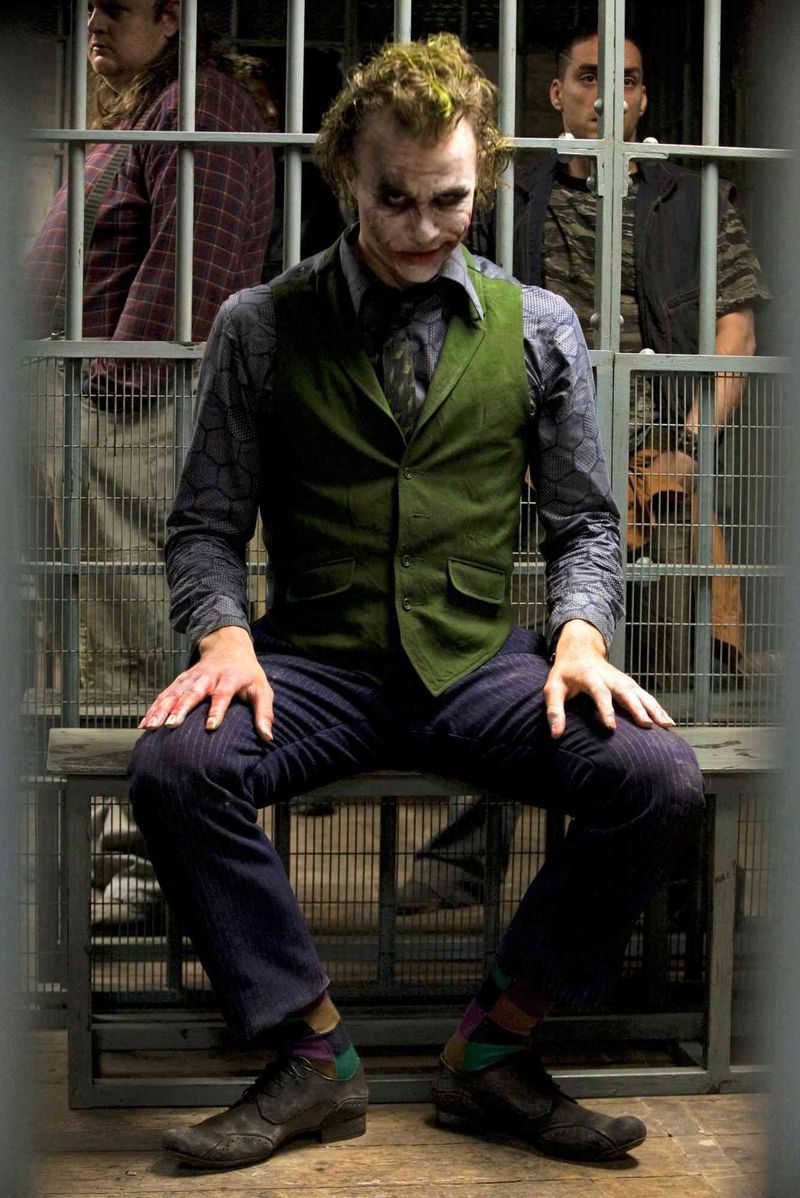
Heath Ledger’s Joker did not just wear a costume.
He wore a statement.
The purple coat, green vest, and chaotically smeared makeup created a look that felt theatrical yet deeply unsettling, perfectly matching the character’s unpredictable nature.
Costume designer Lindy Hemming built the Joker’s wardrobe to look like it had been slept in and fought in, giving every piece a lived-in, unhinged quality.
The color choices were bold but purposeful, purple for royalty twisted into madness, green for something poisonous lurking beneath the surface.
Ledger’s Joker proved that fashion can be a form of psychological warfare, and that a villain’s wardrobe can be just as terrifying as any weapon.
5. Neo (The Matrix)
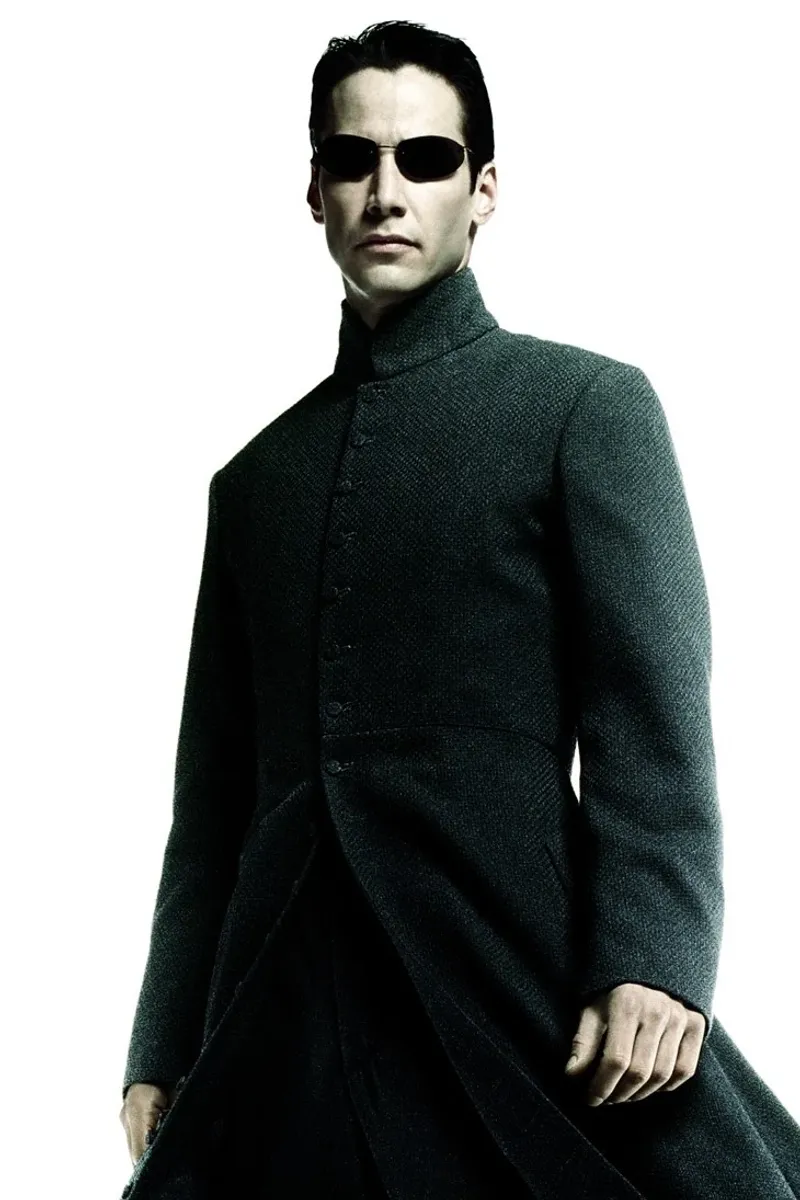
All black, all the time.
Neo’s wardrobe in The Matrix is a study in futuristic minimalism that somehow managed to make a floor-length trench coat look like the coolest thing on Earth.
Keanu Reeves wore the look with such quiet intensity that it became instantly iconic.
The all-black aesthetic was not just a fashion choice but a visual metaphor for Neo’s outsider status and growing power.
His sunglasses added a layer of mystery, shielding his eyes while hinting at a deeper perception of reality.
The Matrix costume inspired countless Halloween outfits and fashion editorials.
Neo showed that sometimes the most powerful style statement is stripping everything back to one bold, unified color.
6. Mia Wallace (Pulp Fiction)
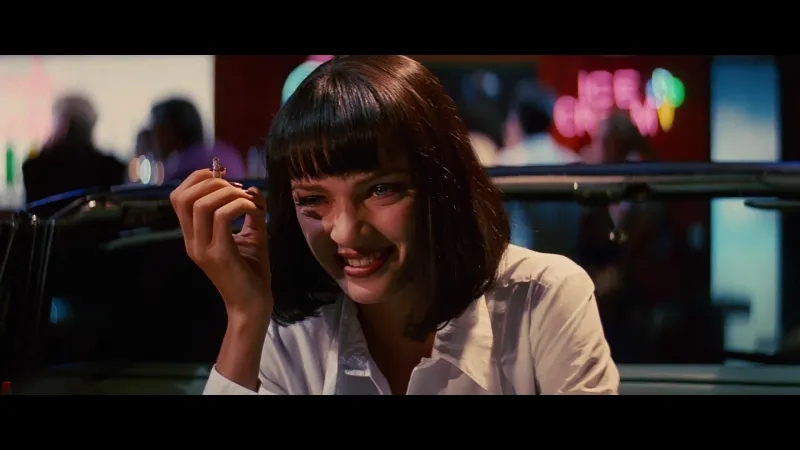
Mia Wallace did not try hard, and that was exactly the point.
Uma Thurman’s character in Pulp Fiction made a plain white shirt and black pants look like the most intentional outfit in the room.
Her blunt bob haircut became one of the most copied hairstyles of the 1990s.
There is something magnetic about effortless cool, and Mia had it in abundance.
Her look proved that less truly is more when every element is chosen with quiet precision.
Costume designer Betsy Heimann kept things deliberately simple to let the character’s personality do the heavy lifting.
Mia Wallace remains a masterclass in understated style that feels just as sharp and relevant today as it did in 1994.
7. Indiana Jones (Raiders of the Lost Ark)
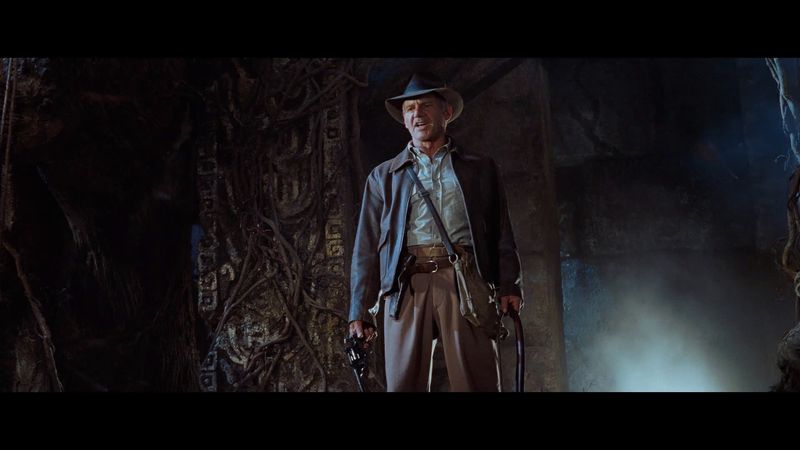
Before Indiana Jones, a beat-up fedora and a scuffed leather jacket were just old clothes.
After Harrison Ford put them on in 1981, they became the ultimate adventurer’s uniform.
Every scratch and worn patch on Indy’s outfit told a story of danger, discovery, and survival.
Costume designer Deborah Nadoolman Landis based the look on classic 1930s Hollywood serials, grounding it in a specific era while making it feel universal.
The whip was the finishing touch, turning a practical tool into an unforgettable accessory.
Indiana Jones taught audiences that style does not require perfection.
Sometimes the most compelling look is one that has clearly been through a few harrowing adventures.
8. Cher Horowitz (Clueless)
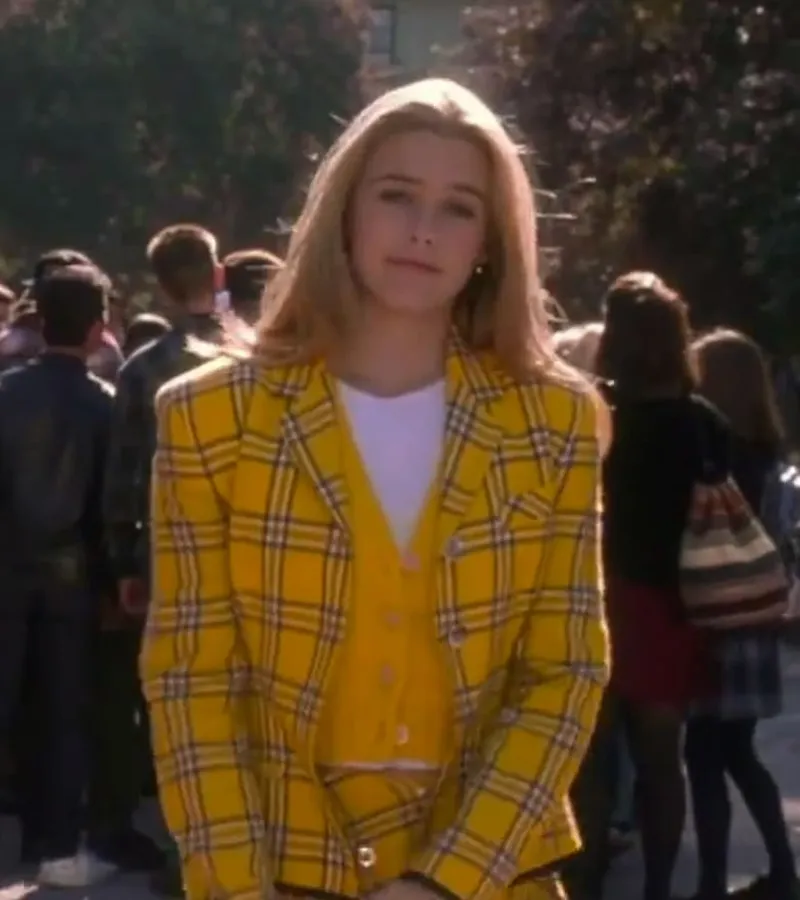
Cher Horowitz had a computerized wardrobe system before most people had the internet, and honestly, that tracks.
Her coordinated plaid sets, knee-high socks, and color-matched accessories made her the ultimate fashion icon of 1990s teen cinema.
Costume designer Mona May created over 60 outfits for the film, each one more vibrant than the last.
What made Cher’s style so fun was its fearless commitment to color and coordination.
She mixed preppy classics with bold statement pieces in ways that felt playful rather than overdone.
Clueless inspired a major fashion revival in the 2010s and 2020s, with plaid sets and knee socks returning to runways everywhere.
Cher proved that dressing up is a joyful form of self-expression.
9. Darth Vader (Star Wars)
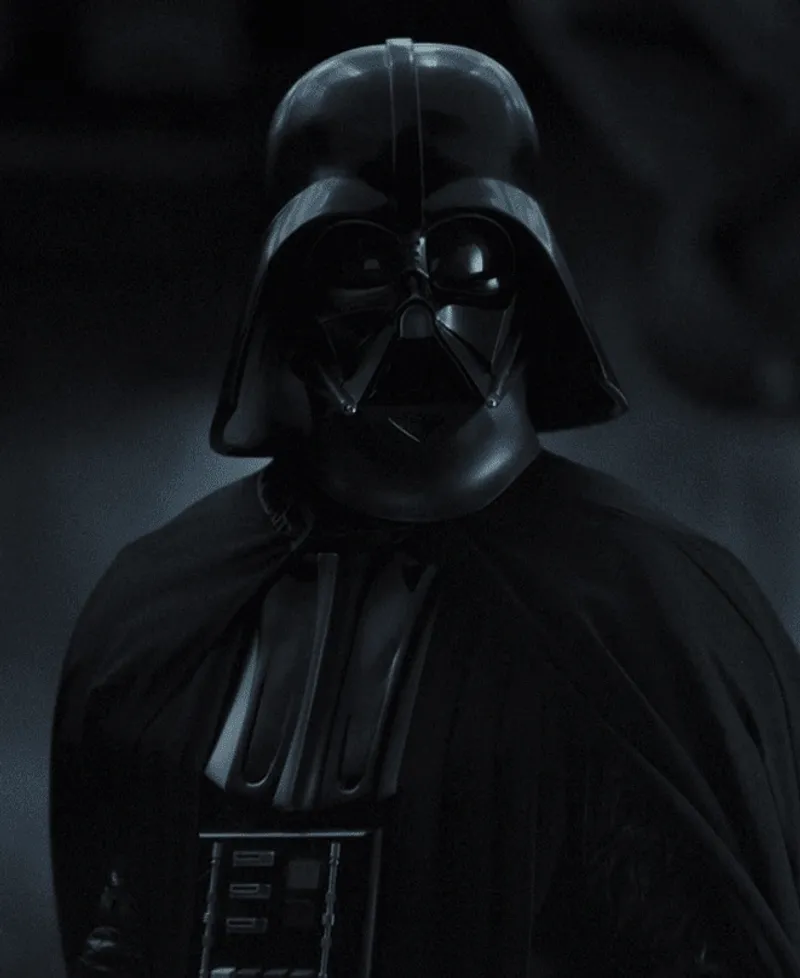
No character in film history has made black armor look more terrifying than Darth Vader.
From the moment he first appeared on screen in 1977, that helmet and cape combination became one of the most recognizable silhouettes in all of popular culture.
There was no need for color or decoration.
The darkness itself was the statement.
Costume designer John Mollo drew on medieval knights and samurai warriors to create Vader’s iconic look, blending history with science fiction into something entirely new.
The mechanical breathing sound paired with the visual made the costume a complete sensory experience.
Darth Vader proved that a villain’s power can be communicated entirely through wardrobe, long before a single word is spoken.
10. Tony Montana (Scarface)
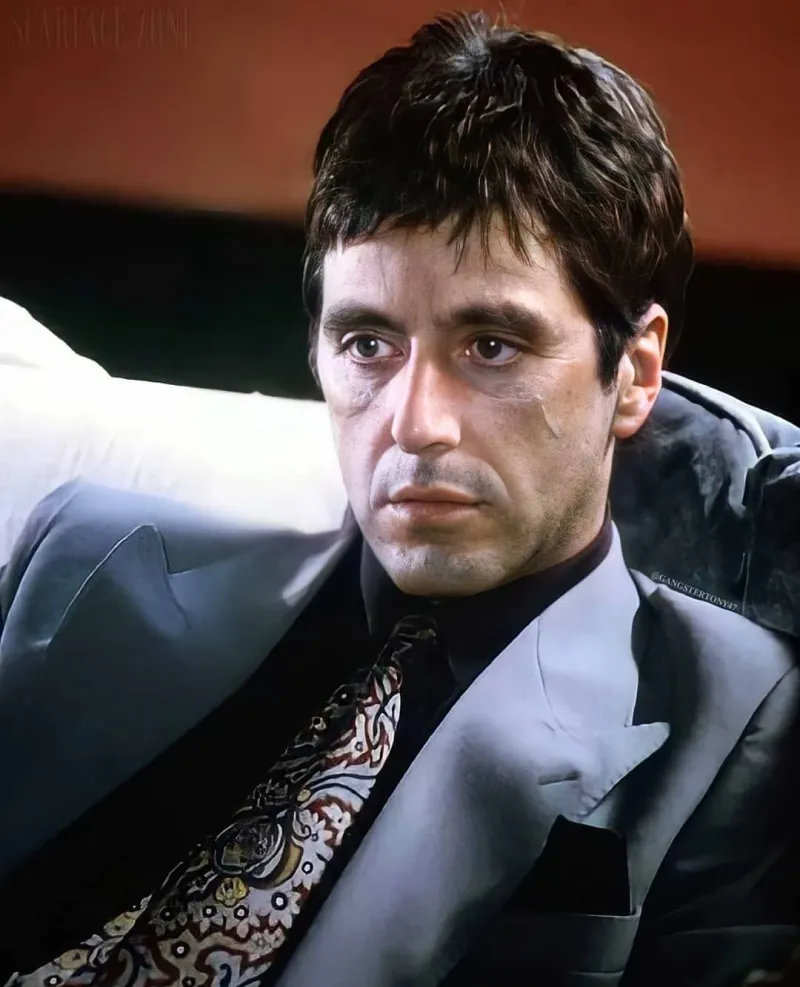
Tony Montana dressed like a man who wanted the whole world to know he had arrived.
His white suits, open collars, and heavy gold chains were a deliberate declaration of wealth and dominance in every room he entered.
Al Pacino brought a swagger to the look that made it impossible to ignore.
Set in 1980s Miami, Tony’s wardrobe captured the era’s love of excess and flash perfectly.
Costume designer Patricia Norris used bright, bold choices to show how Montana’s rise in power changed his relationship with money and image.
The look has been referenced endlessly in hip-hop culture and fashion ever since.
Tony Montana made power dressing feel both aspirational and cautionary at the same time.
11. Elle Woods (Legally Blonde)
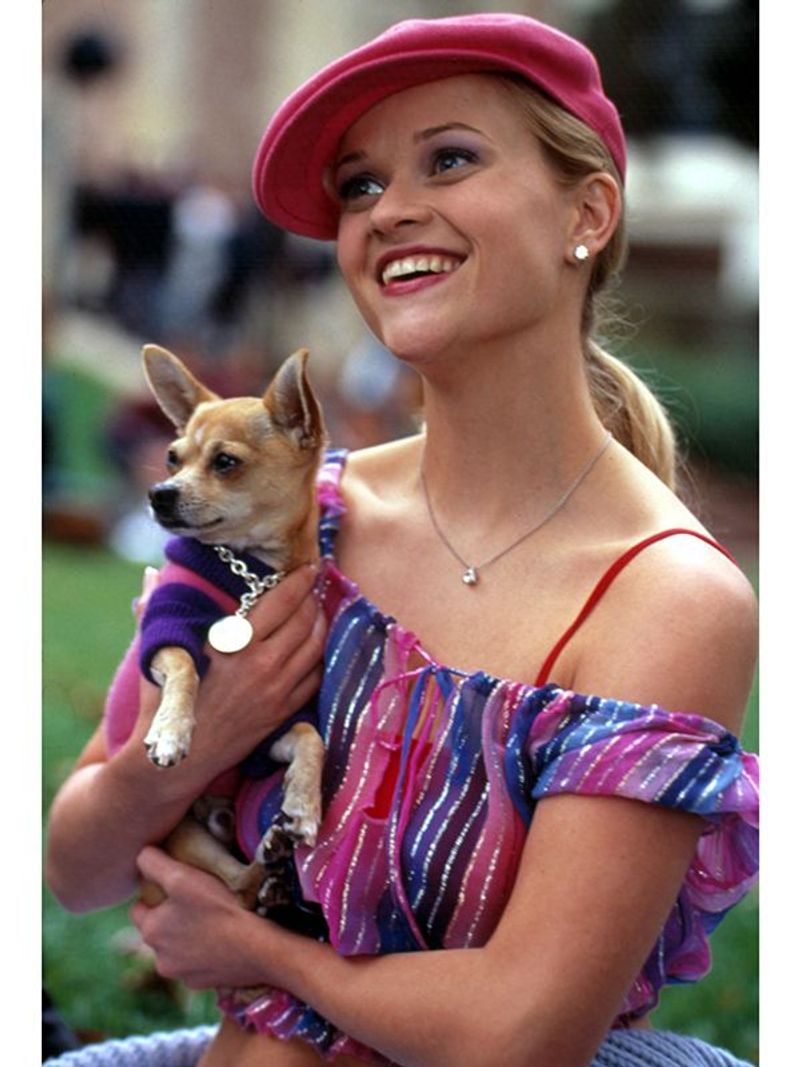
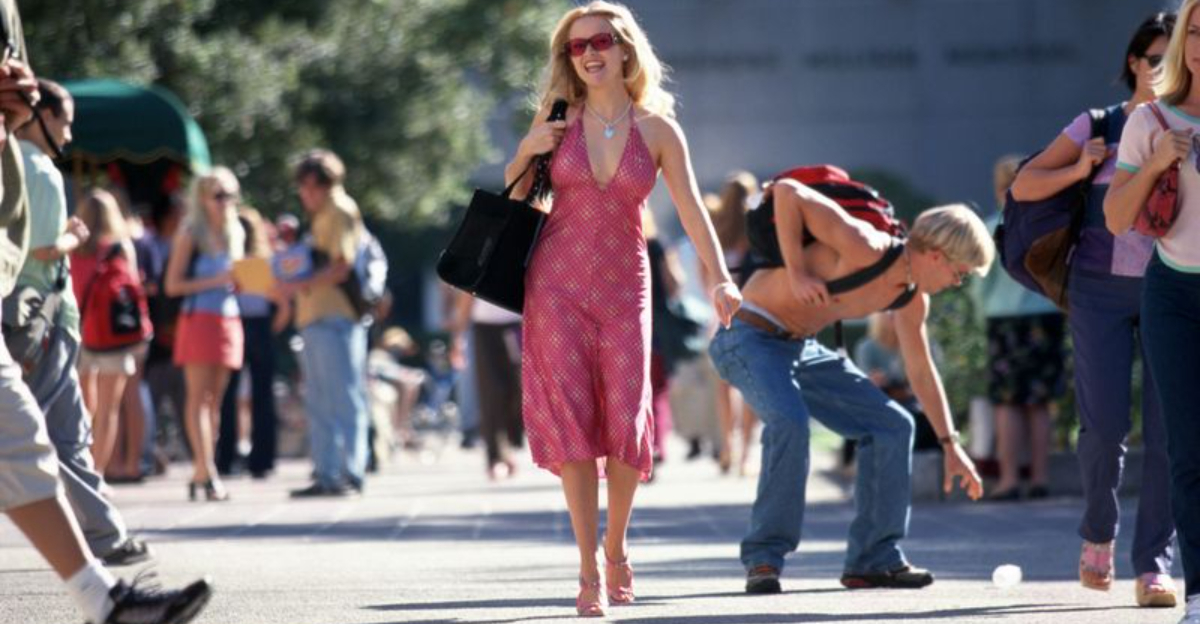
Elle Woods walked into Harvard Law School in head-to-toe pink and refused to apologize for a single sequin.
Reese Witherspoon’s portrayal of Elle turned an all-pink wardrobe into a symbol of confidence, resilience, and unapologetic femininity.
Her outfits were not just cute but a form of armor.
Costume designer Sophie de Rakoff used pink as a visual shorthand for Elle’s personality, bright, bold, and completely underestimated by everyone around her.
As Elle grew more confident throughout the film, her fashion choices evolved while staying true to her signature color.
Elle Woods taught audiences that embracing what you love, even if others mock it, is one of the most powerful things a person can do.
12. John Wick (John Wick)
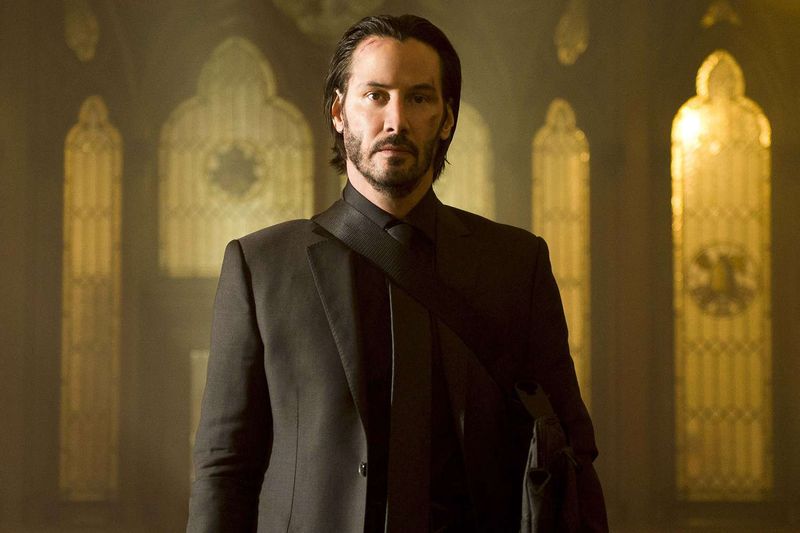
John Wick somehow manages to look immaculate while taking on an entire army.
His slim black suit became one of the most talked-about action hero wardrobes of the 2010s, blending tactical functionality with a razor-sharp elegance that felt completely fresh for the genre.
Costume designer Luca Mosca designed the suit to move with Keanu Reeves during fight scenes, making it both a fashion piece and a practical tool.
The result was a character who looked like he belonged in a boardroom and a battlefield simultaneously.
John Wick proved that action heroes do not need to sacrifice style for function.
Sometimes the most dangerous person in the room is also the best dressed.
13. Jack Sparrow (Pirates of the Caribbean)
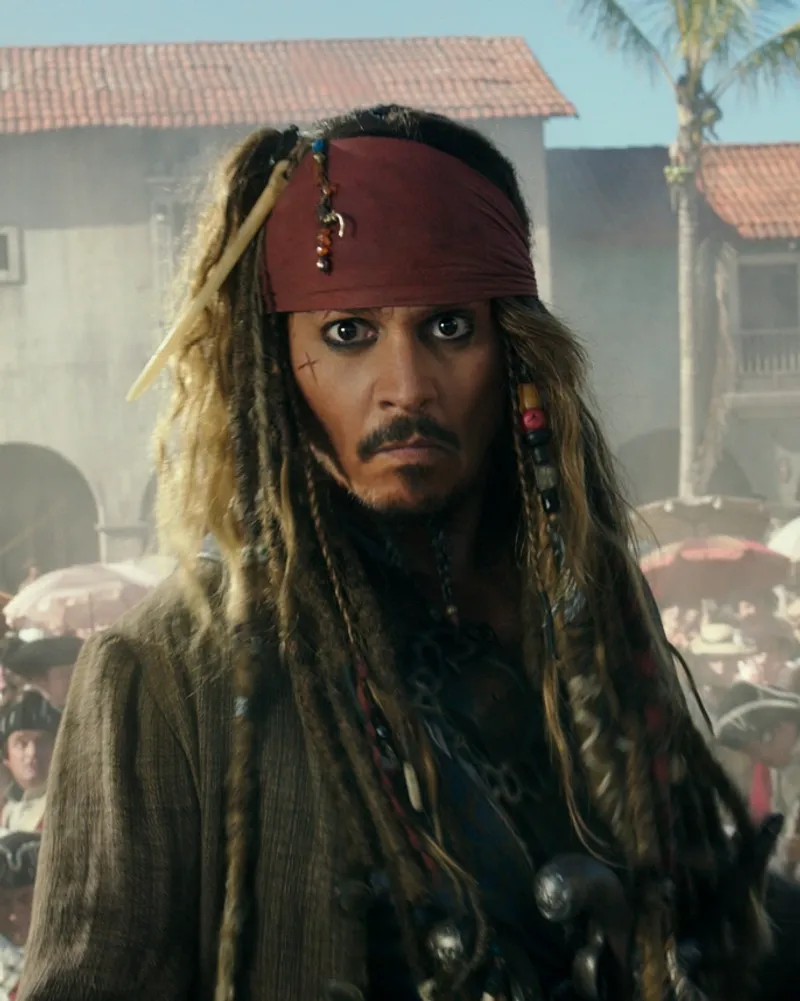
Jack Sparrow looked like he had raided every market stall in the Caribbean and worn everything at once, and somehow it worked perfectly.
Johnny Depp’s character brought a wonderfully chaotic approach to pirate fashion, layering beads, bandanas, dreadlocks, and trinkets into a look that was entirely his own.
Costume designer Penny Rose worked closely with Depp to build a wardrobe that felt genuinely lived-in and personal, as if Jack had collected each accessory from a different adventure.
The kohl-rimmed eyes and the slightly unsteady swagger completed the picture of a man who operated entirely by his own rules.
Jack Sparrow remains one of cinema’s most creatively dressed characters, proving that eccentric layering can absolutely be a legitimate style philosophy.
14. Andy Sachs (The Devil Wears Prada)
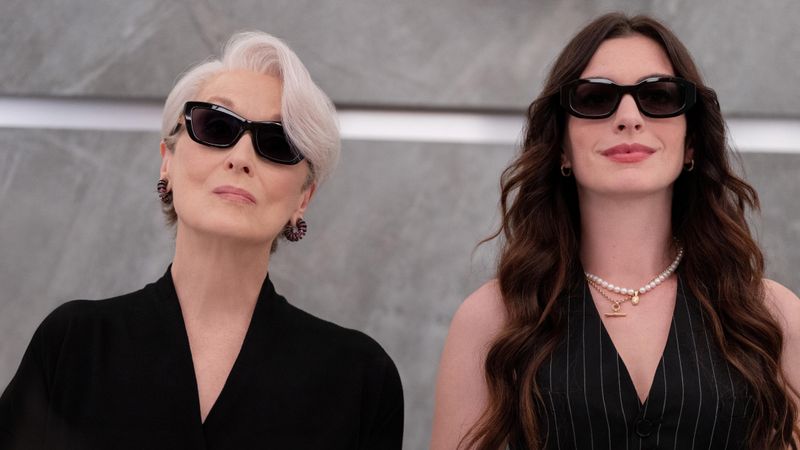
Andy Sachs started the film in chunky sweaters and sensible shoes, and ended it wearing looks straight off a Paris runway.
Her transformation in The Devil Wears Prada is one of the most visually satisfying fashion journeys in movie history, showing how clothes can reshape not just appearance but identity.
Costume designer Patricia Field, who also worked on Sex and the City, dressed Anne Hathaway’s character in increasingly bold and editorial pieces as Andy gained confidence in the fashion world.
The contrast between her early frumpy looks and her later polished outfits told the story better than any dialogue could.
Andy Sachs proved that style is a language, and learning to speak it fluently can change everything.