 MomSkoop
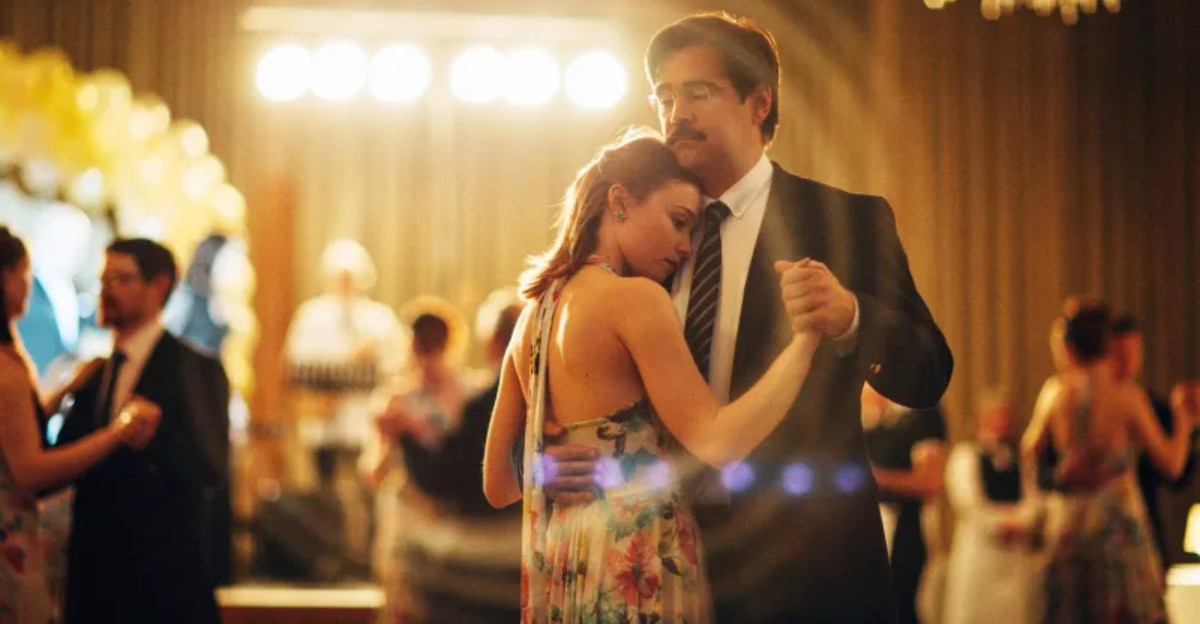
Some movies play by the rules, and others throw the rulebook out entirely. The films on this list took bold creative risks, telling stories in ways that felt fresh, strange, and unforgettable.
From backwards timelines to animated dreamscapes, each one pushed the boundaries of what a movie could be. If you love cinema that surprises you, these are worth every minute.
1. Memento (2000)
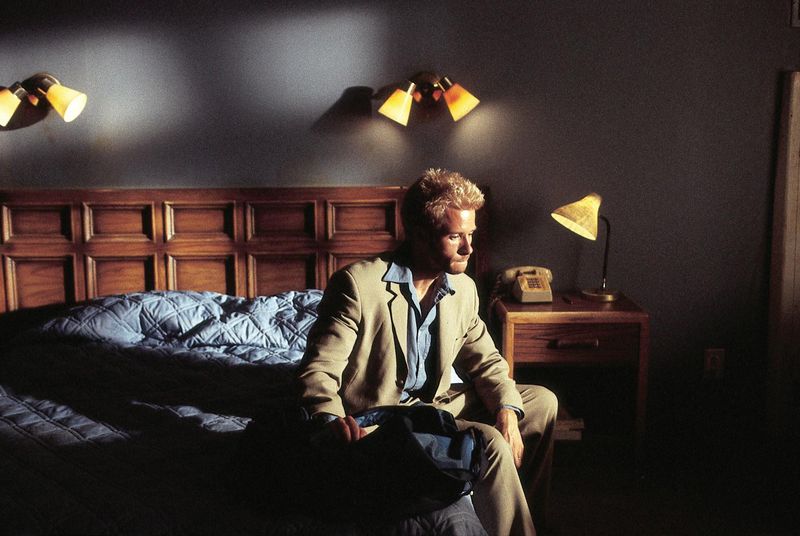
Imagine waking up every few minutes with no memory of what just happened.
That is exactly the situation Leonard Shelby faces in Christopher Nolan’s mind-bending thriller.
The story is told almost entirely in reverse, so the audience feels just as lost and disoriented as the main character.
Each scene ends where the next one begins, creating a puzzle the viewer has to piece together.
This backwards structure was not just a gimmick.
It made the emotional stakes feel deeply personal and real.
Watching it a second time reveals details you completely missed the first time around.
Memento proved that how a story is told can be just as powerful as the story itself.
2. Eternal Sunshine of the Spotless Mind (2004)
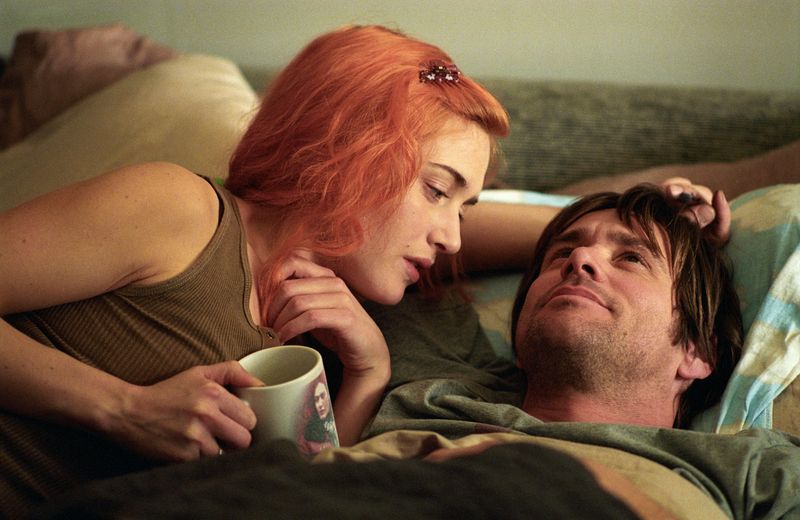
What if you could erase a painful memory forever?
Joel and Clementine decide to do exactly that after their relationship falls apart, and the result is one of the most visually inventive love stories ever put on screen.
Director Michel Gondry used practical effects and in-camera tricks rather than heavy digital editing.
The film jumps through fractured memories that dissolve and collapse around the characters, making the viewer feel the emotional weight of forgetting.
Charlie Kaufman’s script blends science fiction with raw human emotion in a way that feels completely natural.
By the end, the movie quietly asks whether erasing pain is the same as erasing growth, leaving audiences thinking long after the credits roll.
3. Mulholland Drive (2001)
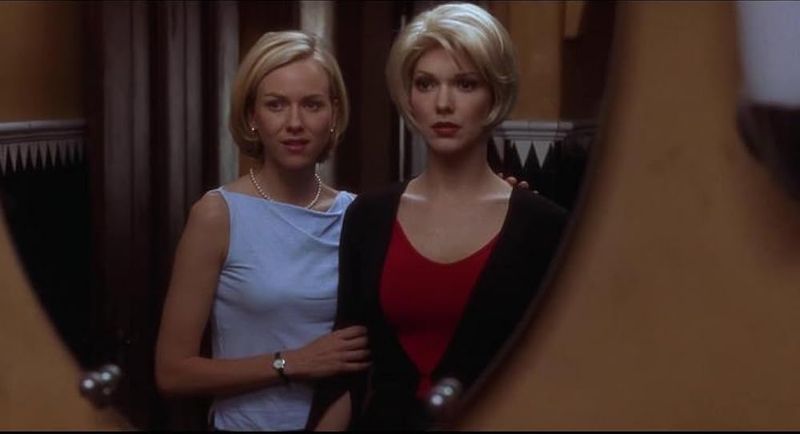
Few films have left audiences more confused and captivated at the same time.
David Lynch created a movie that operates like a dream, shifting identities, timelines, and realities without warning or explanation.
A young actress arrives in Los Angeles with big hopes, and nothing that follows is quite what it seems.
Lynch deliberately withholds information, trusting the audience to feel their way through the story rather than understand it logically.
The film rewards viewers who pay attention to small visual clues and recurring symbols scattered throughout each scene.
Mulholland Drive became one of the most discussed and analyzed films of the 21st century, earning its reputation as a masterpiece of surrealist cinema that refuses to be easily explained away.
4. Being John Malkovich (1999)
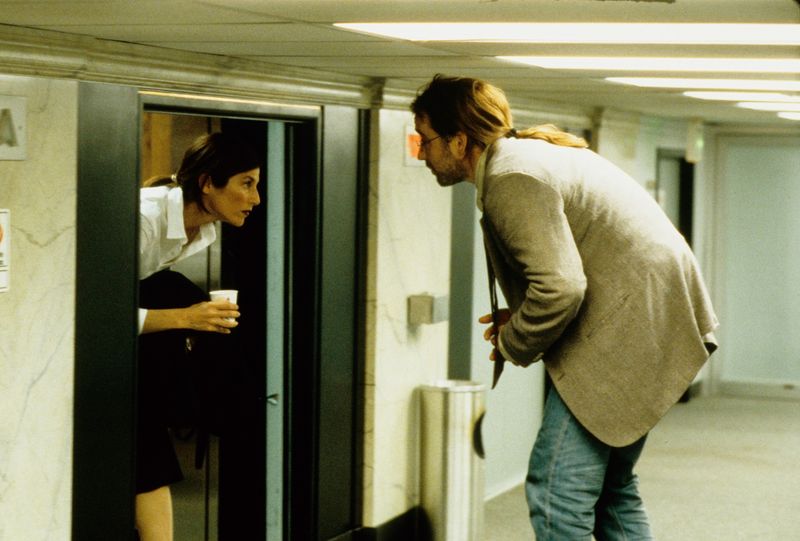
A puppeteer discovers a tiny door behind a filing cabinet that leads directly into the mind of actor John Malkovich.
That premise alone tells you this film operates on a completely different level.
Charlie Kaufman’s screenplay treats the most bizarre ideas with total sincerity, making them feel surprisingly believable.
Director Spike Jonze matched Kaufman’s offbeat energy by building a world that looks normal on the surface but hides something wonderfully strange underneath.
The film raises real questions about identity, desire, and what it means to live inside someone else’s experience.
John Malkovich playing a fictionalized version of himself adds another layer of playful weirdness that makes the whole thing feel like nothing else that came before it.
5. The Grand Budapest Hotel (2014)
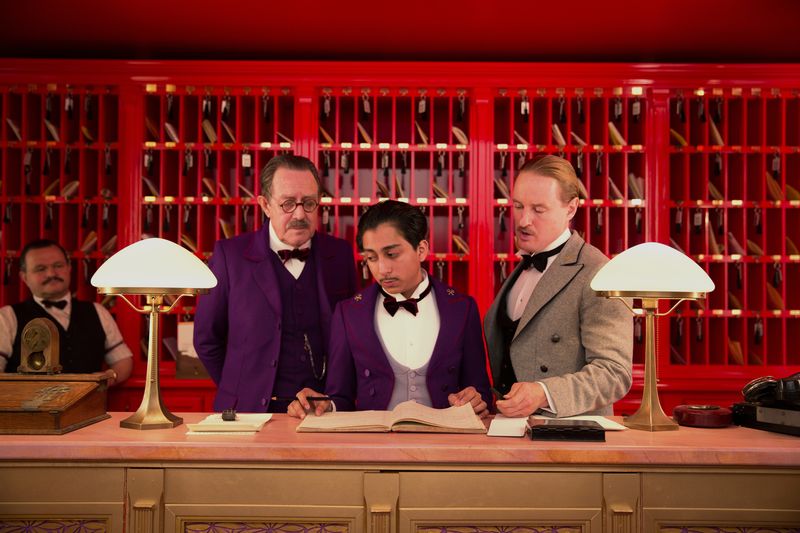
Wes Anderson built a miniature world so precisely designed that every single frame looks like a painting you could hang on a wall.
The Grand Budapest Hotel follows the legendary concierge Gustave H. and his loyal lobby boy Zero across a fictional European country during a time of rising political tension.
Anderson used different aspect ratios for different time periods, a clever visual trick that most viewers do not even notice consciously.
The color palette shifts, the costumes change, and the storytelling layers pile up like the hotel’s famous Courtesan au Chocolat pastries.
Beneath all the stylish symmetry and deadpan humor lies a genuinely moving story about friendship, loyalty, and a world disappearing faster than anyone wants to admit.
6. Dogville (2003)
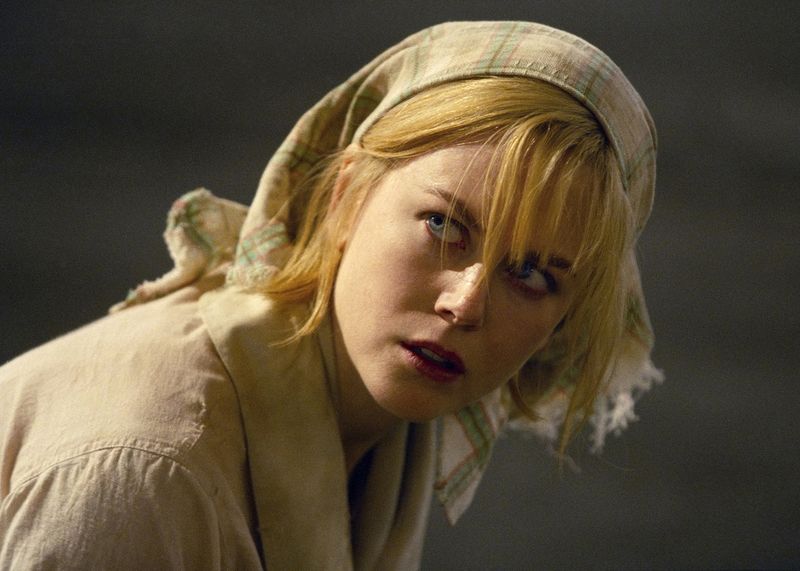
Lars von Trier stripped cinema down to almost nothing for this bold experiment.
Dogville takes place entirely on a bare soundstage where chalk lines on the floor represent the walls of buildings, streets, and interiors.
There are no actual sets, no real doors, and no physical props beyond the basics.
Surprisingly, this radical choice makes the story feel more intense rather than less.
The audience fills in the missing details with their imagination, becoming active participants in the storytelling.
Nicole Kidman’s performance as the mysterious Grace anchors the film emotionally amid all the theatrical strangeness.
Dogville forces viewers to think about how much of cinema is built on illusion, and how powerful storytelling can be when you remove almost everything.
7. Enter the Void (2009)
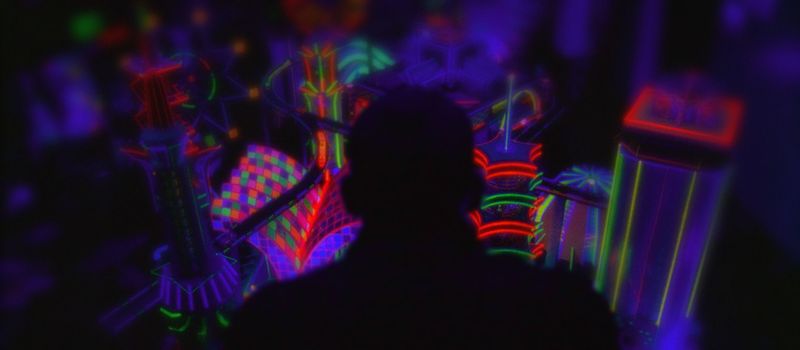
Gaspar Noe put the camera behind the eyes of a drug dealer in Tokyo who dies in the opening minutes of the film.
From that point forward, the entire movie is experienced through the floating perspective of his spirit drifting through the city.
It is one of the most visually aggressive films ever made.
Noe used strobe effects, extreme close-ups, and near-constant movement to put viewers directly inside a disorienting, hallucinatory experience.
The film draws on the Tibetan Book of the Dead, exploring what consciousness might feel like after death.
Enter the Void is not easy viewing, but it is genuinely unlike anything else.
It challenges the very idea of what a camera angle can communicate about the human experience.
8. The Lobster (2015)
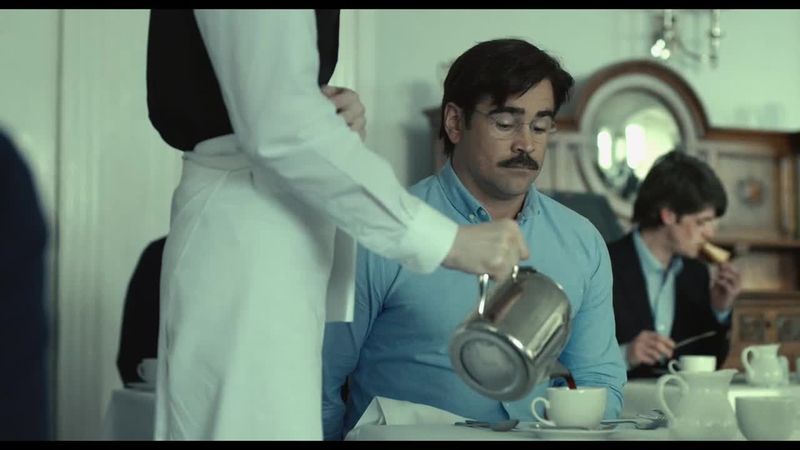
In a world where single people must find a romantic partner within 45 days or be turned into an animal of their choosing, a soft-spoken man checks into a hotel and picks the lobster as his backup.
Director Yorgos Lanthimos delivers this absurd premise with complete seriousness, and that is exactly what makes it work.
The dialogue is flat and emotionless by design, spoken by characters who have been trained to suppress natural feeling.
This creates a deeply uncomfortable but fascinating contrast between the strange rules of the world and the very human emotions bubbling underneath.
The Lobster uses dark comedy and science fiction to say something genuine about loneliness, social pressure, and the odd ways people search for connection in modern life.
9. Synecdoche, New York (2008)
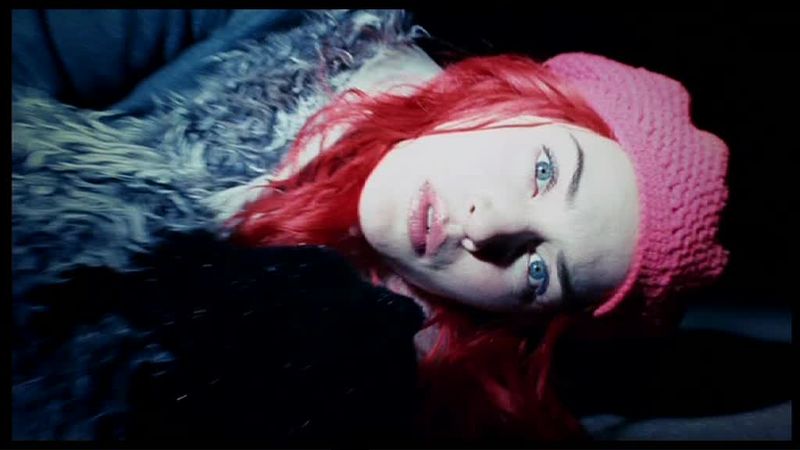
Charlie Kaufman’s directorial debut is one of the most ambitious films ever attempted.
A theater director receives a grant and spends decades building a life-sized replica of New York City inside a warehouse, staging a play about his own existence.
Time moves in strange, unpredictable jumps throughout the story.
Characters age rapidly, storylines collapse into each other, and the line between the real world and the theatrical world dissolves completely.
The film asks uncomfortable questions about mortality, creative obsession, and whether anyone can ever truly understand their own life while still living it.
Synecdoche, New York rewards patience and multiple viewings.
Each time you watch it, you notice new layers that feel both intellectually staggering and emotionally crushing in equal measure.
10. Run Lola Run (1998)
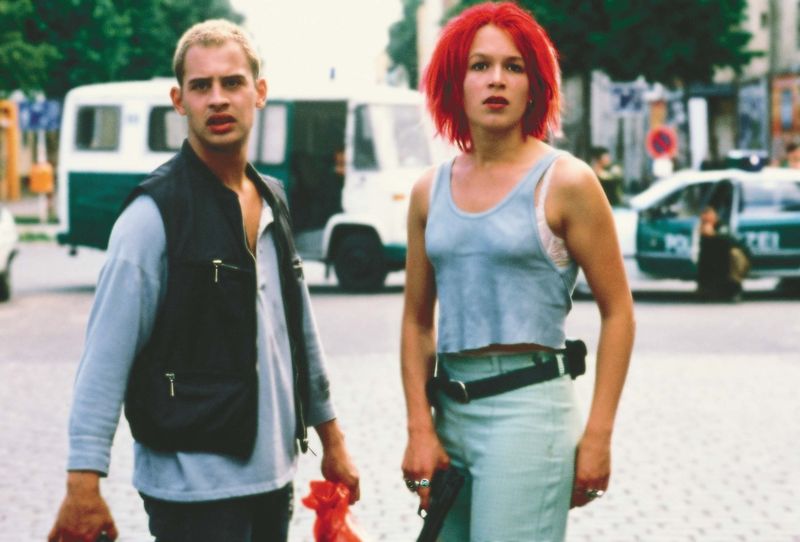
Twenty minutes.
That is all Lola has to gather a large sum of money and save her boyfriend’s life.
German director Tom Tykwer then runs that same twenty-minute window three separate times, each with slightly different choices leading to wildly different outcomes.
The film moves at a relentless, almost breathless pace.
Tykwer mixed animation, split screens, and rapid editing with a pounding techno soundtrack that turns the whole film into something closer to a music video or video game than a traditional thriller.
Franka Potente’s red hair and fierce sprint became iconic images of late 1990s cinema.
Run Lola Run made a global argument that European filmmaking could be just as energetic and exciting as any Hollywood blockbuster, and it did so in under 80 minutes.
11. Everything Everywhere All at Once (2022)
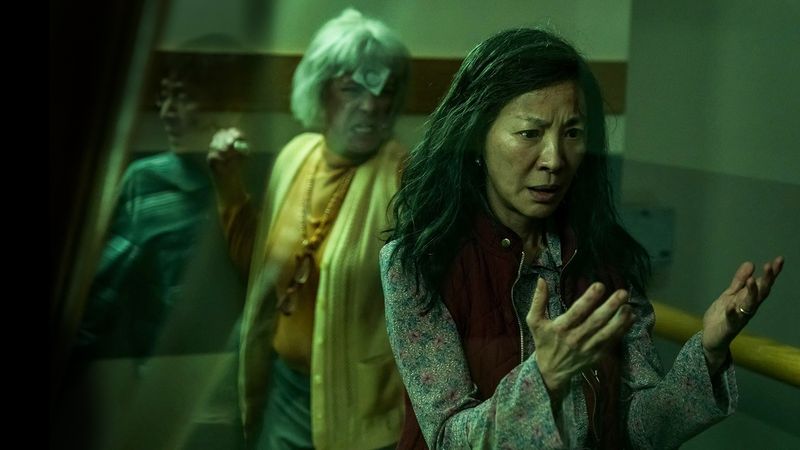
An overwhelmed laundromat owner discovers she can access the skills and memories of her alternate universe selves, and suddenly she is the only one who can save every reality from total destruction.
The Daniels, the directing duo behind this film, packed more ideas into two hours than most filmmakers attempt in a career.
The movie switches tones from silly to heartbreaking to action-packed within the same scene, and somehow it all holds together beautifully.
Michelle Yeoh gives the kind of performance that makes you forget you are watching a movie at all.
The film earned seven Academy Awards, including Best Picture.
Beyond all the multiverse spectacle, it is really a story about a mother and daughter trying to understand each other before it is too late.
12. The Lighthouse (2019)
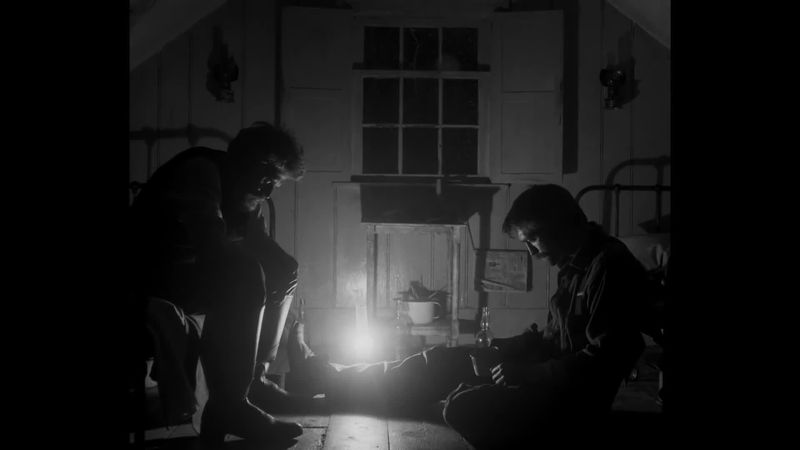
Shot in black and white with an almost square aspect ratio, The Lighthouse feels like a film from another century, even though it was made in 2019.
Two lighthouse keepers are stranded on a remote New England island as a brutal storm rolls in, and their mental states begin to unravel rapidly alongside each other.
Director Robert Eggers researched 19th-century seafaring folklore and language to make the film feel completely authentic.
Willem Dafoe and Robert Pattinson deliver performances so committed and strange that it becomes impossible to look away.
The sound design alone is worth discussing, with foghorn blasts and crashing waves that feel almost violent.
The Lighthouse blurs mythology, madness, and masculinity into something genuinely unsettling that lingers in the mind for days afterward.
13. Waking Life (2001)
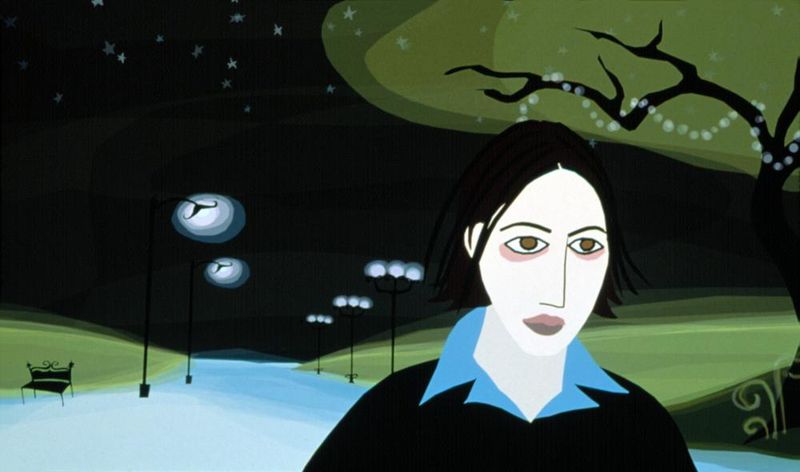
Richard Linklater filmed this movie with live actors first, then had animators paint over every single frame using a technique called rotoscoping.
The result is a film that looks like a moving painting, with edges that wobble and colors that breathe.
A young man drifts through a series of conversations about dreams, free will, and consciousness.
Each conversation feels like stumbling into a philosophy class where the teacher is actually interesting.
Some sequences are funny, others are dense and challenging, but the visual style keeps everything feeling warm and alive rather than dry or lecture-like.
Waking Life asks whether we are ever truly awake, and whether life itself might be something we are simply dreaming through without realizing it.
14. Holy Motors (2012)
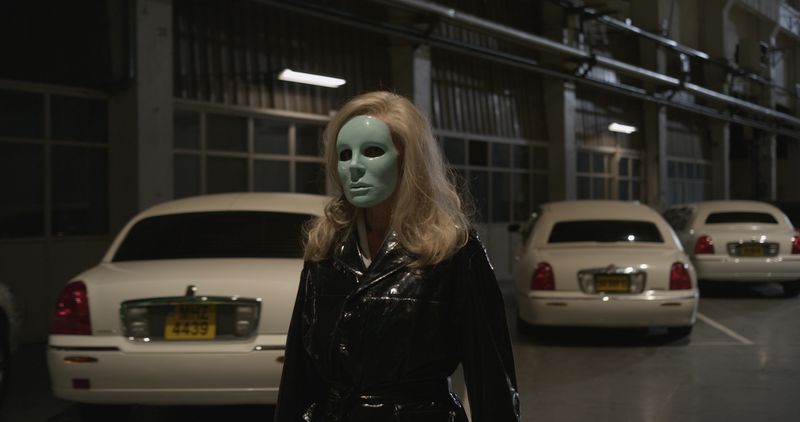
A man travels through Paris in a white limousine, stopping at different locations to perform entirely different lives.
He becomes a motion capture performer, a deformed creature, a dying man, an assassin, and more, each transformation requiring a completely new costume and personality.
No explanation is ever offered for why he does this.
Director Leos Carax treats cinema itself as the subject of the film, with Holy Motors functioning as a love letter to every genre and style that movies have ever explored.
Denis Lavant’s physical performances across all twelve appointments are extraordinary feats of acting range.
The film celebrates the pure transformative magic of performance, suggesting that identity is fluid and that playing different roles might simply be what it means to be human.