Some movies have a way of changing meaning as we grow older, especially when it comes to love and relationships. A romantic film that once seemed slow, complicated, or even heartbreaking can suddenly feel deeply moving after we’ve experienced more of life’s ups and downs. As we mature, we begin to appreciate the quieter moments of romance, the sacrifices people make for one another, and the emotional connections that go beyond grand gestures and passionate declarations. Stories about second chances, lasting commitment, and imperfect relationships often become more relatable when viewed through the lens of personal experience.
While youthful romance tends to focus on excitement, chemistry, and the thrill of falling in love, getting older can bring a greater appreciation for patience, understanding, and emotional intimacy. Movies that explore these themes may resonate more strongly with viewers who have navigated relationships, heartbreak, and personal growth. Sometimes, revisiting a familiar love story years later reveals details and emotions we completely overlooked the first time. From timeless classics to heartfelt modern favorites, these 14 movies may feel even more romantic as you get older.
1. When Harry Met Sally…
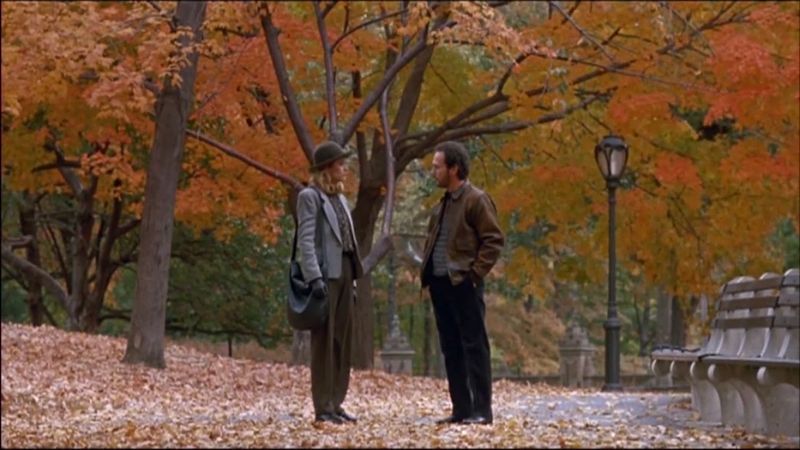
Twelve years is a long time to argue with someone about friendship.
Rob Reiner’s 1989 comedy follows Harry Burns and Sally Albright, played by Billy Crystal and Meg Ryan, as they bump into each other across more than a decade in New York.
When you’re young, the movie plays like a clever debate.
Can men and women just be friends?
Harry insists they can’t, and Sally rolls her eyes, and you probably pick a side.
Watch it later in life, and the debate fades into the background.
What stands out instead is how slowly real closeness grows, through phone calls during late-night TV, holiday shopping, and awkward double dates.
Love here isn’t a lightning bolt.
It’s a habit that turns into a home, one shared complaint at a time.
The film’s structure helps, too.
Between scenes, older couples talk directly to the camera about how they met, and those little interviews hit harder once you know how messy long relationships can be.
Nora Ephron wrote the screenplay, and her dialogue still feels quick and specific.
Pay attention to Harry’s final New Year’s Eve speech this time.
Those tiny details he lists about Sally are the most romantic thing in the movie.
2. Casablanca
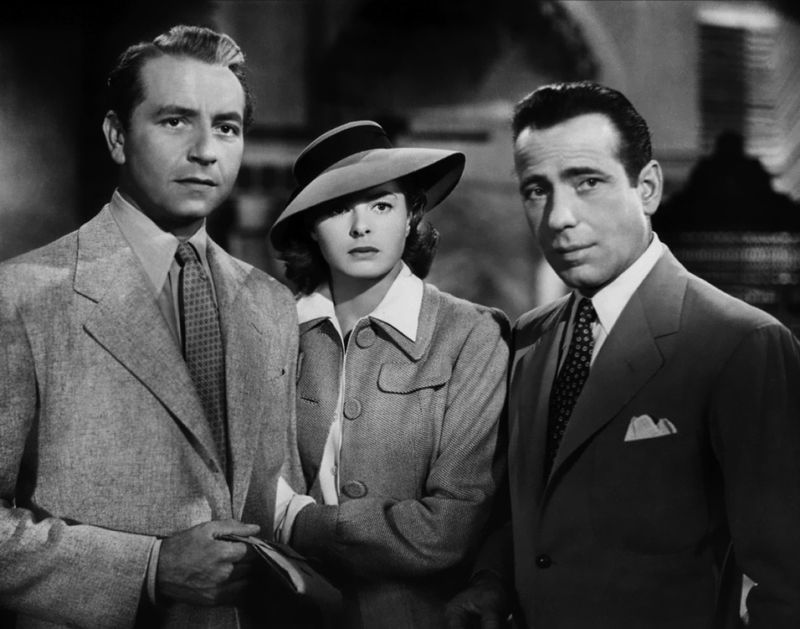
A café owner who claims he sticks his neck out for nobody ends up doing exactly that.
Humphrey Bogart plays Rick Blaine, an American running a nightclub in wartime Casablanca, when Ingrid Bergman’s Ilsa Lund walks back into his life.
The catch is her husband, Victor Laszlo, a resistance leader played by Paul Henreid.
Rick holds the papers that could help them escape, and he still has feelings for Ilsa.
Younger viewers often want the couple to run off together.
That’s a fair reaction, since Bogart and Bergman look stunning in every frame.
With more years behind you, the ending starts to look like a different kind of love.
Rick chooses something bigger than his own heartbreak, and the memory of Paris becomes something he can keep without holding on.
Michael Curtiz directed the film, which premiered in New York in November 1942 and opened widely in January 1943.
It won Academy Awards for Best Picture, Best Director, and Best Screenplay.
Fun detail: nobody in the film actually says the line “Play it again, Sam.” The real wording is a little different, and it’s worth catching on your next watch.
3. Before Sunrise
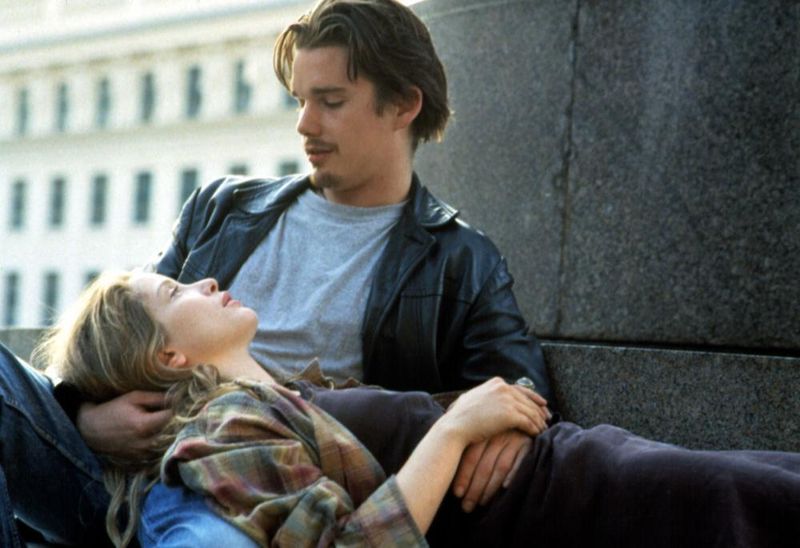
Getting off a train with a near stranger sounds wildly impulsive.
Jesse, an American, and Céline, a French student, do exactly that in Richard Linklater’s 1995 film, spending one night wandering Vienna before he flies home.
Ethan Hawke and Julie Delpy carry the whole movie with talk.
They chat about parents, past relationships, reincarnation, and fears, and somehow it never feels like a lecture.
At twenty, the film feels like a promise that magic nights are around the corner.
You might see yourself in their boldness and their big opinions.
Later, it turns into something sweeter and a little achy.
You notice how open they are, and how rare it becomes to talk to someone for hours without checking the time.
One standout moment happens in a tiny record store listening booth.
The two sneak glances at each other while a song plays, and neither says a word.
Try watching it with someone you’ve known a long time.
Ask each other what you’d have talked about on a night like that, and see how different your answers sound now.
4. Before Sunset
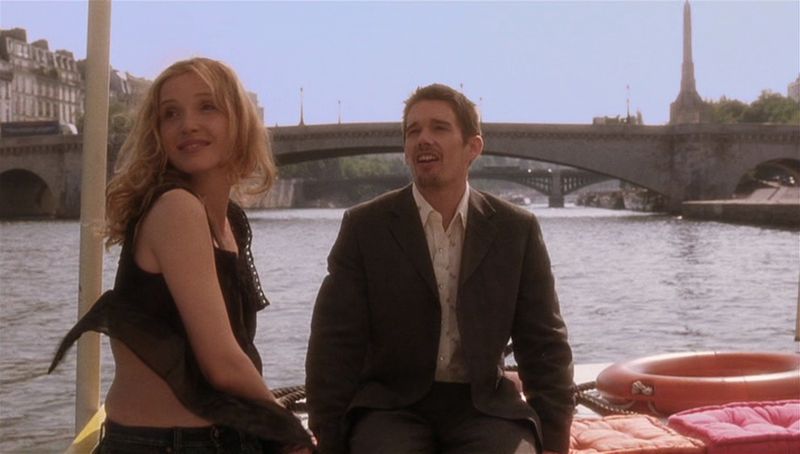
Nine years after Vienna, the clock is ticking again.
Jesse is in Paris promoting a novel based on that night, and Céline shows up at the bookshop before his flight.
Released in 2004, the sequel unfolds roughly in real time as they walk through Paris streets, ride a riverboat, and sit in the back of a car.
Ethan Hawke and Julie Delpy both shared screenwriting credit with Richard Linklater this time.
Younger viewers may find it slower than the first film.
The talk is quieter, and both characters seem more careful.
That caution is exactly what makes it romantic later in life.
These two have jobs, partners, and regrets, and you can hear all of it in the way they dodge certain questions.
The movie captures a feeling many adults know well.
You wonder about a road not taken, and suddenly that road is standing right next to you.
Keep an eye on the final scene in Céline’s apartment.
A song, a Nina Simone impression, and one teasing line wrap things up with more charm than any big kiss could manage.
5. Before Midnight

Romance gets a lot less dreamy when there’s a family vacation to manage.
In this 2013 chapter, Jesse and Céline are a couple raising twin daughters, wrapping up a summer trip in Greece.
The film keeps the long walking conversations fans love.
It also adds something new: a hotel room argument that runs long, gets personal, and feels uncomfortably real.
If you’re young, that fight might seem like the end of a love story.
You may wonder where the magic went.
With a few years of commitment behind you, the scene looks different.
Couples who stay together usually aren’t the ones who never argue, and this movie shows two people choosing to keep trying.
A lunch scene with friends adds more layers.
Different generations share thoughts on love and memory, and one older character’s words about a late husband stand out quietly.
Richard Linklater, Ethan Hawke, and Julie Delpy again wrote it together, and the film earned an Oscar nomination for its screenplay.
Watch the trilogy across one weekend if you can, since seeing the characters age in a few days gives the final scene extra weight.
6. Lost in Translation
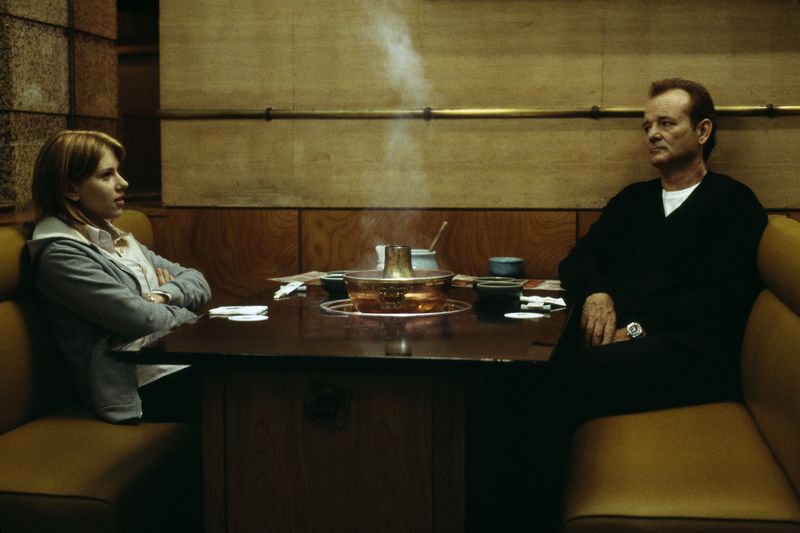
Jet lag rarely gets credit as a matchmaker.
In Sofia Coppola’s 2003 film, two sleepless Americans meet in a Tokyo hotel and form a bond nobody quite knows how to label.
Bill Murray plays Bob Harris, an actor in town to shoot a whisky commercial.
Scarlett Johansson is Charlotte, a recent graduate tagging along while her husband works.
At first, younger viewers may wonder why so little happens.
They sing karaoke, stay up late, and wander the city, and that’s mostly it.
Older audiences tend to see more in those small moments.
Feeling lonely inside a busy life is a very grown-up problem, and finding someone who notices it can feel huge.
The romance here lives in glances and shared silences.
It’s about being understood for a week, even if you know it can’t last.
Coppola won the Academy Award for Best Original Screenplay for the film.
The final whisper between Bob and Charlotte was never made clear to audiences, which is part of the fun.
Next time, skip guessing the words and pay attention to their faces instead.
7. Eternal Sunshine of the Spotless Mind
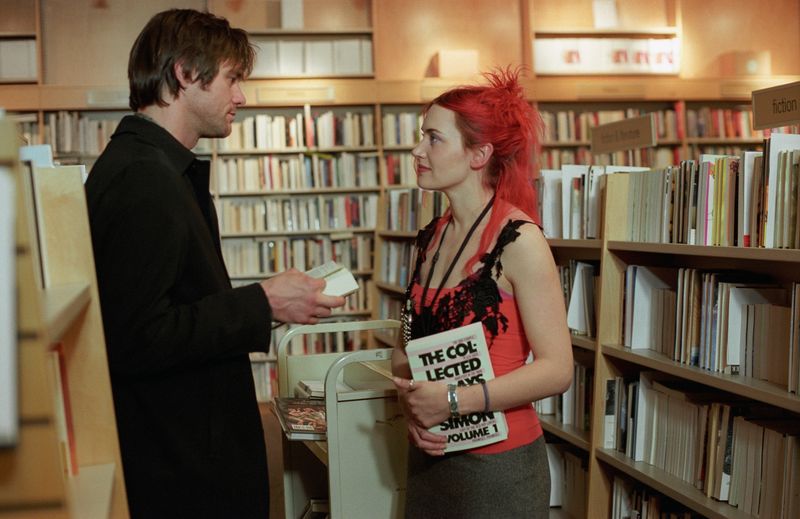
A breakup so painful you’d pay to forget it?
Joel and Clementine, played by Jim Carrey and Kate Winslet, each go through a procedure to erase the other from memory.
Michel Gondry directed this 2004 film from a script by Charlie Kaufman, who won an Oscar for it along with Gondry and Pierre Bismuth.
The story slips through Joel’s memories as they vanish, starting with the latest ones.
In your teens, the idea of erasing an ex might sound pretty appealing.
Who wouldn’t want a clean slate?
Later, the movie makes a quieter argument.
Even the hard parts of love shaped who you became, and losing them means losing the good parts, too.
As memories fade, Joel tries to hide Clementine in corners of his mind where she doesn’t belong.
Those scenes are playful and inventive, and they also feel tender.
Clementine’s hair color changes throughout the film, which helps you track the timeline.
Use it as a guide if the story feels confusing.
By the end, the question isn’t whether these two are perfect, but whether they’d choose each other again knowing everything.
8. About Time
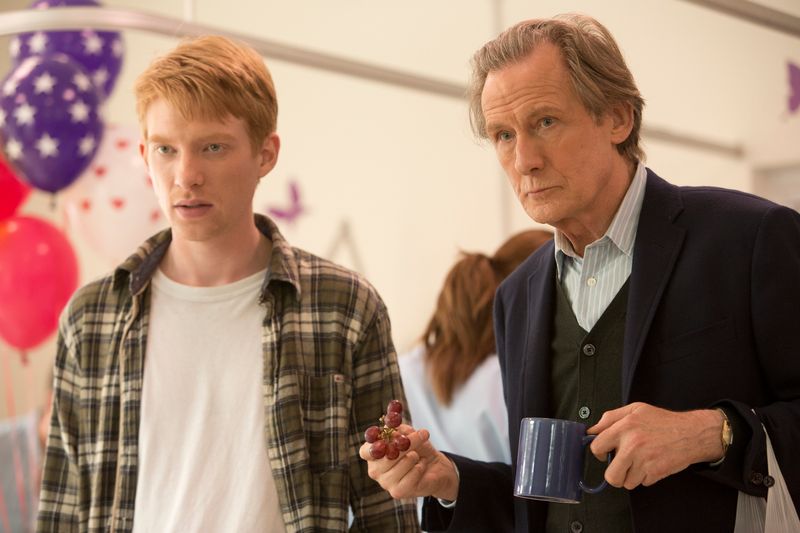
Time travel usually comes with spaceships or fancy machines.
In Richard Curtis’s 2013 film, it just takes a dark closet and clenched fists.
Domhnall Gleeson plays Tim, who learns at 21 that the men in his family can return to moments they’ve already lived.
He mostly uses the gift to win over Mary, played by Rachel McAdams.
Younger audiences may enjoy it as a clever, funny love story.
Watching Tim redo awkward first impressions is great fun.
As you get older, the heart of the movie shifts toward family.
Tim’s bond with his dad, played by Bill Nighy, slowly becomes the most moving relationship on screen.
The film gently suggests something worth trying in real life.
Living an ordinary day twice, noticing the small kindnesses and funny moments, might make it feel richer.
You don’t need a magic closet to borrow that idea.
Try paying attention to one regular afternoon this week, like the walk to work or dinner at home.
The rainy wedding scene is a highlight.
Everything goes wrong, guests get soaked, and the couple still laughs, which might be the most honest picture of marriage in any romantic comedy.
9. Silver Linings Playbook
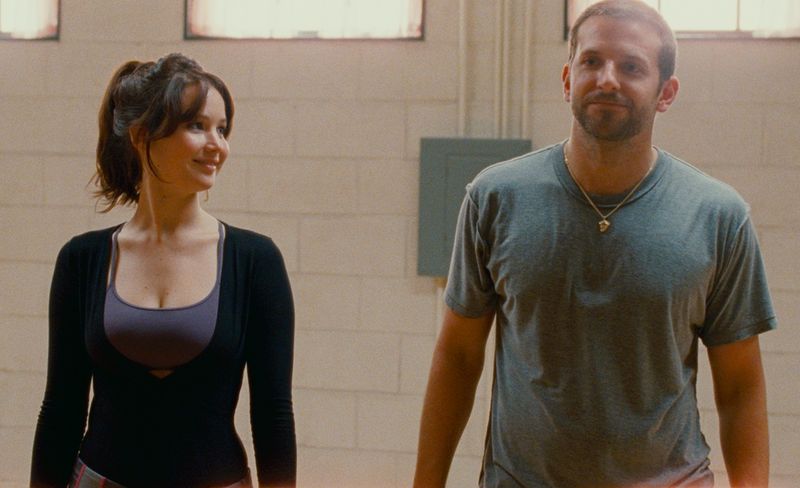
Football, a dance competition, and a garbage bag worn as a jogging outfit.
David O. Russell’s 2012 film mixes odd ingredients into a romance that’s loud, awkward, and surprisingly sweet.
Bradley Cooper plays Pat, who moves back in with his parents after time in a psychiatric hospital.
He’s fixated on winning back his estranged wife until he meets Tiffany, played by Jennifer Lawrence.
Tiffany offers a deal.
She’ll help with Pat’s plan if he agrees to be her partner in a dance contest.
Younger viewers might see the leads as simply chaotic.
With more life experience, you start to notice how they handle each other’s rough edges without pretending those edges aren’t there.
Nobody here is polished, and that’s the point.
The movie shows two struggling people being honest with each other, sometimes painfully.
Jennifer Lawrence won the Academy Award for Best Actress for the role.
Robert De Niro and Jacki Weaver also shine as Pat’s parents, with plenty of family drama around the dinner table.
Look closely at the final dance.
It’s clumsy, scored modestly, and still feels like a victory.
10. Once
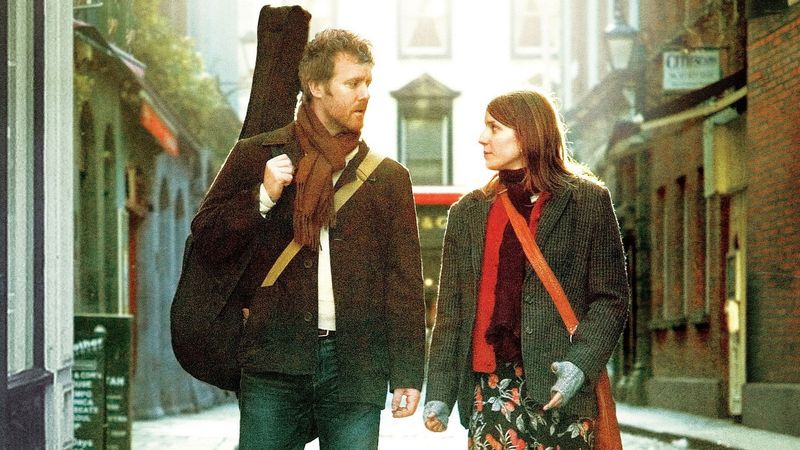
Some love stories never use the word love at all.
John Carney’s 2007 musical follows a Dublin street performer and a Czech immigrant who connect while writing songs together.
Glen Hansard and Markéta Irglová play characters named simply Guy and Girl.
Both were musicians in real life, and they wrote the songs heard in the film.
Their friendship starts with a broken vacuum cleaner, since Guy also repairs them in his dad’s shop.
From there, a piano session in a music store turns into the song “Falling Slowly.”
That track won the Academy Award for Best Original Song.
It’s a lovely entry point if you’ve never seen the movie.
Young viewers might wait for a big romantic payoff.
Older audiences often appreciate that the story skips the expected ending and lets its characters care deeply while making grown-up choices.
The movie was made on a very small budget, and the handheld camera gives it a homemade feel.
That plainness works in its favor.
Watch for the final gift Guy leaves behind.
It’s a small gesture, and it shows how meaningful someone can be even when they aren’t meant to stay.
11. Notting Hill
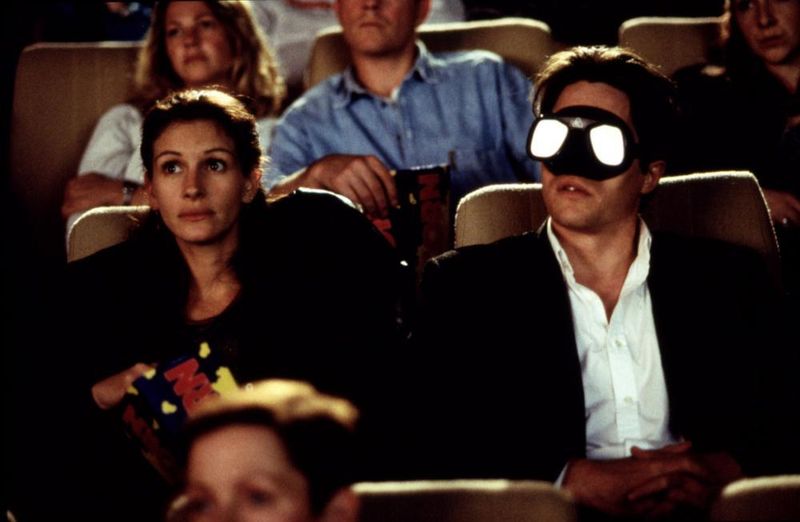
Spilling orange juice on a movie star is not a great opening move.
Somehow, it works for William Thacker, the London travel bookshop owner played by Hugh Grant.
Julia Roberts plays Anna Scott, a famous American actress who wanders into his shop.
Roger Michell directed the 1999 film from a script by Richard Curtis.
At a younger age, the fantasy carries the story.
Who wouldn’t want a celebrity to fall for them?
Watch it again later, and the obstacles seem more interesting.
Anna’s fame brings photographers, gossip, and pressure, while William’s quiet life feels small next to hers.
Love here means figuring out how two very different lives might fit.
That struggle feels familiar to anyone who has blended schedules, families, or careers with a partner.
The supporting cast adds plenty of humor.
Rhys Ifans as Spike, William’s messy roommate, steals nearly every scene he’s in.
Pay attention to the seasons changing as William walks down Portobello Road.
That single shot covers months of heartbreak without a word.
Anna’s line about being just a girl standing in front of a boy also lands differently once you’ve been nervous about asking for love yourself.
12. Roman Holiday
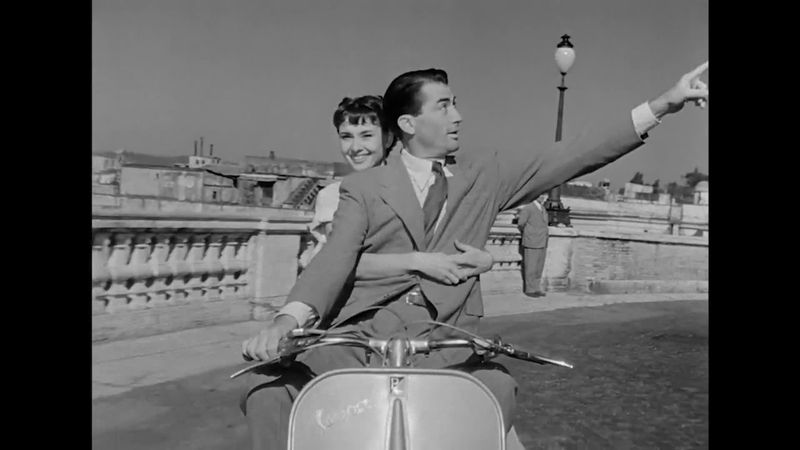
A princess, a reporter, and a scooter zipping through Rome make for one of film’s most charming days off.
William Wyler’s 1953 movie stars Audrey Hepburn as Princess Ann and Gregory Peck as journalist Joe Bradley.
Ann slips away from her royal duties and lands in Joe’s care.
He figures out who she is and hopes to land a big story without telling her.
Their day is full of fun moments.
She gets a haircut, they visit the Mouth of Truth, and a dance on a boat ends in a splashy brawl.
Younger viewers often want a fairy-tale ending.
The movie gives something more grown-up instead, with both characters honoring the lives they already have.
That choice feels richer once you understand duty and responsibility firsthand.
A single perfect day can still matter even if it never repeats.
Audrey Hepburn won the Academy Award for Best Actress for this role, early in her career.
The screenplay also won an Oscar.
Watch the final press conference closely.
Every polite word between Ann and Joe carries a hidden meaning, and the walk afterward is quietly unforgettable.
13. The Remains of the Day
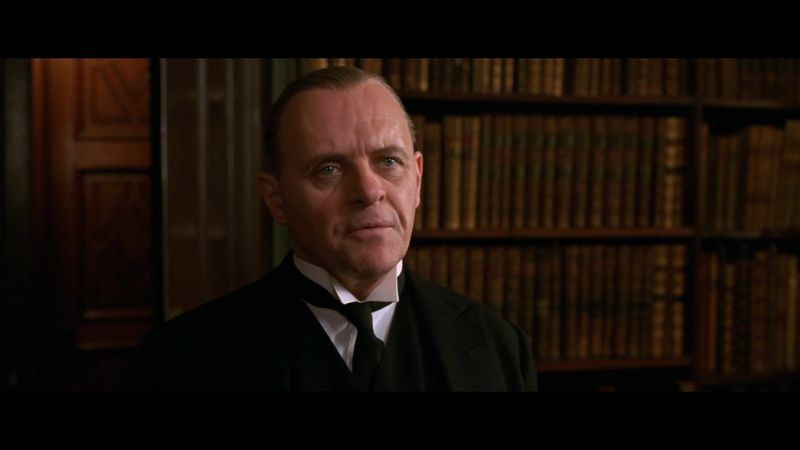
Polishing silver perfectly won’t fix a lonely heart.
Anthony Hopkins plays Stevens, a devoted English butler who has spent his life serving a grand household.
Emma Thompson is Miss Kenton, the housekeeper who works beside him for years.
Both actors received Oscar nominations for their performances in James Ivory’s 1993 film.
The story jumps between the 1930s and the years after World War II.
Stevens drives to visit Miss Kenton and remembers the chances he let pass by.
Young viewers may find the romance almost invisible.
Nobody confesses anything, and most conversations are about schedules and staff.
With age, those polite exchanges start to feel heavy with meaning.
You notice what goes unsaid, and that silence becomes heartbreaking.
The movie works as a gentle warning.
Holding back feelings out of habit or pride can quietly shape an entire life.
The film is based on Kazuo Ishiguro’s novel, which won the Booker Prize in 1989.
Read it after watching if you want more of Stevens’s inner voice.
The scene with a book in Stevens’s pantry is short.
It holds more tension than many kisses in other movies.
14. Brief Encounter
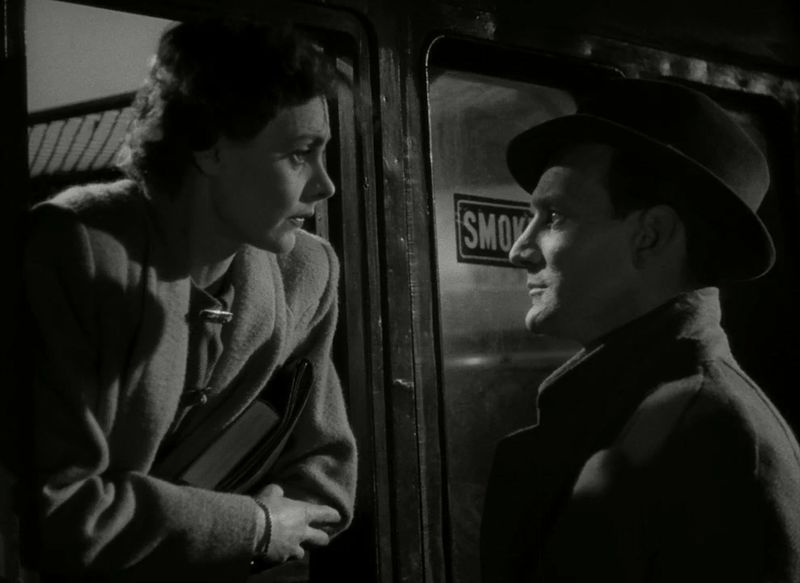
A bit of grit in an eye starts this whole story.
Laura Jesson, a married housewife, meets Alec Harvey, a married doctor, when he helps her at a railway station café.
Celia Johnson and Trevor Howard play the pair in David Lean’s 1945 British film.
Noël Coward adapted it from his own one-act play.
Their weekly meetings grow into strong feelings neither one expected.
Both have families, and the guilt is always close by.
Younger audiences may see the story as old-fashioned or even frustrating.
Why don’t they just say what they want?
Older viewers often find it deeply human.
Laura’s voiceover lets us hear her inner turmoil while she sits beside her kind, unsuspecting husband.
The movie never treats her as a villain.
It shows how ordinary people can wrestle with longing and loyalty at the same time.
Rachmaninoff’s Piano Concerto No. 2 plays throughout and adds huge emotion to small scenes.
The opening and closing scenes show the same moment from different viewpoints, so pay attention early.
By the second time around, a simple hand on a shoulder says everything this quiet, grown-up film wants to say.