 MomSkoop
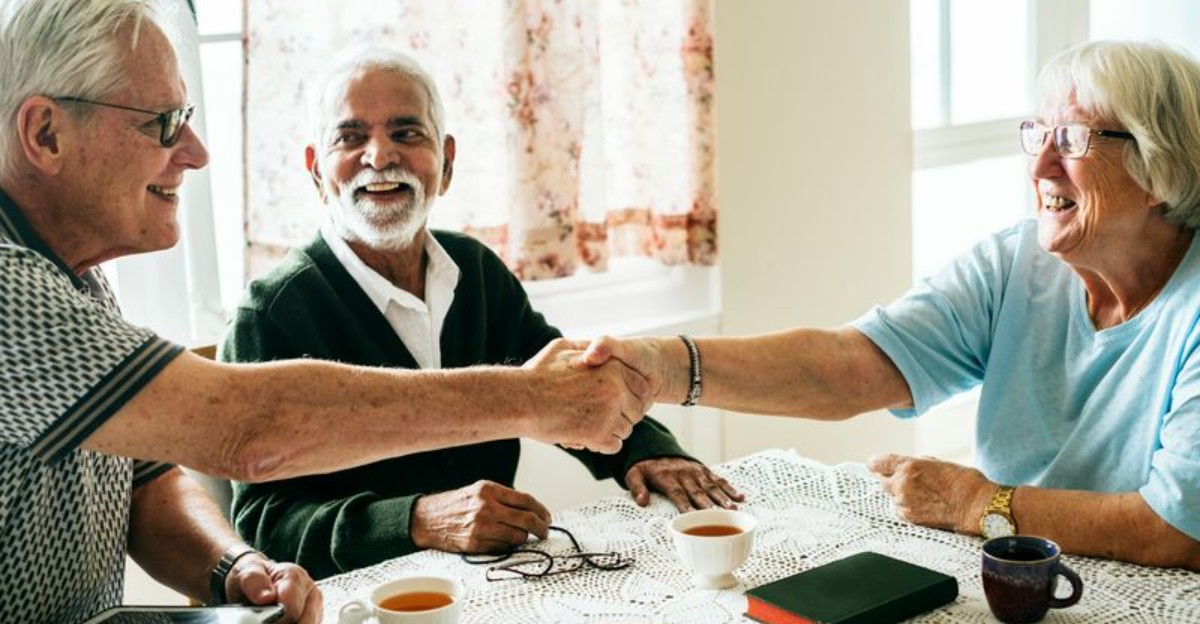
Think back to a time when neighbors knew each other by name and doors were open to friendly faces. Many Boomers grew up with simple habits that made streets feel like big families.
Some of these customs are fading as life gets busier and more digital. Here are fourteen traditions that made neighborhoods warm, and why they still matter.
1. Borrowing a Cup of Sugar From Next Door

Picture a mom halfway through a cake recipe when she sees the sugar jar is empty.
No panic.
She grabs a measuring cup and walks next door.
Back then, a quick knock meant a quick fix.
Neighbors lent flour, eggs, milk, and even a stick of butter, and nobody kept score.
Often the cup came back with a slice of the finished cake on top.
Today, delivery apps and late-night stores make borrowing feel unnecessary.
Still, the habit built trust.
You can bring it back by offering a spare lemon or an extra onion.
Small asks and small gifts turn strangers into friends faster than you might expect, and they cost almost nothing at all.
2. Dropping By Without Calling First
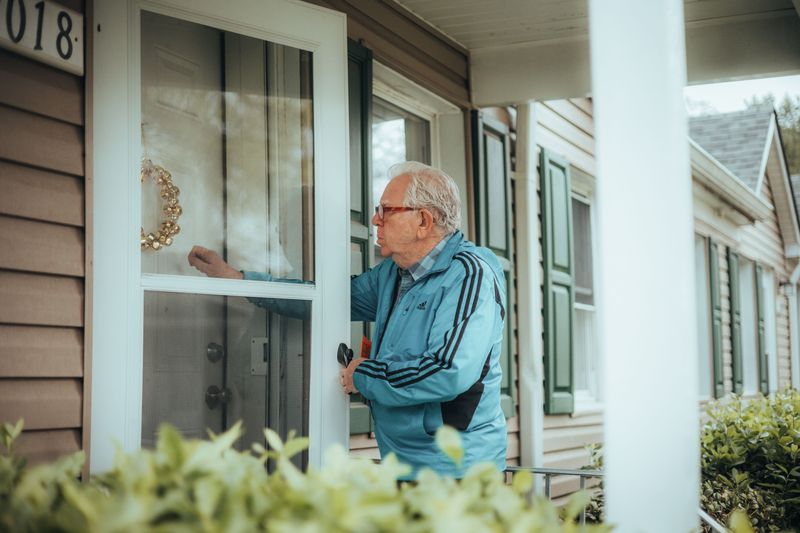
Knock, knock!
Nobody needed a text message to say they were on the way.
Friends simply showed up, and the coffee pot was already warm.
Unplanned visits were part of daily life.
A neighbor might stop by to share news, return a casserole dish, or just say hello.
Hosts did not fuss over a messy house.
They pulled out chairs and made room.
Many people now feel more comfortable with a schedule, and that is understandable.
Still, a surprise visit can brighten someone’s day, especially if they live alone.
Try a short check-in, maybe ten minutes with a treat in hand.
Even a quick wave from the porch can carry that same friendly spirit.
3. Welcoming New Neighbors With Homemade Food
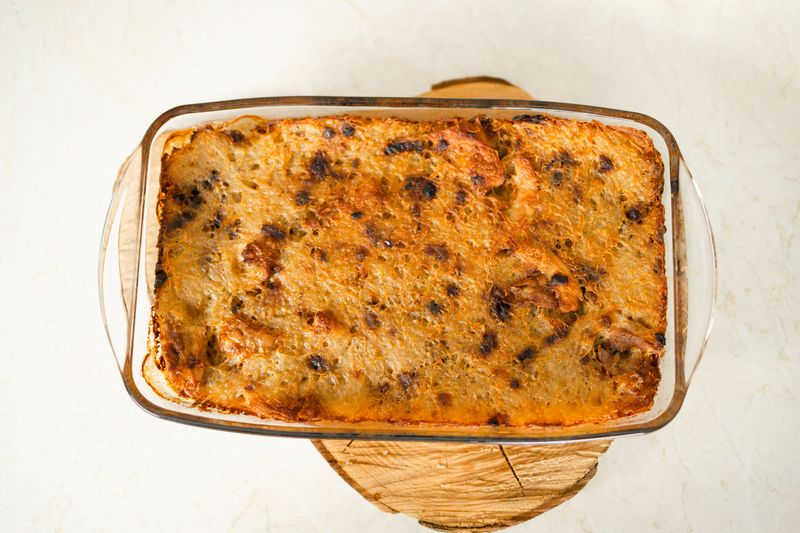
Moving day is exhausting, and the kitchen boxes are never unpacked first.
That is exactly when a warm casserole showed up at the door.
Boomer families often made a welcome basket from whatever they baked best.
Pies, cookies, banana bread, and macaroni dishes were common.
A short note with a phone number made the gift even kinder.
The food told newcomers they belonged here.
Plenty of lifelong friendships began with a single plate of brownies.
These days, people may not know who just moved in.
You can change that by baking something simple or buying a small plant.
Say hello, keep it short, and let the kindness do the talking.
4. Organizing Neighborhood Block Parties
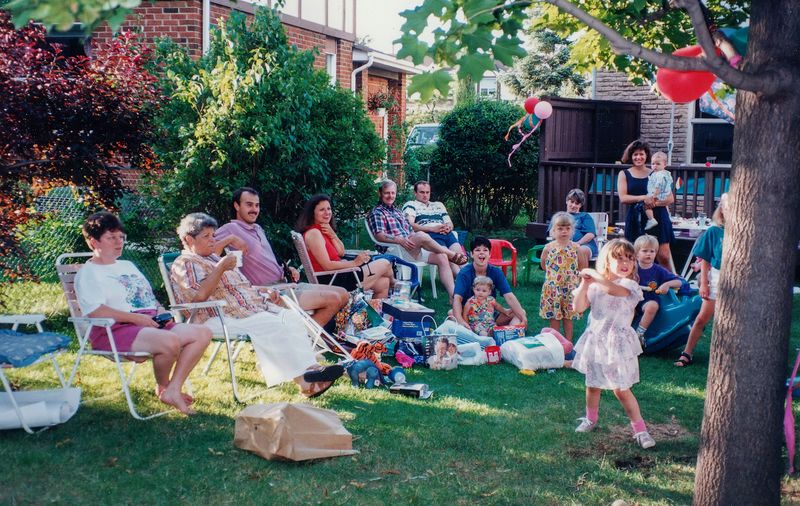
Once a year, the street belonged to everyone.
Sawhorses blocked off the road, and tables lined up end to end like a giant dinner party.
Dads manned the grills while moms set out salads and desserts.
Kids ran relay races, and someone always brought a record player or guitar.
By sunset, even the grumpiest neighbor was smiling.
Block parties worked because everyone pitched in.
One person handled chairs, another took the ice.
Fewer streets hold them now, partly because of busy schedules and permit paperwork.
If you want to try, start small with a driveway get-together.
Invite a few houses, ask each to bring one dish, and see how fast it grows.
5. Leaving Front Doors Unlocked
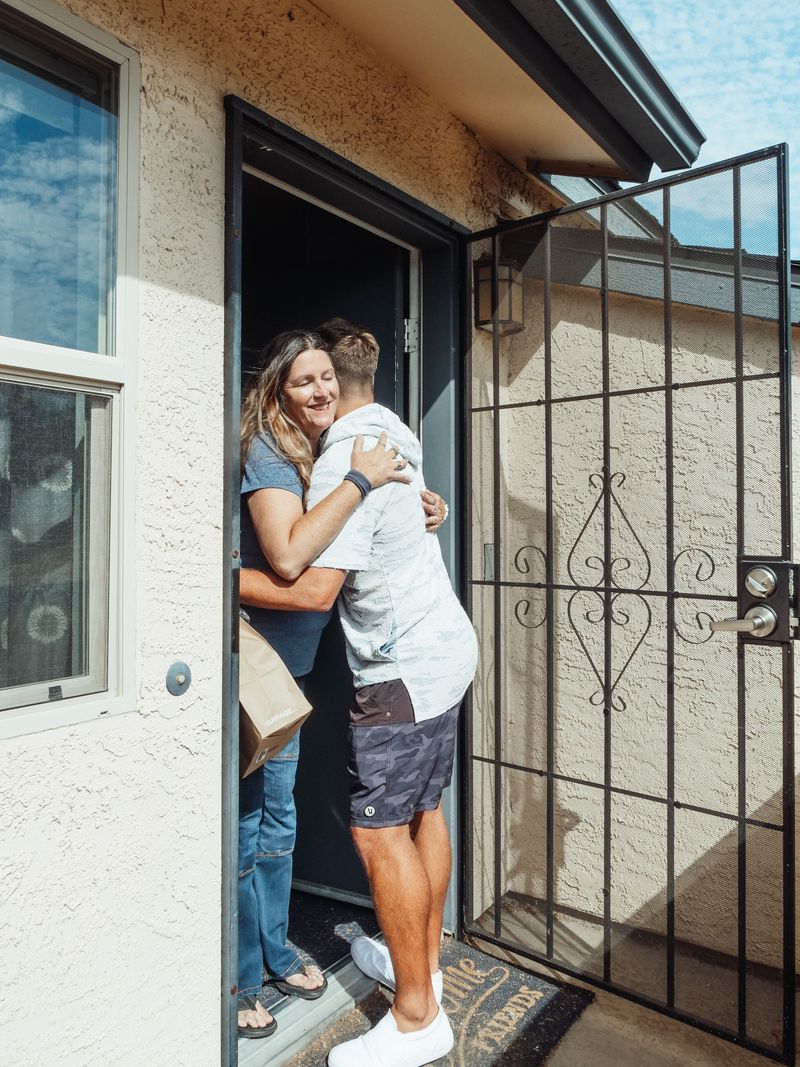
Ask many Boomers about their childhood homes, and you will hear a surprising detail: the key was barely used.
In many small towns, the front door stayed unlocked all day.
Trust was the real lock.
Neighbors knew who belonged on the street and who did not.
If someone needed to grab a tool or drop off a casserole, they could step inside and leave it on the counter.
Times have changed, and locking up is smart in most places today.
Safety comes first.
Yet the old habit shows how strong community bonds can feel.
You can build that same trust by learning your neighbors’ names, sharing contact info, and keeping an eye out for each other.
6. Sitting on the Front Porch and Chatting

Long before streaming shows, the best entertainment was the front porch.
On warm evenings, families carried out chairs and lemonade and just watched the world stroll by.
Every passerby got a wave or a quick hello.
Stories flowed easily, from garden troubles to high school football scores.
Kids caught fireflies in the yard while grown-ups swapped news.
Many modern homes have backyard decks instead, which keeps people out of sight.
Porches made neighborhoods feel open and welcoming.
If you have a step or a small bench, try sitting outside for fifteen minutes after dinner.
You might be surprised how many neighbors stop to chat when they see a friendly face.
7. Helping Neighbors With Yard Work
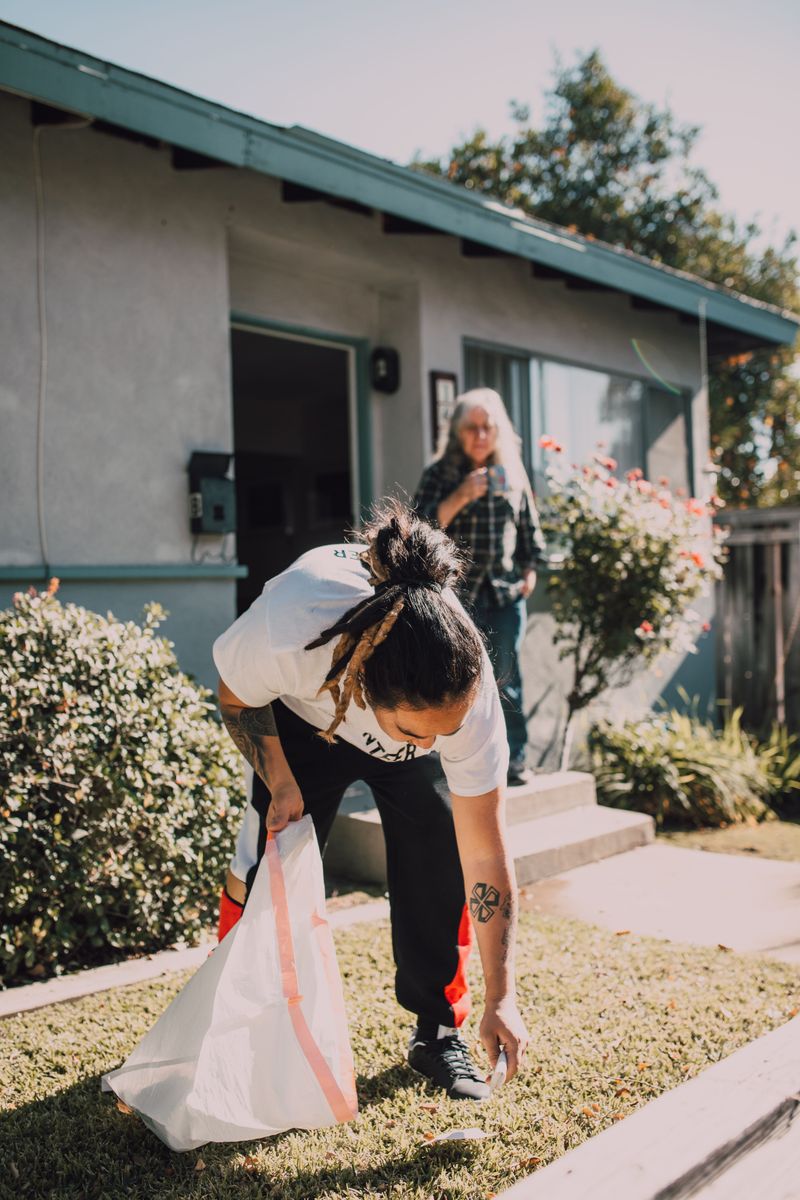
Snow piled high overnight, and by sunrise the sound of scraping shovels filled the street.
Nobody had asked for help.
A neighbor simply cleared two driveways instead of one.
That was everyday kindness.
People raked leaves for an elderly friend, mowed a lawn while a family was away, or trimmed hedges on a Saturday.
Payment was never part of the deal.
Today, many folks hire lawn services or feel shy about stepping onto someone else’s property.
A polite offer still goes a long way.
Ask first, work quickly, and respect their wishes.
Helping a busy or older neighbor can ease a heavy load and quietly show that someone cares.
8. Watching Each Other’s Children
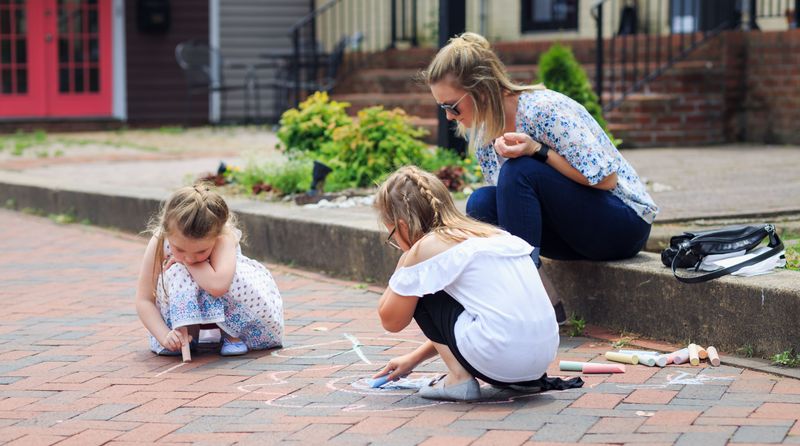
“Be home when the streetlights come on.” That was the rule, and the whole street helped enforce it.
Parents trusted nearby families to keep a friendly eye on kids at play.
If someone scraped a knee, the closest porch had a bandage and a cold drink.
If someone climbed too high in a tree, any grown-up could call out a warning.
The arrangement gave children freedom and parents peace of mind.
Modern schedules, safety concerns, and screens have changed how kids play.
You can still create a village by swapping phone numbers with nearby parents and organizing supervised park meetups.
A shared watchful eye makes everyone feel safer.
9. Sharing Vegetables From Backyard Gardens
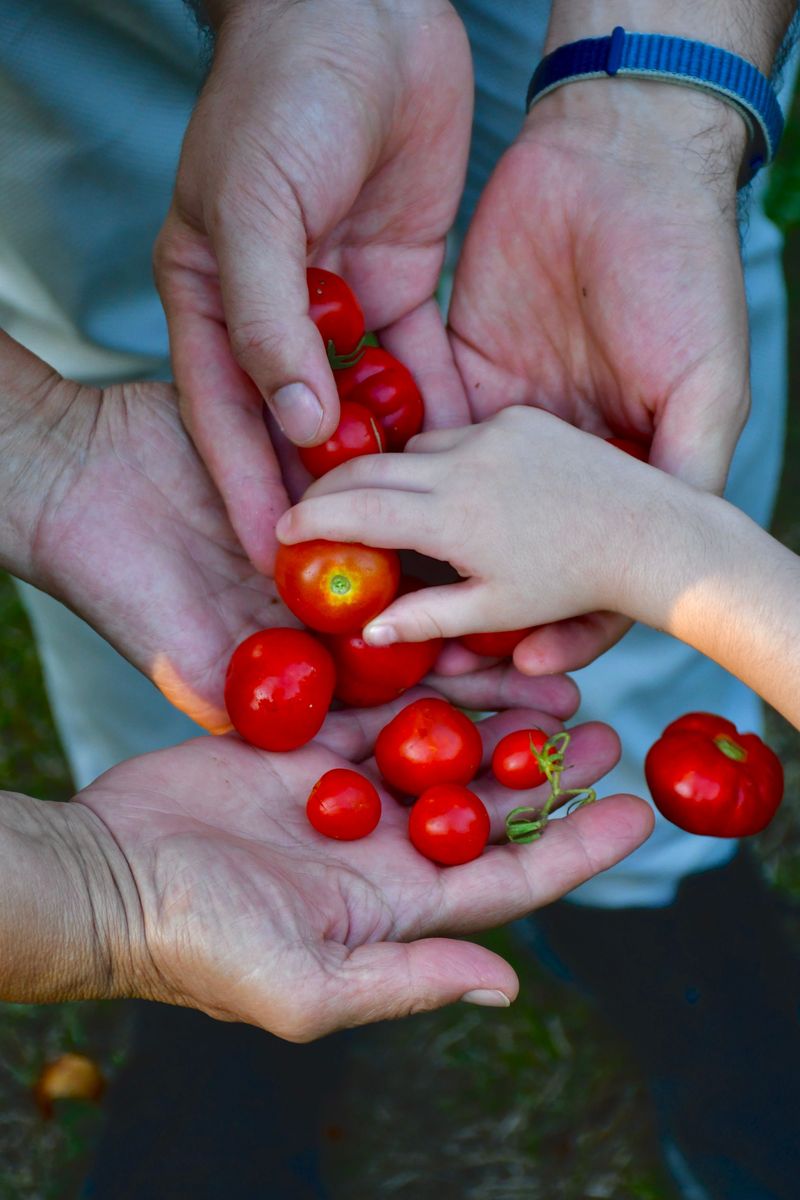
Did you know one zucchini plant can produce more squash than a family can eat in a month?
Gardeners learned this fast, and neighbors reaped the reward.
Baskets of ripe tomatoes, crisp cucumbers, and green beans appeared on porches every summer.
Sometimes a bag was left on the doorknob with no note at all.
The gift said, “I grew this and thought of you.”
Fewer people garden now, but sharing is still easy.
Plant a little extra, or trade herbs and peppers over the fence.
Neighbors may return the favor with jam or fresh bread.
Fresh food tastes better when it comes with a friendly smile and a short conversation.
10. Bringing Meals to Families Going Through Hard Times
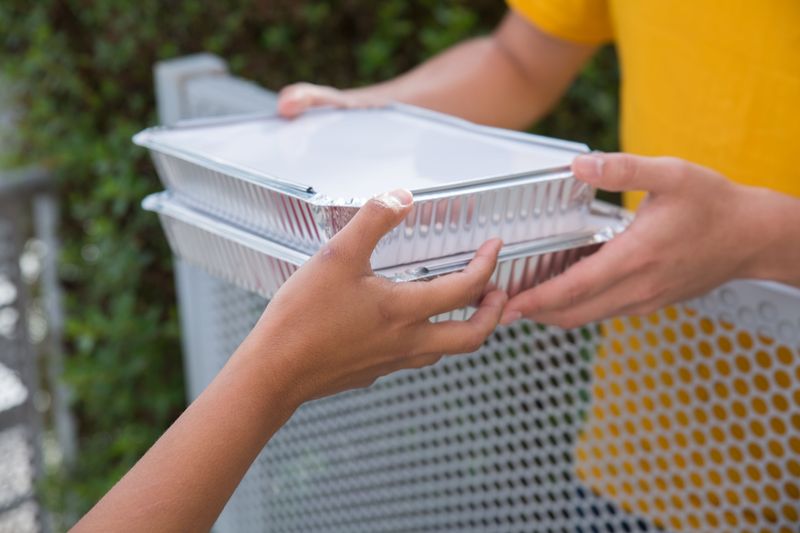
When illness, loss, or a newborn upended a household, the doorbell often rang with dinner.
Nobody asked what was needed.
The meal simply arrived.
Neighbors cooked chicken and noodles, lasagna, soups, and pot roasts.
They used dishes that traveled well and reheated easily.
Many wrote their names on masking tape under the pan so it could be returned later.
A hot meal can lift the weight of a hard week.
Today, you can still help even if cooking is not your thing.
Organize a sign-up sheet, send a grocery delivery, or drop off fresh bread.
Simple acts like these remind people they are not facing hard days alone.
11. Organizing Community Barn Raisings and Work Parties
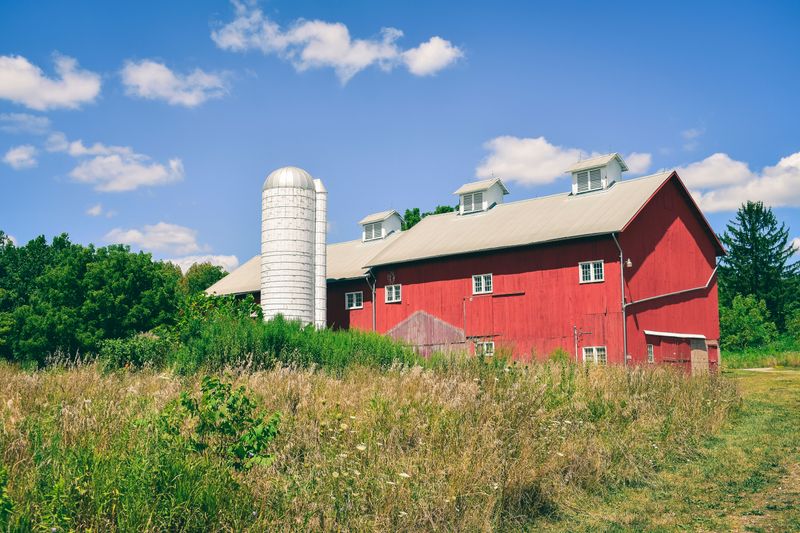
Imagine a barn frame rising against a blue sky, built in a single day by dozens of hands.
That was the magic of a barn raising.
In rural areas, neighbors gathered to build structures, mend fences, or bring in a harvest.
Men worked with hammers and ropes while women prepared huge meals.
Children carried water and nails, learning the value of teamwork.
The tradition came from necessity, since big jobs were too hard for one family.
Modern machinery and hired crews have changed this.
Even so, community work days still exist at schools, parks, and churches.
Joining one is a great way to meet people and finish a project that no single person could handle.
12. Exchanging Homemade Christmas Cookies
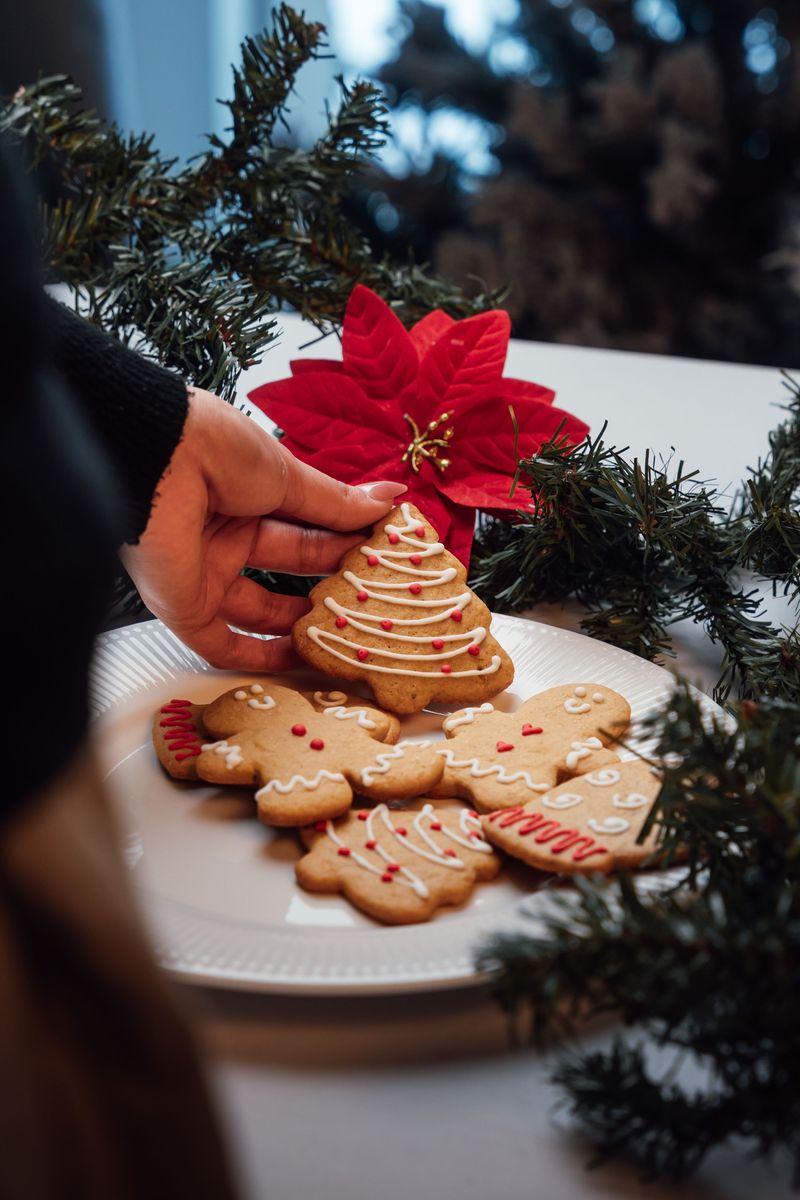
The scent of gingerbread drifting from a kitchen window meant one thing: cookie season had begun.
Every December, families baked for days.
Plates covered in foil or colorful wrap traveled from door to door.
Sugar cookies, fudge, thumbprints, and peanut butter blossoms were favorites.
Kids often delivered them, practicing their best manners with a cheerful “Merry Christmas!”
Part of the fun was trading recipes and comparing sprinkles.
Busy holidays can make baking feel like too much today.
You can keep it simple with one easy recipe or a small tin of store-bought treats.
The point is not perfection.
It is the surprise of a sweet gift arriving at the door.
13. Collecting Mail and Newspapers for Vacationing Neighbors
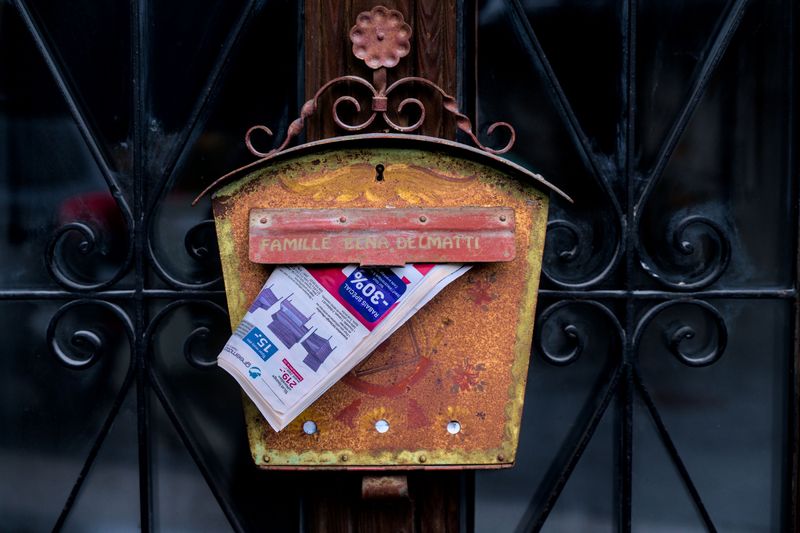
A pile of newspapers on a porch is a sign that nobody is home.
Smart neighbors knew that and quietly scooped them up.
When families left for a week at the lake, someone next door took charge.
They gathered the mail, watered the ferns, and maybe flicked a light on at night.
Sometimes the favor came with a souvenir as thanks.
The arrangement protected homes and strengthened friendships.
Today, mail holds and smart cameras handle some of the work.
Still, a real person who cares is hard to beat.
Before your next trip, ask someone you trust to check on things, and offer to return the favor when they travel.
14. Hosting Neighborhood Potluck Suppers
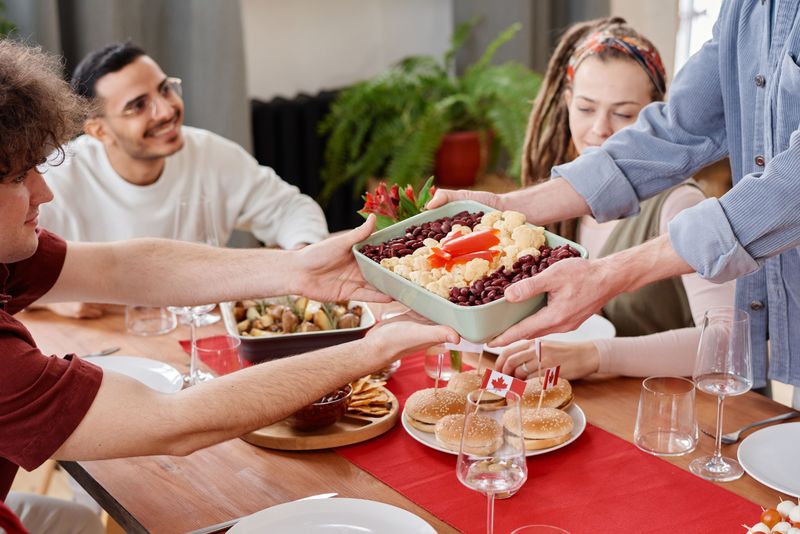
One table, a dozen casserole dishes, and a crowd of hungry friends.
That was the recipe for a perfect potluck night.
Families brought their proudest dishes to a living room, church basement, or community hall.
There were deviled eggs, Jell-O salads, baked beans, and plenty of pie.
Nobody worried if two people brought potato salad.
Potlucks made hosting affordable and fun, since everyone shared the work.
They also gave neighbors a reason to linger and talk.
Busy calendars make them rarer now, but they are easy to revive.
Pick a date, set up a simple sign-up list, and let everyone bring what they love most.