 MomSkoop
Some movie characters leave audiences speechless — not just because of great acting, but because of the firestorm of debate they ignited. From racist caricatures to religious provocations, these characters forced society to ask hard questions about what films should and should not show.
A few were banned outright, others triggered protests, and some are still argued about today. These 14 portrayals represent cinema’s most polarizing, uncomfortable, and unforgettable moments on screen.
1. Mr. I.Y. Yunioshi — Breakfast at Tiffany’s (1961)
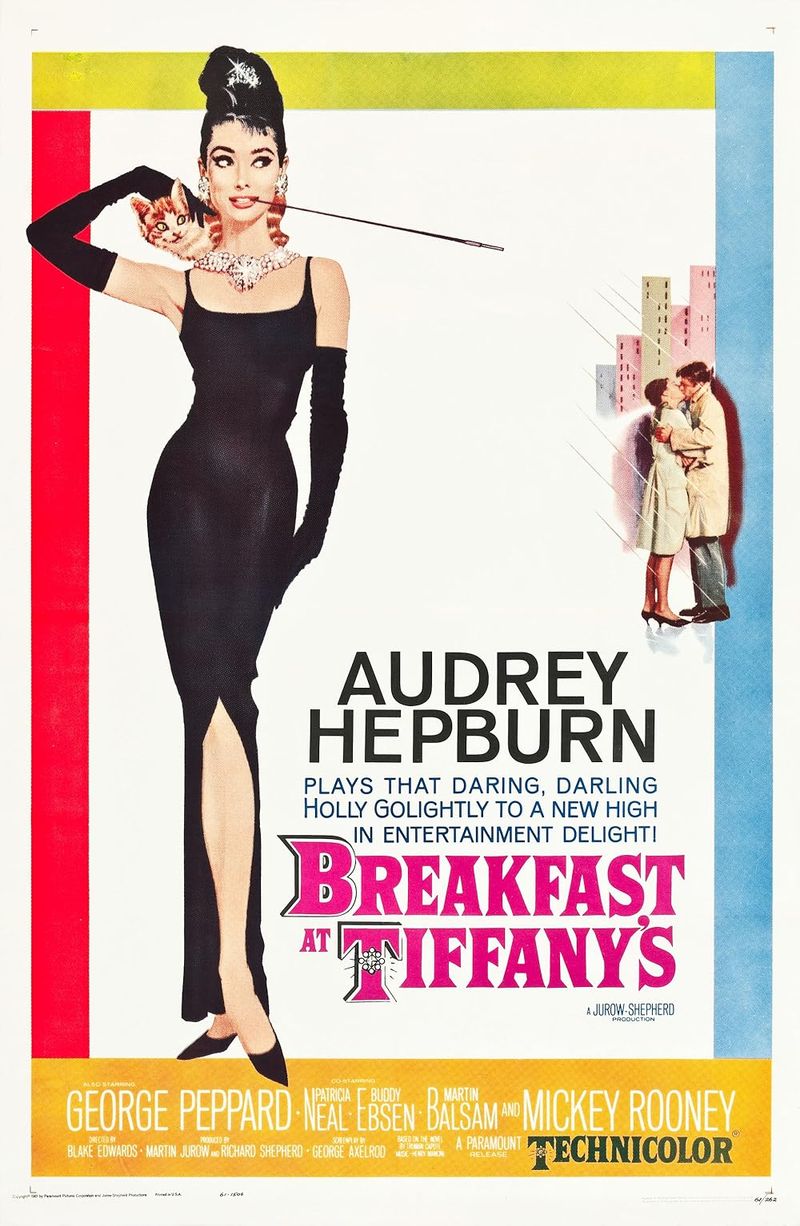
Mickey Rooney’s portrayal of Mr. Yunioshi is one of Hollywood’s most cringe-worthy moments — a white actor in yellowface, complete with buckteeth prosthetics and an exaggerated accent, played purely for laughs.
What makes it especially painful is that it appeared in an otherwise beloved romantic classic, making the contrast even sharper.
Asian American communities have long called out this portrayal as deeply harmful.
Rooney himself later expressed regret over the role, admitting it was offensive.
The character helped define a damaging “perpetual foreigner” stereotype that Asian actors fought against for decades.
Yunioshi is now a textbook example of Hollywood’s long history of dehumanizing Asian representation.
2. Alex DeLarge — A Clockwork Orange (1971)
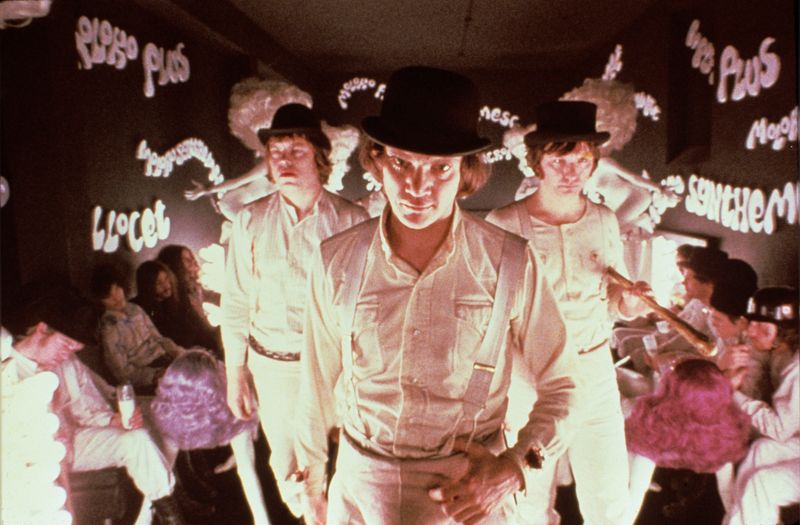
Alex DeLarge walks into a room and the air changes.
Malcolm McDowell played this ultraviolent antihero with such magnetic energy that audiences were unsettled by how entertaining they found him.
Stanley Kubrick’s film made no apologies — it placed viewers inside the mind of a predator and dared them to enjoy it.
The backlash was immediate and intense.
Several violent crimes in the UK were allegedly linked to copycat behavior inspired by the film, and Kubrick himself withdrew it from British distribution.
The debate over whether violent art causes violent behavior has never fully been settled.
Alex DeLarge sits permanently at the center of that unresolved argument.
3. Babs Johnson — Pink Flamingos (1972)
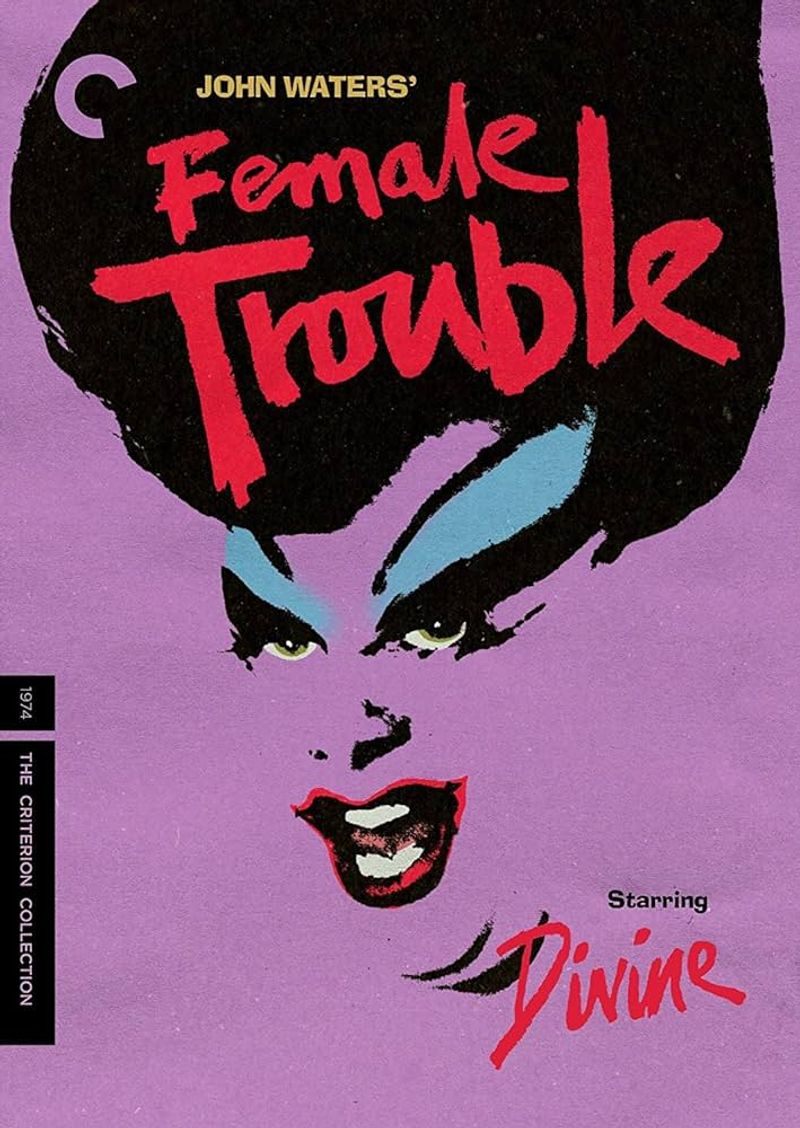
Babs Johnson, played by the legendary Divine, did not just push boundaries — she bulldozed them into dust and danced on the rubble.
John Waters built Pink Flamingos around the idea of the most disgusting person alive, and Babs claimed that title with gleeful, unapologetic pride.
The film shocked audiences in ways that still register today.
From eating dog feces on camera to outrageous acts of defiance, Babs Johnson became an icon of transgressive art.
Some critics hailed the character as a radical rejection of mainstream taste.
Others simply walked out of the theater.
Either reaction was exactly what Waters wanted — Babs was never meant to make anyone comfortable.
4. Brian Cohen — Monty Python’s Life of Brian (1979)
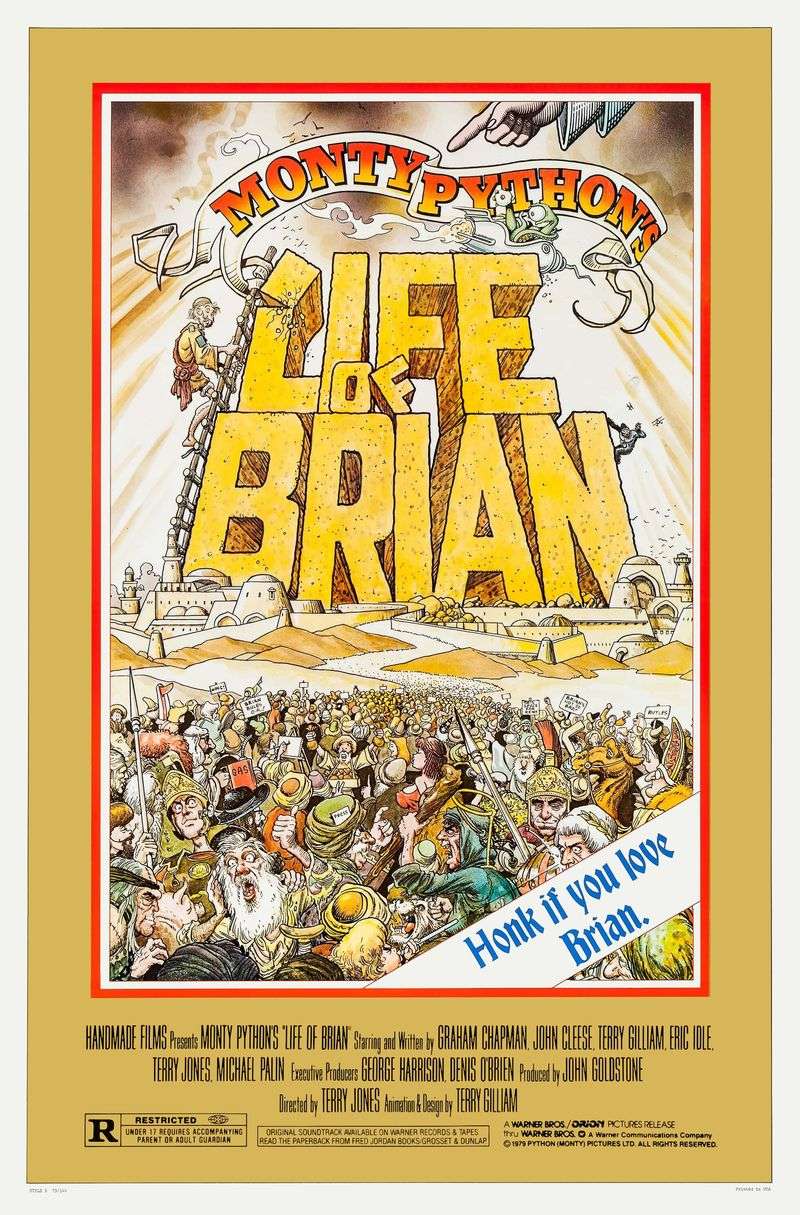
Brian Cohen never asked to be a messiah.
He was just a regular guy born on the wrong night, in the wrong manger, next door to a very famous baby.
But that mix-up was enough to make Life of Brian one of the most banned films of the late 20th century.
Religious groups across multiple countries called the film blasphemous, and some municipalities refused to screen it at all.
The Monty Python team argued passionately that they were mocking blind religious following, not Jesus himself.
Whether audiences agreed often depended on their faith.
Brian Cohen remains a fascinating case study in where satire ends and sacrilege begins — and who gets to decide.
5. Long Duk Dong — Sixteen Candles (1984)
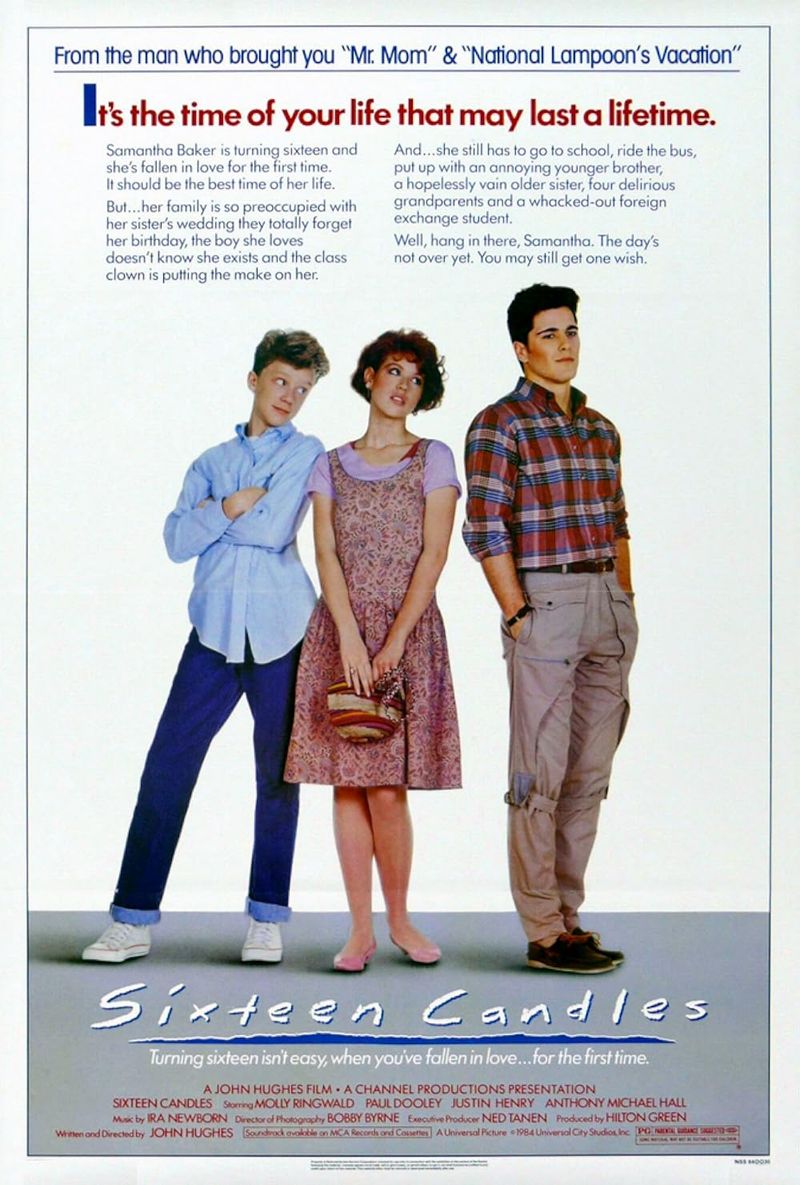
A gong sound effect played every time Long Duk Dong appeared on screen.
That single creative choice tells you almost everything you need to know about how this character was designed — as a punchline, not a person.
John Hughes wrote him as the ultimate “funny foreigner,” and audiences laughed without questioning why.
Decades later, that laughter feels much harder to justify.
Asian American actors and activists have pointed to Long Duk Dong as a formative source of playground mockery and real-world bullying.
Actor Gedde Watanabe, who played the role, has spoken about the complicated legacy.
The character is now a case study in how comedic stereotypes cause lasting cultural harm.
6. Mark Watson — Soul Man (1986)
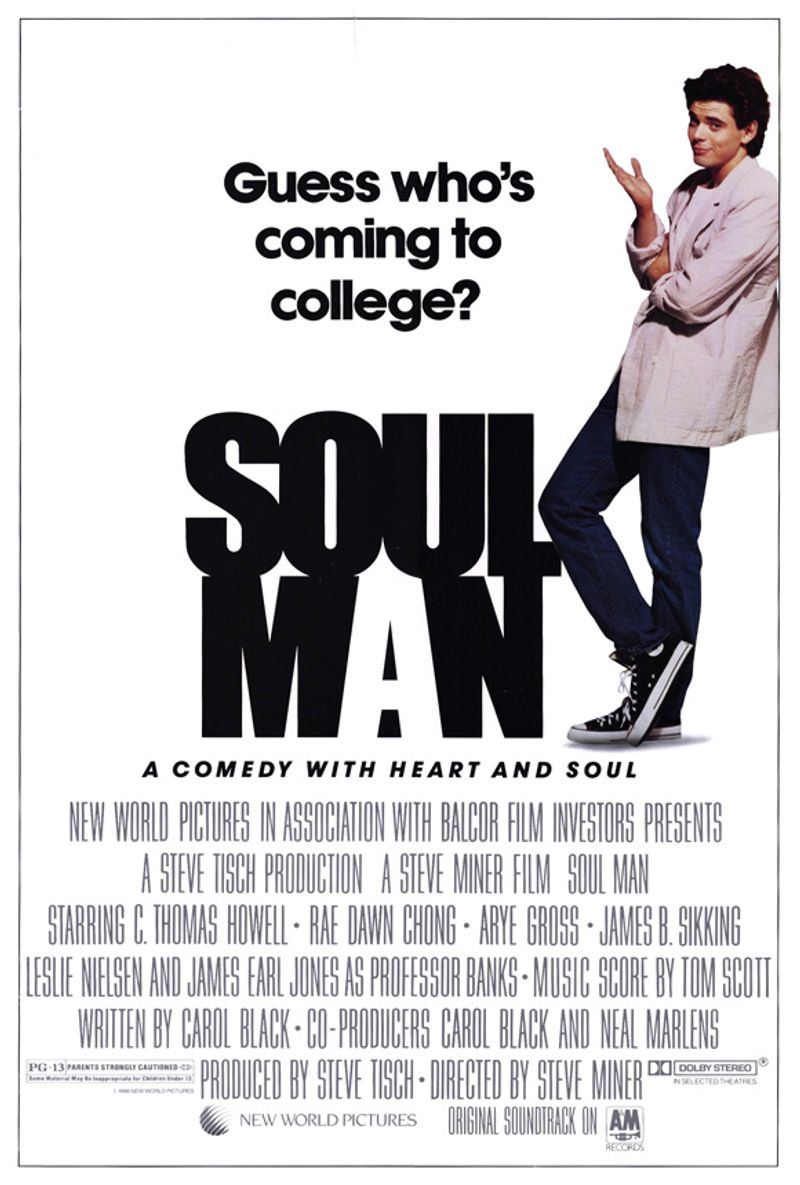
The premise of Soul Man was already a minefield: a wealthy white student darkens his skin with tanning pills to fraudulently claim a scholarship meant for Black students.
C.
Thomas Howell’s portrayal brought blackface imagery back into mainstream Hollywood during the Reagan era, and the outrage was swift and justified.
Critics pointed out that the film treated racial identity as a costume — something a white character could wear for convenience and then remove.
Civil rights organizations protested loudly.
Even the film’s attempts at a moral ending felt hollow to many viewers.
Soul Man stands as a reminder that good intentions behind a harmful premise do not cancel out the harm the premise itself causes.
7. Jesus Christ — The Last Temptation of Christ (1988)
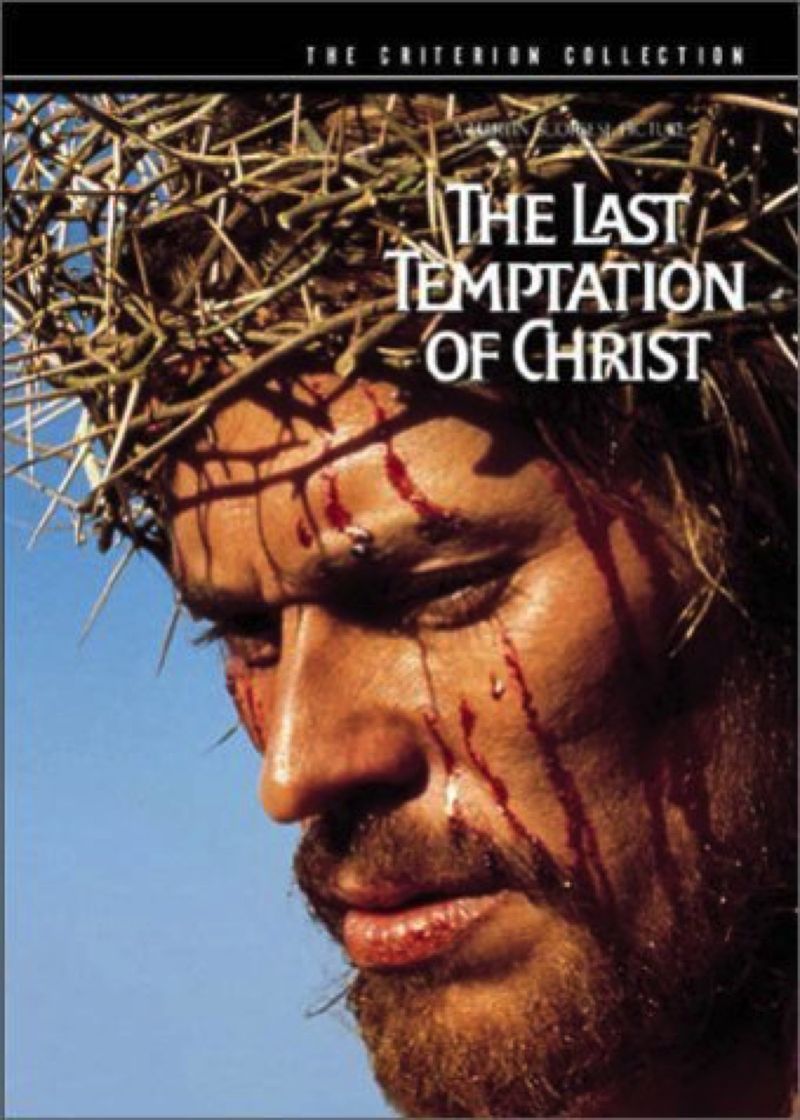
Willem Dafoe brought something deeply unusual to his portrayal of Jesus — uncertainty.
In Martin Scorsese’s adaptation of Nikos Kazantzakis’s novel, Jesus wrestles with desire, fear, and the weight of his purpose.
For many Christian viewers, that portrayal felt like an attack on their most sacred figure.
Protests erupted outside theaters across the United States and Europe.
A cinema in Paris was firebombed.
Religious groups called for boycotts, and several countries banned the film entirely.
Scorsese argued the film was an act of faith, not mockery.
The debate raised profound questions about artistic freedom and religious respect that still have no easy answers.
Dafoe’s Jesus remains one of the most debated portrayals in cinematic history.
8. Catherine Tramell — Basic Instinct (1992)
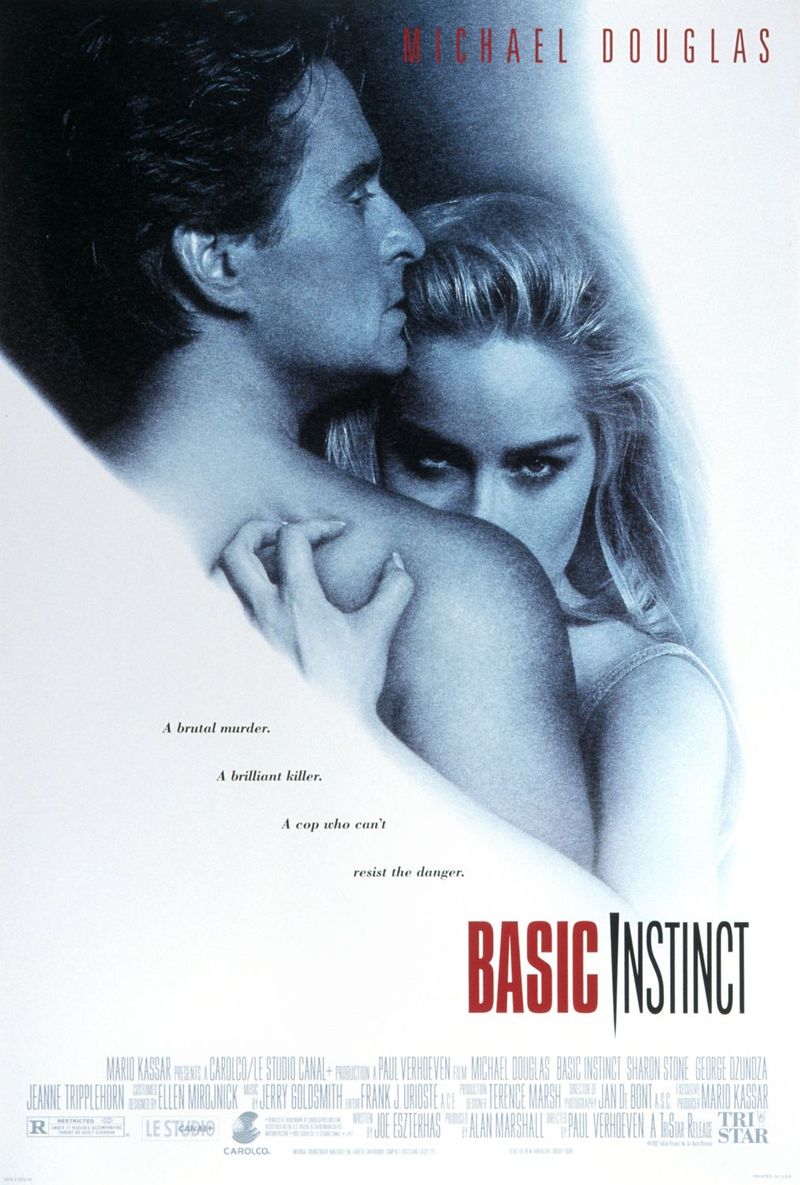
Sharon Stone’s Catherine Tramell arrived on screen like a thunderstorm — electric, dangerous, and impossible to look away from.
Basic Instinct made her one of cinema’s most seductive villains, but the controversy surrounding her had layers that went beyond the famous interrogation scene.
LGBTQ+ activists picketed the film during production, arguing that Catherine’s bisexuality was directly linked to her murderous nature, reinforcing a damaging stereotype connecting queerness with violence and instability.
Stone pushed back, calling the character a celebration of female power.
The argument was never cleanly resolved.
Catherine Tramell remains a fascinating, frustrating figure — genuinely thrilling to watch, while also carrying the weight of representation debates that still matter deeply today.
9. Mickey and Mallory Knox — Natural Born Killers (1994)
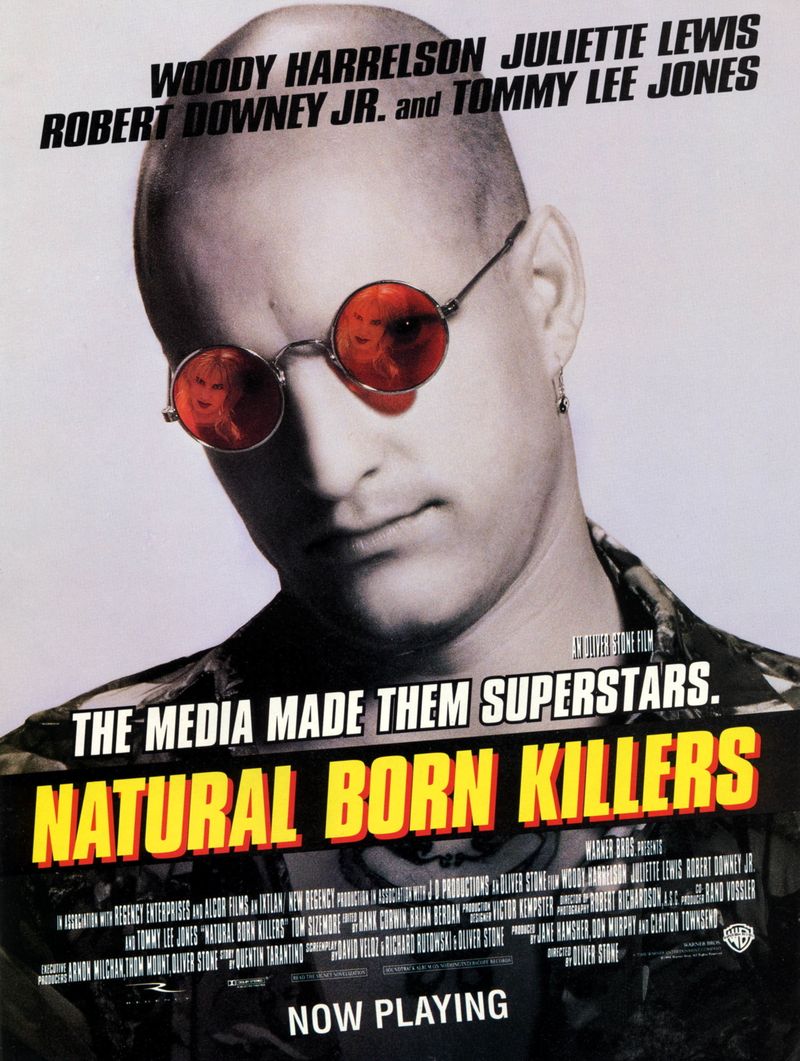
Oliver Stone built Mickey and Mallory Knox as a savage mirror held up to American media culture — two killers made into celebrities by a society that rewards spectacle over morality.
Woody Harrelson and Juliette Lewis played them with terrifying charisma, which was exactly the point and exactly the problem.
Several real-life crimes were allegedly inspired by the film, leading to lawsuits against Stone and Warner Bros. that dragged through courts for years.
Stone argued the film was a critique of media violence, not a celebration of it.
Critics were divided.
Mickey and Mallory Knox became symbols of an ongoing cultural argument about whether glorifying killers on screen plants dangerous seeds in vulnerable minds.
10. Jar Jar Binks — Star Wars: Episode I – The Phantom Menace (1999)
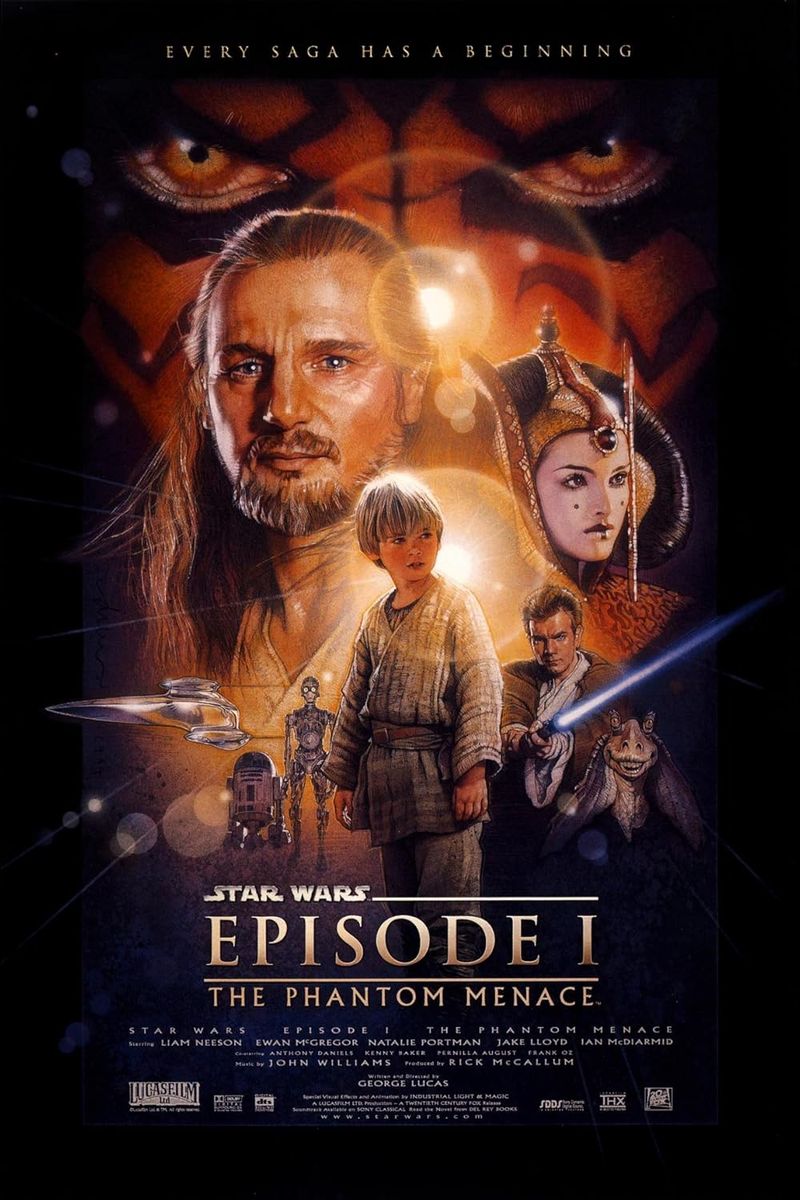
When Jar Jar Binks first appeared in The Phantom Menace, audiences expected fun comic relief.
What many got instead was a creeping discomfort they struggled to articulate at first.
Over time, critics and scholars began identifying what bothered them: Jar Jar’s exaggerated speech patterns, clumsy behavior, and subservient role echoed racial caricatures from a much darker era of entertainment.
George Lucas denied any intentional coding, and some fans defended the character vigorously.
But the conversation refused to go away.
Jar Jar became one of the most-discussed CGI characters in film history — not for technical achievement, but for what his design might reveal about unconscious bias in Hollywood storytelling.
Few supporting characters have sparked such serious academic debate.
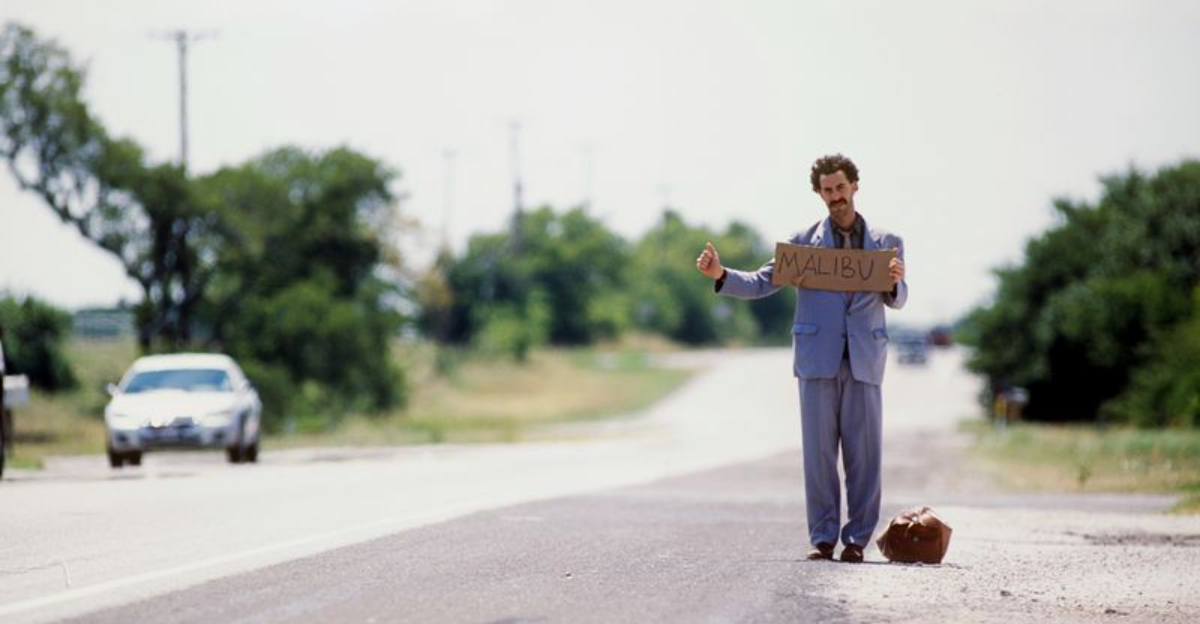
11. Borat Sagdiyev — Borat (2006)
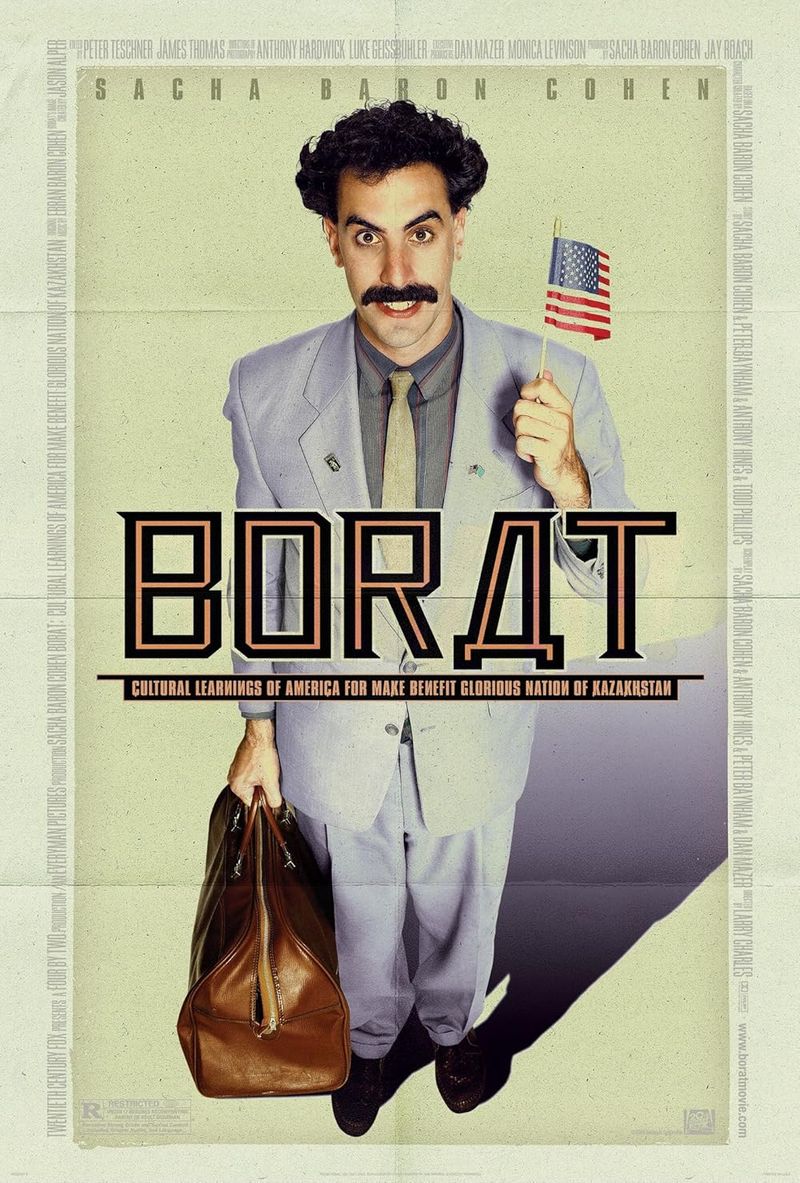
Sacha Baron Cohen’s Borat Sagdiyev was built as a trap — a fictional Kazakhstani journalist whose outrageous ignorance was designed to expose the real prejudices of real Americans who didn’t realize a camera was rolling.
The result was one of the most daring comedic experiments in modern cinema.
Kazakhstan was furious, initially threatening legal action over what they saw as mockery of their nation and people.
Meanwhile, some critics argued the character’s sexism and antisemitism, even when satirical, normalized the very attitudes it claimed to mock.
Others called it fearless genius.
Borat walked a razor-thin line between exposing bigotry and performing it, and reasonable people still disagree about which side he ultimately landed on.
12. Brüno — Brüno (2009)
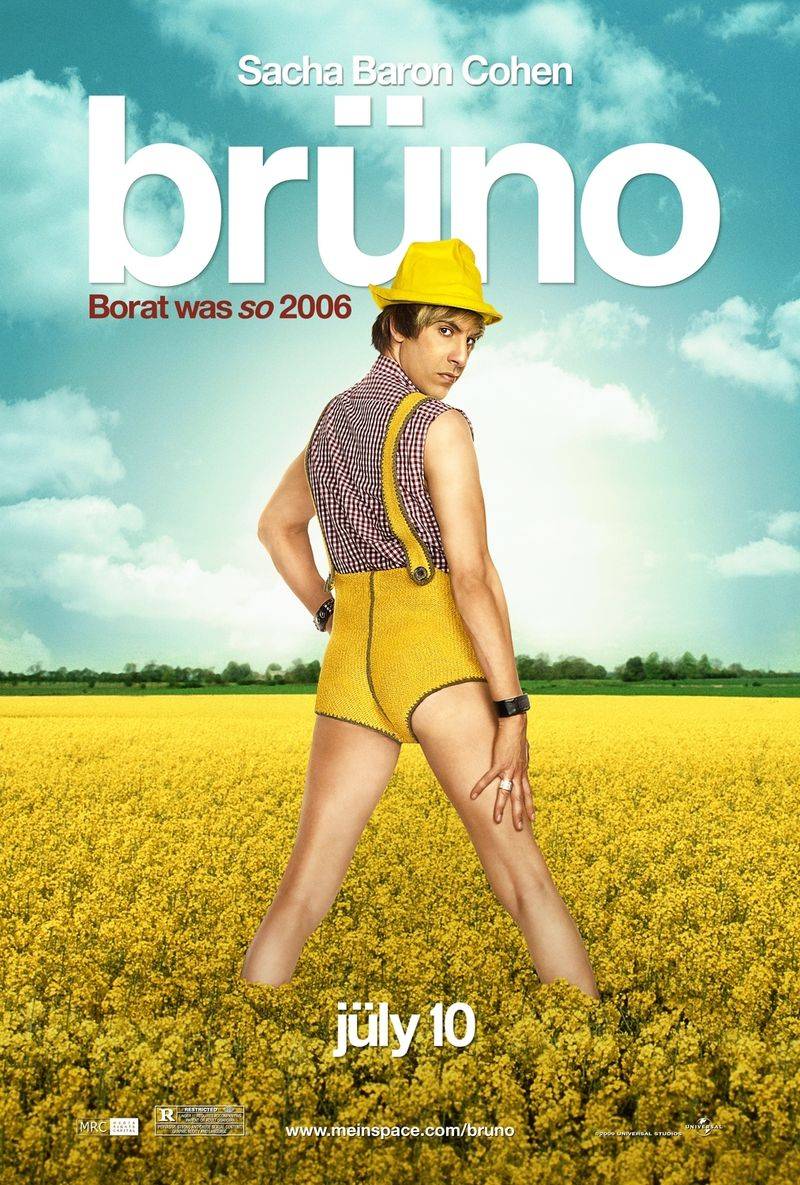
Sacha Baron Cohen returned with another provocateur just three years after Borat, this time in the form of Brüno — an outrageously flamboyant Austrian fashion reporter whose entire existence was designed to make people squirm.
The character generated wildly split reactions that cut straight to the heart of how comedy handles gay identity.
Supporters argued Brüno brilliantly exposed homophobia by forcing homophobes to reveal themselves on camera.
Critics — including many within LGBTQ+ communities — countered that the character relied on exaggerated gay stereotypes for shock value, effectively using queerness as a joke rather than a lens.
Both arguments carry real weight.
Brüno remains a genuinely complicated character whose satirical intent and actual impact pull sharply in opposite directions.
13. Tonto — The Lone Ranger (2013)
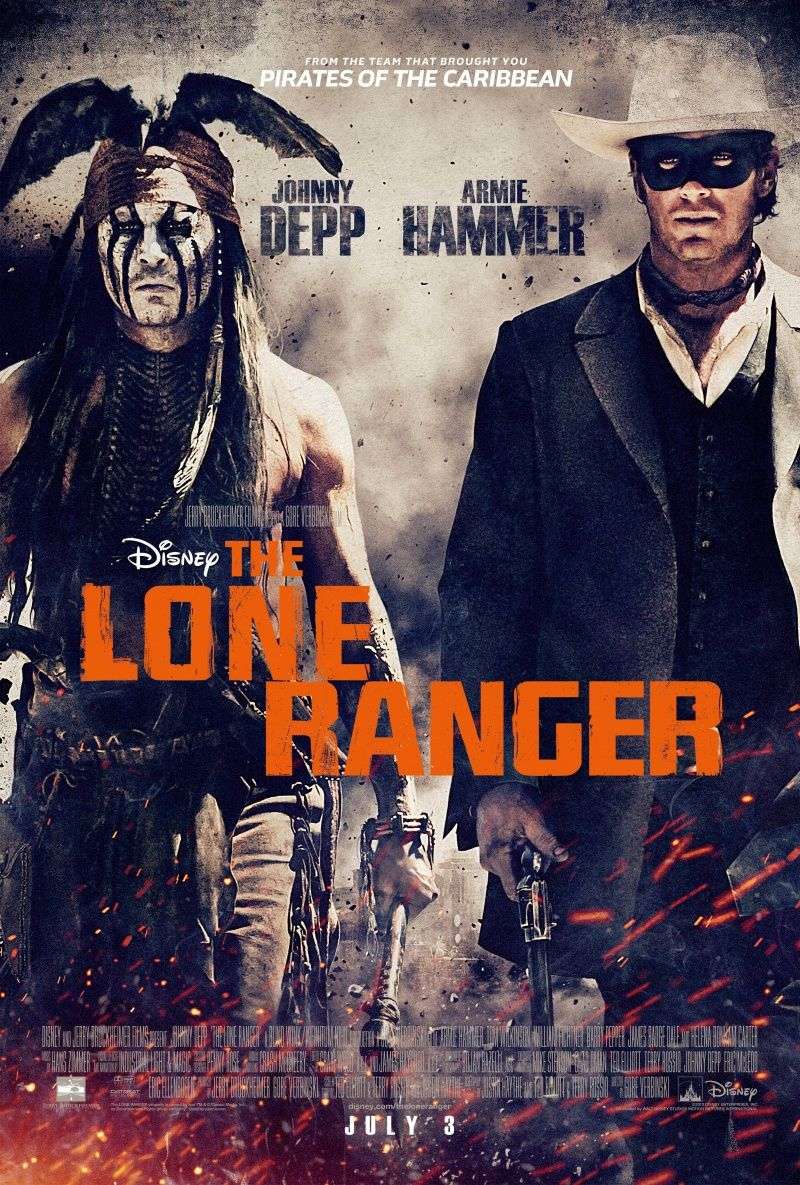
Johnny Depp’s version of Tonto arrived carrying decades of baggage.
The character had already been criticized for generations as a demeaning Native American sidekick stereotype, and Depp’s 2013 portrayal — complete with a dead crow headdress and halting speech — did little to update or challenge that legacy.
The casting itself drew sharp criticism, as Depp’s Native American heritage was disputed and many felt the role should have gone to an Indigenous actor.
Native American advocacy groups spoke out forcefully against what they described as cultural appropriation dressed up as blockbuster entertainment.
The film bombed commercially and critically.
Tonto’s troubled history on screen serves as a clear reminder that representation matters far beyond box office numbers.
14. Patrick Bateman — American Psycho (2000)
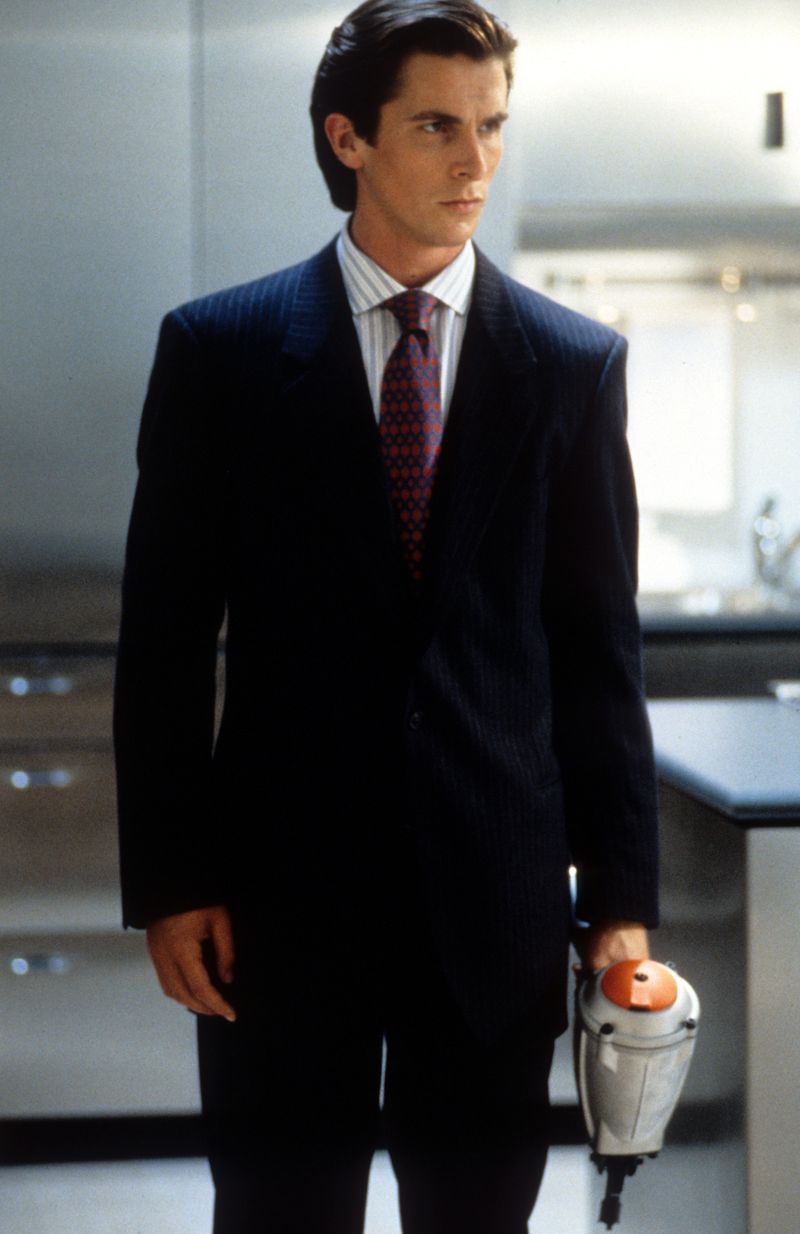
Beneath the polished suits and business cards hides one of cinema’s most chilling creations.
Patrick Bateman, played by Christian Bale, is a wealthy Wall Street banker who may — or may not — be a serial killer.
American Psycho sparked fierce debate about whether the film glorified violence against women or cleverly satirized 1980s yuppie culture and toxic masculinity.
Feminist groups protested its release, while film critics praised its dark comedy.
Bateman’s cold, calculating personality made audiences deeply uneasy.
The film forces viewers to question whether Bateman is a monster, a product of his environment, or simply a disturbing fantasy.