 MomSkoop
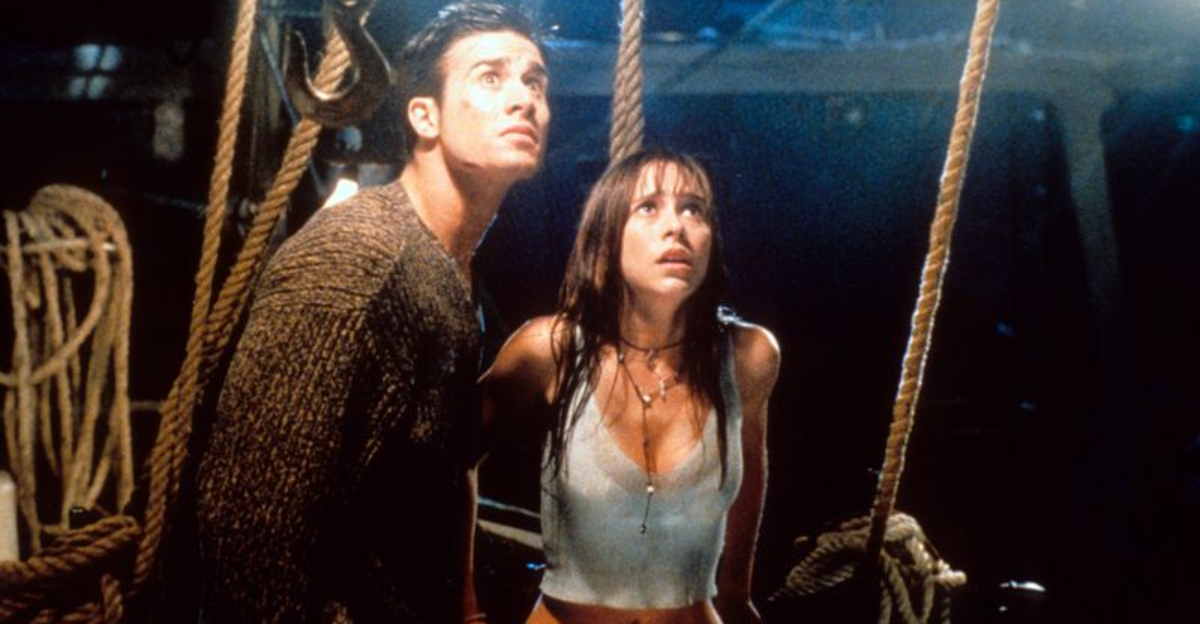
The 1990s gave us some truly wild horror movies that had everyone talking, screaming, and rushing to the theater. Some of these films became massive hits and earned mountains of praise, but looking back, a few of them might not be quite as brilliant as we once thought.
Whether it was clever marketing, perfect timing, or just the magic of being a kid watching something scary, these movies left a lasting mark on pop culture. Here is a look at 14 horror films from the decade that got way more credit than they probably deserved.
1. The Blair Witch Project (1999)
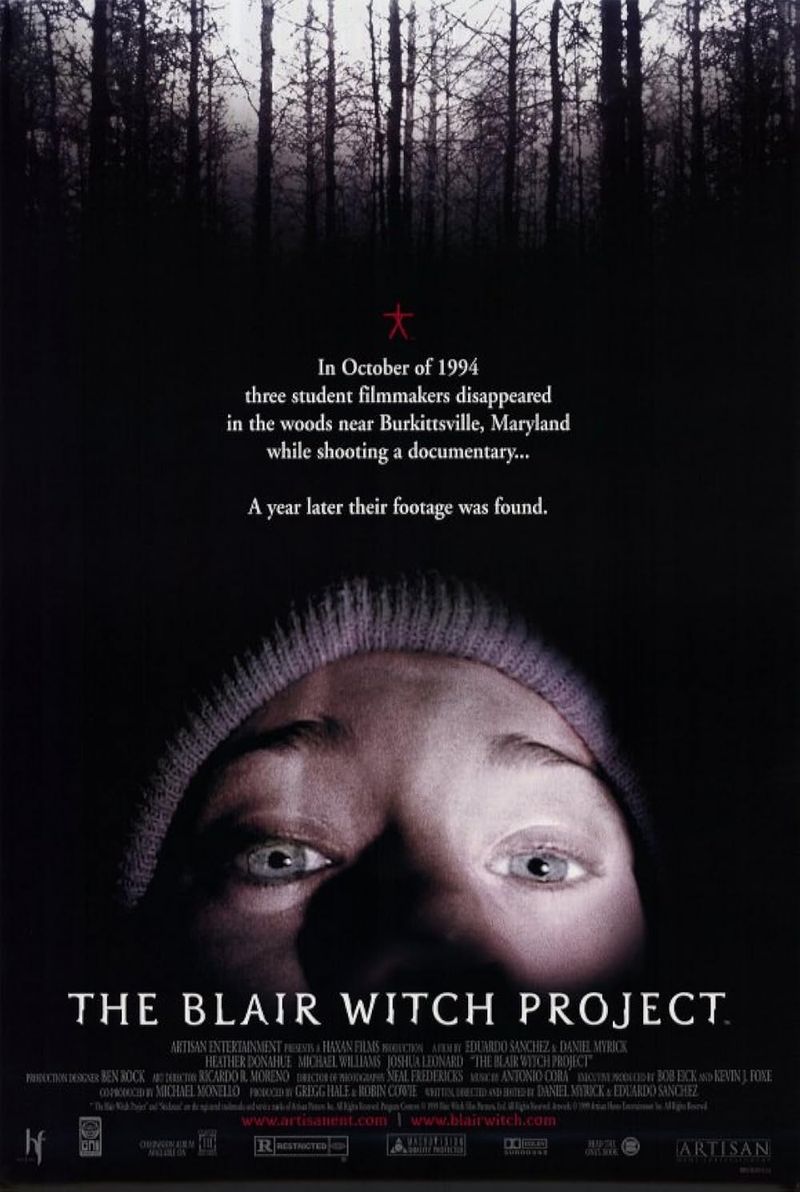
Before YouTube existed, found footage was a fresh idea that genuinely freaked people out. “The Blair Witch Project” convinced millions of viewers it was real documentary footage of missing students, and that marketing trick did most of the heavy lifting.
Strip away the hype, and what you actually get is a lot of shaky camera work, crying in tents, and very little payoff.
The film made nearly $250 million on a budget of around $60,000, which is impressive by any measure.
But many viewers who revisit it today feel cheated by the anticlimactic ending.
It is a masterclass in building tension through suggestion, though the finished product left too many questions unanswered to truly satisfy.
2. Scream 2 (1997)
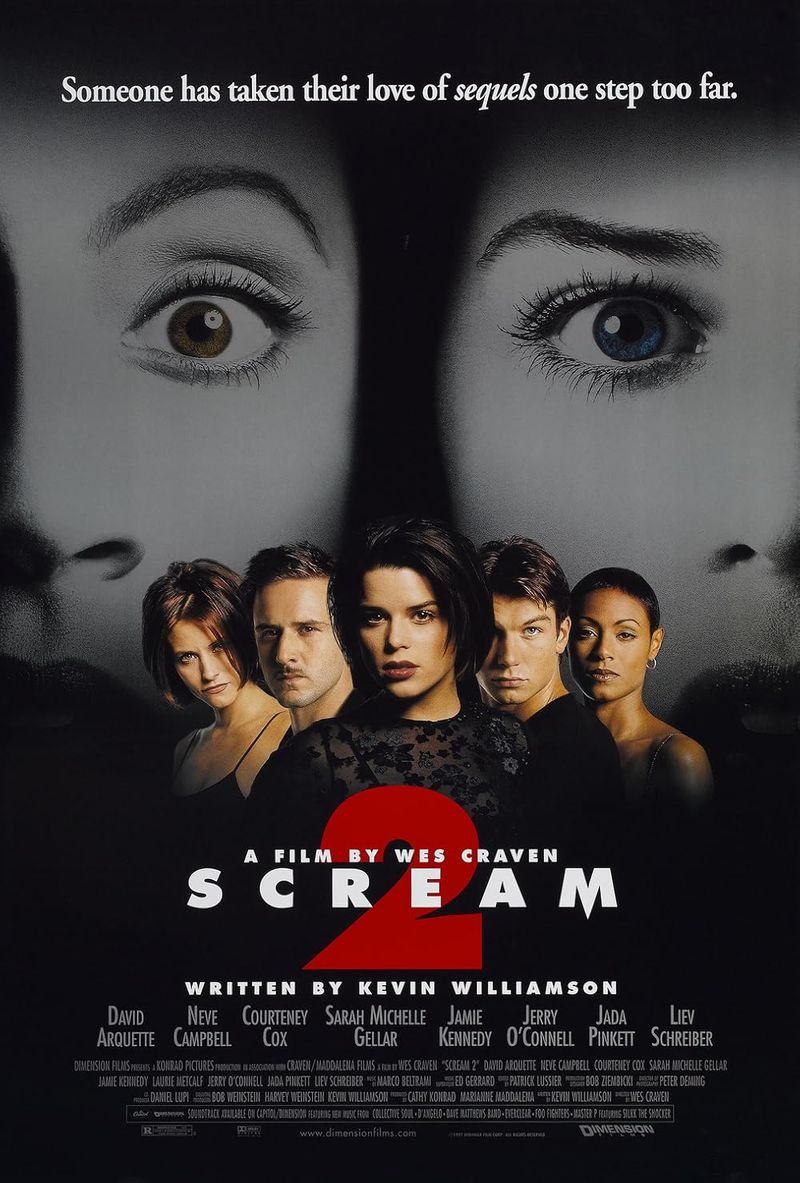
Sequels are a tough game, and “Scream 2” arrived just one year after the original turned the horror genre upside down.
Critics loved it for being self-aware and clever, pointing out sequel clichés while committing every single one of them.
That winking meta-humor worked brilliantly the first time around, but the second visit felt more like a formula than a fresh idea.
The film has some genuinely tense moments and a solid opening scene that grabbed everyone’s attention.
However, the killer reveal lands with a thud compared to the original’s shocking twist.
Fans of the franchise still defend it passionately, but stripped of nostalgia, “Scream 2” is a decent thriller coasting on borrowed goodwill from its groundbreaking predecessor.
3. I Know What You Did Last Summer (1997)
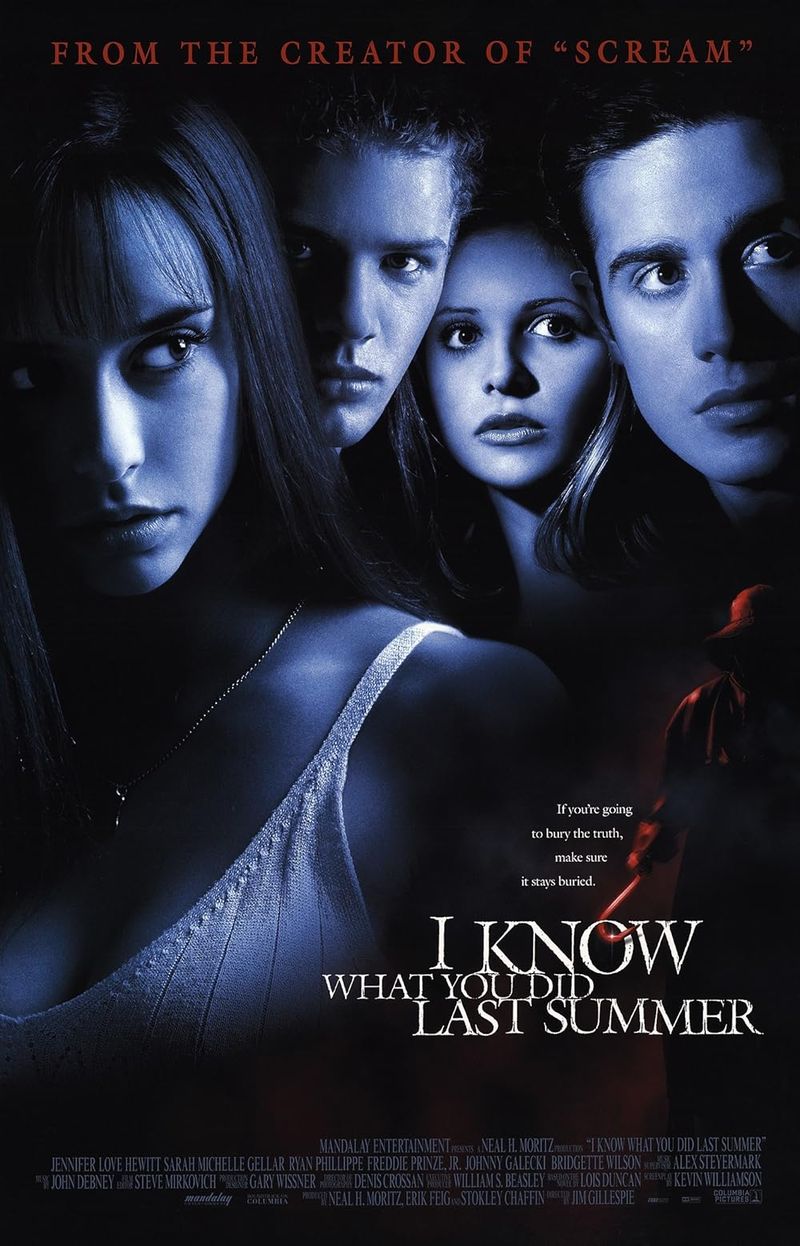
Riding the wave of “Scream’s” success, this slasher brought together a lineup of hot young stars and a hook-wielding fisherman with a grudge.
The premise sounds terrifying on paper, and the film earned solid box office numbers that proved audiences were hungry for teen horror.
Yet the plot holes are big enough to sail a boat through, and the characters make bafflingly bad decisions at every turn.
Jennifer Love Hewitt and Sarah Michelle Gellar were at peak fame, which helped fill seats rather than the script’s strength.
The fisherman villain, Ben Willis, barely gets any real backstory or menace beyond showing up at inconvenient moments.
Fun as a popcorn movie, but nowhere near the sharp horror experience its marketing promised audiences.
4. Urban Legend (1998)
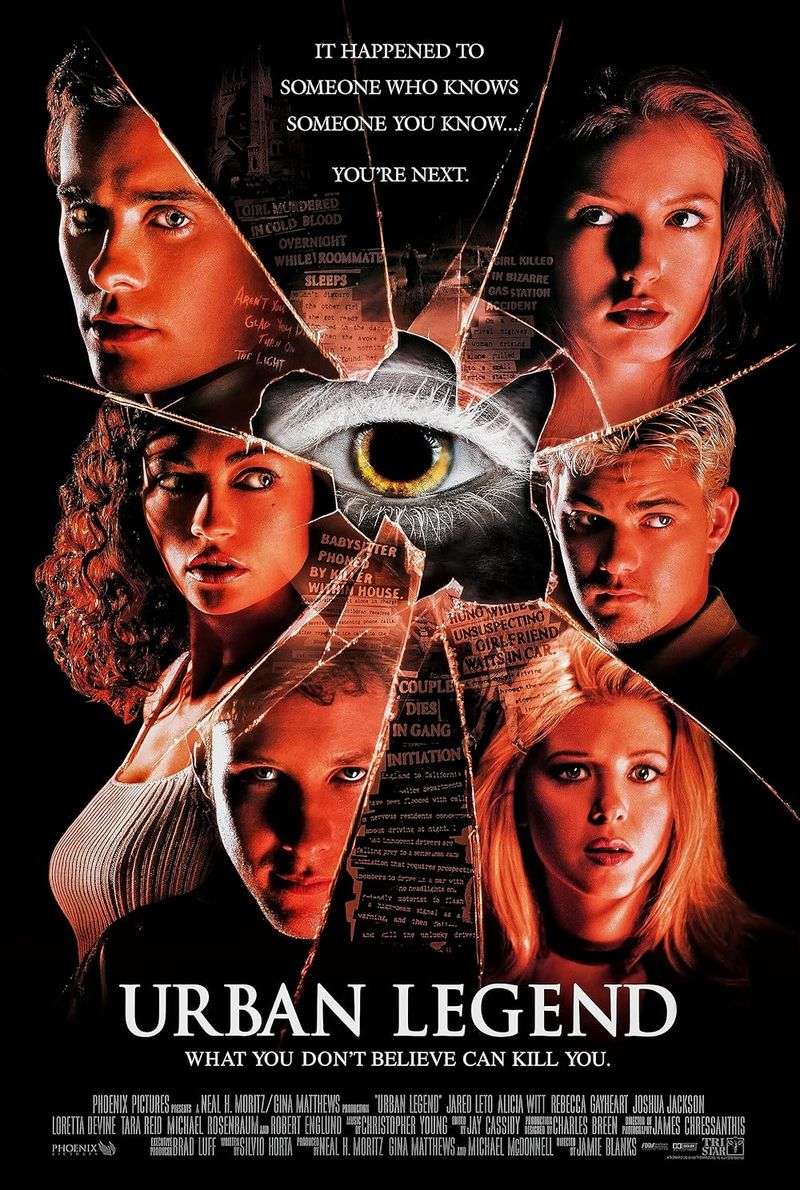
Urban legends are genuinely creepy things, and building a horror movie around them seemed like pure genius. “Urban Legend” had a fun concept where each murder mimicked a famous folk tale, from the killer in the back seat to the dog in the microwave.
The setup had real potential to be something clever and memorable in the crowded late-90s slasher market.
Unfortunately, the execution stumbles badly once the novelty wears off.
The mystery feels rushed, the red herrings are obvious, and the climax tries too hard to be shocking without earning it.
Robert Englund appears in a glorified cameo that mostly reminds you of better horror movies you could be watching instead.
A missed opportunity wrapped in a genuinely cool idea.
5. The Sixth Sense (1999)
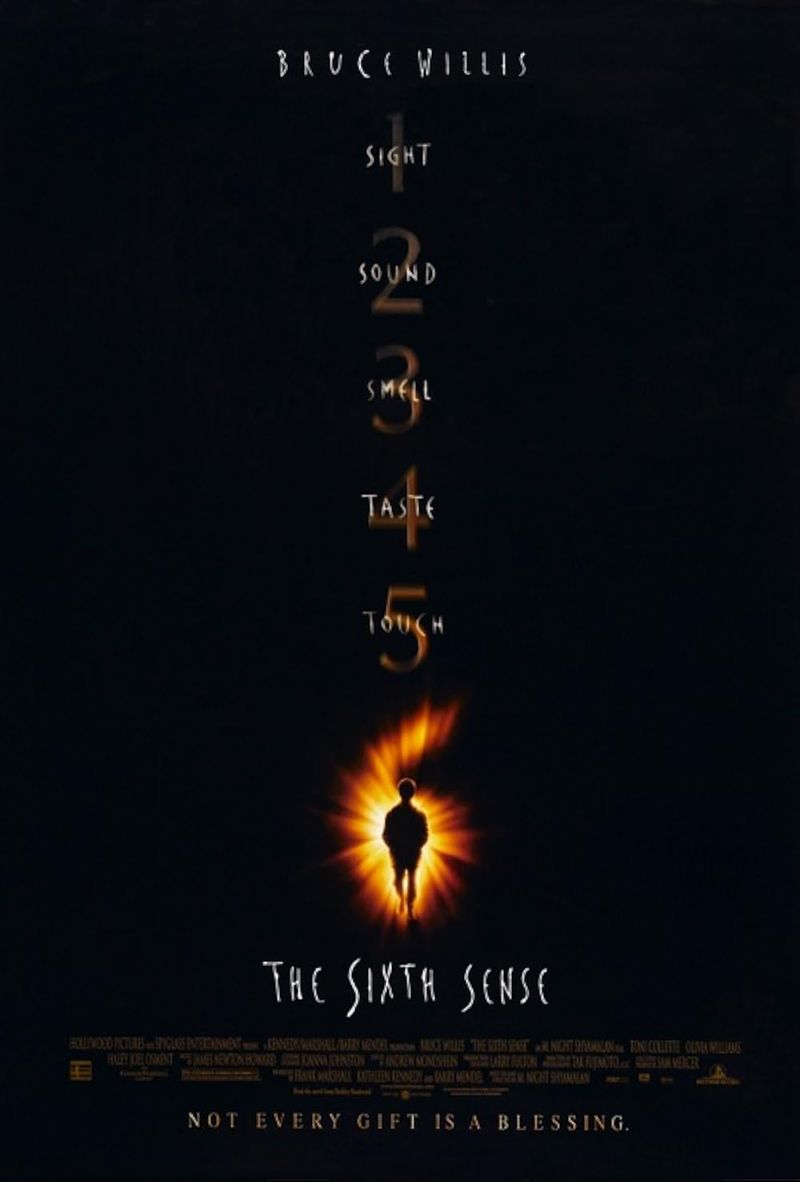
Few movies have ever benefited from word-of-mouth the way “The Sixth Sense” did.
That twist ending became one of the most talked-about moments in cinema history, and M.
Night Shyamalan was suddenly Hollywood’s hottest director.
But here is the thing: once you know the secret, the movie loses almost everything that made it feel special.
Rewatching it reveals a fairly slow-paced drama with limited scares and a child performance that carries the entire emotional weight.
Haley Joel Osment is genuinely wonderful, and the film has real heart beneath the horror trappings.
Still, calling it a masterpiece feels like giving full credit to one magic trick while ignoring that the rest of the show was mostly just quiet walking through hallways.
6. Candyman (1992)
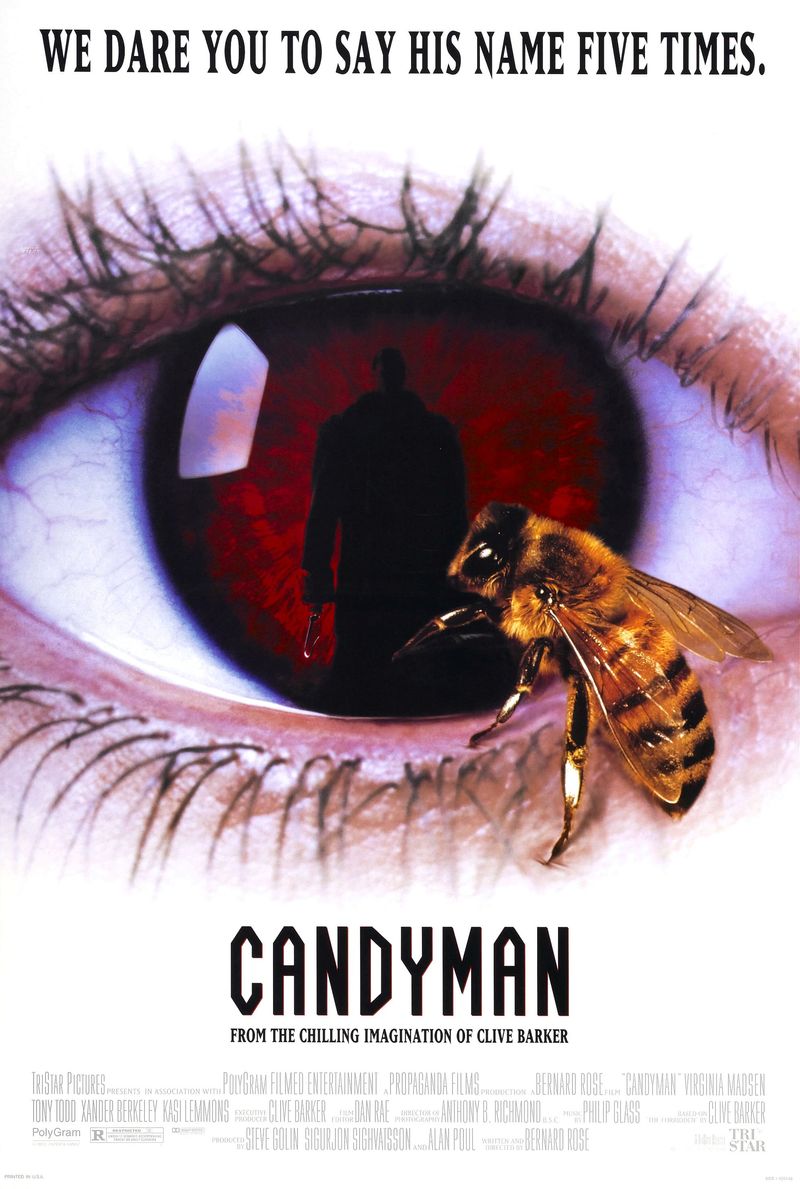
Say his name five times in the mirror if you dare, but be warned that the actual movie might not match the legend built around it. “Candyman” tackled race, class, and urban myth in ways that were genuinely ambitious for a horror film of its era.
Tony Todd’s commanding presence made the villain genuinely unsettling, and that iconic hook hand left a lasting image in horror culture.
Where the film stumbles is in its pacing and its tendency to get so wrapped up in symbolism that it forgets to be scary.
Academic horror fans celebrate it as profound commentary, which it partly is.
But casual viewers sitting down for a fright often walk away more confused than terrified.
A bold experiment that deserves respect, though perhaps not quite the reverence it receives.
7. Event Horizon (1997)
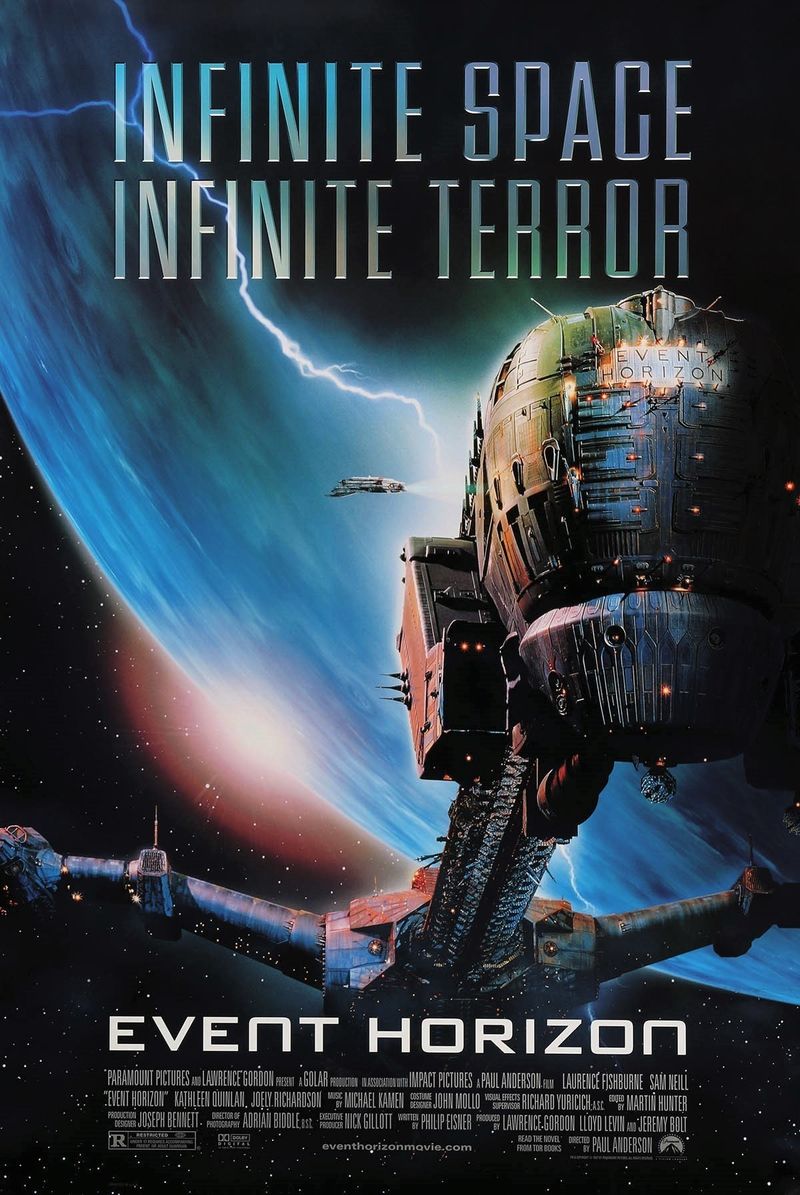
A spaceship that traveled to hell and came back wrong sounds like the most terrifying premise ever conceived. “Event Horizon” had enormous potential to be a defining sci-fi horror film, blending Lovecraftian dread with deep space isolation in genuinely unsettling ways.
Sam Neill and Laurence Fishburne brought serious acting weight to a script that really did not deserve them.
The film was notoriously cut down by the studio, leaving gaping holes in the story and characters who vanish without explanation.
What remains is a visually striking but narratively messy experience that mistakes gore for genuine horror.
Cult fans have spent decades insisting the lost footage would fix everything, but even the theatrical cut shows a movie that never quite figured out what it truly wanted to be.
8. Halloween H20: 20 Years Later (1998)
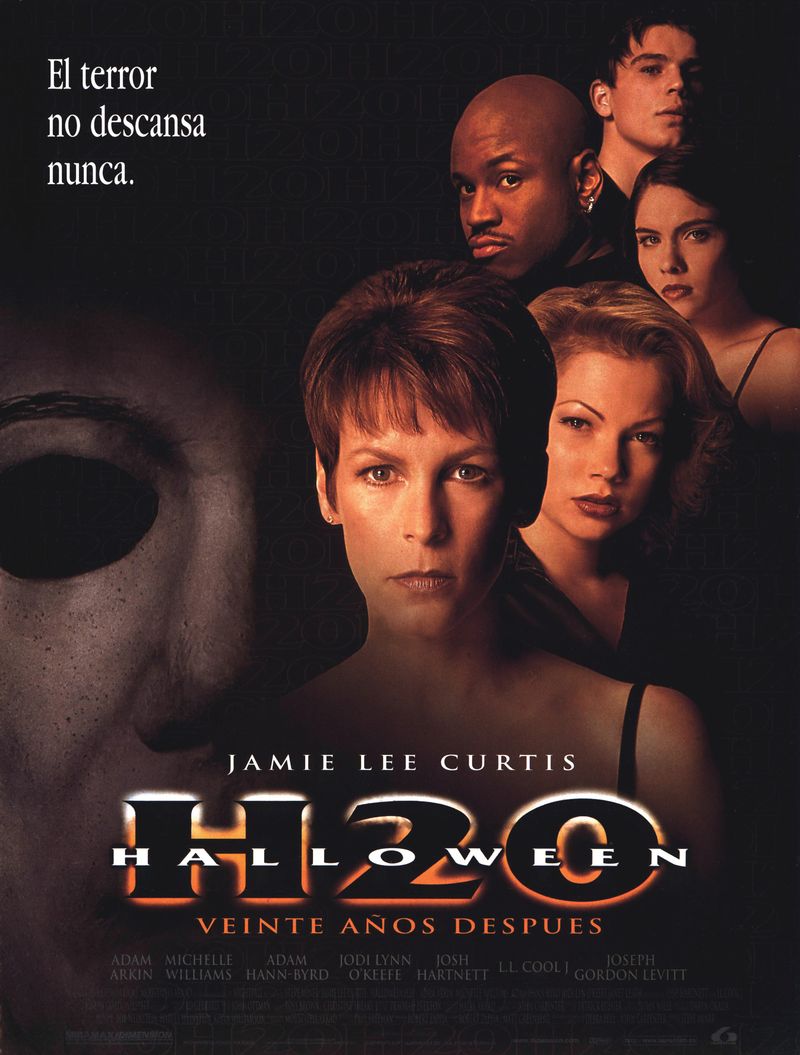
Jamie Lee Curtis returning to face Michael Myers twenty years later had fans absolutely electric with excitement.
The film smartly erased several messy sequels and positioned itself as a direct follow-up to the original, which was a clever move that got longtime fans back on board immediately.
There is genuine emotion in watching Laurie Strode finally stand her ground against her tormentor.
That emotional payoff, however, sits inside a movie that is otherwise pretty average by late-90s standards.
The teenage characters are forgettable, the kills are bloodless by design, and the pacing drags considerably in the middle act.
The franchise had already been running on fumes for years, and while H20 is a crowd-pleasing reunion, it is more fan service than genuine horror filmmaking at its finest.
9. Stigmata (1999)
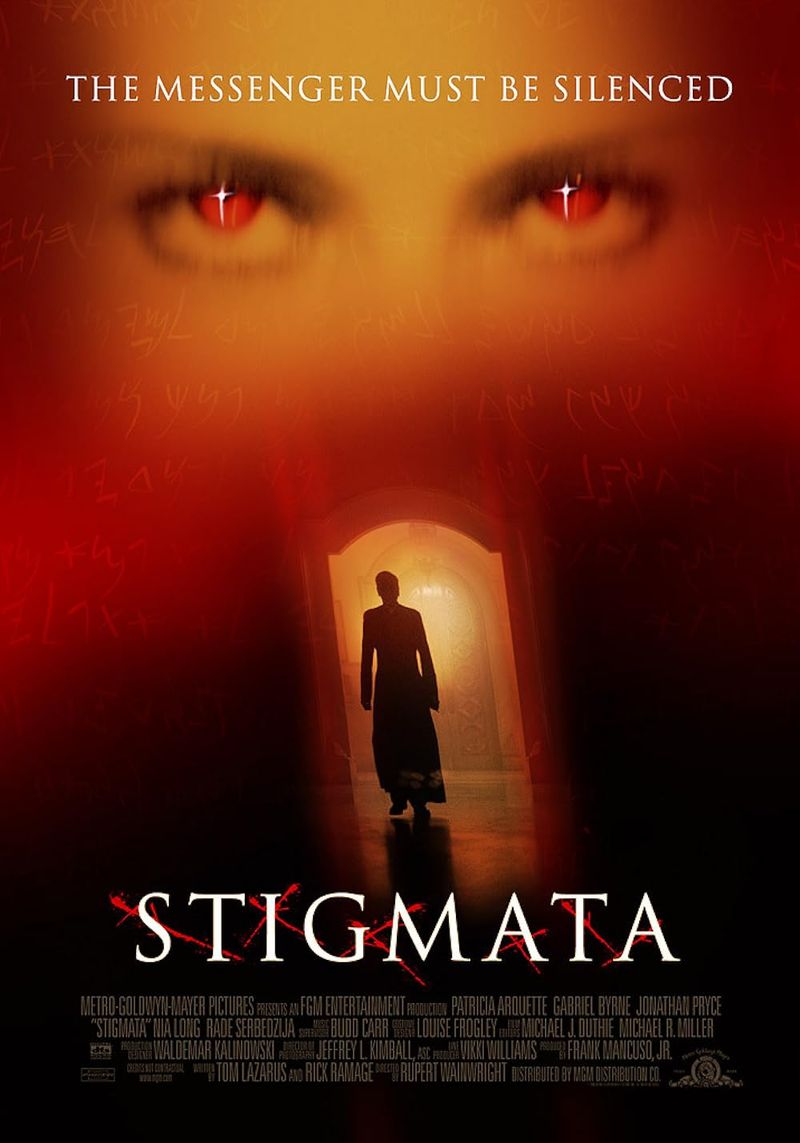
Religious horror has always had a magnetic pull, and “Stigmata” arrived with stunning visuals, a driving rock soundtrack, and Patricia Arquette delivering a physically committed performance.
The film looked like a music video in the best possible way, with MTV-style editing and moody blue lighting that made everything feel urgent and stylish.
Critics noticed the style but questioned whether there was any real substance underneath.
The story borrows heavily from better films and wraps a complicated theological debate around what is essentially a possession movie in disguise.
Gabriel Byrne looks permanently exhausted, and the Vatican conspiracy subplot goes nowhere satisfying.
Fun as an aesthetic experience and worth watching for Arquette’s raw energy alone, but it never earns the deep spiritual dread it so desperately wants to deliver.
10. The Faculty (1998)
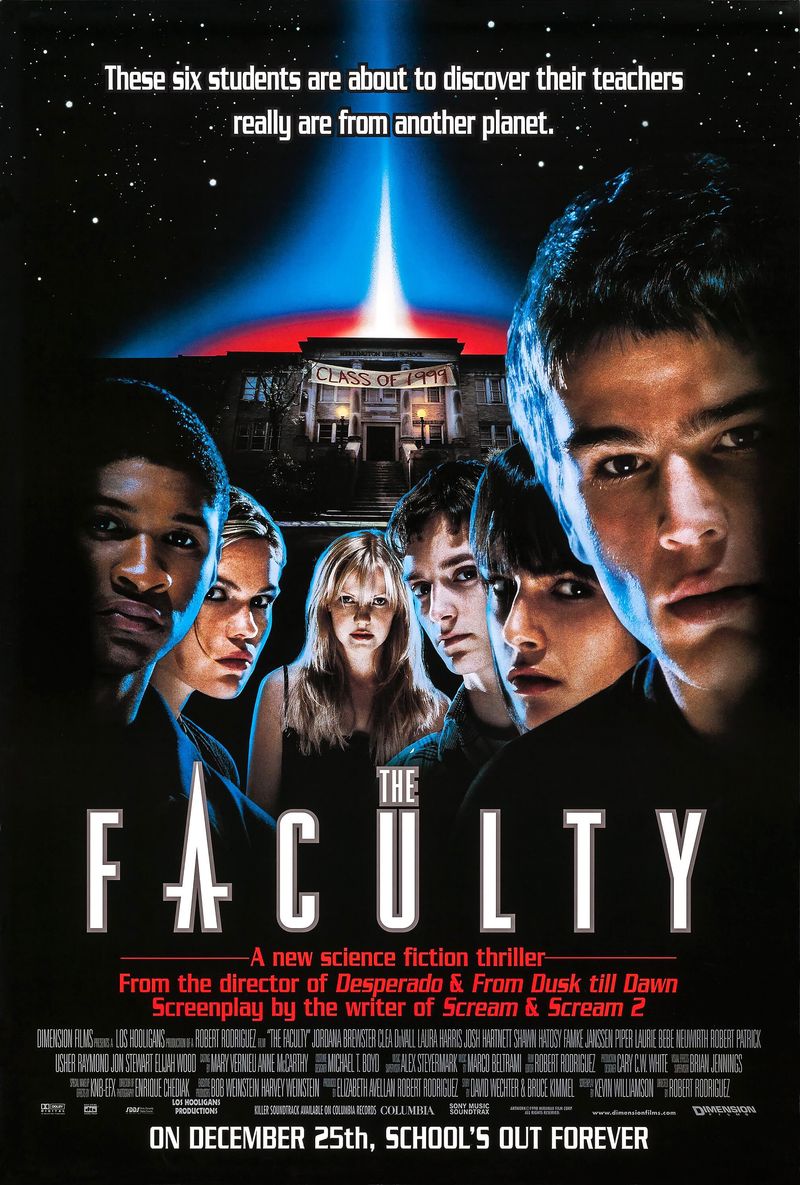
Robert Rodriguez directing a teen alien invasion horror movie written by Kevin Williamson of “Scream” fame sounds like a guaranteed hit. “The Faculty” delivered exactly what it promised: a fun, fast-paced riff on “Invasion of the Body Snatchers” set in a high school with an attractive young cast that included Josh Hartnett, Elijah Wood, and Jordana Brewster.
It was slick, energetic, and genuinely entertaining.
Looking back, though, the movie feels more like a greatest hits collection of horror ideas borrowed from smarter films than an original work.
The creature effects hold up reasonably well, but the character development is almost nonexistent.
Every student fits a tidy stereotype, and the story wraps up too neatly.
Entertaining popcorn horror, but the praise it received elevated it beyond what the script truly earned.
11. Sleepy Hollow (1999)
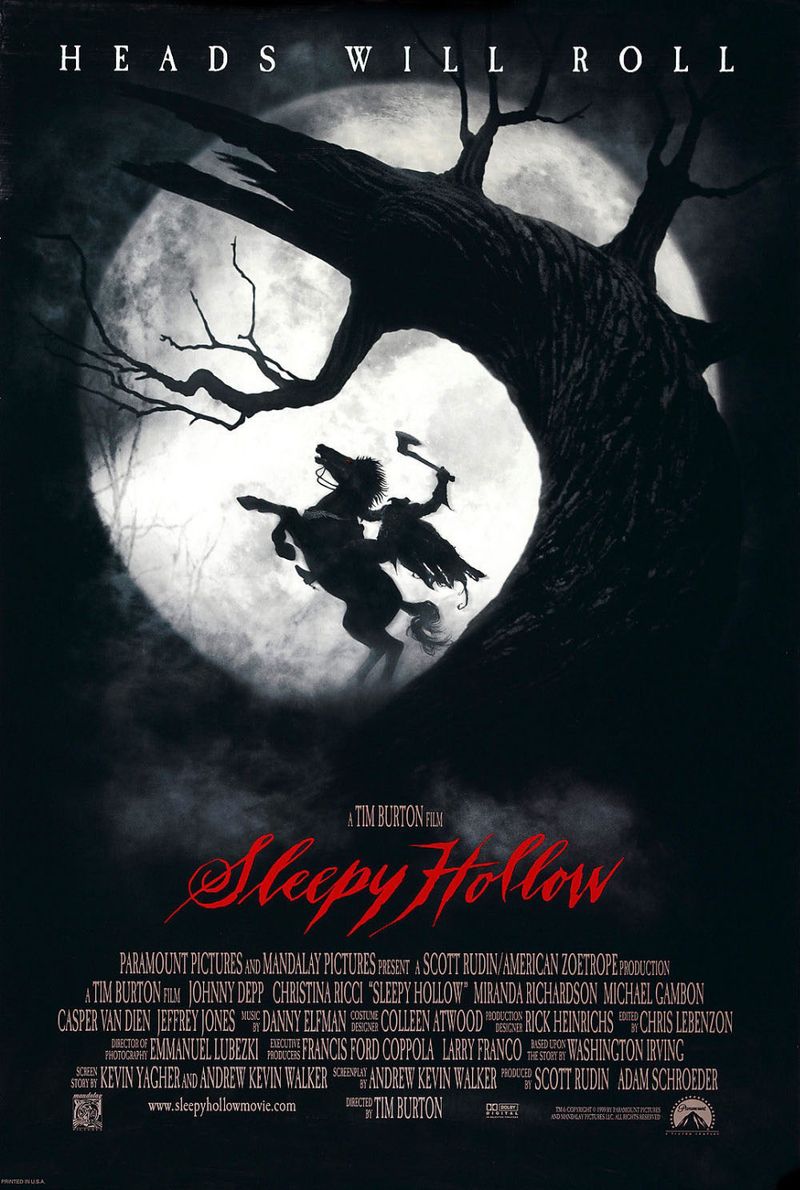
Tim Burton turning the legend of the Headless Horseman into a lush gothic murder mystery felt like a perfect creative match.
Johnny Depp played Ichabod Crane as a squeamish detective rather than the traditional cowardly schoolteacher, which was a fresh and amusing twist on familiar material.
The film is undeniably gorgeous, with every frame looking like a dark fairy tale painting come to life.
Where “Sleepy Hollow” loses points is in its story, which gets tangled in a convoluted conspiracy that buries the Horseman under layers of plot.
The mystery is less interesting than the atmosphere, and the ending relies on twists that feel more clever than earned.
Burton’s visual imagination is unmatched here, but style alone cannot carry a narrative that keeps tripping over its own ambitions.
12. Interview with the Vampire (1994)
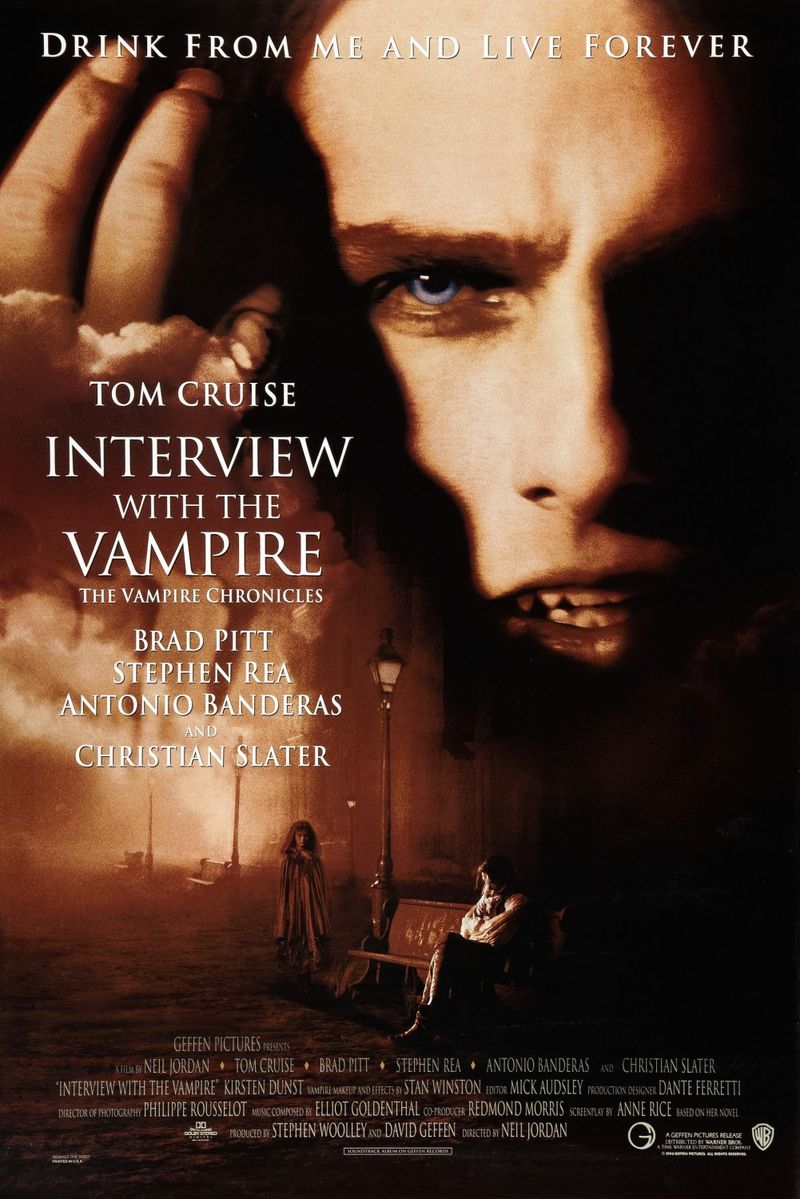
Anne Rice’s beloved novel finally reached the screen with Tom Cruise and Brad Pitt playing immortal vampires, which caused an immediate uproar from fans who doubted the casting.
Surprisingly, Cruise delivered one of his most unhinged performances as the villainous Lestat, stealing every scene with gleeful wickedness.
The production design was lavish, and the period costumes alone justified the price of admission.
Yet the film runs nearly two and a half hours and spends much of that time wallowing in Louis’s self-pity without much dramatic momentum.
It is a beautiful, melancholy film that mistakes brooding for depth.
Kirsten Dunst as the child vampire Claudia is the true emotional core, and when the story focuses on her, it genuinely sings.
Otherwise, it is gorgeous but overlong.
13. The Haunting (1999)
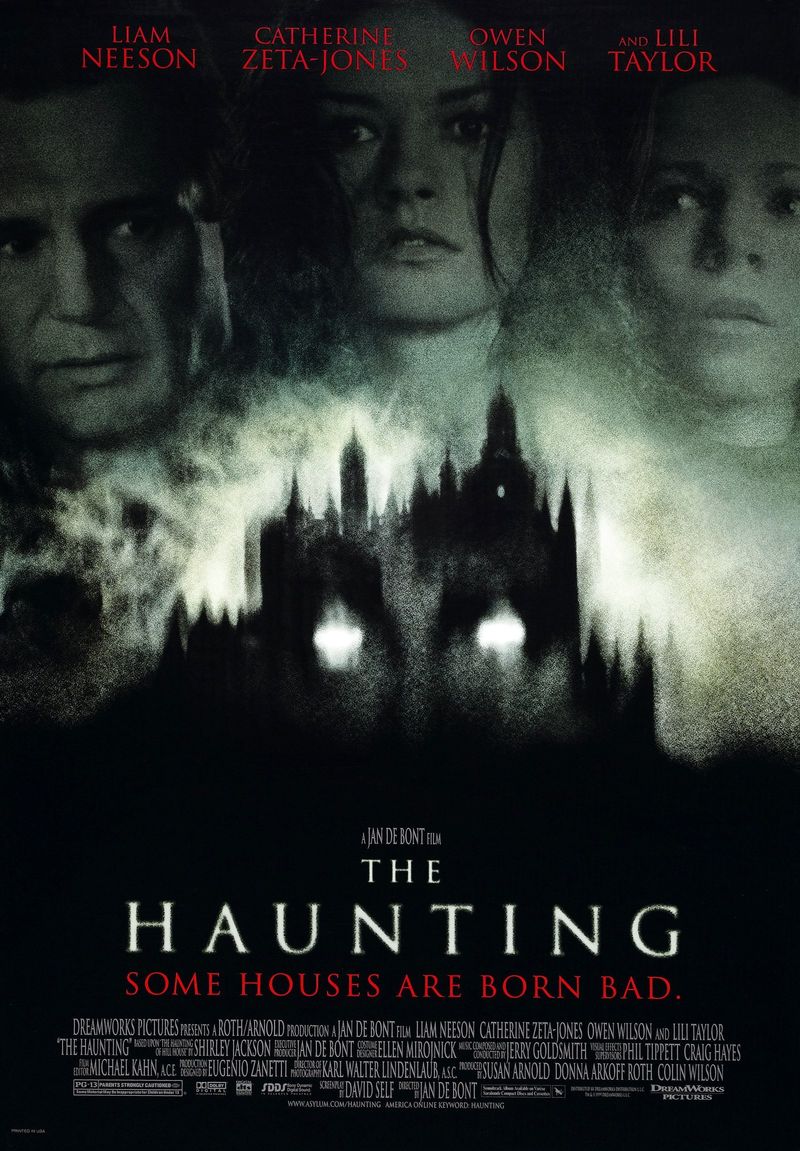
A remake of the 1963 classic, this version replaced quiet psychological dread with thunderous CGI spectacle and hoped nobody would notice the trade-off.
Liam Neeson, Catherine Zeta-Jones, and Owen Wilson were assembled for what should have been a prestige horror film, and the production budget was enormous.
Hill House itself looked incredible on screen, all towering ceilings and carved stone faces hiding in the architecture.
The original worked because it made you question whether anything supernatural was actually happening.
This version abandons ambiguity completely, showing every ghost effect in full digital glory and removing every trace of suspense in the process.
The characters behave irrationally, the scares are loud rather than unsettling, and the climax is unintentionally funny.
A cautionary tale about what happens when budget replaces imagination.
14. House on Haunted Hill (1999)
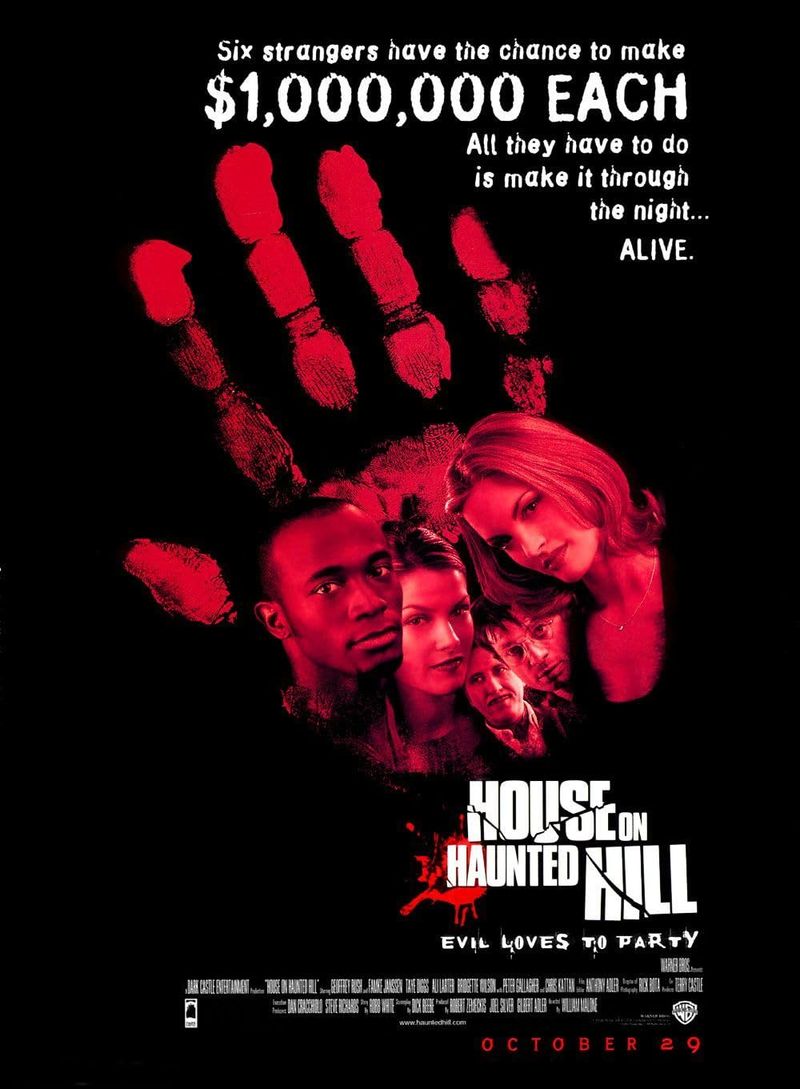
Remaking William Castle’s campy 1959 original gave filmmakers a chance to inject real terror into a story that had always been more fun than frightening.
Geoffrey Rush channeled Vincent Price’s theatrical energy with obvious relish, and the setting of a former psychiatric asylum gave the production some genuinely disturbing imagery to work with.
Early scenes build a promising atmosphere of dread.
Then the third act arrives, and the movie completely falls apart under a tidal wave of murky CGI darkness that is literally impossible to see clearly.
Whatever tension was built evaporates instantly when the supernatural threat becomes a swirling black blob.
It is a frustrating experience because the bones of a great haunted house film are clearly there.
Ambition and execution never quite met each other on this one.