 MomSkoop

Loneliness does not always announce itself through obvious sadness. Sometimes it shows up in your body first, quietly changing how you sleep, think, eat, and move through the day.
If certain physical symptoms keep appearing without a clear cause, your mind may be struggling with more isolation than you realize. These red flags can help you notice what your body has been trying to say.
1. Constant Fatigue
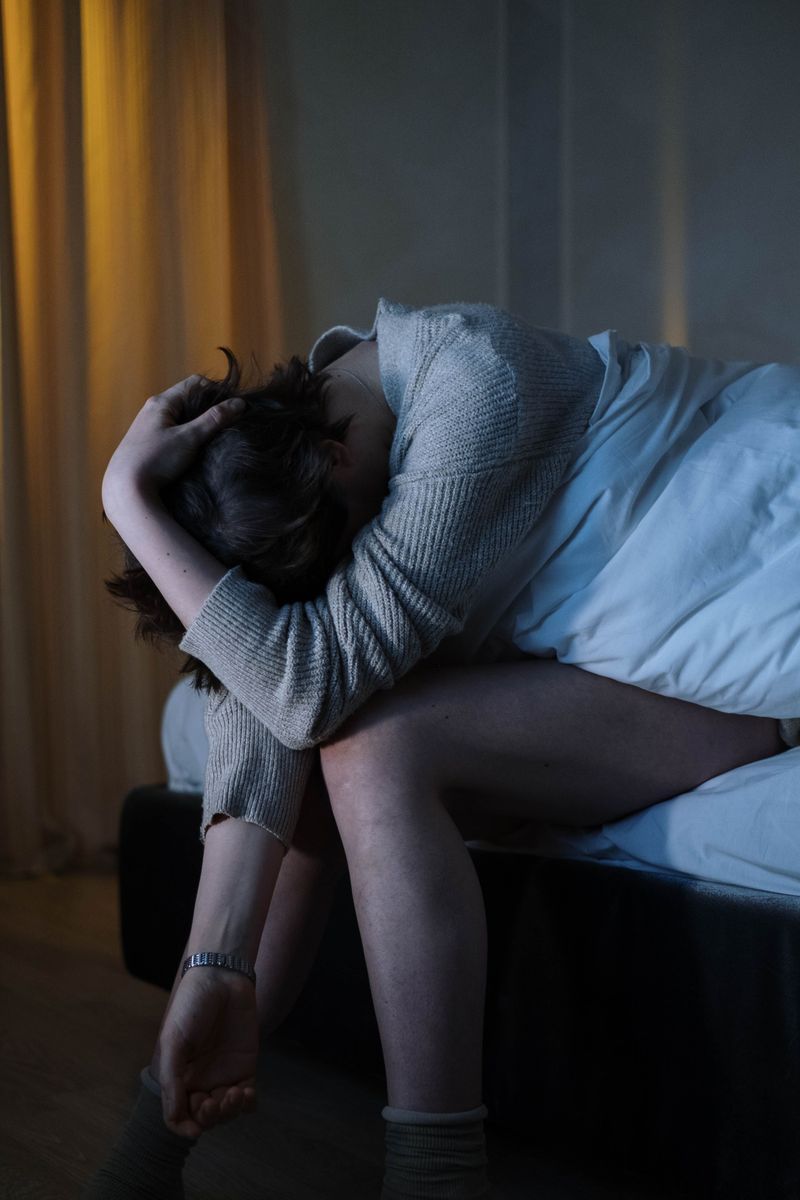
You can sleep a full night and still wake up feeling like your battery never charged.
Loneliness keeps your nervous system on alert, so your mind may stay busy even when your body is lying still.
That hidden stress can leave you dragging through simple tasks that used to feel easy.
If coffee barely helps, it is worth noticing what your emotions are carrying behind the scenes.
Many people blame work, age, or a packed schedule, but isolation can quietly drain energy too.
When tiredness becomes your normal setting, your body may be signaling that disconnection is taking a real mental and physical toll.
2. Frequent Headaches

Recurring headaches can be more than a hydration issue or too much screen time.
Emotional isolation raises stress hormones, and that tension can build quietly until it settles into your head.
You might notice a dull ache after long quiet evenings or pounding pressure when your thoughts start spiraling.
Loneliness can make the body feel threatened, even when nothing dangerous is happening around you.
That constant internal strain may tighten muscles, increase inflammation, and trigger headaches more often than usual.
If pain keeps returning without an obvious reason, it may be worth asking whether your mind has been carrying more distance, sadness, or disconnection than you have admitted.
3. Sleep Problems
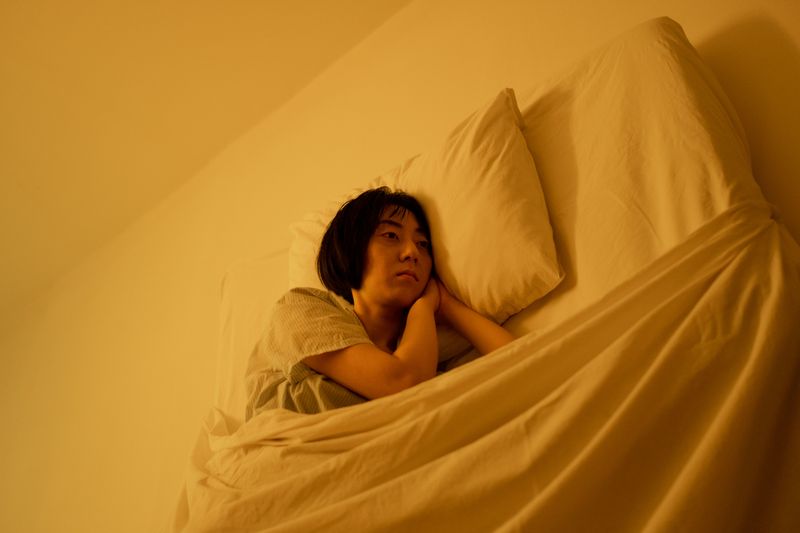
Loneliness has a way of following you into bed, even when the room is quiet.
You may struggle to fall asleep, wake up repeatedly, or open your eyes in the morning feeling like you barely rested.
When the mind feels unsupported, it often stays too alert to settle into deep, restorative sleep.
That can create a frustrating cycle where poor sleep worsens your mood, and your mood makes sleep even harder.
Nights may become filled with overthinking, replaying conversations, or feeling a heavy emptiness that keeps your body tense.
If sleep problems have become a pattern, your nervous system could be reacting to emotional isolation more than you realize.
4. Weakened Immune System
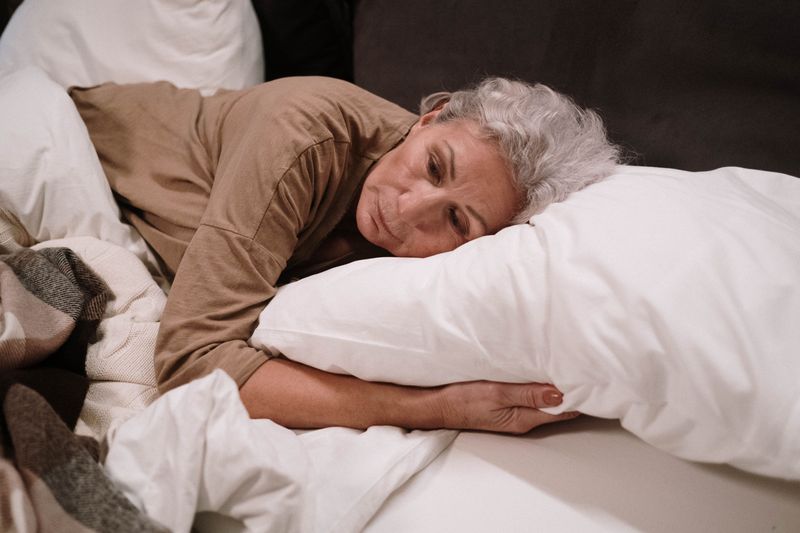
If you seem to catch every bug going around, loneliness might be part of the picture.
Chronic emotional stress can weaken immune responses, making it harder for your body to fight off common illnesses.
You may notice more sore throats, more sniffles, or feeling run down after everyone else has recovered.
Isolation does not just affect feelings.
It can change inflammation levels, stress chemistry, and the way your body handles daily wear and tear.
When you feel disconnected for long stretches, your system may stay in a strained state instead of focusing on repair.
Getting sick more often than usual can be a physical clue that your mind has been under social and emotional pressure.
5. Muscle Tension and Aches

Unexplained tightness in your neck, shoulders, or back is not always about posture.
Loneliness can keep the body braced, as if it is preparing for stress that never fully goes away.
Over time, that low level tension can turn into daily aches that feel annoying, draining, and hard to shake.
You might stretch, massage the area, or blame a bad chair, yet the pain keeps returning.
Emotional isolation often shows up physically because the body stores stress in muscles long before the mind says anything out loud.
If soreness has become part of your routine, it may be worth considering whether unspoken sadness, disconnection, or chronic stress is sitting in your body too.
6. Changes in Appetite

Loneliness can push appetite in either direction, and both changes matter.
Some people lose interest in food because everything feels flat, while others eat more for comfort, distraction, or a moment of relief.
If your eating habits have shifted without a clear reason, your emotional state may be influencing your body more than you think.
Food often becomes tangled with mood when connection is missing.
Skipping meals, overeating late at night, or craving sugar and heavy comfort foods can all be ways the body responds to stress and emptiness.
These changes are easy to dismiss, but they can be an early sign that loneliness is affecting both your mental balance and physical rhythm.
7. Digestive Issues

Your gut often reacts quickly to emotional strain, and loneliness can stir up more than just sad thoughts.
Bloating, stomach discomfort, nausea, or irregular digestion may show up when stress becomes chronic and connection feels absent.
The brain and gut are closely linked, so emotional pain can easily turn into physical unease.
You might notice symptoms flare after long isolated weekends or during periods when you feel especially cut off from others.
That does not mean the problem is imaginary.
It means your body is translating stress in a very real way.
If digestive issues keep appearing without an obvious cause, loneliness could be quietly disrupting the systems that help you feel steady, nourished, and comfortable.
8. Low Energy Levels

Low energy is not always laziness, burnout, or a lack of discipline.
When loneliness settles in, it can flatten motivation and make everyday responsibilities feel much heavier than they should.
Even basic things like answering messages, folding laundry, or starting work may suddenly feel like climbing a hill.
This happens because emotional disconnection can reduce drive, disrupt focus, and wear down your mental stamina.
You may want to care, but your system feels too depleted to follow through.
That gap between intention and action can be frustrating and confusing.
If your spark has dimmed for a while, the issue may not be productivity at all.
It might be that your mind and body are hungry for connection.
9. Increased Heart Rate

If your heart seems to race when nothing dramatic is happening, loneliness may be stirring anxiety in the background.
Feeling disconnected can make the body more alert, as though it is waiting for rejection, stress, or something to go wrong.
That state of tension can raise your heart rate and leave you feeling physically on edge.
You may notice it during quiet evenings, social media scrolling, or moments when the silence feels especially heavy.
It can be unsettling because there is no obvious trigger to point to.
Still, the body responds to emotional isolation as a real form of stress.
A faster heartbeat, restlessness, or chest tightness may be your system asking for comfort, safety, and meaningful human connection.
10. Brain Fog

Brain fog can make you feel unlike yourself in subtle but frustrating ways.
You may lose your train of thought, forget simple details, or struggle to make decisions that normally would not be hard.
Loneliness can contribute to that mental haze by increasing stress, lowering mood, and draining cognitive energy.
When your mind is busy carrying isolation, it has less room for focus and clarity.
Conversations may feel harder to follow, tasks may take longer, and small choices can suddenly feel overwhelming.
It is not a character flaw or proof that you are failing.
If your thinking feels cloudy more often lately, emotional disconnection could be interfering with concentration, memory, and the mental sharpness you usually rely on.
11. Frequent Illnesses

Getting sick again and again can be more than bad luck.
Loneliness places stress on the body over time, and that ongoing strain can make it easier for colds, infections, and other illnesses to take hold.
You might also notice that recovery feels slower, leaving you tired long after the main symptoms pass.
This pattern can be especially frustrating when you are trying to take care of yourself.
Good habits matter, but they do not cancel out the effects of prolonged emotional isolation.
The body heals best when it feels safe and supported.
If frequent illnesses have become part of your life, it may be a sign that loneliness is quietly wearing down your resilience from the inside out.
12. Weight Fluctuations

Noticeable weight gain or loss can happen when loneliness starts changing your routines from the inside.
Sleep shifts, appetite changes, emotional eating, and low motivation all affect the way your body uses energy.
Even if you have not made a conscious choice to change your habits, the scale may begin to reflect emotional distress.
What matters most is not the number itself, but the pattern behind it.
If your weight has moved quickly while your mood, isolation, or stress have also changed, those things may be connected.
The body often responds to loneliness through behavior, hormones, and energy regulation.
Unexpected fluctuations can be a quiet sign that your emotional world is shaping your physical health more than you realized.
13. Heightened Sensitivity to Pain

If small aches seem to hurt more than they used to, loneliness may be intensifying the experience.
Emotional pain and physical pain share overlapping pathways in the brain, which means social disconnection can lower your tolerance for discomfort.
What once felt minor may now feel sharper, heavier, or harder to ignore.
This can be confusing because nothing obvious appears to have changed in your body.
Yet your nervous system may be more sensitive when you are stressed, isolated, or emotionally worn down.
Pain becomes louder when the mind feels unsupported.
If everyday discomfort suddenly feels more intense than usual, it might not be just a physical issue.
Loneliness could be amplifying how your body interprets and processes pain.
14. Persistent Feelings of Exhaustion
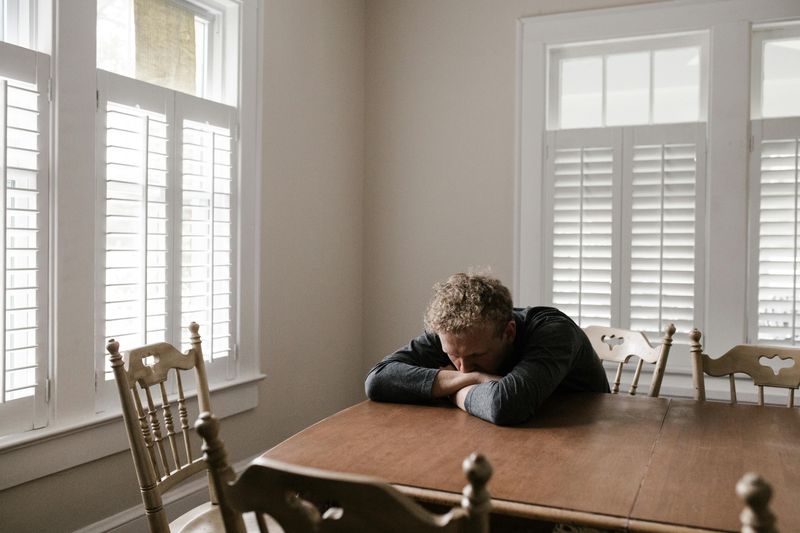
There is a difference between being tired and feeling deeply exhausted all the time.
Persistent exhaustion feels heavy in your body, your thoughts, and your emotions, as if rest never reaches the part of you that needs it most.
Loneliness can create exactly that kind of depletion by keeping stress active day after day.
You may sleep, cancel plans, or take time off and still feel empty rather than restored.
That is because isolation affects more than energy levels.
It can chip away at hope, motivation, and your sense of being supported.
When exhaustion feels constant and strangely emotional, pay attention.
Your body may be telling you that what you need is not only rest, but real connection and care.