 MomSkoop

Divorce among Americans over 50 has grown so common that it earned its own nickname: gray divorce. Couples who survived decades of mortgages, car pools, and holiday chaos are sometimes the ones calling it quits. I find that twist fascinating, because staying together for thirty years looks like the hard part. Yet the reasons husbands give often have little to do with one big blowup and more to do with slow, quiet changes.
Those changes can show up in any long marriage, including yours or your parents’. Knowing what they look like can help couples spot trouble while there is still plenty of time to fix it. Some reasons below are practical, some are emotional, and a few might surprise you.
1. Growing Emotional Distance

Two people can share a kitchen, a bed, and a bank account while feeling miles apart.
Plenty of long-married men describe exactly that sense of standing outside their own marriage.
The gap rarely opens overnight.
It grows from small moments that went unanswered, like a story he shared that got a distracted nod, or a hard day nobody asked about.
Over the years, those missed moments pile up.
Couples start acting like coworkers who run a household together rather than partners who lean on each other.
Schedules, bills, and repairs get handled well enough.
The emotional side of the relationship, though, slowly goes quiet.
The good news is that small habits can reverse the drift.
Try asking one real question each day that has nothing to do with chores, money, or the kids.
Put the phones down for ten minutes at dinner and actually listen.
Notice when your partner reaches for attention, even in tiny ways, and turn toward it.
These steps feel almost too simple to matter.
Yet connection is built from exactly these little exchanges, repeated over and over until they become the normal rhythm of a home again.
2. Different Paths and Goals

The person you married at 25 is not quite the person sitting across the breakfast table at 55.
Decades of work, parenting, and life experience reshape people in ways nobody can predict.
Sometimes those changes line up nicely.
Other times, one spouse discovers a passion for travel, faith, fitness, or a new career while the other feels no pull in that direction at all.
When interests split far enough apart, a husband may feel like he’s living in a parallel universe.
Weekends become separate, conversations shrink, and shared dreams seem to belong to a different couple.
Change itself isn’t the problem, though.
People grow, and that can be a healthy sign of a full life.
The trouble comes when partners stop sharing those changes with each other.
A new hobby can feel like a rejection if it’s never explained or offered as something to enjoy together.
One helpful move is to invite your spouse into your new world, even just once.
Equally useful is showing curiosity about theirs without judgment.
You don’t have to love pottery or fly-fishing to support someone who does.
Showing interest says you still care where they’re headed.
3. The Empty Nest Shock

The last kid drives off to college, the house goes silent, and suddenly two parents look at each other and wonder what comes next.
For some couples, that quiet is peaceful.
For others, it’s unsettling.
They realize their whole relationship revolved around soccer practice, homework, and getting everyone fed on time.
Raising children keeps a couple busy enough to hide problems for years.
Once that daily structure disappears, unresolved issues have nowhere left to hide.
Some husbands discover that they and their wives became excellent co-parents but forgot how to be partners.
Without the kids as a shared project, conversation can feel strangely thin.
That moment can lead to a breakup, but it can also be a fresh start.
Many couples treat the empty nest as a second chance to get to know each other.
Try picking up a new activity together, such as a cooking class, a weekly walk, or a road trip you postponed for years.
Talk about what you each want this next chapter to look like.
The house may be emptier, but it also has a lot more room for the two of you.
4. Fading Intimacy and Affection

A quick kiss before work used to be automatic.
Somewhere along the way, it became a pat on the shoulder, and then nothing at all.
Physical closeness matters to many husbands more than they say out loud.
When affection fades, men often read it as a sign that their wife has pulled away emotionally.
That includes more than romance in the bedroom.
Holding hands, sitting close on the couch, or a hug at the end of the day all send a message of closeness.
Bodies change with age, and health issues, stress, or medications can affect desire for either partner.
Those changes are normal, and they don’t have to end a loving connection.
What hurts most is silence around the subject.
When nobody talks about it, both people may feel rejected and assume the worst.
An honest, kind conversation can clear up a lot of confusion.
A doctor can also help if physical or medical issues are part of the picture.
Start small with everyday touch, like a hand on the back or a longer hug.
Little gestures can rebuild warmth that seemed long gone, one moment at a time.
5. A Midlife Reckoning

Turning 50 has a funny habit of making men take inventory.
Career, health, relationships, and dreams all get pulled off the shelf for a closer look.
Pop culture loves the sports car version of this story.
In real life, it often looks quieter, more like a man asking who he is now and what he still wants to do.
Some people describe it less as a crisis and more as midlife clarity.
Priorities sharpen, and things that felt fine for years suddenly seem worth questioning.
That self-examination can be healthy.
It can lead to better health habits, new goals, or deeper friendships.
It can also put a marriage under the microscope.
A husband might wonder whether the relationship still fits the person he’s becoming.
If you notice these questions brewing, talk about them openly rather than letting them stew.
Your partner may be going through a similar reflection of their own.
A counselor or coach can help sort out which changes are about the marriage and which are about personal growth.
Big decisions made in a fog rarely turn out well, so give clarity time to settle.
6. Craving Personal Freedom

After thirty years of punching a clock, paying bills, and showing up for everyone else, some men want one thing badly: control over their own time.
That desire can sneak up quietly.
A husband may start fantasizing about a schedule where nobody asks where he’s going or when he’ll be back.
For some, the urge for independence grows strong enough to outweigh the comfort of staying married.
Freedom starts to look like a reward they’ve earned.
Wanting personal space is completely reasonable, though.
It doesn’t automatically mean a marriage has failed.
Many couples find balance by building room for independence inside the relationship.
Separate hobbies, solo trips, or a quiet corner of the house can make a big difference.
The key is to ask for that space clearly rather than resenting the lack of it.
Saying I need Saturday mornings to myself works better than silently counting down the years.
A partner who understands the need usually responds better than one who feels suddenly shut out.
Freedom and partnership can coexist, as long as both people agree on the shape of it.
7. Endless Arguments and Criticism

Old fights have impressive staying power.
The argument about the thermostat in 1998 can somehow show up again at Thanksgiving in 2024.
When conflicts never get resolved, they stack up like unopened mail.
Eventually, the pile becomes too heavy to ignore.
Constant tension wears people down.
A husband who feels criticized day after day may start believing the only way to find peace is to leave.
It’s rarely one big blowup that ends things.
More often, it’s the steady drip of small jabs, eye rolls, and remarks about how he loads the dishwasher.
Breaking the pattern starts with changing how complaints are made.
Talk about a specific behavior and how it affects you, instead of attacking someone’s character.
Praise counts too.
Noticing what your partner does right helps balance the moments when you need to raise a concern.
Some arguments may never fully disappear, and that’s okay.
Many solid couples agree to disagree on certain topics and move on without keeping score.
If the same fight keeps looping, a marriage counselor can help both people finally hear each other.
8. Money and Retirement Clashes

One spouse dreams of touring Europe in retirement.
The other pictures clipping coupons and watching the savings account grow.
Money disagreements often get louder as retirement gets closer.
Decisions about spending, saving, debt, and downsizing suddenly feel urgent and permanent.
Financial stress can expose bigger differences in values.
One partner might see money as security, while the other sees it as a ticket to enjoy life.
When those visions clash, a husband may feel trapped in a future he doesn’t want.
The fear of spending decades arguing over a budget can push serious doubts to the surface.
Planning together early helps a lot.
Sit down and describe your ideal retirement in detail, including where you’ll live and how you’ll spend a typical week.
Look for overlap first, then tackle the differences.
Maybe big travel happens every other year, with simpler trips in between.
A financial planner who works with couples can bring neutral numbers to an emotional conversation.
Compromise feels easier when you can see the math on paper rather than guessing.
9. Affairs and New Attractions

A coworker laughs at his jokes, or an old flame sends a friendly message online.
For a man feeling unseen at home, that attention can feel powerful.
Affairs remain one of the more common factors in late-life divorce.
They often happen during midlife transitions, when someone wants validation or a spark of excitement.
Not every affair is physical.
Emotional connections, like long private chats or sharing secrets with someone new, can damage trust just as deeply.
These outside relationships usually grow from dissatisfaction that existed long before.
Someone new simply fills a gap that was already there.
Guarding a marriage means paying attention to those gaps early.
If you find yourself sharing more with a friend than with your spouse, take that as a signal.
Honest boundaries help.
Be open about who you talk to, and avoid situations you wouldn’t want your partner to see.
If an affair has already happened, recovery is possible for some couples, though it takes time and real effort.
Professional counseling can guide both people through rebuilding trust step by step.
10. Feeling Unappreciated at Home
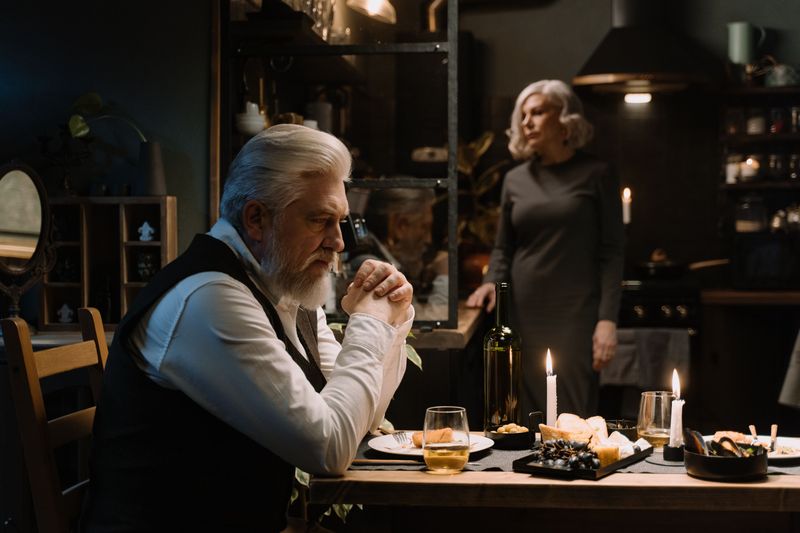
Nobody throws a parade for the guy who fixes the garbage disposal.
Still, a simple thank-you can go a surprisingly long way.
Many husbands quietly measure their worth by what they provide.
When that effort goes unnoticed for years, it can turn into deep resentment.
Some men describe feeling valued only for their paycheck.
Others say they feel like they’re in the way inside their own home, especially after retirement.
Feeling unneeded can sting even more than feeling criticized.
A man might start wondering whether anyone would notice if he simply left.
Of course, appreciation works in both directions.
Wives often feel just as overlooked, and resentment can grow on both sides at once.
A small daily habit can help.
Name one thing your partner did that made your life easier, whether it was making coffee or handling the car registration.
Be specific instead of general.
Saying thanks for dealing with the insurance call means more than a vague you’re great.
Gratitude costs nothing, takes seconds, and reminds both people that their effort actually matters to someone.
11. The Rut of Routine

Tuesday is meatloaf night, Friday is pizza, and Sunday is the same TV show on the same couch.
Predictable can feel safe for a while.
After enough years, though, safe can start to feel stale.
Some men describe a sense of boredom so heavy they want to shake up their whole life just to feel alive.
That restlessness doesn’t always point at the spouse.
Often it’s about life in general, from work to friendships to daily habits.
The marriage can become an easy target anyway.
Leaving looks like the fastest way to start fresh.
Before blowing up the whole picture, try changing a few pieces.
Novelty can bring energy back into a relationship without requiring a moving truck.
Plan a date somewhere neither of you has been.
Learn to salsa dance, try a new restaurant, or take turns choosing a surprise weekend activity.
Even swapping chores for a week can spark some laughs.
Shared new experiences give couples fresh things to talk about and remember together.
Sometimes a rut just needs a detour, not a full new road.
12. Plenty of Years Left

A 55-year-old today can reasonably expect decades of life ahead.
That timeline looks very different from what earlier generations planned around.
Longer, healthier lives change the math on marriage.
A husband who feels unhappy at 55 might picture thirty more years of the same and decide that’s too long.
Many people now think of their later years as a second act.
They want to travel, start businesses, take up new passions, or simply feel more fulfilled.
For some, that goal includes leaving a marriage that no longer works.
Staying put for the sake of appearances feels less necessary when time stretches out ahead.
That same long runway can work in a marriage’s favor, too.
Thirty years is also plenty of time to rebuild a relationship and enjoy it again.
Couples who talk openly about their second act often find surprising common ground.
Write down a few goals each, then see which ones you can chase together.
The question shifts from whether to stay to what you both want to build.
A long future can be a reason to repair, not only a reason to leave.
13. The Weight of Caregiving

Wedding vows mention sickness and health, but few couples picture what that really looks like at 60.
Caregiving can test even the strongest bonds.
Women start late-life divorce more often than men.
Still, a spouse’s serious illness or long-term health problems can become a factor for some husbands.
The work is exhausting, both physically and emotionally.
Managing appointments, medications, and daily tasks can leave little room for the partnership that existed before.
Roles change too.
A husband may feel more like a nurse than a partner, and that shift can bring grief, guilt, and loneliness.
No one should judge a caregiver for feeling worn out.
Burnout is a real risk, and ignoring it helps nobody.
Support makes a huge difference.
Look for caregiver support groups, respite care programs, or relatives who can take over for an afternoon.
Protect small pieces of your own life, like a weekly coffee with a friend or a short walk.
Talking with a counselor can also help sort through complicated feelings.
Caring for yourself isn’t selfish when you’re caring for someone else.
14. New Expectations of Marriage

Grandparents often stayed married because that’s simply what people did.
Divorce carried heavy stigma, and practical reasons kept many unhappy couples together.
Those expectations have shifted a lot.
Many people now see marriage as a partnership built on emotional connection, friendship, and personal happiness.
That change raises the bar.
Husbands over 50 may feel less willing to stay in a relationship that only works on paper.
Less social pressure also makes leaving feel more possible.
Friends, family, and even adult children may be more accepting of a late divorce than past generations were.
Higher expectations aren’t a bad thing, though.
They can push couples to put real effort into making a marriage satisfying instead of just stable.
Take an honest look at what you each want from the relationship now.
Needs at 55 may differ from what mattered at 30, and that’s fine.
Share those needs out loud, without blame.
Couples who keep updating their expectations together tend to stay on the same page.
A marriage that keeps growing gives both people a reason to keep choosing it, year after year.