 MomSkoop

Healthy relationships thrive on mutual respect and equality, where both partners value each other’s opinions, feelings, and contributions. However, sometimes the balance shifts in ways that aren’t immediately obvious.
Certain phrases or comments that seem harmless on the surface can actually signal a deeper problem: your partner may no longer view you as their equal. Recognizing these subtle verbal cues can help you address issues before they damage your relationship beyond repair.
1. I’ll Handle the Important Stuff
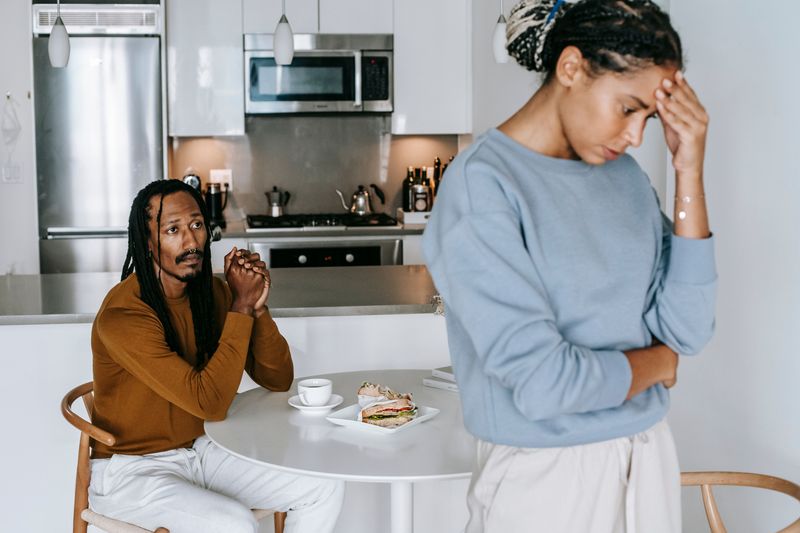
When your partner consistently claims responsibility for “important” decisions while relegating you to minor choices, they’re creating a hierarchy.
This phrase suggests they believe their judgment is superior to yours.
Maybe they decide financial matters, career moves, or big purchases without genuine consultation.
The underlying message is clear: your input doesn’t carry the same weight.
Over time, this pattern erodes your confidence and voice in the relationship.
You might find yourself second-guessing your own capabilities.
Healthy partnerships involve shared decision-making, where both people contribute meaningfully.
If your partner routinely dismisses your role in significant choices, it’s worth addressing this imbalance directly.
Equality means trusting each other’s judgment on matters that affect you both.
2. You Wouldn’t Understand

Dismissing your ability to comprehend something is patronizing and insulting.
Whether it’s about work, finances, or complex topics, this phrase assumes you lack the intelligence or experience to grasp the subject.
Your partner positions themselves as intellectually superior.
This statement shuts down communication before it even begins.
Instead of explaining or sharing, they create distance and reinforce their perceived dominance.
You’re left feeling excluded from parts of their life.
Partners who respect each other make efforts to explain things, even complicated matters.
They value sharing experiences and knowledge.
When someone repeatedly tells you that you wouldn’t understand, they’re really saying they don’t value your perspective or think you’re capable of learning.
3. I’m Just Being Realistic

This phrase often follows criticism of your dreams, goals, or ideas.
Your partner frames their negativity as practicality, but it’s actually a way to diminish your aspirations.
They position themselves as the rational one while painting you as naive or foolish.
The problem isn’t offering honest feedback—it’s the pattern of consistently shooting down your hopes.
When someone truly sees you as equal, they support your ambitions even when challenges exist.
They help you problem-solve rather than simply declaring things impossible.
Being realistic should involve collaborative planning, not one person constantly playing the dream-crusher.
If your partner regularly uses “realism” to belittle your goals while pursuing their own freely, they’ve created an unequal dynamic where only their vision matters.
4. Let Me Explain This to You
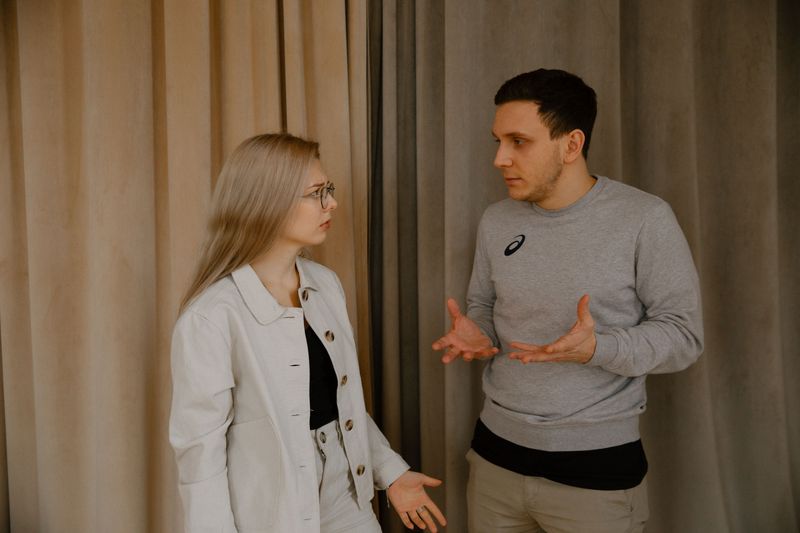
Constant unsolicited explanations, especially about things you already know, signal condescension.
This behavior, sometimes called “mansplaining” but not limited to any gender, assumes you need basic concepts spelled out.
Your partner appoints themselves as your teacher without you asking for help.
Everyone occasionally explains things, but there’s a difference between helpful sharing and patronizing lectures.
When your partner routinely overexplains simple matters, they’re treating you like a child rather than an equal adult.
It reveals their low opinion of your knowledge.
Equal partners ask before explaining and respect each other’s existing expertise.
They don’t assume ignorance.
If your partner frequently interrupts to “educate” you on subjects you understand perfectly well, they’re asserting dominance through intellectual superiority.
5. That’s Not How We Do Things

Notice the word “we”—but who actually decided these rules?
When your partner establishes relationship norms unilaterally and enforces them with this phrase, they’re acting as the authority figure.
You’re expected to follow their system without negotiation or input.
Healthy couples create shared agreements together.
Both people contribute to how things work in their relationship.
When one person dictates the rules and dismisses alternative approaches, they’ve placed themselves in charge.
This phrase also implies that your preferences or methods are wrong simply because they differ from established patterns.
Your partner isn’t open to change or compromise.
Instead, they expect conformity to their standards, treating you more like a subordinate than an equal collaborator in building your life together.
6. I Know What’s Best for Us

Claiming superior knowledge about what the relationship needs removes your voice from the equation.
Your partner assumes they possess better judgment about matters affecting both of you.
This paternalistic approach treats you like someone who needs guidance rather than a capable decision-maker.
Sometimes people use this phrase during disagreements to shut down debate.
Instead of working through different perspectives, they declare themselves the ultimate authority.
Your feelings, thoughts, and preferences become secondary to their vision.
True partnerships involve collaborative decision-making where both people’s input shapes the relationship’s direction.
When your partner consistently overrides your preferences because they “know best,” they’re establishing themselves as the leader and you as the follower.
That’s not equality—it’s a power imbalance disguised as care.
7. You’re Being Too Sensitive

Dismissing your emotional responses invalidates your experiences and feelings.
When your partner uses this phrase, they’re telling you that your reactions are wrong or excessive.
They position themselves as the reasonable one while painting you as overly emotional or irrational.
This tactic shifts blame away from hurtful behavior onto your response to it.
Instead of acknowledging they’ve upset you, they criticize you for being upset.
It’s a way of avoiding accountability while making you question your own perceptions.
Partners who view you as equal respect your feelings even when they don’t fully understand them.
They don’t get to decide what should or shouldn’t bother you.
Repeatedly telling someone they’re too sensitive is a control tactic that undermines their confidence and emotional validity.
8. I Don’t Have Time to Deal With This

Your concerns deserve attention, not dismissal.
When your partner regularly claims they’re too busy for your issues, they’re ranking their time and priorities above yours.
This phrase communicates that your problems aren’t important enough to warrant their attention.
Everyone gets legitimately busy sometimes, but there’s a difference between occasionally postponing discussions and habitually brushing off your needs.
When this becomes a pattern, it shows they don’t value your emotional well-being equally with their own schedule.
Equal partners make time for each other’s concerns, even during hectic periods.
They might say “Can we talk about this tonight when I can focus?” rather than dismissing the matter entirely.
Repeatedly refusing to “deal with” your issues signals that they view their agenda as more important than your relationship needs.
9. You Should Be Grateful

Demanding gratitude for basic relationship contributions reveals an entitled mindset.
Your partner believes they’re doing you favors rather than participating equally in the relationship.
This phrase suggests they view themselves as generous for things that should be normal partnership behavior.
Maybe they mention earning money, doing occasional chores, or simply being with you as reasons you should feel thankful.
This creates an imbalanced dynamic where you’re positioned as the lucky beneficiary of their presence or efforts.
Healthy relationships involve mutual appreciation, not one person expecting constant gratitude for standard participation.
When your partner regularly reminds you to be grateful, they’re elevating themselves above you.
They see their contributions as special while likely taking yours for granted.
True equals don’t keep score or demand recognition.
10. That’s Just Your Opinion

While technically true that people have different opinions, using this phrase dismissively minimizes your perspective.
Your partner isn’t engaging with your viewpoint—they’re brushing it aside as merely subjective while implying their own views are more valid or factual.
This response often comes up when you express concerns, offer suggestions, or share feelings.
Instead of respectful discussion, they deflect by reducing your thoughts to “just” an opinion.
The word “just” does heavy lifting here, making your input seem trivial.
Partners who respect equality take each other’s opinions seriously even during disagreements.
They explore different perspectives rather than dismissing them.
When your partner routinely invalidates your viewpoint this way while expecting you to accept theirs, they’re creating a hierarchy where their perspective matters more than yours does.
11. I Make More Money, So…

Using income as a trump card in disagreements establishes financial dominance.
Your partner believes earning more money gives them more authority in the relationship.
This completely disregards non-financial contributions and treats the relationship like a business hierarchy rather than a partnership.
Money matters, certainly, but it shouldn’t determine whose voice counts more.
Many contributions to relationships and households don’t come with paychecks—emotional labor, domestic work, childcare, and support all have tremendous value.
Dismissing these because they don’t generate income is deeply disrespectful.
Equal partners recognize that different contributions build a life together.
The person earning more doesn’t get bonus voting rights on decisions.
If your partner regularly invokes their income to override your input, they’ve reduced your worth to dollars and positioned themselves as superior based solely on earnings.
12. You Always Overreact

Labeling your responses as overreactions is another invalidation tactic.
Your partner dismisses your feelings by characterizing them as excessive or inappropriate.
The word “always” makes it even worse, suggesting this is a character flaw rather than a specific disagreement about one situation.
This phrase shifts focus from whatever upset you to your reaction itself.
Instead of addressing the actual issue, your partner criticizes how you expressed your feelings.
It’s a deflection that avoids accountability while making you defensive about your emotional responses.
Nobody gets to decide what’s an appropriate reaction for someone else.
What seems minor to one person might genuinely hurt another, and those feelings deserve acknowledgment.
Partners who see you as equal validate your emotions even when they don’t fully understand them, rather than dismissing you as perpetually overdramatic.
13. I’ll Allow It

This phrase reveals everything about how your partner views the relationship power structure.
By granting “permission” for your choices, they’ve positioned themselves as the authority figure who gets to approve or deny your decisions.
You’re treated like a child asking a parent for privileges.
Adults in equal partnerships don’t need permission from each other for reasonable personal choices.
While major decisions affecting both people warrant discussion, everyday matters shouldn’t require approval.
This language shows your partner believes they have veto power over your life.
The phrase also implies they could just as easily not allow something, holding power over your autonomy.
Equal partners discuss, compromise, and respect each other’s independence.
They don’t grant or withhold permission.
If your partner speaks this way, they fundamentally misunderstand what partnership means.
14. You’re Lucky I Put Up With You

Perhaps the most blatantly disrespectful phrase on this list, this statement positions your partner as doing you a favor by staying in the relationship.
They frame themselves as tolerant and long-suffering while suggesting you’re difficult or unworthy.
It’s emotional manipulation disguised as honesty.
This comment implies you should feel grateful they haven’t left, as if you’re lucky to have them despite your supposed flaws.
It creates insecurity and makes you feel like you need to earn their continued presence.
That’s not love—it’s control through fear of abandonment.
Healthy partners don’t threaten or demean each other this way.
They choose to be together because they value each other, not because one is generously tolerating the other.
If your partner suggests you’re fortunate they put up with you, they’ve placed themselves far above you in their mental hierarchy.