 MomSkoop

If you were a girl in the ’90s or early 2000s, you probably heard some of these lines at home, at school, or on the playground. Many were meant to be helpful, but they also shaped how girls saw themselves.
Looking back at them can be funny, surprising, and a little eye-opening. Let’s see which ones sound familiar to you.
1. Good Girls Don’t Talk Back

Picture a kitchen in 1997, a girl with a scrunchie in her hair, and a grown-up saying, “Good girls don’t talk back.” Most kids heard some version of this at least once.
The idea was to teach respect, and respect really does matter.
But many girls learned that staying quiet was the safest choice, even when they had a fair point or something important to say.
Today, many families see a difference between being rude and being honest.
You can speak politely and still share your side.
Asking questions, explaining feelings, and disagreeing calmly are skills that help in school, friendships, and future jobs.
Being respectful never has to mean staying silent.
2. Sit Like a Lady
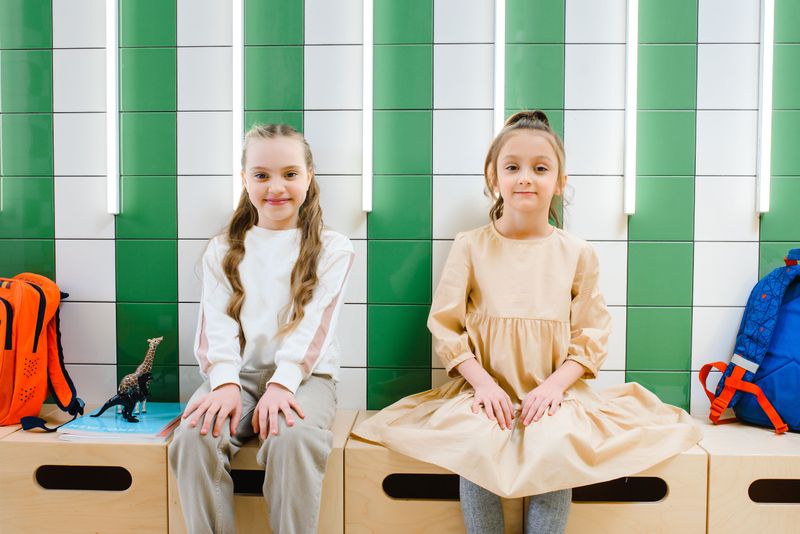
Ankles crossed, knees together, back straight.
That was the picture of a proper young lady in many homes and classrooms back then.
Girls in dresses and skirts got this reminder often, especially at church, weddings, and school pictures.
Boys, meanwhile, could sprawl across chairs and nobody blinked.
The rule was tied to old ideas about manners and modesty.
Comfort and practicality were rarely part of the conversation.
Many girls felt watched instead of relaxed, even during simple things like story time on the carpet.
Now, plenty of adults focus on dressing for activity and sitting comfortably.
Good posture is still healthy, but nobody needs to sit stiffly just to look polite.
3. Boys Tease You Because They Like You

Recess drama had a famous explanation: “He only picks on you because he likes you.” Teachers, aunts, and even friends said it with a knowing smile.
The message was meant to comfort, yet it sent a confusing signal.
Girls learned that unkind behavior might be a form of affection, which is not a healthy lesson.
Real kindness feels good.
If someone keeps making you feel bad, it is fine to tell a trusted adult and set a clear boundary.
Liking someone should never look like hurting them.
Many people who grew up hearing this line now teach kids a better one: friends and crushes treat you with care.
4. Don’t Be So Bossy

Fun fact: a well-known campaign in the 2010s asked people to stop using the word “bossy” for girls.
That tells you how common it was.
A girl who organized the game, planned the club meeting, or led the group project often got that label.
A boy doing the same thing was called a natural leader.
Many girls toned themselves down to avoid the sting.
They gave up good ideas just to keep the peace.
Leadership is a skill, and it can be practiced kindly.
Listening, sharing tasks, and speaking clearly are all part of it.
Girls who lead deserve encouragement, not a nickname that shrinks them.
5. You’re Too Sensitive

Tears at the dinner table?
Hurt feelings after a harsh joke?
The reply was often a shrug and, “You’re just too sensitive.”
That sentence can make a person doubt what they feel.
Instead of getting help, many girls learned to hide emotions or laugh things off.
Feelings are like a built-in alarm system.
They point out what matters, what hurts, and what needs to change.
Being sensitive can also mean being caring, observant, and good at understanding others.
A better response might be, “Tell me what happened.” Talking it through builds trust.
Many adults today are still learning to trust their own feelings after years of hearing this phrase.
6. Smile, You Look Prettier When You Smile

“Smile!” Strangers at the grocery store said it.
Relatives said it.
Photographers said it a hundred times.
The extra part, “you look prettier when you smile,” turned a friendly request into a comment on appearance.
Girls got the idea that their faces were there to please other people.
Smiles feel best when they are real.
Nobody owes a smile to a stranger, and having a quiet day is perfectly normal.
Plenty of people now point out that boys rarely got the same instruction.
If you grew up hearing this, try giving yourself permission to smile only when something is truly funny or joyful.
7. You Need to Watch Your Weight
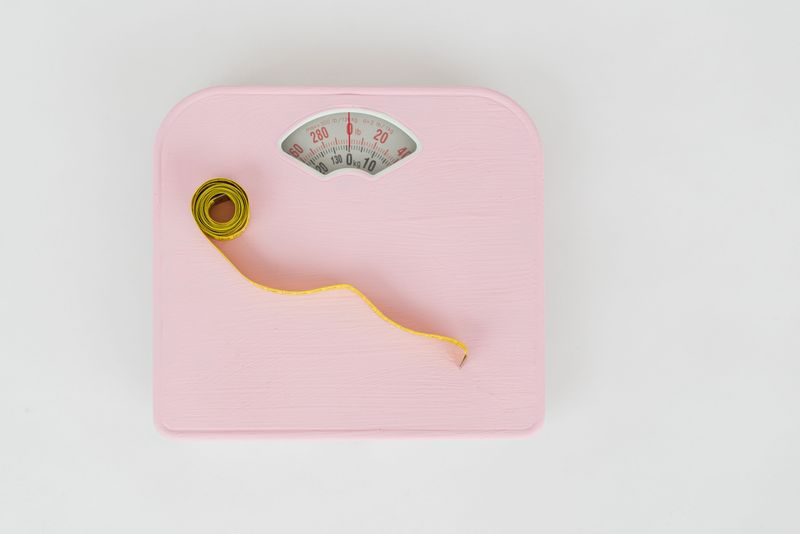
Magazine covers in the late ’90s were packed with diet tips, and many girls picked up the message early.
Numbers on a scale became a big deal, even for kids.
Adults often said it out of worry or habit.
Still, hearing it at ages ten, twelve, or fourteen left a mark.
Some girls started comparing themselves to celebrities and friends.
Bodies change a lot during growing years, and that is normal.
Health is about energy, strength, sleep, and feeling good, not one number.
If you ever feel stressed about food or weight, talk with a parent, doctor, or counselor.
Support is out there, and you deserve to feel at home in your body.
8. Don’t Eat Too Much or You’ll Get Fat

Second helpings came with side comments in many households. “Are you sure you want more?” could sting more than a scraped knee.
Girls often noticed that their brothers or male cousins were allowed to eat freely.
The double standard made food feel like a test instead of fuel.
Growing kids need plenty of nutrition to power school, sports, and sleep.
Hunger is a signal, not a flaw.
Eating a mix of foods, listening to your body, and enjoying treats now and then is a healthy pattern.
Families today often skip labels like “good food” and “bad food.” That shift helps kids build a calm, happy relationship with meals and snacks.
9. You Don’t Want Boys to Think You’re Easy

Whispered at sleepovers and repeated by older cousins, this warning followed girls right into their teen years.
The word “easy” carried a lot of judgment.
It suggested that a girl’s reputation could be damaged by things boys did without any comment at all.
Many girls felt pressure to guard their image instead of thinking about their own comfort and choices.
That can be confusing when you are just learning about friendships and crushes.
A healthier idea is that everyone gets to set their own pace.
Respect goes both ways, and no one should be labeled for being friendly, curious, or affectionate.
Your worth is never a rumor.
10. Let the Boy Make the First Move

Teen movies and magazine quizzes agreed on one thing: wait for him to call.
Girls stared at landline phones and flip phones, hoping for a ring.
The rule made dating look like a game with strict steps.
Girls who spoke up first were sometimes called too forward, while boys were praised for the same move.
Waiting can leave good friendships and fun chances unspoken.
Kind honesty is a strength.
Saying hello, asking someone to a movie, or sharing that you like them takes courage, and courage is admirable.
Modern advice is simple: whoever feels ready can start the conversation.
Just make sure to respect the answer, whether it is yes or no.
11. Girls Mature Faster Than Boys

Teachers loved this one.
When a group of boys got loud, the class heard, “Girls mature faster than boys, you know.”
There is some truth in it, since girls often start puberty earlier.
But the saying turned into a reason to expect girls to act like tiny adults.
Girls were asked to be the calm ones, the helpers, and the peacekeepers.
Meanwhile, they missed chances to be silly, messy, and carefree like everyone else.
Kids of every gender need room to play and make mistakes.
Growing up happens at different speeds for different people.
Nobody should be handed extra responsibility just because of a stereotype.
12. You Can Be Anything, But Still Get Married and Have Kids

“Be a doctor, an astronaut, or the president!” Then, a moment later: “But you’ll want a family someday, of course.”
Girls of this era heard bright, big dreams paired with a quiet expectation.
Careers were exciting, but marriage and children were treated as the main goal.
Plenty of people do love family life, and that is wonderful.
The trouble came when it sounded like the only right path, or when girls were expected to juggle everything alone.
Today, many families say the choice belongs to each person.
You can chase a career, build a family, do both, or do neither.
Big dreams work best when they are truly your own.
13. Don’t Be Too Loud or Attention-Seeking

Cartwheels in the yard, singing into a hairbrush, telling a wild story at dinner: girls with big energy often got a gentle shush.
The message said that taking up space was rude.
Quiet girls were praised as sweet, while outgoing ones were called dramatic or show-offs.
Some girls shrank their voices in class or skipped auditions because of it.
Talents stayed hidden.
Confidence is not the same as bragging.
Sharing your ideas, laughing out loud, and performing on stage are all healthy ways to shine.
Of course, manners still matter, like taking turns and reading the room.
But a big personality is a gift, and it deserves a spotlight when the moment is right.
14. Just Ignore Him
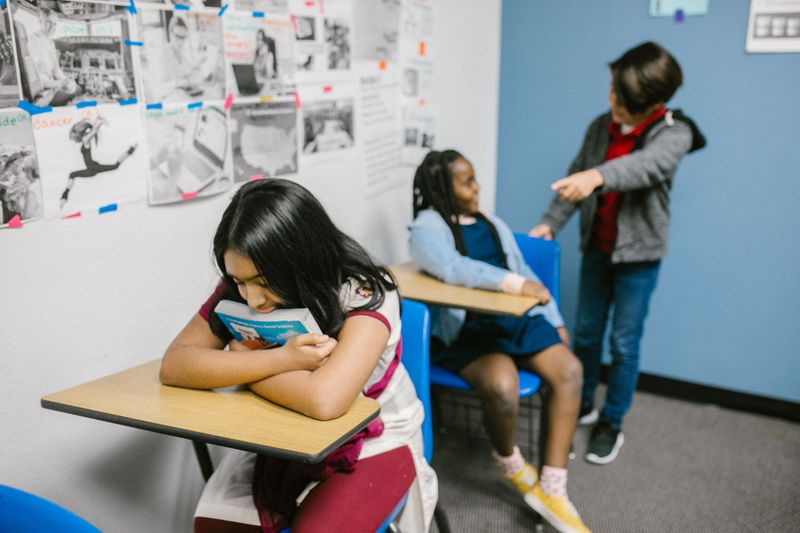
“If you ignore him, he’ll stop.” It was the go-to answer for bus bullies, hallway teasing, and rude comments.
Sometimes ignoring works for small annoyances.
But when the behavior keeps going, silence can leave a girl feeling stuck and unheard.
Bullying and disrespect deserve a real response.
Telling a teacher, parent, or counselor is not tattling.
It is asking for help, and adults are supposed to give it.
You can also say, in a firm voice, “Stop that.” Having a friend nearby makes it easier.
Many people who grew up hearing this line now teach kids that speaking up is smart, brave, and always allowed.