 MomSkoop

Growing old alone is something millions of people experience, yet very few talk about openly. Whether by choice or circumstance, solo aging comes with its own unique set of challenges and surprises that most people aren’t prepared for.
Society tends to focus on growing old with a partner or family, leaving those who go it alone without a roadmap. If you’re navigating this journey, or simply want to understand it better, these honest insights might just change how you see the road ahead.
1. Silence Becomes the Default

Nobody warns you how loud silence gets.
When you live alone for years, entire days can pass without a single real conversation — not a “how was your day?” or even a passing comment about the weather.
At first, the quiet feels peaceful.
But over time, it can settle into your home like a fog you didn’t invite in.
The absence of background noise — laughter, arguments, even the TV someone else turned on — becomes noticeable in a way that’s hard to explain.
Many solo agers find that even small rituals, like calling a friend or listening to a podcast, can break the silence and lift the mood considerably.
2. Small Problems Feel Surprisingly Big

A leaky faucet.
A fever that won’t quit.
A flat tire on a Sunday afternoon.
When you have someone by your side, these are minor inconveniences.
When you’re alone, they can spiral into full-blown stress events.
There’s no one to run to the pharmacy while you rest, no one to call the plumber while you handle something else.
Every small crisis lands squarely on your shoulders, and that weight adds up fast.
Building a reliable support network ahead of time — a trusted neighbor, a go-to handyman, a nearby friend — can make a dramatic difference when life throws its inevitable curveballs your way.
3. Every Decision Is Yours Alone

Financial decisions, medical choices, where to live, what to eat — when you age alone, every single call is yours to make.
That can feel empowering on good days and absolutely exhausting on hard ones.
There’s no built-in sounding board, no partner to say “maybe think about that one more time.” You become your own advisor, your own advocate, and your own safety net all at once.
Many solo agers recommend building a personal board of sorts — a financial advisor, a trusted doctor, and one or two close friends who can offer perspective.
Having informed voices around you makes the weight of solo decision-making a lot more manageable.
4. Social Circles Quietly Shrink
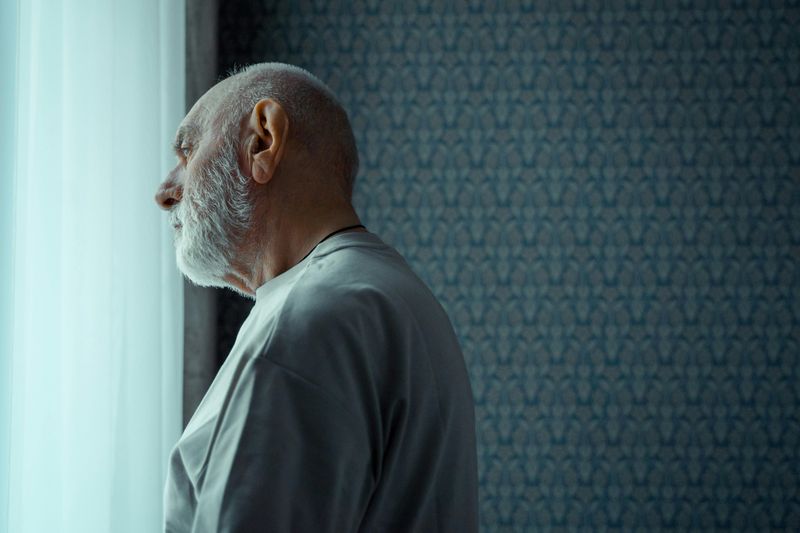
It happens so gradually you almost don’t notice.
A friend moves across the country to be near her grandkids.
Another passes away.
A colleague retires and the weekly lunches just… stop.
Before long, the social world that once felt full starts to feel noticeably thinner.
Rebuilding those connections in your 60s and 70s is harder than it sounds.
Social opportunities aren’t handed to you the way they were in school or at work.
You have to seek them out deliberately and repeatedly.
Community centers, volunteer programs, hobby clubs, and online groups for seniors have helped many people rebuild rich, meaningful social lives well into their later years.
5. Health Anxiety Takes on a New Shape

“What if I fall and no one finds me?” It’s a thought that crosses the minds of many people aging alone, and it’s not irrational — it’s a real concern that deserves a real plan.
Health anxiety shifts when you’re solo.
It’s less about worrying whether something is serious and more about worrying whether anyone will even know something happened.
That distinction carries its own particular kind of dread, especially at night or during illness.
Medical alert devices, check-in apps, and regular scheduled calls with loved ones can provide genuine peace of mind.
Knowing that someone would notice your absence is one of the most comforting safety nets you can build.
6. Milestones Hit Differently

Blowing out birthday candles by yourself.
Watching the New Year’s ball drop in an empty living room.
Getting good news at the doctor’s office with no one to hug.
Milestones are designed for sharing, and when there’s no one there, even joyful moments can carry a quiet sting.
Achievements feel different too.
A promotion, finishing a project, or reaching a personal goal lands with less fanfare when you’re the only one clapping.
Over time, some solo agers admit they stop marking milestones altogether, which can quietly erode a sense of purpose.
Creating your own traditions — treating yourself, calling someone special, or journaling the moment — helps give those milestones the weight they deserve.
7. Freedom Is Real — But So Is Its Price

Nobody tells you what to watch, where to vacation, or how to spend a Saturday.
The freedom of solo aging is absolutely genuine — and for many people, it’s one of the most cherished parts of the experience.
But freedom and loneliness aren’t opposites.
They can coexist in the same afternoon, sometimes in the same hour.
You can love your independence deeply and still ache for someone to share it with.
Both feelings are valid and more common than most people admit.
Acknowledging the cost of freedom doesn’t mean rejecting it.
Many solo agers find that being honest with themselves about loneliness actually helps them seek connection more intentionally and live more fully.
8. You Become Surprisingly Self-Reliant
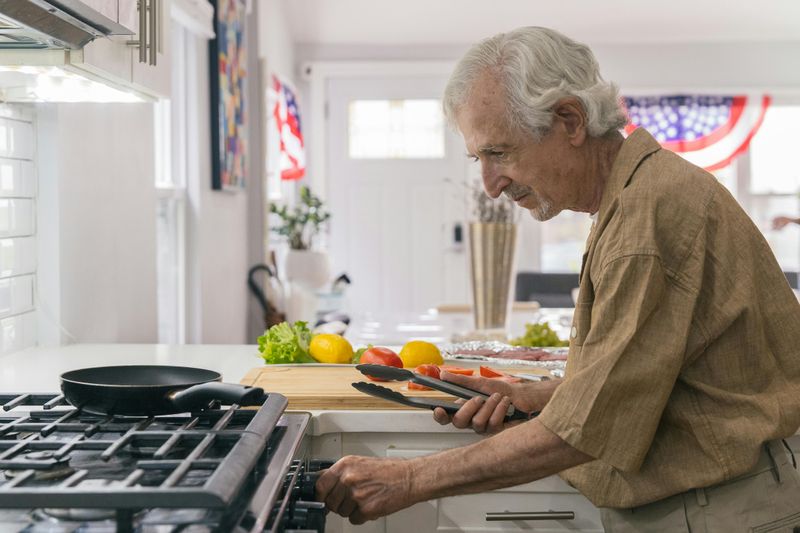
Ask any long-term solo ager and they’ll likely tell you the same thing: you get good at stuff you never thought you would.
Fixing a leaky pipe.
Filing complicated taxes.
Navigating a hospital visit alone.
Skills accumulate out of sheer necessity.
There’s actually something quietly powerful about that.
Each challenge you handle on your own builds a kind of confidence that’s hard to earn any other way.
You stop waiting for someone to rescue you because you realize, often with some surprise, that you can handle it yourself.
This self-reliance becomes a source of genuine pride for many solo agers — a reminder that capability doesn’t expire with age or with company.
9. Routine Becomes Your Anchor

When no one else is shaping your day, structure can either fall apart completely or become your greatest tool.
Most solo agers discover that routine isn’t boring — it’s stabilizing.
A consistent morning ritual, a regular walk, a weekly phone call with a friend: these create a rhythm that holds the day together.
Without routine, days can blur into each other, and that blurring often feeds feelings of purposelessness or low mood.
Structure gives the brain something to expect and the body something to do.
Even loose routines help.
You don’t need a military schedule — just a few reliable anchors throughout the day to keep you feeling grounded and intentional.
10. Emotional Resilience Grows — the Hard Way

Grief, fear, frustration, joy — when you age alone, you process all of it yourself.
There’s no partner to absorb the emotional overflow, no one to talk you off the ledge at 2 a.m.
You learn to sit with hard feelings in a way that most people with built-in support never have to.
That process, as uncomfortable as it is, builds a particular kind of strength.
Solo agers often describe a deep emotional steadiness that comes from having weathered storms without a shelter.
It’s not toughness for its own sake — it’s wisdom earned through experience.
Therapy, journaling, or even regular honest conversations with trusted friends can support this resilience and keep it from curdling into isolation.
11. Feeling Invisible Is More Common Than You Think

Restaurants seat you last.
Salespeople look past you.
Conversations at gatherings don’t seem to include you.
For many solo agers, the experience of feeling invisible isn’t imagined — it’s a pattern that shows up repeatedly in daily life.
Without a partner or regular social group to anchor you in social spaces, it’s easy to feel like you exist at the margins of the world rather than in the middle of it.
That invisibility can chip away at self-worth over time if it goes unaddressed.
Seeking out communities where your presence is actively valued — volunteer work, clubs, mentorship roles — can powerfully counter that feeling and restore a genuine sense of belonging.
12. Planning Ahead Becomes Non-Negotiable

Who will make medical decisions if you can’t?
Where will you live if your home becomes unmanageable?
Who has access to your finances in an emergency?
When you age alone, these aren’t hypothetical questions — they’re urgent ones that need real answers before a crisis forces them.
Many solo agers put off this planning because it feels morbid or overwhelming.
But those who do it early consistently report feeling lighter, more in control, and far less anxious about the future.
A solid plan includes a healthcare proxy, a will, a trusted emergency contact, and a realistic look at long-term housing.
Starting early means you’re making choices freely rather than having them made for you.
13. Learning to Enjoy Your Own Company Is the Real Work

Some people are naturally comfortable with solitude.
Others find it genuinely painful, even after years of practice.
Growing old alone forces a reckoning with how you feel about yourself — because when the noise clears away, you’re left with your own thoughts, your own company, and your own sense of worth.
Learning to enjoy that company, or at least make peace with it, becomes one of the defining experiences of solo aging.
Hobbies, creativity, curiosity, and self-compassion all play a role in making solitude feel like sanctuary rather than punishment.
People who thrive tend to have built a rich inner life.
That’s not something that happens by accident — it takes consistent attention and a willingness to truly know yourself.
14. Connection Must Be Intentional

Relationships don’t just drift into your life the way they might have when you were younger and surrounded by school, work, or family obligations.
When you age alone, connection requires deliberate effort — reaching out, showing up, and sometimes being the one who always initiates.
That can feel unfair.
But solo agers who accept this reality and embrace it tend to build some of the most meaningful relationships of their lives — chosen connections, intentionally maintained, valued on both sides precisely because they weren’t accidental.
Scheduling regular calls, joining consistent groups, and investing in friendships the way you would invest in anything important are the habits that keep loneliness from winning and keep life genuinely full.