 MomSkoop

Getting older is something everyone does, but nobody really prepares you for what it actually feels like. Sure, people joke about gray hair and reading glasses, but the real changes run much deeper than that.
From shifting friendships to a whole new relationship with time, aging comes with surprises that catch most people completely off guard. Here are 14 honest truths about growing older that most people only discover along the way.
1. Recovery Takes Longer

One late night used to mean you bounced back by morning.
Now?
That same night out might leave you dragging for two or three days.
Your body simply does not snap back the way it once did, and that is completely normal.
Hard workouts leave muscles sore for longer.
A minor twist or strain can linger for a week instead of a day.
Even a bad night of sleep can throw off your entire week.
The smartest move is to stop fighting this reality and start working with it.
Build rest days into your routine, stay hydrated, and listen to your body’s signals early.
Recovery is not laziness — it is strategy.
2. Friendships Naturally Change
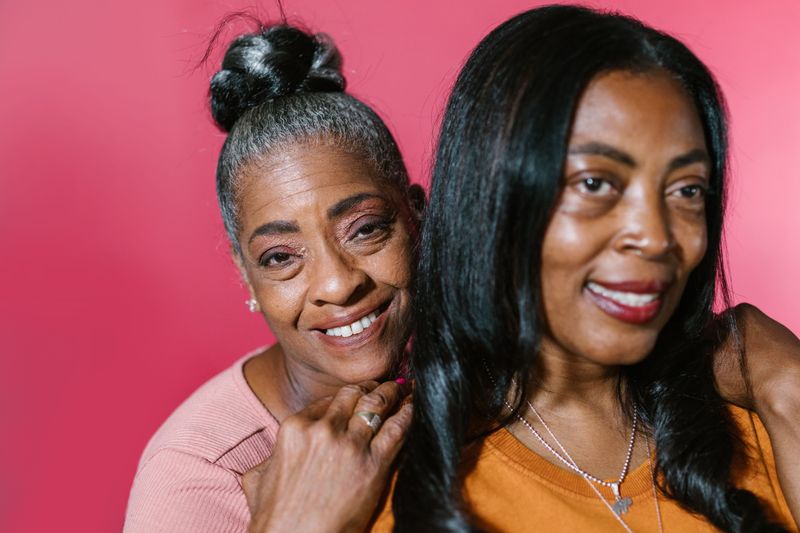
Remember when friendships felt effortless?
You saw people every day at school or work, and staying close required almost no effort at all.
Adulthood quietly changes that equation in ways most people never see coming.
People relocate for jobs, start families, or simply get pulled in different directions.
The group chats go quiet.
The hangouts become rarer.
And sometimes, you realize months have passed without a real conversation.
Maintaining meaningful friendships as you age requires actual intention — a phone call instead of a like on social media, a planned visit instead of an empty promise to catch up soon.
Fewer, deeper friendships often replace large social circles, and honestly, that trade-off turns out to be worthwhile.
3. Time Feels Like It Speeds Up
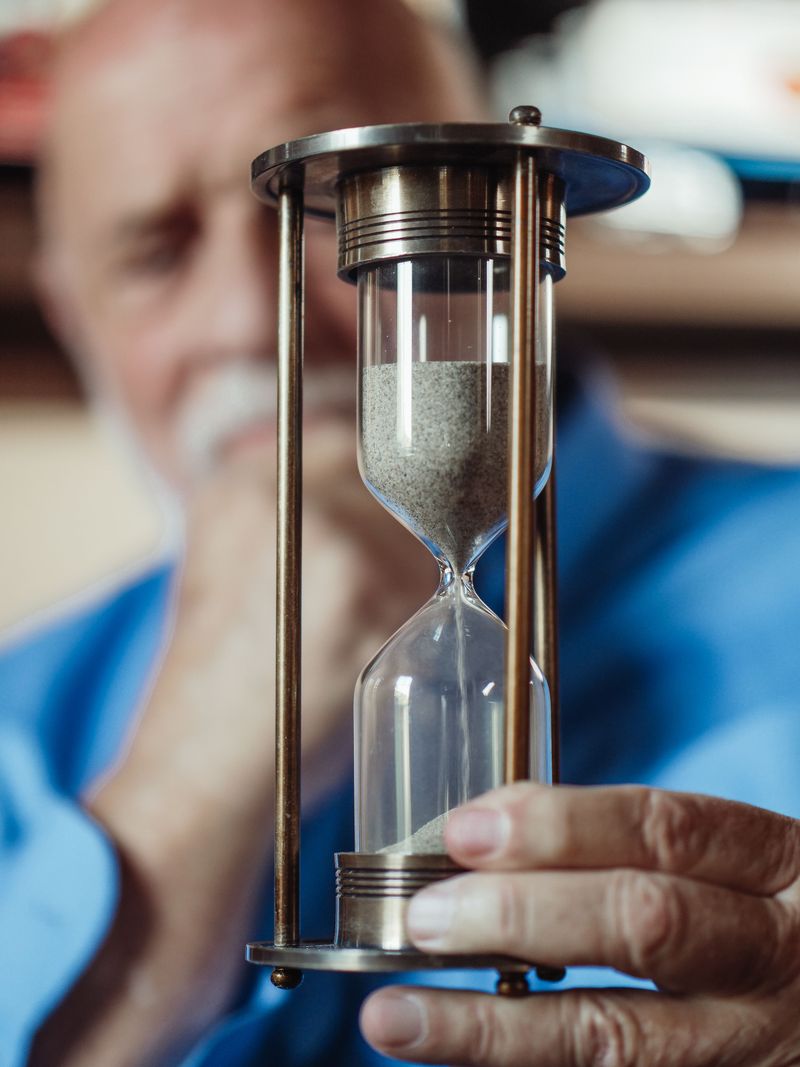
Ask anyone over 40 and they will tell you the same thing — the years are moving faster than ever.
January arrives, and somehow it is already July before you have caught your breath.
Scientists actually have theories about why this happens.
When you are young, every experience is new, so your brain records more memories and time feels stretched out.
As an adult, routines dominate your days, and your brain compresses familiar experiences into shorter mental records.
One powerful way to slow the feeling of time is to seek out new experiences regularly.
Travel somewhere unfamiliar.
Learn a skill.
Break a routine.
Novelty forces your brain to pay attention again, and life begins to feel fuller and longer.
4. Your Priorities Shift Dramatically
There is a quiet but powerful shift that happens somewhere in your 30s or 40s.
The things that once felt urgent — impressing people, chasing status, keeping up appearances — start to matter a whole lot less.
Peace of mind begins to outrank prestige.
A stable, loving home starts to feel more valuable than a flashy lifestyle.
You stop spending energy trying to win the approval of people who were never really in your corner anyway.
This shift is not giving up — it is growing up.
Knowing what genuinely matters to you and protecting that is a form of wisdom that only comes with lived experience.
Most people call it settling down, but it really feels more like waking up.
5. Your Body Sends Unexpected Reminders
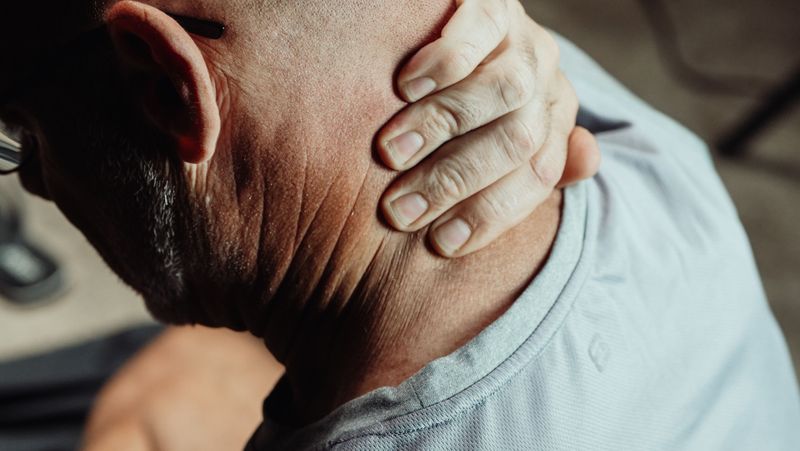
You do not have to be unhealthy for your body to start sending little messages.
A sore knee after a walk.
A stiff neck from sleeping wrong.
A twinge in your lower back that appears out of nowhere on a perfectly ordinary Tuesday.
Even people who exercise regularly and eat well start noticing new physical quirks as the years add up.
Joints get noisier.
Digestion gets pickier.
Skin becomes less forgiving after sun exposure.
It can feel alarming at first.
The key is not to panic but to pay attention.
Regular checkups become genuinely important rather than something to postpone.
Catching small issues early almost always leads to better outcomes.
Your body is not betraying you — it is just asking for a little more care.
6. Watching Your Parents Age Is Hard
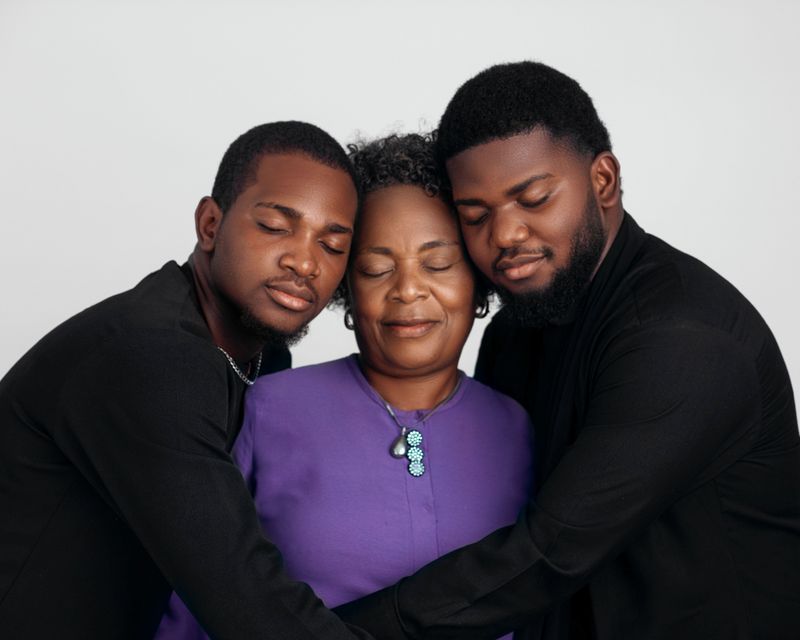
Nothing quite prepares you for the moment you realize your parents seem smaller, slower, or more fragile than they used to be.
It is one of the most emotionally complex parts of growing older yourself.
The roles begin to quietly reverse.
The people who once took care of you may now need you to help manage appointments, medications, or daily tasks.
That responsibility can feel both meaningful and overwhelming at the same time.
Grief can begin even before loss — a feeling called anticipatory grief — as you notice changes in someone you love deeply.
Talking openly with family about plans and expectations early makes a real difference.
Cherishing ordinary moments together, while you still can, becomes one of the most important things you will ever do.
7. Sleep Becomes More Complicated
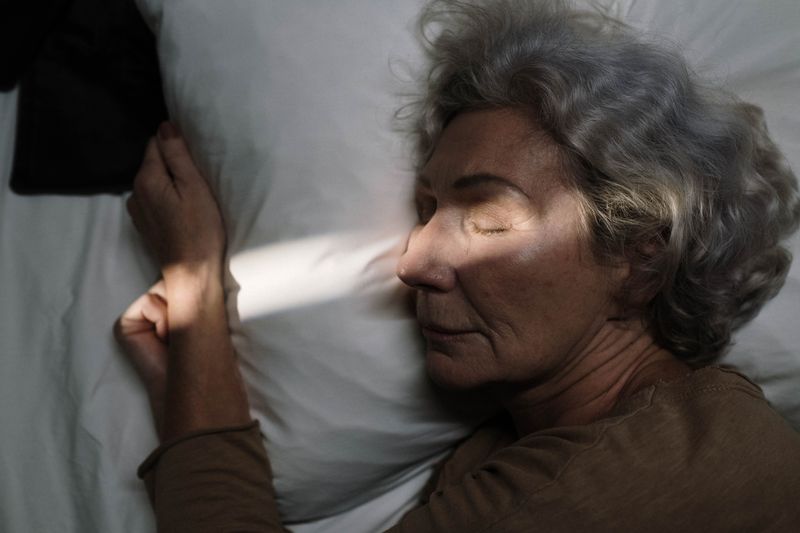
Sleep used to be simple.
You got tired, you fell asleep, you woke up feeling fine.
For many people, that straightforward relationship with rest begins to unravel somewhere in midlife, and it comes as a genuine shock.
Falling asleep may take longer.
Staying asleep through the night becomes a challenge.
Some people wake up too early and cannot drift back off, no matter how tired they feel.
The deep, restorative sleep stages also tend to shorten with age.
Good sleep hygiene matters more than ever now.
Keeping a consistent bedtime, limiting screens before bed, cutting back on caffeine in the afternoon, and creating a cool, dark sleep environment can all make a measurable difference.
Poor sleep affects everything from mood to memory, so protecting it is worth the effort.
8. Quality Wins Over Quantity Every Time
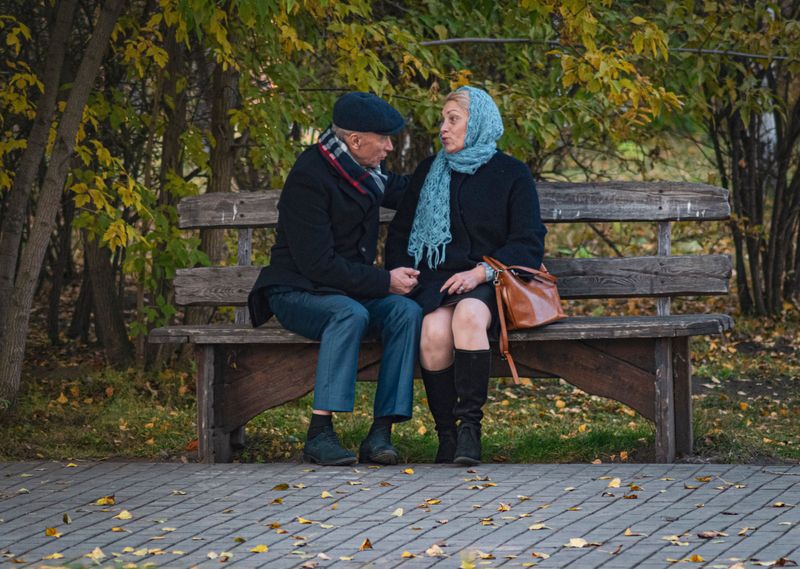
Somewhere along the way, the desire to accumulate more — more stuff, more followers, more invitations — quietly fades.
What replaces it is a genuine appreciation for depth over volume.
Fewer things, but better ones.
This applies to friendships, experiences, and even possessions.
A small group of truly trusted friends feels more nourishing than a wide social circle full of surface-level connections.
One meaningful trip beats five rushed vacations every time.
Psychologists call this a shift toward emotional selectivity, and research shows it tends to increase overall happiness.
You stop collecting and start curating your life.
Clearing out the noise — whether it is clutter in your home or draining relationships — creates space for things that actually matter.
Less really does become more.
9. Time Becomes Your Most Precious Resource

Money can be earned back.
Energy can be restored with rest.
But time, once spent, is gone permanently.
Most people do not truly feel this in their bones until they are well into adulthood, and it changes everything about how they make decisions.
You start declining invitations that do not excite you.
You stop saying yes out of guilt.
Committing hours to something meaningless begins to feel almost physically uncomfortable.
That is not selfishness — that is clarity.
Being selective about how you spend your time is one of the healthiest habits you can build.
Protect your calendar the way you would protect your savings account.
The people and activities you choose to invest time in say everything about what you actually value most.
10. Maintenance Becomes a Way of Life
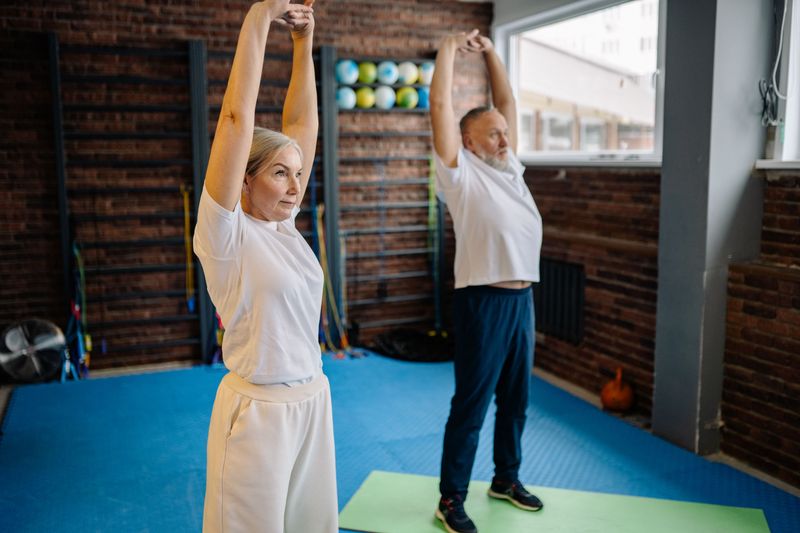
When you are young, your body handles a lot of neglect without much complaint.
Skip the gym for a month?
No big deal.
Eat poorly for a week?
You recover fast.
That forgiveness gradually disappears, and staying functional requires actual effort.
Exercise stops being optional if you want to keep moving comfortably.
Stretching, which many people skip entirely in their 20s, becomes something you genuinely look forward to.
Regular medical checkups shift from an inconvenience to a genuine priority.
Think of it like owning a car.
The older it gets, the more consistent maintenance it needs to run well.
Your body is no different.
The good news is that people who build these habits early tend to age far more gracefully and stay active much longer than those who wait.
11. Your Definition of Success Evolves
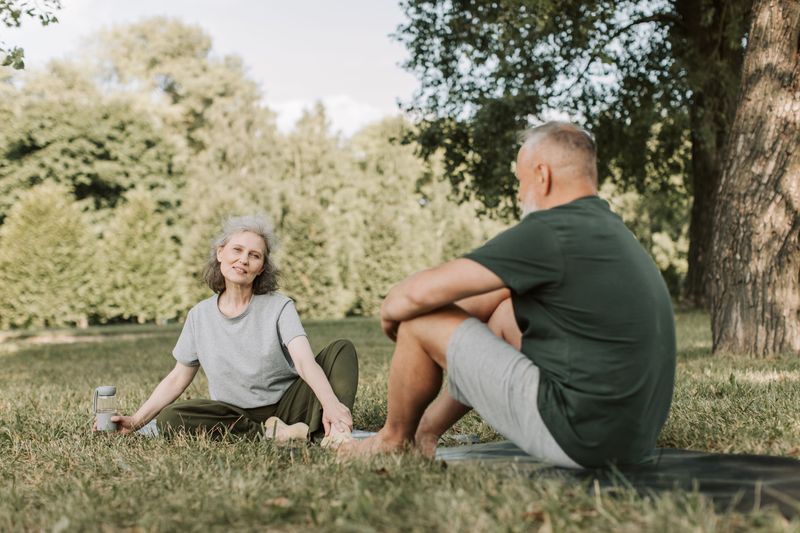
Early in life, success often looks like a job title, a salary number, or an impressive LinkedIn profile.
There is nothing wrong with ambition, but many people discover that those markers feel surprisingly hollow once they actually achieve them.
Over time, a quieter, more personal definition of success starts to take shape.
Feeling healthy.
Having time for the people you love.
Doing work that feels meaningful rather than just lucrative.
Waking up without dread on a Monday morning.
This evolution is not failure or giving up on dreams.
Plenty of research confirms that emotional well-being, strong relationships, and a sense of purpose consistently rank higher than wealth or status when people reflect on what made their lives feel worthwhile.
Success, it turns out, is deeply personal.
12. Ordinary Moments Become the Best Ones
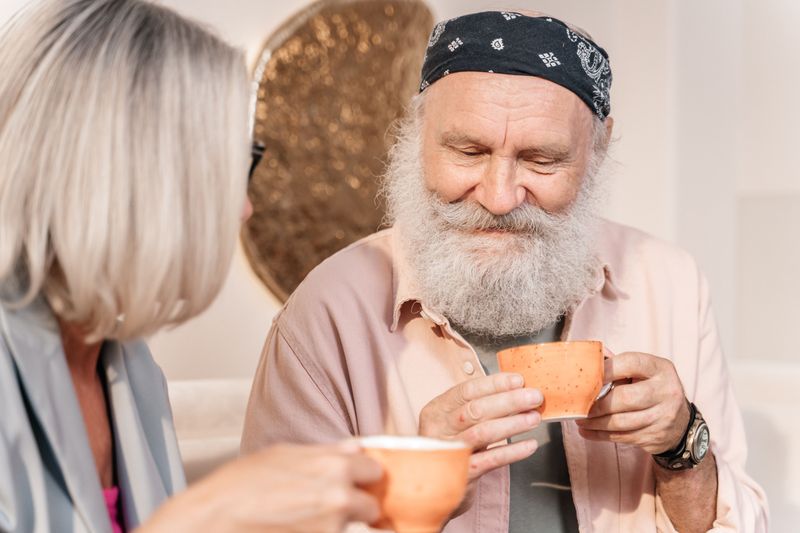
There is a funny thing that happens as the years pass.
The grand events — the parties, the vacations, the big celebrations — start to blur together in memory.
But the quiet, ordinary moments?
Those tend to stick with surprising clarity and warmth.
A slow Sunday morning with good coffee.
A long walk through a familiar neighborhood.
Dinner around the table with people you love, talking about nothing particularly important.
These experiences start to feel genuinely precious in a way they never quite did before.
Mindfulness researchers call this savoring, and it is one of the most reliable paths to everyday happiness.
Noticing and appreciating small pleasures rather than racing past them is a skill worth deliberately practicing.
The best parts of life are often hiding in plain sight.
13. Regret Often Lives in the Unlived Moments

Palliative care nurses who work with people at the end of life consistently report the same pattern.
Patients rarely regret the things they tried and failed at.
What haunts them are the chances they never took and the words they never said.
The trip they kept postponing.
The apology they held back too long.
The creative dream they shelved because it felt impractical.
The time they let slip by without really showing up for the people who needed them.
Hearing this early enough to act on it is genuinely useful.
Taking reasonable risks, expressing love openly, and choosing experiences over comfort more often are choices that tend to age very well.
Most regrets are not inevitable — they are just decisions that still have time to be made differently.
14. Growing Older Is Actually a Privilege
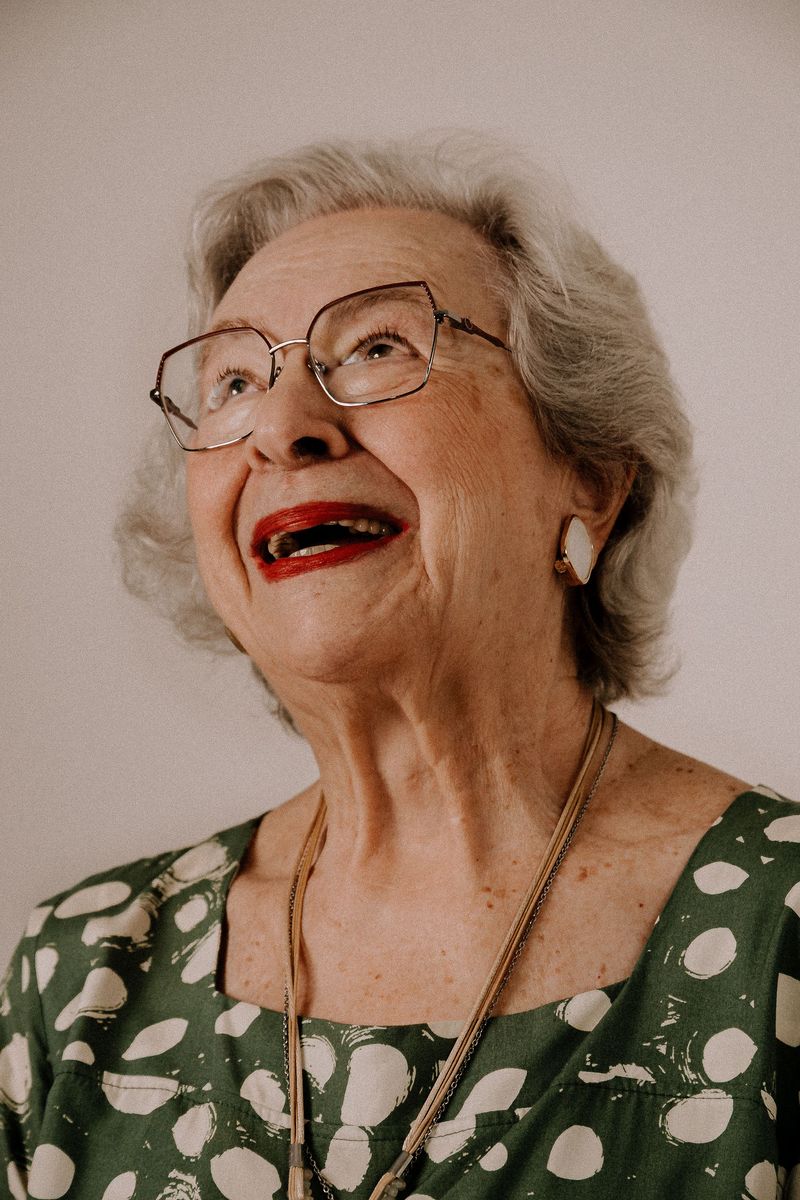
Not everyone gets the gift of a long life.
That truth, uncomfortable as it can be to sit with, has a way of reframing everything about the aging process.
The gray hairs, the slower pace, the changing body — they are all signs of a life that kept going.
Aging brings things that youth simply cannot offer.
Hard-earned wisdom.
The ability to stay calm in situations that once would have shaken you completely.
A clearer sense of who you are and what you actually stand for.
Resilience that only comes from surviving real difficulties.
Cultures that honor their elders understand something important — experience is genuinely valuable.
Growing older is not a decline.
It is an accumulation.
Every year adds something, and the people who embrace that tend to live with far more joy and far less fear.