 MomSkoop

As we get older, our priorities shift in surprising ways, especially when it comes to spending money. What once felt exciting or necessary can start to feel wasteful, unnecessary, or just not worth it anymore.
Many people find that with age comes a sharper eye for value and a stronger desire to keep life simple. Here are 14 things people tend to stop buying as they grow older and wiser.
1. Trendy Clothing and Fast Fashion
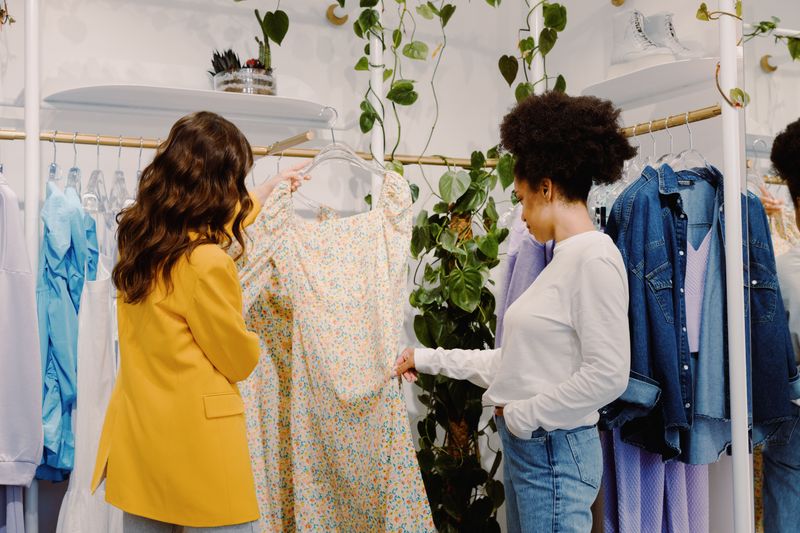
Remember when buying the newest styles felt like a must?
Fast fashion stores make it easy to fill your closet with cheap, trendy pieces that fall apart after a few washes.
Younger shoppers often chase these trends without thinking twice about the cost.
With age, most people start noticing that these clothes rarely last.
The fabric thins out, the colors fade, and the style is gone by next season.
Spending money on something that lasts only a few months starts to feel like a bad deal.
Older buyers tend to prefer fewer, better-made pieces that hold up over time.
Quality wins over quantity, and a simpler wardrobe actually makes getting dressed much easier every day.
2. Expensive Designer Labels
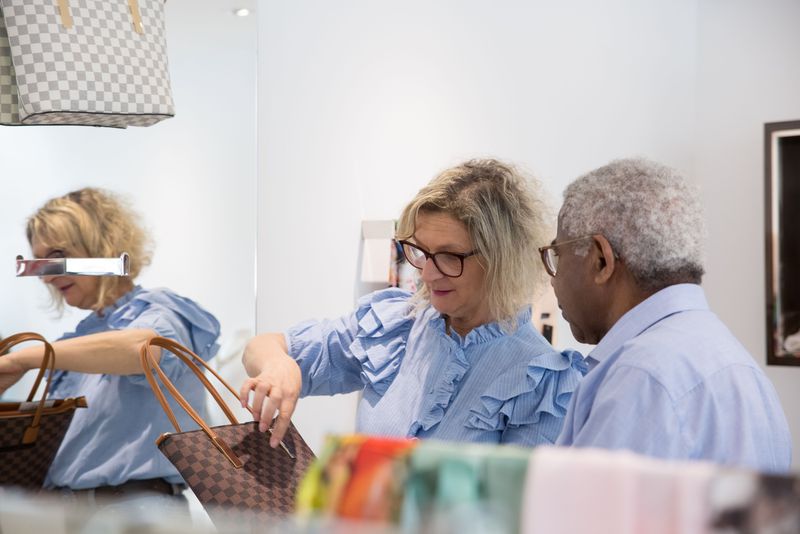
There was a time when carrying a bag with a famous logo felt like a big deal.
Designer labels once signaled status and success, and many younger people saved up just to own one recognizable piece.
The appeal was all about what others would think.
As people age, that need for outside approval tends to fade.
Paying hundreds or thousands of dollars for a name stitched onto fabric starts to feel unnecessary.
The same money could go toward experiences, savings, or things that truly matter.
Most older adults realize that real confidence does not come from a logo.
Comfort, practicality, and personal style matter far more than any brand name ever could.
The label becomes the least interesting part.
3. The Latest Smartphones Every Year
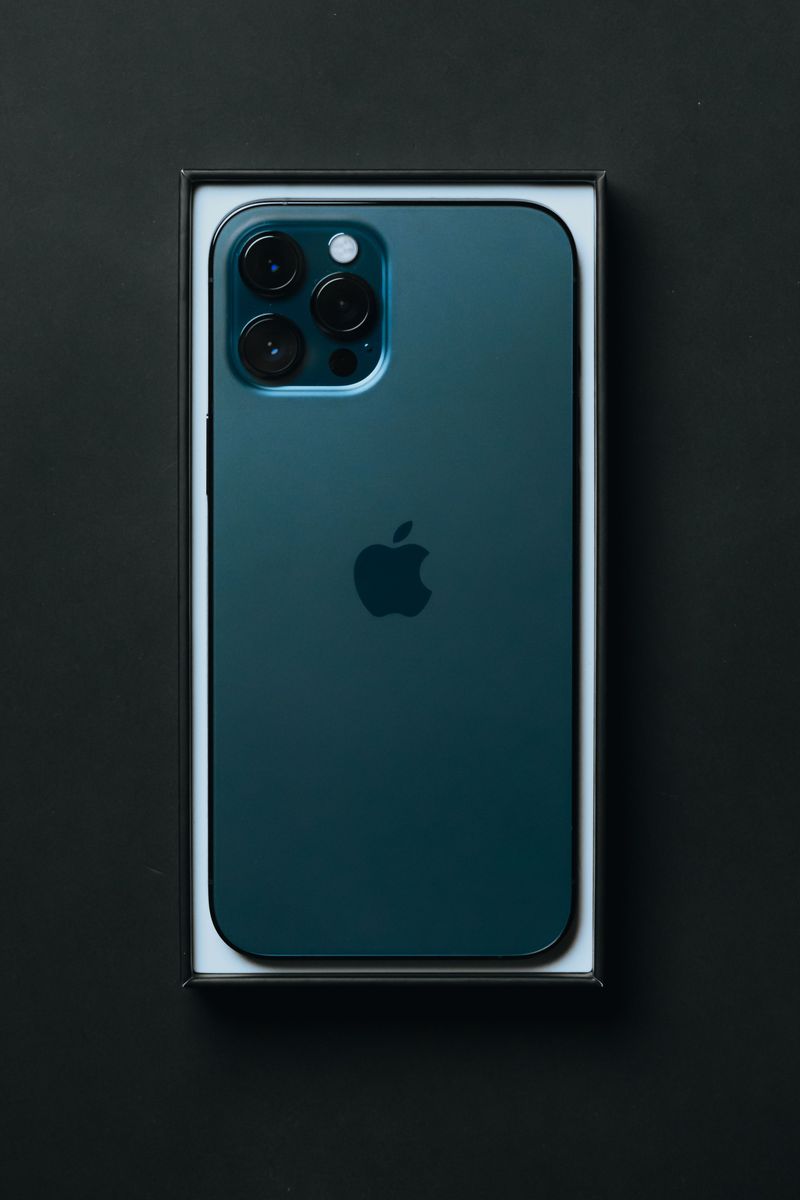
Upgrading to the newest phone the moment it launches used to feel exciting and almost necessary.
Tech companies are brilliant at making last year’s model feel outdated even when it works perfectly fine.
The pull to have the shiniest, fastest device is very real when you’re young.
With a bit more life experience, people start asking a simple question: does this new phone actually do anything my current one cannot?
Most of the time, the honest answer is no. The differences between models grow smaller every year.
Older consumers tend to hold onto their phones longer and skip the annual upgrade cycle.
Saving several hundred dollars a year by sticking with a working device just makes more financial sense as priorities shift.
4. Flashy or Impractical Cars

Loud engines, low seats, and eye-catching paint jobs have a certain appeal when you are young and want to turn heads.
A flashy car can feel like a statement about who you are and where you are headed.
Many people dream of owning a sports car at some point in their lives.
Reality has a way of changing that dream.
Low cars are hard to get in and out of, especially as joints get stiffer.
Insurance costs more, fuel economy suffers, and repairs on high-performance vehicles can be shockingly expensive.
Most people eventually trade the flashy ride for something comfortable, reliable, and practical.
A smooth, quiet vehicle with great safety features and good gas mileage becomes far more appealing than any sports car ever was.
5. Cheap Furniture That Needs Frequent Replacing

Flat-pack furniture that costs almost nothing seems like a great deal when you are furnishing your first apartment on a tight budget.
Sure, it wobbles a little and the drawer slides stick, but it gets the job done for now. “Now” has a way of turning into years.
After replacing the same wobbly bookshelf three times, most people start doing the math.
Buying cheap furniture repeatedly often costs more in the long run than investing in one solid, well-made piece from the start.
Older buyers gravitate toward furniture built to last decades, not just a couple of years.
Solid wood, sturdy construction, and timeless design become the priorities.
Moving less often also means owning pieces worth keeping for the long haul.
6. Novelty Gadgets and Impulse Electronics
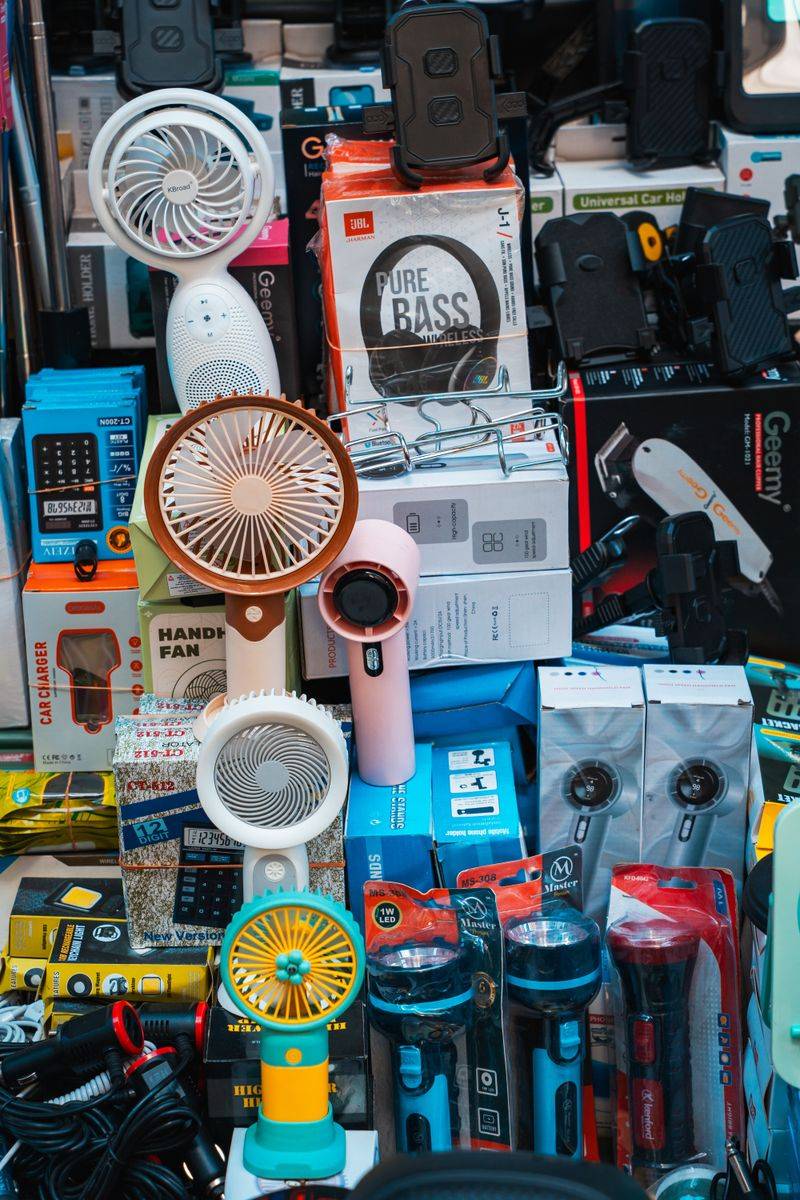
That spinning fidget cube, the mini waffle maker shaped like a dinosaur, or the robotic window cleaner that never quite worked right – sound familiar?
Novelty gadgets are designed to catch your eye and trigger an impulse buy before common sense kicks in.
They are practically built to be irresistible in the moment.
Most of these gadgets end up in a drawer within two weeks.
The excitement fades fast, and the device that seemed so clever in the store turns out to be more frustrating than useful in real life.
With age comes a healthy skepticism toward anything marketed as the next great invention.
People learn to wait, read reviews, and ask whether they actually need it before pulling out their wallet.
Patience saves a lot of money.
7. Uncomfortable Shoes Just for Style

Sky-high heels and pointed-toe shoes look stunning in a store window, and there is something undeniably powerful about wearing a great pair of heels.
For many young people, looking stylish is worth a little pain.
A few hours of discomfort feels like a fair trade for turning heads.
Ask anyone in their 40s or beyond, and the story changes fast.
Blisters, sore arches, and aching knees have a way of making style feel much less important.
Feet that hurt make everything else miserable, no matter how good the shoes look.
Comfort becomes the top priority with age, and the good news is that comfortable shoes have never looked better.
Brands now design footwear that is both supportive and stylish, proving you do not have to suffer to look great.
8. Excessive Home Decor and Decorative Clutter
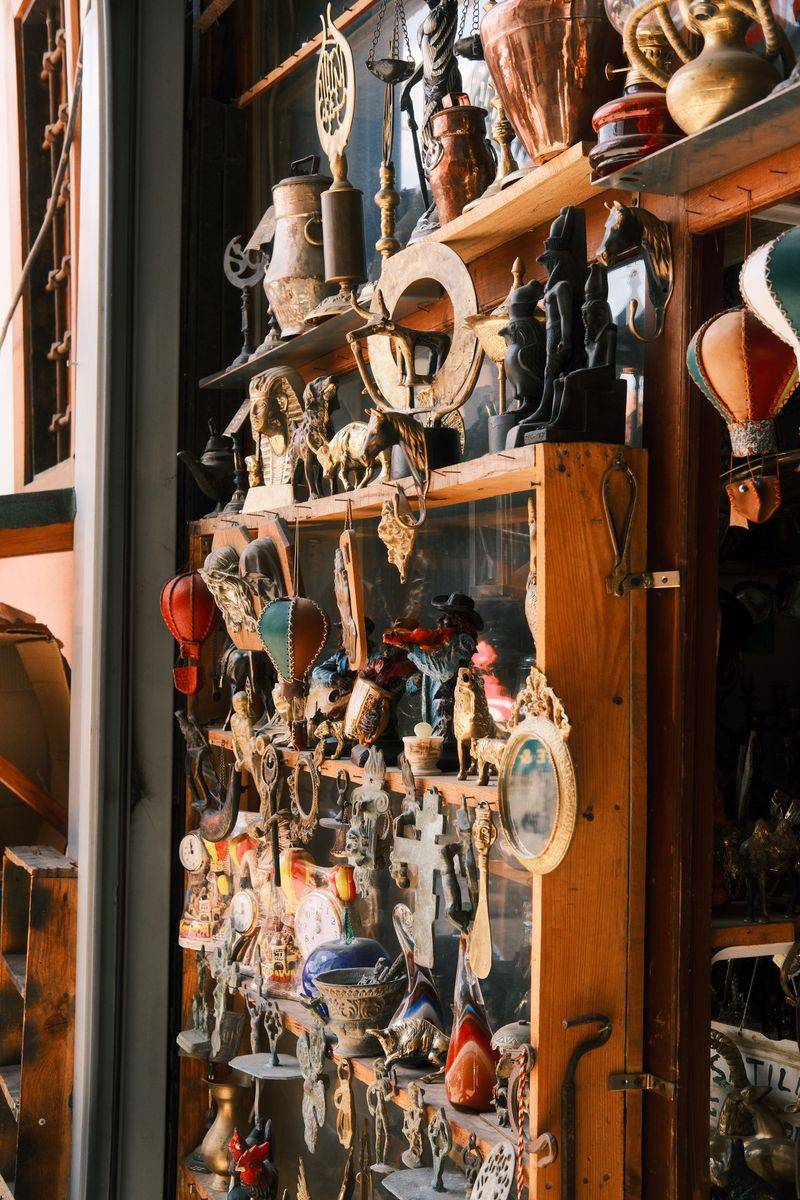
Filling every shelf and surface with decorative objects used to feel like personalizing a space.
Candles, ceramic animals, framed quotes, and little figurines all seemed charming at first.
The more unique pieces you collected, the more the home felt like yours.
Then came the dusting.
Cleaning around dozens of tiny objects every week gets old very quickly.
And moving?
Wrapping and packing all that fragile decor becomes a nightmare nobody wants to repeat.
Most people eventually embrace a more minimal approach to decorating.
Fewer, more meaningful pieces make a space feel calm and intentional rather than chaotic.
A home that is easy to clean and free of visual noise becomes its own kind of luxury, one that grows more appealing every year.
9. Large Amounts of Makeup and Beauty Products
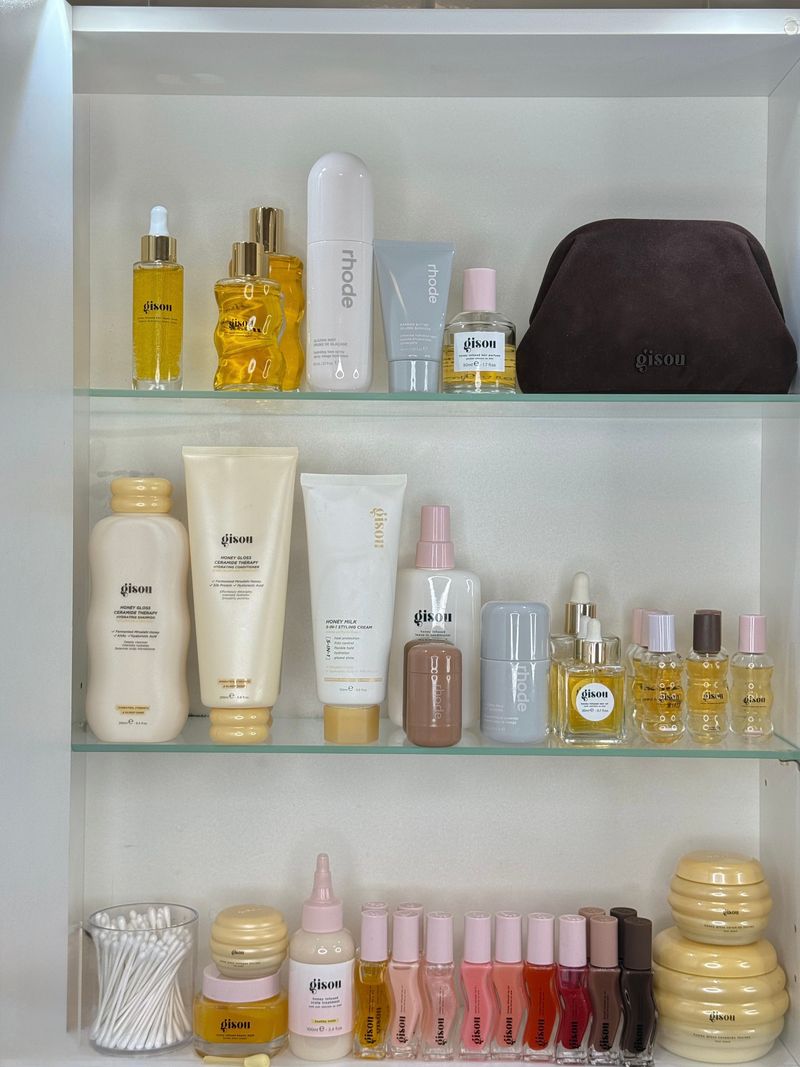
Walk into any beauty store as a teenager and the options feel endless and thrilling.
Highlighters, setting sprays, 40-shade eyeshadow palettes – everything seems essential.
Building a massive makeup collection feels like an exciting hobby, not an expense.
Over time, most people discover that half those products expire before they are ever used.
The 40-shade palette?
Three shades get all the attention.
The rest collect dust while taking up precious counter space.
Older beauty enthusiasts tend to streamline their routines down to a handful of trusted products that actually work for their skin.
Less time getting ready, less money spent, and less clutter in the bathroom.
A simplified routine often produces better results than a complicated one ever did.
10. Souvenirs and Tourist Trinkets
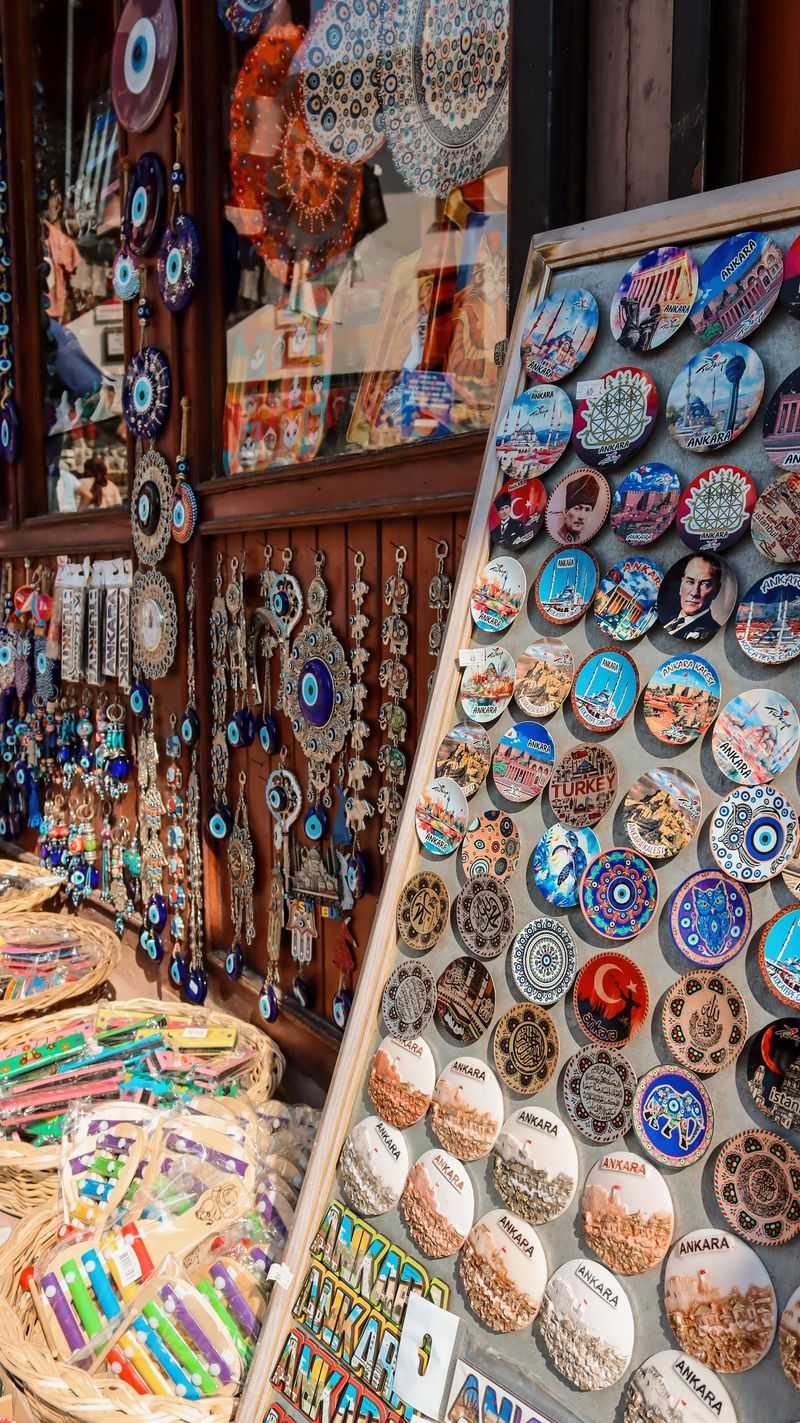
Every trip used to call for a shopping bag full of keychains, magnets, and miniature replicas of famous landmarks.
Souvenirs felt like proof of adventure, a way to hold onto the memory and share it with people back home.
The gift shop was practically a required stop.
Years later, those snow globes and novelty mugs pile up in boxes or end up at garage sales.
The memories of the trip stay vivid, but the trinkets just take up space.
Most people realize the souvenir was never really the point.
Experienced travelers shift toward collecting experiences rather than objects.
A great meal, a local concert, or a guided hike becomes the real takeaway.
Photographs capture the moment far better than any keychain ever could.
11. Status-Symbol Watches, Bags, and Accessories
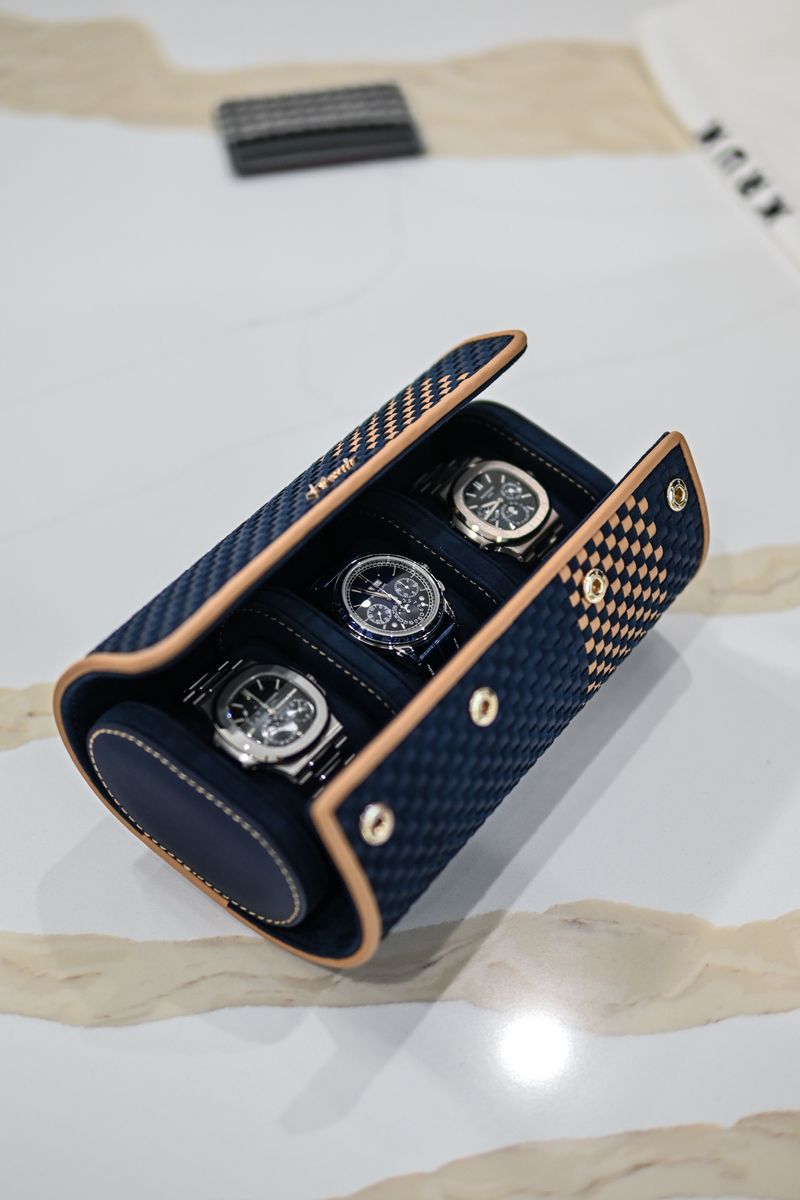
Owning a famous-brand watch or a recognizable designer bag once felt like proof of having made it.
These accessories carried a social signal that said something about your position in life.
For many young professionals, the right accessory felt like a career move as much as a purchase.
Somewhere along the way, that feeling loses its grip.
The watch tells time no better than a cheaper one.
The bag holds the same things.
What changes is the realization that most people around you are not noticing or caring as much as you imagined.
With age, accessories become about personal taste rather than social performance.
A watch chosen for its craftsmanship or sentimental value means far more than one bought purely to impress others.
12. Single-Use Kitchen Gadgets
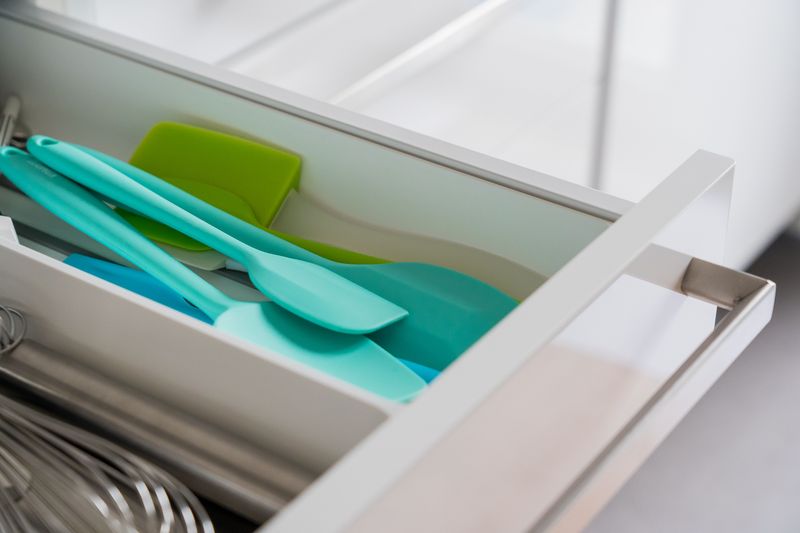
The infomercial promised it would change everything.
The avocado slicer, the strawberry huller, the spiralizer that was going to turn vegetables into pasta – each one seemed like the solution to a problem that a regular knife was already handling just fine.
These gadgets clutter up drawers and cupboards at an alarming rate.
Each one takes up space, needs washing, and does exactly one thing.
When that one thing comes up, the gadget is usually buried under six other gadgets doing equally specific jobs.
Most older cooks have learned that a sharp knife and a few quality pans can handle almost anything.
Simplifying the kitchen makes cooking faster and more enjoyable.
The best kitchen tool is usually the one that does ten jobs, not just one.
13. Physical Media Such as DVDs and CDs
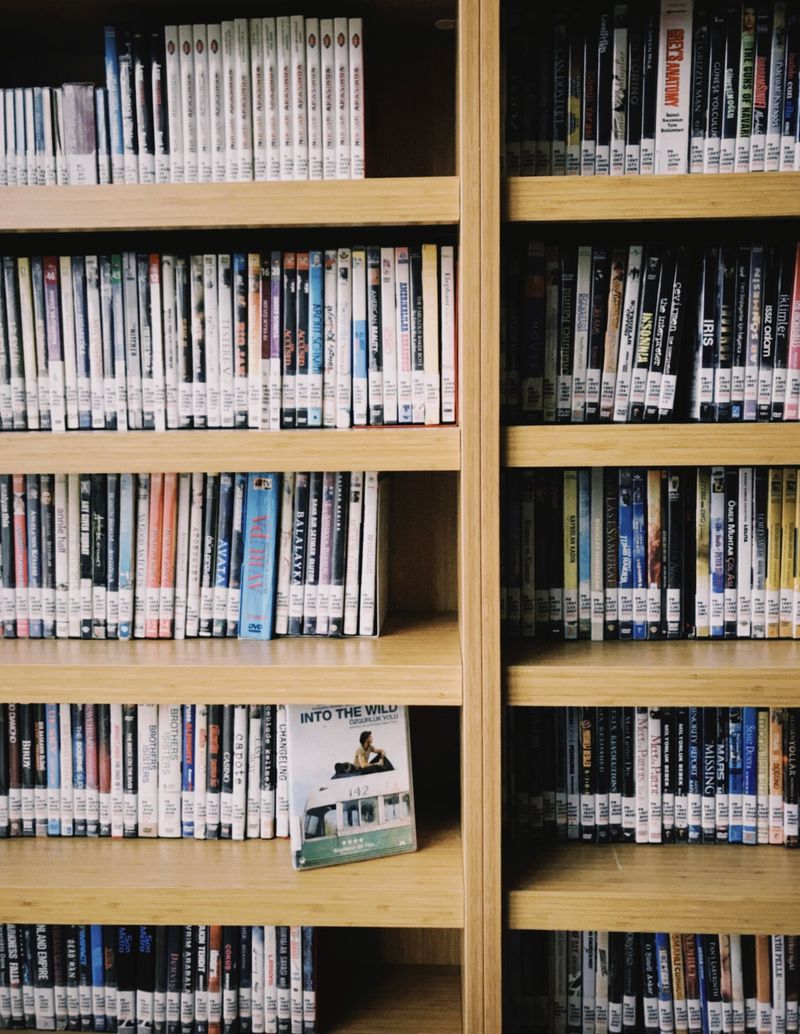
There was something genuinely satisfying about a wall of DVDs or a rack of CDs.
Browsing your own collection, reading liner notes, and picking out a movie on a Friday night felt like a ritual worth keeping.
Physical media had a tactile charm that streaming cannot fully replicate.
Streaming changed the math completely.
Why store hundreds of discs when nearly everything is available instantly on a screen?
Moving boxes full of DVDs is a chore nobody misses.
Many people donate entire collections without a second thought.
The shift is not just about convenience – it is about space and simplicity.
Older adults especially appreciate a home with less physical stuff to manage.
Digital libraries take up no shelf space and never need dusting, which is a genuinely appealing upgrade.
14. Cheap Items Bought Simply Because They Are on Sale

A 70% off sign has a way of making almost anything seem worth buying.
It does not matter if you need it, use it, or even particularly like it – the deal itself becomes the reason to buy.
Bargain hunting can feel like winning, even when the prize has no real value to you.
The closets, garages, and storage units of people who shop this way tell the real story.
Unused items with tags still on them, gadgets in original packaging, and clothes in wrong sizes all add up to wasted money, not savings.
Older shoppers learn to ask one question before any purchase: would I buy this at full price?
If the answer is no, the sale is not actually a deal.
That single question saves more money than any coupon ever could.