 MomSkoop
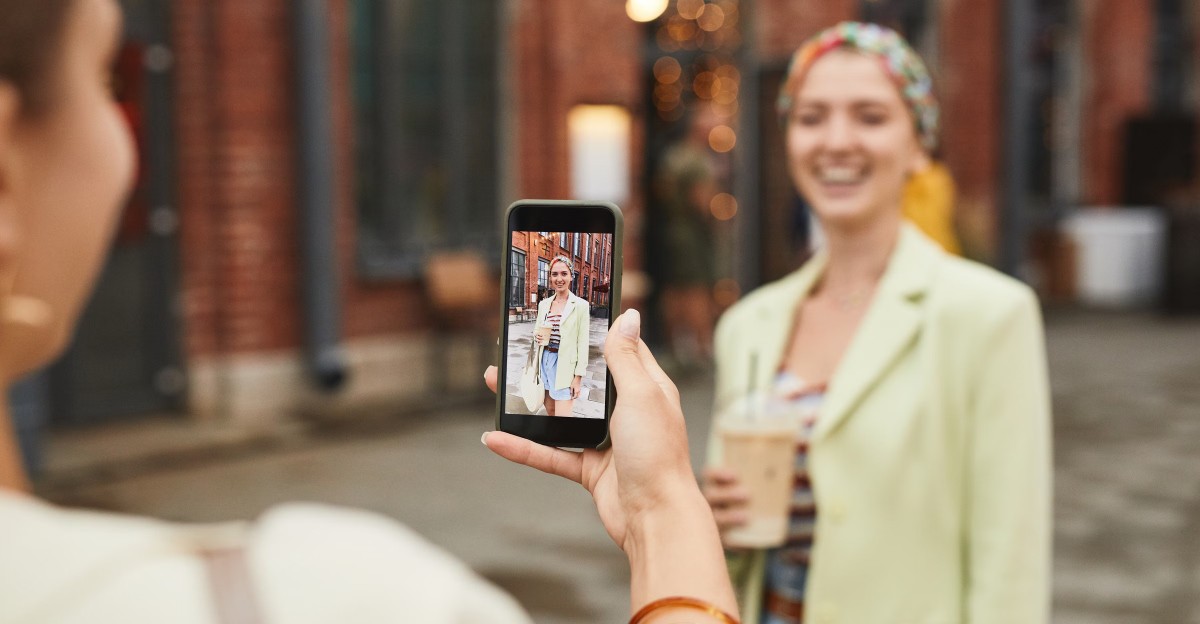
A phone camera held at arm’s length can make a nose look noticeably larger than it does across a dinner table. That lens distortion alone explains why so many people insist they look strange in selfies. Cameras also flatten a face into two dimensions and freeze it in a single split second.
Real life gives you depth, motion, sound, and even scent, and a photo captures none of that last trio. That gap matters if you’ve ever judged yourself harshly from a bad snapshot. It also matters on dating apps, where a few still images try to stand in for an entire person. The whole mismatch is oddly comforting, because it means a camera roll tells only part of the story.
1. Faces That Move

A camera grabs one fraction of a second, and faces rarely look their best in fractions.
Half-blinks, mid-word mouths, and awkward pauses get frozen forever.
In person, your face is a moving show.
Eyebrows lift when you’re surprised, cheeks rise when something amuses you, and your eyes crinkle before a laugh fully arrives.
People reading your face see a whole sequence, not a single frame.
That sequence carries a lot of information.
Someone watching you can tell you’re curious, amused, or focused, and that makes you easier to read and easier to like.
A still photo can’t show your face reacting to them, which is often the most charming part.
Here’s a practical thought for photos you actually care about.
Instead of holding a stiff pose, try talking to the person behind the camera or thinking of something funny.
Asking for burst mode helps too, since one of those many frames may catch your expression in motion.
And if you dislike most photos of yourself, that reaction makes sense.
You’re comparing a frozen sliver against how you look to people who see the full, moving version.
The full version is the one your friends actually know and recognize.
2. A Voice With Range

Nobody has ever heard a photograph.
That sounds obvious, but it explains a big chunk of why some people seem more appealing once they start talking.
Your voice adds layers a picture can’t touch.
Pitch rises and dips, pauses build a little suspense, and the rhythm of your speech hints at your mood and personality.
A flat, monotone delivery tends to fade into the background, while a voice with variety keeps listeners tuned in.
Tone carries meaning beyond the words, too.
A teasing line said with a smile sounds playful, while the same words typed in a caption can land as rude.
Listeners pick up on that difference instantly.
You don’t need a radio announcer voice for any of this to work.
A few small habits can help:
Let your voice move naturally instead of keeping it in one careful register.
Slow down a bit when telling a story, and let the funny part breathe.
Speak loud enough to be heard without strain.
Video calls and voice memos can bridge some of the gap for people meeting online.
Still, a voice in the same room, paired with expressions and timing, gives the fullest picture of who someone is.
3. Open, Upright Posture
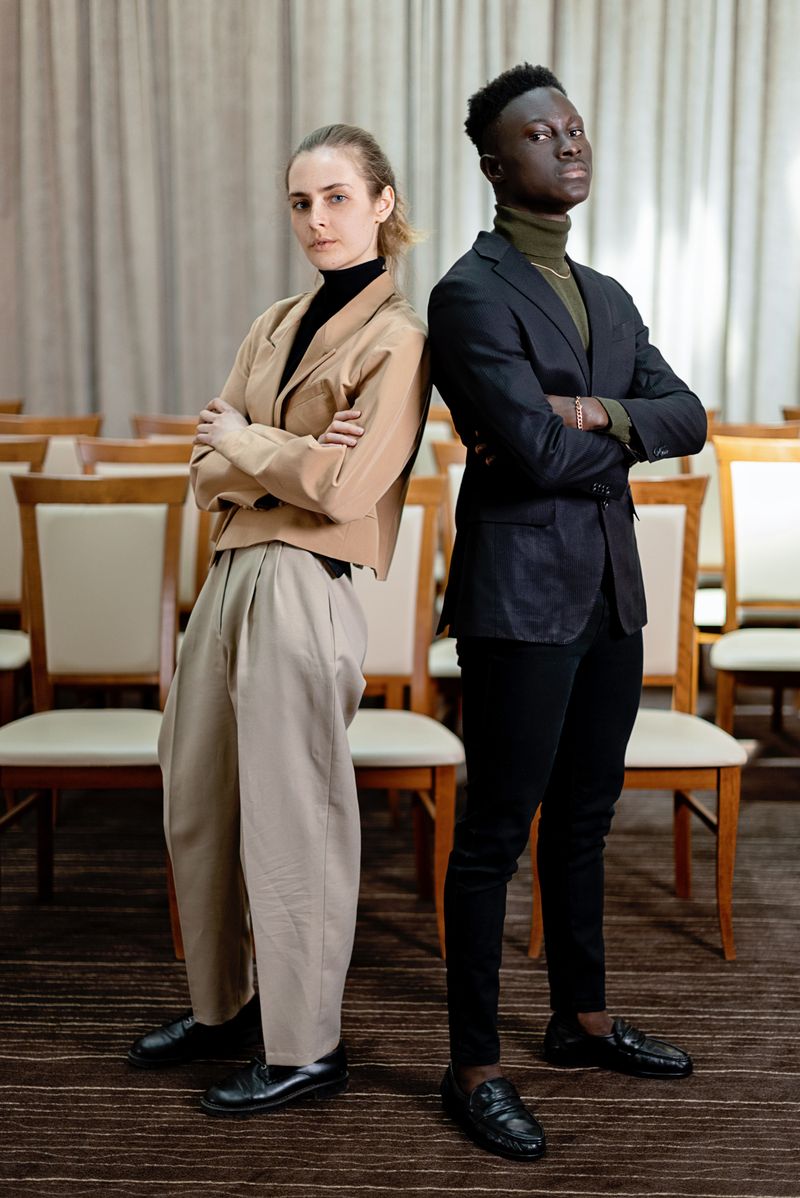
Slouching in a photo just looks like slouching.
In real life, how you hold yourself sends signals the moment you walk into a room.
An upright stance with relaxed shoulders reads as calm and comfortable.
Open body language, like uncrossed arms and a chest that isn’t caving inward, tends to look more inviting than a closed, hunched position.
People usually notice this before they’ve even registered your outfit.
The good news is that posture is more adjustable than most features.
A few small checks can make a difference:
Imagine a string gently lifting the top of your head.
Let your shoulders drop away from your ears instead of pulling them back like a soldier.
Keep your weight balanced on both feet rather than sinking into one hip.
None of this should feel stiff or forced.
A rigid stance can look as uneasy as a slouch, so the goal is relaxed and upright, not rod-straight.
Photos often catch you mid-shift or leaning awkwardly toward the frame.
In person, people see the overall way you carry yourself across minutes, and a comfortable, open stance does a lot of quiet work over that stretch of time.
4. A Real, Unposed Smile

“Say cheese” might be the least effective instruction in photography history.
It produces a mouth shape, not a smile.
A real smile involves more than your lips.
The muscles around your eyes tighten, your cheeks lift, and the whole face seems to brighten at once.
That full-face version is what people see when you’re actually amused, and it tends to look friendlier than a polite camera grin.
Posed smiles often miss the eyes entirely.
The result can look tight or a bit forced, even on someone who smiles easily in daily life.
Laughter adds another layer in person.
When two people laugh at the same thing, it can feel like a small moment of agreement, a shared sense that you both find the same stuff funny.
That feeling of connection is something a photo can document but never recreate.
For pictures, skip the cue word and try thinking of a specific funny memory.
Some people get better results asking a friend to make them laugh mid-shoot.
In daily life, there’s no technique required.
Smiling when something actually pleases you does the job, and the people around you get the full version instead of the lip-only edition.
5. Steady, Friendly Eye Contact

Staring into a lens is about as romantic as staring into a doorknob.
Meeting a person’s eyes is a completely different experience.
When you look at someone while they talk, you’re telling them they have your attention.
That simple message can make a person feel noticed and taken seriously.
It also makes you seem engaged rather than distracted, which comes across as appealing in most social settings.
Photos can’t do this.
Even a direct gaze in a picture is pointed at a camera, not at the viewer, so it lacks the back-and-forth quality of real eye contact.
Balance matters, though.
An unbroken stare can feel intense or uncomfortable, while constantly looking away may read as nervous or uninterested.
Most comfortable conversations involve looking at the other person for stretches, then glancing away naturally before returning.
Cultural norms and personal comfort vary a lot here, and some people find eye contact stressful.
If that’s you, looking near the eyes or at the face generally still signals attention.
The goal isn’t a perfect gaze ratio.
It’s showing the person in front of you that, for this moment, they’re the one you’re focused on.
6. A Pleasant Personal Scent
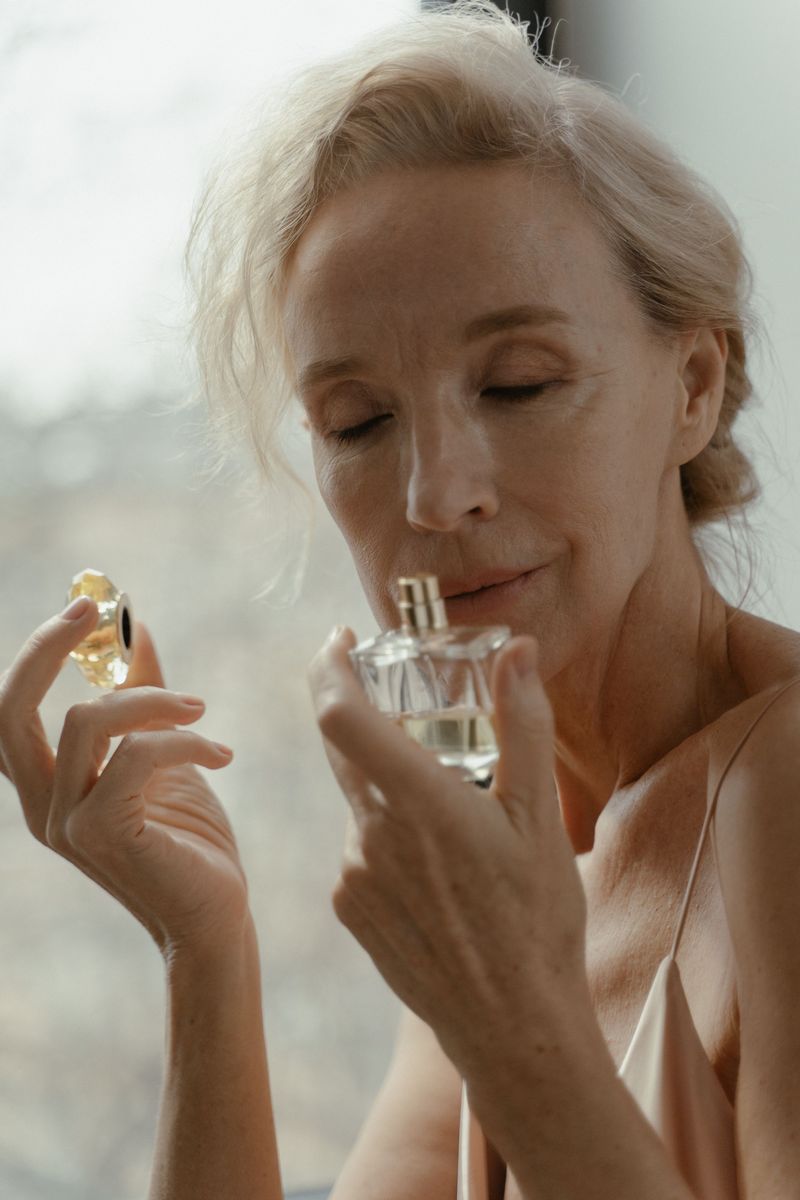
Smell is the one sense a dating profile completely skips.
Unless someone invents scratch-and-sniff phones, it’s staying that way.
In person, scent quietly shapes impressions.
Clean laundry, fresh hair, or a light fragrance can leave a pleasant memory, and smells often tie closely to emotions and memory.
A whiff of the same scent later can bring that person straight to mind.
You don’t need anything expensive or fancy to benefit.
Basic freshness covers most of the ground: clean clothes, regular showers, and deodorant that suits you.
If you like fragrance, a few habits help:
Apply a small amount to pulse points like wrists or neck, and skip the cloud-spraying.
Pick something you personally enjoy, since liking your own scent can make you feel more put together.
Remember that close spaces like cars and offices concentrate smells fast.
Restraint is the friendly choice.
Some people have scent sensitivities, and a heavy fragrance can overwhelm a small room or trigger headaches.
Think of scent as background music.
When it fits, people feel comfortable without quite knowing why, and that pleasant association stays attached to you long after you’ve left.
7. Listening Like You Mean It
Few compliments feel better than “Wait, you remembered that?” Good listening earns that line constantly, and it has no camera angle at all.
Active listening means paying full attention, then showing it.
You nod, ask follow-up questions, and sometimes repeat back the gist of what someone said to check you understood.
The other person walks away feeling heard, which is a surprisingly rare experience.
That feeling tends to rub off on how people see you.
Someone who makes you feel interesting usually seems more interesting themselves.
Some simple ways to practice:
Put your phone face down or away during conversations.
Ask “what happened next?” or “how did that feel?” instead of jumping to your own story.
Wait a beat before responding, so you’re not just loading your next sentence.
Paraphrasing helps too.
Saying “So the new job is great but the commute is rough?” shows you followed along without making the chat about you.
None of this shows up in a profile picture.
It shows up across a table, in a hallway, or on a long walk, where your attention becomes a gift the other person can actually feel.
8. Lighting Up About Your Interests

Ask someone about their sourdough starter, their fantasy football league, or their favorite obscure band, and watch what happens.
Their whole face changes gears.
Enthusiasm is mostly motion and sound.
Gestures get bigger, speech speeds up, and eyes brighten as the details tumble out.
A photo of someone holding a guitar shows a hobby, while hearing them explain why one chord progression thrills them shows a person.
That energy pulls listeners in, even when the topic is unfamiliar.
You might not care about birdwatching, yet someone describing a rare sighting with delight can be oddly captivating.
There’s a practical lesson for anyone who freezes up in social situations.
Talking about things you love tends to relax you, so steering conversations toward real interests can make you more lively without any extra effort.
Don’t worry about seeming too nerdy.
Specific passions often make better conversation than polite small talk about the weather.
Just remember to pass the ball back.
Asking what the other person loves keeps the excitement flowing both ways, and you may find yourself suddenly invested in their model trains or competitive baking adventures.
9. Small Acts of Kindness
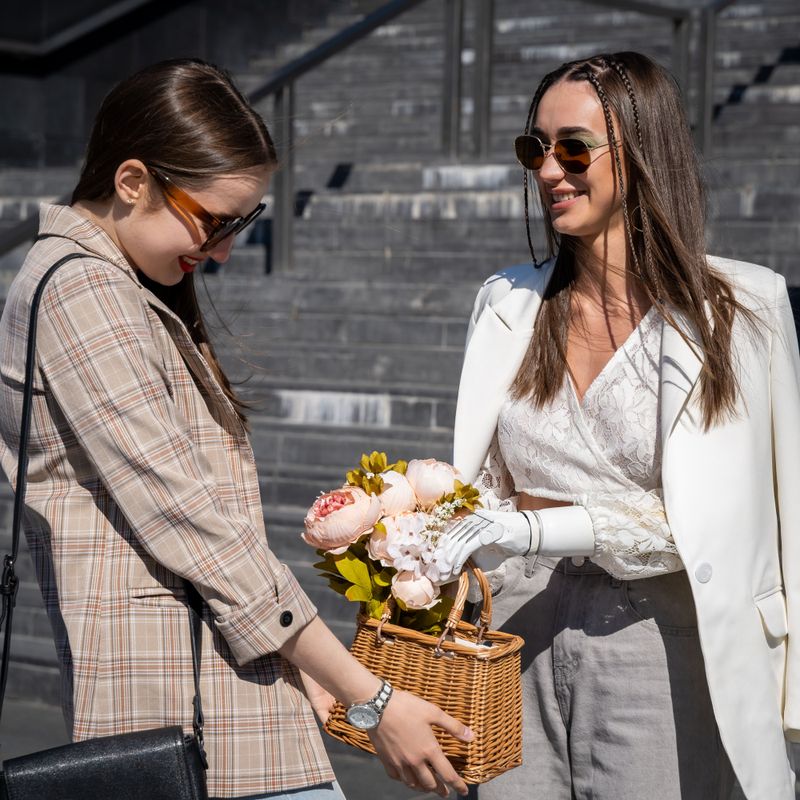
Plenty of people look friendly in pictures.
Kindness, though, is something you prove in real time, often in moments nobody planned to photograph.
It shows up in tiny ways.
Holding a door, thanking a server by name, including the quiet person in a group conversation, or quickly changing the subject when someone looks embarrassed.
These small choices tell others a lot about how you treat people.
Observers notice these moments, even when they aren’t the ones receiving the kindness.
Watching someone be patient with a frazzled cashier can raise your opinion of them instantly.
Empathy plays a big part here.
Being able to sense how someone feels and adjust your response, like softening your tone when a friend is upset, makes people feel understood rather than judged.
This isn’t about performing goodness for an audience.
Kindness that’s mainly for show tends to feel hollow, and people usually pick up on that.
The appealing part is that no lighting, filter, or fancy outfit can fake it.
It’s built from small, consistent choices, and a person who treats others well often seems more attractive the longer you know them.
10. Humor With Good Timing

Comedy depends on timing, and photos have none.
The funniest person you know probably looks fairly ordinary in a still shot.
In person, humor comes alive through pauses, raised eyebrows, quick comebacks, and the ability to read a room.
A dry one-liner delivered at the right second can turn a stiff gathering into a relaxed one.
Humor also builds a sense of connection.
Laughing at the same thing suggests you see the world in similar ways, and that small overlap can make two people feel closer.
You don’t need stand-up skills.
Being funny in daily life is often about noticing absurd details, sharing a playful observation, or laughing easily at your own small mishaps.
A few gentle guardrails help:
Aim jokes at situations rather than at people’s bodies, backgrounds, or struggles.
Notice whether others are laughing along or just politely tolerating the bit.
Let other people be funny too, since appreciating someone’s joke is a social skill of its own.
Humor also eases tension when things go sideways, like a canceled reservation or a sudden rainstorm.
A person who can make that moment lighter is memorable in ways no picture can show.
11. Skin That Looks Better Off Camera
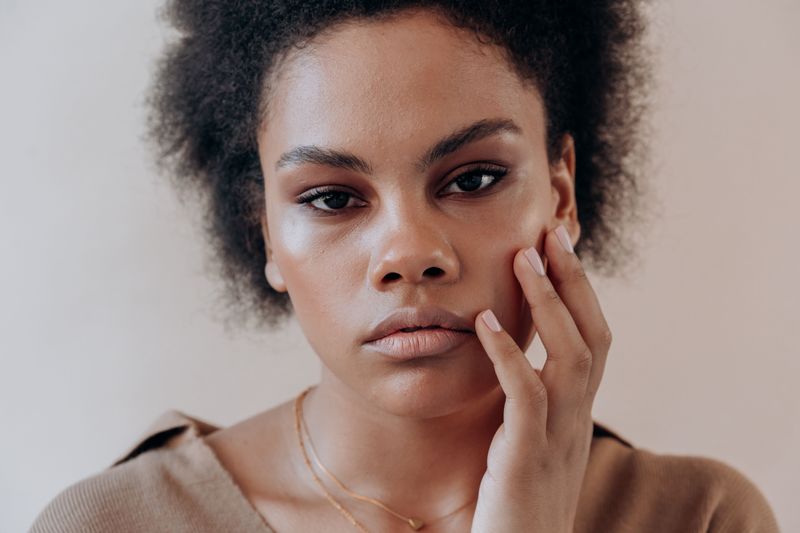
Bathroom mirror says glowing, phone flash says otherwise.
That frustrating split has a lot to do with light and how cameras handle it.
Your eyes view a face in three dimensions and constantly adjust to lighting.
They take in soft shifts of light and shadow across cheeks and forehead.
A camera flattens that into two dimensions, and harsh light or a direct flash can exaggerate pores, texture, and dry patches.
Skin also handles light in subtle ways.
Some light bounces off the surface softly, and some enters the outer layers before scattering back out.
That gentle effect can look lovely in person but often gets lost or distorted in photos.
For better pictures, lighting matters more than most products.
Try these:
Face a window with soft daylight instead of standing under overhead bulbs.
Turn off the flash whenever possible.
Step back a little, since close lenses can distort features.
Skin with texture is normal, by the way.
Pores, freckles, and lines are part of real faces, and people seeing you in person tend to register your overall look rather than inspecting each detail the way a high-resolution image invites.
12. The Way You Move

A frozen stride can look like an awkward lunge.
Seen in motion, that same walk might look relaxed and self-assured.
Movement says a lot about a person.
The rhythm of a walk, how someone settles into a chair, or the way they reach for a cup all create an impression that a still frame can’t hold.
Smooth, unhurried movement often reads as comfortable and confident.
Photos have a habit of catching people mid-motion at the worst instant.
An arm bent at an odd angle or a foot halfway off the ground can make anyone look clumsy, even someone who moves gracefully in real life.
You don’t need dance lessons to move well.
A few habits can help:
Walk at a pace that feels natural rather than rushed.
Let your arms swing loosely instead of clamping them to your sides.
Take up comfortable space when sitting, without perching tensely on the edge.
Comfortable shoes help more than people expect, since pinched feet change your whole gait.
Video gets closer to capturing movement than photos do.
Still, being near someone as they move through a room gives the clearest sense of their ease and personal style.
13. Clothes That Fit and Feel Right

An outfit can look flawless in a mirror selfie and still betray you at lunch.
Pinching waistbands and sliding straps show up in person, not in the picture.
Discomfort tends to be visible.
People tug at hems, adjust collars, or sit stiffly to avoid a gap.
Those little fidgets pull attention away from you and toward the clothing problem.
Clothes that fit well let you move without thinking about them.
When a garment drapes properly and allows a full range of motion, you can focus on the conversation instead of your sleeves.
Some practical checks before heading out:
Sit, bend, and reach in the outfit at home first.
Check that buttons lie flat without pulling and that waistbands don’t dig in.
Choose fabrics that feel pleasant on your skin, since scratchy material can make anyone restless.
Fit isn’t about a particular size or body type.
It’s about clothes matching your actual shape today, and a tailor or a size change can fix many issues.
Budget matters too, and comfortable, well-fitting clothes exist at plenty of price points.
The aim is wearing things that let your personality take center stage instead of your wardrobe drama.
14. The Whole Package of Presence
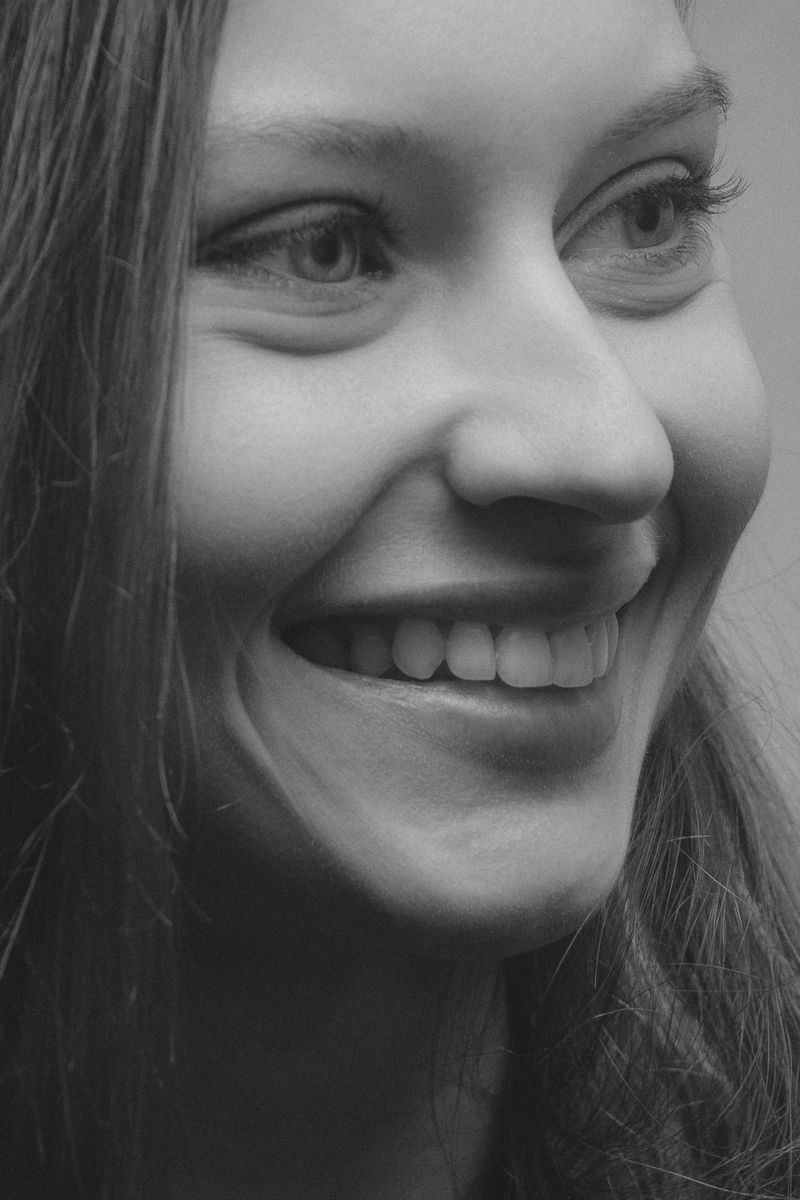
Some people walk into a party and the room seems to shift slightly in their direction.
Try capturing that with a front-facing camera.
Presence is what happens when several qualities show up together.
Expressions, voice, posture, attention, humor, and movement all combine into one overall impression.
A photo can hint at one or two of those pieces, but rarely all of them at once.
That combined effect is why people often say someone is “so much better in person.” They aren’t describing a single feature.
They’re describing how it felt to spend time around that person.
Presence isn’t reserved for extroverts, either.
A quiet person who listens closely and responds thoughtfully can leave a strong impression without ever being the loudest voice.
If you want to strengthen yours, start small.
Show up rested when you can, put the phone away, and stay curious about the people around you.
And the next time a tagged photo makes you wince, remember what it’s missing.
The people who know you aren’t remembering one frozen frame, they’re remembering how your company made the evening feel.