 MomSkoop

Words carry weight, especially when they come from parents. The things we say to our children can shape how they see themselves and the world around them for years to come. Some phrases might seem harmless in the moment, but they can leave lasting scars on a child’s self-esteem and emotional well-being. Here are fourteen common statements that parents should remove from their vocabulary, along with better ways to communicate love and guidance.
1. “I Wish You Were Never Born”

Nothing cuts deeper than hearing a parent regret your very existence.
These words can never be taken back, no matter how many apologies follow.
Children who hear this phrase carry the wound into adulthood, questioning their worth and whether they deserve love.
Parents usually say this in moments of extreme frustration or anger.
But temporary feelings should never translate into permanent emotional damage.
When overwhelmed, take a timeout instead.
Walk away, breathe deeply, and return when you can communicate without cruelty.
Your child needs to know they’re wanted, valued, and that their presence in your life matters—even on the hardest days.
2. “Why Can’t You Be Like [Sibling/Friend]?”
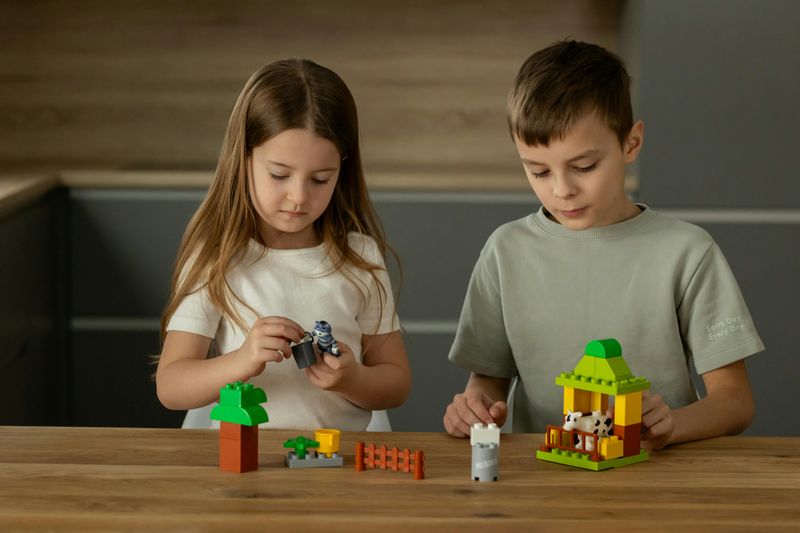
Comparisons poison relationships between siblings and destroy individual self-worth.
Every child develops at their own pace with unique strengths and challenges.
When you compare your child to someone else, you’re telling them they’re not good enough as they are.
This creates resentment toward the person they’re being compared to and damages their confidence.
Instead of comparisons, celebrate each child’s individual progress.
Notice what makes them special rather than measuring them against others.
Say things like “I see you’re working really hard” or “You have your own amazing talents.”
Help them compete with their own past performance, not someone else’s present.
3. “You Always/Never Do [Insert Bad Thing]”

Absolute words like “always” and “never” are rarely accurate and often harmful.
They label children with permanent negative identities rather than addressing specific behaviors.
When you say “you always forget your homework” or “you never listen,” kids start believing that’s who they are.
They may even live up to these negative expectations because they feel there’s no point in trying to change.
Focus on the specific situation instead.
Say “You forgot your homework today” or “I need you to listen right now.”
This approach addresses the behavior without attacking their character.
It leaves room for growth and shows you believe they can do better.
4. “Stop Crying. It Is No Big Deal”

Dismissing a child’s emotions teaches them their feelings don’t matter.
What seems trivial to an adult can feel devastating to a child.
Their emotional experiences are real and valid, even if the cause seems small to you.
When you tell them to stop crying, you’re essentially saying their pain isn’t worth acknowledging.
Children need help processing emotions, not shutting them down.
Try saying “I see you’re really upset” or “Tell me what’s making you feel this way.”
Validate their feelings first, then help them work through the problem.
This builds emotional intelligence and shows them you’re a safe person to share feelings with.
5. “Because I Said So”

This phrase shuts down communication and teaches obedience through fear rather than understanding.
Children are naturally curious and want to understand the reasons behind rules.
When you refuse to explain your decisions, you miss opportunities to teach critical thinking and values.
They learn to follow blindly rather than develop their own moral compass.
Taking a moment to explain your reasoning shows respect for your child’s intelligence.
You might say “We have this rule because it keeps you safe” or “I need you to do this because we’re running late.”
Sometimes you won’t have time for long explanations, and that’s okay.
But make it the exception, not your default response.
6. “You’re So Dramatic”

Calling someone dramatic dismisses their genuine emotional experience as performance or exaggeration.
Teenagers especially hear this phrase when they’re dealing with real struggles that feel overwhelming.
Hormones, social pressures, and developmental changes make emotions run high during these years.
Labeling their feelings as drama teaches them to hide emotions rather than express them healthily.
Even if their reaction seems disproportionate, remember that their feelings are real to them.
Instead of mockery, offer empathy.
Say “I can see this really matters to you” or “Help me understand why this is so upsetting.”
You’re teaching them that emotions are valid and that you’re willing to listen without judgment.
7. “I’m Disappointed in You”

Disappointment cuts deep because children desperately want to make their parents proud.
This phrase makes kids feel like failures as people, not just that they made a mistake.
It attacks their identity rather than addressing specific behavior.
Children may become afraid to take risks or try new things because they fear disappointing you again.
Focus on the action, not the child.
Say “I’m disappointed by this choice” or “This behavior doesn’t match our family values.”
Then discuss what happened and how to make better choices next time.
Make sure your child knows that one mistake doesn’t define them and that your love isn’t conditional on their performance.
8. “You’re Just Like Your [Hated Family Member]”

Comparing your child to a family member you dislike creates identity confusion and loyalty conflicts.
This statement is especially damaging in divorced families when one parent criticizes the other.
Children are made up of both parents, so insulting one feels like insulting half of who they are.
They may start to hate parts of themselves or feel torn between loving both parents.
Every person is unique, regardless of who they’re related to.
If you notice concerning behaviors, address them directly without dragging family history into it.
Say “I’ve noticed you’ve been doing this, and I’d like to talk about it.”
Keep the focus on their choices and help them become their own person.
9. “You’re Fine. Get Over It”

Telling someone they’re fine when they clearly aren’t teaches them not to trust their own feelings and perceptions.
Whether they’re physically hurt or emotionally wounded, children need acknowledgment before they can move forward.
This phrase rushes them through pain without processing it.
Over time, they learn to suppress feelings instead of dealing with them in healthy ways.
Offer comfort first, then perspective.
You might say “That must have hurt” or “I know that was scary.”
Once they feel heard, you can help them calm down and move on.
This teaches resilience while also showing that their experiences matter and that you’re there to support them through difficulties.
10. “You’ll Never Be Good at [Insert Skill Here]”

Predicting failure destroys motivation before a child even has a chance to develop their abilities.
Skills take time, practice, and patience to build.
Maybe they’re struggling with math now, but that doesn’t mean they can’t improve with the right support and effort.
When you declare they’ll never be good at something, you remove all hope and incentive to keep trying.
Replace predictions with encouragement.
Say “This is challenging right now, but you can get better with practice” or “Everyone learns at different speeds.”
Focus on effort rather than natural talent.
Celebrate small improvements and help them develop a growth mindset that sees abilities as developable rather than fixed.
11. “If You Keep Doing That, No One Will Like You”
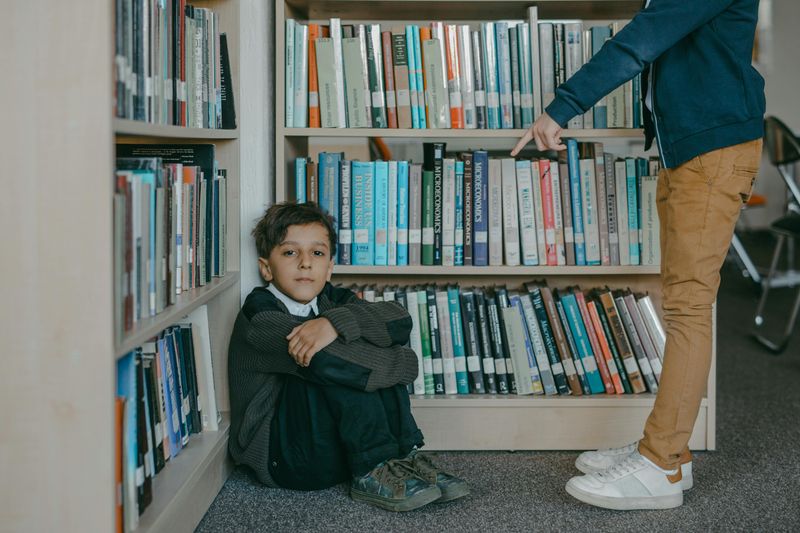
Using social rejection as a threat creates anxiety and people-pleasing behaviors.
Children start believing their worth depends entirely on what others think of them.
They may develop social anxiety or become overly focused on fitting in at the expense of being themselves.
This phrase teaches them to value popularity over authenticity and genuine connection.
Address the behavior directly instead.
Explain “When you interrupt people, it makes them feel like you’re not interested in what they’re saying” or “Sharing toys helps you play better with friends.”
Teach social skills and empathy without threatening them with total rejection.
Help them understand that real friends appreciate them for who they are, not just perfect behavior.
12. “That’s a Dumb Idea”

Calling a child’s idea dumb shuts down their creativity and willingness to share thoughts with you.
Even if their suggestion isn’t practical, it came from their imagination and problem-solving efforts.
Mocking their ideas teaches them to stay quiet rather than risk embarrassment.
They’ll stop bringing ideas to you and may become afraid to think outside the box.
Respond with curiosity instead of criticism.
Ask “Tell me more about your thinking” or “That’s interesting—what made you think of that?”
If the idea won’t work, gently guide them to see potential problems while appreciating their creativity.
Say “I like how you’re thinking creatively.
Have you considered what might happen if…?”
13. “I Do Everything for You”
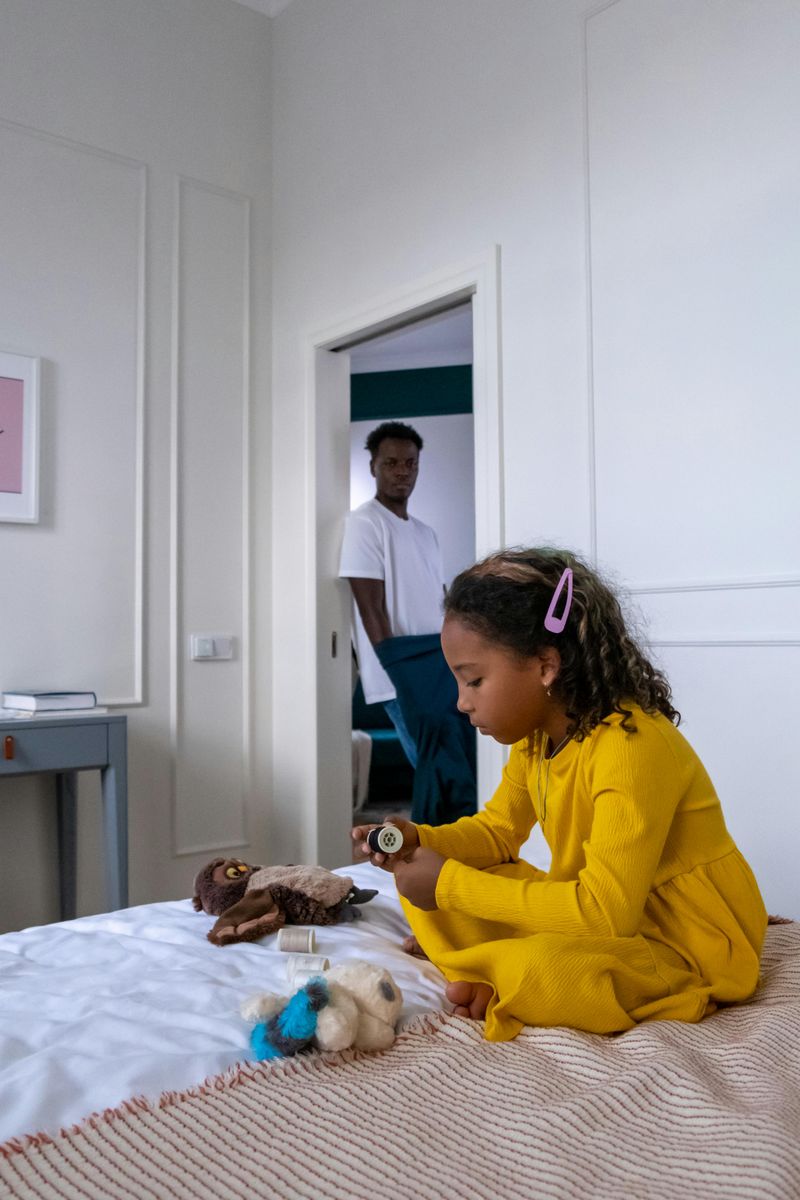
This guilt trip makes children feel like burdens rather than beloved family members.
Parents choose to care for their children—it’s not a favor that kids need to repay with perfect behavior or gratitude.
When you list everything you do, you’re essentially saying they owe you for basic parenting.
This creates unhealthy obligation and damages the parent-child relationship.
If you’re feeling overwhelmed, address that directly without blame.
Say “I need help with household tasks” or “I’m feeling stressed and need everyone to pitch in more.”
Teach responsibility through age-appropriate chores and expectations.
Show them that families work together because they care about each other, not because anyone is keeping score of sacrifices.
14. “You’re Too Sensitive”

Sensitivity is a personality trait, not a character flaw that needs fixing.
Some children naturally feel emotions more intensely than others.
When you tell them they’re too sensitive, you’re saying something fundamental about who they are is wrong.
This creates shame around their natural emotional responses and can lead to them suppressing feelings in unhealthy ways.
Sensitive children often grow into empathetic, compassionate adults if their emotions are respected.
Instead of criticism, offer support.
Say “I know you feel things deeply” or “Your feelings are important.”
Help them develop coping strategies for big emotions without making them feel broken.
Teach them that sensitivity can be a strength when managed well.