 MomSkoop

One movie on this list was filmed to look like just two long, unbroken shots, following a pair of soldiers across a ruined landscape. Another features a comedy legend playing three separate roles, including the President of the United States. Neither one feels like homework, and that’s exactly why I picked them. A war setting can hold romance, satire, fairy-tale creatures, courtroom drama, and even a ten-year-old with a very silly imaginary friend.
If the words war movie make you think of nonstop explosions and maps covered in arrows, I get it. Many of these films care more about friendship, fear, humor, and tough choices than about battle plans. A few are black-and-white classics your grandparents might quote, and a few hit theaters within the last decade. So grab the remote, because your next favorite movie might come from the genre you’ve been skipping.
1. Casablanca
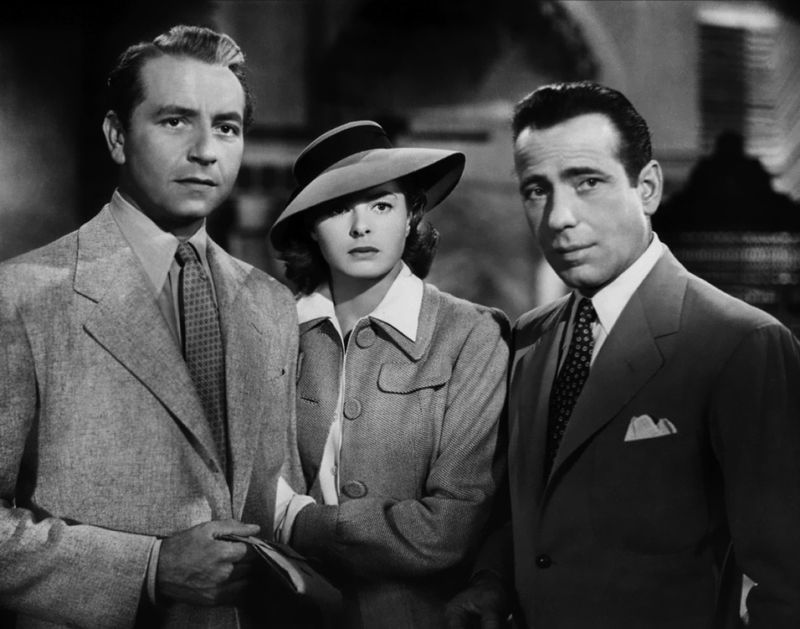
Few movies have handed the world as many quotable lines as this 1942 drama. “Here’s looking at you, kid” and “We’ll always have Paris” both come from the same busy nightclub in Morocco.
Humphrey Bogart plays Rick Blaine, a tough American who runs a popular club and claims he sticks his neck out for nobody.
Then Ilsa Lund, played by Ingrid Bergman, walks through the door with her husband, resistance leader Victor Laszlo.
Rick and Ilsa share a painful history in Paris, and now Rick holds something Laszlo desperately needs.
The whole story turns on one big question about love, loyalty, and doing the right thing.
You won’t find battle scenes here, which makes it a perfect starter pick for genre skeptics.
The war hangs over the city like a storm cloud, shaping who can leave, who must hide, and who is watching.
The film won the Academy Award for Best Picture, and it still moves at a brisk pace.
The dialogue is quick, funny, and sharp enough that you may catch yourself repeating lines afterward.
Watch it with someone who has never seen it.
Seeing a first-timer react to the airport scene is half the fun.
2. Dr. Strangelove or: How I Learned to Stop Worrying and Love the Bomb
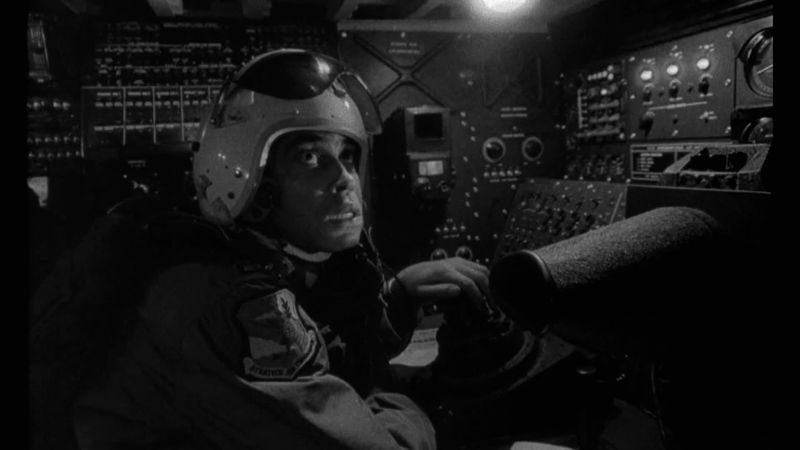
Peter Sellers shows up three times in this movie, and no, you’re not seeing double.
He plays a polite British officer, the calm American President, and the very strange scientist whose name appears in the title.
Stanley Kubrick released this Cold War comedy in 1964, when fears about nuclear weapons were very real.
The plot starts when an unhinged Air Force general named Jack D.
Ripper sends bombers toward the Soviet Union on his own.
From there, the President and his advisors gather in the War Room to stop the disaster.
Things go sideways fast, especially once they learn the Soviets have built a machine designed to respond automatically.
George C.
Scott nearly steals the show as a hyper general who can’t sit still.
Slim Pickens rides along as a bomber pilot with a cowboy hat and a very memorable final moment.
The humor is dry, silly, and sharp at once.
One famous line, “Gentlemen, you can’t fight in here!
This is the War Room!” sums up the movie’s attitude perfectly.
Fans of political comedies or offbeat satire should start right here.
It’s shot in black and white, but the jokes feel surprisingly fresh for a film made more than sixty years ago.
3. Jojo Rabbit
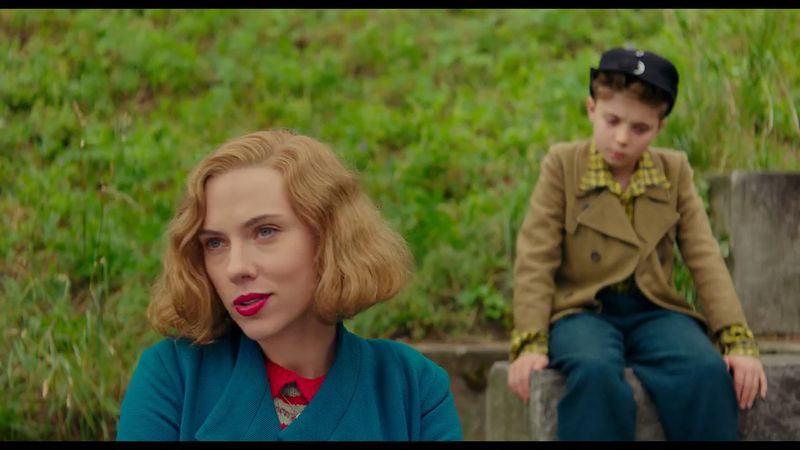
A ten-year-old boy with an imaginary friend sounds like the setup for a family film.
In this case, the imaginary friend is a goofy, cartoonish version of Adolf Hitler, played by director Taika Waititi himself.
Roman Griffin Davis stars as Jojo, a lonely kid in Nazi Germany who badly wants to fit in with the Hitler Youth.
His world flips when he discovers his mother, played by Scarlett Johansson, is hiding a Jewish girl named Elsa in their home.
Thomasin McKenzie plays Elsa with a mix of toughness and humor that keeps Jojo off balance.
Their conversations slowly chip away at the ideas he has been taught to believe.
The movie is often hilarious, with bright colors and playful music.
It also has moments of real sadness, so keep tissues nearby even if you came for the jokes.
Waititi based the script on Christine Leunens’s novel Caging Skies, and that screenplay won an Academy Award.
Sam Rockwell and Rebel Wilson add extra comic energy as adults running a very disorganized youth camp.
It’s a smart pick if you love coming-of-age stories.
Jojo’s journey is about learning to think for himself, and that idea fits any era.
4. Inglourious Basterds
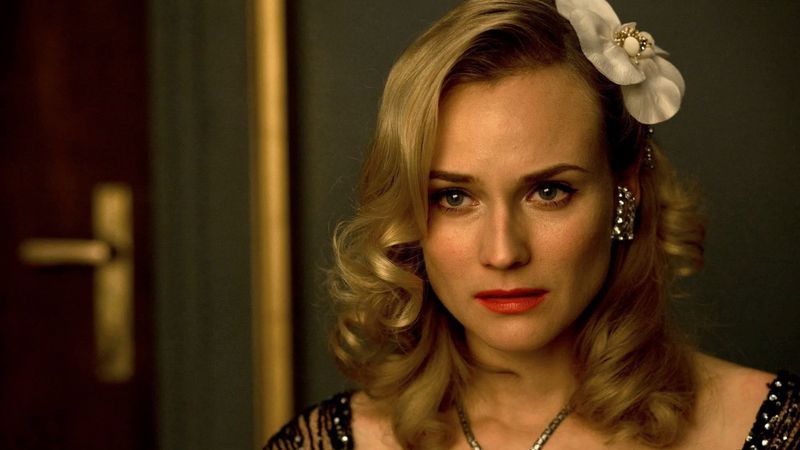
Yes, the title is spelled wrong, and Quentin Tarantino has never fully explained why.
That playful attitude sets the tone for a World War II story that rewrites history on purpose.
Released in 2009, the film follows two separate plans to take down Nazi leaders at a movie premiere in Paris.
Brad Pitt leads a squad of Jewish American soldiers, while Mélanie Laurent plays Shosanna, a young woman running a cinema under a new name.
Christoph Waltz plays Colonel Hans Landa, a charming and frightening officer who speaks several languages.
His performance won him the Academy Award for Best Supporting Actor.
The movie’s best scenes are long conversations around tables, in farmhouses, and in basements.
Tension builds slowly through polite small talk, and you can feel the pressure rising with each sentence.
Fair warning: it gets violent in true Tarantino style, so it’s not for younger viewers.
Still, much of the movie plays more like a suspense thriller than a battle film.
Fans of heist movies will feel right at home with its chapters, disguises, and plans that keep going wrong.
Pay attention to accents and hand gestures, because tiny details matter more than you’d expect.
5. Dunkirk
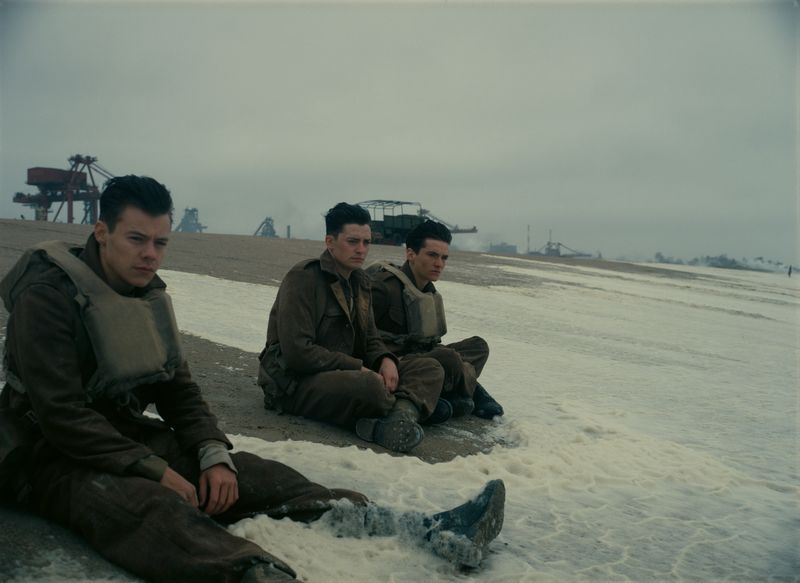
Harry Styles made his feature film debut in this one, but the real star is the clock.
Christopher Nolan’s 2017 movie feels like one long countdown from start to finish.
The story covers the 1940 evacuation of Allied soldiers trapped on a French beach.
Nolan splits it into three parts: one week on land, one day at sea, and one hour in the air.
Those timelines cross and overlap, which might sound confusing.
Once you notice the pattern, it clicks, and the payoff is satisfying.
Mark Rylance plays a calm civilian sailing his small boat across the Channel to help.
Tom Hardy spends most of his screen time in a cockpit, acting mainly with his eyes, while Kenneth Branagh stands watch on the pier.
There’s very little dialogue, and you won’t need to know much history to follow along.
Hans Zimmer’s score uses a ticking sound that makes your heart race even during quiet moments.
The film won Academy Awards for editing, sound editing, and sound mixing.
That tells you how much the experience depends on what you hear, so turn the volume up or grab headphones.
It’s a great choice for people who love survival stories.
Treat it as a rescue thriller first and a war movie second.
6. 1917
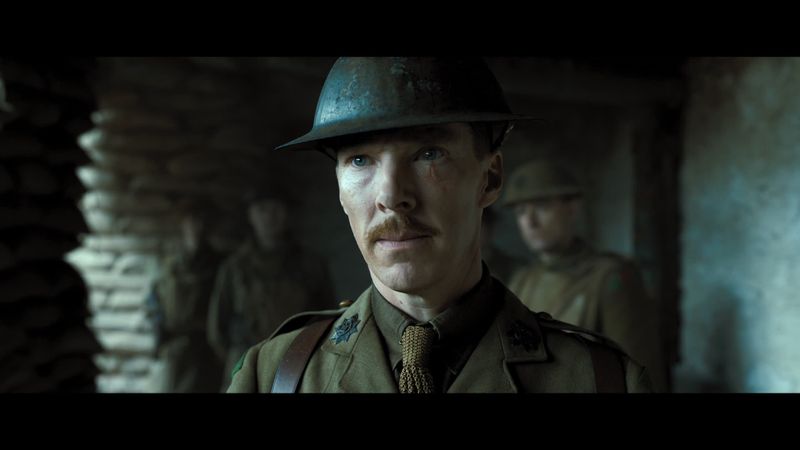
Director Sam Mendes drew on stories his grandfather, Alfred Mendes, told about serving in World War I.
Those memories helped shape this 2019 film about two young British soldiers on an urgent errand.
George MacKay and Dean-Charles Chapman play Lance Corporals Schofield and Blake.
Their task is to cross dangerous ground and deliver a message that could save 1,600 men, including Blake’s older brother.
The big trick is the camera.
The movie is edited to look like two long, continuous shots, so you stay right beside the soldiers almost the entire time.
That style makes the movie feel more like a nonstop journey than a typical war story.
You crawl through trenches, cross empty farmland, and run through a burning town at night along with them.
Roger Deakins won the Academy Award for Best Cinematography, and the nighttime town scene shows why.
Light from flares sweeps across ruined buildings in a way that looks almost like a painting.
Fans of video games and adventure movies often connect with its simple mission structure.
You always know the goal, and the obstacles keep coming.
Watch it on the biggest screen available to you.
The detail in the landscapes rewards a large picture and a dark room.
7. Apocalypse Now
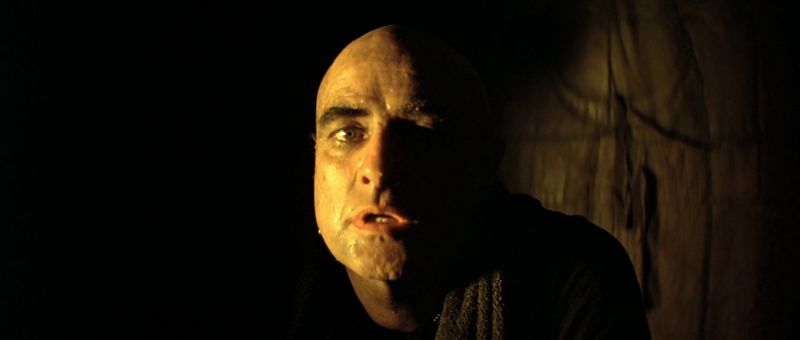
Making this movie was famously chaotic, with a typhoon wrecking sets in the Philippines and the production running far longer than planned.
The struggle was so dramatic that it became its own documentary, Hearts of Darkness.
Francis Ford Coppola released the finished film in 1979, and it shared the top prize at the Cannes Film Festival.
Martin Sheen plays Captain Willard, an officer sent up a river during the Vietnam War on a secret mission.
His target is Colonel Kurtz, played by Marlon Brando, a decorated officer who has gone rogue deep in the jungle.
The story borrows its basic shape from Joseph Conrad’s novel Heart of Darkness.
Robert Duvall shows up as Lieutenant Colonel Kilgore, a surf-crazy commander who delivers one of the most quoted lines in movie history.
You’ll probably recognize it even if you’ve never seen the film.
As the boat travels farther upriver, the trip gets stranger and more dreamlike.
It plays almost like a psychological thriller more than an action movie.
This one is long and intense, so save it for a night when you’re ready to focus.
Fans of mysterious, moody storytelling will find plenty to talk about afterward.
8. The Deer Hunter
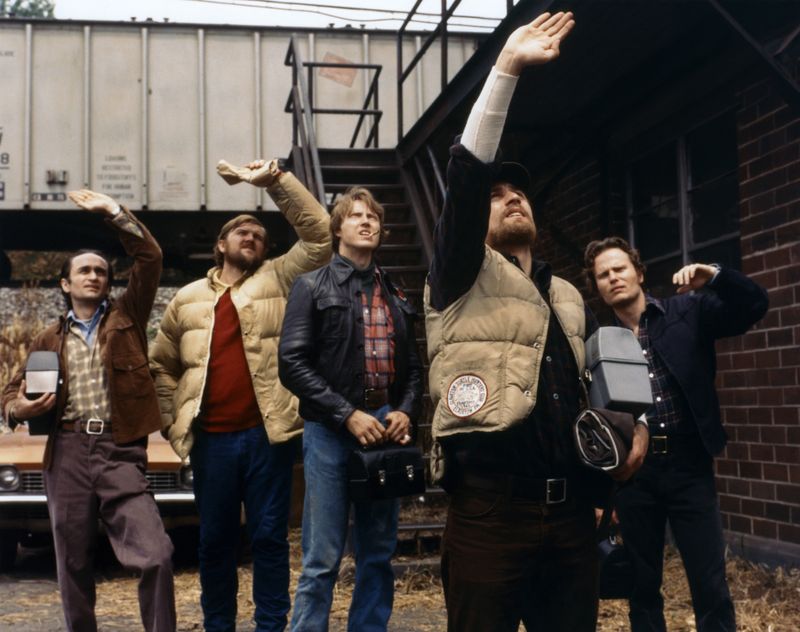
A full wedding celebration takes up a big chunk of this movie’s first hour, and it’s there for a reason.
You get to know a tight group of friends before the war pulls them apart.
Michael Cimino’s 1978 drama follows three steelworkers from a small Pennsylvania town.
Robert De Niro, Christopher Walken, and John Savage play Michael, Nick, and Steven, young men heading off to Vietnam.
Meryl Streep plays Linda, a friend caught between them, and the role earned her first Academy Award nomination.
Walken won the Oscar for Best Supporting Actor, and the film took home Best Picture.
The story is split into before, during, and after.
The middle section is brutal, but the parts at home show how hard it is to return to normal life.
Small moments carry huge weight here, like friends singing together or sitting in a kitchen.
Those everyday scenes make the bigger events hit harder.
It runs about three hours, so treat it like a long novel rather than a quick watch.
Some scenes are very intense and not suitable for kids.
Anyone who loves stories about friendship and hometowns will find a lot here.
It’s less about combat and more about what happens to the people who come back.
9. Schindler’s List
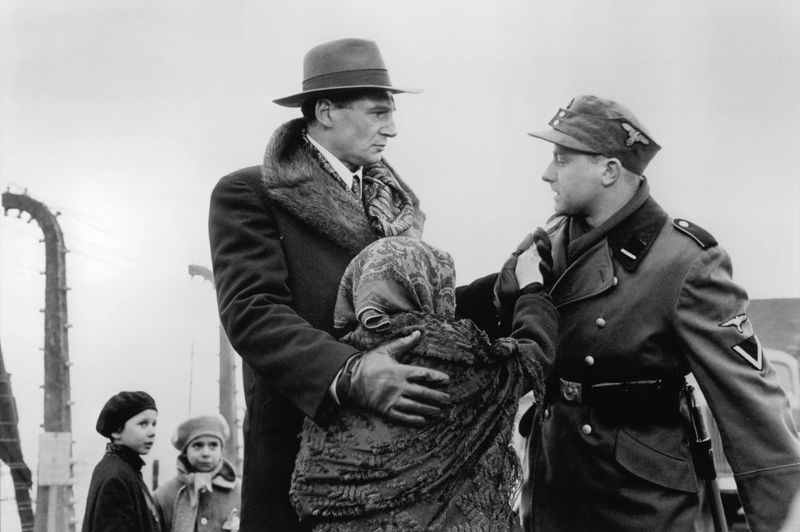
Nearly the whole film is in black and white, except for a few moments of color.
One small girl in a red coat becomes one of the most unforgettable images Steven Spielberg ever put on screen.
Released in 1993, the movie tells the true story of Oskar Schindler, a German businessman and Nazi Party member.
He started out chasing profits but ended up saving more than a thousand Jewish workers during the Holocaust.
Liam Neeson plays Schindler, a man whose change of heart unfolds slowly.
Ben Kingsley plays Itzhak Stern, his accountant, and Ralph Fiennes plays the cruel camp commandant Amon Göth.
The story isn’t about soldiers or battles.
It’s about ordinary people, impossible choices, and one man deciding what kind of person he wants to be.
The film won seven Academy Awards, including Best Picture and Best Director.
John Williams wrote the score, with violinist Itzhak Perlman performing the main theme.
It is heavy and emotional, so plan for some quiet time afterward.
The R rating is there for good reason, so older teens and adults are the right audience.
Watching it is a way of remembering real people.
The closing scene, featuring actual survivors, lingers long after the credits.
10. The Pianist
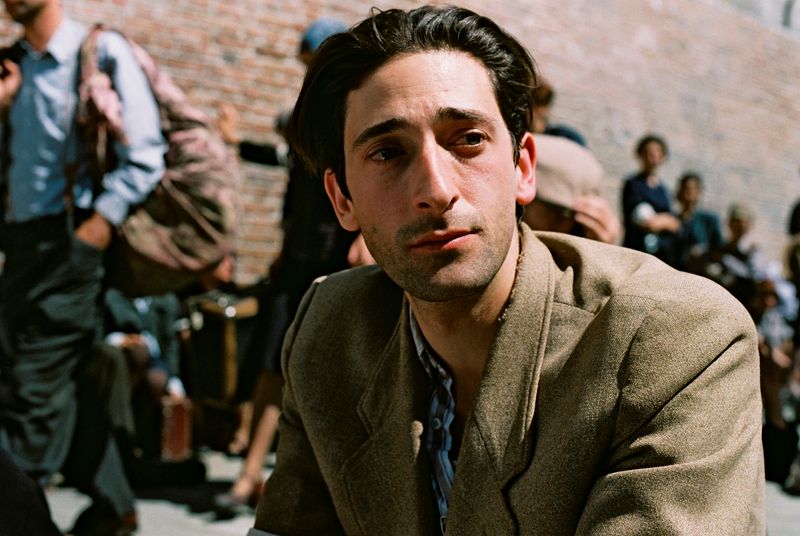
Adrien Brody was 29 when he won the Academy Award for Best Actor for this film, making him the youngest winner in that category at the time.
He earned it with a performance that often relies on silence.
Roman Polanski’s 2002 drama is based on the memoir of Władysław Szpilman, a Polish Jewish pianist in Warsaw.
When German forces occupy the city, Szpilman and his family are forced into the Warsaw Ghetto.
The movie follows his struggle to survive, hiding in empty apartments and ruined buildings.
Help comes from friends, strangers, and eventually a German officer, which is one of the film’s most surprising turns.
Music ties the story together.
Szpilman plays the piano at the beginning, and later even an imagined performance becomes a powerful scene.
The film won the Palme d’Or at Cannes, along with Oscars for directing and adapted screenplay.
The camera stays close to Szpilman, so you see the war only as far as one person can see it.
Lovers of classical music will appreciate how much Chopin appears.
It’s a slow, careful film, and its quiet moments carry real weight.
Pick this one if you prefer personal stories over sweeping spectacle.
It feels more like a survival memoir brought to life than a war epic.
11. Paths of Glory
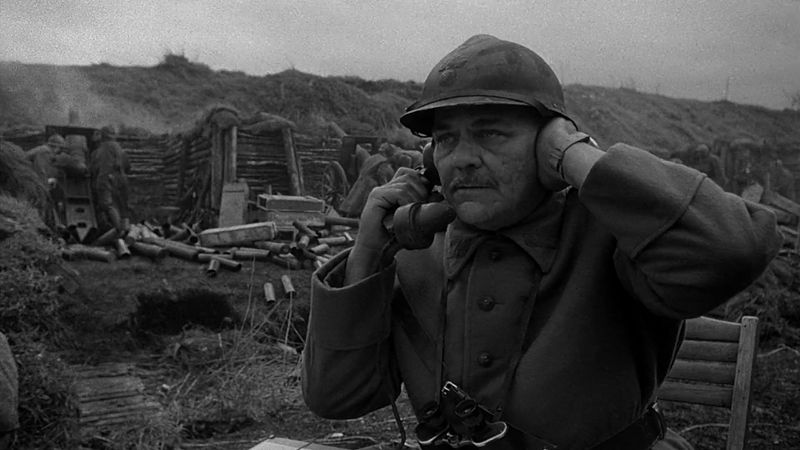
Kirk Douglas played a defense lawyer in uniform years before courtroom dramas filled TV schedules.
In this 1957 Stanley Kubrick film, his Colonel Dax fights his toughest battle in a trial room.
The story takes place in the French army during World War I.
Dax’s superiors order his exhausted men to capture a heavily defended German position nicknamed the Anthill, and the attack fails.
Instead of taking responsibility, a general demands that three soldiers be tried for cowardice as an example.
Dax, a lawyer before the war, steps up to defend them.
The movie is short, under ninety minutes, which makes it an easy commitment.
The courtroom scenes play like a tense legal thriller about fairness and power.
It’s based on a 1935 novel by Humphrey Cobb, which drew on real events from the war.
Kubrick films the trenches with long tracking shots that follow Dax down the line.
The final scene features a young German woman singing to a room of French soldiers.
The actress, Christiane Harlan, later married Kubrick, and the two stayed together until his passing in 1999.
Fans of legal dramas or stories about standing up to bosses will connect right away.
The anger in this film feels as relevant now as it did then.
12. Full Metal Jacket
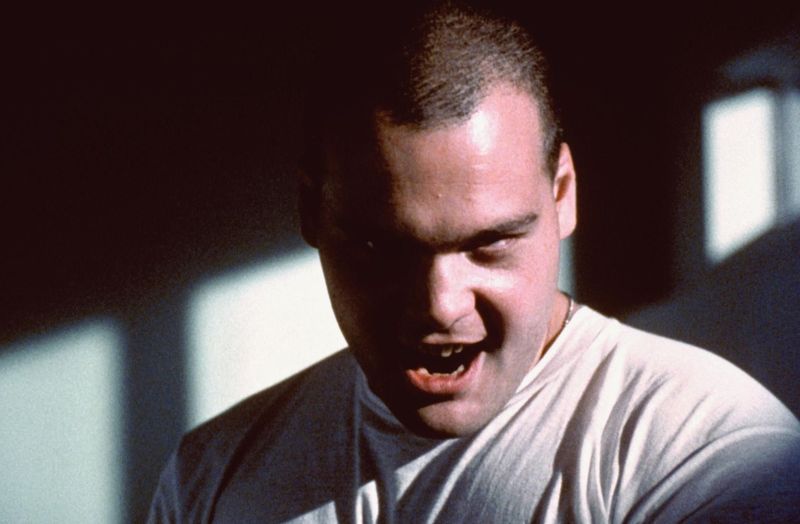
R.
Lee Ermey was a real former Marine drill instructor, and he was originally hired as a technical advisor.
He ended up playing Gunnery Sergeant Hartman, and his rapid-fire insults became the stuff of legend.
Stanley Kubrick’s 1987 film splits neatly into two halves.
The first follows recruits through boot camp at Parris Island, while the second follows one of them to Vietnam as a military journalist.
Matthew Modine plays Private Joker, a wisecracking recruit who wears a peace button on his helmet.
Vincent D’Onofrio plays Private Pyle, a struggling recruit who becomes Hartman’s main target.
The boot camp section feels like its own short film about pressure and what it does to people.
The performances there are fierce.
Kubrick shot the movie in England, turning an old gasworks into the ruined city of Hue.
You’d never guess the Vietnam scenes were filmed near London.
Expect strong language and intense moments throughout.
The dark humor softens some of it, but it’s definitely a pick for adults.
Watch it if you like character studies with a sharp edge.
Pay attention to Joker’s split personality, which he explains in one memorable line about “the duality of man.”
13. Catch-22
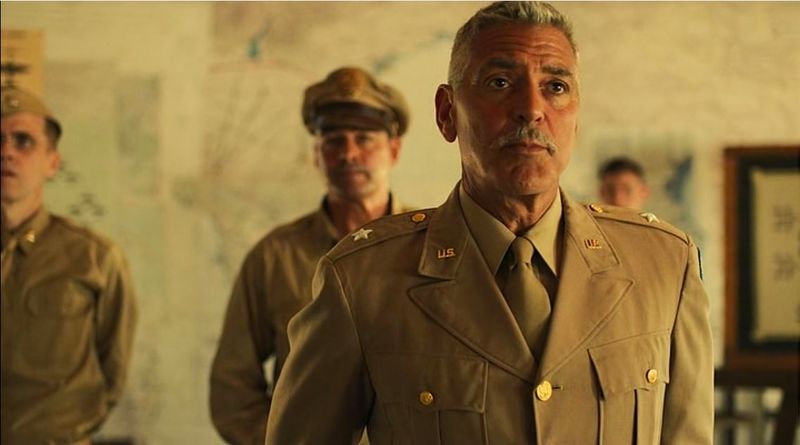
The title of this movie became an everyday phrase for any no-win situation.
It comes from Joseph Heller’s 1961 novel, which Mike Nichols turned into a film in 1970.
Alan Arkin stars as Captain Yossarian, a bombardier stationed on a small island in the Mediterranean during World War II.
He wants to stop flying missions, but the rules make that almost impossible.
The trap works like this: a pilot who asks to be grounded for being crazy proves he’s sane, so he has to keep flying.
The movie is full of logic loops like that.
The supporting cast is stacked.
Jon Voight plays a scheming supply officer, Bob Newhart plays a reluctant major, Orson Welles shows up as a general, and Art Garfunkel makes his acting debut.
Buck Henry, who co-wrote The Graduate for Nichols, wrote the screenplay.
The humor is absurd, deadpan, and sometimes surreal, with scenes jumping back and forth in time.
If you enjoy offbeat comedies like the ones from the Coen brothers, this might be your speed.
It also pairs well with reading the book, since each version handles the story differently.
Go in expecting satire, not action.
The real enemy here is paperwork.
14. Pan’s Labyrinth
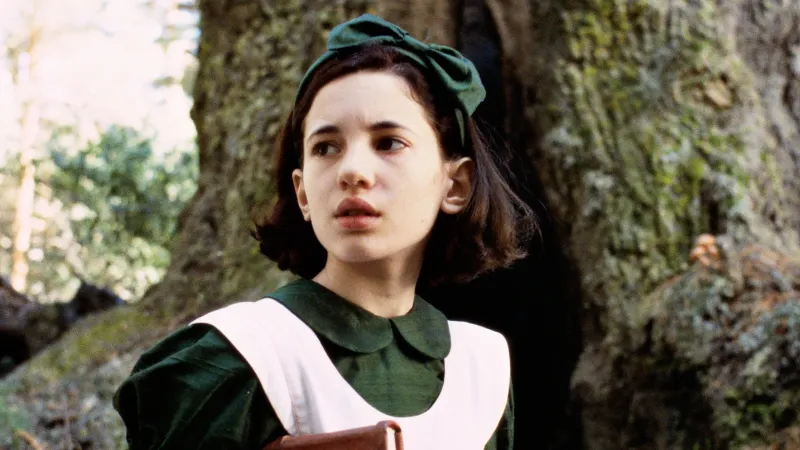
Actor Doug Jones played two of this film’s strangest creatures, the towering Faun and the Pale Man, who has eyes in his hands.
Both characters came from the imagination of Guillermo del Toro.
Set in 1944 Spain, after the Spanish Civil War, the story follows a young girl named Ofelia, played by Ivana Baquero.
She moves to a rural military post with her pregnant mother and her cruel new stepfather, Captain Vidal.
While Vidal hunts rebels in the hills, Ofelia discovers an old stone labyrinth.
There, the Faun tells her she may be a lost princess and gives her three tasks to prove it.
The movie switches between fairy tale and harsh reality, and the two worlds start to mirror each other.
Maribel Verdú adds heart as Mercedes, a housekeeper secretly helping the rebels.
It won three Academy Awards, for cinematography, art direction, and makeup.
Those wins make sense once you see how handmade and detailed the creatures look.
Don’t let the fantasy label fool you into thinking it’s for kids.
It’s rated R, with violent scenes that hit hard.
Fantasy fans and horror lovers will feel right at home here.
The ending sparks debate, which makes it a great movie to watch with friends who love talking afterward.