 MomSkoop
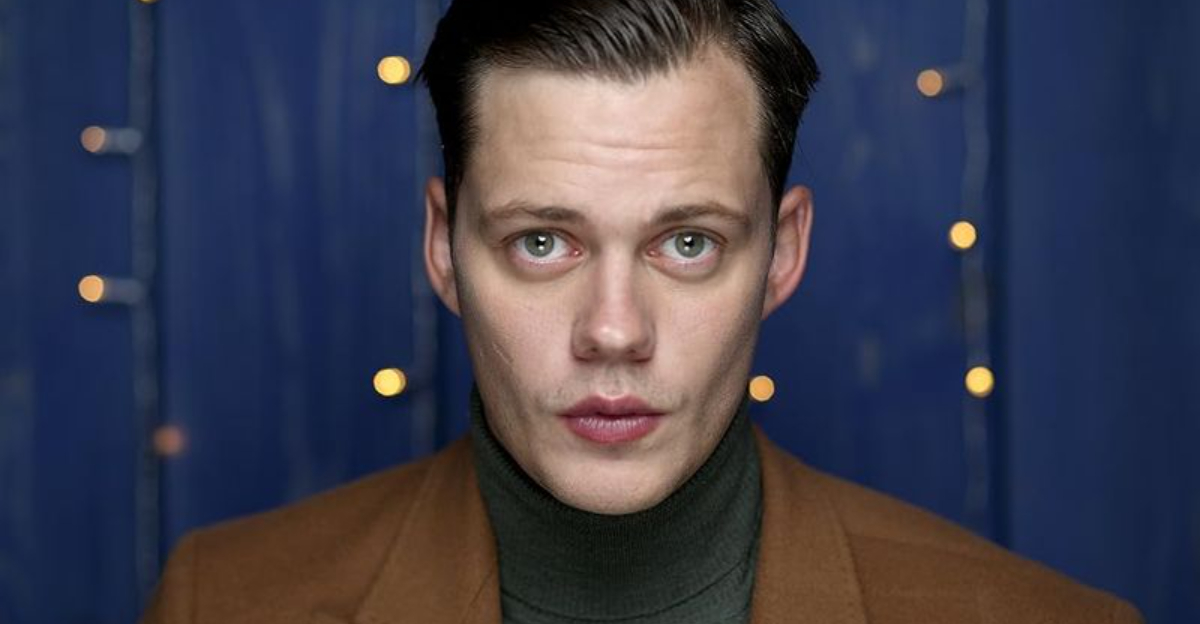
Hollywood has always had a certain idea of what a star should look like, sound like, and act like. But some of the most talented performers never quite fit that mold — and that turned out to be their greatest strength.
These actors were told they were too weird, too intense, or just too different to carry a film. They ignored the noise, kept working, and changed what it means to be a movie star.
1. Johnny Depp
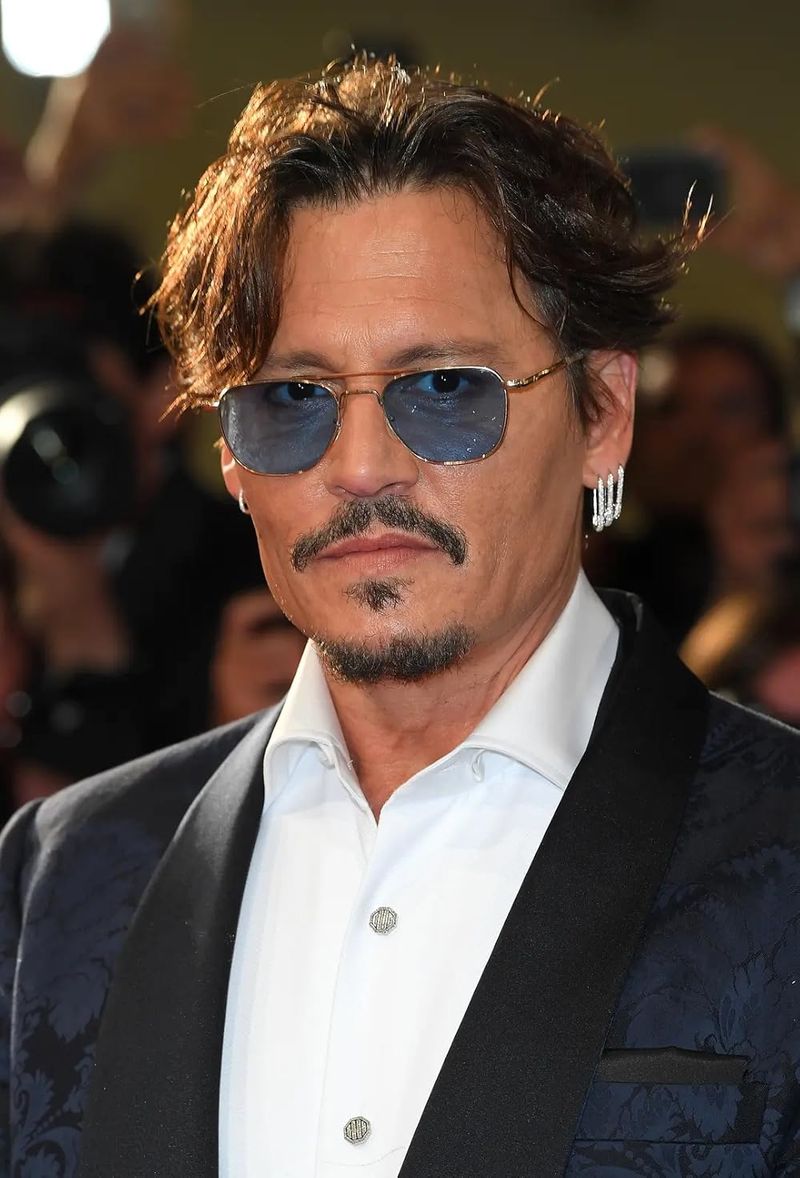
Before Captain Jack Sparrow made him a household name, Johnny Depp was the guy studios weren’t quite sure what to do with.
His choices were odd, offbeat, and deliberately strange — and executives kept waiting for him to fail.
He played a man with scissors for hands, a sleepy headless horseman hunter, and a chocolate factory owner with a creepy grin.
None of those roles screamed “blockbuster,” yet each one became iconic.
Depp proved that leaning fully into the bizarre could actually build a massive fanbase.
His career became a masterclass in trusting your instincts over industry pressure.
2. Tilda Swinton
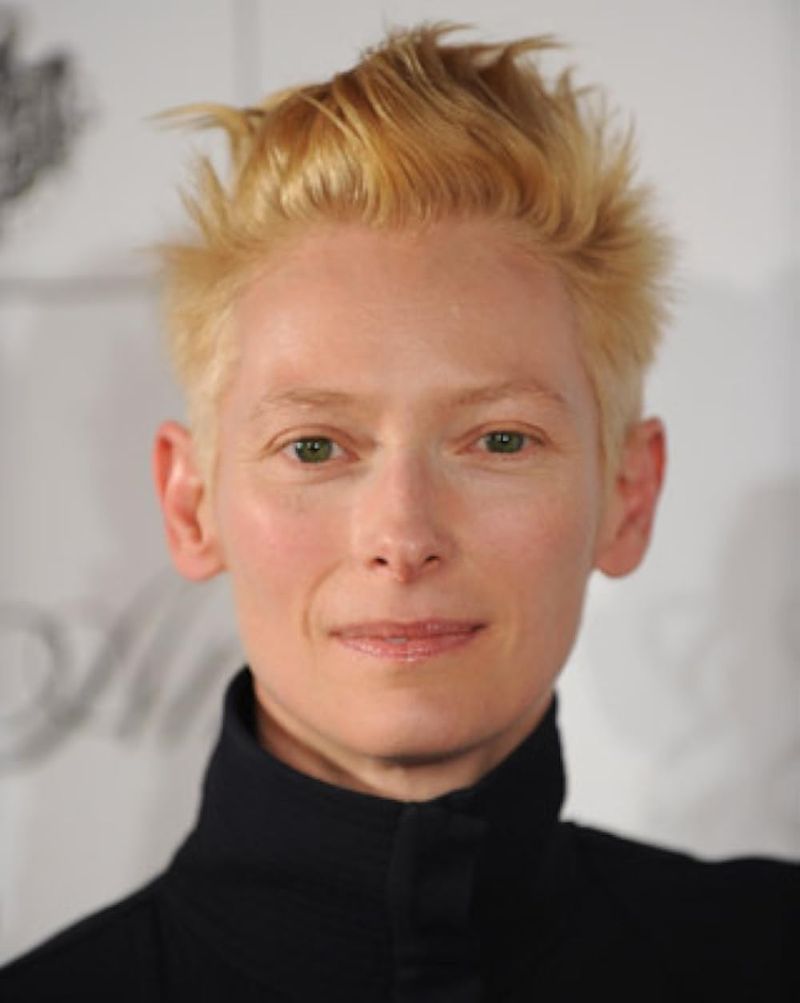
Tilda Swinton doesn’t look like anyone else in Hollywood — and that’s entirely the point.
Her androgynous features, pale complexion, and fearless approach to fashion made early casting directors scratch their heads.
She wasn’t chasing romantic leads or feel-good comedies; she was making art.
Working with experimental filmmakers long before mainstream fame, she built a reputation as someone who transformed completely for every role.
When she finally broke into big-budget films like “Doctor Strange” and “Narnia,” audiences were mesmerized.
Swinton showed that refusing to fit a mold isn’t a career risk — it’s a career strategy that can outlast trends.
3. Adam Driver
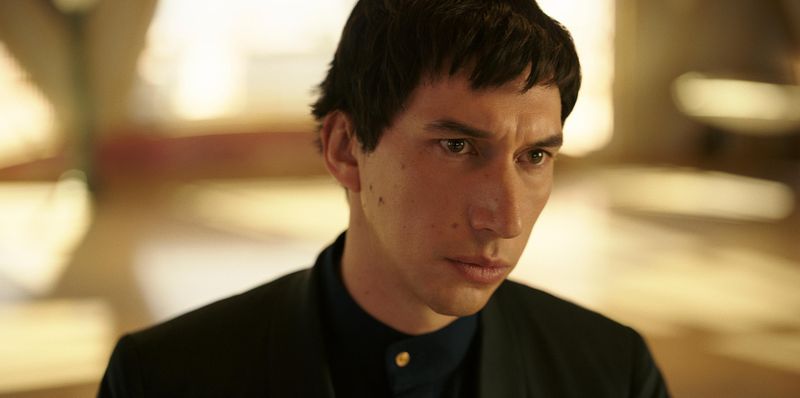
When Adam Driver first appeared on screens, plenty of people in the industry quietly questioned whether he had the “look” for leading roles.
His angular features and towering frame didn’t match the polished, symmetrical standard Hollywood often favored.
But his theater background gave him something most pretty-faced newcomers lacked — raw, unfiltered emotional depth.
Roles in “Marriage Story” and “Star Wars” silenced every skeptic.
His ability to cry, rage, and break down on screen without a single false note made audiences forget about conventional standards entirely.
Driver turned “unconventional” into a compliment, proving that presence matters far more than a perfectly symmetrical face.
4. Steve Buscemi
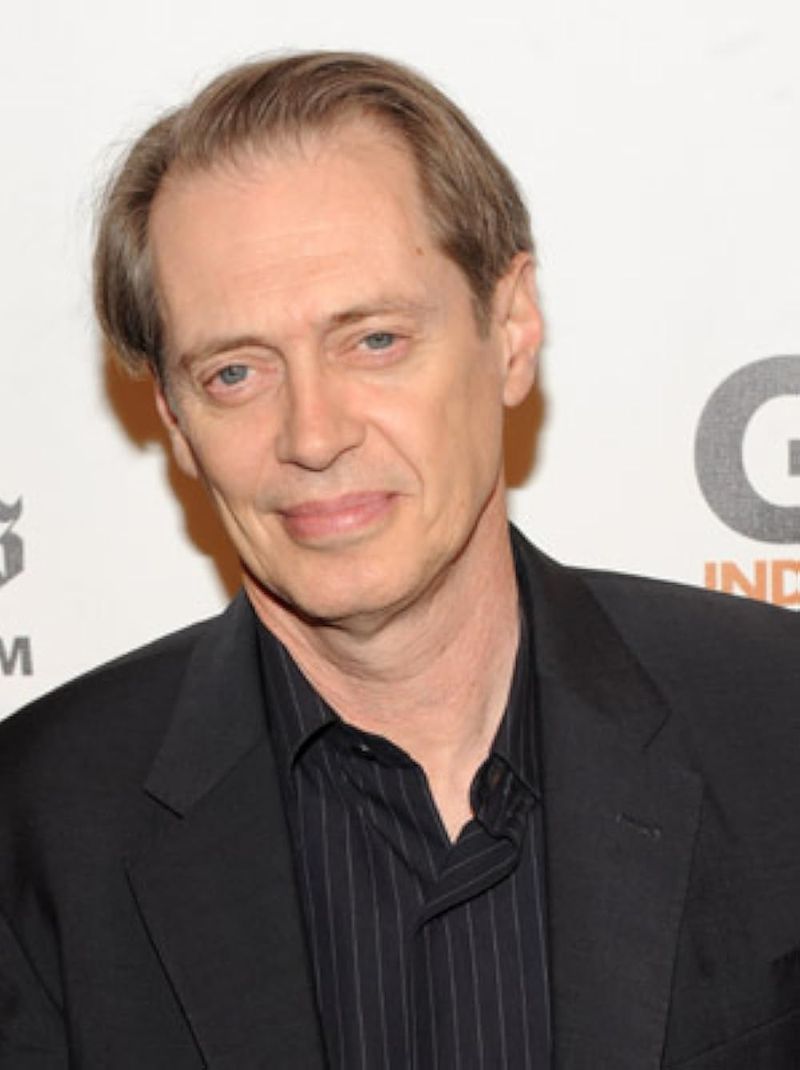
Nobody walks into a Hollywood audition looking like Steve Buscemi and gets handed the romantic lead — at least, that’s what the industry assumed for years.
His distinctive wide eyes, wiry frame, and sharp features kept him firmly in the “character actor” box early in his career.
But that box turned out to be full of treasure.
From “Reservoir Dogs” to “Boardwalk Empire,” Buscemi stole every scene he entered.
Directors who initially saw him as a background player quickly realized he was the most watchable person in the room.
His career is proof that being memorable beats being conventionally handsome every single time.
5. Helena Bonham Carter
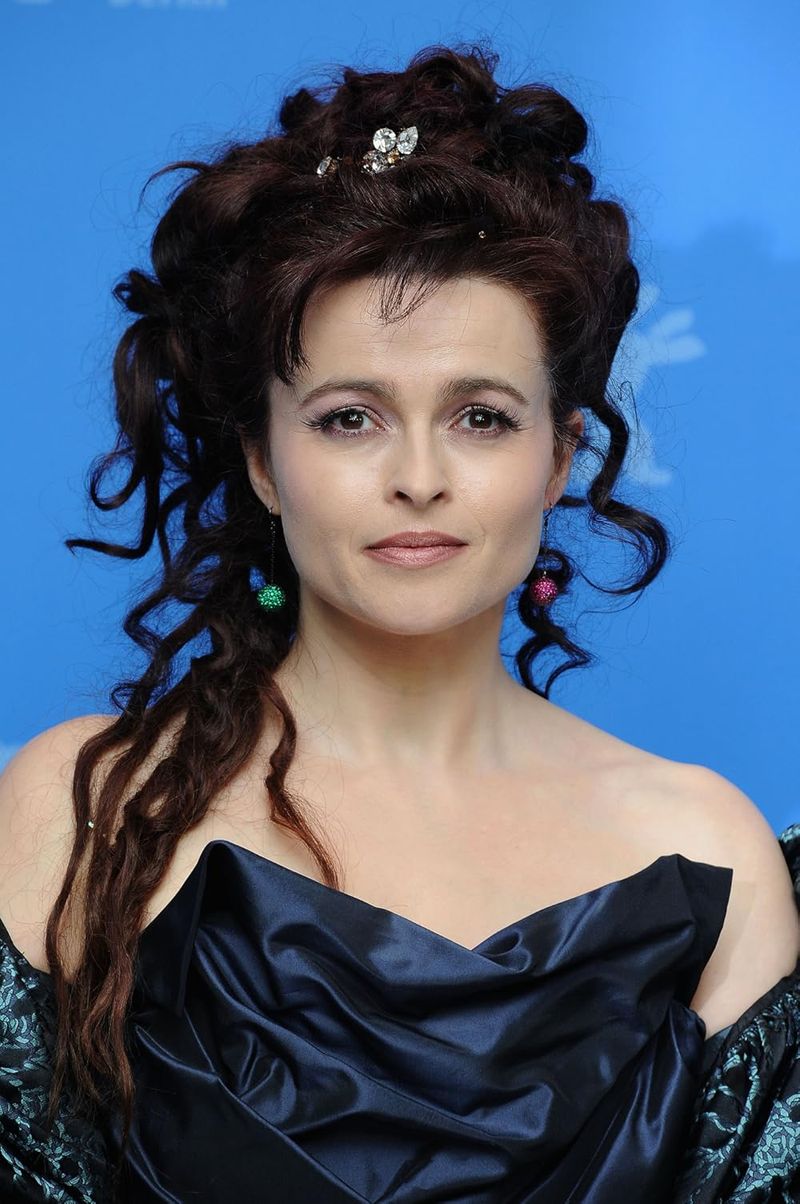
Helena Bonham Carter once played quiet, corseted heroines in period dramas — and she was good at it.
But something about those buttoned-up roles never quite captured what she could really do.
When she started choosing chaotic, unpredictable characters, the whole industry took notice.
Her collaborations with Tim Burton produced some of cinema’s most memorably unhinged performances.
She played a vengeful pie-maker, a tyrannical queen, and a manipulative ghost, all with gleeful, crackling energy.
Studios that once tried to soften her edges eventually realized those edges were her superpower.
Bonham Carter built a legendary career by refusing to be anyone’s idea of conventional.
6. Joaquin Phoenix
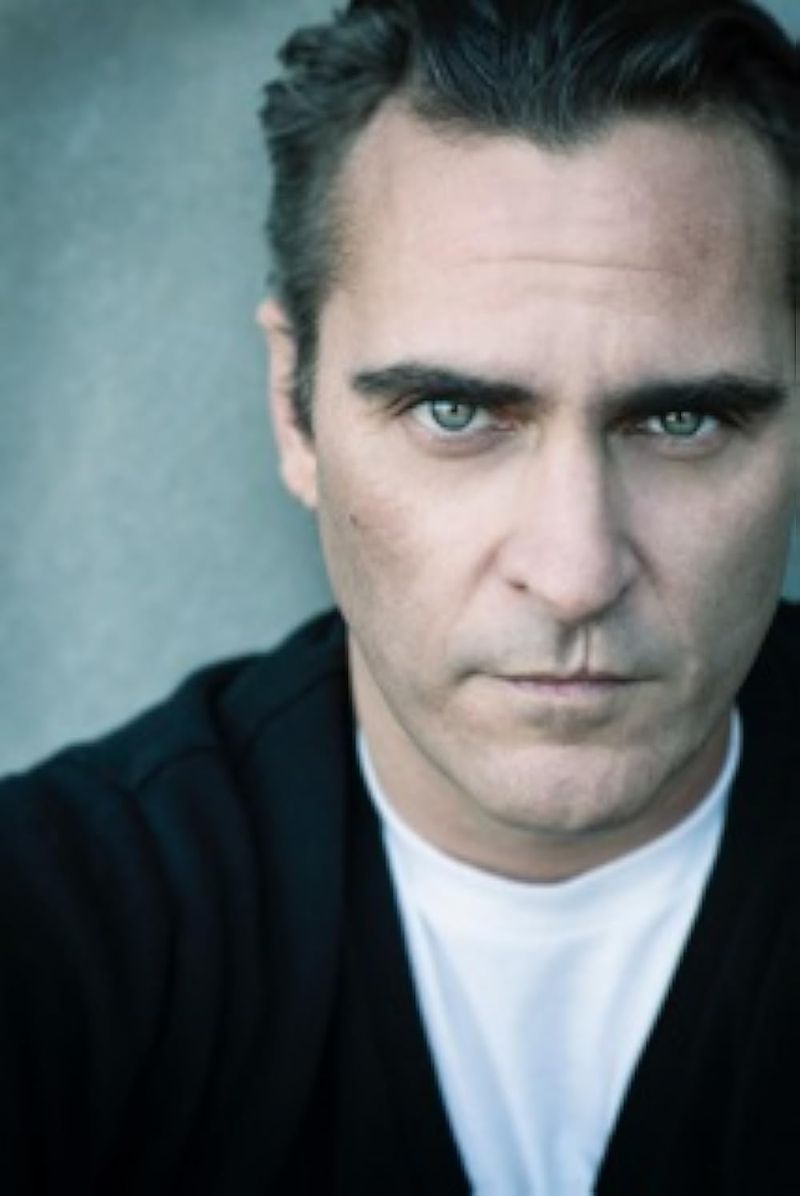
Early in his career, Joaquin Phoenix made people uncomfortable — and not always in a bad way.
His acting felt raw and uncontrolled, like watching someone actually live through something rather than perform it.
That intensity made some directors nervous and casting agents unsure how to use him.
Then came “Walk the Line,” “The Master,” and eventually “Joker,” a film that earned him an Academy Award.
Phoenix didn’t tone himself down to fit Hollywood’s comfort zone — he pushed further into the uncomfortable until the industry had no choice but to call it genius.
Sometimes the most unsettling talent is the most lasting.
7. Maggie Gyllenhaal
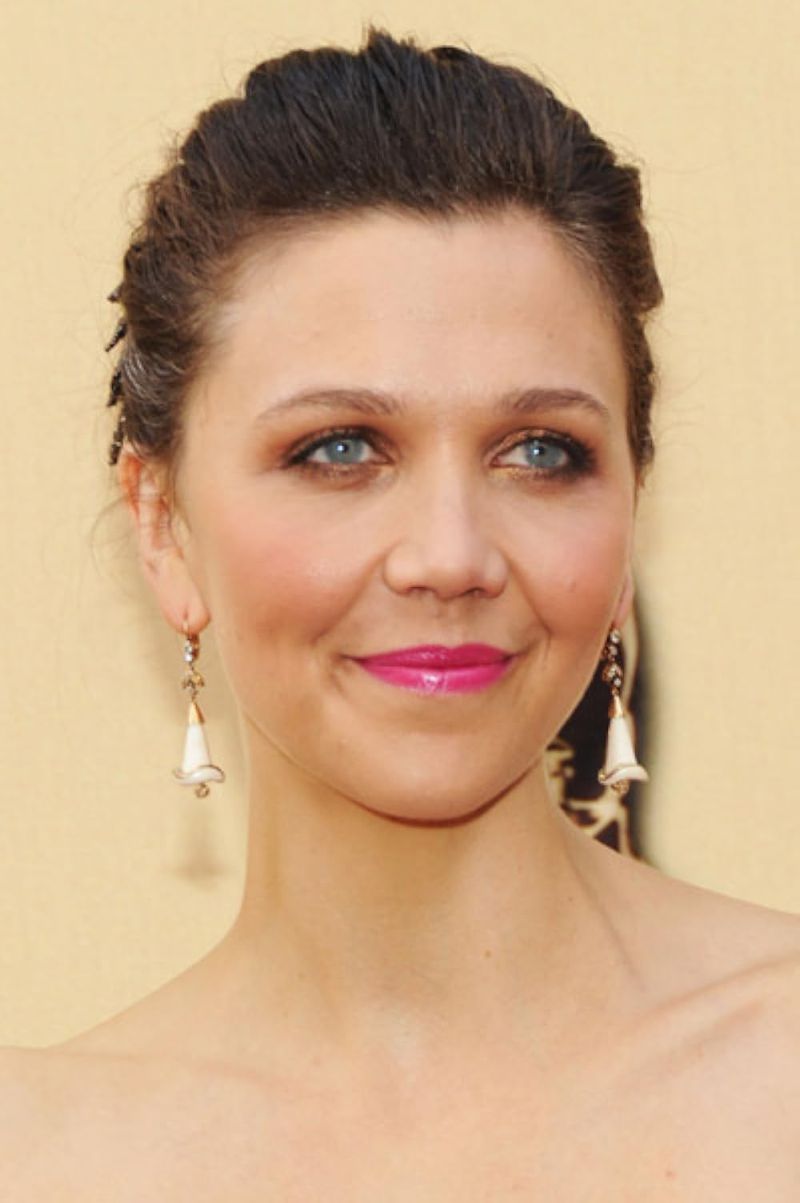
Maggie Gyllenhaal never had the cookie-cutter look that Hollywood spent decades deciding was mandatory for female leads.
She was told — sometimes directly — that she didn’t fit the standard.
Rather than changing herself, she changed the conversation by picking roles that demanded real emotional intelligence over surface-level appeal.
Her work in “Secretary,” “Sherrybaby,” and later “The Deuce” showed a performer willing to go to uncomfortable, honest places.
When she wrote and directed “The Lost Daughter,” critics recognized her as a major creative force.
Gyllenhaal’s story is a reminder that the “mold” Hollywood insists on is often the least interesting version of success.
8. Willem Dafoe
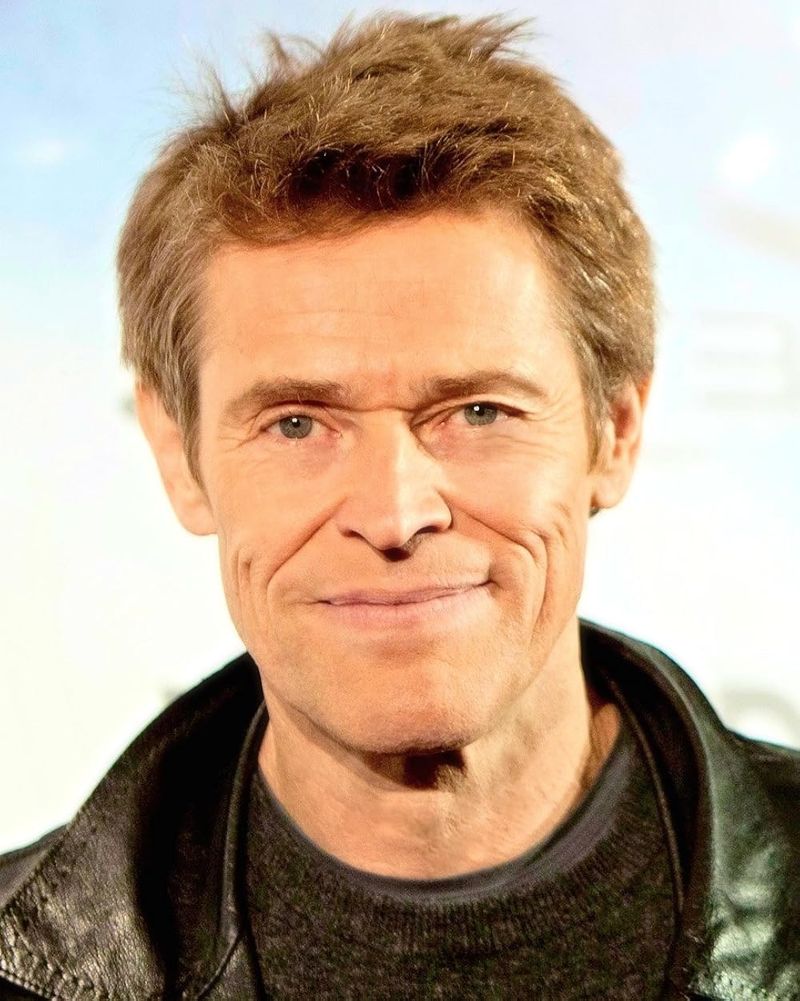
Willem Dafoe has one of the most striking faces in the history of cinema — sharp, angular, and capable of shifting from warmth to menace in half a second.
Early in his career, that face got him cast as villains almost exclusively, because Hollywood didn’t know what else to do with someone so visually arresting.
He embraced the experimental, working with avant-garde directors and taking roles that most actors avoided.
Over time, that range earned him four Academy Award nominations.
Dafoe became living proof that an “unusual” face, paired with extraordinary talent, isn’t a limitation — it’s a lifelong creative advantage that keeps paying dividends.
9. Frances McDormand
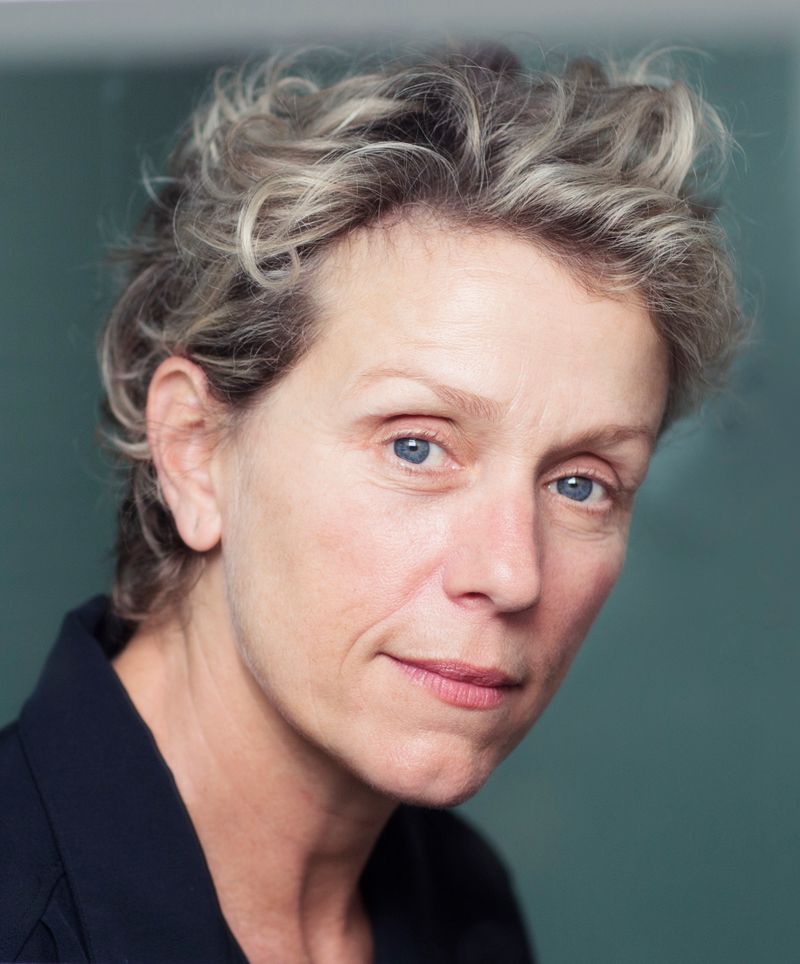
Frances McDormand made a decision early on that would have terrified most actors: she simply refused to chase Hollywood’s beauty standards.
No chasing glamorous roles, no softening her rough edges for the camera.
She wanted characters, real ones, with complicated emotions and unglamorous lives.
That stubbornness paid off in the most spectacular way possible — three Academy Awards and a career that has only grown richer with time.
Films like “Fargo,” “Three Billboards Outside Ebbing, Missouri,” and “Nomadland” became landmarks of American cinema.
McDormand didn’t just survive without playing by the rules; she became one of the most decorated actors in Hollywood history by ignoring them entirely.
10. Rami Malek
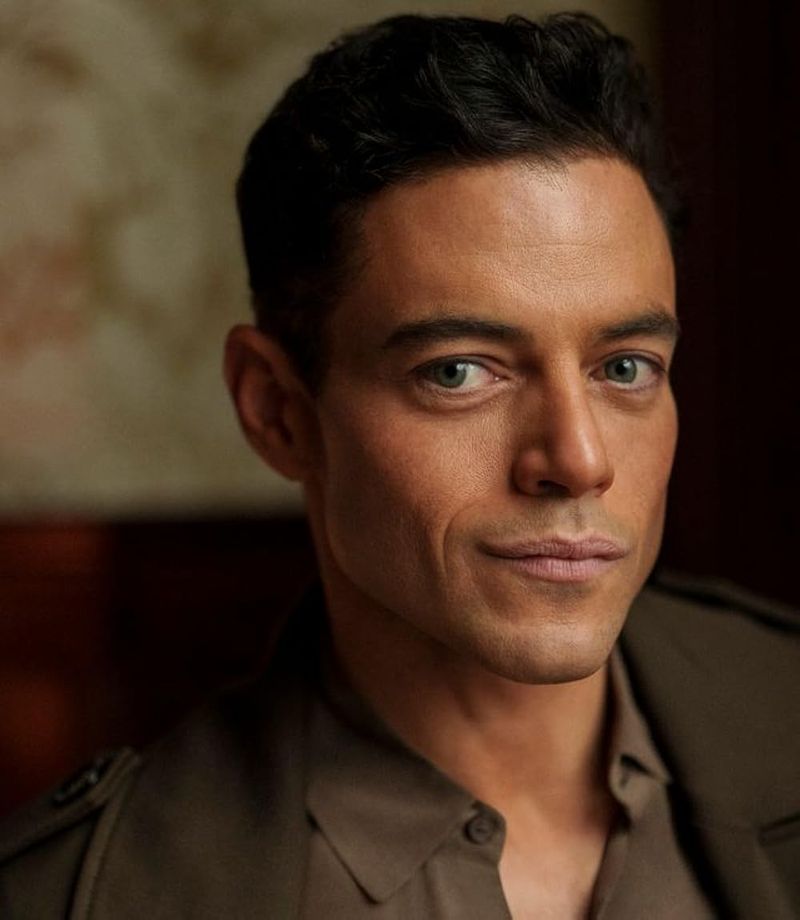
Rami Malek has eyes that seem to absorb everything around them — wide, dark, and impossibly expressive.
But for years, that quiet intensity and unconventional look kept him from landing the kind of leading roles his talent deserved.
Studios saw someone too different, too still, too internal for mainstream stardom.
Then “Mr. Robot” happened, and suddenly that stillness became his most magnetic quality.
His Oscar-winning portrayal of Freddie Mercury in “Bohemian Rhapsody” turned every early doubt into a punchline.
Malek’s rise is a testament to patience and self-belief — the industry eventually catches up to genuine talent, even when it takes an embarrassingly long time to notice.
11. Benedict Cumberbatch
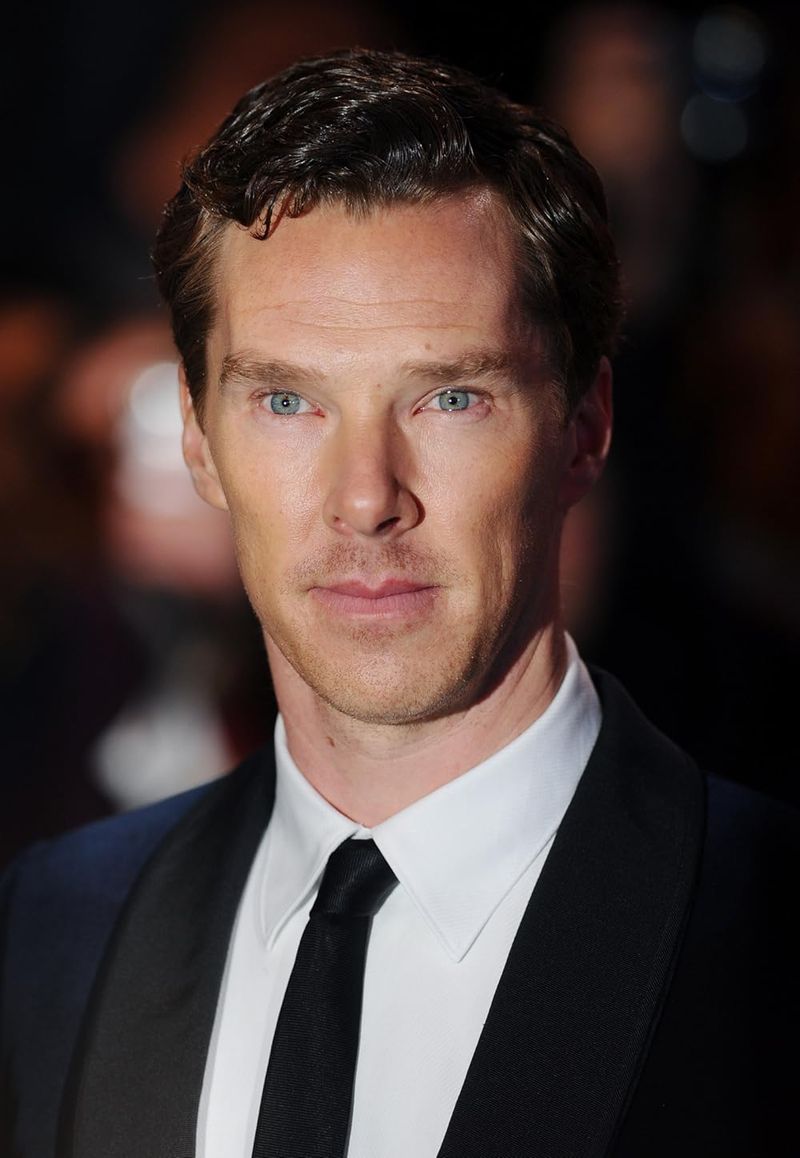
Someone actually told Benedict Cumberbatch that his face wasn’t right for leading roles.
Let that sink in for a moment.
The angular cheekbones, the sharp jaw, the unusual bone structure — an industry professional genuinely suggested these were problems to overcome rather than assets to celebrate.
Cumberbatch responded by becoming Sherlock Holmes, Doctor Strange, and Alan Turing — three of the most memorable screen characters of the last two decades.
His distinctive look became his brand, immediately recognizable across the globe.
The lesson here isn’t subtle: the person who told him his face was wrong was simply describing their own limited imagination, not his potential.
12. Aubrey Plaza
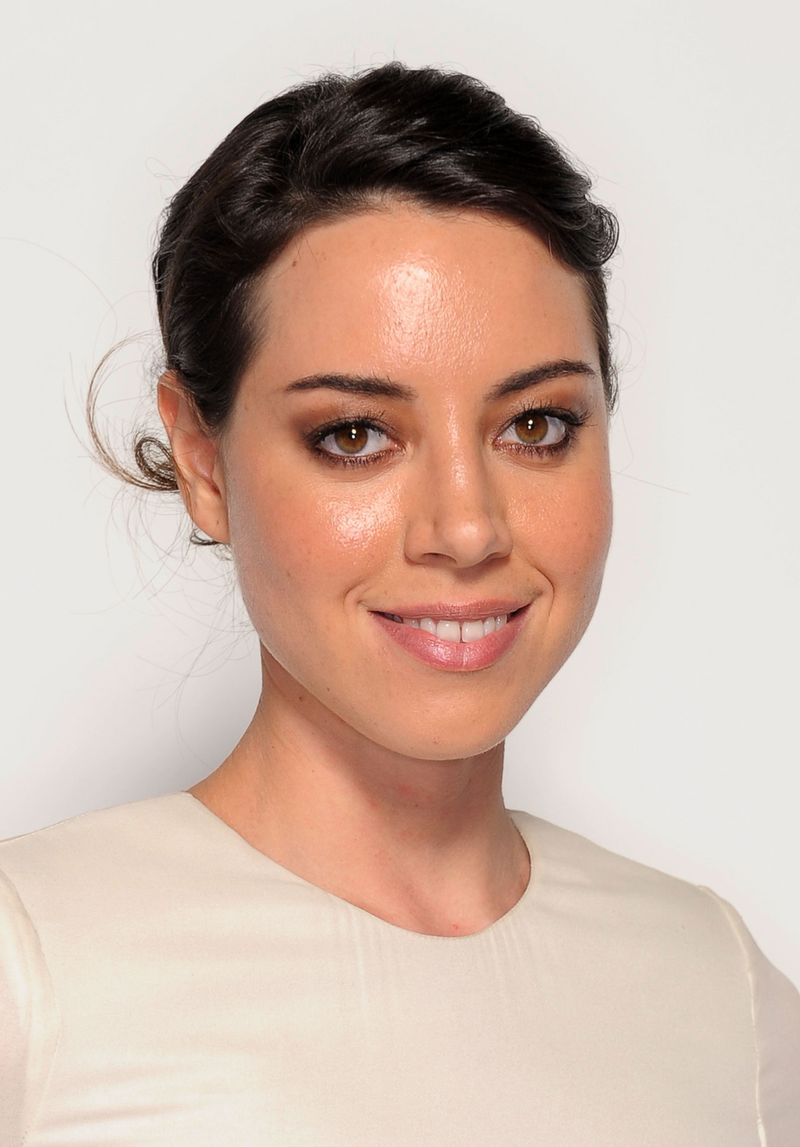
Her comedic style is built on awkward silences, flat delivery, and a bone-dry wit that makes audiences unsure whether to laugh or feel deeply uncomfortable.
Early in her career, that approach was called too niche, too weird, and too alienating for broad commercial appeal.
Network executives wanted warmth; Plaza offered something stranger and more interesting.
Her breakout on “Parks and Recreation” built a devoted following who loved exactly what made studios nervous.
Later films like “Black Bear” and “Emily the Criminal” proved she could carry serious dramatic weight too.
Plaza turned a supposedly limited comedic style into a wildly versatile acting career that keeps surprising people.
13. Bill Skarsgård
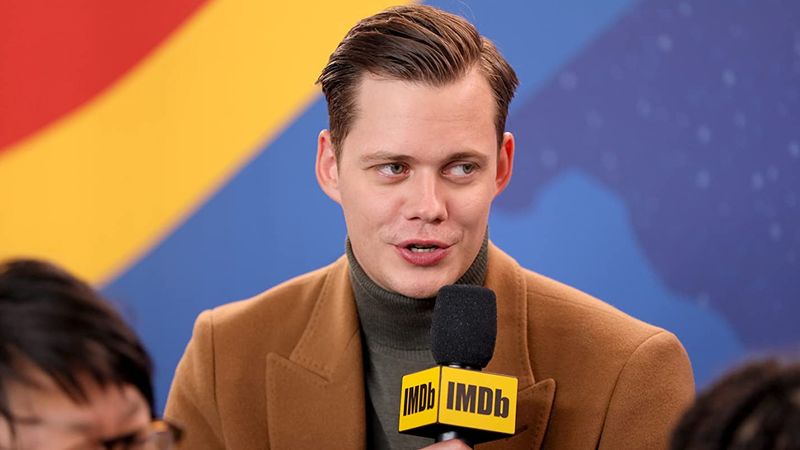
Growing up as part of the famous Skarsgård acting family, Bill had plenty of industry access — but his particular brand of eerie, unsettling screen presence wasn’t exactly what casting directors were lining up for.
His ability to make audiences physically uncomfortable was genuinely rare, but early on it seemed like a specialty with a narrow market.
Then came Pennywise in the “IT” films, and everything changed.
His performance as the shape-shifting clown became one of the most talked-about horror portrayals in years, earning praise from critics who called it genuinely terrifying.
Skarsgård proved that the ability to unsettle people deeply is, in the right hands, an extraordinary gift.
14. Rooney Mara
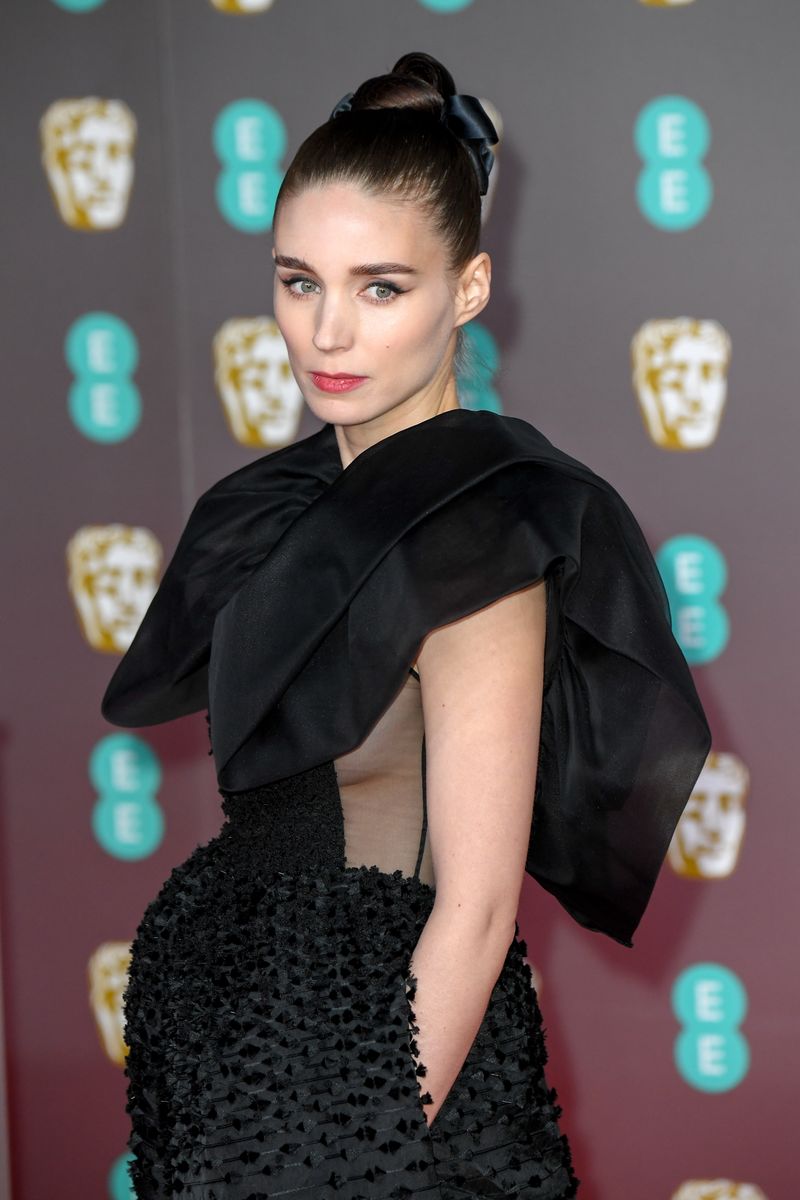
Rooney Mara has a screen presence that operates almost entirely below the surface.
She doesn’t announce herself with big gestures or obvious emotional cues — she pulls you in quietly, slowly, until you realize you haven’t looked away in several minutes.
Early in her career, that subtlety was sometimes mistaken for a lack of charisma.
Her transformative performance in “The Girl with the Dragon Tattoo” erased that misconception completely.
Mara shaved her eyebrows, pierced everything, and disappeared into one of cinema’s most complex characters with breathtaking commitment.
She followed it with equally nuanced work in “Carol” and “Lion.” Quiet, it turns out, can be the loudest thing in the room.
15. Jeff Goldblum
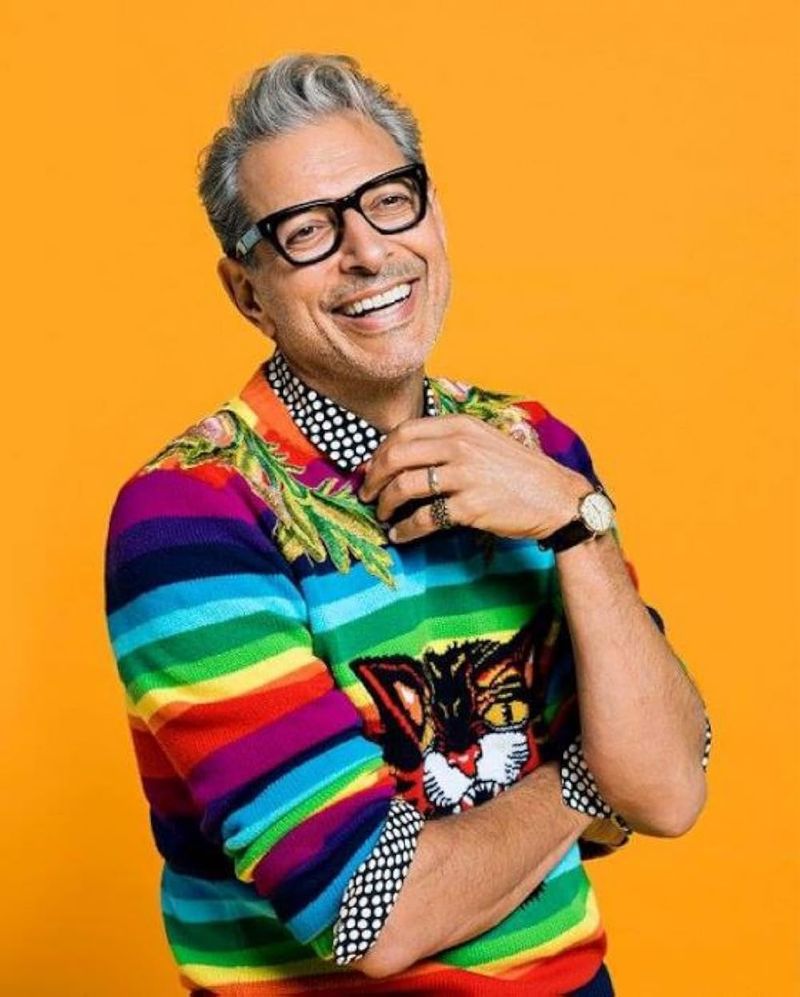
Jeff Goldblum speaks in a rhythm entirely his own — halting, searching, full of unexpected pauses and delighted little sounds that seem to arrive from somewhere deep in his brain.
From his very first roles, that delivery made him stand out in ways that confused people who expected actors to behave more predictably.
Some found it grating; others found it magnetic.
Decades later, that exact quirk is why audiences still light up when he appears on screen. “Jurassic Park,” “The Grand Budapest Hotel,” and “Thor: Ragnarok” all became more interesting the moment Goldblum entered them.
He never adjusted himself to fit the industry — and the industry eventually adjusted its expectations to accommodate him.