 MomSkoop
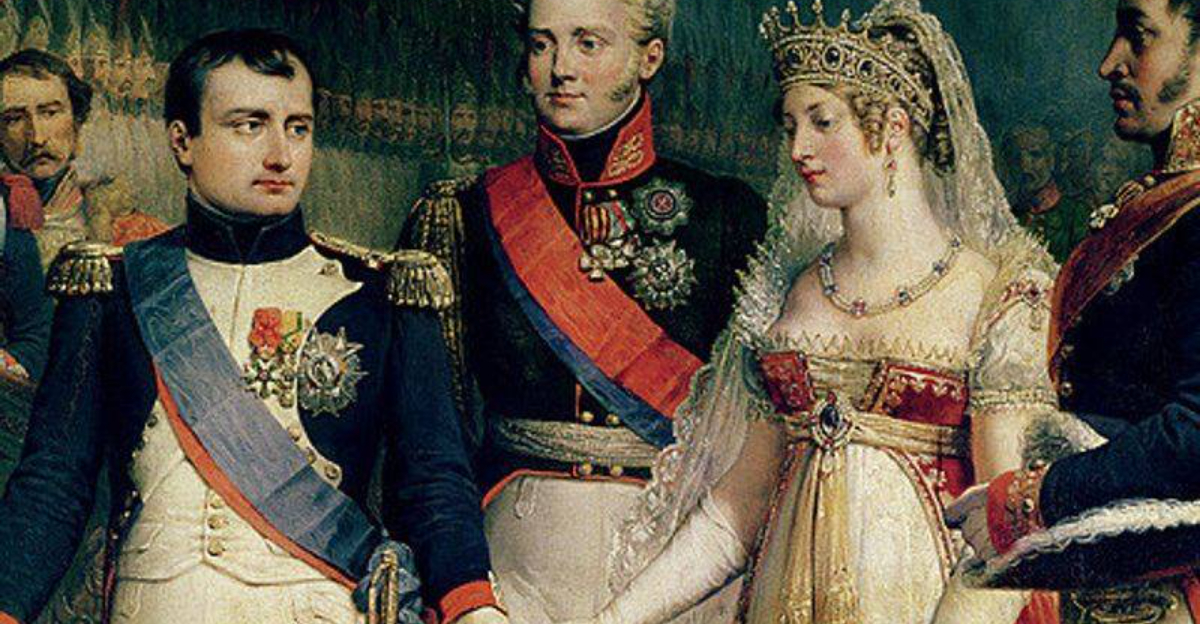
Throughout history, arranged marriages were the norm for royalty and nobility, often serving political or economic purposes rather than romantic ones. Many of these unions were made between strangers who had never met before their wedding day.
Yet, against all odds, some of these arranged marriages blossomed into genuine love stories that changed the course of history. Here are fifteen remarkable royal couples who proved that love can grow even in the most unexpected circumstances.
1. Queen Victoria and Prince Albert
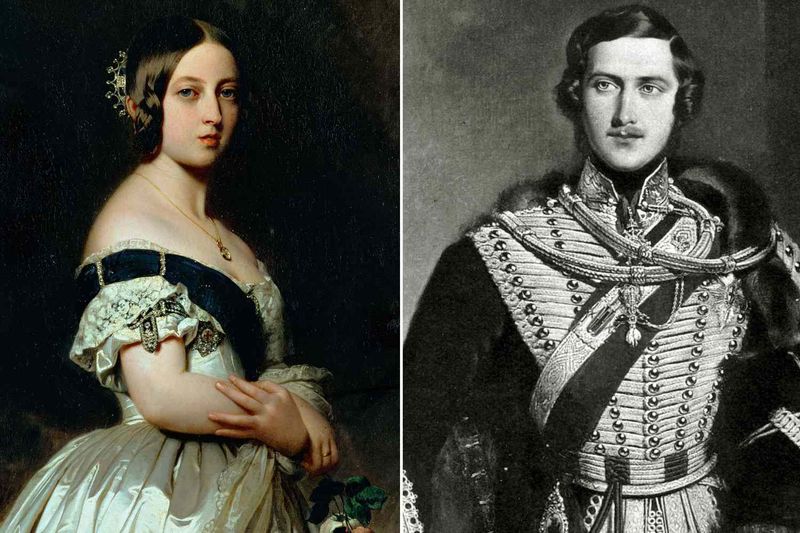
When Victoria first met her German cousin Albert, she was not immediately smitten, but political pressure pushed their union forward.
Their 1840 wedding was purely strategic, designed to strengthen ties between Britain and Germany.
However, Victoria soon fell deeply in love with Albert, describing him as beautiful and calling him her greatest treasure.
Albert became her trusted advisor and closest companion, helping her navigate the challenges of ruling an empire.
They had nine children together and their devotion to each other became legendary.
When Albert died in 1861, Victoria mourned him for the rest of her life, wearing black for forty years.
Their marriage proved that arranged unions could transform into profound partnerships built on mutual respect and genuine affection.
2. King Louis XVI and Marie Antoinette
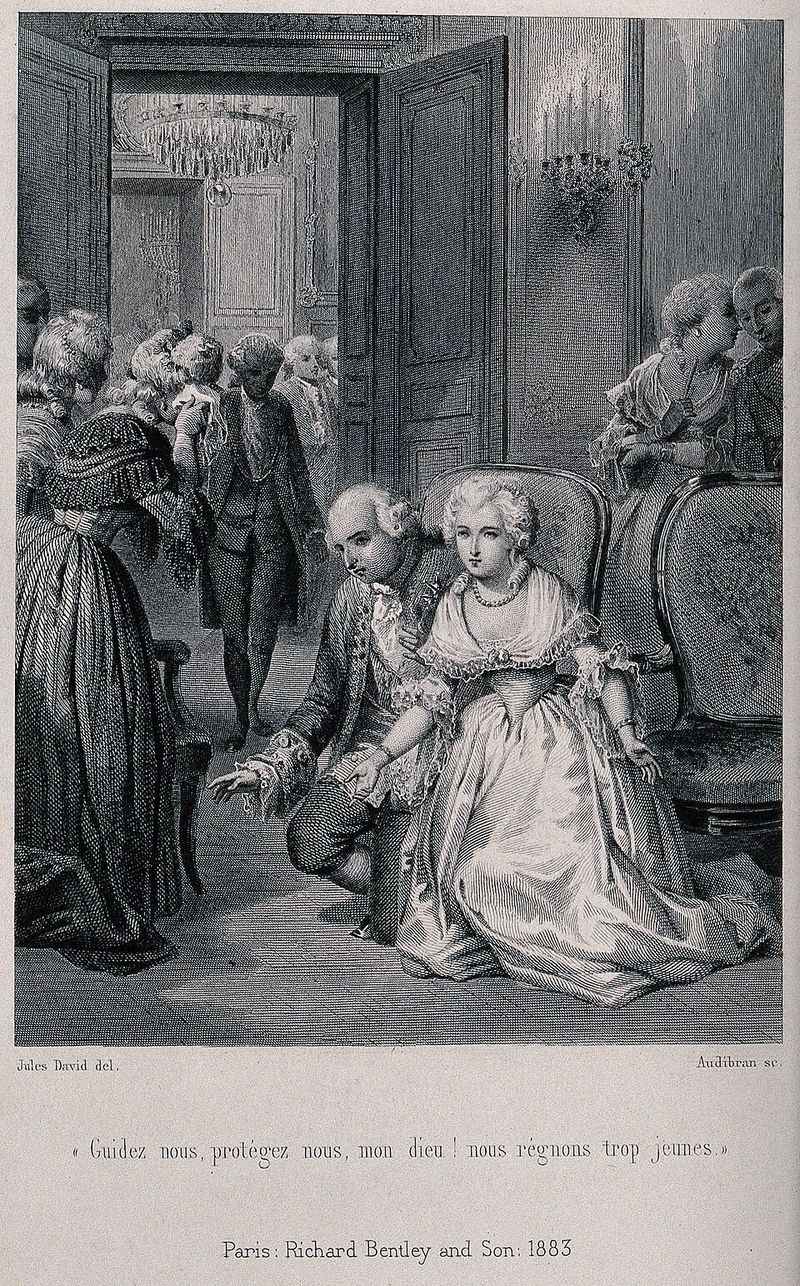
Marie Antoinette was just fourteen when she married the future King Louis XVI, leaving her Austrian home for the French court.
The marriage was arranged to seal an alliance between longtime enemies Austria and France.
Their early years were awkward and difficult, with the young couple struggling to connect personally.
Despite their rocky start, they eventually developed genuine affection for one another over time.
Louis was shy and reserved, while Marie was vivacious and social, yet they found common ground.
They supported each other through the terrifying French Revolution, facing their tragic fate together with remarkable courage.
Their final letters reveal deep love and concern for one another, showing how their arranged marriage had grown into something real and meaningful.
3. Emperor Peter III and Catherine the Great
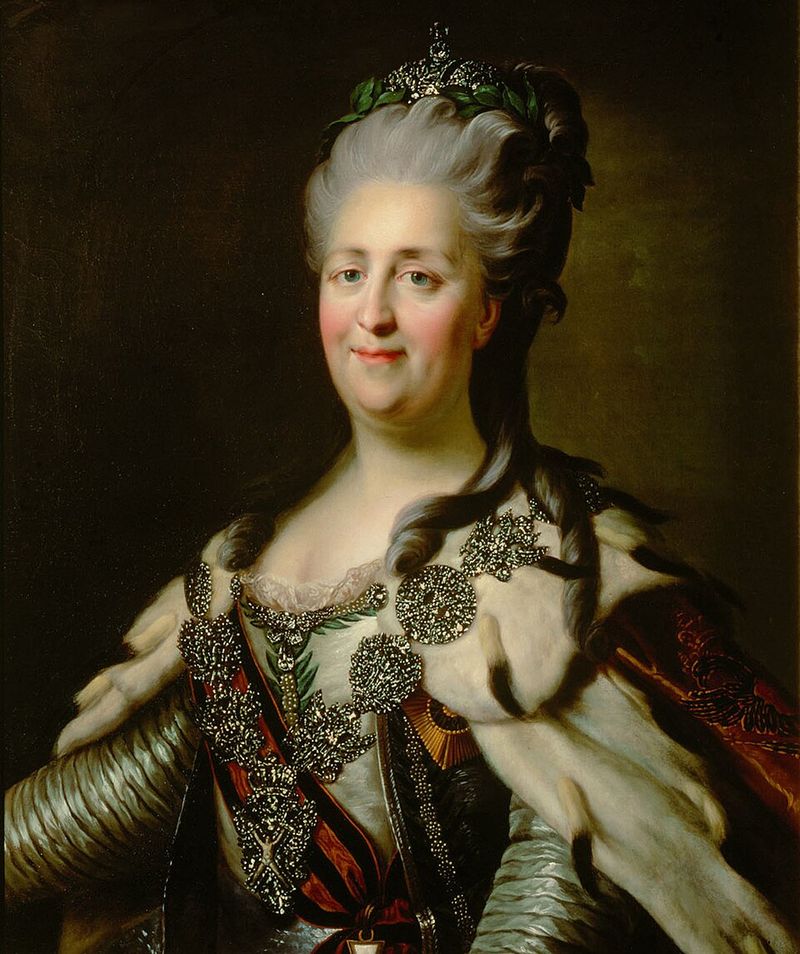
Catherine arrived in Russia as a young German princess named Sophie, chosen to marry the heir to the Russian throne.
She barely knew Peter before their 1745 wedding, which was entirely arranged for political advantage.
Unfortunately, their marriage quickly soured as Peter proved immature and disinterested in his bride.
While this union did not develop into romantic love, Catherine found her true passion in Russia itself.
She embraced Russian culture, learned the language, and eventually took the throne after Peter’s brief reign.
Though their personal relationship failed, the arranged marriage gave Catherine the opportunity to become one of history’s greatest rulers.
Her story shows that even unsuccessful arranged marriages could lead to unexpected personal fulfillment and historical significance.
4. King George VI and Queen Elizabeth
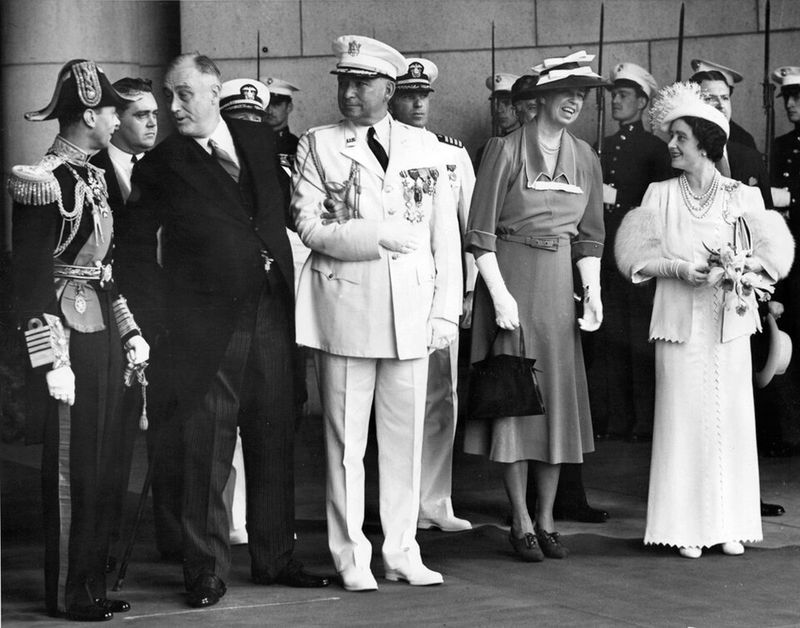
Elizabeth Bowes-Lyon initially rejected Prince Albert’s marriage proposals twice before finally accepting.
Though not strictly arranged, their union carried significant family pressure and royal expectations.
Albert, who would become King George VI, was shy and struggled with a severe stammer.
Elizabeth brought warmth, confidence, and joy into his life, helping him overcome his insecurities.
Their partnership strengthened during World War II when they chose to stay in London despite bombing raids.
George relied heavily on Elizabeth’s support, and she became his rock through his unexpected kingship.
Their marriage was marked by mutual devotion, respect, and genuine affection that lasted until George’s death in 1952.
They proved that even reluctant royal marriages could blossom into beautiful love stories.
5. Emperor Franz Joseph I and Empress Elisabeth of Austria
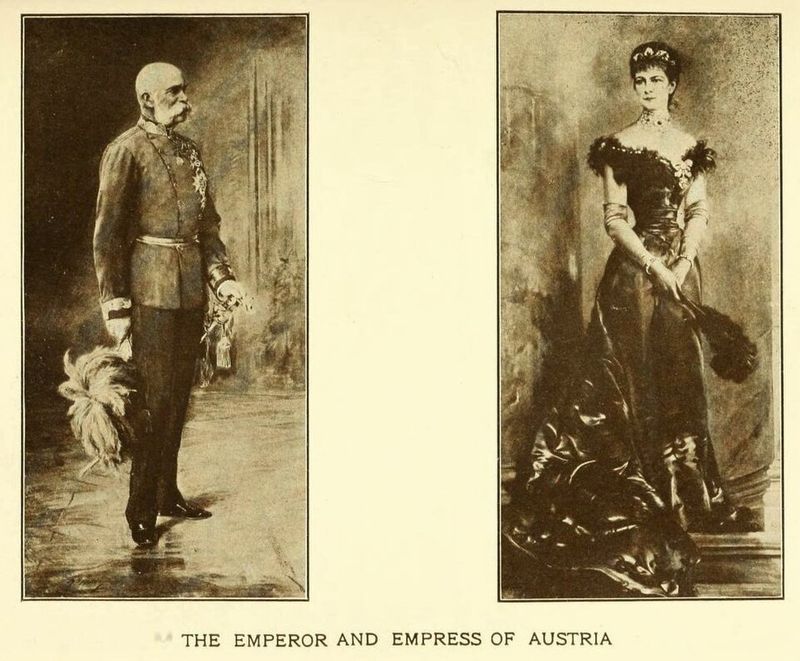
Franz Joseph was supposed to marry Elisabeth’s older sister, but he fell in love with fifteen-year-old Sisi at first sight.
Despite this romantic beginning, their marriage faced enormous challenges from the strict Habsburg court.
Elisabeth struggled with the rigid protocols and her controlling mother-in-law, who took away her children.
The empress became increasingly unhappy and traveled constantly to escape palace life.
Yet Franz Joseph remained deeply devoted to Elisabeth throughout their marriage, writing her tender letters.
When she was assassinated in 1898, he was devastated and kept her rooms exactly as she left them.
Their complicated relationship shows that even genuine initial attraction in arranged royal marriages faced serious obstacles.
6. Emperor Akbar and Mariam-uz-Zamani
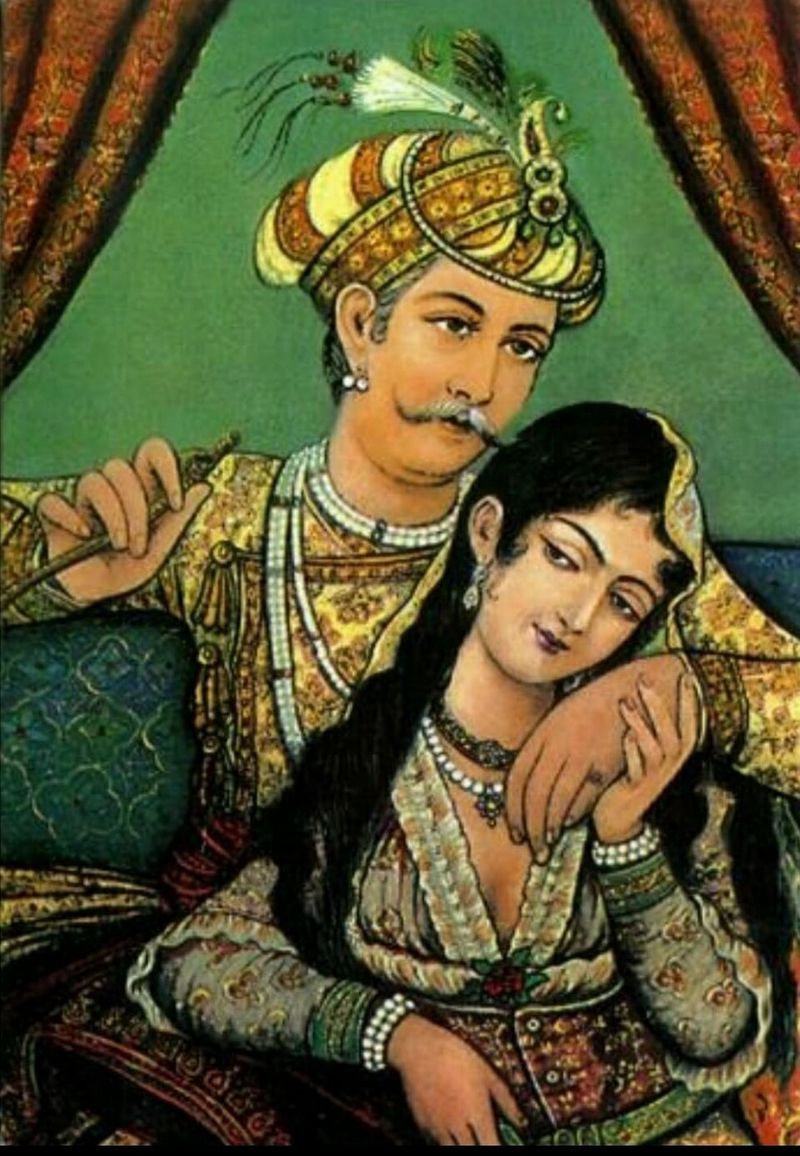
Akbar, the great Mughal emperor, married the Hindu princess Mariam-uz-Zamani to forge political alliances in 1562.
This interfaith marriage was highly unusual and controversial for its time.
Mariam was originally known as Hira Kunwari before her marriage to the Muslim emperor.
Against expectations, Akbar developed deep respect and love for his Hindu wife.
He allowed her to practice her religion freely and even built temples for her.
She became his favorite wife and bore him his heir, the future Emperor Jahangir.
Mariam wielded considerable influence at court and was honored with the title meaning Mary of the Age.
Their marriage represented religious tolerance and showed how arranged unions could bridge cultural divides beautifully.
7. Emperor Justinian I and Empress Theodora
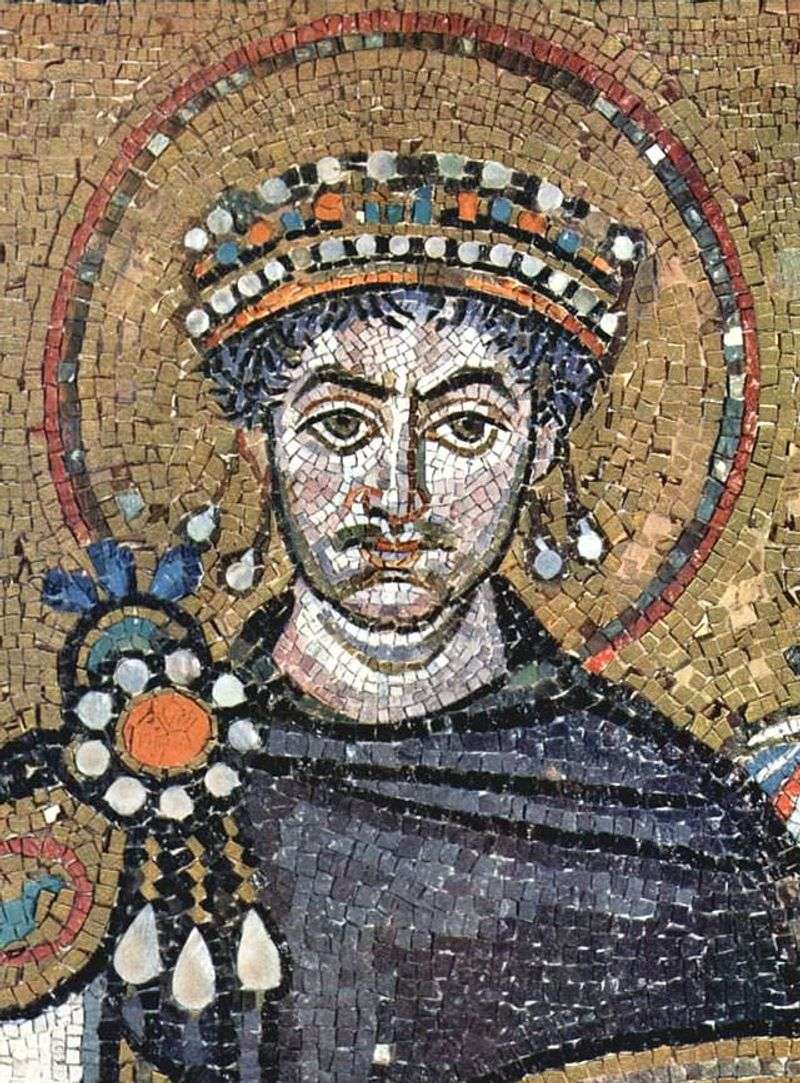
Theodora’s story is extraordinary because she rose from humble, scandalous beginnings to become empress of Byzantium.
She was an actress and courtesan before catching Emperor Justinian’s eye in the 6th century.
Justinian had to change imperial law to marry her, facing fierce opposition from the aristocracy.
Their union was based on genuine love rather than political arrangement, which made it unusual for royalty.
Theodora became Justinian’s most trusted advisor and co-ruler, participating in all major decisions.
She famously saved his throne during the Nika riots by convincing him to stay and fight.
Their partnership lasted until Theodora’s death, and Justinian never remarried, mourning her deeply.
This remarkable marriage shows how love could transcend social barriers even in ancient times.
8. Tsar Nicholas II and Alexandra Feodorovna
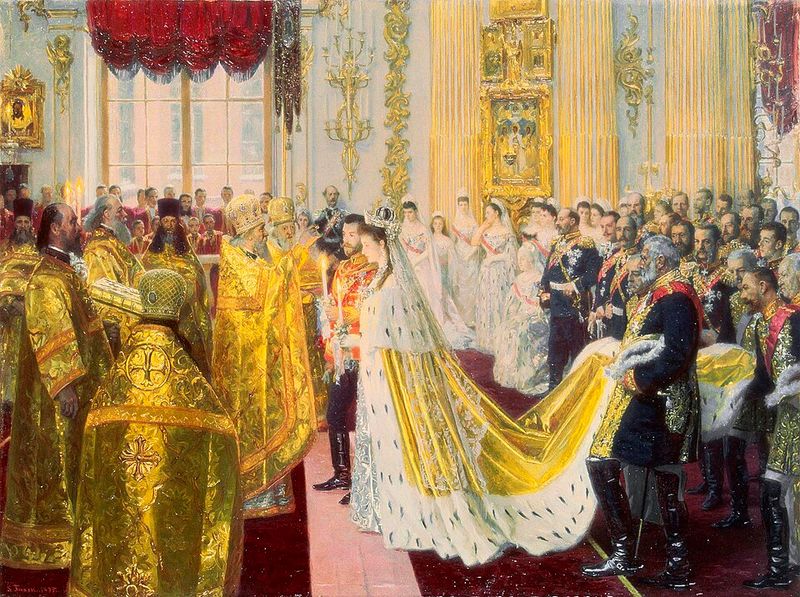
Nicholas and Alexandra actually fell in love before their marriage, though royal expectations still shaped their union.
Alexandra was a German princess who converted to Russian Orthodoxy to marry Nicholas in 1894.
Their love letters reveal deep affection, with Nicholas calling Alexandra his beloved angel and treasure.
They were devoted parents to their five children and preferred quiet family life over court ceremonies.
Alexandra’s influence over Nicholas grew stronger over time, especially regarding their son’s hemophilia.
Their reliance on the mystic Rasputin to help their sick son damaged their reputation fatally.
During the Russian Revolution, they faced execution together, holding onto their love until the very end.
Their tragic story demonstrates how genuine love in royal marriages could survive even the most terrible circumstances.
9. King Charles I and Queen Henrietta Maria
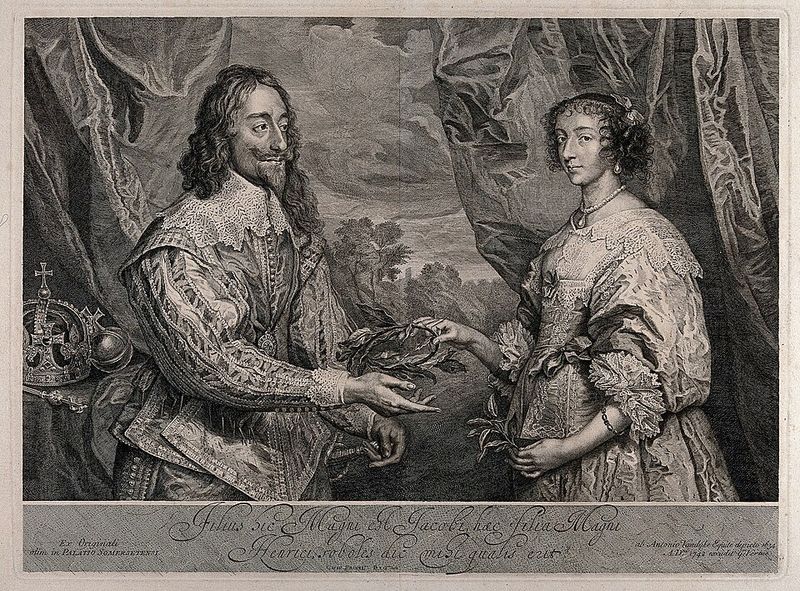
Fifteen-year-old Henrietta Maria arrived from France in 1625 to marry King Charles I in a purely political arrangement.
Their early marriage was troubled by religious differences, language barriers, and cultural misunderstandings.
Charles was Protestant while Henrietta was Catholic, causing tension in religiously divided England.
However, after several difficult years, they gradually fell deeply in love with each other.
Charles became increasingly devoted to his wife, seeking her counsel on important matters.
They wrote passionate letters when separated, expressing their longing and affection openly.
When Charles faced execution during the English Civil War, their love remained strong despite political catastrophe.
Their transformation from strangers to soulmates shows how time and commitment could nurture love in arranged marriages.
10. King George III and Queen Charlotte
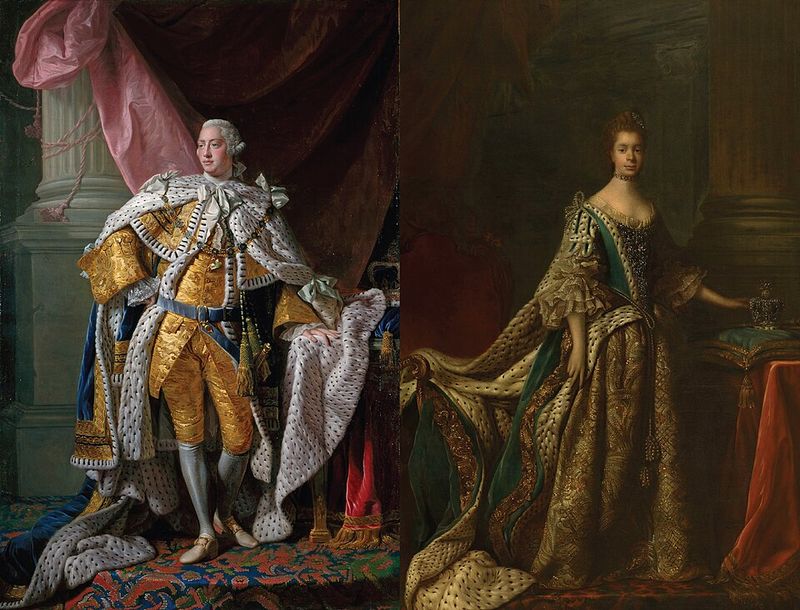
George III met Princess Charlotte of Mecklenburg-Strelitz on their wedding day in 1761, having only seen her portrait beforehand.
Charlotte traveled from Germany speaking no English, arriving to marry a king she had never met.
Despite this unpromising start, their marriage became one of the most successful in British royal history.
George remained faithful to Charlotte throughout their marriage, which was rare for kings of that era.
They had fifteen children together and enjoyed simple domestic pleasures alongside their royal duties.
Charlotte supported George through his mental illness episodes with patience and devotion.
Their genuine partnership and mutual respect set an example for royal marriages that followed.
George and Charlotte proved that arranged marriages could create stable, loving families even under public scrutiny.
11. Emperor Meiji and Empress Shoken of Japan
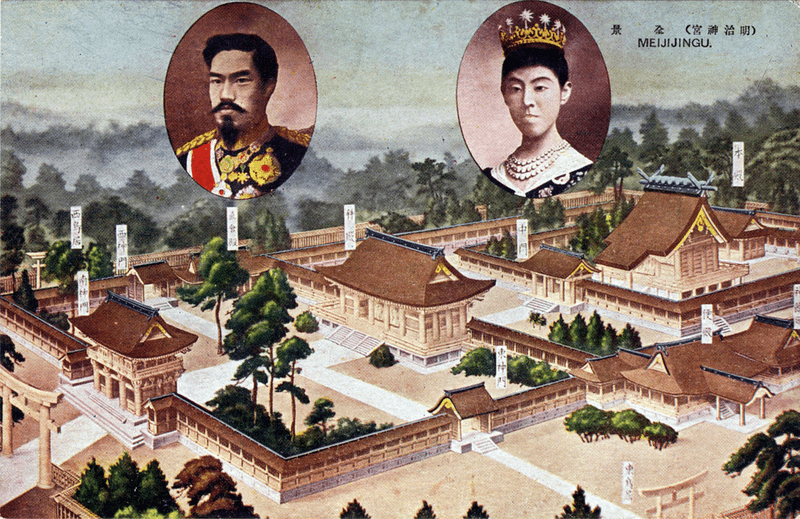
Emperor Meiji married Ichijo Haruko, who became Empress Shoken, in 1869 when both were teenagers.
Their marriage was arranged according to ancient Japanese court traditions and political considerations.
Japan was undergoing massive modernization during their reign, transforming from feudal society to modern nation.
Empress Shoken supported her husband’s reforms while also promoting education and welfare for women.
Though the emperor had concubines as was customary, he respected Shoken’s position and intelligence.
They worked together on public duties and she became known for her charitable works.
Their partnership helped guide Japan through one of its most dramatic transformation periods.
When Emperor Meiji died in 1912, Shoken mourned deeply, showing the affection that had developed between them.
12. Henry VII and Elizabeth of York
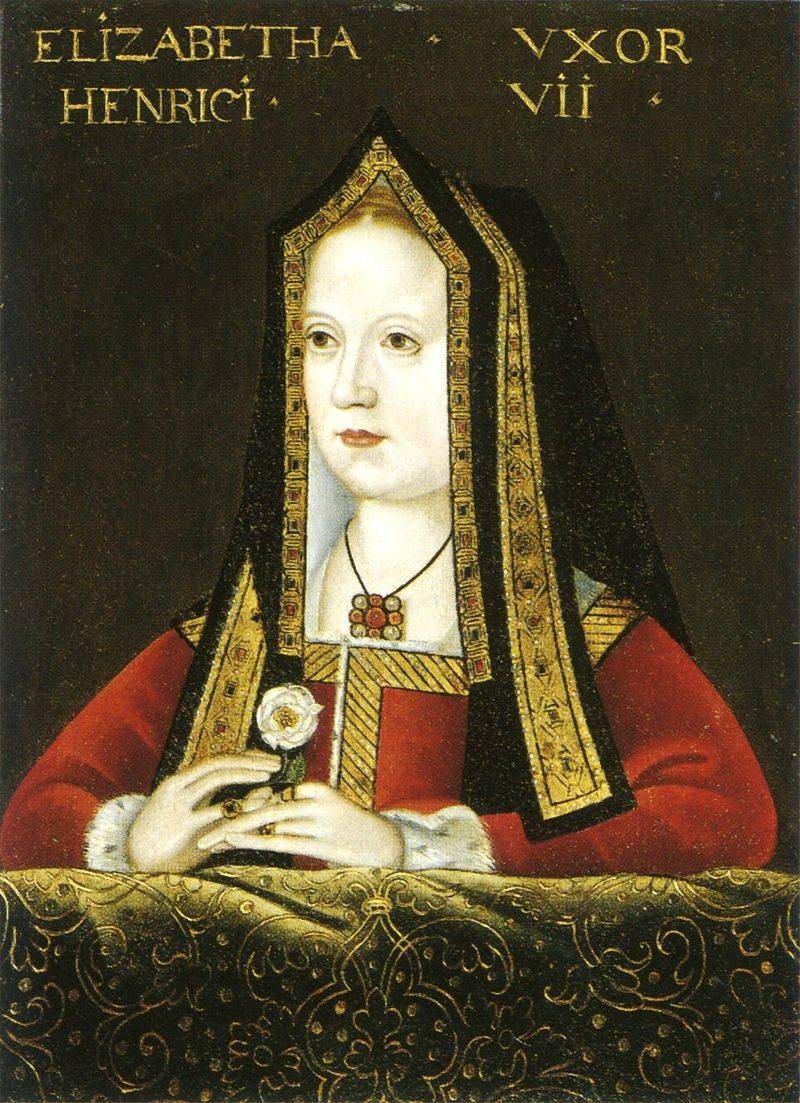
Henry Tudor married Elizabeth of York in 1486 to unite the warring houses of Lancaster and York.
This strategic marriage was designed to end the bloody Wars of the Roses that had torn England apart.
Elizabeth was the daughter of Edward IV, while Henry had claimed the throne by conquest.
Initially, their marriage seemed purely political, bringing together former enemies for peace.
However, contemporary accounts suggest they developed genuine affection and respect over time.
Henry trusted Elizabeth and valued her counsel, while she supported his sometimes precarious claim to the throne.
When Elizabeth died in 1503, Henry was reportedly devastated and withdrew from public life temporarily.
Their union not only brought peace to England but also created the Tudor dynasty that would rule for over a century.
13. King Louis IX and Margaret of Provence
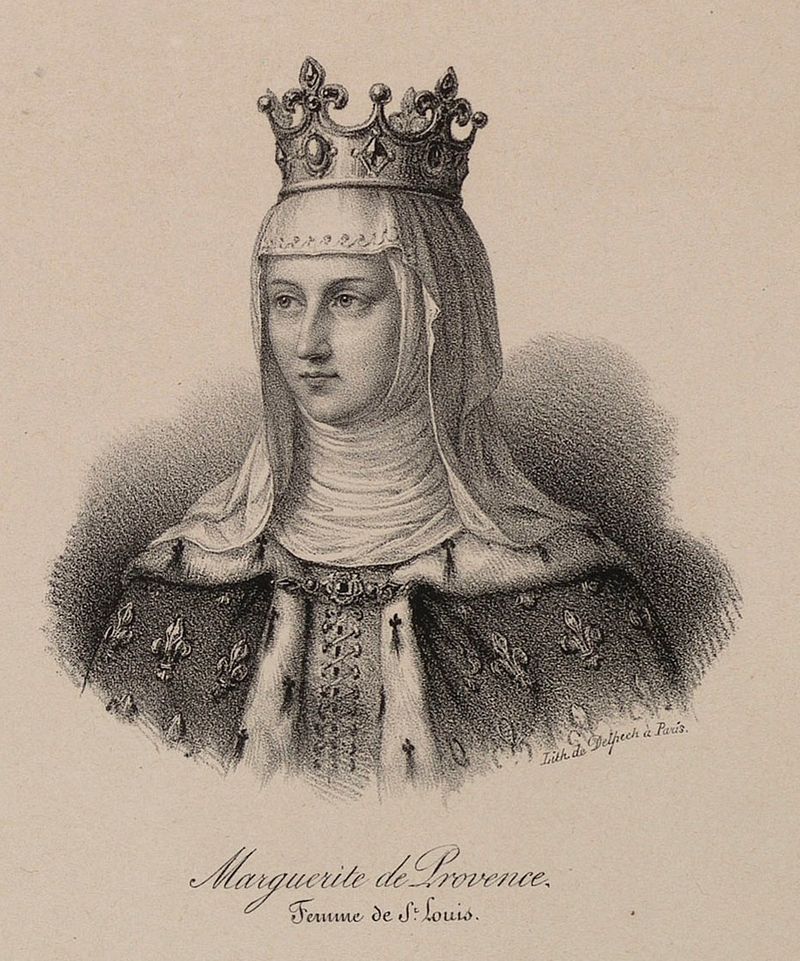
Louis IX, who would become Saint Louis, married Margaret of Provence in 1234 when he was nineteen.
Their marriage was arranged to strengthen French royal power in southern France.
Margaret was intelligent, politically savvy, and proved to be much more than a decorative queen.
She accompanied Louis on crusade, even giving birth to a child in the Holy Land.
When Louis was captured by Muslims, Margaret negotiated his ransom with remarkable courage and skill.
Though Louis’s mother initially interfered in their marriage, Louis and Margaret grew closer over the years.
They had eleven children and worked together on governing France and supporting religious causes.
Their partnership demonstrated how arranged medieval marriages could develop into effective political and personal partnerships.
14. King Philip II of Spain and Queen Mary I of England
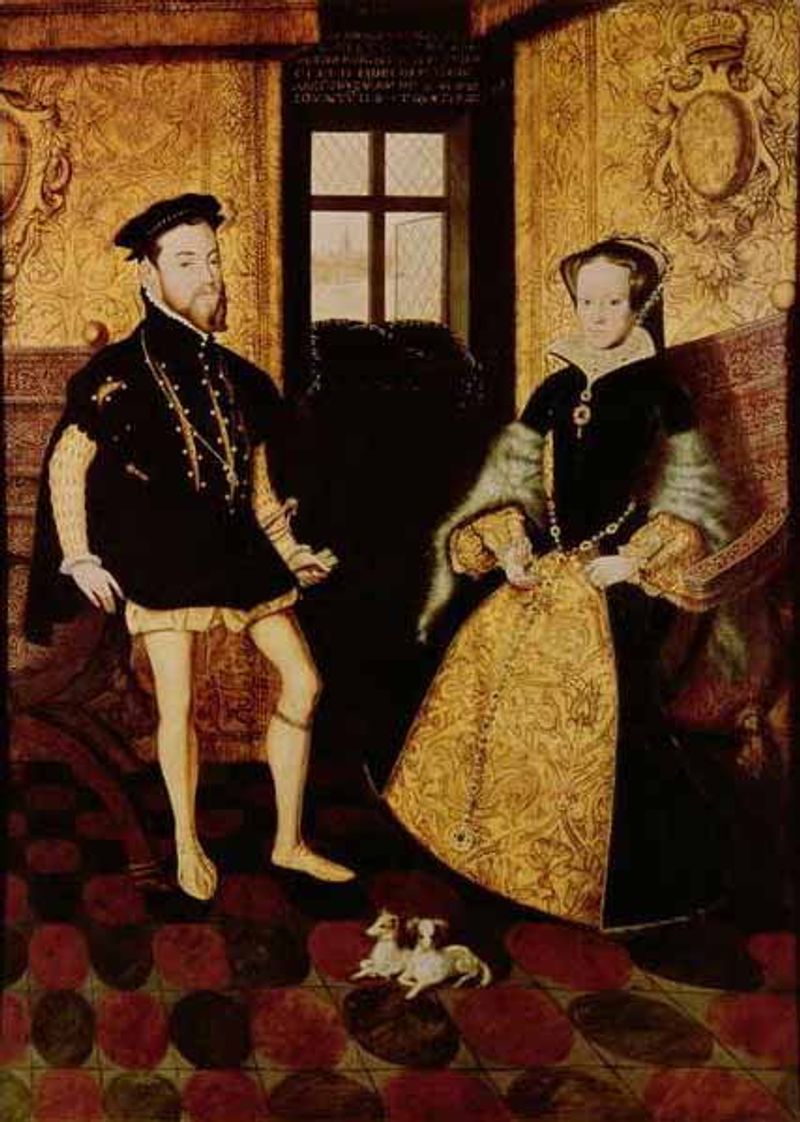
Mary I of England was thirty-seven and had never married when she wed the much younger Philip of Spain in 1554.
This marriage was deeply unpopular in England, where people feared Spanish influence over their country.
Philip married Mary primarily to gain control over England and expand Spanish power.
Mary, however, fell genuinely in love with her handsome husband, writing him passionate letters.
Unfortunately, Philip spent little time in England and showed limited affection toward his devoted wife.
Mary experienced false pregnancies, desperately hoping to bear Philip’s heir and keep him by her side.
When Mary died in 1558, Philip quickly moved on, though he had treated her respectfully.
Their marriage shows that arranged unions did not always lead to mutual love, despite one partner’s deep feelings.
15. Emperor Franz I and Empress Maria Theresa
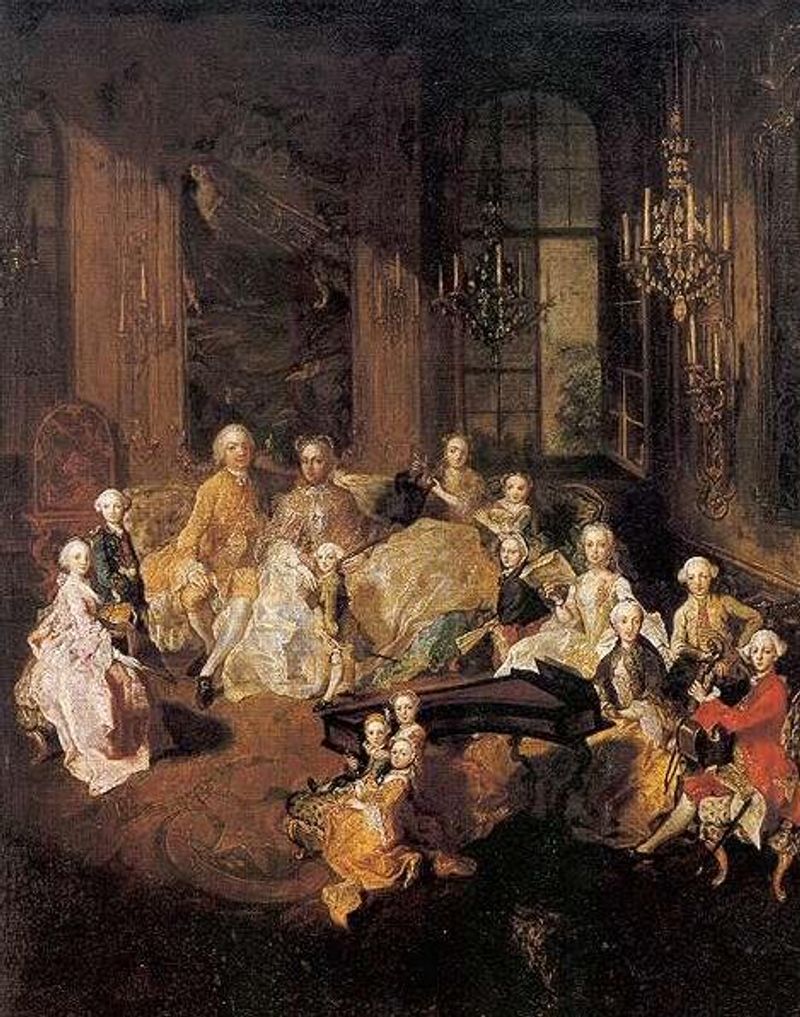
Maria Theresa was actually in love with Franz Stephen before their arranged marriage in 1736, which was unusual.
She was the Habsburg heiress who would become one of Europe’s most powerful rulers.
Franz had to give up his ancestral duchy of Lorraine to marry her, but he agreed willingly.
Their marriage was remarkably happy, producing sixteen children including the famous Marie Antoinette.
Maria Theresa remained devoted to Franz throughout their marriage, trusting him completely.
When Franz died suddenly in 1765, Maria Theresa was heartbroken and wore mourning clothes forever after.
She continued ruling Austria for fifteen more years but never recovered from losing her beloved husband.
Their marriage proves that arranged royal unions could begin with genuine attraction and grow into lifelong devotion.