 MomSkoop
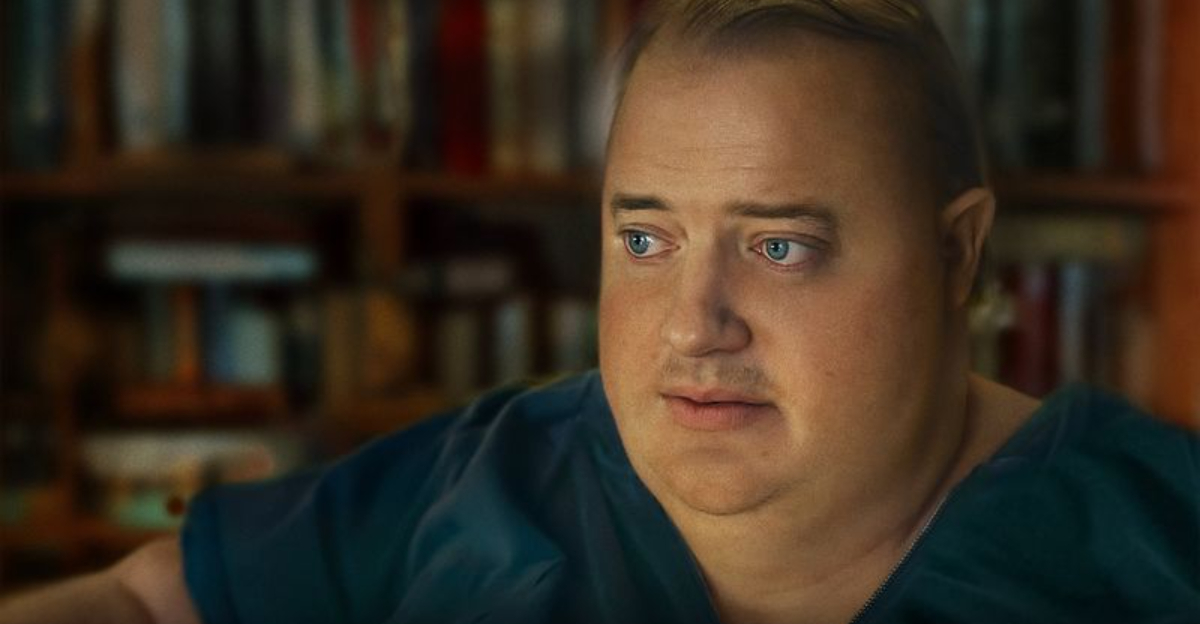
Some movies do more than entertain — they reach inside you and leave a mark that stays for days, months, or even years. These are the kinds of films that make you stare at the ceiling at night, replaying scenes in your head and feeling things you can’t quite put into words.
Whether it’s a story about war, love, loss, or loneliness, the movies on this list hit differently. Get ready to feel everything.
1. Schindler’s List (1993)

Few films carry the weight of history the way this one does.
Steven Spielberg’s masterpiece follows Oskar Schindler, a German businessman who saves over a thousand Jewish lives during the Holocaust.
Shot mostly in black and white, every frame feels like a photograph pulled straight from the darkest chapter in human history.
What makes it so haunting is how real it all feels.
You watch ordinary people face unimaginable cruelty, and yet small acts of courage shine through.
The famous scene with the little girl in a red coat is something you never forget.
This film doesn’t just teach history — it forces you to feel it in your bones.
Winner of seven Academy Awards, including Best Picture.
2. Grave of the Fireflies (1988)

Studio Ghibli is known for beautiful, magical stories — but this one breaks every rule.
Released the same year as My Neighbor Totoro, Grave of the Fireflies follows two siblings, Seita and Setsuko, trying to survive in Japan during the final days of World War II.
It is one of the most emotionally devastating animated films ever made.
Director Isao Takahata based it on a semi-autobiographical novel, which makes the pain feel even more real.
Watching a teenage boy desperately try to protect his tiny sister from starvation and despair is almost unbearable.
Roger Ebert called it one of the greatest war films ever made.
Don’t let the animation fool you — this one is not for children.
3. Requiem for a Dream (2000)
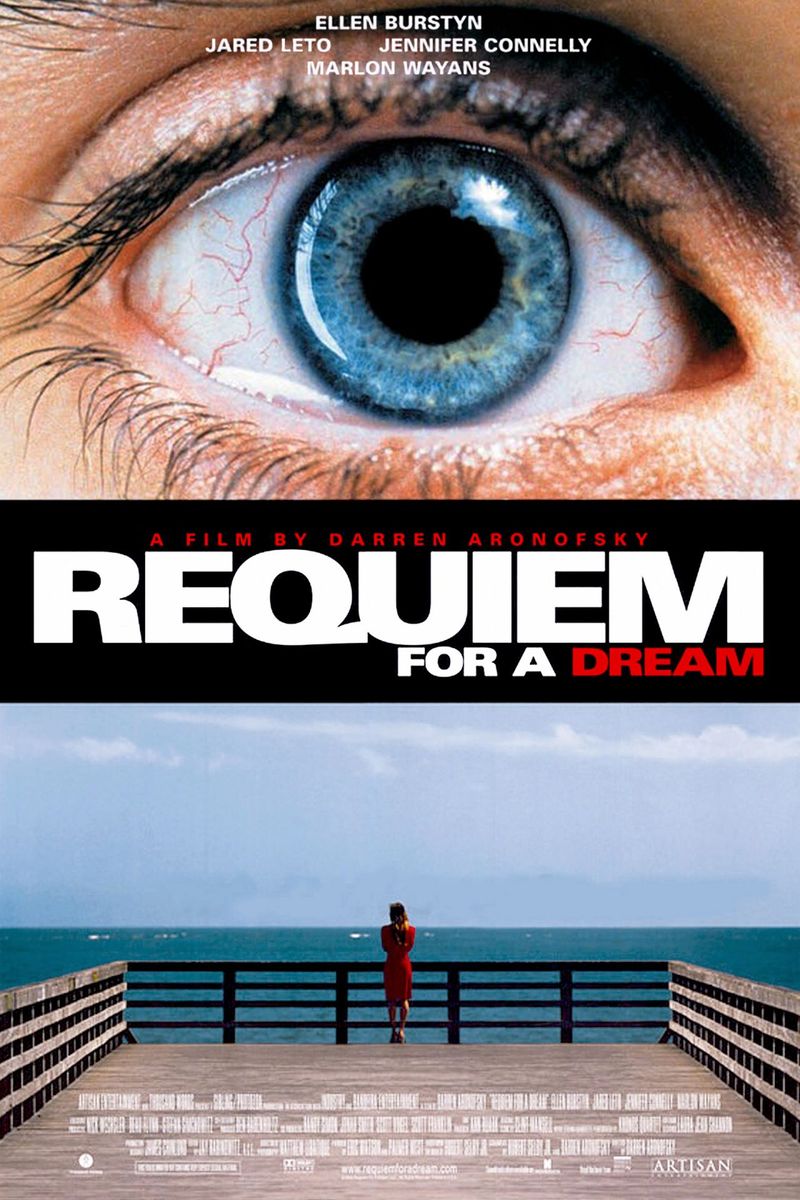
Darren Aronofsky’s most brutal film is not an easy watch — and that’s exactly the point.
Requiem for a Dream follows four people whose lives spiral into addiction and psychological ruin.
Each character starts with a dream, and each dream gets swallowed whole by obsession and substance abuse.
The editing style is almost assaulting.
Quick cuts, split screens, and a relentless score by Clint Mansell make you feel the chaos from the inside.
Ellen Burstyn’s performance as a lonely widow addicted to diet pills earned her an Oscar nomination and remains one of cinema’s most shattering portrayals.
You won’t enjoy watching this movie, but you absolutely won’t forget it.
It’s a mirror held up to the darkest corners of human desire.
4. Manchester by the Sea (2016)
Grief doesn’t always look like crying.
Sometimes it looks like a man who simply can’t move forward.
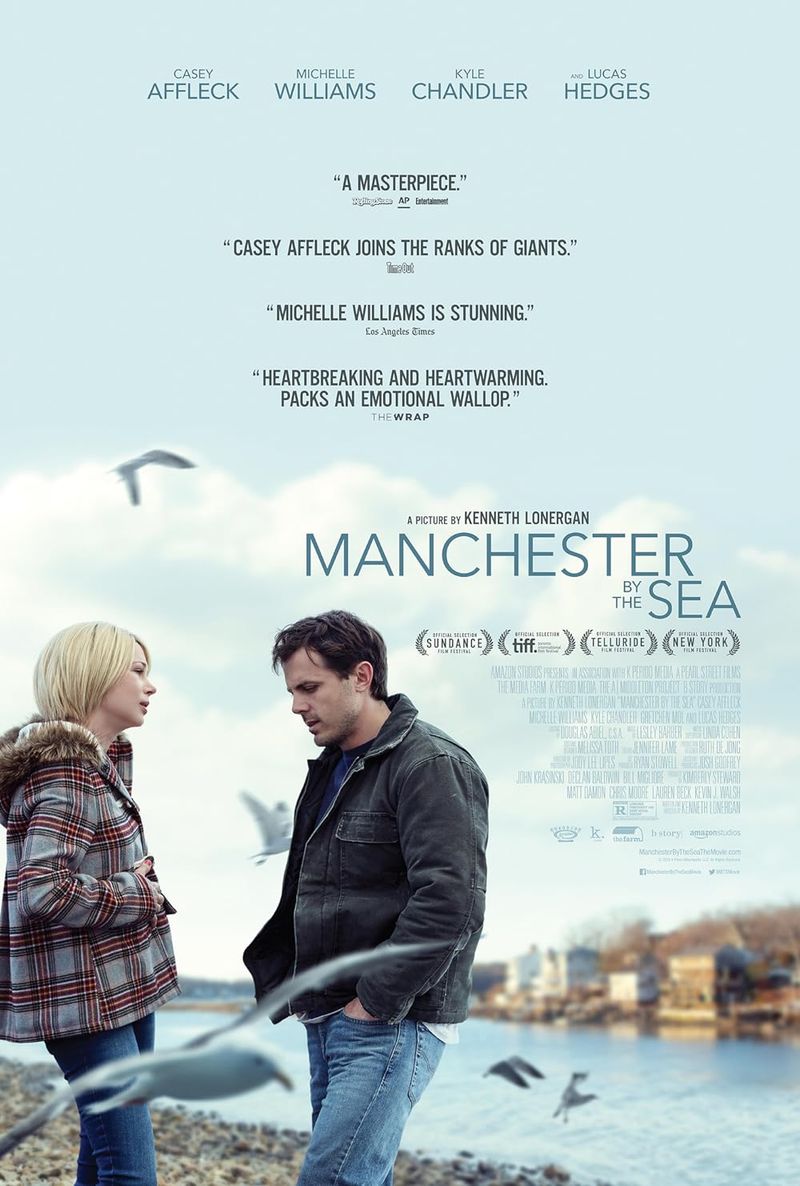
Manchester by the Sea stars Casey Affleck as Lee Chandler, a janitor forced to return to his hometown after his brother dies and become guardian to his teenage nephew.
What he carries from his past is almost too heavy to hold.
Kenneth Lonergan’s screenplay refuses to offer easy comfort or tidy resolutions.
The film trusts the audience to sit with uncomfortable emotions without being rescued by a feel-good ending.
Casey Affleck won the Academy Award for Best Actor, and the performance is nothing short of extraordinary.
There’s a scene mid-film that redefines the word heartbreak.
Quiet, understated, and completely unforgettable, this movie feels painfully true.
5. The Green Mile (1999)
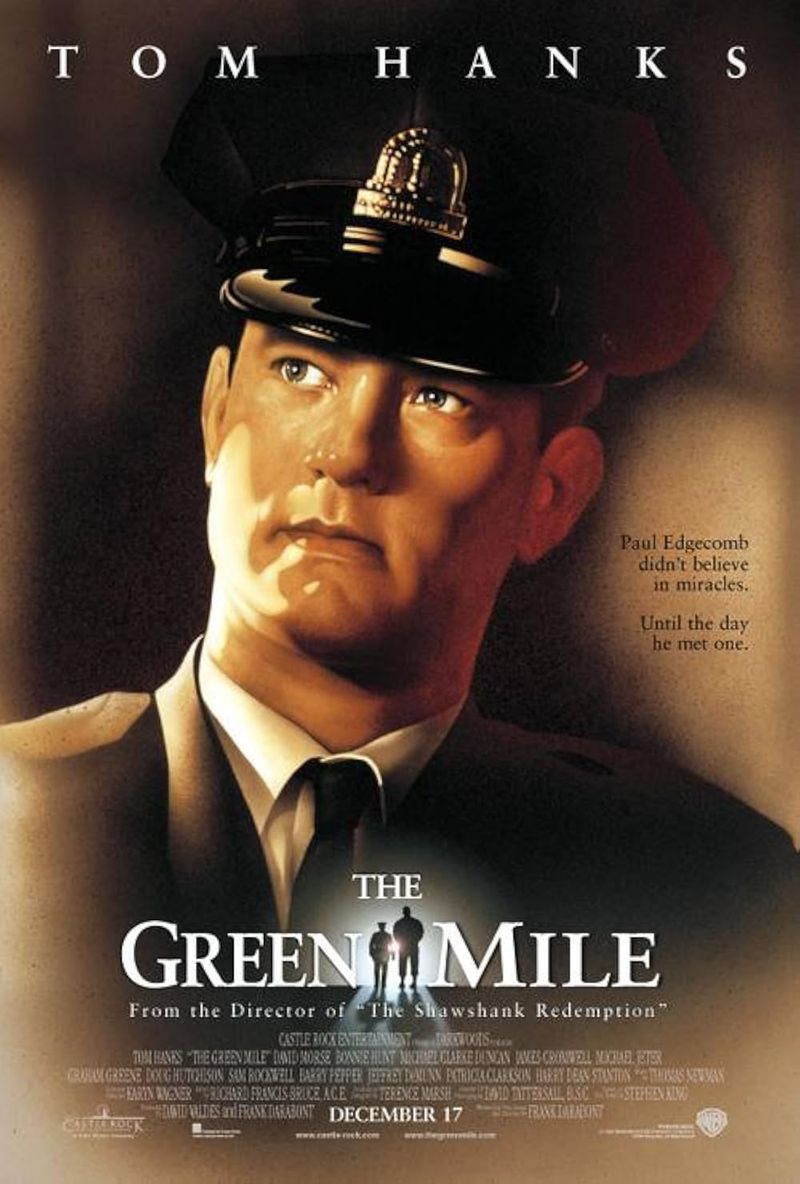
Based on Stephen King’s serialized novel, The Green Mile is a prison drama wrapped around something deeply spiritual.
Tom Hanks plays Paul Edgecomb, a death row corrections officer in 1930s Louisiana who encounters John Coffey — a massive, soft-spoken man with an extraordinary and unexplainable gift.
Michael Clarke Duncan’s portrayal of John Coffey is one of the most tender and powerful performances in film history.
The injustice at the heart of this story is impossible to shake.
You feel rage, compassion, and grief all at once — sometimes in the same scene.
At nearly three hours long, The Green Mile never drags.
Every moment earns its place.
When the credits roll, you might find yourself quietly crying without even realizing it started.
6. Eternal Sunshine of the Spotless Mind (2004)
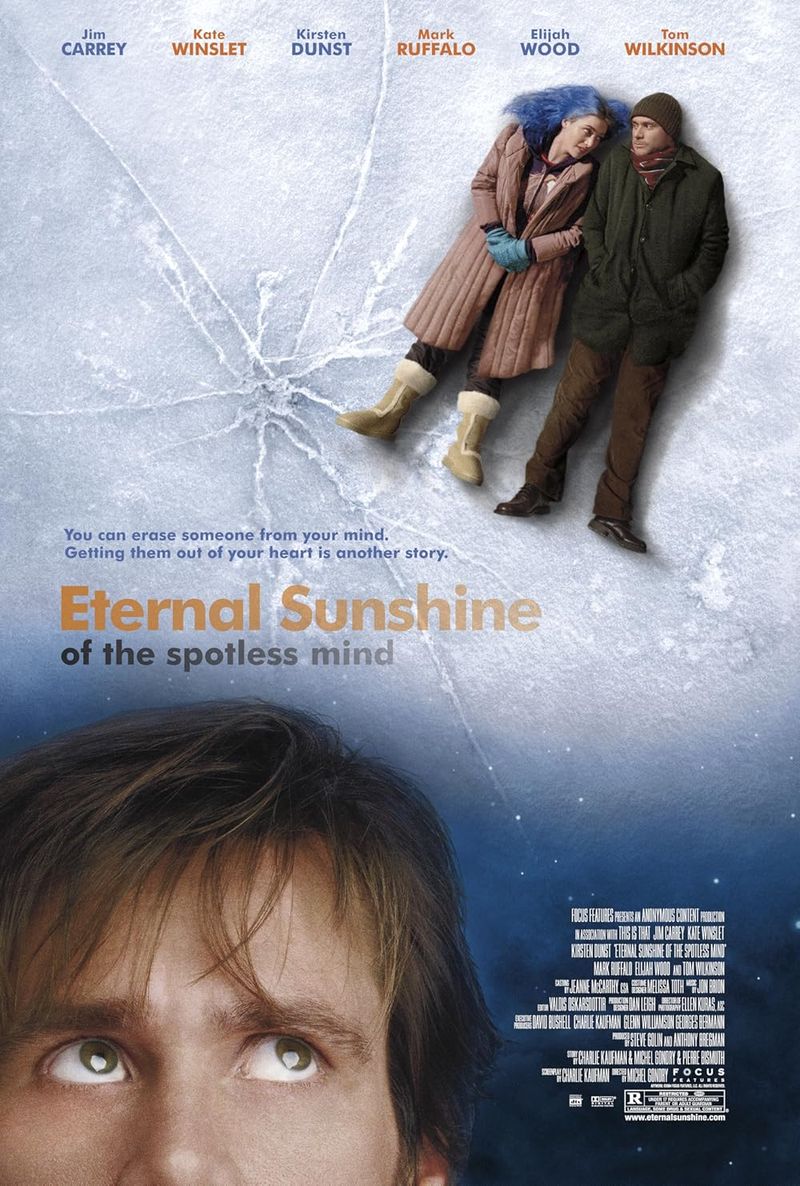
What if you could erase someone from your memory?
That’s the question at the center of Charlie Kaufman’s mind-bending masterpiece.
Jim Carrey plays Joel, a quiet man who discovers his ex-girlfriend Clementine has had him erased from her mind — and decides to do the same.
But as the procedure runs, he realizes he doesn’t want to forget her after all.
Kate Winslet is electric as Clementine, bringing warmth, chaos, and heartbreak in equal measure.
The film plays with time and memory in ways that feel both disorienting and deeply emotional.
Director Michel Gondry turns the inside of a mind into something you can actually see.
Long after watching, you’ll find yourself wondering: would you really erase someone you loved?
The answer isn’t as simple as it seems.
7. The Pianist (2002)
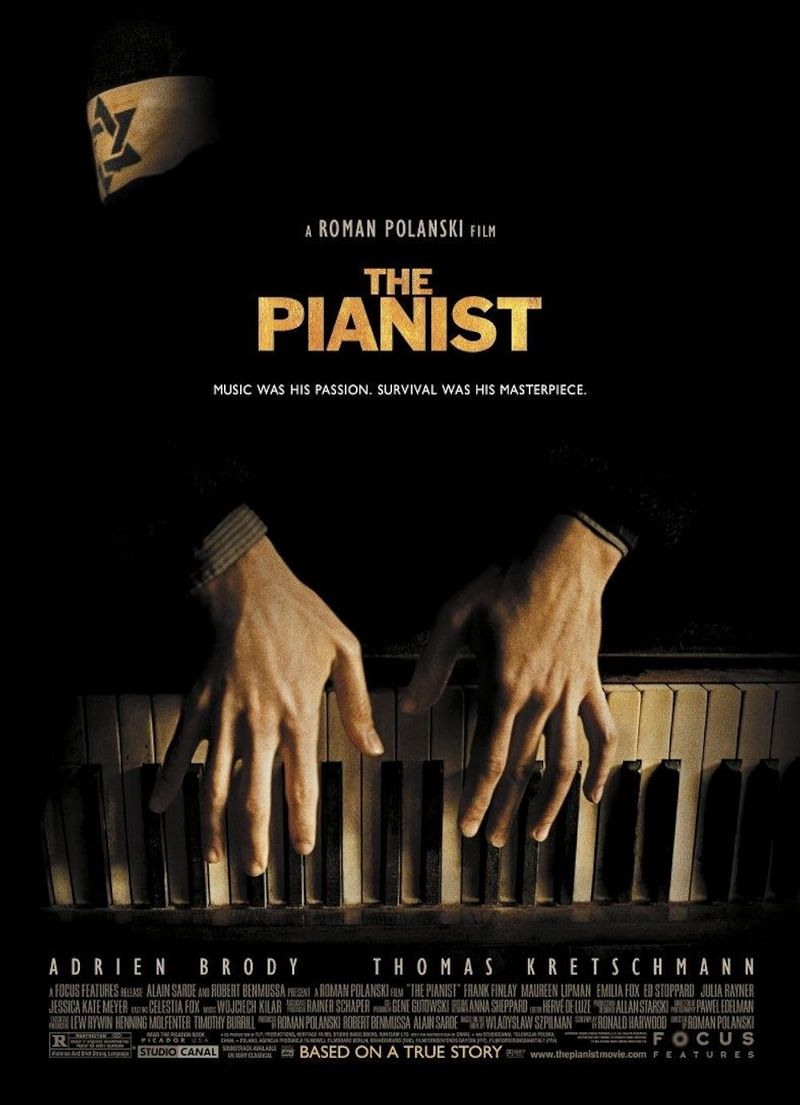
Roman Polanski, himself a Holocaust survivor, brought Wladyslaw Szpilman’s memoir to life with devastating precision.
Adrien Brody plays Szpilman, a brilliant Polish-Jewish pianist who must survive the Nazi occupation of Warsaw by hiding, starving, and clinging to the faintest thread of hope.
Brody lost 30 pounds for the role — and it shows.
What separates this film from other war stories is its quiet intensity.
There are no rousing speeches or triumphant music cues.
Just one man, alone, surviving day by day.
The scene where Szpilman plays a piano piece for a Nazi officer is one of cinema’s most breathtaking moments.
Brody won the Academy Award for Best Actor at just 29 years old.
This film is proof that survival itself can be a form of art.
8. Her (2013)
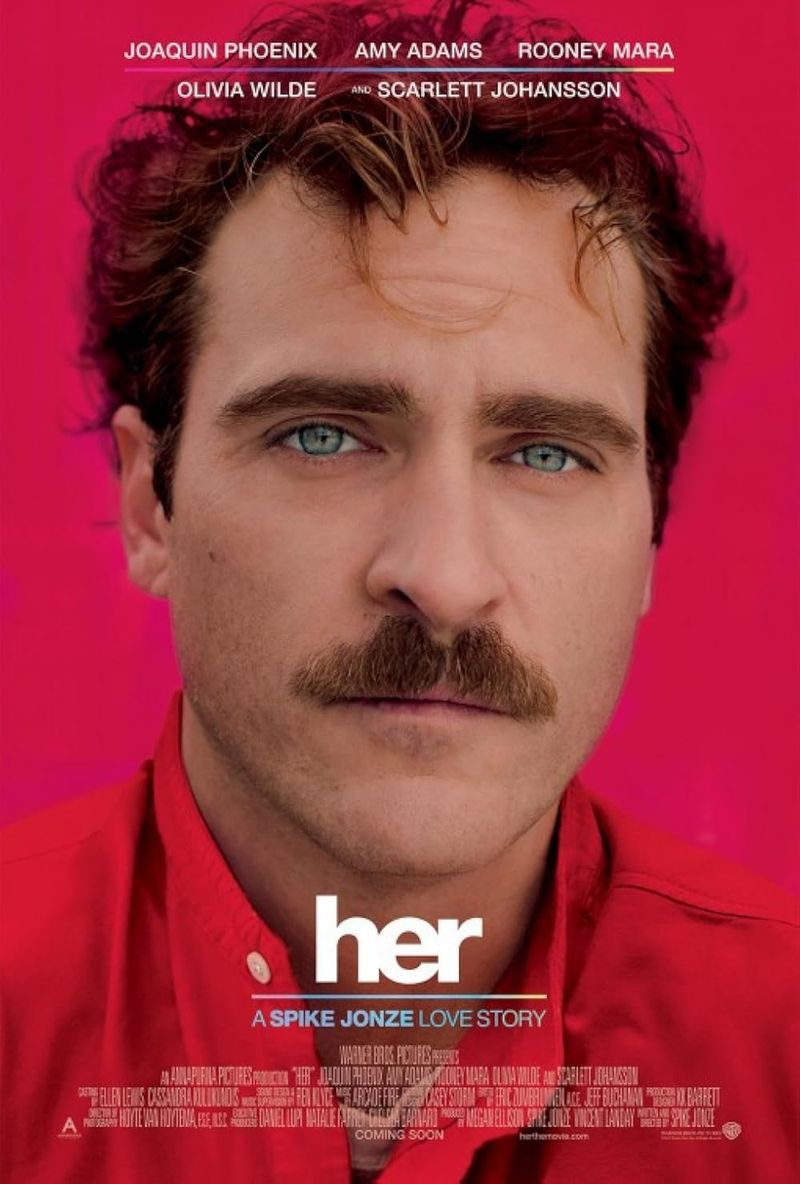
Spike Jonze wrote and directed this eerily prescient film about a lonely writer named Theodore who falls in love with his AI operating system.
Joaquin Phoenix brings an aching vulnerability to the role, making you root for a relationship you know can’t last.
Scarlett Johansson voices Samantha, the AI, and somehow makes you feel her presence in every scene she’s never actually seen in.
Her asks questions that feel more relevant every year.
What does it mean to truly connect with someone?
Can technology fill the emptiness inside us, or does it just make us more aware of it?
The film’s ending lingers like a song you can’t get out of your head.
Beautiful, melancholy, and quietly devastating, Her might be the loneliest film ever made.
9. Moonlight (2016)
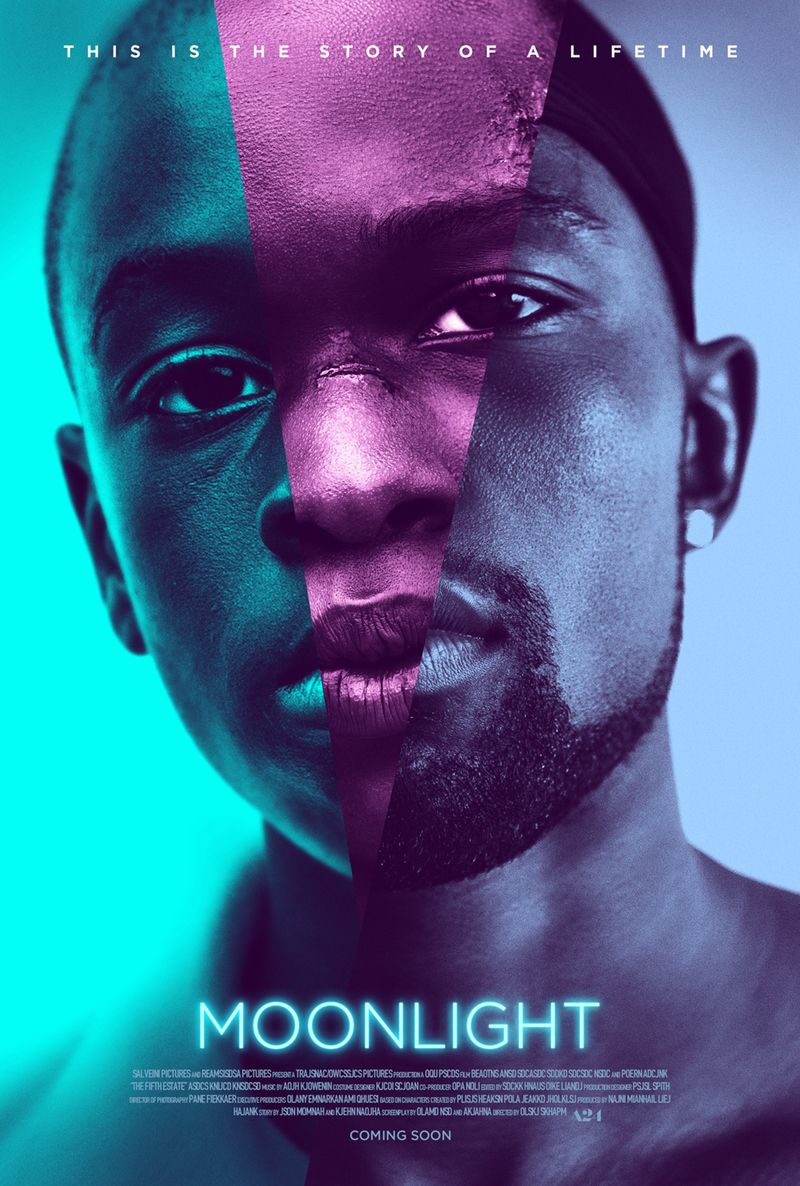
Barry Jenkins’ Oscar-winning film tells the story of Chiron, a young Black man in Miami, across three chapters of his life — childhood, adolescence, and adulthood.
Each chapter peels back another layer of who he is, shaped by poverty, a drug-addicted mother, bullying, and a buried identity he’s afraid to claim.
Moonlight is the kind of film that whispers rather than shouts.
Its power comes from what characters don’t say — the looks, the silences, the moments just before tears fall.
Mahershala Ali won the Academy Award for Best Supporting Actor for his role as Juan, a drug dealer who becomes an unlikely father figure.
When it won Best Picture at the Oscars, it felt like cinema itself was exhaling.
This film sees people who are rarely seen on screen.
10. Dead Poets Society (1989)
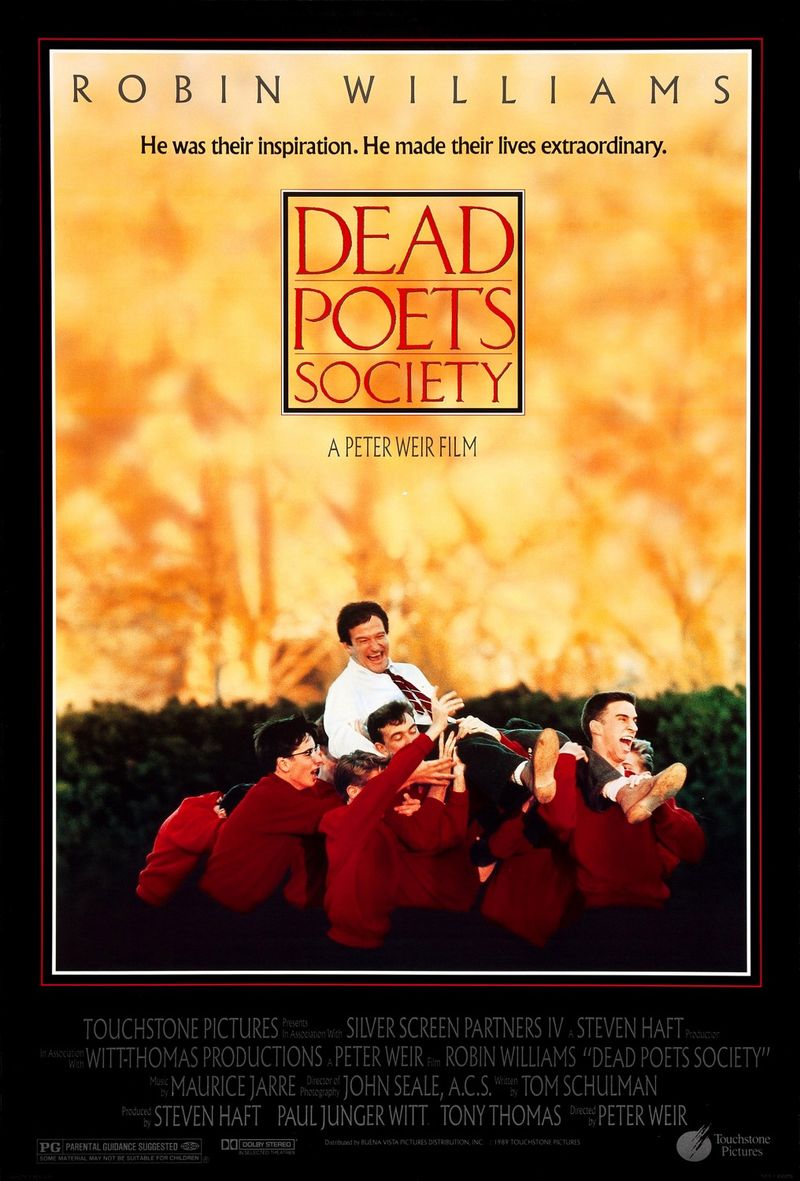
“O Captain, my Captain.” If those words make your chest tighten, you already know this film.
Robin Williams plays John Keating, an unconventional English teacher at a rigid prep school who inspires his students to think for themselves, love poetry, and seize the day.
It sounds uplifting — and it is, until it isn’t.
Director Peter Weir builds a world that feels warm and hopeful before slowly tightening the grip of tragedy.
The performances from the young cast, including Ethan Hawke and Robert Sean Leonard, are raw and completely believable.
What makes Dead Poets Society haunt you is how it refuses to reward idealism with safety.
The final scene is one of the most emotionally charged moments in all of cinema.
Bring tissues.
11. The Whale (2022)
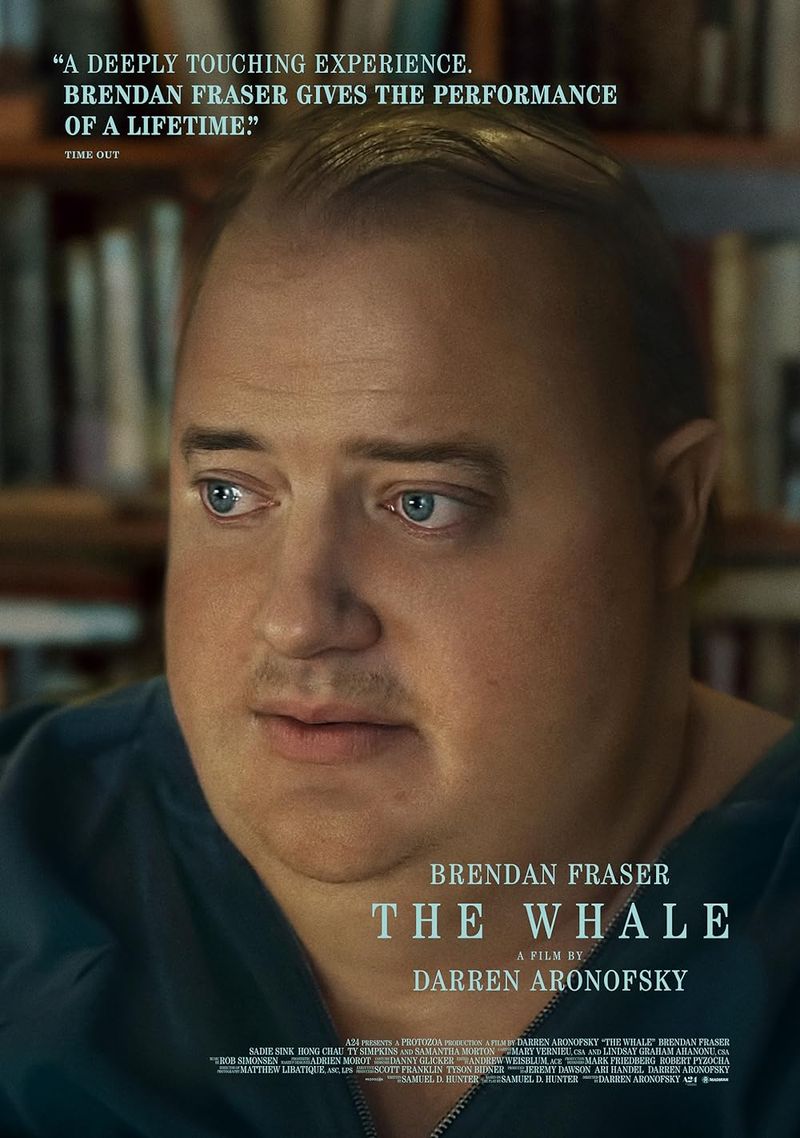
Darren Aronofsky directed this raw, chamber-drama adaptation of Samuel D.
Hunter’s play, and Brendan Fraser delivered what many consider the comeback performance of the decade.
Fraser plays Charlie, a six-hundred-pound English teacher who is slowly eating himself to death while trying to reconnect with his estranged teenage daughter.
The film is set almost entirely inside Charlie’s apartment, which creates a suffocating intimacy.
You can feel his shame, his longing for connection, and the self-destruction he can’t stop.
Sadie Sink is phenomenal as the daughter — angry, wounded, and complicated in all the right ways.
Fraser won the Academy Award for Best Actor.
More than a story about weight, The Whale is about guilt, love, and whether forgiveness can arrive before it’s too late.
12. Incendies (2010)

Canadian director Denis Villeneuve made this film before the world fully knew his name, and it remains one of his most emotionally crushing works.
Incendies follows twin siblings who, after their mother’s death, travel to the Middle East to fulfill her final wishes — and uncover a family secret so shocking it rewrites everything they thought they knew.
The film moves between timelines like a slow-burning fuse.
You can feel the tension building scene by scene, and when the truth finally lands, it hits like a physical blow.
The final revelation is one of the most disturbing and heartbreaking in modern cinema.
Based on a play inspired by real events, Incendies earned an Academy Award nomination for Best Foreign Language Film.
Few films have left audiences this stunned and shaken.
13. Life Is Beautiful (1997)
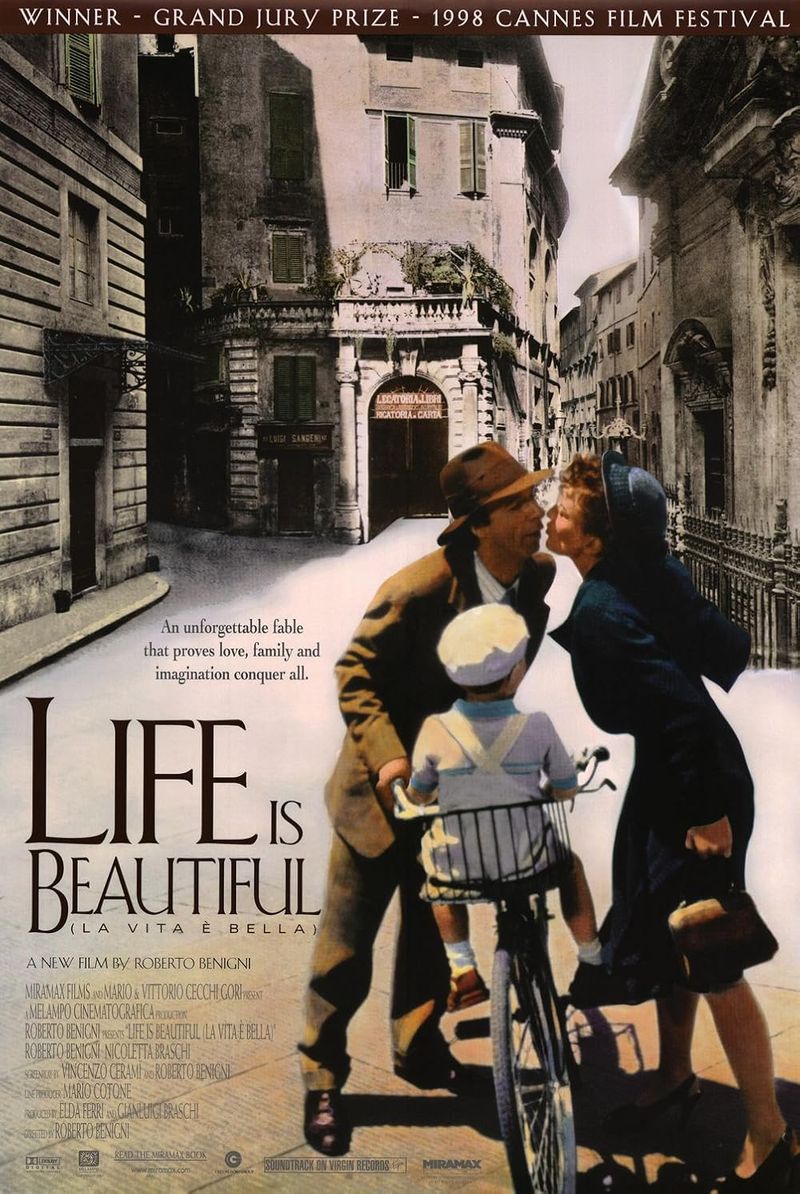
Roberto Benigni wrote, directed, and starred in this extraordinary Italian film — and then wept and danced on chairs at the Academy Awards when it won Best Foreign Language Film.
He also won Best Actor, becoming only the second person ever to win that award for a non-English performance.
The story follows Guido, a joyful and inventive Jewish man who uses humor and imagination to shield his young son from the horrors of a Nazi concentration camp, convincing him it’s all an elaborate game.
The first half is a charming romantic comedy.
The second half will break your heart completely.
Life Is Beautiful proves that love and laughter can exist even in the darkest places — and that losing them is the greatest tragedy of all.
14. Arrival (2016)
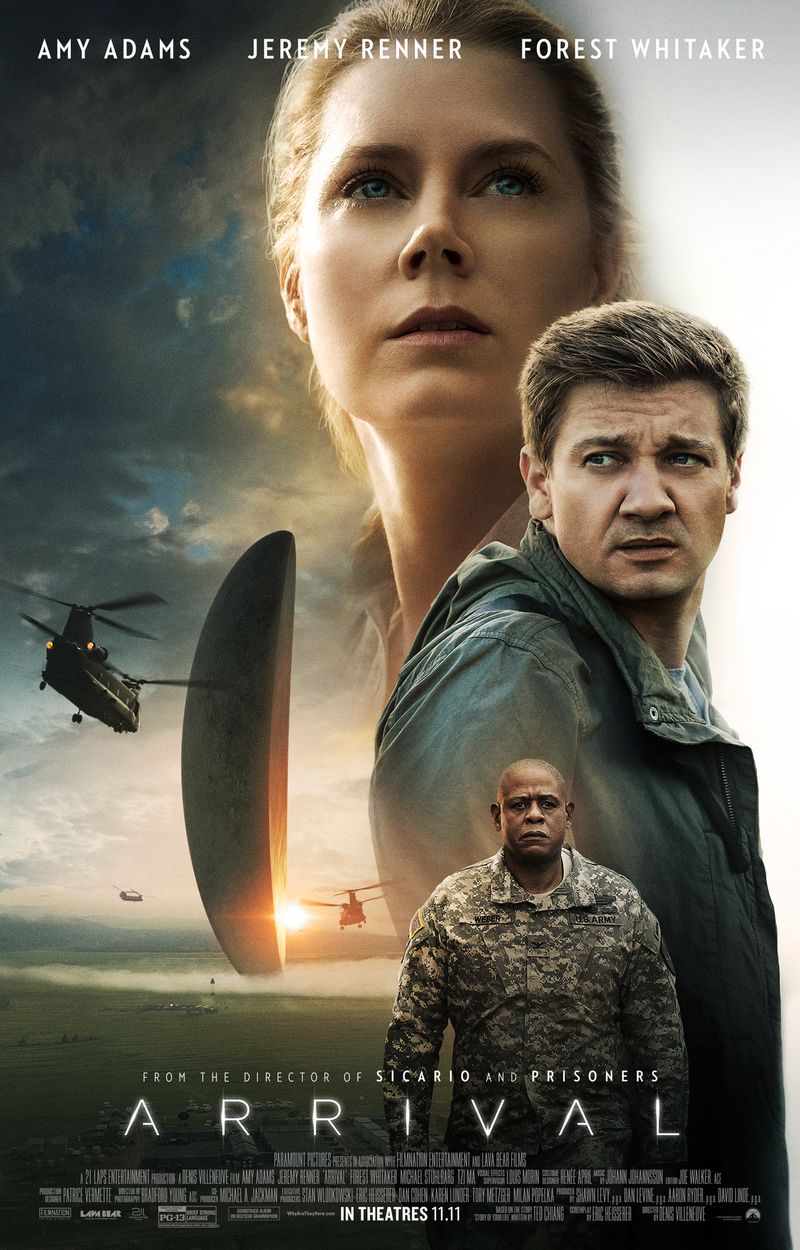
On the surface, Arrival looks like a standard alien contact film.
A linguist named Louise Banks, played brilliantly by Amy Adams, is brought in to communicate with mysterious extraterrestrial visitors.
But Denis Villeneuve is not interested in alien invasions — he’s interested in time, language, and grief.
The film’s emotional gut-punch comes from understanding what Louise actually knows and when she knows it.
Watching it a second time is a completely different — and even more heartbreaking — experience.
Johann Johannsson’s haunting score wraps around every scene like fog.
Arrival is one of those rare science fiction films where the science exists only to ask deeply human questions.
The ending doesn’t just make you cry — it makes you rethink the way you experience your own memories and choices.
15. Aftersun (2022)
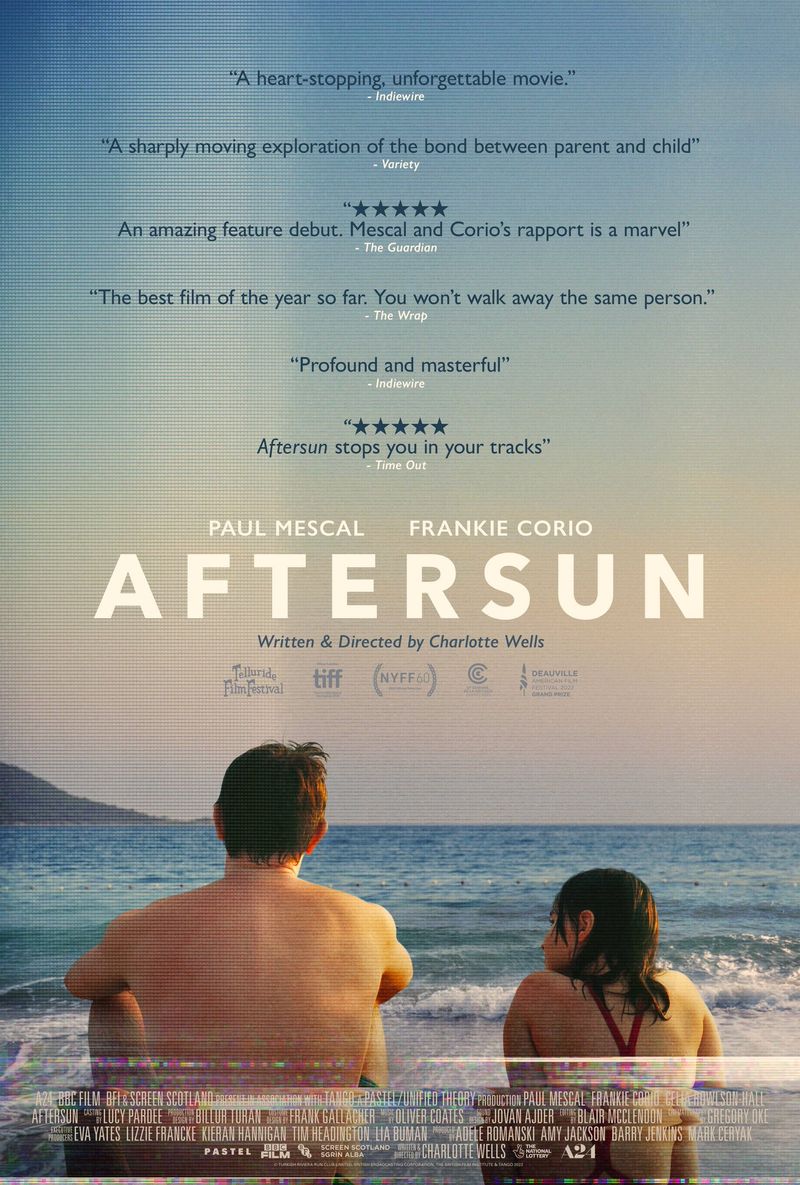
Charlotte Wells’ debut feature film is one of the quietest, most devastating movies of the last decade.
Aftersun follows Sophie, now an adult, as she revisits old camcorder footage from a vacation she took with her father Calum when she was eleven.
What she thought was a happy memory slowly reveals something much more fragile underneath.
Paul Mescal plays Calum with heartbreaking restraint.
He’s funny and loving, but there are moments — just flickers — where the pain behind his eyes is impossible to ignore.
The film trusts you to read what’s never spoken aloud.
Aftersun doesn’t tell you what to feel.
It places you inside a memory and lets the weight settle slowly, long after the screen goes dark.
Few films have ever felt this personal.